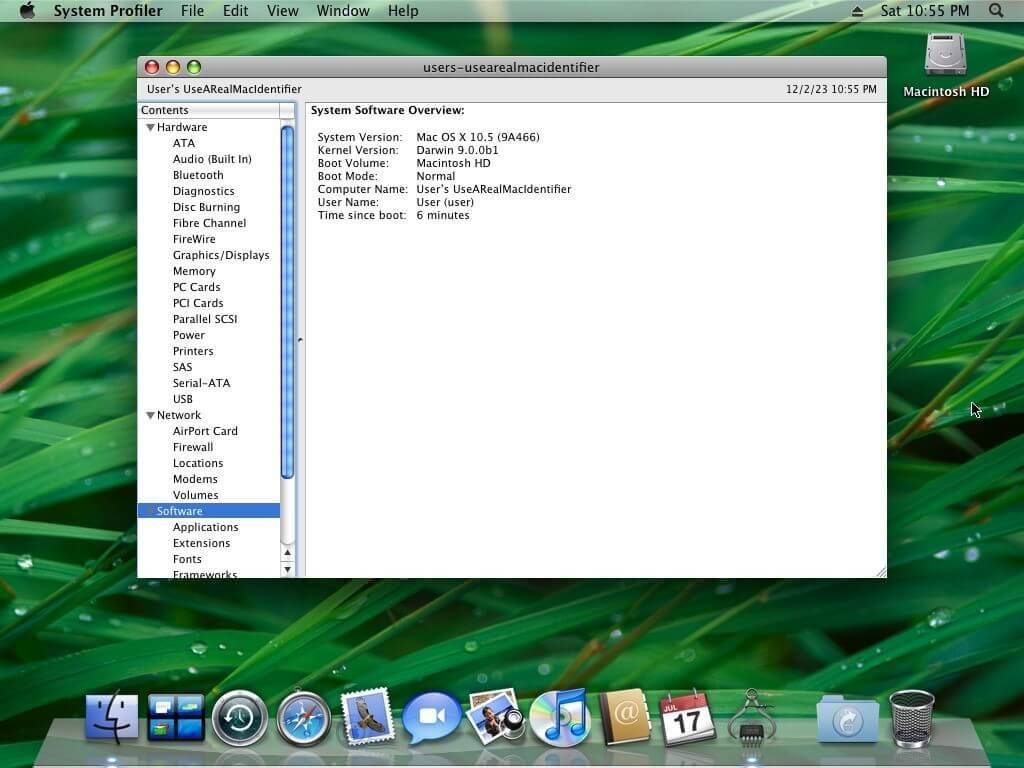
Welcome to 2008
This is the 2008 World Archive of the Millennium Memory Archive. 2008 was an extraordinary year: China hosted the Olympics for the first time, but also lived through a winter storm disaster and the Wenchuan earthquake; a financial tsunami spread from Wall Street around the globe; the first App Store and the first Android phone arrived; and China became the country with the most internet users in the world.
Why 2008?
The same year is remembered in different colours in the East and the West, but with the same kind of longing. For the West, 2008 marks the end of a golden age. For many Chinese people, the decade from 2003 to 2012 was a time full of hope and relatively open and free — and it is just as gone. Both memories deserve to be kept.
In China, 2008 was the year hope ran highest. It was the 30th anniversary of Reform and Opening-up, the economy had been growing fast for years, and the Beijing Olympics showed the world an open, confident China; the relaxed rules for foreign journalists introduced for the Games were even made permanent at the end of the year. After the Wenchuan earthquake millions of volunteers joined the relief effort on their own, and many called 2008 "year one of Chinese civil society". People believed life would keep getting better — and that society would keep opening up.
It was also a decentralized internet. Going online didn't mean opening a few apps; it meant wandering among countless websites: writing posts on Sina Blog, QQ Zone or Baidu Space, building threads and ranting on Tianya, Mop and Baidu Tieba, and meeting kindred spirits on little forums that amateur webmasters had set up with Discuz!. Every hobby, every city and every school had a corner of its own — and the faked "Tiger Zhou" photos were taken apart by netizens on forums, one post at a time. Voices were scattered across thousands upon thousands of websites; if one forum closed, people simply moved somewhere else and kept talking. According to the China Internet Network Information Center (CNNIC), by the end of 2008 162 million of China's 298 million netizens — 54.3% — had a blog of their own, about 91 million used forums and BBSes, and the number of websites reached 2.878 million, nearly doubling in a single year.
More than a decade later, that kind of internet is rare. By the end of 2024 China had 1.108 billion netizens, 3.7 times as many as in 2008, but only 4.46 million websites: in 2008 there were about 97 websites for every 10,000 netizens, today only about 40. People's time has flowed into a handful of super-apps — WeChat now has 1.385 billion monthly active accounts. And once every voice gathers on a few platforms, deciding what gets seen and what quietly disappears becomes far easier. The noisy forums fell quiet one by one, and the people who once built threads and watched together slowly drifted apart. Looking back, the noise and freedom of the years around 2008 — just like the pre-2008 years the West misses — have become a golden age there is no going back to.
In the West, 2008 is the year an era ended. For almost twenty years after the Cold War, Europe and America broadly believed prosperity would simply go on: house prices only went up, credit was easy, globalisation was making everything better, and economists called it the "Great Moderation". In 2008 the dream ended. Bear Stearns was sold in an emergency rescue in March, Lehman Brothers filed for bankruptcy on 15 September, AIG survived only through a government bailout, and in October Iceland's three biggest banks collapsed. Congress passed a $700 billion rescue package and "bailout" became the word of the year. Then came the Great Recession: millions of families lost their homes and jobs, US unemployment reached 10%, and Europe slid into a debt crisis. Only looking back did many people realise that the years before 2008 had been their golden age.
The Western internet reached its own fork in the road. In 2008 the web was still an open prairie: people blogged on Blogger, WordPress and LiveJournal, followed RSS feeds in Google Reader, lurked and posted on all kinds of hobby forums, uploaded photos to Flickr and decorated their MySpace pages in every colour imaginable. Technorati reported that it had indexed more than 133 million blogs since 2002, with about 900,000 new posts every day. Yet it was also in April 2008 that Facebook caught up with MySpace in worldwide visitors, and in July the iPhone App Store opened — the start of an era dominated by a handful of platforms and apps. Google Reader shut down in 2013; by the end of 2023 Facebook alone had 3.07 billion monthly active users. People no longer wander from website to website but keep scrolling through a few feeds, and what gets seen is decided more and more by the algorithms of a few companies.
Two memories, one year. While fireworks lit up the Bird's Nest in Beijing, the crisis on Wall Street was already brewing; while Lehman employees carried their boxes out of the building, Shenzhou 7 was getting ready for launch. The West said goodbye to its golden age in 2008; China's good years quietly came to an end a few years later. Nobody knew at the time that this was the peak. This archive wants to keep the feeling of that year: the surging hope, and the longing for a time that is gone.
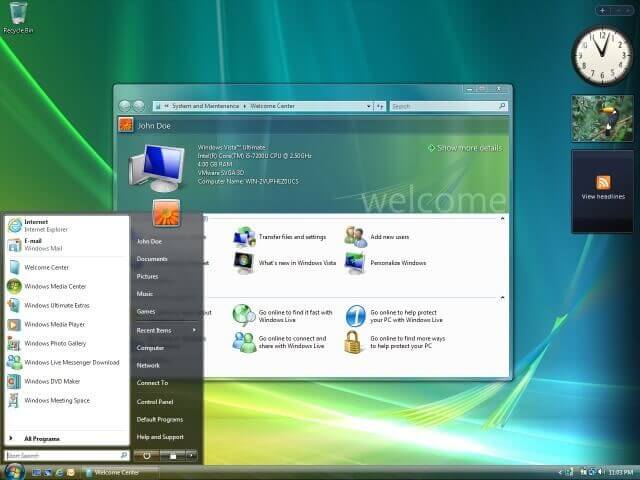
Desktops still showed Vista's aurora or XP's green hill, every web button had to shine, and MP3 players were full of "Beijing Welcomes You" and Jay Chou's "Rice Field". We want to preserve that year's news, objects, sounds and online life.
Use the menu on the left to explore, or start from one of the categories below.