What was happening in the world on this day in 2008? A daily round-up of global news.
2008


What was happening in the world on this day in 2008? A daily round-up of global news.
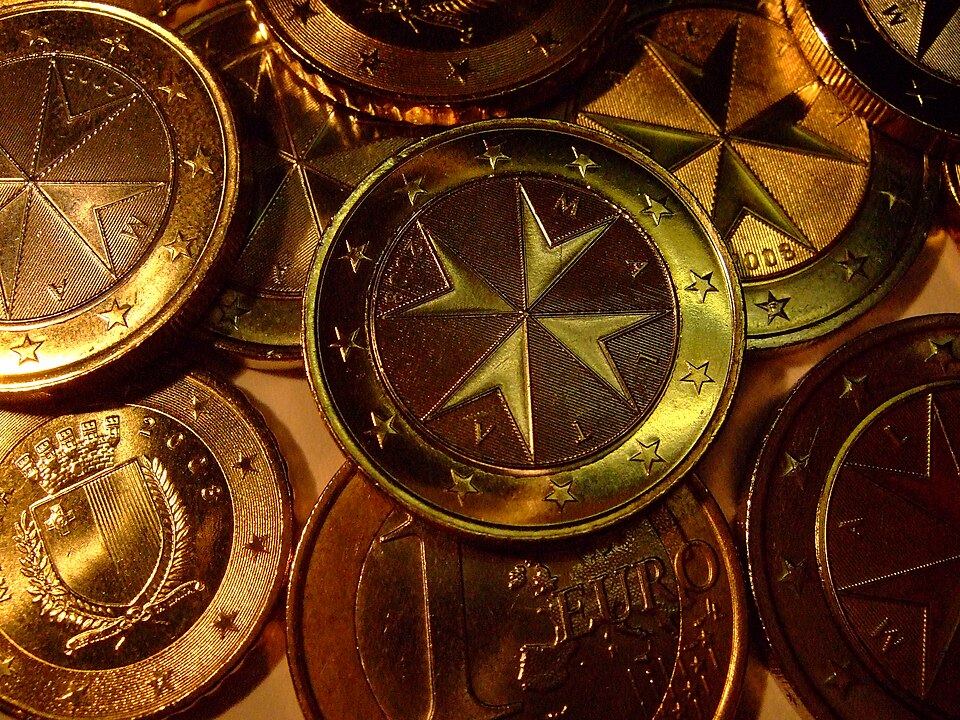
At midnight, Cyprus and Malta, two Mediterranean island nations, replaced their own currencies with the euro. The euro area grew from 13 to 15 countries. The two states had joined the European Union in 2004, and in July 2007 EU finance ministers confirmed that they met the conditions for joining the single currency, including low inflation and sound public finances. The conversion rates were fixed at 0.585274 Cyprus pounds and 0.4293 Maltese lira to one euro. The old notes and coins could still be used alongside the euro until the end of January. Celebrations were held in Nicosia and Valletta, and the European Central Bank welcomed the two new members. Slovakia would follow in 2009.
In Kenya, the violence that broke out after the disputed presidential election of December 27, 2007, took a terrible turn. President Mwai Kibaki had been declared the winner amid accusations of fraud, and his rival Raila Odinga's supporters had taken to the streets. Ethnic clashes spread across the country, especially in the Rift Valley. In the village of Kiambaa, near the town of Eldoret, a mob set fire to the Kenya Assemblies of God church. Dozens of people, mostly women and children from the Kikuyu community, had taken refuge there after attacks on their homes the night before. Estimates of the dead ranged from 17 to more than 30, and many others were badly burned.
The attack shocked Kenyans and the world, and it became one of the defining images of the crisis. Over the following two months, about 1,100 people were killed and more than 600,000 driven from their homes. The violence ended only in February 2008, when former UN Secretary-General Kofi Annan brokered a power-sharing deal that made Odinga prime minister. The Kiambaa killings were later at the centre of the International Criminal Court's case against William Ruto and others, but that case ended in 2016 without a verdict.
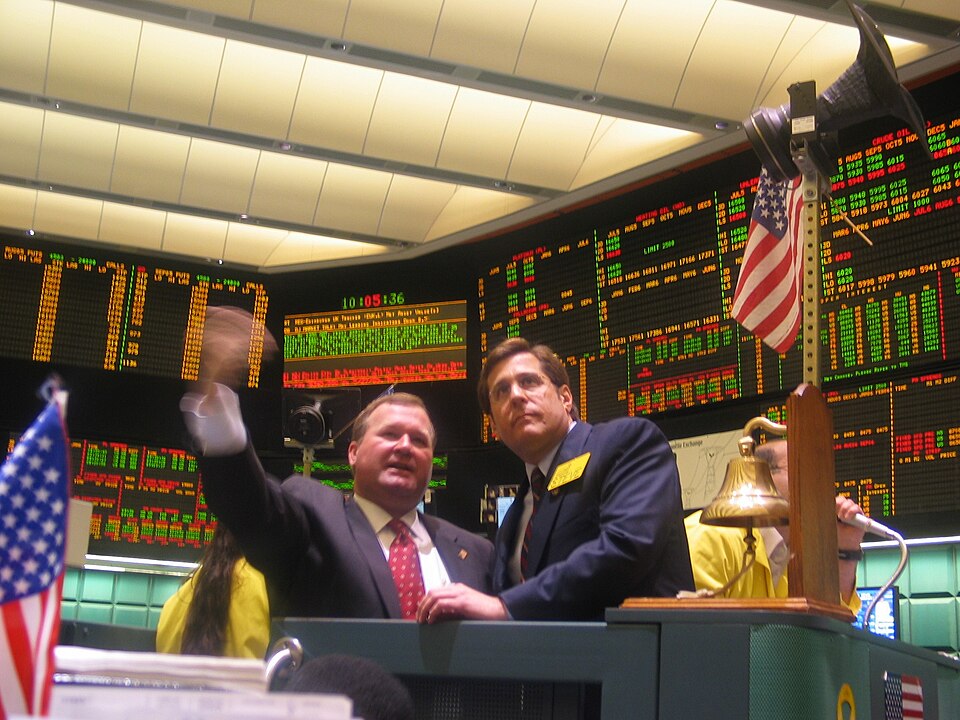
On the first trading day of the new year, the price of crude oil on the New York Mercantile Exchange briefly reached $100 a barrel for the first time in history. The figure had long been seen as a symbolic milestone. The trade that set the record was unusual. A single floor trader bought the minimum lot of 1,000 barrels at exactly $100, reportedly in order to be the first, and quickly sold at a small loss. Oil closed the day at $99.62. Some analysts called it a stunt rather than a true market price. But within weeks, $100 oil became normal.
There were several reasons prices had risen. Demand from fast-growing economies such as China and India was surging. Supplies were tight, and there was unrest in producing countries such as Nigeria. The US dollar had been falling, and investors were pouring money into commodities. Oil had cost about $20 a barrel at the start of the decade and around $60 a year earlier. Analysts said the price, adjusted for inflation, was approaching the record set after the 1979 Iranian revolution. Petrol prices and airline fares were rising, and economists worried that expensive energy would push the already shaky US economy into recession.
The rise continued for months. By July 2008 oil had reached a record $147 a barrel. As the financial crisis hit demand, it then collapsed to below $35 by December, falling as dramatically as it had risen.
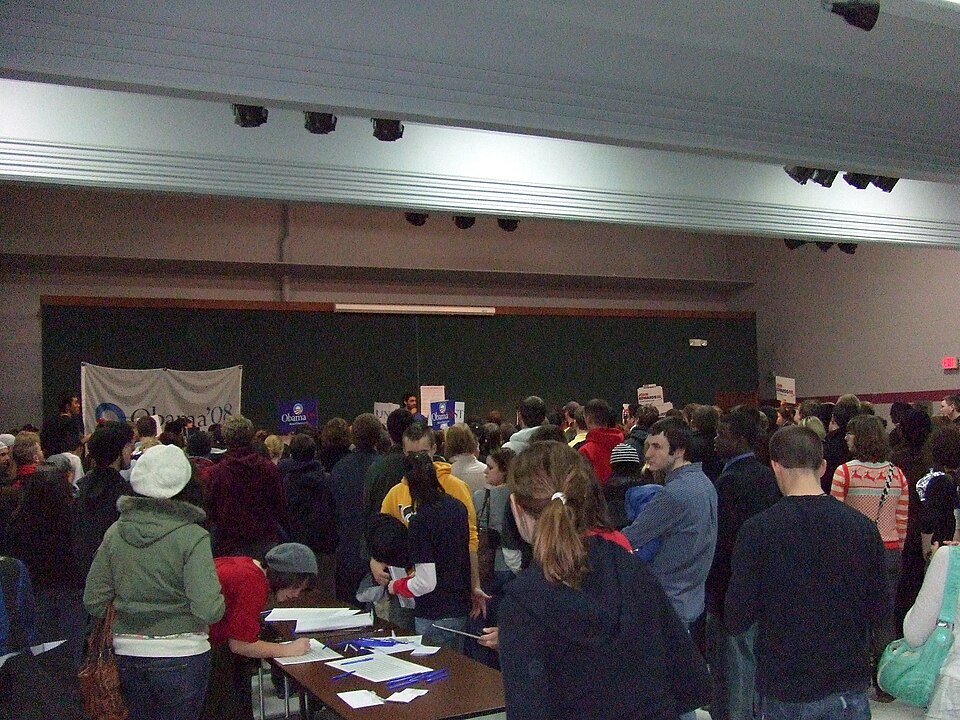
On a cold winter evening, voters across Iowa gathered in schools, churches and community halls for the caucuses that opened the race for the 2008 presidential nominations. Iowa, a largely white farming state in the Midwest, has a small population, but as the first contest it often shapes the whole campaign.
On the Democratic side, Illinois Senator Barack Obama won a clear victory with about 38% of the state delegates. Former North Carolina Senator John Edwards came second with about 30%, and New York Senator Hillary Clinton, long seen as the frontrunner, was third with about 29%. Turnout among Democrats was a record, driven by large numbers of young and first-time participants. For Obama, a first-term senator and the son of a Kenyan father, it was a historic breakthrough. It showed that an African American candidate could win in an overwhelmingly white state. "They said this day would never come," he told cheering supporters in Des Moines. Two other candidates, Senators Joe Biden and Chris Dodd, dropped out of the race that night.
On the Republican side, former Arkansas Governor and Baptist minister Mike Huckabee won with about 34% of the vote, supported strongly by evangelical Christians. He beat former Massachusetts Governor Mitt Romney, who had spent heavily in the state and finished with 25%. Arizona Senator John McCain, who had largely skipped Iowa, came joint third with former Senator Fred Thompson. McCain went on to win the Republican nomination. Obama and Clinton fought a long and close battle for the Democratic nomination, which lasted until June.
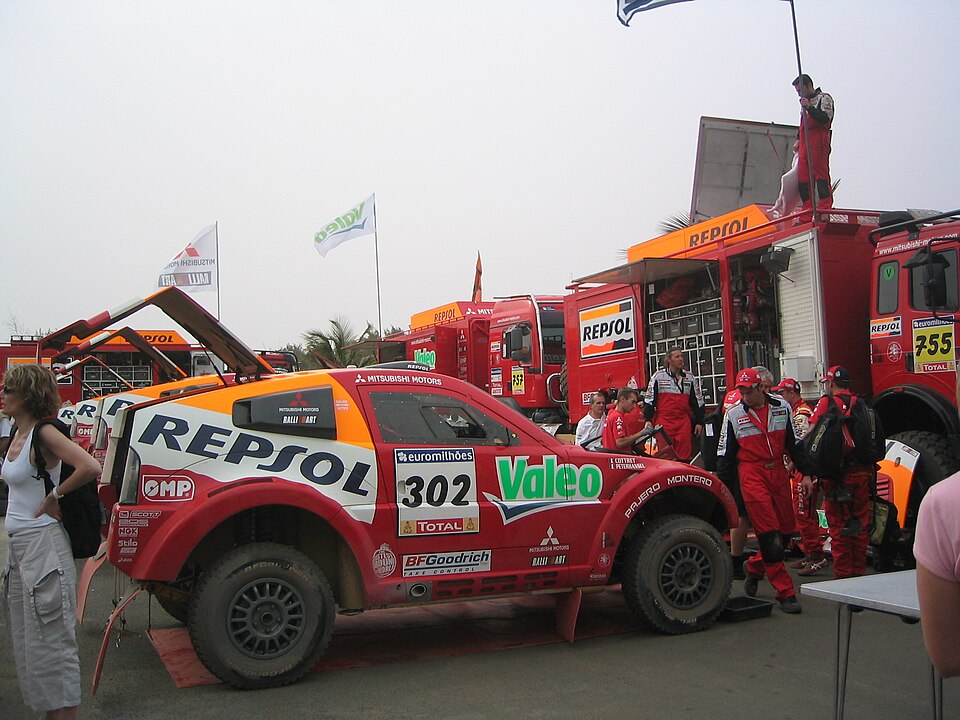
One day before the start, the organisers of the Dakar Rally, the world's most famous and gruelling off-road race, called off the 2008 event. Some 550 cars, motorbikes and trucks had gathered in Lisbon. They were due to set off on January 5 on a 9,000 km journey through Portugal, Morocco and Mauritania to Senegal's capital, Dakar. Eight of the stages were to take place in the deserts of Mauritania.
The Amaury Sport Organisation, which ran the rally, said it had received "direct threats" against the race from terrorist groups. A week earlier, on December 24, four French tourists had been shot dead in Mauritania in an attack blamed on al-Qaeda's North African branch, and three Mauritanian soldiers had been killed shortly afterwards. The French government then advised its citizens not to travel to the country and urged the organisers not to go ahead. "Our responsibility is to guarantee the safety of everyone," the organisers said. They added that the decision had been painful but was the only possible one.
It was the first time in the rally's 30-year history that the whole event had been cancelled. Drivers, riders and sponsors were deeply disappointed. Mauritania, which earned valuable income and publicity from the race, called the decision unfair. The Dakar never returned to Africa. From 2009, it moved to South America, starting in Argentina and Chile, and in 2020 it moved to Saudi Arabia.
In Washington, the Labor Department reported that US employers had added only 18,000 jobs in December 2007, and that unemployment had jumped from 4.7% to 5.0%, fuelling fears of a recession.
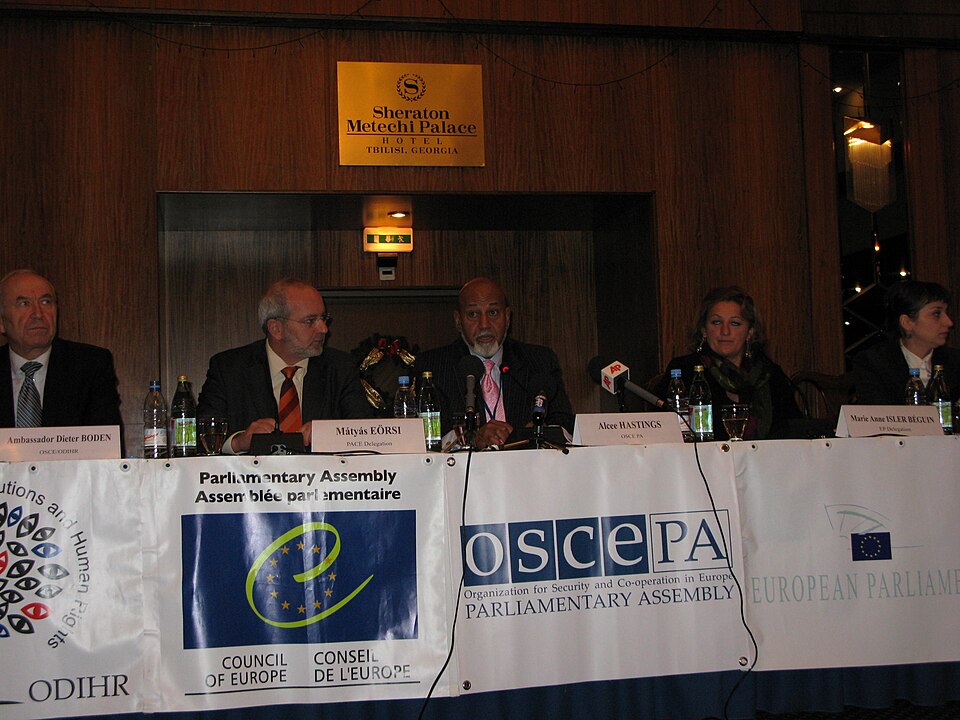
Voters in Georgia, the small former Soviet republic in the Caucasus, went to the polls in an early presidential election. Mikheil Saakashvili had come to power in the peaceful "Rose Revolution" of 2003. He had called the vote two months earlier after the worst political crisis of his presidency. In November 2007, tens of thousands of people had protested in Tbilisi against his government, and riot police broke up the demonstrations with tear gas and rubber bullets. The government then declared a state of emergency and shut down the leading opposition television station, Imedi. Saakashvili resigned to allow an early election, and the parliamentary speaker, Nino Burjanadze, became acting president. He then ran again.
According to the official results, Saakashvili won about 53% of the vote, just enough to avoid a runoff. Levan Gachechiladze, the joint candidate of a coalition of opposition parties, came second with about a quarter of the vote. Observers from the Organization for Security and Co-operation in Europe (OSCE) said the election had been competitive and was in line with most international standards. But they also reported serious problems, including the misuse of state resources, pressure on public employees and irregularities in the vote count. The opposition said fraud had pushed Saakashvili over the 50% line and held protests in the capital. A referendum held on the same day showed strong support for joining NATO.
The election left Georgia deeply divided, and tension with Russia grew through the year. In August 2008, a short war broke out between the two countries over the breakaway region of South Ossetia.
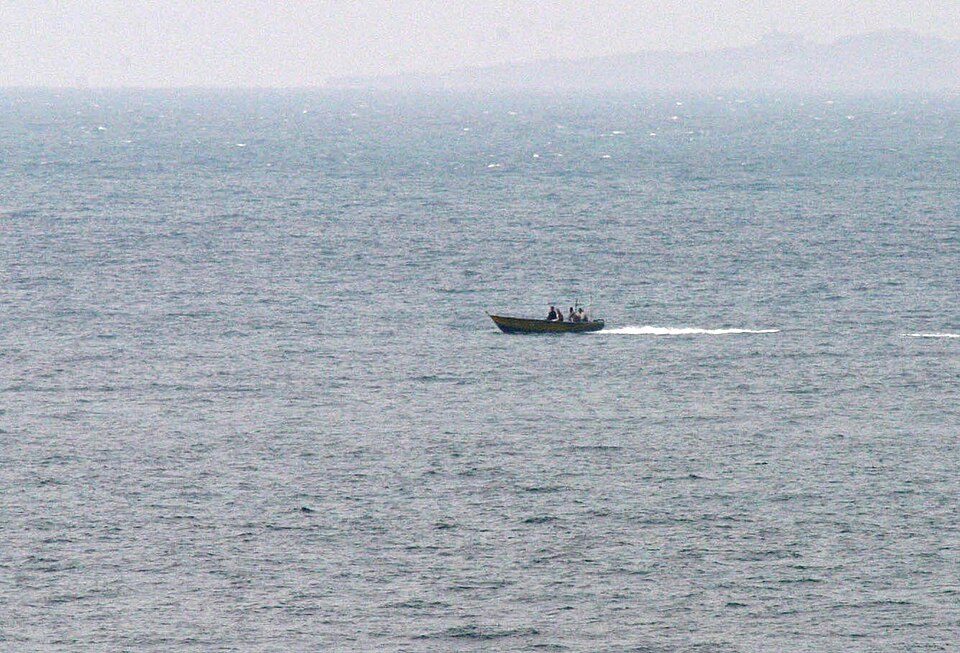
Early in the morning, three US Navy warships were passing through the Strait of Hormuz, the narrow channel at the mouth of the Persian Gulf through which about a fifth of the world's oil passed. They were the cruiser USS Port Royal, the destroyer USS Hopper and the frigate USS Ingraham. According to the US Navy, five small, fast boats believed to belong to the naval forces of Iran's Revolutionary Guards approached at high speed and manoeuvred aggressively around the ships, some coming within a few hundred metres. The boats reportedly dropped box-like objects into the water in the ships' path. Over the radio, a voice warned in accented English: "I am coming to you. You will explode after a few minutes."
The Hopper issued warnings and the ships took evasive action. US officers said they had been close to opening fire when the boats suddenly turned away. No shots were fired and no one was hurt. The objects turned out to be harmless. The Pentagon released video of the encounter, and President George W. Bush, who was about to visit the Middle East, called Iran's actions "provocative" and warned of "serious consequences" if such an incident happened again.
Iran rejected the US account. Its foreign ministry described the encounter as a normal identification procedure, and Iranian media released their own video showing a calm exchange. Doubts later arose over the radio threat itself. US officials admitted they could not be sure where it had come from, and it may have come from another station or vessel in a busy area known for radio pranksters. The incident nonetheless showed how quickly a small encounter between the two rivals could escalate in one of the world's most important shipping lanes.
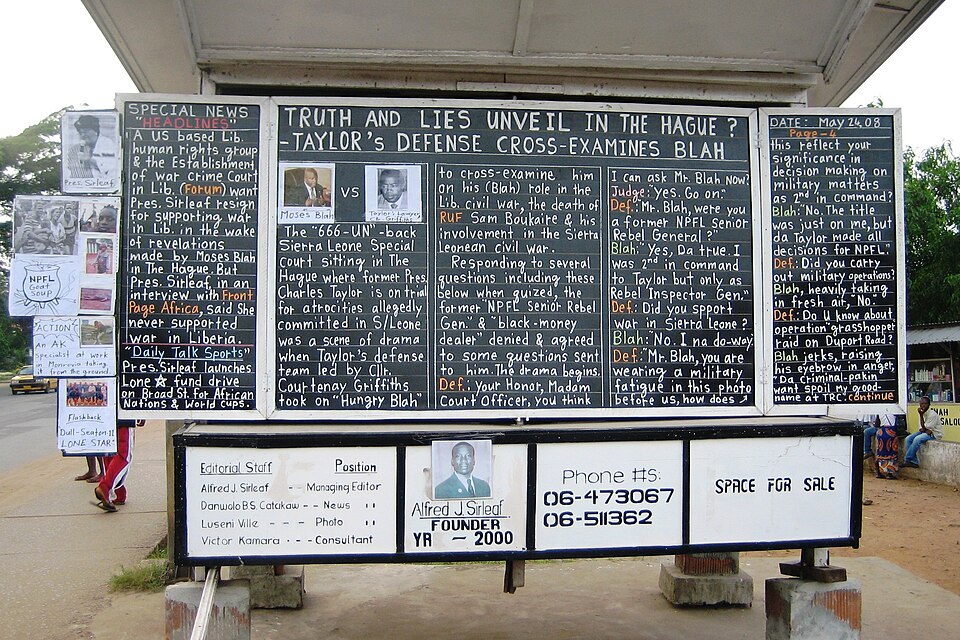
In a courtroom in The Hague, the trial of Charles Taylor, the former president of Liberia, resumed with the first prosecution witnesses. Taylor was the first African head of state to be tried by an international court. He was charged by the UN-backed Special Court for Sierra Leone with 11 counts of war crimes and crimes against humanity. Prosecutors said he had armed, trained and directed the Revolutionary United Front (RUF) rebels in neighbouring Sierra Leone during its civil war in the 1990s. In return, they said, he received "blood diamonds" mined in rebel-held areas. The RUF became notorious for murder, mass rape, the use of child soldiers and the chopping off of civilians' hands and arms.
The trial had opened in June 2007, but Taylor boycotted it and dismissed his lawyers, saying he would not get a fair trial. After a delay to allow a new defence team to prepare, the court began hearing evidence. The first witness was an expert on the diamond trade, followed by survivors who described horrific attacks. The trial was held in the Netherlands rather than in Freetown because of fears that it could destabilise the region. Taylor denied all the charges. In 2012, he was convicted of aiding and abetting the crimes and sentenced to 50 years in prison, the first conviction of a former head of state by an international tribunal since Nuremberg.
In Washington, the US Supreme Court heard arguments in Baze v. Rees. Two prisoners on death row in Kentucky argued that the three-drug mix used in lethal injections risked causing great pain, in violation of the constitutional ban on "cruel and unusual punishment". In April, the court upheld the method, and executions, which had been paused, resumed across the country.
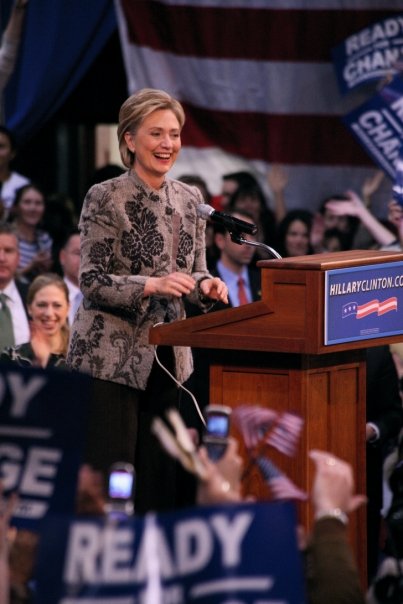
Five days after Barack Obama's victory in Iowa, voters in New Hampshire handed Hillary Clinton a surprise win in the first presidential primary. Almost every opinion poll had shown Obama ahead, some by as much as 9 to 13 points, and commentators had begun predicting the end of her campaign. Instead, Clinton won 39% of the vote to Obama's 37%, with John Edwards third at 17%. "I listened to you, and in the process I found my own voice," she told her supporters in Manchester. Exit polls showed that women had swung strongly back to Clinton. The day before, at a campaign event, she had become emotional and teared up when a voter asked how she kept going, and many commentators believed the moment had helped her. The large gap between the polls and the result became one of the most debated polling failures in modern US politics.
On the Republican side, Arizona Senator John McCain won with about 37%, ahead of former Massachusetts governor Mitt Romney. McCain had won the New Hampshire primary in 2000 against George W. Bush. In the summer of 2007, his campaign had been nearly bankrupt, and he had cut his staff and travelled the state by bus holding town hall meetings. "We showed the people of this country what a real comeback looks like," he said. His victory relaunched a campaign many had written off, and he went on to win the Republican nomination.
The two results set up a long fight on the Democratic side. Obama and Clinton went on to trade victories in state after state until June.
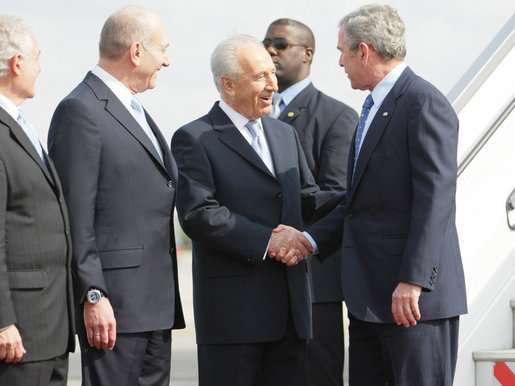
George W. Bush landed at Ben Gurion airport near Tel Aviv at the start of an eight-day tour of the Middle East. It was his first visit to Israel since becoming president seven years earlier. Prime Minister Ehud Olmert and President Shimon Peres welcomed him on the tarmac. Security in Jerusalem was extremely tight, with roads closed and thousands of police deployed. Bush said he saw "a new opportunity for peace" in the Holy Land.
The visit followed the Annapolis conference in the United States in November 2007. There, Olmert and Palestinian President Mahmoud Abbas had agreed to resume negotiations and aim for a peace treaty by the end of 2008. Bush wanted to push the talks forward in his final year in office. He held talks with Olmert in Jerusalem, and the next day he travelled to Ramallah in the West Bank to meet Abbas. Bush said he believed a peace agreement establishing a Palestinian state alongside Israel could be signed before he left office in January 2009. He also said that would require painful compromises on borders, security, refugees and Jerusalem, as well as an end to Israeli settlement expansion and to Palestinian violence. Abbas called the visit historic.
Many were sceptical. The Palestinians were divided: Hamas controlled the Gaza Strip, while Abbas's Fatah ran the West Bank, and rockets were still being fired from Gaza into southern Israel. Olmert faced political pressure at home. Iran's nuclear programme was also high on the agenda. Bush's tour went on to Kuwait, Bahrain, the United Arab Emirates, Saudi Arabia and Egypt. No peace agreement was reached, and by the end of 2008 the region was at war again in Gaza.
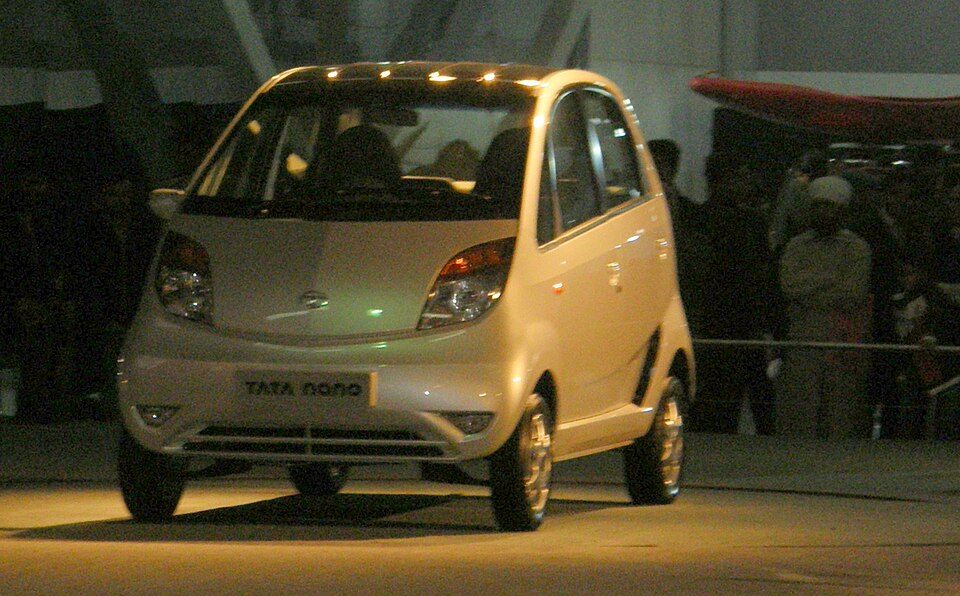
At the Auto Expo in New Delhi, Ratan Tata, chairman of India's Tata group, drove a small, bubble-shaped car onto the stage to loud applause. It was the Tata Nano, which he presented as the cheapest car in the world. The base model would cost exactly 100,000 rupees, one lakh in the Indian numbering system, or about $2,500 at the time, excluding taxes and transport. That was roughly the price of the DVD player option in some luxury cars, and about half the price of India's cheapest existing car.
Tata said the idea had come to him a few years earlier when he saw a family of four squeezed onto a single scooter in the rain. Millions of Indian families relied on motorbikes and scooters, and he wanted to give them a safe, affordable alternative. "A promise is a promise," he said, referring to his pledge to keep the price at one lakh despite rising material costs. The Nano was just over three metres long. It had a rear-mounted 624cc two-cylinder engine producing 33 horsepower, four doors and room for five people. To keep costs down, the basic version had no air conditioning, no power steering and only one windscreen wiper.
The launch drew huge attention around the world, and many people saw it as a symbol of India's rise as a manufacturing and innovation power. Environmental groups worried that millions of cheap cars would worsen pollution and traffic jams. In the end, the Nano did not live up to the hopes. Production was delayed by protests by farmers over land for the factory in West Bengal. The car's image as the "cheapest car" also put off status-conscious buyers, and a few early models caught fire. Sales were far below expectations, and production ended in 2018.
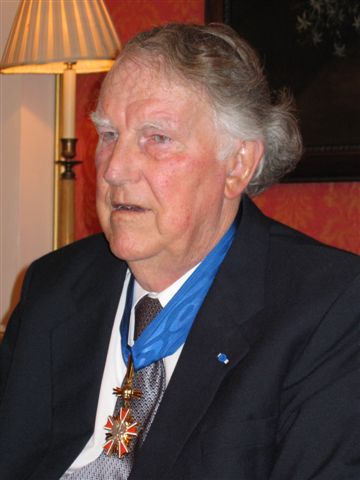
Sir Edmund Hillary, the New Zealand mountaineer who was one of the first two people to stand on the summit of Mount Everest, died at Auckland City Hospital at the age of 88. Prime Minister Helen Clark announced his death and called him "the best-known New Zealander ever to have lived". Flags across the country were lowered to half-mast.
Hillary was a beekeeper from Auckland. On May 29, 1953, as part of a British expedition, he and the Sherpa climber Tenzing Norgay reached the 8,848-metre summit of the world's highest mountain. News of their achievement reached London on the morning of Queen Elizabeth II's coronation, and Hillary was knighted soon afterwards. Asked about the climb, he famously said, "Well, we knocked the bastard off." He always insisted that he and Tenzing had reached the top together. He went on to lead expeditions to the South Pole, driving tractors there in 1958, and to the source of the Ganges.
He was perhaps proudest of what he did afterwards. In the early 1960s he founded the Himalayan Trust, which built more than 25 schools, two hospitals and a dozen clinics for the Sherpa people of Nepal's Khumbu region, and he returned there dozens of times. A modest man who appeared on New Zealand's five-dollar note, he was given a state funeral in Auckland. Nepal, where he was deeply loved, held memorial ceremonies, and monks prayed for him at the monasteries below Everest.
In the United States, Bank of America agreed to buy Countrywide Financial, the country's largest mortgage lender, for about $4 billion in shares. Countrywide had been crippled by the subprime mortgage crisis.
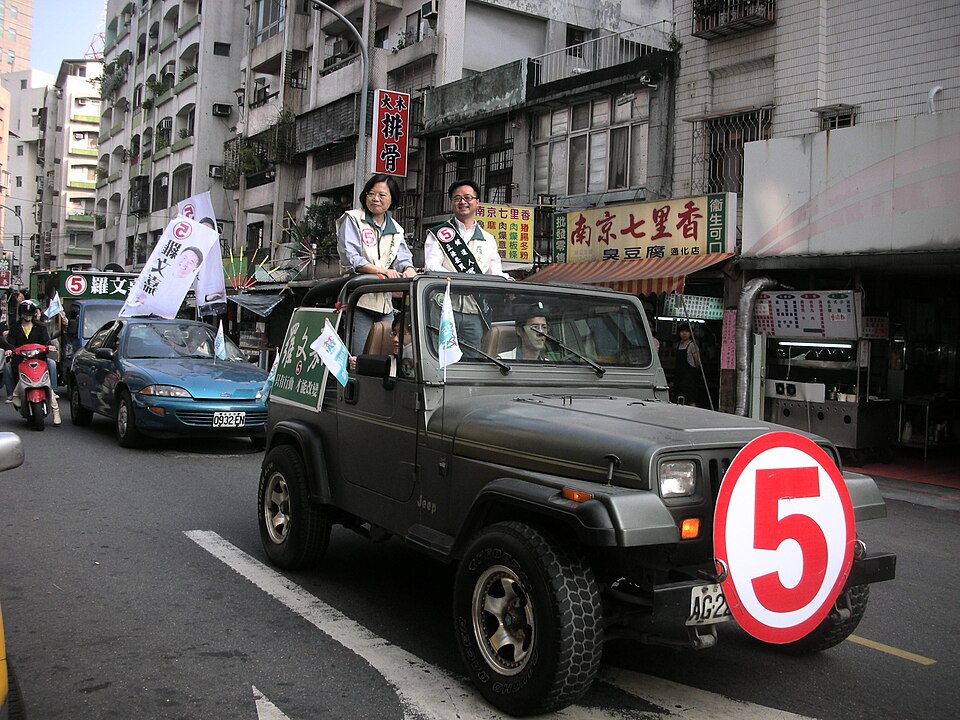
In the election for Taiwan's legislature, the Kuomintang (KMT) won a sweeping victory. It took 81 of the 113 seats, more than two-thirds of the chamber. The Democratic Progressive Party (DPP) of Taiwan's leader Chen Shui-bian won only 27 seats. The New Party, the People First Party and the Taiwan Solidarity Union won a handful of seats between them, and one seat went to an independent. It was the first election under new rules that had cut the size of the legislature from 225 to 113 seats and introduced single-member districts. Under those rules, the larger party gained more seats than its share of the vote.
The DPP had campaigned heavily on a pro-independence line, including a proposed referendum on joining the UN under the name "Taiwan". Many voters were tired of the island's political confrontation and corruption scandals, and they were worried about a sluggish economy. Commentators widely saw the result as a rejection of Chen's approach. That evening, Chen resigned as DPP chairman and called it the gravest defeat in the party's history. Two referendums held on the same day, on recovering assets held by the KMT and on fighting corruption, failed because too few voters took part.
The result was welcomed on the mainland, where a spokesman said it showed that the "Taiwan independence" separatist line was unpopular. It gave strong momentum to the KMT's candidate, Ma Ying-jeou, ahead of the March 2008 election for Taiwan's leader, which he won easily. Under the KMT, relations across the Taiwan Strait warmed rapidly that year, leading to direct flights, shipping and post in December.
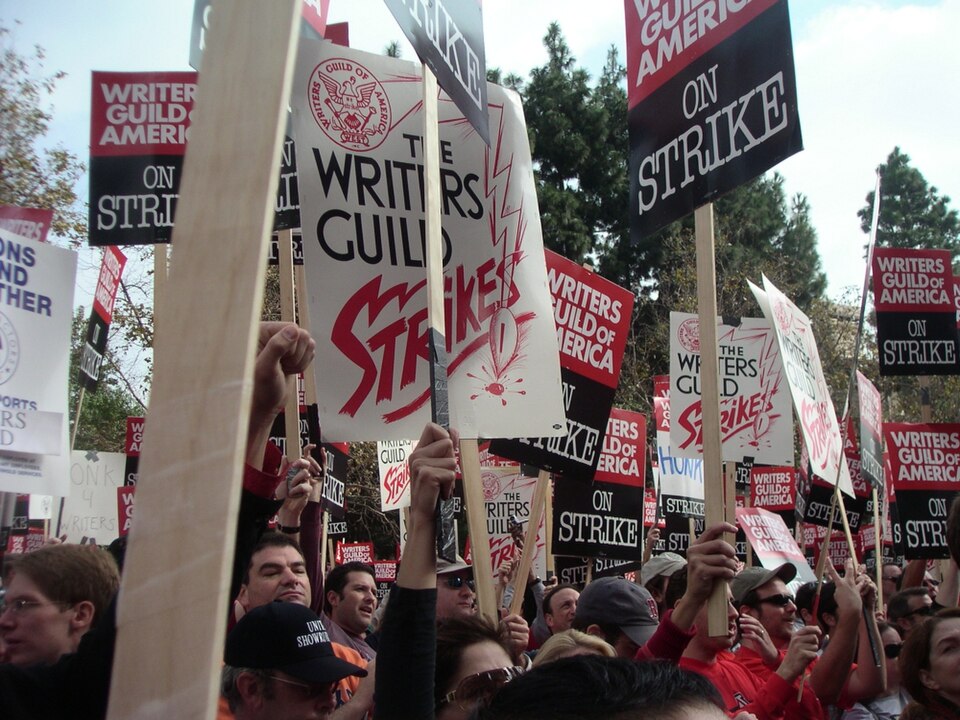
For the first time in its history, Hollywood's Golden Globe Awards had no ceremony, no red carpet and no celebrities on stage. Instead, the winners were read out at an hour-long news conference at the Beverly Hilton hotel in Los Angeles, broadcast live by NBC News. The reason was the strike by the Writers Guild of America, which had begun in November 2007. The screenwriters were fighting for a share of the income from DVDs and the fast-growing market for films and shows on the internet. The writers had refused to allow their members to work on the show, and the actors' union said its members would not cross the writers' picket lines. So the Hollywood Foreign Press Association, which runs the Globes, cancelled the traditional gala dinner.
Joe Wright's British wartime romance Atonement, starring Keira Knightley and James McAvoy, won Best Motion Picture – Drama. Tim Burton's Sweeney Todd: The Demon Barber of Fleet Street won Best Musical or Comedy, and its star Johnny Depp won Best Actor in that category. Daniel Day-Lewis won Best Actor in a Drama for There Will Be Blood, and Julie Christie won Best Actress for Away from Her. Marion Cotillard won Best Actress in a Musical or Comedy for her portrayal of Édith Piaf in La Vie en Rose. The Coen brothers' No Country for Old Men won awards for its screenplay and for Javier Bardem as the chilling killer Anton Chigurh. On television, the new series Mad Men won Best Drama Series.
The strike, which halted the production of many TV programmes, ended in February 2008 after 100 days, with new agreements that gave writers a share of online income. The Academy Awards went ahead as normal later that month.
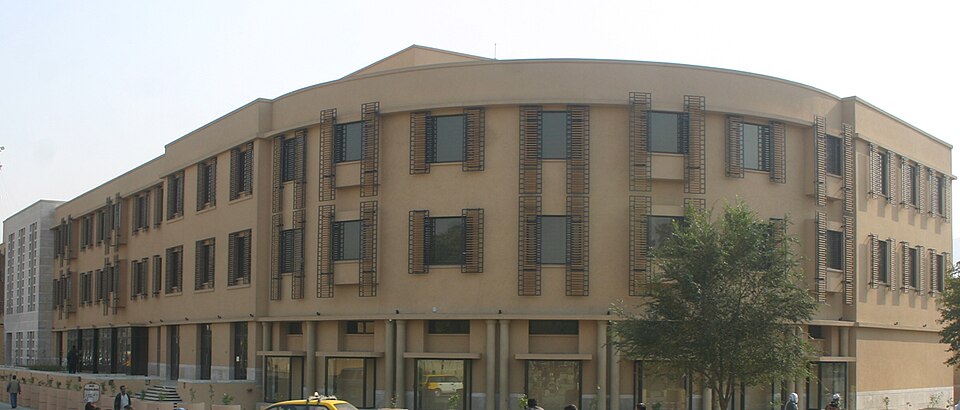
In the early evening, militants attacked the Serena Hotel in central Kabul, the only five-star hotel in the Afghan capital and a favourite of diplomats, aid workers, journalists and businesspeople. It was just a short distance from the presidential palace. The attackers, wearing police uniforms and armed with rifles, grenades and explosive vests, shot their way past the guards at the entrance. One of them blew himself up near the gate, and others went into the hotel's gym and lobby, firing at people inside. Guests and staff hid in the basement and in locked rooms as Afghan and international security forces fought back.
Six people were killed and several others wounded. Among the dead were the Norwegian journalist Carsten Thomassen, an American aid worker, a Philippine woman who worked at the hotel's spa, and Afghan guards and staff. Norway's foreign minister, Jonas Gahr Støre, was staying at the hotel and was meeting embassy staff there at the time. He was unhurt. UN Secretary-General Ban Ki-moon later said Støre had been the target, though the reason was unclear. The Taliban claimed responsibility. The UN Security Council condemned the attack as a terrorist act and called for those responsible to be brought to justice.
The attack was a shock because it struck the most heavily guarded part of Kabul, which had been considered relatively safe. It showed that the insurgency, which was growing in the south and east of Afghanistan, could reach into the heart of the city. Security at hotels, embassies and offices across Kabul was tightened in the following weeks.
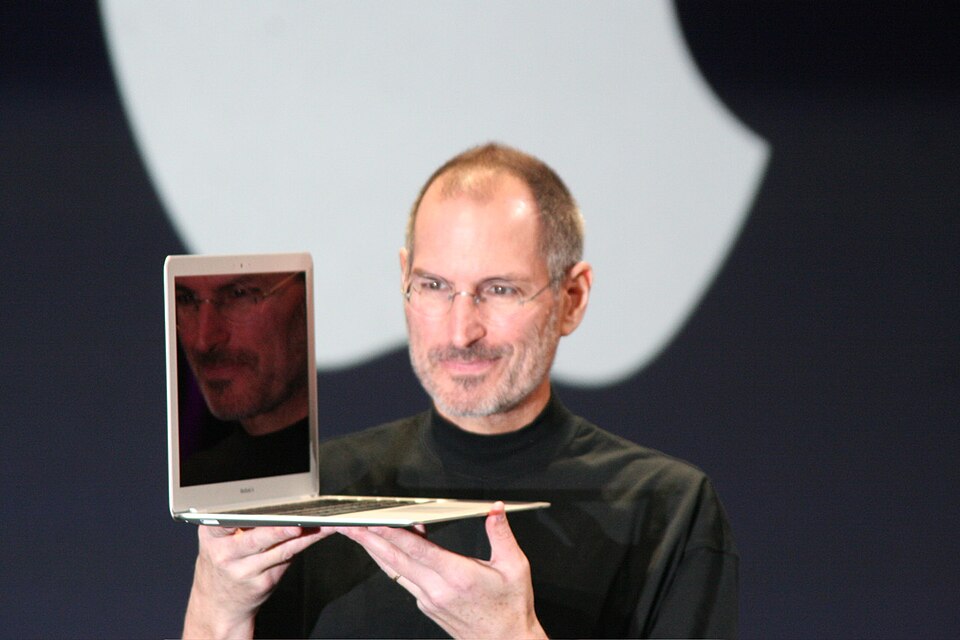
At the Macworld conference in San Francisco, Apple chief executive Steve Jobs walked to the side of the stage, picked up an ordinary interoffice manila envelope, undid its string and slid out a laptop. It was the MacBook Air, which he introduced as "the world's thinnest notebook". It measured just 0.76 inches (1.94 cm) at its thickest point and tapered to 0.16 inches (0.4 cm) at the edge. It weighed about three pounds (1.36 kg), yet still had a full-size keyboard and a 13.3-inch screen. The moment became one of the most famous product reveals in technology history.
To make it so thin, Apple left out features that most laptops still had. There was no built-in CD or DVD drive, only one USB port and no Ethernet socket, and the battery could not be removed. Buyers could choose an optional solid-state flash drive instead of a hard disk, an expensive novelty at the time. Prices started at $1,799. Some critics said Apple had sacrificed too much, but the design proved enormously influential. Within a few years, thin and light "ultrabooks" without optical drives had become the standard for laptops across the industry.
Jobs also announced iTunes Movie Rentals, with all the major Hollywood studios taking part. A new version of the Apple TV box could download films directly to a television without a computer. He also unveiled Time Capsule, a wireless router with a built-in hard drive for automatic backups. Apple was riding high: the iPhone had gone on sale only six months earlier, and Jobs said four million had already been sold.
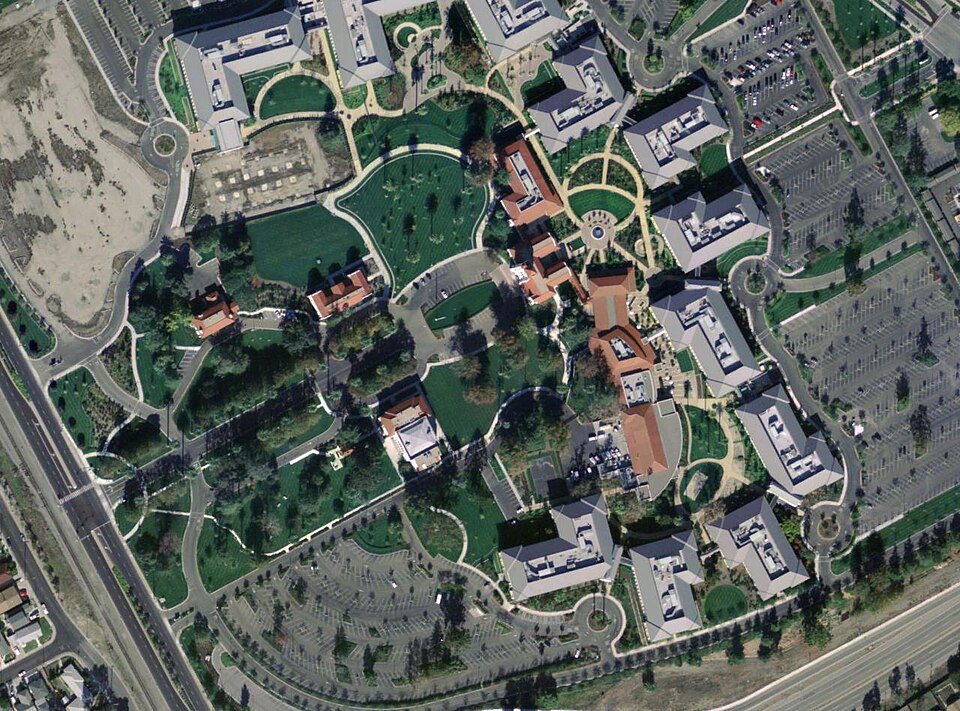
Sun Microsystems, the Silicon Valley company known for its servers and the Java programming language, announced that it would buy MySQL AB, the Swedish company behind the world's most popular open-source database. Sun would pay about $800 million in cash for MySQL's shares and take on about $200 million in options, around $1 billion in total. It was one of the largest deals ever for an open-source software company.
MySQL was a database system, software used to store and look up information, that anyone could download and use for free. It had been downloaded more than 100 million times, with another 50,000 copies being downloaded every day. It powered a huge part of the web, including sites such as Wikipedia, Facebook, YouTube and countless blogs, as part of the free "LAMP" software stack: Linux, Apache, MySQL and PHP. The company made money by selling support subscriptions to businesses, although only a small fraction of users paid. Sun's chief executive, Jonathan Schwartz, said the deal would put Sun at the centre of the web economy and help it compete in the $15 billion database market against Oracle, IBM and Microsoft. MySQL's chief executive, Mårten Mickos, joined Sun's management team.
Some analysts said the price was too high for a company whose software was mostly given away. The deal had an ironic sequel. In April 2009, Oracle, the world's largest seller of commercial databases, agreed to buy Sun itself for $7.4 billion, and so it gained MySQL too. Worried about MySQL's future under Oracle, its original creator, Michael "Monty" Widenius, started a free alternative called MariaDB, which went on to become widely used.
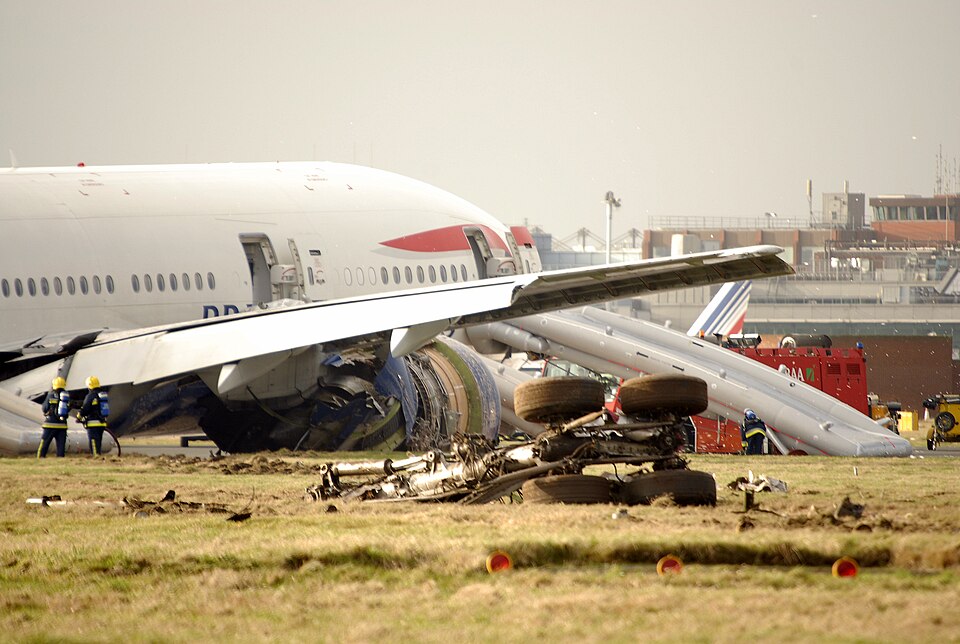
Shortly before 1 pm, British Airways Flight 38, a Boeing 777 arriving at London Heathrow from Beijing with 136 passengers and 16 crew, came down about 300 metres short of the runway. It struck the grass inside the airport fence, and its landing gear collapsed as it slid across the ground before stopping on the edge of runway 27L. Fuel leaked from the damaged aircraft, but there was no fire. Everyone on board escaped down the emergency slides. Some passengers were hurt, but no one was killed.
During the final approach, both engines had failed to respond when the autopilot asked for more power, leaving the jet gliding towards the ground. Captain Peter Burkill reduced the angle of the wing flaps to cut drag and stretch the glide. Many experts said this helped the plane clear the airport's perimeter fence and a busy road, possibly saving many lives. Gordon Brown's motorcade had been leaving the airport at the time. The investigation by the UK Air Accidents Investigation Branch later found that ice had formed in the fuel system during the long, very cold flight over Siberia, and then blocked the flow of fuel through the engines' fuel-oil heat exchangers. Rolls-Royce redesigned the part. The aircraft was written off, the first total loss of a Boeing 777 since the type entered service in 1995.
In Reykjavik, the American chess genius Bobby Fischer died at the age of 64. In 1972, at the height of the Cold War, he defeated the Soviet champion Boris Spassky in Reykjavik to become world champion. That "Match of the Century" made chess front-page news around the world. He later withdrew from public life, and his final years were troubled. In 2004 he was detained in Japan for travelling on a revoked US passport, and Iceland, which remembered him fondly, granted him citizenship.
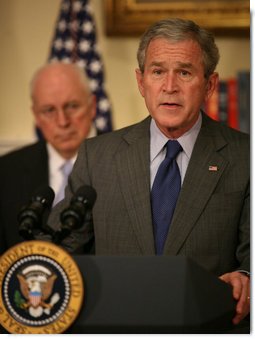
With fears of a recession growing, President George W. Bush called on Congress to pass a quick economic stimulus package of about $145 billion, or roughly 1% of America's gross domestic product. "Our economy is showing signs of weakness," he said at the White House. He said the economy needed "a shot in the arm" to keep it growing. The package would be "big enough to make a difference" and should take effect quickly and only temporarily.
The main idea was to send tax rebates to American households, so they would spend more and support businesses. Bush also wanted tax breaks to encourage companies to invest in new equipment. He did not give details, leaving them to be worked out with Congress. Officials said about two-thirds of the money should go to individuals and a third to businesses, and the White House said the plan could help create about half a million jobs. The economy had been hit by the collapse of the housing market and the subprime mortgage crisis, rising oil prices and a weak jobs report earlier in the month. Stock markets had fallen sharply since the start of the year.
Democrats who controlled Congress broadly welcomed the plan but wanted more help for low-income families and the unemployed. Within a week, the White House and House leaders agreed a deal, and Congress passed the Economic Stimulus Act in February. Rebate cheques of up to $600 per person and $1,200 per couple, plus $300 per child, were sent out from late April. The rebates gave a short boost to spending, but they could not prevent the much deeper crisis that came in the autumn.
Two important contests on the same day helped shape the race for the 2008 presidential nominations.
In Nevada, the first Western state to vote, Democrats and Republicans held caucuses. Many of the meetings took place in the casinos on the Las Vegas Strip so that hotel and casino workers could attend during their shifts. On the Democratic side, Hillary Clinton beat Barack Obama by about 51% to 45%, her second win in a row after New Hampshire. She did especially well among women and Hispanic voters, the fastest-growing group in the state. Obama's campaign noted that, because of how the delegates were allocated in rural areas, he had won about as many national convention delegates as Clinton. The influential Culinary Workers Union had endorsed Obama, but many of its members voted for Clinton. On the Republican side, former Massachusetts Governor Mitt Romney won easily with about 51%, helped by strong support from Nevada's large Mormon community. Most of his rivals had largely skipped the state.
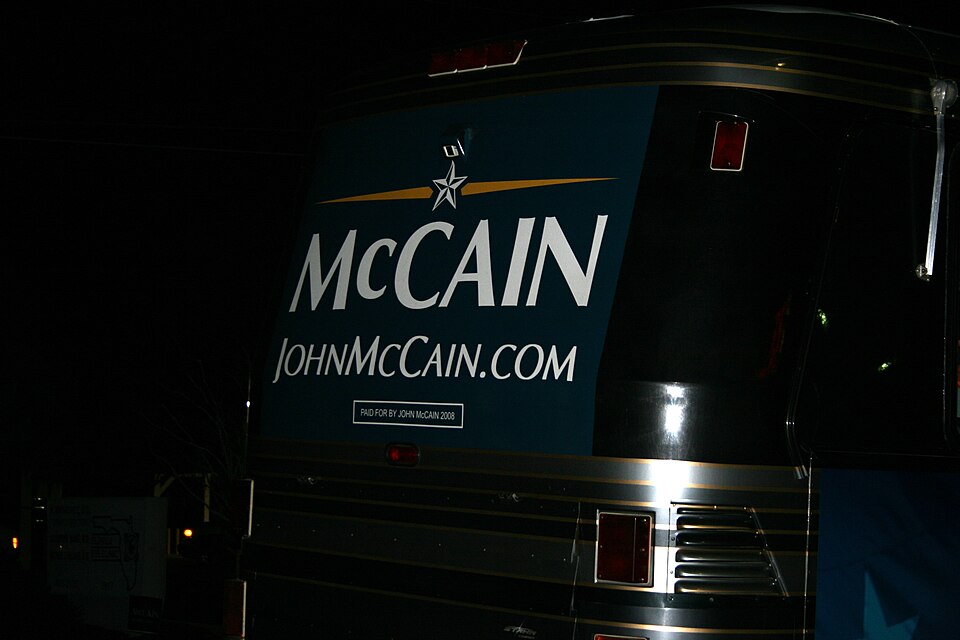
In South Carolina, Arizona Senator John McCain narrowly won the Republican primary with about 33%, ahead of former Arkansas Governor Mike Huckabee with about 30%. The win had special meaning for McCain. In 2000, he had lost a bitter South Carolina primary to George W. Bush, a defeat that effectively ended his campaign that year. This time, strong support from the state's many military veterans carried him to victory. Former Senator Fred Thompson finished third and dropped out of the race a few days later. McCain now led the Republican field, and he won Florida at the end of the month.
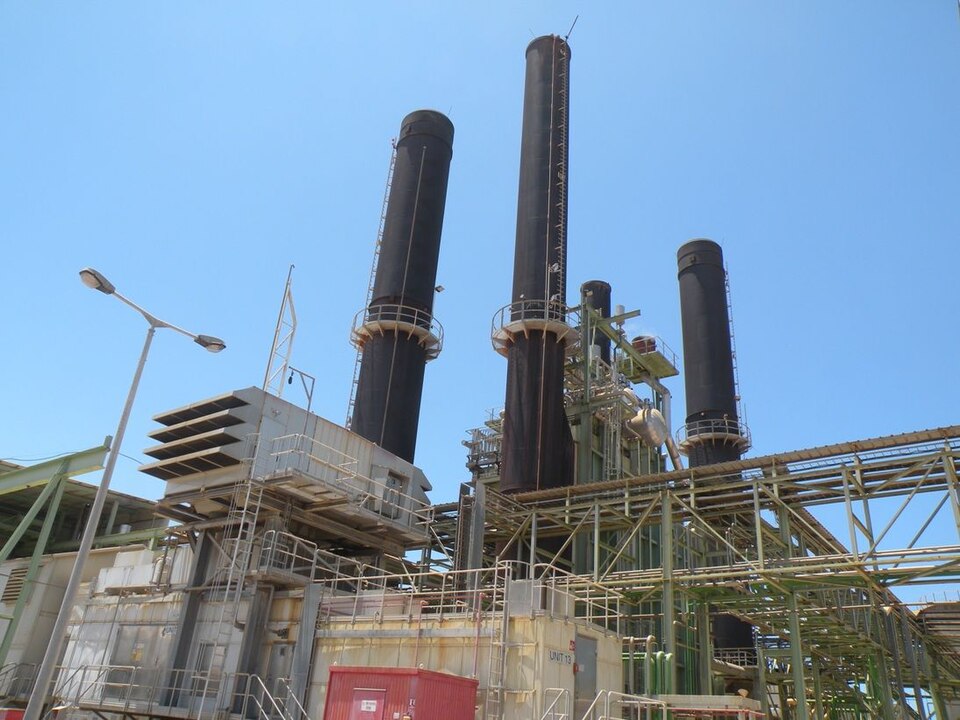
The Gaza Strip's only power station shut down after running out of fuel, leaving large parts of the territory, including much of Gaza City, without electricity. Around 1.5 million people lived in the narrow coastal strip, and the plant's director said at least 800,000 of them were plunged into darkness. As night fell, families lit candles and stocked up on batteries, bread and water. Hospitals switched to emergency generators and postponed many operations, and the pumps that supplied water and treated sewage stopped working in many areas.
Since Hamas had taken control of Gaza in June 2007, Israel had imposed a tight blockade on the territory. A few days earlier, it had completely closed the crossings, halting deliveries of fuel, food and medicine. Israel said it was responding to a sharp rise in rocket and mortar attacks from Gaza on southern Israeli towns such as Sderot. Israeli officials called the humanitarian crisis exaggerated. They noted that Israel and Egypt still supplied much of Gaza's electricity directly through power lines, and they accused Hamas of creating a crisis for propaganda. Palestinian leaders, UN agencies and aid groups warned of a humanitarian disaster and said that cutting off fuel was collective punishment of ordinary people. Protests took place in several Arab capitals.
Under international pressure, Israel allowed some fuel back in two days later. But the crisis was not over. On January 23, militants blew down large sections of the border wall with Egypt at Rafah. Hundreds of thousands of Gazans poured into Egypt over the following days to buy food, fuel and goods, before Egypt resealed the border.
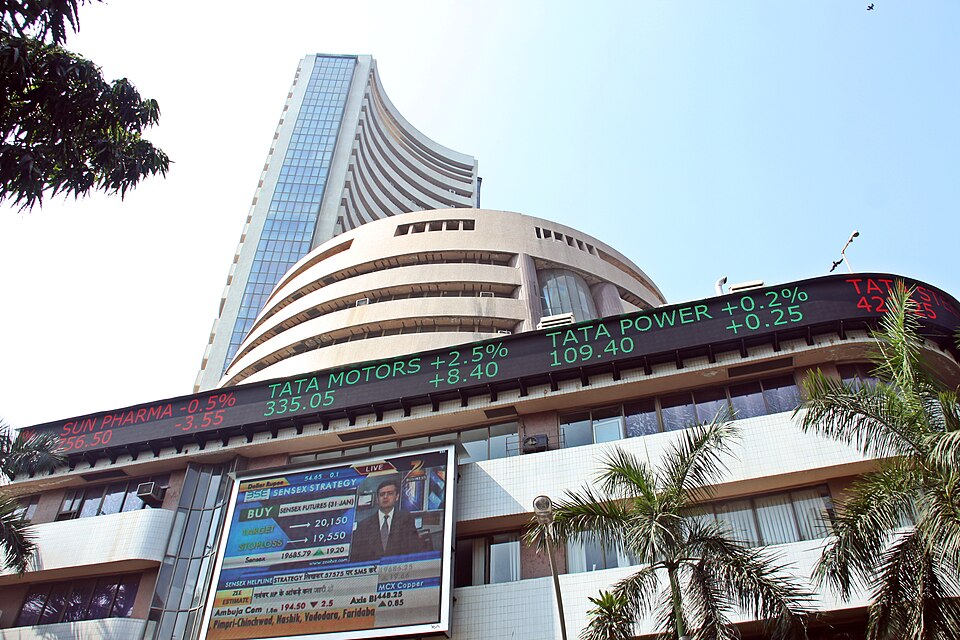
With Wall Street closed for the Martin Luther King Jr. Day holiday, stock markets in Asia, Europe and elsewhere suffered their worst day since the September 11 attacks in 2001. Fears were growing that the United States was heading into a recession, and that it would drag the rest of the world down with it. Investors were also unconvinced by President Bush's $145 billion stimulus plan, announced on Friday, and by the steady stream of losses at big banks from bad American mortgage loans.
In Hong Kong, the Hang Seng index fell 5.5%, and Tokyo's Nikkei lost 3.9%. Indian markets crashed so fast that trading was halted for an hour after the main indexes fell 10% at the opening. The Mumbai Sensex ended the day down 7.4%, its biggest one-day points fall ever at the time. Shanghai and Shenzhen also fell sharply. In Europe, the selling grew worse during the afternoon. London's FTSE 100 closed 5.5% lower, its biggest fall since September 11, 2001. Germany's DAX lost more than 7% at one point, and markets in France, Spain and elsewhere suffered similar losses. Hundreds of billions of dollars were wiped off share values in a single day.
The panic continued in Asia the next morning, and US stock futures pointed to a big fall when Wall Street reopened. Before the markets opened on January 22, the US Federal Reserve made an emergency cut in interest rates of 0.75 percentage points. It was its biggest single cut in a quarter of a century and the first unscheduled cut since 2001. The move calmed the markets for a while, but it was a sign of how fragile the global financial system had become.
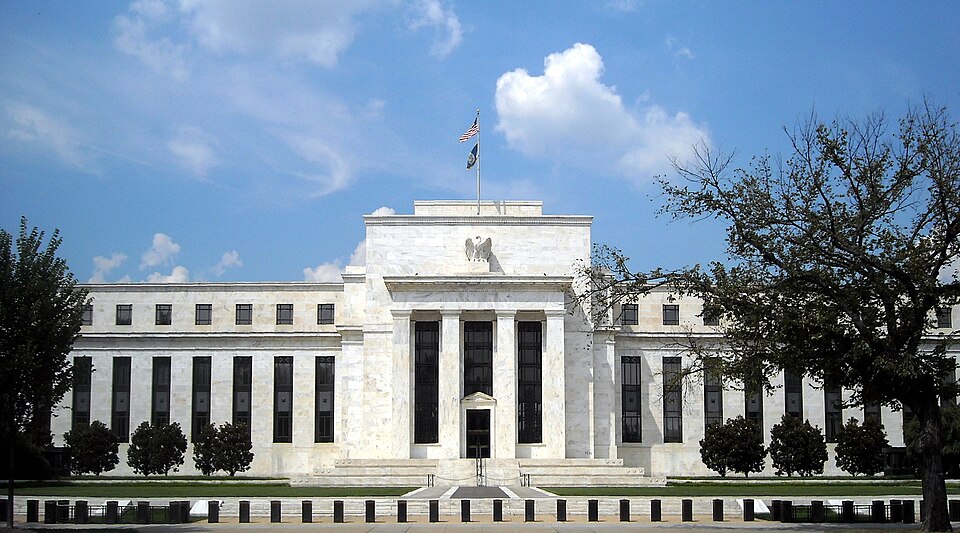
At 8:20 am, before Wall Street opened, the US Federal Reserve announced a surprise cut of three-quarters of a percentage point in its key interest rate, from 4.25% to 3.5%. It was the largest single cut in more than two decades and the first time since the days after the September 11 attacks in 2001 that the Fed had cut rates between its regular meetings. The day before, stock markets around the world had suffered their worst day since 2001 while US markets were closed for a holiday. US stock futures were pointing to a heavy fall at the opening. The Fed said it acted because of "a weakening of the economic outlook and increasing downside risks to growth", and it signalled that it was ready to cut again.
The cut softened the shock. The Dow Jones Industrial Average fell more than 460 points in the first minutes of trading, but it recovered much of the loss and closed down 128 points. European and Asian markets rebounded over the next two days. A week later, at its regular meeting, the Fed cut rates by another half-point, to 3%. Some critics said the central bank was reacting to falling share prices, and others worried about inflation. But the Fed's chairman, Ben Bernanke, had signalled that he would act aggressively to prevent a recession.
In New York, the Australian actor Heath Ledger was found dead in his apartment in the Manhattan neighbourhood of SoHo, at the age of 28. Ledger had become famous for films such as Brokeback Mountain. The medical examiner later ruled that his death was an accidental overdose of prescription medicines. At the time, he had just finished filming his role as the Joker in The Dark Knight, which came out in July. The role won him a posthumous Academy Award for Best Supporting Actor in 2009.
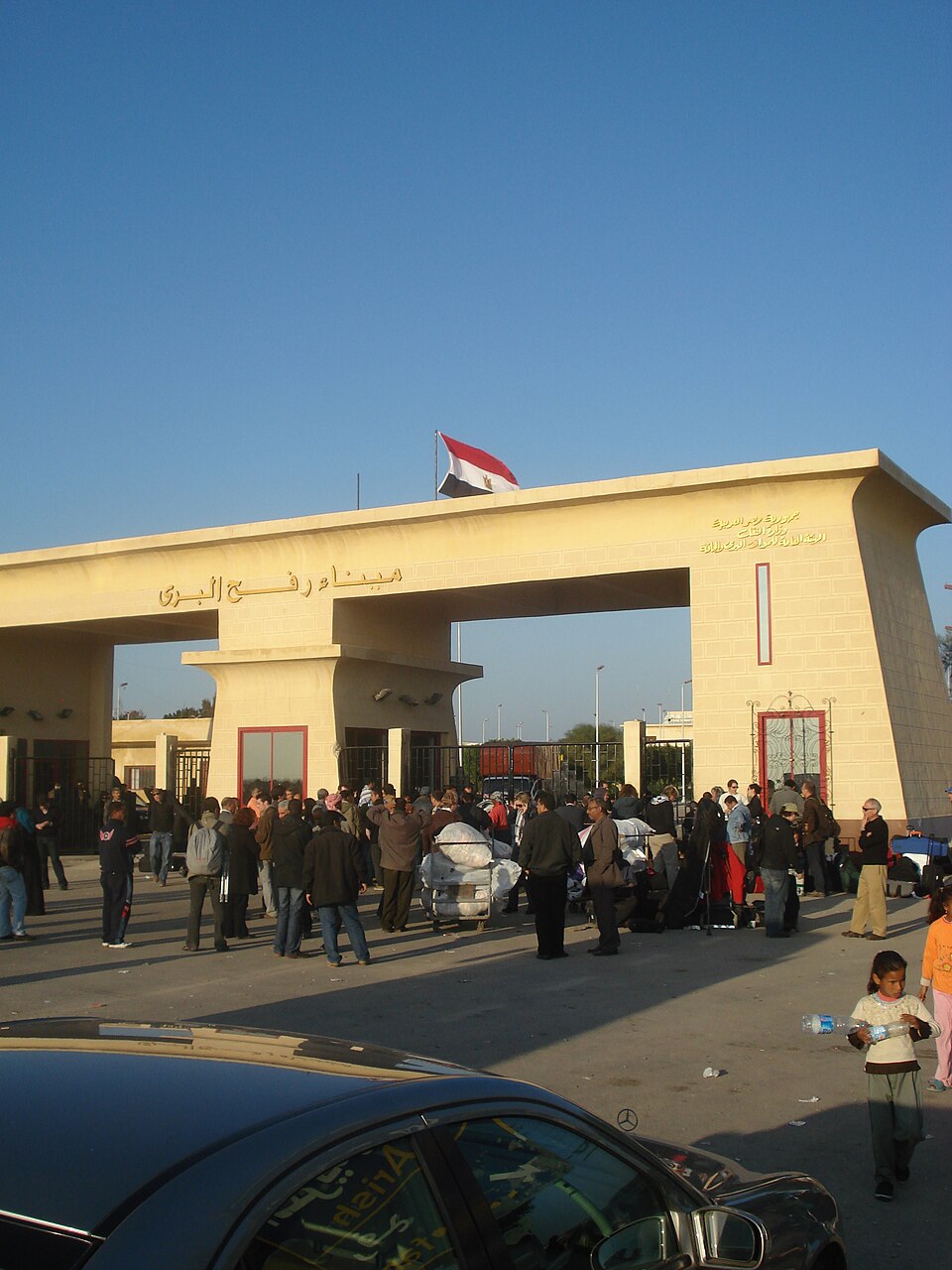
Before dawn, masked militants set off a series of explosive charges along the metal wall that separated the Gaza Strip from Egypt at the divided town of Rafah, knocking down large sections of it. Within hours, tens of thousands of Palestinians were streaming across the border on foot, on donkey carts and in cars. In the following days, estimates of the numbers who crossed ranged from 200,000 to as many as 700,000, possibly up to half of Gaza's 1.5 million people.
The breach came after months of tight blockade by Israel since Hamas took control of Gaza in June 2007, and days after a complete closure of the crossings had led to fuel shortages and a blackout. In the Egyptian towns of Rafah and El Arish, Gazans bought everything they could carry: food, fuel, cigarettes, cement, medicine, livestock, motorbikes and even cars. Shops quickly sold out and prices soared. For many families it was the first time in years that they had left Gaza. Some used the chance to visit relatives or seek medical treatment.
Hamas welcomed the breach, but its exiled leader Khaled Meshaal denied that the movement had planned it, saying the situation had been created by the blockade. Egyptian President Hosni Mubarak said he had told his security forces to let the hungry Palestinians in, as long as they did not carry weapons. Israel worried that militants and weapons could enter Gaza freely through the open border and called on Egypt to control it. Within days, Egyptian forces began trying to push people back. By February 3, the border had been sealed again.
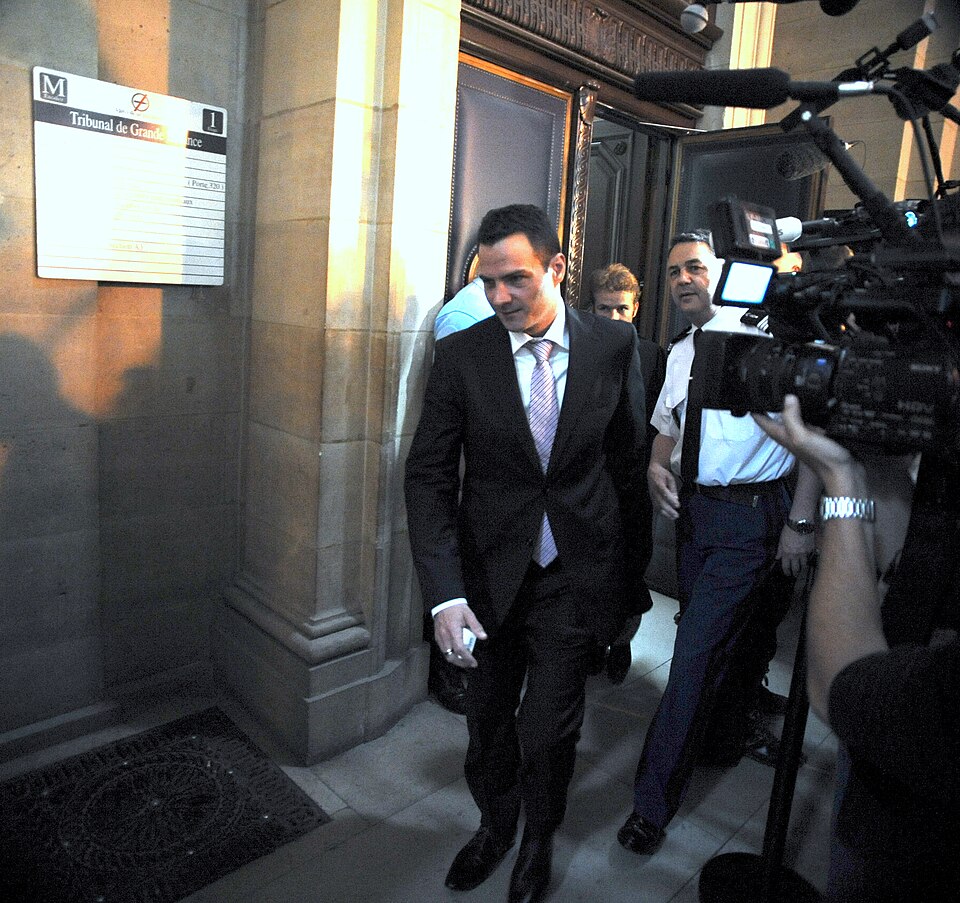
Société Générale, one of France's largest and most respected banks, stunned the financial world when it announced that a single junior trader had caused it a loss of €4.9 billion, about $7.2 billion. At the time, it was the largest loss ever caused by one trader. The bank named the man as Jérôme Kerviel, a 31-year-old employee working on its futures desk in Paris. His job was to make small, hedged bets on European stock market indexes. The bank said he had instead secretly built up huge unauthorised positions, worth around €50 billion at their peak, more than the bank's entire capital. To hide them, he created fake trades that appeared to offset the risk.
The bank said it had discovered the positions the previous weekend and closed them as quickly as possible from January 21. Those were the same days that stock markets around the world were crashing. Some analysts believed the bank's huge sell-off had added to the market turmoil, and that it may even have contributed to the Fed's emergency rate cut on January 22. Société Générale filed a criminal complaint against Kerviel and announced a €5.5 billion capital increase to absorb the loss. It also reported further losses on US subprime mortgage investments. Its chairman, Daniel Bouton, offered to resign, though the board initially refused.
Kerviel admitted taking positions far beyond his limits. But he insisted he had not profited personally, and he said his superiors had tolerated his trading as long as it made money. In 2010 a court sentenced him to prison and ordered him to repay the full €4.9 billion. In 2016, an appeal court cut that to €1 million, ruling that the bank's own failures had contributed to the loss.
In Rome, Prime Minister Romano Prodi's centre-left coalition lost a confidence vote in the Senate after a small Catholic party left the government. Prodi resigned, and in the early election held in April, Silvio Berlusconi returned to power.
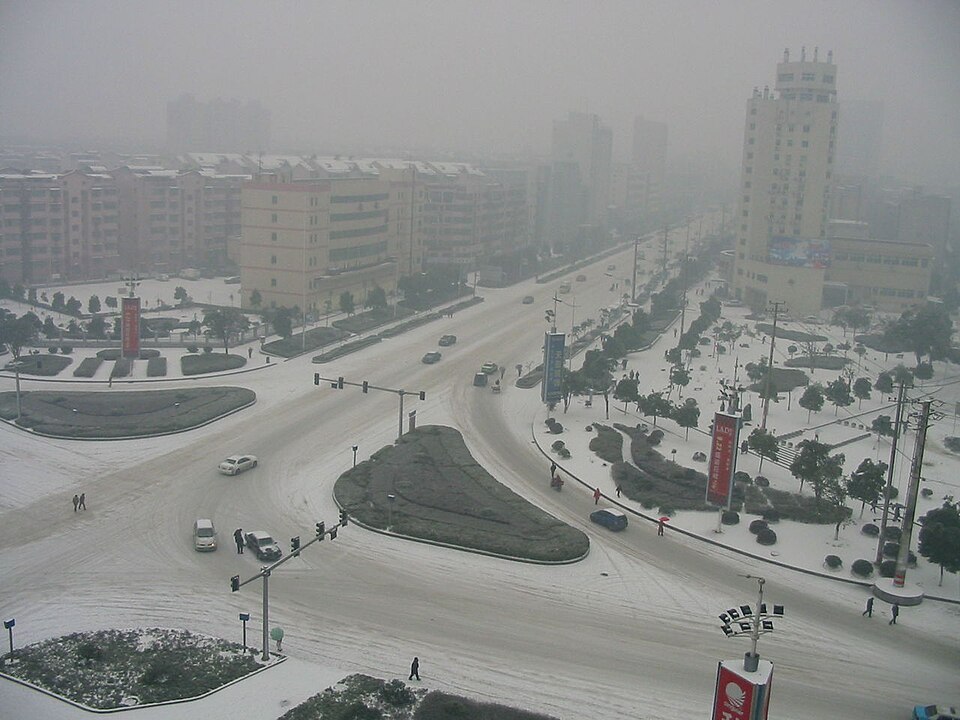
By late January, the worst winter storms in half a century were tightening their grip on central and southern China. The snow, sleet and freezing rain had begun around January 10, and they hit provinces such as Hunan, Hubei, Guizhou, Jiangxi, Anhui and Guangdong. Many of these places rarely see snow and were not prepared for it. Thick layers of ice snapped power lines and toppled pylons, leaving cities and counties without electricity, and in some places water, for days. Roads and highways were closed, airports shut, and the main railway line between Beijing and Guangzhou was blocked when the power supply for its electric trains failed.
The timing could not have been worse. The storms came just before the Spring Festival, when tens of millions of migrant workers from the factories of the Pearl River Delta travel home to their families in the interior. This is the largest annual human migration in the world. As trains were cancelled, huge crowds built up at railway stations. At Guangzhou railway station, the number of people waiting grew to well over 100,000 in the following days. Thousands of police and soldiers were deployed to keep order and hand out food and water. The authorities urged migrant workers to stay in Guangdong for the holiday, and many companies offered incentives to those who did.
The central government made the disaster relief its top priority. Tens of thousands of soldiers, armed police and electricity workers were sent to clear roads, chip ice off power lines and restore electricity. Premier Wen Jiabao travelled to Hunan, Hubei and Guangdong, where he spoke to stranded passengers at Guangzhou station and asked for their understanding. Supplies of coal to power stations were also disrupted, and some provinces rationed electricity. By the time the weather improved in February, the storms had killed more than 100 people and caused economic losses of over 150 billion yuan.
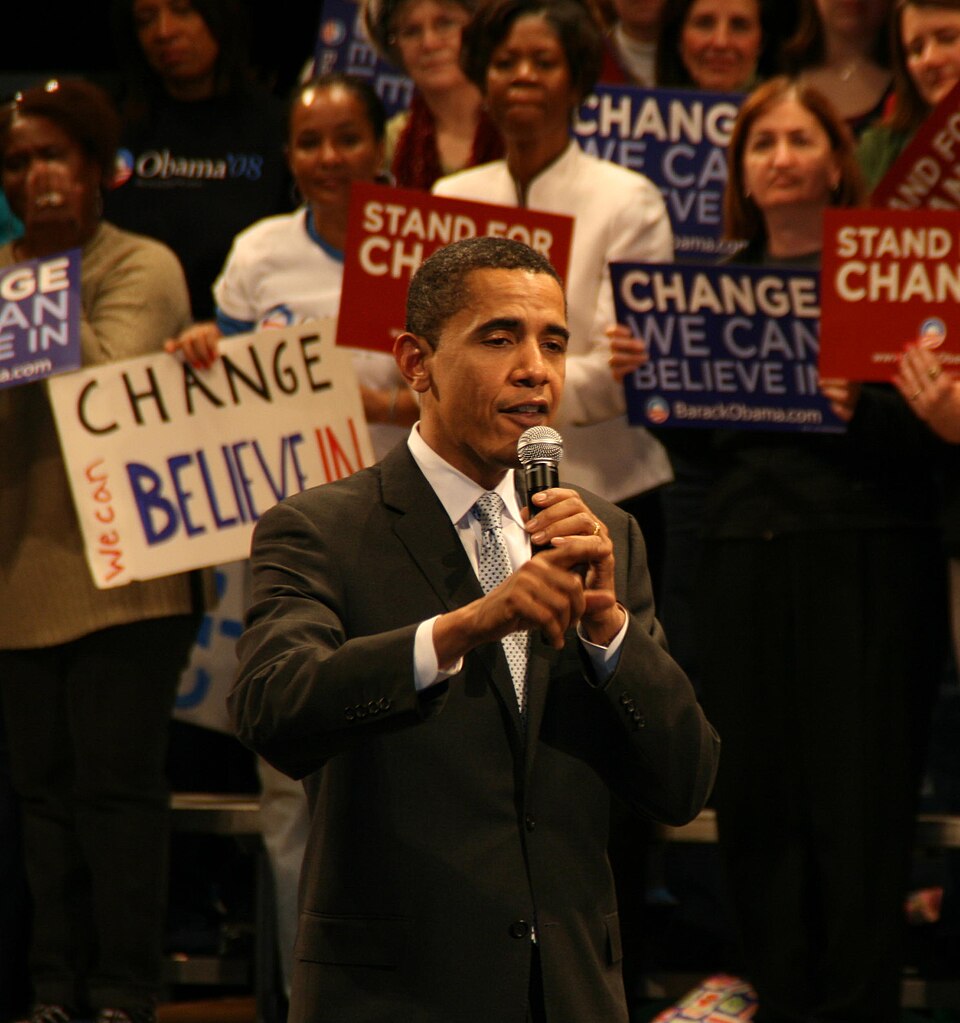
In the South Carolina Democratic primary, Barack Obama won a sweeping victory that put his campaign back on track after defeats in New Hampshire and Nevada. With almost all votes counted, he had 55%, more than double Hillary Clinton's 27%. Former North Carolina Senator John Edwards, who was born in South Carolina and had won the state's primary in 2004, came third with 18%. About 520,000 people voted, a record for a Democratic primary in the state. About half of them were African Americans, and Obama won nearly four in five of their votes. He also won about a quarter of white voters and did especially well among the young.
The campaign had turned bitter in the final week, with sharp exchanges over race and over Bill Clinton's role. The former president had campaigned tirelessly for his wife across the state. On the day of the vote, he told reporters that Jesse Jackson had also won South Carolina in 1984 and 1988. Many people saw the remark as an attempt to present Obama as a candidate who could only attract black voters, and it was widely criticised. Exit polls suggested that Bill Clinton's attacks had hurt his wife's campaign.
Speaking to a cheering crowd in Columbia, Obama said the result showed that voters wanted to move beyond the old politics of division. "The choice in this election is not about regions or religions or genders," he said. "It's not about rich versus poor, young versus old, and it is not about black versus white. It's about the past versus the future." The next day, Caroline Kennedy, daughter of President John F. Kennedy, endorsed Obama. A day later, so did Senator Edward Kennedy, giving his campaign fresh momentum before "Super Tuesday" on February 5.
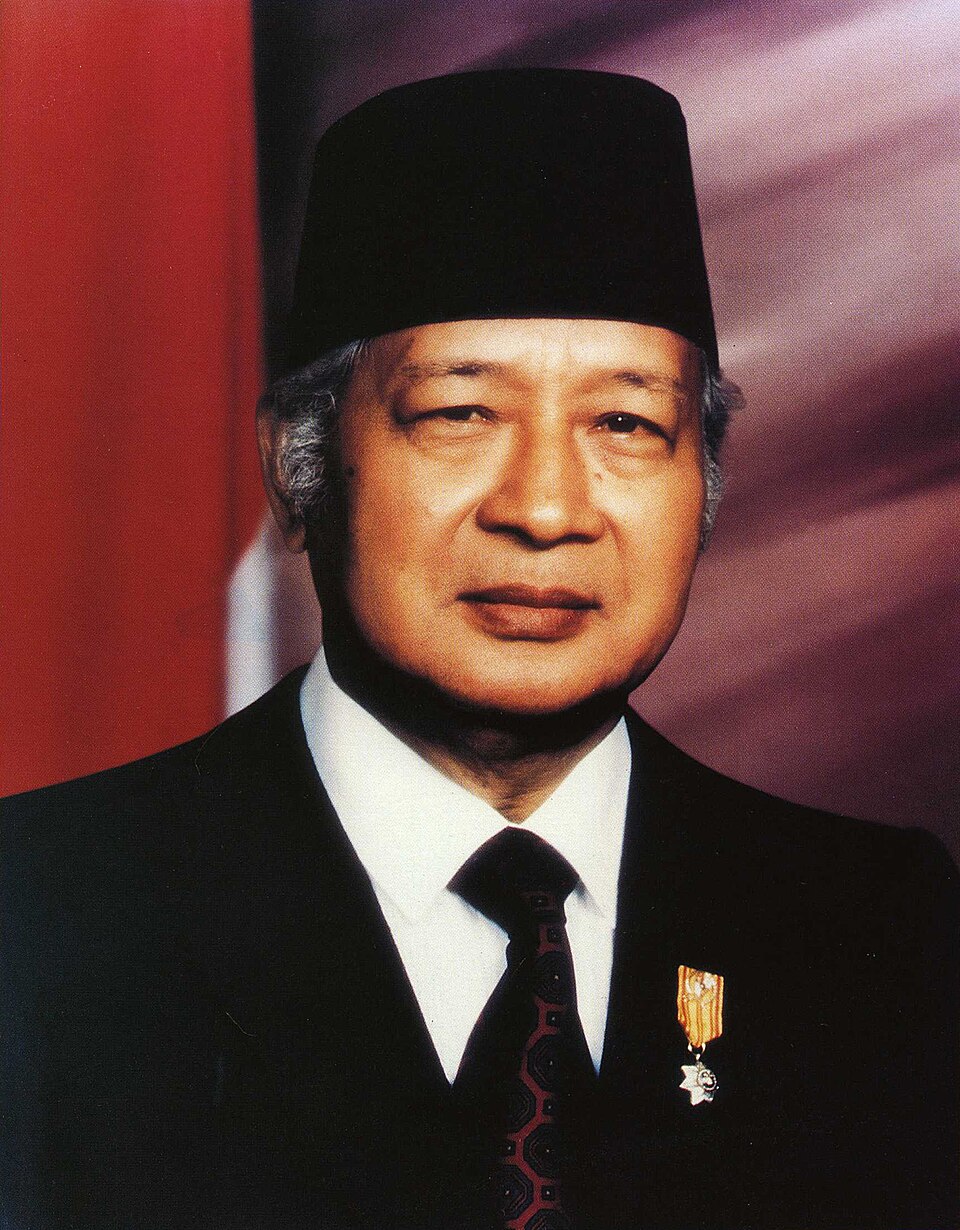
Suharto, who ruled Indonesia for more than three decades, died at Pertamina Hospital in Jakarta at the age of 86. He had been admitted more than three weeks earlier with heart, lung and kidney problems, and doctors said he died of multiple organ failure. President Susilo Bambang Yudhoyono declared a week of national mourning and asked Indonesians to pray for him. The next day he was given a state funeral and buried at his family's mausoleum near Solo in Central Java.
Suharto was a former army general. He rose to power in the chaos that followed an attempted coup in 1965. In the anti-communist purges of 1965–66, hundreds of thousands of people were killed. He gradually pushed aside the country's founding president, Sukarno, and formally became president in 1967. His "New Order" government ruled the world's fourth most populous country with a firm hand. It allowed little political freedom and controlled the press, and the army played a major role in public life. Indonesia invaded and occupied East Timor in 1975, a conflict in which tens of thousands died. At the same time, his government delivered decades of rapid economic growth. Millions of people were lifted out of poverty, and schools, roads and health clinics spread across the vast archipelago.
His rule ended during the Asian financial crisis of 1997–98. As the rupiah collapsed, prices soared, and riots and student protests spread, he was forced to resign in May 1998. Indonesia then made the transition to democracy. Suharto and his family were accused of amassing a huge fortune through corruption, but his health saved him from trial. Indonesians remained divided over his legacy. Many remembered the stability and development of his era, while others remembered the repression and the corruption.
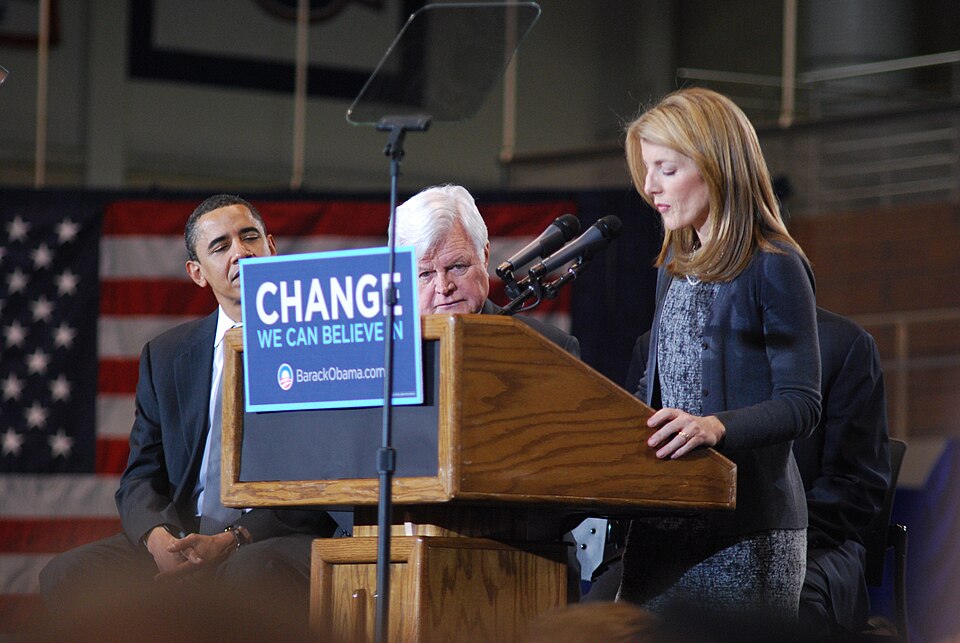
At a packed rally at American University in Washington, Senator Edward Kennedy of Massachusetts, the last surviving brother of President John F. Kennedy and one of the most powerful figures in the Democratic Party, endorsed Barack Obama for president. Thousands of students crowded the gymnasium, and many more were turned away. Kennedy was joined on stage by his niece Caroline Kennedy, President Kennedy's daughter, who had backed Obama in a newspaper article the day before, and by his son, Congressman Patrick Kennedy.
"I feel change in the air," Kennedy declared. He compared Obama to his brother, saying that Obama, too, could inspire a new generation and lift the spirit of the nation. Kennedy had planned to stay neutral in the primaries, as he had long been friends with both Obama and the Clintons. But he was reported to have grown angry at the tactics of the Clinton campaign, especially Bill Clinton's comments before the South Carolina primary. The endorsement was a major boost for Obama just eight days before "Super Tuesday" on February 5, when more than 20 states would vote. Kennedy's support carried special weight with older Democrats, labour unions and Hispanic voters, groups where Clinton was strong.
That evening, President George W. Bush delivered his final State of the Union address to Congress. He called for quick passage of the economic stimulus package agreed with House leaders and urged Congress to make his tax cuts permanent. He also defended the "surge" of troops in Iraq, saying that it was working, and he called for an end to wasteful "earmark" spending.
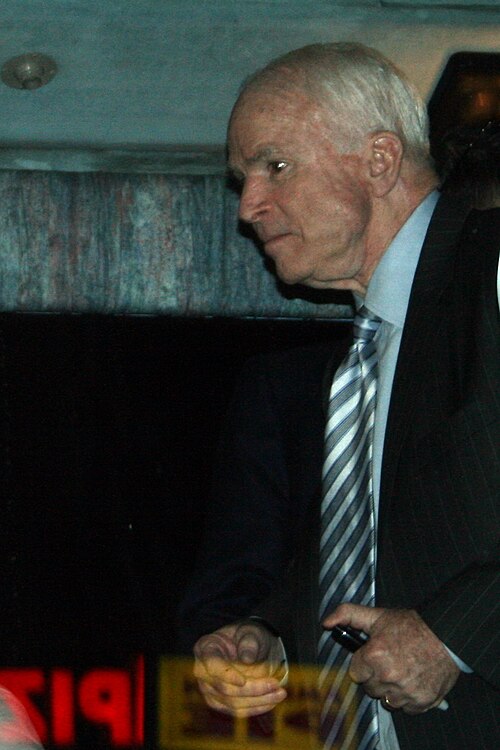
In the Florida Republican primary, Arizona Senator John McCain won a narrow but crucial victory with about 36% of the vote, ahead of former Massachusetts Governor Mitt Romney with 31%. Florida's contest was "winner-take-all", so McCain collected all 57 of the state's delegates to the national convention. It was also his first win in a primary open only to registered Republicans. That answered critics who said he relied on independent voters and was not trusted by the party's base. He had been helped by late endorsements from Governor Charlie Crist and Senator Mel Martinez, two of Florida's most popular Republicans.
The night was a disaster for former New York mayor Rudy Giuliani. A few months earlier he had led national polls, thanks to his leadership of New York after the September 11 attacks. He had skipped the early states and bet everything on a big win in Florida, where many former New Yorkers lived. Instead he came a distant third with about 15%. The next day, he withdrew from the race and endorsed McCain. Mike Huckabee finished fourth. Within a week, McCain won most of the big states on "Super Tuesday", including California and New York, and became the clear frontrunner. Romney dropped out on February 7.
On the Democratic side, Florida also voted. But the national party had stripped the state of its delegates because it had moved its primary earlier than party rules allowed, and the candidates had agreed not to campaign there. Hillary Clinton won the vote, and the question of whether Florida's delegates should count became a bitter dispute later in the campaign. On January 30, John Edwards withdrew from the race, leaving Obama and Clinton to fight it out.
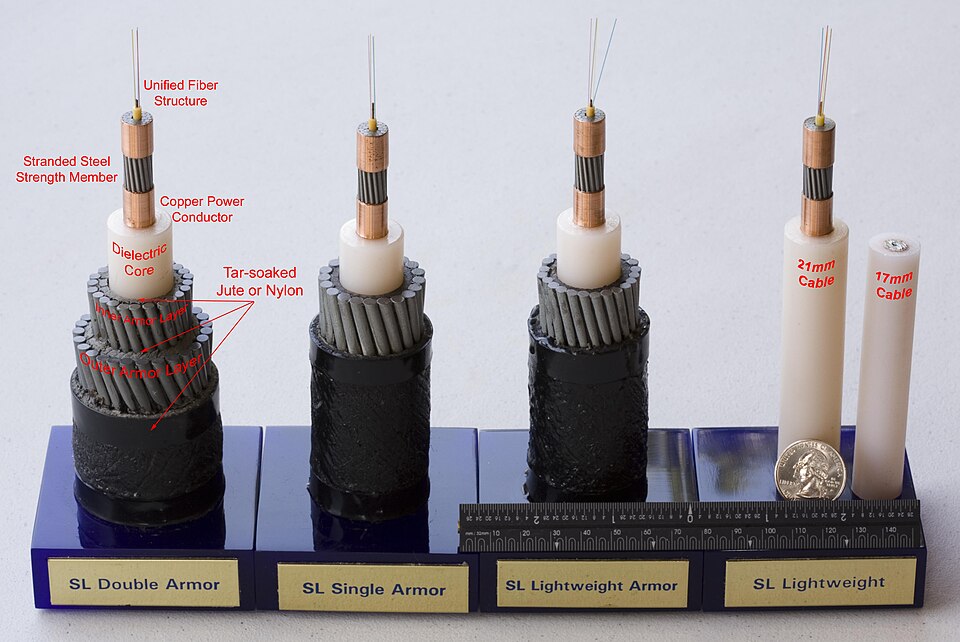
Two of the main undersea fibre-optic cables connecting Europe to the Middle East and South Asia were damaged in the Mediterranean Sea off Alexandria, Egypt. They were FLAG Europe-Asia and SEA-ME-WE 4, and they were cut at points several kilometres apart. Within hours, internet and international phone services slowed to a crawl or stopped across a huge region. Egypt lost about 70% of its international internet capacity, and India about 60%. Users in Saudi Arabia, the United Arab Emirates, Kuwait, Qatar, Pakistan, Bangladesh and other countries also suffered. Indian outsourcing and call-centre companies, which served customers in Europe and America, were among the hardest hit.
Operators quickly rerouted as much traffic as possible through other cables, including routes around Asia and across the Pacific. Repair ships were sent to locate the broken sections, lift them from the seabed and splice them back together, a job that took about two weeks. The most likely cause was a ship's anchor dragged across the seabed during bad weather, when shipping had been diverted near Alexandria. Egypt's government said that no ships had been in the area at the time. Within days, more cables were reported damaged near Dubai and in the Persian Gulf. This led to rumours online of sabotage, though investigators found no evidence for it.
The incident showed how much of the world's communications depended on a small number of cables lying on the ocean floor, often bunched together along the same narrow routes. In the following years, telecommunications companies built several new cables between Europe, the Middle East and Asia, partly to reduce the risk of a single accident cutting off whole regions.
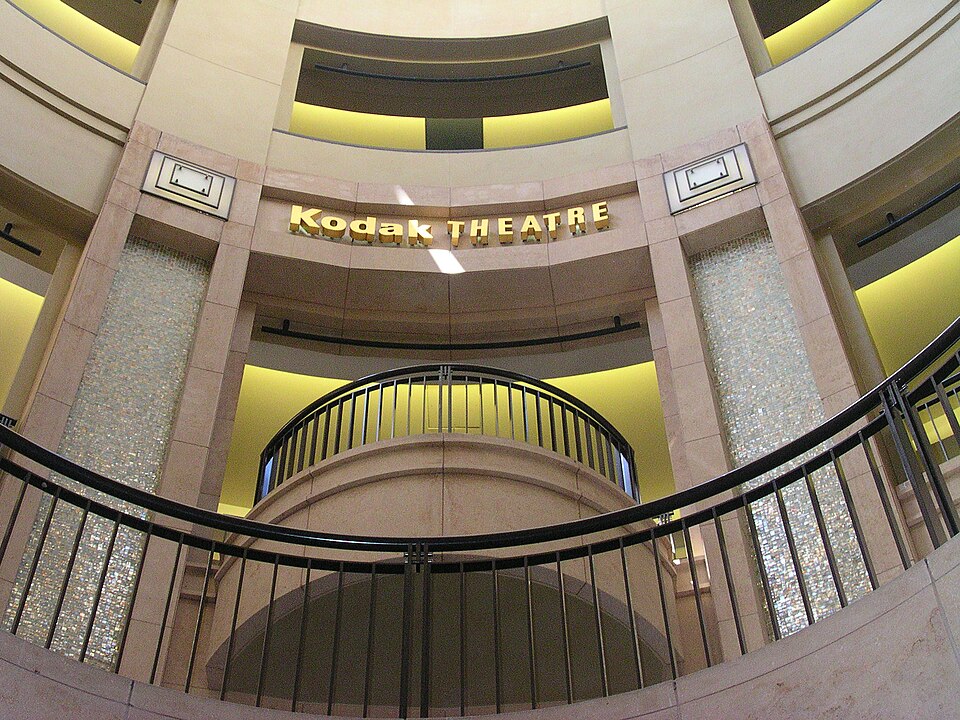
With John Edwards out of the race, Barack Obama and Hillary Clinton met for the first time in a one-on-one debate. It was held at the Kodak Theatre in Los Angeles, home of the Academy Awards, just five days before "Super Tuesday", when more than 20 states would vote. The audience included Hollywood stars, and outside, crowds of supporters waved signs on Hollywood Boulevard. After the angry exchanges of a debate in South Carolina ten days earlier, many expected another fight. Instead, the two senators sat side by side at a table and were strikingly polite. They often smiled and complimented each other.
"I was friends with Hillary Clinton before we started this campaign. I will be friends with Hillary Clinton after this campaign is over," Obama said. They still differed on several issues. On health care, Clinton argued that her plan would cover everyone because it required people to have insurance, while Obama's did not. On Iraq, Obama stressed that he had opposed the war from the start, while Clinton had voted in 2002 to authorise it. They also discussed immigration, the economy and whether experience or a fresh start mattered more. When asked whether they might run together as a "dream ticket", both laughed and said it was too early to say.
Commentators saw the debate as a draw. For Democrats, it offered a welcome change from the bitterness of recent weeks. On February 5, the two split the Super Tuesday states almost evenly. Clinton won California, New York and Massachusetts, and Obama won more states overall, including Illinois, Georgia and Missouri. Their contest went on until June.
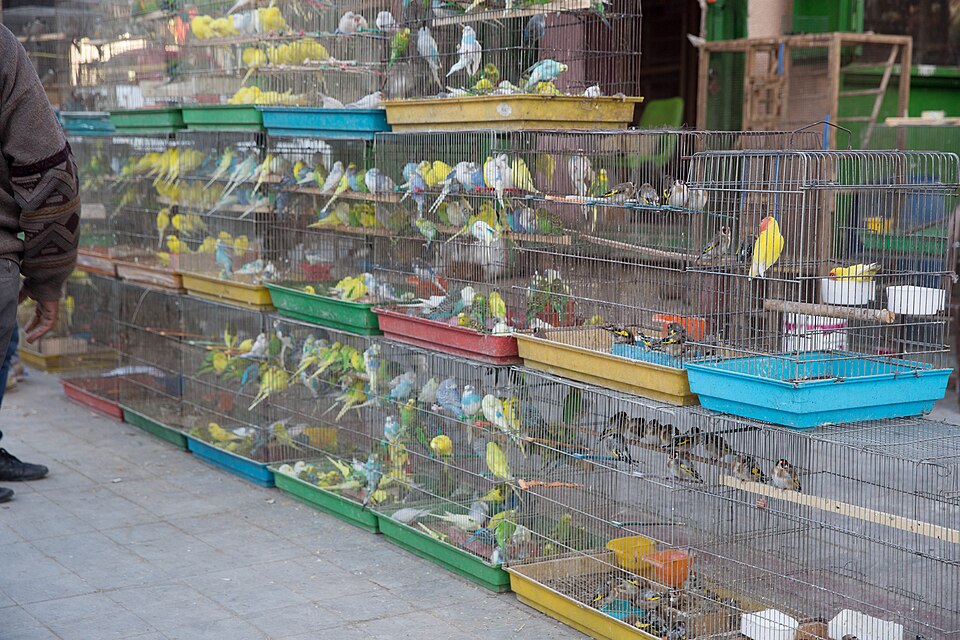
Two bombs exploded at crowded pet markets in central Baghdad on a Friday morning, the Muslim day of rest, when families came to buy birds, fish, puppies and other animals. The first blast ripped through the Ghazil market. Police said it was set off by a woman carrying explosives. About 20 minutes later, a second bomb exploded at a bird market in the south-east of the city. At first, officials said about 70 people had been killed. As the wounded died and bodies were recovered, the toll rose to about 99 dead and around 200 injured. It was the deadliest day of attacks in Baghdad in months.
Iraqi and US officials blamed al-Qaeda in Iraq. They also said the two women who carried out the attacks may have had mental disabilities and could have been used without fully understanding what they were doing, possibly with the bombs set off by remote control. That claim was later questioned. The attacks shook the sense of improving security that had grown in Baghdad after the US "surge" of extra troops in 2007 and a ceasefire by the Shiite Mahdi Army. UN Secretary-General Ban Ki-moon strongly condemned the bombings.
In the United States, Microsoft made an unsolicited offer to buy the internet company Yahoo for about $44.6 billion, or $31 a share. That was a 62% premium on Yahoo's share price, half in cash and half in Microsoft stock. Microsoft wanted to combine the two companies to challenge Google's growing dominance in online search and advertising. Yahoo's board rejected the offer as too low, and in May Microsoft withdrew it.
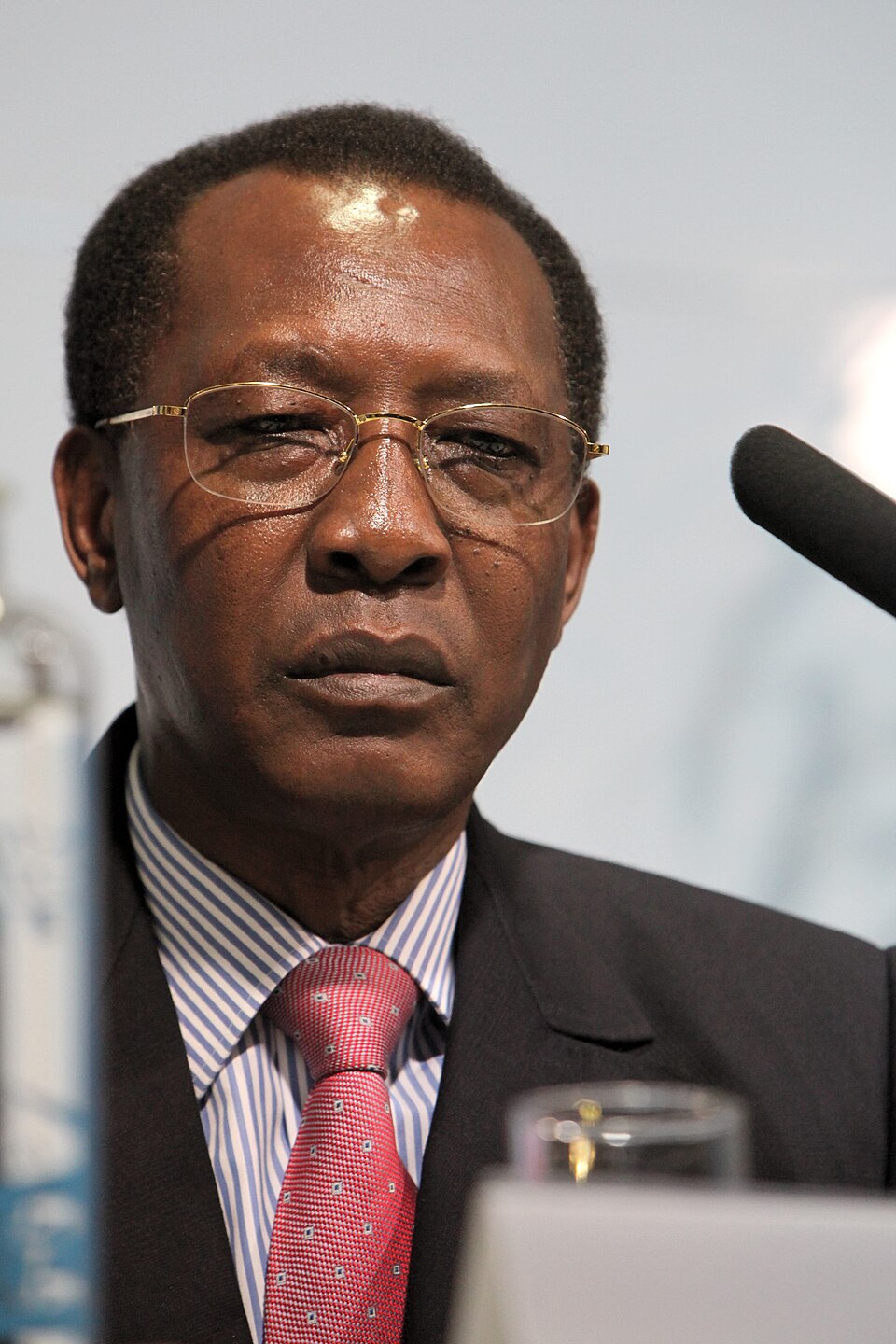
At dawn, a column of rebel fighters in hundreds of pickup trucks mounted with machine guns swept into N'Djamena, the capital of Chad in central Africa, after a three-day dash across the country from the Sudanese border. Between 1,000 and 2,000 fighters from an alliance of rebel groups fought their way into the city. Heavy fighting broke out around the presidential palace, where President Idriss Déby, who had ruled since seizing power in 1990, was holed up with loyal troops and tanks. By the end of the day, rebel leaders claimed they controlled most of the city, and some news reports said N'Djamena had fallen.
The fighting caused panic. Thousands of residents fled across the river bridge into neighbouring Cameroon. Shops and markets were looted, and the national radio station went off the air. France, Chad's former colonial ruler, had about 1,500 troops based in the country. They secured the airport and began evacuating hundreds of foreigners. France and the African Union backed Déby as the legitimate leader. Chad accused neighbouring Sudan of arming and sending the rebels, and Sudan denied it. Many saw the attack as linked to the conflict in Darfur, just across the border, where Chad was accused of supporting Sudanese rebels.
Déby's forces held on. After two days of fighting, in which helicopter gunships attacked rebel positions, the rebels withdrew from the city. Hundreds of people, including many civilians, were killed. Afterwards, the government arrested several opposition politicians, and one of them, Ibni Oumar Mahamat Saleh, disappeared and was never seen again. The attack also delayed the deployment of a European Union peacekeeping force to protect refugees from Darfur in eastern Chad.
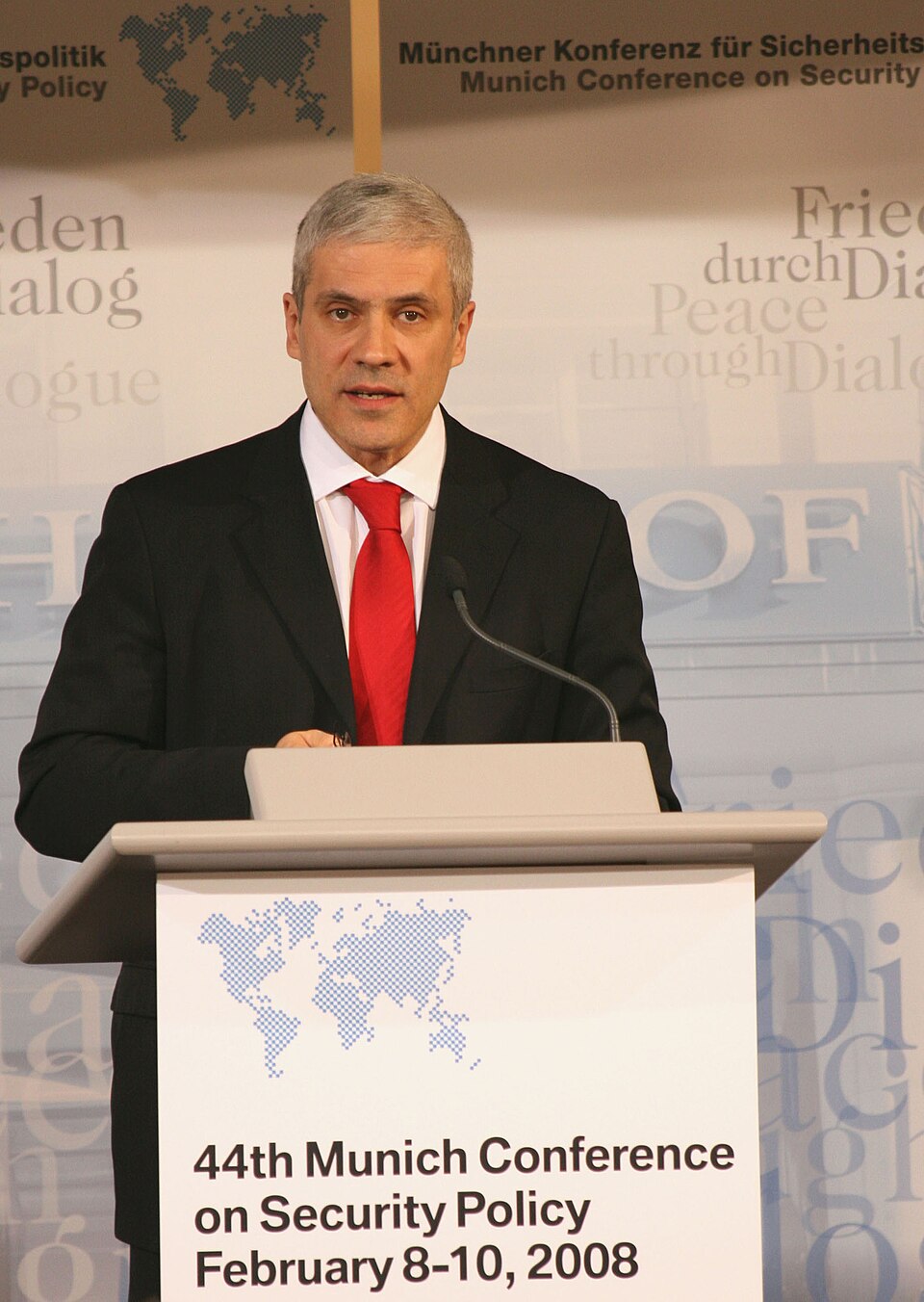
In a runoff that was widely seen as a vote on Serbia's future direction, President Boris Tadić of the pro-European Democratic Party won re-election. He took about 50.3% of the vote against 48% for Tomislav Nikolić of the nationalist Serbian Radical Party. Nikolić had come first in the first round two weeks earlier. Turnout was about 68%, the highest in years. Tadić wanted Serbia to join the European Union. Nikolić, a former ally of Slobodan Milošević, favoured closer ties with Russia. Late that night, Nikolić conceded defeat, and thousands of Tadić supporters celebrated in the streets of Belgrade.
The election took place in the shadow of Kosovo. The ethnic Albanian majority there was about to declare independence, with the support of the United States and most EU countries. Both candidates insisted that Kosovo would remain part of Serbia, but they disagreed over how far Serbia should punish the West for supporting independence. Two weeks later, on February 17, Kosovo declared independence. Serbia refused to recognise it, protests in Belgrade turned violent and the US embassy was set on fire. The government soon collapsed over how to respond, but in early elections in May, pro-European parties came out ahead.
In Glendale, Arizona, the New York Giants beat the New England Patriots 17–14 in Super Bowl XLII. The Patriots had won all 18 of their games that season. Late in the game, quarterback Eli Manning escaped what looked like a certain sack and threw a long pass, and receiver David Tyree caught it by pinning the ball against his helmet. Manning then threw the winning touchdown to Plaxico Burress with 35 seconds left. The result is remembered as one of the greatest upsets in American sports.
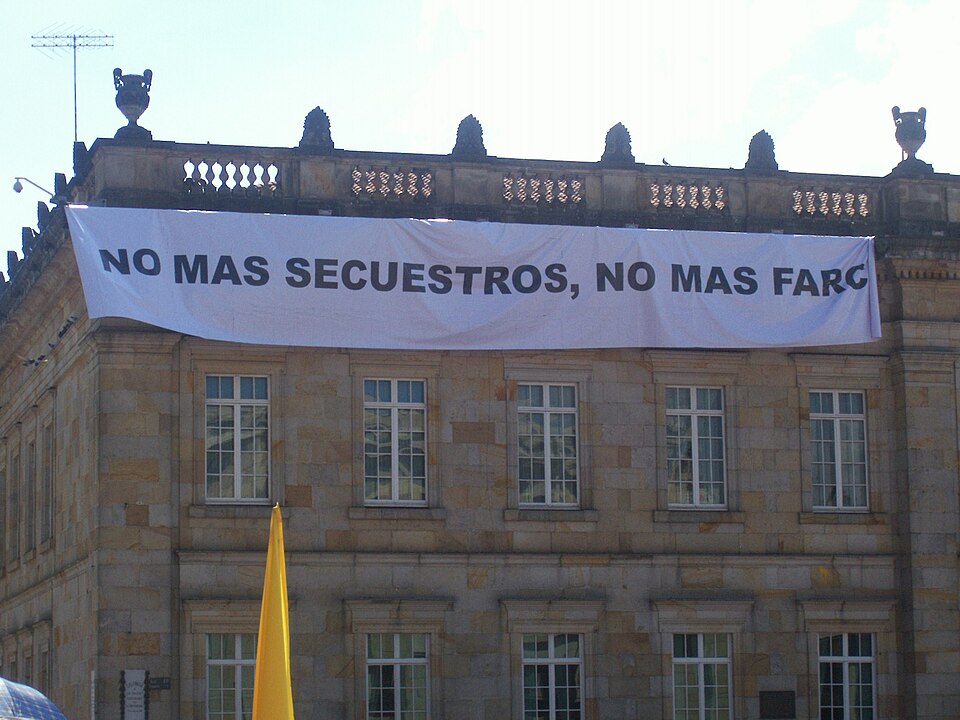
Across Colombia and in cities around the world, huge crowds dressed in white marched under the slogan "No more kidnappings, no more lies, no more deaths, no more FARC". They were protesting against the Revolutionary Armed Forces of Colombia (FARC), the left-wing guerrilla group that had been fighting the government for more than four decades. The FARC was holding hundreds of hostages in the jungle, including the former presidential candidate Íngrid Betancourt and three American contractors. In Bogotá, more than a million people filled the streets and the central Plaza de Bolívar. Marches took place in dozens of Colombian cities and in well over 100 cities abroad, from Madrid and Paris to New York, Buenos Aires and Sydney.
The protest began on the internet. A month earlier, Óscar Morales, an engineer from Barranquilla, had become angry after a hostage release. The FARC's claims that it was holding a young boy, Emmanuel, had turned out to be false. Morales created a Facebook group called "One million voices against FARC". It gained thousands of members within the first day and hundreds of thousands within weeks, and its members decided to take the protest to the streets. Colombian newspapers, television and radio supported the campaign. Unofficial estimates of the total number of marchers ranged from several million to more than ten million. It was one of the first times that a social network had been used to organise mass protests around the world.
The FARC dismissed the marches, but the movement showed how isolated the guerrillas had become. Later that year, the group suffered major blows. In July, the Colombian army freed Betancourt and 14 other hostages in a daring operation without firing a shot.
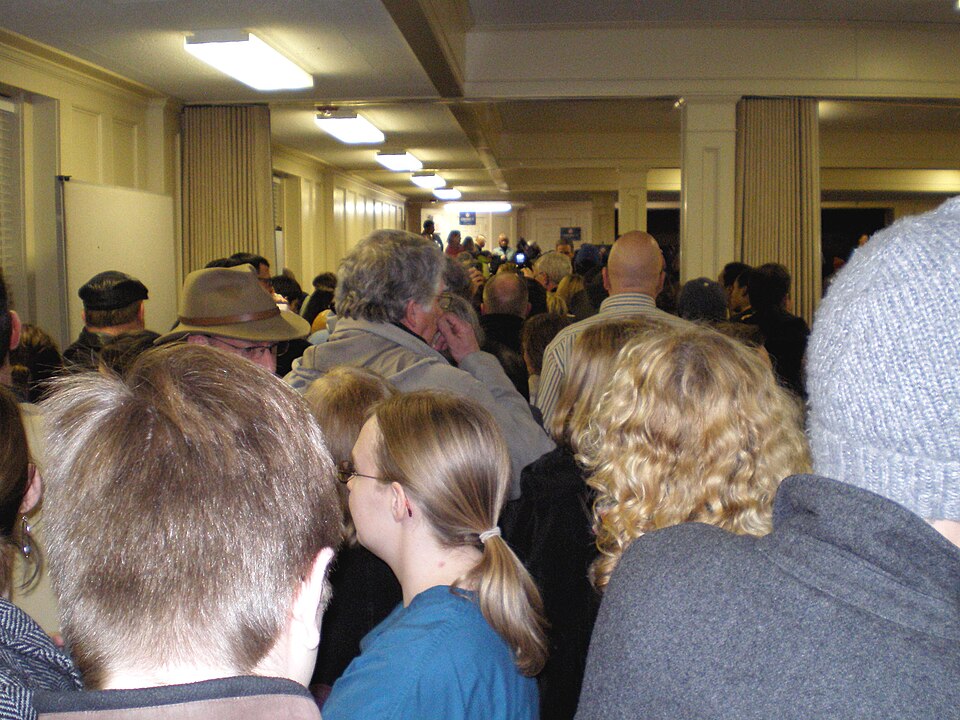
On "Super Tuesday", voters in 24 states went to the polls on the same day, the biggest single day of the presidential primaries. On the Democratic side, the result was almost a tie. Hillary Clinton won the largest prizes, including California, New York, New Jersey and Massachusetts, where she was strong among women, Hispanic and older voters. Barack Obama won more states, 13 in all, from his home state of Illinois to Georgia, Missouri, Connecticut and much of the West. He did especially well among African American, young and highly educated voters, and in caucus states, where his campaign's organisation was strongest. In delegates, the two ended the night nearly even, and the contest went on into the spring.
On the Republican side, Arizona Senator John McCain won nine states, including the delegate-rich states of California, New York, New Jersey and Illinois. That made him the clear frontrunner. Former Arkansas Governor Mike Huckabee won five Southern states, and former Massachusetts Governor Mitt Romney won several states, including Massachusetts and Utah. Two days later, Romney withdrew from the race.
As people voted, a powerful storm system set off a string of tornadoes across the southern United States. More than 80 tornadoes touched down in Arkansas, Tennessee, Kentucky, Alabama and other states that evening and overnight, destroying homes and businesses. In total, 57 people were killed. It was the deadliest US tornado outbreak since 1985. In Jackson, Tennessee, a tornado tore through Union University and destroyed student dormitories, but no students died. The worst single tornado, northeast of Nashville, killed 22 people.
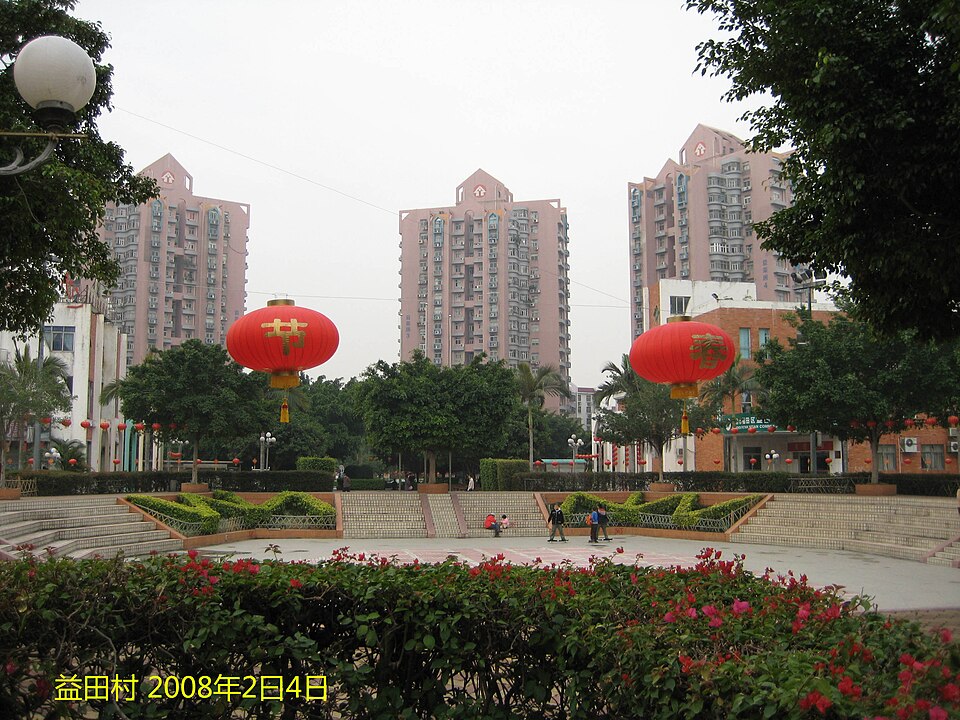
On the eve of the Lunar New Year, the start of the Year of the Rat, hundreds of millions of Chinese families gathered for the traditional reunion dinner. For many, this year's holiday was especially hard-won. For almost a month, the worst snow and ice storms in half a century had paralysed large parts of southern and central China. Power lines, railways and roads were brought down, and millions of migrant workers were left stranded far from home. By New Year's Eve the weather had finally eased. Railways were running again, and huge crowds at stations such as Guangzhou were slowly being cleared, though many travellers still did not reach home in time.
In the hardest-hit areas, electricity workers, soldiers and armed police had worked through the days and nights to restore power. Chenzhou in Hunan province, a city of four million, had been largely without power for almost two weeks. By the afternoon of New Year's Eve, electricity had mostly been restored there and in more than 160 other affected counties, and residents celebrated with lights and fireworks. Premier Wen Jiabao spent the evening touring disaster areas. In Jiangxi province, which had also suffered long blackouts, he had dinner with university students who had been unable to travel home for the holiday. It was the fifth year in a row that he had spent the New Year's Eve away from his own family.
Millions of Chinese watched the CCTV Spring Festival Gala on television that evening, as they did every year. This year it included tributes to the soldiers, power workers and volunteers who had fought the storms. The disaster had killed more than 100 people and caused more than 150 billion yuan in losses. As 2008 began, China was looking ahead to the Olympic Games in Beijing in August. No one could have known that an even greater disaster, the Sichuan earthquake, was only three months away.
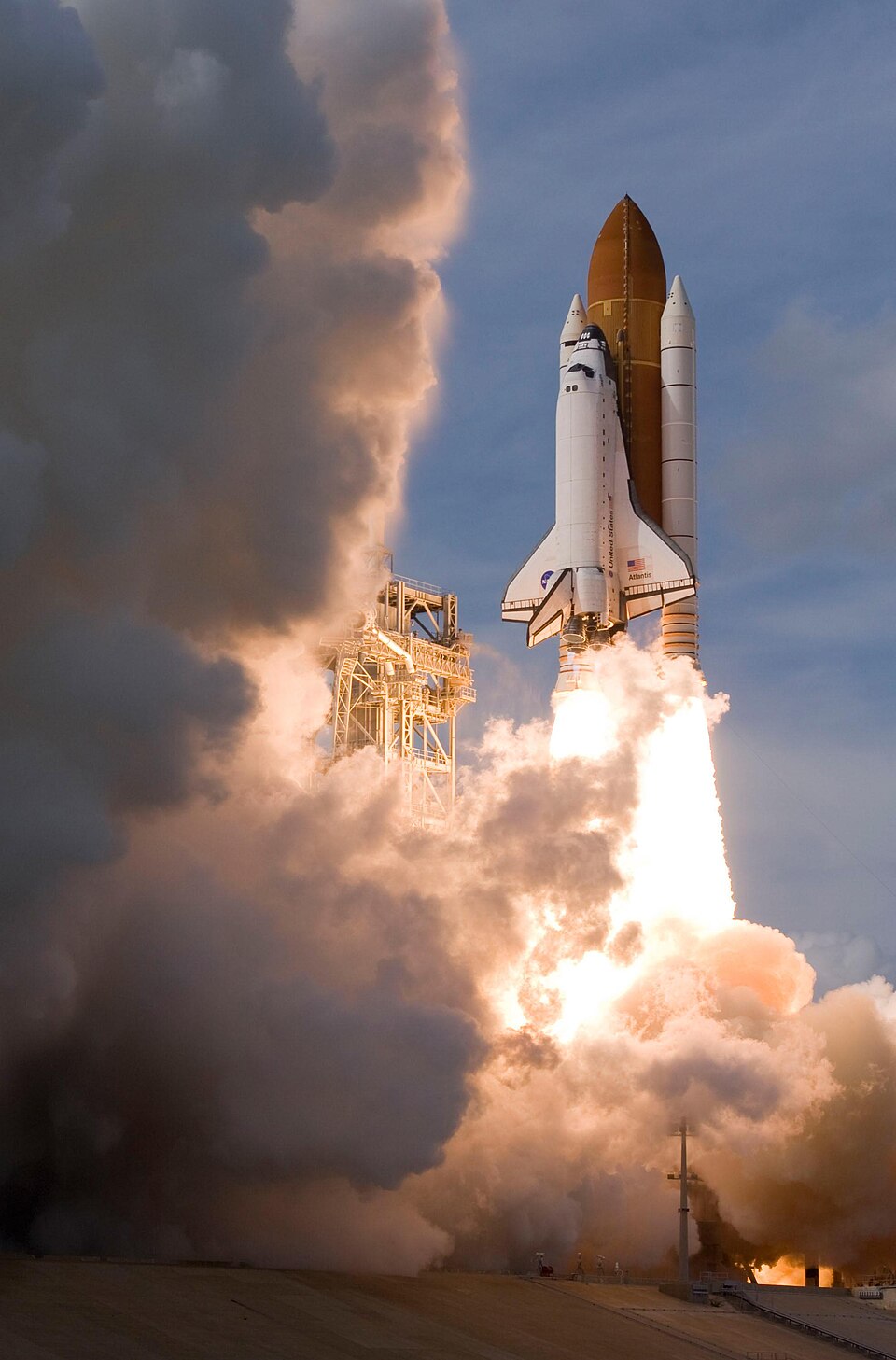
At 2:45 pm local time, the US space shuttle Atlantis lifted off from the Kennedy Space Center in Florida, carrying the European Space Agency's Columbus laboratory to the International Space Station. The launch went ahead on schedule despite a forecast of storms. It had been delayed for two months by faulty fuel sensors on the shuttle's external tank. The crew of seven included two European astronauts. Hans Schlegel of Germany would help install the laboratory. Léopold Eyharts of France would stay on board the station for several weeks to set it up, replacing NASA astronaut Daniel Tani.
Columbus was Europe's largest contribution to the space station. It was a cylindrical module about seven metres long and 4.5 metres wide, built mainly in Germany and Italy, and it took more than two decades of planning and around €1.4 billion to complete. It contained racks for scientific experiments in biology, physics, materials science and medicine, carried out in weightlessness. Some of the experiments would also be mounted on platforms outside the module, exposed to space. For the first time, Europe would have its own permanent laboratory in orbit, controlled from a centre near Munich.
Two days later, Atlantis docked with the station. On February 11, astronauts on a spacewalk helped attach Columbus to the station, using its robotic arm. Japan's Kibo laboratory followed later that year. Atlantis returned to Earth on February 20. Back on Earth, on the day of the launch, Mitt Romney withdrew from the Republican presidential race, leaving John McCain the almost certain nominee.
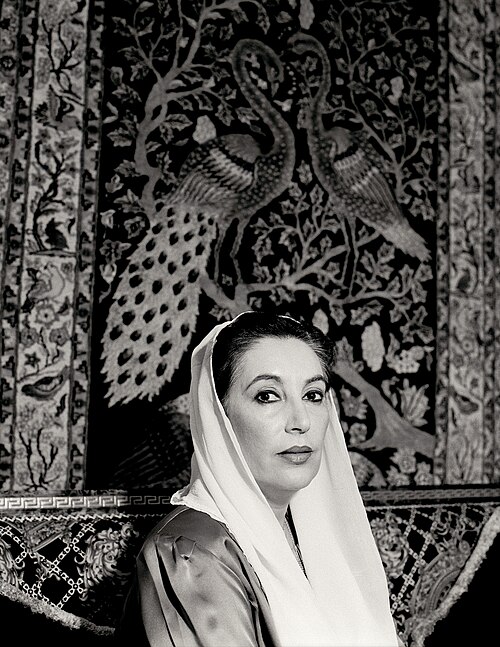
British detectives from Scotland Yard released their findings on the death of Benazir Bhutto, the former Pakistani prime minister who was assassinated on December 27, 2007. She had been leaving an election rally in Rawalpindi when an attacker fired at her and then blew himself up beside her armoured vehicle. More than 20 other people were killed. Her death set off riots across Pakistan and a fierce dispute over exactly how she had died. The government of President Pervez Musharraf had said she died when her head struck the lever of her car's sunroof as she ducked. Her party, the Pakistan Peoples Party (PPP), insisted she had been shot, and accused the government of covering up failures in her security.
Musharraf had invited the British team to help, and their report largely supported the government's version. They concluded that a single attacker had both fired the shots and set off the bomb. They also found that Bhutto had died from a severe head injury caused when the force of the blast threw her against the edge of the vehicle's escape hatch, rather than from a bullet. The British pathologist said he could not completely rule out a gunshot wound, because no autopsy had been carried out. The PPP rejected the findings and renewed its call for an investigation by the United Nations. A UN commission in 2010 later said the Pakistani authorities had failed to protect her properly and had hampered the investigation.
The report came ten days before Pakistan's parliamentary elections, which had been delayed by her death. On February 18, the PPP, now led by her widower Asif Ali Zardari, won the most seats. Later that year, Musharraf resigned and Zardari became president.
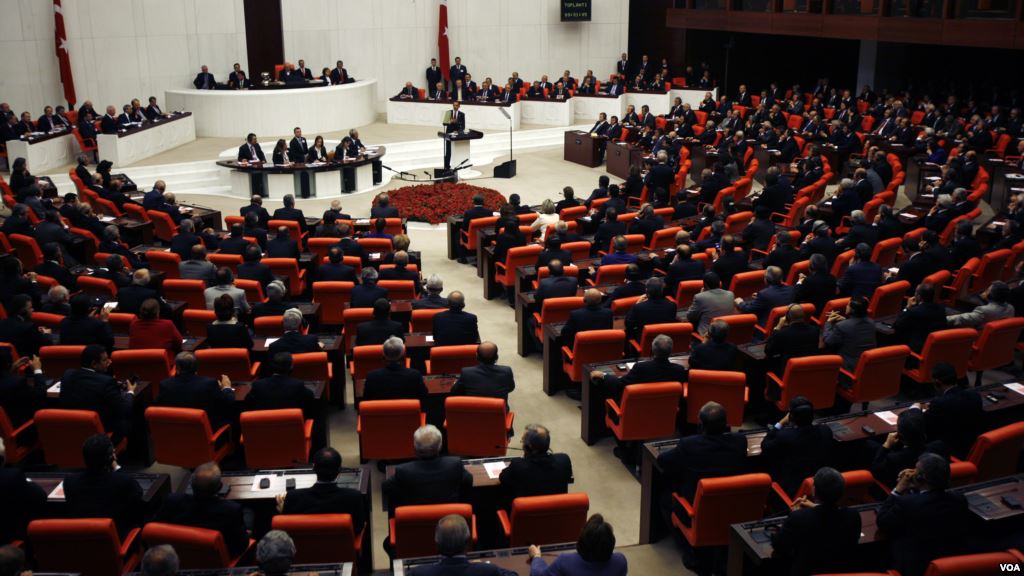
Turkey's parliament in Ankara voted by a large majority to change the constitution so that women could wear the Islamic headscarf at universities. For decades, students who covered their hair had been barred from state campuses, a symbol of the strict secularism set by the republic's founder, Mustafa Kemal Atatürk. The amendments were proposed by Prime Minister Recep Tayyip Erdoğan's governing Justice and Development Party (AKP), which had Islamist roots. They were backed by the opposition Nationalist Movement Party. More than 400 of the 550 members of parliament voted in favour, well above the two-thirds majority required. The changes did not mention the headscarf directly. Instead, they said that the state must treat everyone equally in public services and could not deny anyone an education except for reasons clearly set out in law. Officials said only the traditional headscarf tied under the chin would be allowed, and full face veils would still be banned.
Supporters said the change was about religious freedom and the right to education, since many devout young women had been forced to study abroad or give up university altogether. Opponents saw it differently. They included the main secular opposition party, much of the army and judiciary, university rectors and many urban women, and they saw the change as a step towards bringing religion into public life and undermining Turkey's secular system. On the day of the vote, tens of thousands of people marched in Ankara, chanting "Turkey is secular and will remain secular".
The battle did not end there. In June, the Constitutional Court annulled the amendments, ruling that they violated the secular principles of the constitution. Meanwhile, the chief prosecutor asked the court to ban the AKP for anti-secular activities, and in July the party escaped closure by a single vote. The headscarf ban at universities was gradually dropped in practice from 2010.
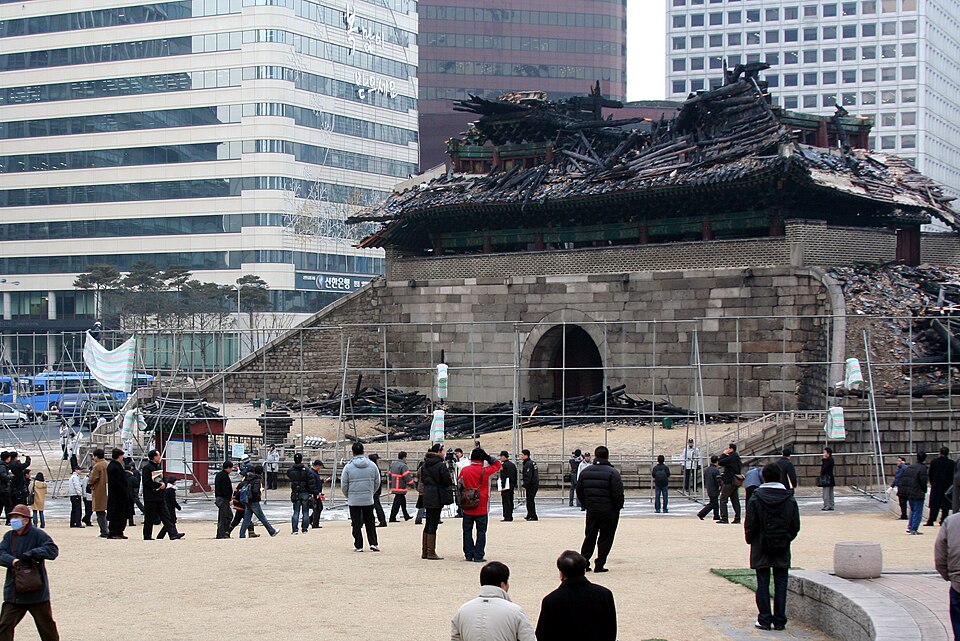
Late on Sunday evening, a fire broke out in the wooden pavilion of Sungnyemun, also known as Namdaemun or the "Great South Gate". It was a 600-year-old city gate in the centre of Seoul and South Korea's National Treasure No. 1. Firefighters fought the blaze for hours as crowds watched in shock, but the thick, tiled roof trapped the fire inside the old timber structure. Shortly before 2 am, the upper pavilion collapsed. By morning, almost all of the wooden structure had been destroyed, leaving only the stone base and a blackened frame.
Sungnyemun had been built in 1398, at the start of the Joseon dynasty. It was one of the few wooden buildings in Seoul to have survived the Japanese invasions, colonial rule and the Korean War. Many South Koreans cried as they laid flowers at the scene, and the government was heavily criticised for poor security and a slow response by the fire service. Police quickly arrested a 69-year-old man named Chae Jong-gi. He confessed that he had climbed into the gate with paint thinner and set it alight, because he was angry over the compensation he had received for land taken for a development project. He had been convicted before of setting fire to a palace in Seoul. He was later sentenced to ten years in prison.
Restoring the gate took five years, using traditional tools and methods. Sungnyemun reopened in May 2013, although the work was later criticised over the quality of some materials.
In Los Angeles, the British singer Amy Winehouse won five Grammy Awards, including Record and Song of the Year for "Rehab" and Best New Artist. She performed by satellite from London, because her US visa had been delayed over drug issues. In a surprise, jazz pianist Herbie Hancock's River: The Joni Letters won Album of the Year.
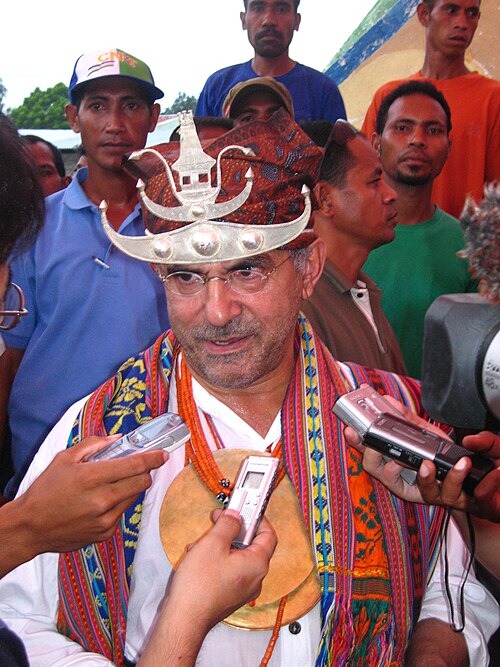
Early in the morning in Dili, the capital of East Timor (Timor-Leste), rebel soldiers attacked the home of President José Ramos-Horta, the winner of the 1996 Nobel Peace Prize. The 58-year-old president had gone for his usual early morning walk by the sea, and he was shot as he returned to the house. He was hit at least twice, in the chest and stomach, and was gravely wounded. In the gunfight, his guards killed the rebel leader, Major Alfredo Reinado, and one of his men. Less than two hours later, gunmen led by another rebel, Lieutenant Gastão Salsinha, fired on the car of Prime Minister Xanana Gusmão, the country's independence hero. He escaped unhurt.
Ramos-Horta was given emergency treatment by doctors from an Australian army base, and was then flown to a hospital in Darwin, northern Australia. He was kept in an induced coma for more than a week. Australia rushed extra troops and police to Dili, where it already led an international peacekeeping force. The government declared a state of emergency and a curfew. The country had been unstable since 2006, when nearly 600 soldiers known as the "petitioners" were dismissed after protesting against discrimination in the army, and violence broke out between the army, police and street gangs. Reinado had joined the rebels and escaped from prison. Talks with him over a possible amnesty had failed.
East Timor had gained full independence only in 2002, after a quarter-century of Indonesian occupation and a period of UN administration, and the attacks shocked the young nation. Ramos-Horta recovered and returned home in April. Later that month, Salsinha and his men surrendered peacefully. Ramos-Horta forgave his attackers and served the rest of his term, and he was elected president again in 2022.
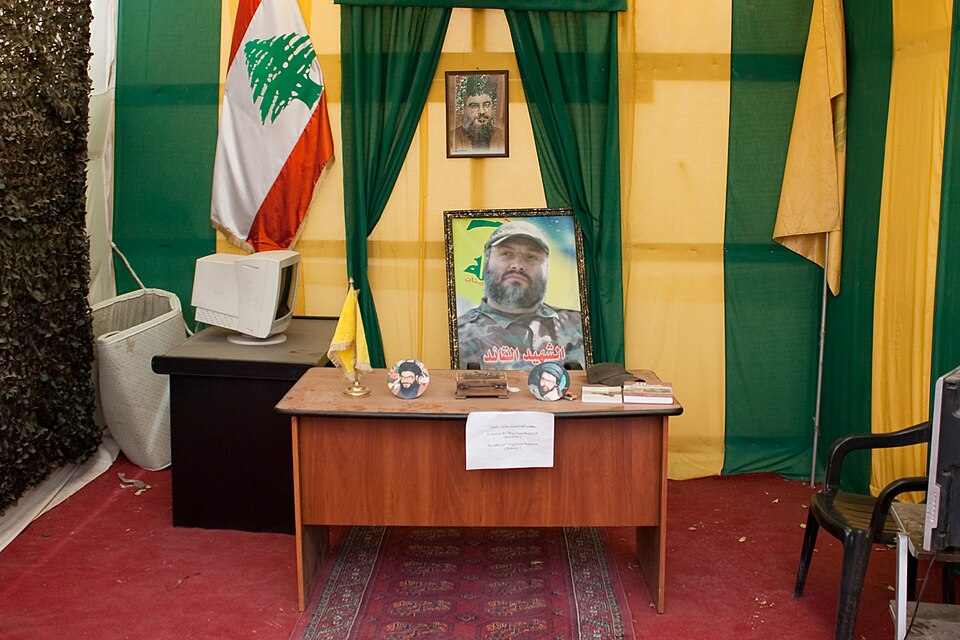
Late in the evening, a bomb hidden in a parked car exploded in Kafr Sousa, an upscale neighbourhood of the Syrian capital Damascus that was home to government buildings and an intelligence headquarters. It killed Imad Mughniyeh, the shadowy military chief of the Lebanese Shiite movement Hezbollah. The next day, Hezbollah announced his death, calling him a martyr and blaming Israel. Israel denied involvement.
Mughniyeh was one of the most wanted men in the world, and for many years very little was known about him, even what he looked like. The United States and Israel blamed him for some of the deadliest attacks of the 1980s and 1990s. These included the 1983 bombings of the US embassy and the US Marine barracks in Beirut, which killed more than 300 people, the hijacking of TWA Flight 847 in 1985, the kidnapping of Western hostages in Lebanon, and bombings of Israeli and Jewish targets in Buenos Aires in 1992 and 1994. Hezbollah regarded him as the architect of its military strength, including its performance in the 2006 war with Israel.
Syria called the killing a "cowardly terrorist act" and promised to find those responsible. Tens of thousands of Hezbollah supporters attended his funeral in Beirut, where Hezbollah leader Hassan Nasrallah threatened "open war" against Israel. The killing raised fears of revenge attacks, and Israel put its embassies abroad on alert. In 2015, US newspapers reported that the attack had been a joint operation by the CIA and Israel's Mossad. Neither government officially confirmed this.
In the United States, Barack Obama won the Democratic primaries in Virginia, Maryland and Washington, D.C., all by wide margins. It was his eighth straight victory over Hillary Clinton since Super Tuesday. John McCain won all three Republican contests.
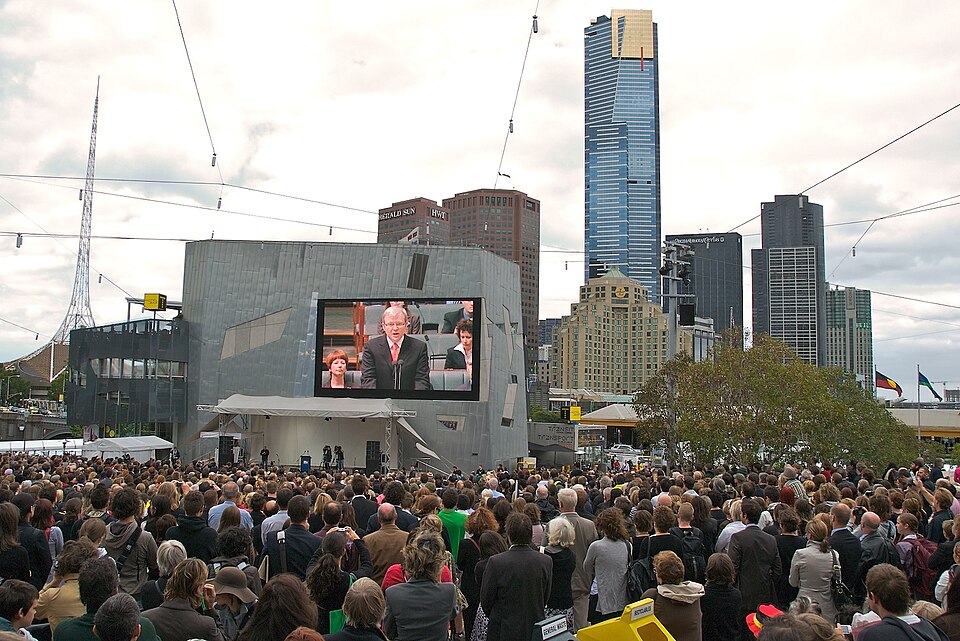
In the House of Representatives in Canberra, Prime Minister Kevin Rudd made a formal national apology to Australia's Indigenous peoples, and especially to the "Stolen Generations". These were the tens of thousands of Aboriginal and Torres Strait Islander children who had been taken from their families by government authorities and churches from the late 19th century until the 1970s. Many were placed in institutions or with white families as part of policies aimed at assimilating them into white society. Many lost contact with their parents, language and culture, and many suffered abuse.
"For the pain, suffering and hurt of these Stolen Generations, their descendants and for their families left behind, we say sorry," Rudd said. "To the mothers and the fathers, the brothers and the sisters, for the breaking up of families and communities, we say sorry. And for the indignity and degradation thus inflicted on a proud people and a proud culture, we say sorry." Members of the Stolen Generations sat in the gallery of Parliament, and many wept. Opposition leader Brendan Nelson supported the apology, and the motion was passed unanimously.
Thousands of people gathered on the lawns outside Parliament House to watch on giant screens. Huge crowds also watched in Sydney's Martin Place, in schools, workplaces and town squares across the country, and many of them cheered and cried. The previous Prime Minister, John Howard, had long refused to apologise, after a 1997 national inquiry called "Bringing Them Home" recommended it. The apology was the first item of business of the new Parliament after Rudd's victory in the November 2007 election. It did not include compensation, which some Indigenous leaders criticised. But it was widely seen as a historic moment of national reconciliation, and February 13 has since been marked each year as the anniversary of the apology.
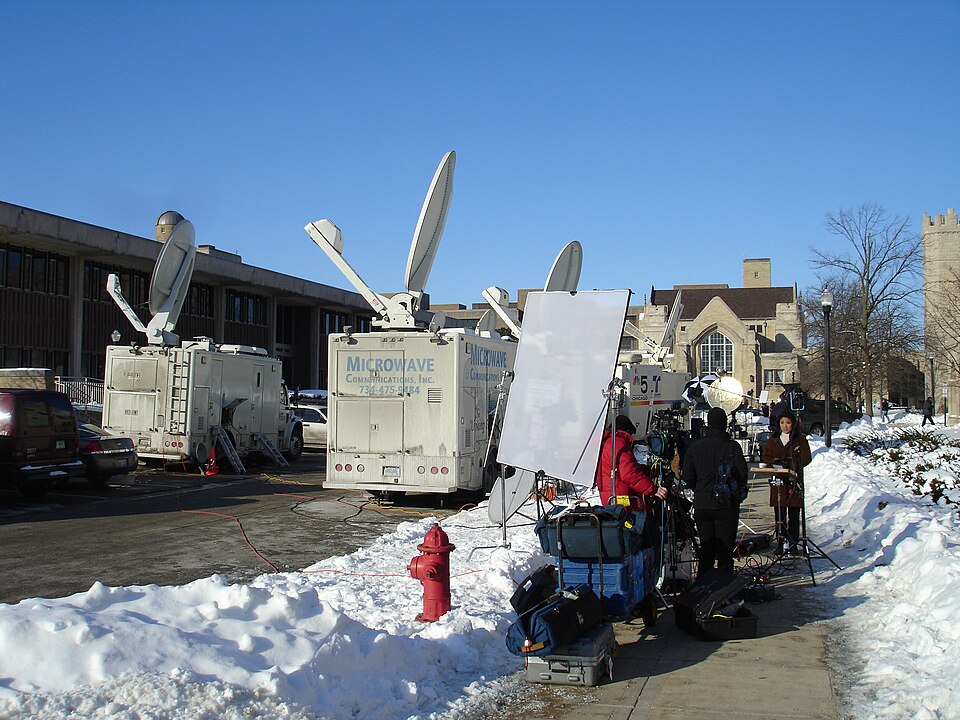
On Valentine's Day afternoon, a gunman opened fire in a large lecture hall at Northern Illinois University in DeKalb, about 100 km west of Chicago. Shortly after 3 pm, during an introductory geology class in Cole Hall, a former student walked onto the stage from a side door and began shooting into the audience of more than 100 students. Within a few minutes, he had killed five students and wounded 17 or more other people. He then took his own life.
The students who died were Gayle Dubowski, 20, Catalina Garcia, 20, Julianna Gehant, 32, Ryanne Mace, 19, and Daniel Parmenter, 20. Students fled through the exits, and some helped carry the wounded to safety. Police and emergency services arrived within minutes, and the campus was placed on lockdown as emergency text and email alerts went out to students and staff. The university had set up these warning systems after the Virginia Tech massacre in April 2007, in which 32 people were killed.
The attacker, aged 27, had graduated from the university and was studying elsewhere at the time. He had bought his weapons legally, and investigators said he had a history of mental health problems. No clear motive was ever established. Classes were suspended for more than a week. When the campus reopened, thousands of students and staff gathered for memorial services, and the university created scholarships in the victims' names. The shooting renewed the debate in the United States over gun control, campus safety and mental health care. NIU remembers the five students each year on February 14.
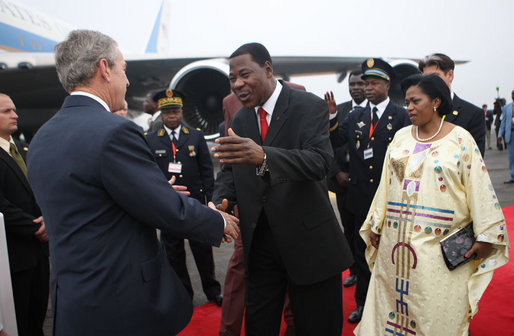
President George W. Bush and First Lady Laura Bush left Washington for a six-day tour of Africa, Bush's second visit to the continent as president. They would visit Benin, Tanzania, Rwanda, Ghana and Liberia. Kenya had originally been on the schedule, but it was dropped after deadly violence broke out there following the disputed December 2007 election. The White House said the purpose of the trip was to review progress in fighting HIV/AIDS, malaria and other diseases, and in supporting economic growth and good government.
The tour highlighted a part of Bush's foreign policy that was often overshadowed by the war in Iraq: a large increase in American aid to Africa. In 2003 he had launched the President's Emergency Plan for AIDS Relief, a $15 billion programme that was paying for antiretroviral drugs for well over a million people in Africa. In 2005 he started the President's Malaria Initiative, which distributed mosquito nets and medicines to millions of families. In Benin, the first stop, the government had launched one of Africa's largest campaigns against malaria, aiming to reach every child under five. During the trip, Bush asked Congress to double the AIDS programme to $30 billion, and Congress later authorised $48 billion over five years for HIV, malaria and tuberculosis.
Africans largely welcomed Bush. Crowds cheered his motorcades, and in Tanzania he signed a $698 million development grant, the largest ever made by the US Millennium Challenge Corporation. Some critics argued that the aid came with too many conditions, and many Africans also worried about the US military's plans for a new Africa Command. Asked about Kenya, Bush said the parties should reach a power-sharing deal. Former UN Secretary-General Kofi Annan brokered such an agreement less than two weeks later.
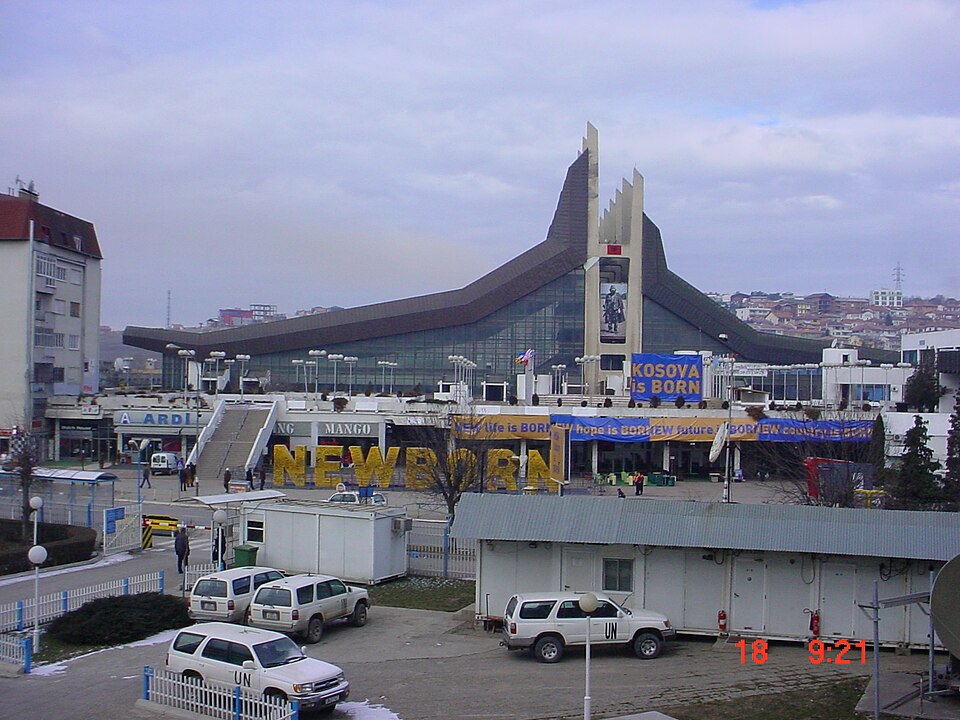
With Kosovo's ethnic Albanian leaders about to declare independence from Serbia, European Union governments formally approved the launch of EULEX, the largest civilian mission the EU had ever undertaken. It would send about 1,900 international police officers, judges, prosecutors and customs officials to Kosovo, supported by more than a thousand local staff. Their job was to help build the rule of law and to take over many of the tasks performed by the United Nations administration that had run the territory since the 1999 war, when NATO bombing forced Serbian forces to withdraw. The United States agreed to contribute personnel and pay a share of the costs. The EU also appointed a special representative for Kosovo, the Dutch diplomat Pieter Feith.
The decision showed that most EU countries were ready to accept Kosovo's independence. In Pristina, the capital, preparations were already under way. Flags were being sewn and stages built, and crowds were gathering for the celebrations planned for the next day. Serbia, however, insisted that Kosovo, which Serbs regarded as the cradle of their nation and church, would always remain part of its territory. It called EULEX illegal without the approval of the UN Security Council. Russia, Serbia's main ally, strongly opposed independence. Several EU members, including Spain, Romania, Greece, Slovakia and Cyprus, also refused to recognise it, worried about their own separatist movements. China also stressed that the issue should be resolved through negotiation within the framework of the UN.
The next day, February 17, Kosovo's parliament declared independence. Because of the disputes over its legal status, EULEX took until December 2008 to deploy fully, working under the umbrella of UN Security Council Resolution 1244.
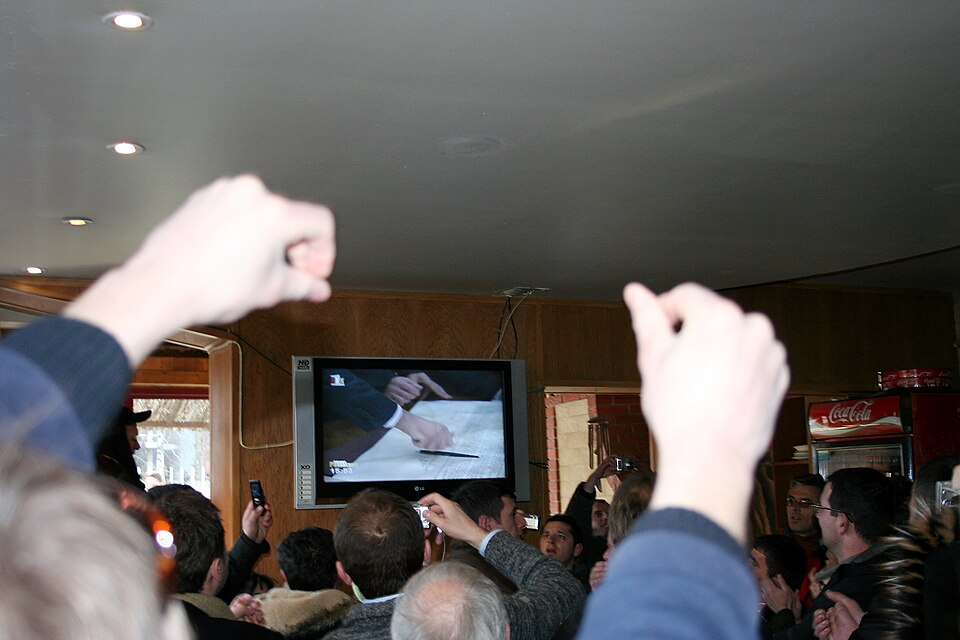
In a special session in Pristina, Kosovo's parliament declared the territory "an independent and sovereign state". 109 of the 120 members voted in favour. The ten deputies representing Kosovo's Serb minority boycotted the session. Prime Minister Hashim Thaçi, a former commander of the Kosovo Liberation Army, read the declaration and pledged that the new state would protect the rights of all its communities, including the Serbs. Outside, despite the freezing cold, tens of thousands of ethnic Albanians celebrated in the streets, waving Albanian, American and EU flags, sounding car horns and setting off fireworks. A giant sculpture spelling "NEWBORN" was unveiled in the city centre.
Kosovo's population of about two million was more than 90% ethnic Albanian. It had been under United Nations administration since 1999, when a NATO bombing campaign ended a Serbian crackdown on the Albanian majority. Years of UN-led talks with Serbia had failed to reach agreement. Serbia's government called the declaration illegal and said it would never recognise it. In Belgrade and in Serb-majority northern Kosovo, crowds protested, and some attacked foreign embassies and UN border posts. Russia called the declaration a violation of international law. The United States, Britain, France and Germany recognised Kosovo within days, but many countries refused to do so.
China said it was deeply concerned. A Foreign Ministry spokesman said the unilateral move could have serious negative consequences for peace and stability in the Balkans. He said UN Security Council Resolution 1244 remained the legal basis for resolving the issue, and he called on Serbia and Kosovo to continue negotiating. Two days later, when the Taiwan authorities announced that they recognised Kosovo, the Foreign Ministry said that Taiwan, as part of China, had no right to do so. In 2010 the International Court of Justice gave an advisory opinion that the declaration had not violated international law, but the dispute over Kosovo's status continued.
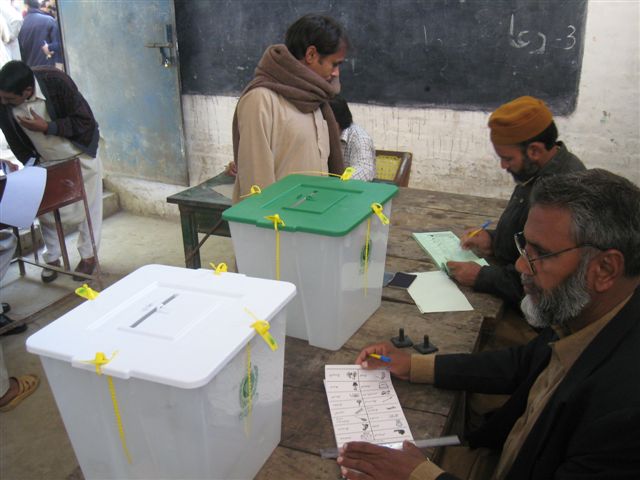
Pakistanis went to the polls in parliamentary and provincial elections that had been delayed by the assassination of Benazir Bhutto in December. Security was extremely tight, with tens of thousands of troops and police deployed to guard polling stations against militant attacks. Voting was largely peaceful, although clashes in some areas left more than 20 people dead around the election. Turnout was only around 45%.
The result was a heavy defeat for President Pervez Musharraf, the former army chief who had seized power in a coup in 1999. His allies in the Pakistan Muslim League (Q), which had governed since 2002, came a distant third. Several of its leading ministers lost their seats. Bhutto's Pakistan Peoples Party (PPP), now led by her widower Asif Ali Zardari, won the most seats, carried partly by a wave of sympathy. In second place was the Pakistan Muslim League (N) of former prime minister Nawaz Sharif, whom Musharraf had overthrown in 1999. In the North-West Frontier Province, the secular Awami National Party defeated the Islamist parties that had ruled there. Musharraf accepted the result and said he would work with the new parliament.
Many Pakistanis saw the vote as a rejection of military rule and of Musharraf's actions in 2007. He had dismissed the chief justice, imposed a state of emergency and been re-elected president by the outgoing parliament while still army chief. The PPP and PML(N) agreed to form a coalition government, and in March, Yousaf Raza Gilani of the PPP became prime minister. Under growing pressure and facing the threat of impeachment, Musharraf resigned in August, and Zardari was elected president in September.
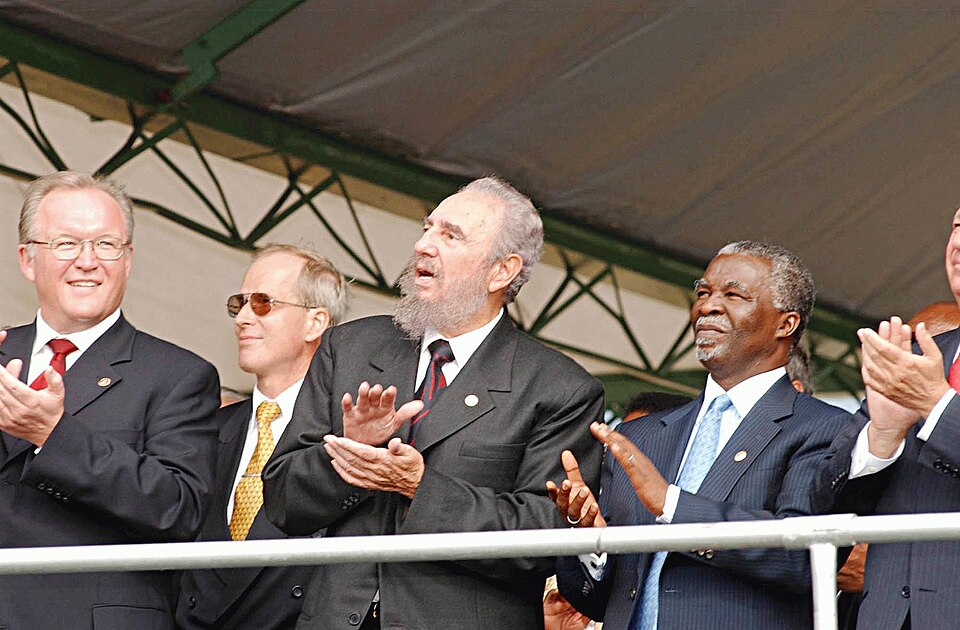
Forty-nine years after he took power in the Cuban Revolution, Fidel Castro announced that he would not return as Cuba's president. In a letter published early in the morning on the website of the Communist Party newspaper Granma, the 81-year-old leader wrote: "I will not aspire to nor accept, I repeat, I will not aspire to nor accept, the positions of President of the Council of State and Commander in Chief." He explained that his health no longer allowed him to carry out such demanding duties. Since emergency intestinal surgery in July 2006, he had not appeared in public. He had handed his powers temporarily to his younger brother Raúl, the defence minister.
Castro had led the guerrilla war that overthrew the dictator Fulgencio Batista on January 1, 1959. He turned Cuba into a one-party socialist state allied with the Soviet Union, just 150 km from the United States. He survived the 1961 Bay of Pigs invasion, the 1962 Cuban Missile Crisis, a US trade embargo and, according to Cuba, hundreds of plots to kill him. He outlasted ten US presidents. His supporters credited him with free health care and education for all and with standing up to American power. His critics accused him of jailing opponents, suppressing free speech and ruining the economy, and more than a million Cubans had left the island. On February 24, the National Assembly elected Raúl Castro as president. Fidel remained head of the Communist Party until 2011 and continued to write newspaper columns. He died in 2016 at the age of 90.
In Tokyo, Toshiba announced that it would stop making HD DVD players and recorders. That ended the "format war" for the next generation of high-definition video discs, and Sony's Blu-ray became the winner. The decision followed Warner Bros' move in January to release its films only on Blu-ray.
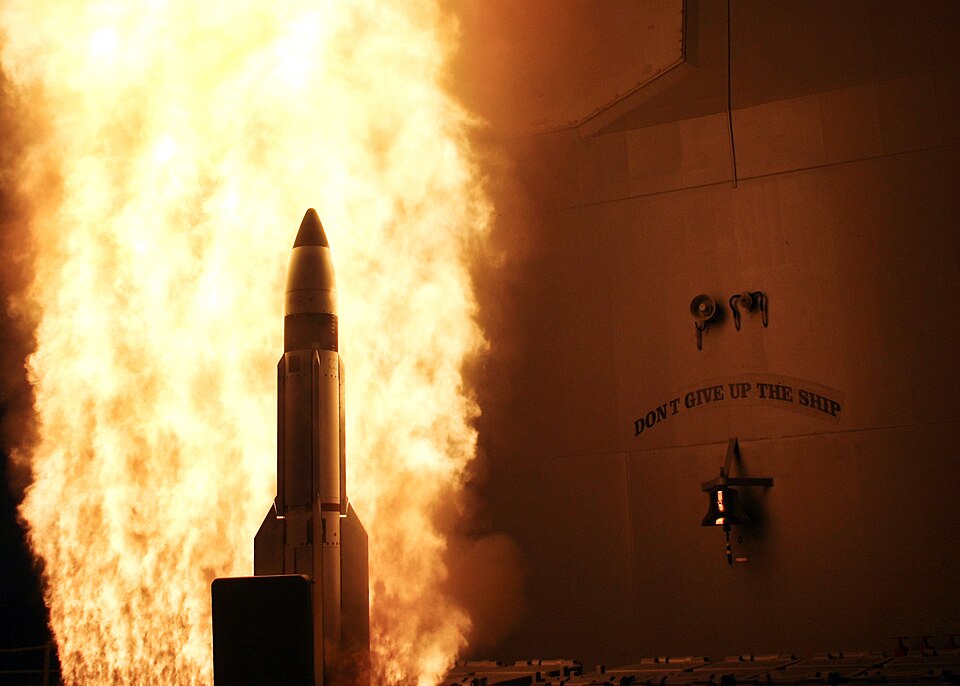
At 10:26 pm Eastern time, the US Navy cruiser USS Lake Erie, sailing in the Pacific Ocean west of Hawaii, fired a modified SM-3 missile at a disabled American spy satellite known as USA-193. About three minutes later, more than 200 km above the Earth, the missile struck the bus-sized satellite as it travelled at around 27,000 km per hour, and smashed it into pieces. The operation was code-named "Burnt Frost".
The satellite had been launched in December 2006, but it failed almost immediately and could not be controlled. Its orbit was slowly decaying, and it was expected to fall back to Earth in March. The Pentagon said its main concern was the satellite's fuel tank. The tank held about 450 kg of frozen hydrazine, a highly toxic fuel, and officials feared it could survive re-entry and release a poisonous cloud if it landed near people. Defense officials said the strike was timed so that most of the debris would burn up in the atmosphere within weeks, and they later expressed confidence that the fuel tank had been destroyed.
Many experts were sceptical about the official explanation. They noted that the strike gave the US military a chance to show that it could destroy a satellite, a year after China had destroyed one of its own old weather satellites in a missile test. US officials insisted it was a one-time operation for safety reasons. Russia called it a disguised test of an anti-satellite weapon. China's Foreign Ministry said it was following the situation closely and urged the United States to promptly provide data so that other countries could take precautions.
A few hours later, people across the Americas, Europe and Africa watched a total eclipse of the Moon, which turned a coppery red. It was the last total lunar eclipse until December 2010.
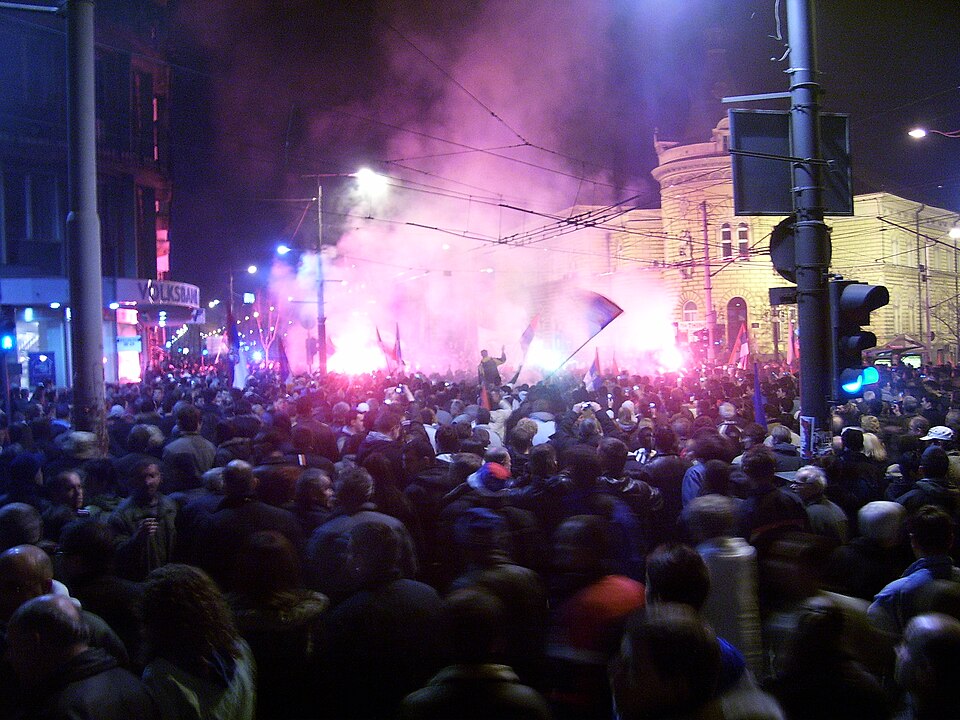
Four days after Kosovo declared independence, the Serbian government organised a huge rally in central Belgrade under the slogan "Kosovo is Serbia". Somewhere between 150,000 and 200,000 people filled the streets in front of the parliament building. Many of them had been brought by bus from across the country. Prime Minister Vojislav Koštunica told the crowd: "As long as we live, Kosovo is Serbia." The film director Emir Kusturica and the basketball player Dejan Bodiroga also spoke. Afterwards, crowds marched to the Serbian Orthodox Cathedral of Saint Sava for a prayer service.
As the rally broke up, groups of masked young men attacked foreign embassies. At the US embassy, which was largely empty because staff had been sent home, rioters broke through the gates, climbed into the building, tore down the American flag and set fire to an office. Riot police were slow to arrive, and firefighters took time to reach the blaze. When the fire was put out, a charred body was found inside. It was later identified as a young rioter. The Croatian embassy and several other missions were also attacked, and shops and McDonald's restaurants in the city centre were looted. More than 150 people were injured, many of them police officers.
The United States protested strongly and accused the Serbian authorities of failing to protect its embassy, as they were required to under international law. The UN Security Council condemned the attacks. Serbian President Boris Tadić condemned the violence, and some ministers said it damaged Serbia's own cause. The disagreement over how to respond to Kosovo split the government, which collapsed in March.
On the same night, the Turkish army launched a ground operation into northern Iraq against bases of the PKK (Kurdistan Workers' Party) militants. It was Turkey's first major ground incursion there in about a decade, and the troops withdrew a week later.
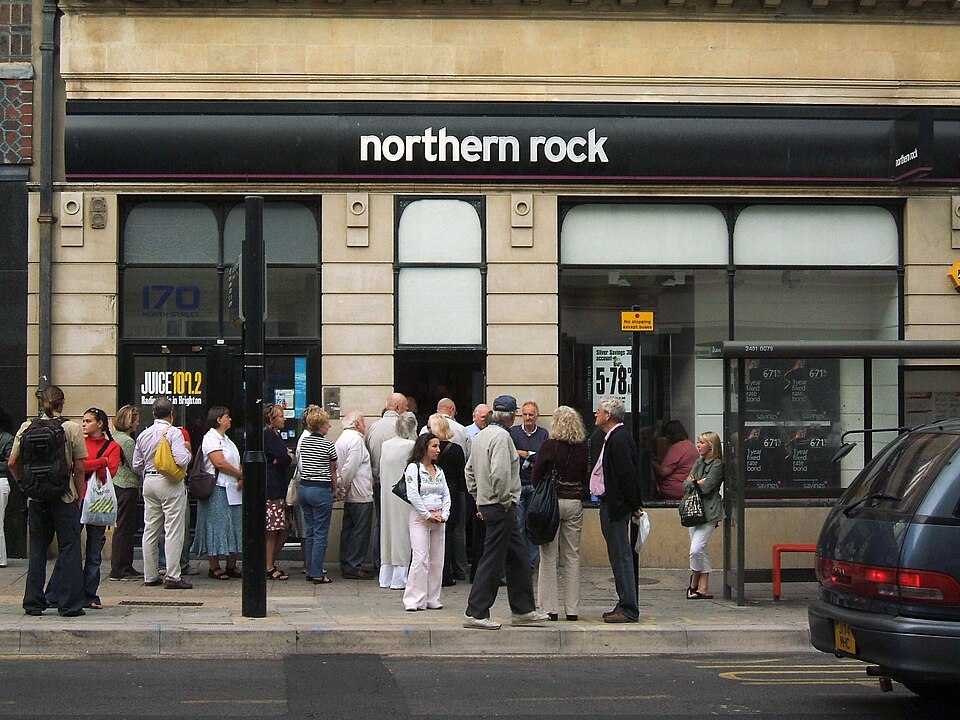
Northern Rock, the troubled mortgage lender from Newcastle in north-east England, formally passed into public ownership. It was Britain's first nationalisation of a major company since the 1970s. Parliament had rushed through a new emergency law, the Banking (Special Provisions) Act, which gave the Treasury power to take over failing banks. Chancellor of the Exchequer Alistair Darling had announced the decision the previous Sunday, after rejecting two private takeover offers, one of them led by Richard Branson's Virgin Group. He said neither offered good enough value for taxpayers.
Northern Rock had been the first British victim of the global credit crunch. It had grown rapidly by borrowing money from financial markets to fund mortgages, rather than relying on savers' deposits. When those markets froze in the summer of 2007, it could no longer raise funds and had to ask the Bank of England for emergency help. When the news broke in September 2007, thousands of worried customers queued outside branches to withdraw their savings. It was the first run on a British bank in over a century, and the government responded by guaranteeing all deposits. By the time of nationalisation, taxpayers had lent the bank about £25 billion.
Ron Sandler, the former chief executive of the Lloyd's of London insurance market, was appointed executive chairman with the task of shrinking the bank and repaying the loans. Shareholders, many of them local people and employees, were angry that they might receive little or nothing, and they took legal action. The opposition Conservatives criticised the government for months of delay. Darling said public ownership would be temporary, but within a year the crisis had deepened, and the government had to take large stakes in much bigger banks, including RBS and Lloyds. Northern Rock's healthy part was sold to Virgin Money in 2012.
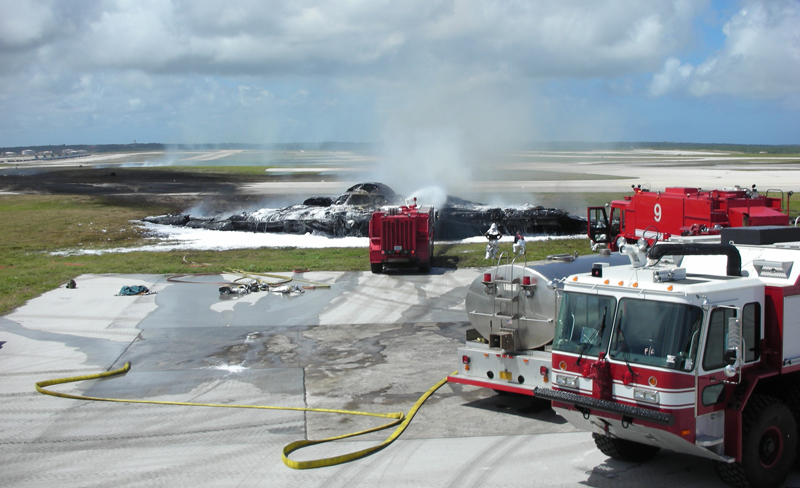
Shortly before 11 am local time, a US Air Force B-2 Spirit stealth bomber called the Spirit of Kansas crashed moments after taking off from Andersen Air Force Base on the Pacific island of Guam. As it left the runway, the bat-winged aircraft suddenly pitched its nose up sharply, lost speed and stalled. Its left wingtip struck the ground, and the bomber cartwheeled across the airfield and burst into flames. Both pilots ejected seconds before the impact and survived. It was the first time a B-2 had ever crashed since the aircraft entered service in 1997.
Each B-2 was one of the most expensive aircraft ever built. With only 21 made, the Air Force valued the loss at around $1.4 billion, which made it the costliest plane crash in history. In June, investigators reported their findings. Heavy humidity on the tropical island had caused moisture to collect in three of the bomber's 24 air-pressure sensors after maintenance crews recalibrated them without first drying them out. The sensors sent false data on airspeed and angle to the flight control computers. These calculated that the aircraft was flying faster than it was and that its nose was pointing down, and so they commanded the nose to pitch up too early. The board found that a method for removing the moisture was known to some maintenance crews, but it had not been shared across the B-2 programme.
After the crash, the Air Force briefly grounded all B-2s and changed its maintenance procedures. The bombers had been deployed to Guam as part of a regular rotation to keep a US presence in the western Pacific. Spirit of Kansas was never replaced, and the fleet was reduced to 20 aircraft.
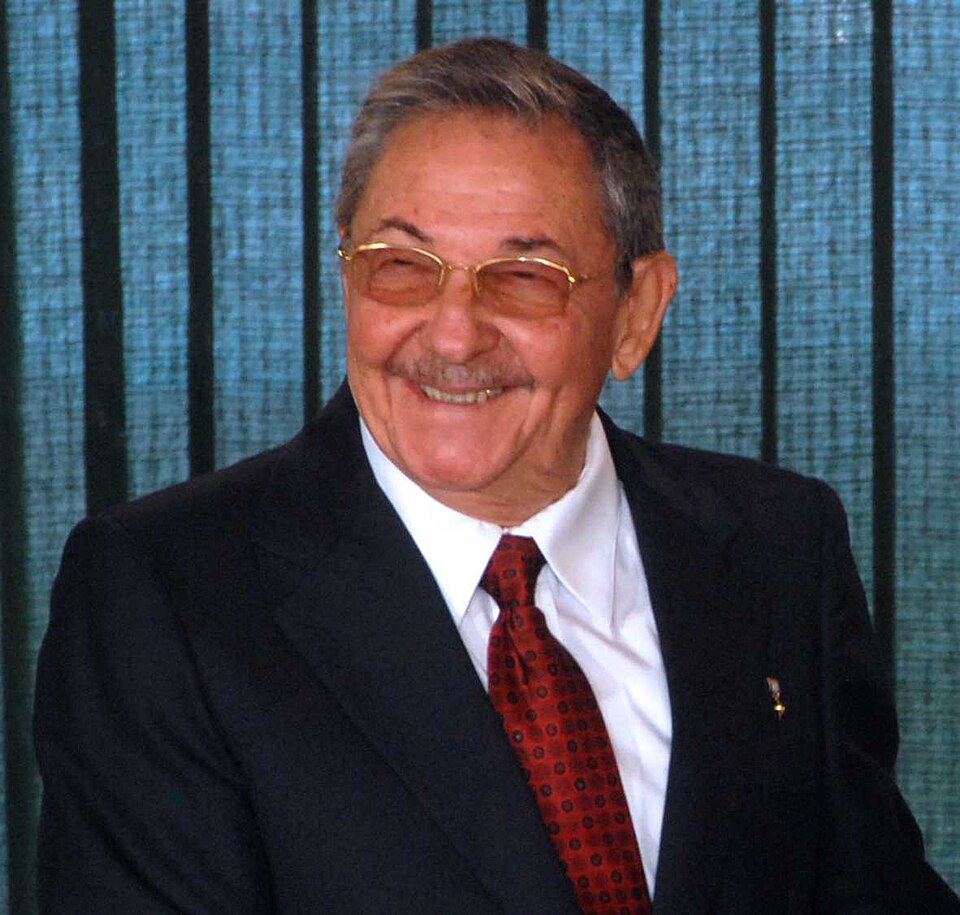
Five days after Fidel Castro said he would step down, Cuba's National Assembly unanimously elected his younger brother Raúl, aged 76, as president of the Council of State. That made him head of state and government. It formally ended nearly half a century of rule by Fidel. Raúl, a veteran of the revolution, had been defence minister for almost 50 years and had already been running the country as acting president since Fidel fell ill in 2006. Many Cubans had hoped that a younger leader might be chosen. Instead, the assembly named another revolutionary veteran, José Ramón Machado Ventura, aged 77, as first vice-president.
In his acceptance speech, Raúl said he would consult Fidel on important decisions and promised to reduce some of the state's "excessive" bans and regulations. Within weeks, his government allowed Cubans to buy mobile phones, computers and DVD players, and to stay in tourist hotels. It also gave unused state land to farmers. The United States said it saw no real change and kept its trade embargo in place. Raúl Castro led Cuba for ten years, re-establishing diplomatic relations with the US in 2015, and handed over the presidency to Miguel Díaz-Canel in 2018.
In Hollywood, the 80th Academy Awards went ahead normally after the end of the writers' strike. The Coen brothers' No Country for Old Men won Best Picture, Best Director and Best Adapted Screenplay, and Javier Bardem won Best Supporting Actor. Daniel Day-Lewis won Best Actor for There Will Be Blood, and Marion Cotillard became the first actress to win Best Actress for a French-language role, for La Vie en Rose.
In Cyprus, the communist leader Demetris Christofias won the presidential runoff. He promised to restart talks to reunify the island, which had been divided between Greek and Turkish Cypriots since 1974.
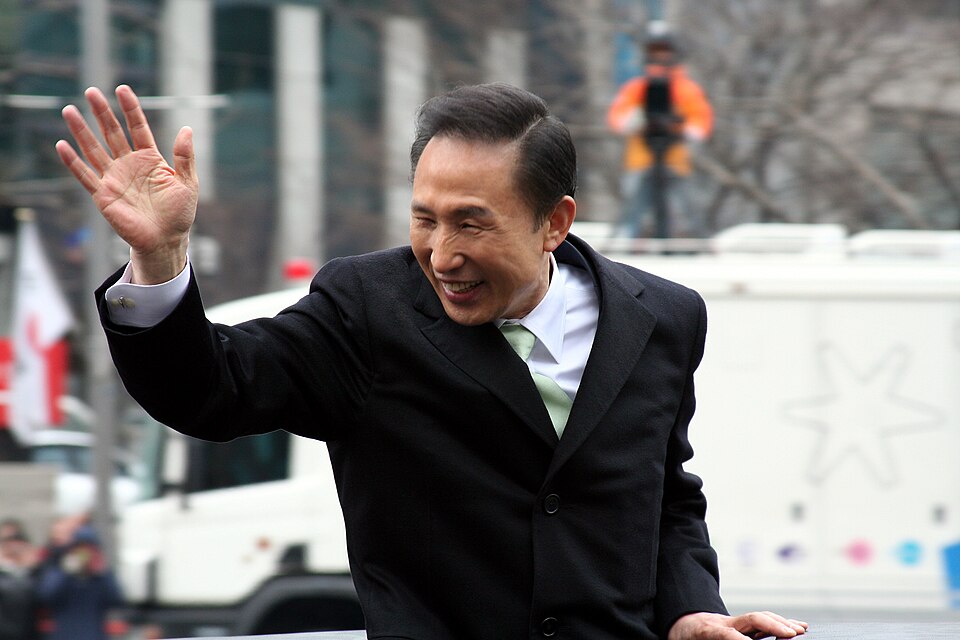
On the steps of the National Assembly in Seoul, in front of tens of thousands of guests, Lee Myung-bak was sworn in as South Korea's 17th president. Lee was a former chief executive of Hyundai Construction and mayor of Seoul. He was known as "the Bulldozer", and his life story had made him a symbol of the country's rise: born into poverty, he worked his way through university and became one of the country's best-known business leaders. In December's election, the conservative Grand National Party candidate had won by a landslide, ending ten years of liberal government.
In his inaugural speech, Lee urged South Koreans to leave behind "the age of ideology" and enter "an age of pragmatism". He promised to make the economy his top priority. His "747" plan aimed for 7% annual growth, a per-capita income of $40,000 and a place for South Korea among the world's seven largest economies. He promised to cut red tape and taxes and to attract foreign investment. On North Korea, he took a firmer line than his predecessors' "Sunshine Policy". He offered major economic aid that could raise North Koreans' incomes to $3,000 a year, but only if Pyongyang gave up its nuclear weapons, and he said he was ready to talk directly with its leader, Kim Jong-il. Guests at the ceremony included Japanese Prime Minister Yasuo Fukuda and US Secretary of State Condoleezza Rice. Chinese State Councillor Tang Jiaxuan also attended.
Lee's honeymoon was short. Within months, mass candlelight protests against the resumption of US beef imports shook his government, and the global financial crisis hit the economy hard. Relations with North Korea worsened sharply. Lee was succeeded by Park Geun-hye in 2013.
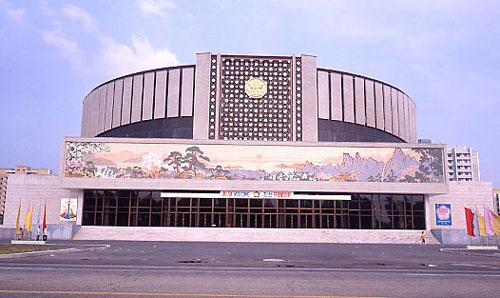
In the East Pyongyang Grand Theatre, the New York Philharmonic gave the first performance by an American orchestra in North Korea, two countries that were still technically at war and had no diplomatic relations. The evening opened with the two national anthems. The audience of about 1,500 officials and invited guests stood for both. Behind the orchestra, the flags of both countries hung side by side.
Under its music director Lorin Maazel, the orchestra played the Prelude to Act III of Wagner's Lohengrin, Dvořák's Symphony No. 9 "From the New World" and Gershwin's An American in Paris. Before the Gershwin, Maazel joked to the audience that "someday a composer may write a work entitled 'Americans in Pyongyang'". For encores, the orchestra played Bizet's Farandole, Bernstein's Overture to Candide and finally "Arirang", a much-loved folk song shared by North and South Korea. Many people in the audience were visibly moved, and when the orchestra left the stage, the audience applauded for several minutes, and some musicians waved and wept as they went. The concert was broadcast live on North Korean television and radio and was shown around the world.
The visit had been suggested by North Korea and supported by the US State Department, at a time when six-party talks on North Korea's nuclear programme were making slow progress. Supporters called it a moment of "music diplomacy" that echoed the Philadelphia Orchestra's 1973 visit to China. Critics said it was used as propaganda by the North Korean government and would change nothing. The next day the orchestra flew on to Seoul. Relations between the two countries soon worsened again, after North Korea tested a nuclear device in 2009.
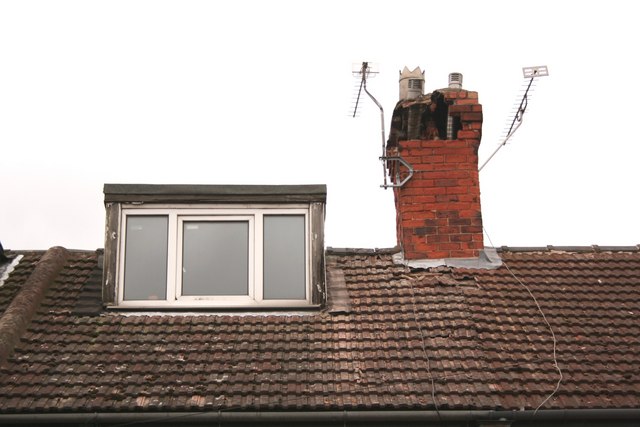
At 00:56 in the early hours of the morning, an earthquake of magnitude 5.2 struck near the small market town of Market Rasen in Lincolnshire, eastern England. According to the British Geological Survey, the epicentre was about 4 km north of the town, at a depth of around 18 km. It was the strongest earthquake in Britain since a magnitude 5.4 tremor in North Wales in 1984, and one of the largest on the British mainland in recorded history.
The shaking lasted only about ten seconds, but it was felt across a huge area, from Newcastle in the north to London and Bournemouth in the south, and from Wales to the Netherlands and Belgium. Millions of people were woken by their beds and windows rattling. Many thought a lorry had crashed into their house or that a gas explosion had happened nearby. Police and emergency lines received thousands of calls. Damage was mostly minor: chimney pots and roof tiles fell, walls cracked and some old buildings were damaged. In Wombwell, South Yorkshire, a 19-year-old man was seriously injured when part of a chimney fell through the roof onto his bed and broke his pelvis. It was the only serious injury. Insurers later estimated the cost of the damage at around £30 million.
Earthquakes of this size are rare in Britain, which lies far from the edges of tectonic plates. Scientists explained that the quake was caused by ancient stresses on old faults deep beneath the country. It was a reminder that even "stable" parts of the world can experience significant tremors, and the BGS used the many reports from the public to study how the shaking spread.
In the United States, William F. Buckley Jr., the author, television host and founder of the magazine National Review, a leading figure of the American conservative movement, died at 82.
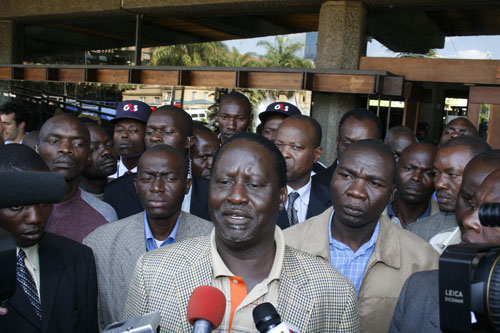
On the steps of Harambee House, the president's office in Nairobi, President Mwai Kibaki and opposition leader Raila Odinga signed an agreement to share power. It ended two months of political crisis and deadly violence after the disputed election of December 27, 2007. The ceremony was broadcast live on television, and crowds across Kenya celebrated. The deal had been brokered by former UN Secretary-General Kofi Annan. He led African Union mediation for 41 days, and in the final hours he was joined by Tanzanian President Jakaya Kikwete, who chaired the African Union. "We have come to an agreement," Annan announced. "Compromise was necessary to get here."
Under the National Accord, Kibaki remained president, and a new post of prime minister was created for Odinga, with powers to "coordinate and supervise" the government. Each of their parties would get two deputy prime ministers, and cabinet posts would be divided according to their strength in parliament. The coalition would last until the next election, and the deal also promised reforms to the constitution, the electoral system and land ownership. Parliament quickly passed the agreement into law.
The violence that followed the election had shocked Kenyans and the world. Kenya had been seen as one of Africa's most stable countries. More than 1,100 people were killed in clashes, many of them along ethnic lines, and about 600,000 were driven from their homes, many into camps. The country's tourism industry and economy were badly hit. Odinga was sworn in as prime minister in April after long arguments over the size of the cabinet, which grew to 40 ministers, one of the largest in Africa. The coalition was uneasy, but it held. In 2010, Kenyans approved a new constitution in a peaceful referendum.
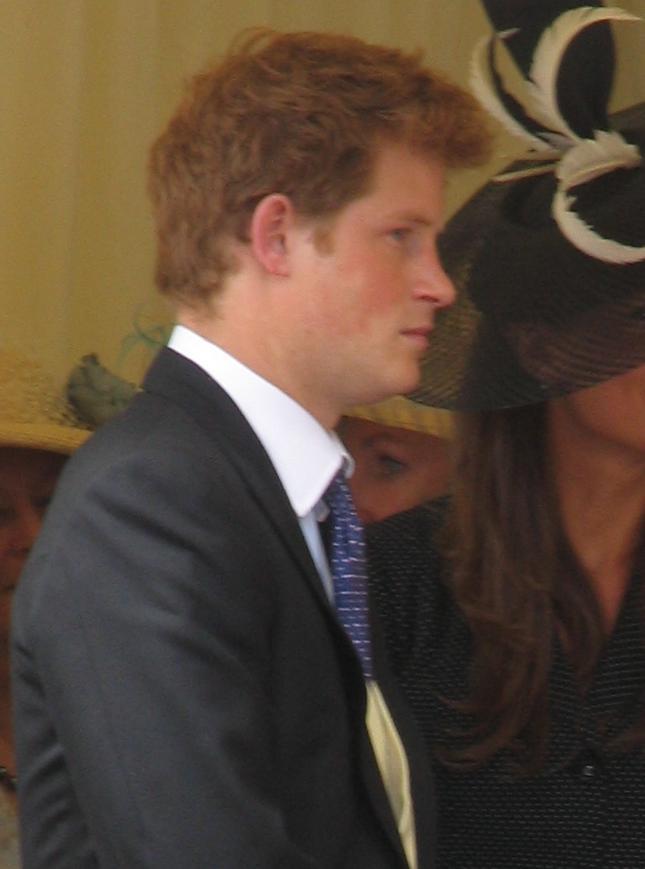
On this leap day, Britain's Ministry of Defence announced that Prince Harry, third in line to the throne, would be brought home immediately from Afghanistan. For about ten weeks, the 23-year-old army officer had been secretly serving on the front line in Helmand province. As a forward air controller, he called in air strikes against Taliban positions, and he also went on foot patrols. He was the first member of the royal family to serve in a war zone since his uncle Prince Andrew flew helicopters in the Falklands War in 1982.
His deployment had been kept secret under an unusual agreement between the Ministry of Defence and British newspapers, television and radio. The media agreed not to report his presence until he returned. In exchange, they were given interviews, photographs and film of him in Afghanistan to use later. The army feared that if the Taliban knew where he was, they would target him and the soldiers around him. An Australian magazine and a German newspaper had mentioned his deployment earlier in the year, but few people noticed. Then, on February 28, the American news website Drudge Report published the story, and within hours it had spread around the world.
Army chiefs decided that Harry and his comrades were now at too great a risk, and he was flown out the next day. He said he was "disappointed" and had hoped to finish the tour with his unit. The affair sparked a debate about the media blackout, and about whether one website could undo an agreement made by a whole country's press. Harry later trained as an Apache helicopter pilot and returned to Afghanistan for a second tour in 2012.
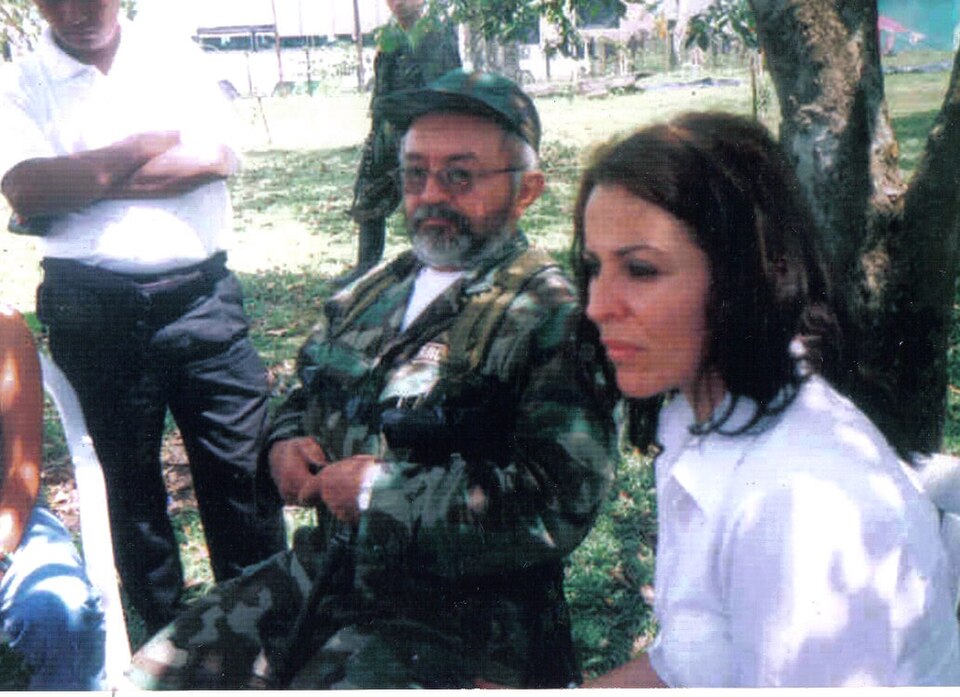
Before dawn, Colombian military aircraft bombed a camp of the FARC guerrillas just across the border inside Ecuador, near the Putumayo River in Ecuador's Sucumbíos province, at a place called Angostura. Colombian troops then landed by helicopter to secure the site. More than 20 people were killed. Among them was Raúl Reyes, the FARC's second-in-command and its chief spokesman and international negotiator. It was the first time the Colombian state had killed a member of the FARC's top leadership in more than four decades of conflict. The army also seized laptop computers that Colombia said contained documents showing links between the FARC and the governments of Venezuela and Ecuador. Both governments denied the allegations.
Colombian President Álvaro Uribe called the raid a major victory against terrorism. But the cross-border strike set off the most serious diplomatic crisis in South America in years. Ecuador's President Rafael Correa said he had been lied to by Uribe. He condemned the violation of Ecuador's sovereignty and broke off diplomatic relations with Colombia. Venezuela's President Hugo Chávez, an ally of Correa, ordered ten battalions of troops and tanks to the Colombian border, expelled Colombia's diplomats and warned of war. Ecuador also moved troops to its border. Governments across Latin America and the Organization of American States criticised the violation of Ecuadorian territory, while the United States, Colombia's close ally, supported Uribe.
The crisis eased within a week. At a summit of the Rio Group in the Dominican Republic on March 7, Uribe, Correa and Chávez traded harsh words and then shook hands. It was the start of a disastrous year for the FARC: another senior commander was killed by his own bodyguard days later, its founder Manuel Marulanda died in March, and in July the army rescued Íngrid Betancourt and 14 other hostages.
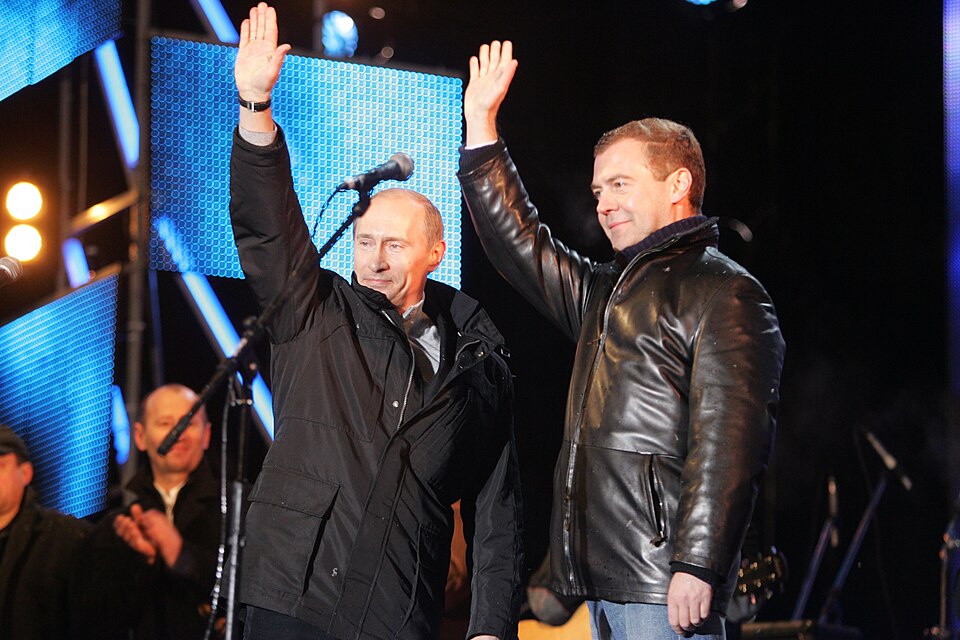
Russians voted to choose a successor to President Vladimir Putin, who was barred by the constitution from serving a third consecutive term. As expected, Dmitry Medvedev, the 42-year-old first deputy prime minister and chairman of the energy giant Gazprom, won a landslide victory. With almost all ballots counted, he had about 70% of the vote. Communist leader Gennady Zyuganov came second with about 18%, the nationalist Vladimir Zhirinovsky third with about 9%, and Andrei Bogdanov last with about 1%. Turnout was nearly 70%.
Medvedev, a former law lecturer from St Petersburg, had worked alongside Putin for almost two decades. Putin had named him as his preferred successor in December, and in return Medvedev had promised to make Putin his prime minister. That evening, the two men walked together across Red Square to a celebratory rock concert near the Kremlin. Medvedev promised to continue "the course set by President Putin". He spoke about defending freedom, fighting corruption and what he called "legal nihilism", and modernising the economy, raising hopes among some in the West that he might be more liberal than his mentor.
Critics called the vote a "coronation" rather than a real contest. Leading opposition figures, including former prime minister Mikhail Kasyanov and former chess champion Garry Kasparov, had been kept off the ballot. State television gave Medvedev overwhelming coverage. The OSCE's election observation office did not send observers, saying Russia had imposed restrictions that prevented proper monitoring. Medvedev was inaugurated on May 7 and immediately nominated Putin as prime minister, beginning a "tandem" in which most people believed Putin still held the real power. In 2012, they swapped places again.
In the Great Hall of the People in Beijing, the First Session of the 11th National Committee of the Chinese People's Political Consultative Conference (CPPCC), the country's top political advisory body, opened. More than 2,000 members attended. They included representatives of the Communist Party and the eight other political parties, people without party affiliation, ethnic minorities, religious groups, Hong Kong, Macao and overseas Chinese, as well as business leaders, scientists, artists and athletes. The opening of the CPPCC marked the start of the annual "two sessions". The National People's Congress, China's legislature, would open two days later. This year, the sessions were especially important because they would elect new state leaders for the next five years.
Jia Qinglin, chairman of the CPPCC National Committee, delivered the work report reviewing the advisory body's activities over the previous five years. Members discussed the response to the snowstorm disaster earlier in the year, rising prices, the gap between rich and poor, the environment, education, health care and preparations for the Beijing Olympics in August. Over the following days, they submitted thousands of proposals on issues from food safety to the protection of migrant workers. Before the session closed in mid-March, Jia Qinglin was re-elected chairman.
In New York, the UN Security Council adopted Resolution 1803, its third set of sanctions over Iran's refusal to suspend uranium enrichment, by 14 votes to none, with Indonesia abstaining. China voted in favour. The resolution added travel bans and asset freezes on more Iranian officials and companies, called for inspections of suspicious cargo, and banned trade in some goods that could be used for both civilian and military purposes. The permanent members and Germany paired the sanctions with an offer of further negotiations. Iran called the resolution illegal and said it would continue its nuclear programme.
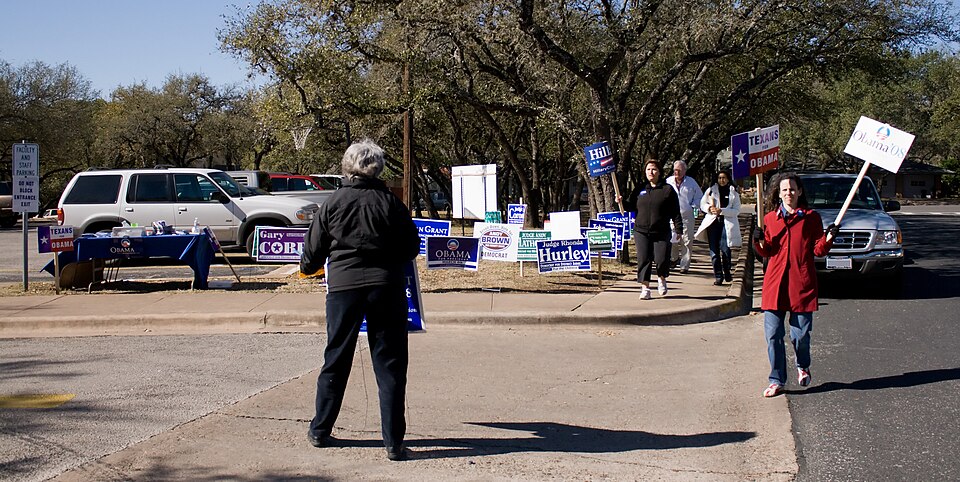
After Barack Obama's run of 12 straight victories since Super Tuesday, Hillary Clinton's campaign was widely seen as fighting for survival. Many commentators said she had to win the big states of Ohio and Texas to stay in the race. On "Mini Super Tuesday", she did. In Ohio, a state of factory towns that had lost many jobs, she won comfortably with about 54% of the vote, helped by strong support from working-class white voters, women and older Democrats. In Texas she won the primary narrowly, helped by Hispanic voters. Obama won more delegates in the state's separate caucuses, held the same evening. She also won Rhode Island, while Obama won Vermont.
"For everyone here in Ohio and across America who's ever been counted out but refused to be knocked out... this one is for you," Clinton told cheering supporters in Columbus. Her campaign had run a television advertisement asking which candidate voters would want answering the White House phone at "3 am" in a crisis, and many thought it had helped. Because the Democratic Party divided delegates in proportion to the vote, Obama's lead in delegates barely changed, and the long contest went on. Pennsylvania, on April 22, became the next big battleground.
On the Republican side, Arizona Senator John McCain won all four states and passed the 1,191 delegates needed to become the party's nominee. At 71, the Vietnam War veteran had completed a remarkable comeback after his campaign nearly collapsed in the summer of 2007. His last serious rival, former Arkansas Governor Mike Huckabee, withdrew that night and called for party unity. The next day, President George W. Bush endorsed McCain at the White House.
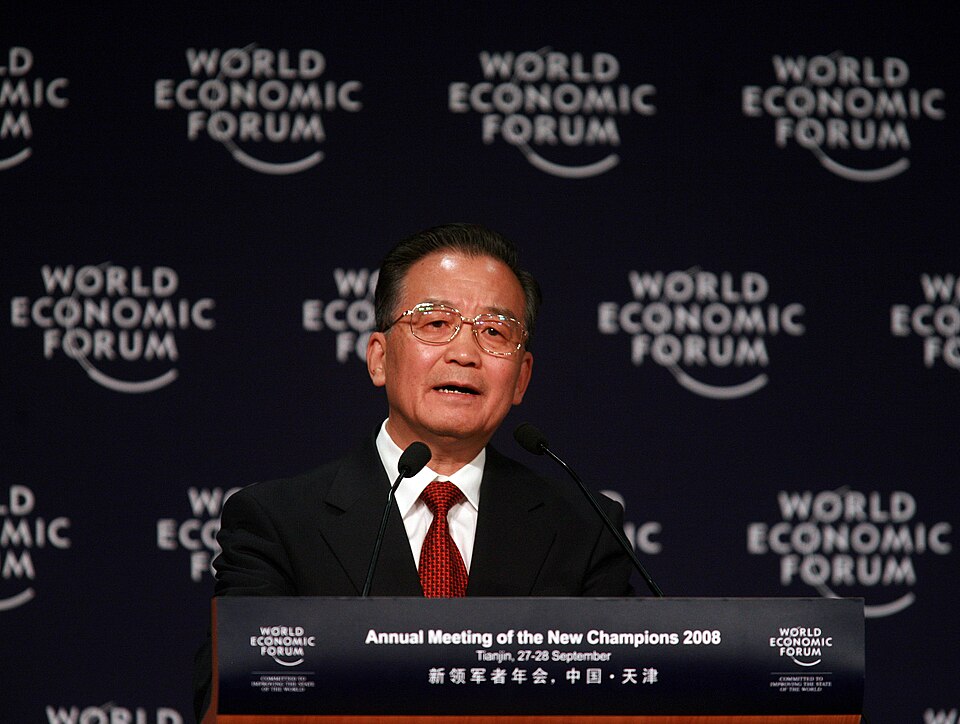
In the Great Hall of the People in Beijing, nearly 3,000 deputies gathered for the opening of the First Session of the 11th National People's Congress (NPC), China's top legislature. During its two-week session, the Congress would elect the country's state leaders for the next five years and approve a major restructuring of government ministries.
Premier Wen Jiabao delivered his government work report. He reviewed the previous five years, during which China's economy had grown by more than 10% a year on average. Agricultural taxes had been abolished, and free compulsory education had been extended to rural children. He also acknowledged serious problems: rising prices, pollution, the widening gap between rich and poor, and difficulties in health care and housing. For 2008, the government set a target of about 8% economic growth, lower than the 11.4% achieved in 2007. It aimed to keep the rise in consumer prices to about 4.8%, as food prices, especially pork, had pushed inflation to its highest level in more than a decade. Wen said controlling inflation and preventing the economy from overheating were the top priorities. He also paid tribute to the soldiers, workers and ordinary people who had fought the winter snowstorms, and said the country would make every effort to hold a successful Olympic Games in August.
Over the following days, the Congress approved the creation of several new "super-ministries", including ministries of environmental protection, housing, and industry and information technology. On March 15, it re-elected Hu Jintao as President, and on March 16, it re-appointed Wen Jiabao as Premier. Within months the global financial crisis would turn the government's worry from overheating to slowing growth, leading to the 4 trillion yuan stimulus in November.
In the evening, a gunman entered the Mercaz HaRav yeshiva, a well-known Jewish religious seminary in the Kiryat Moshe neighbourhood of West Jerusalem, and opened fire in its crowded library, where dozens of students were studying. In about 15 minutes, he killed eight students aged between 15 and 26 and wounded around ten others, several of them seriously. The shooting ended when a long-time student of the seminary and an off-duty army officer, both armed, shot and killed the attacker. Police identified him as a Palestinian man from the East Jerusalem neighbourhood of Jabel Mukaber. He held an Israeli identity card, which allowed him to move freely in the city.
The seminary was closely linked to the Israeli religious-nationalist and settler movement. Israeli Prime Minister Ehud Olmert called it a terrible attack. US President George W. Bush and UN Secretary-General Ban Ki-moon condemned it, and Palestinian President Mahmoud Abbas also condemned it and said he opposed all attacks on civilians. In Gaza, however, some people celebrated in the streets.
The attack came less than a week after the bloodiest fighting in Gaza in years. Israeli forces had carried out an operation in the territory in response to rocket fire on Israeli towns, and more than 100 Palestinians had been killed, many of them civilians. The shooting raised fears of a new cycle of violence and further damaged the peace talks between Israel and Abbas's Palestinian Authority, which had started after the Annapolis conference in November 2007.
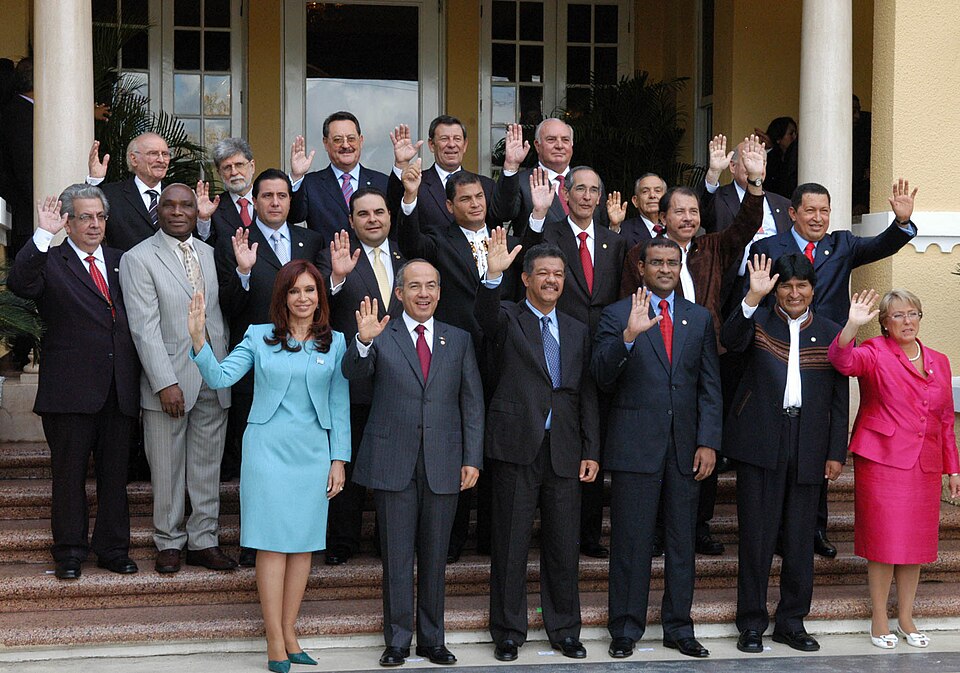
At a summit of the Rio Group of Latin American and Caribbean countries in Santo Domingo, the capital of the Dominican Republic, the leaders of Colombia, Ecuador and Venezuela ended a week-long crisis that had raised fears of war in South America. It had begun on March 1, when Colombian forces bombed a FARC guerrilla camp inside Ecuador and killed the rebel commander Raúl Reyes. Ecuador and Venezuela broke off relations with Colombia and sent troops to their borders.
The meeting began with angry exchanges. Ecuador's President Rafael Correa accused Colombian President Álvaro Uribe of lying and violating his country's sovereignty. Uribe replied by accusing Ecuador and Venezuela of tolerating the FARC on their territory, citing documents he said had been found on Reyes's laptop. But the host, Dominican President Leonel Fernández, and others pushed for a settlement. Venezuela's President Hugo Chávez, who had threatened war only days before, urged calm. Uribe apologised for the raid and promised that it would not happen again. He then walked across the room and shook hands with Correa, then Chávez and finally Nicaragua's President Daniel Ortega, who had also broken off relations with Colombia. The other leaders applauded. The summit adopted a declaration that rejected the violation of Ecuador's territory and committed all countries to fight armed groups. "With the commitment of never attacking a brother country again and by asking forgiveness, we can consider this very serious incident resolved," Correa said.
Within days, Venezuela restored relations with Colombia and its troops returned to their bases. Relations between Ecuador and Colombia, however, remained frozen until 2010.
In Washington, the Labor Department reported that American employers had cut 63,000 jobs in February, the biggest drop in nearly five years, increasing fears that the US was already in recession.
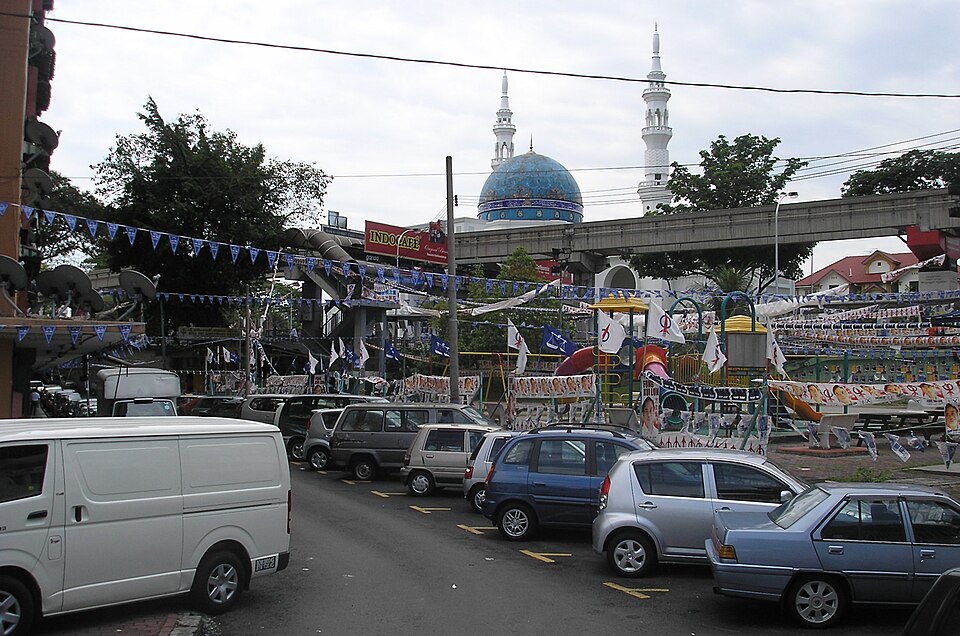
In Malaysia's general election, the Barisan Nasional (National Front) coalition, which had governed the country without a break since independence in 1957, suffered its worst result ever. It kept a majority in parliament, winning around 140 of the 222 seats, but for the first time since 1969 it lost its two-thirds majority. That was the level needed to change the constitution. Even more striking, opposition parties won control of five of the country's 13 states. They took the rich industrial states of Penang and Selangor, which surrounds the capital Kuala Lumpur, as well as Kedah and Perak, and kept Kelantan, which the Islamic party PAS had ruled since 1990.
The opposition was an unusual alliance. It brought together the multi-ethnic People's Justice Party (PKR) of former deputy prime minister Anwar Ibrahim, the mainly ethnic-Chinese Democratic Action Party (DAP), and the Islamic party PAS. It drew strong support from ethnic Chinese and Indian voters, many young urban Malays, and people angry about rising prices, crime and corruption. Many Indian Malaysians had been angered by the government's response to a mass protest by the Hindu Rights Action Force (Hindraf) in November 2007, when several of its leaders were detained without trial. Blogs and text messages helped the opposition get its message across, as the mainstream media were largely controlled by parties in the governing coalition. Several senior ministers lost their seats.
Shortly after 2 am, Prime Minister Abdullah Ahmad Badawi accepted the result and said it showed that democracy was alive in Malaysia. But he came under heavy pressure from within his party, the United Malays National Organisation (UMNO), and he handed over power to his deputy, Najib Razak, in April 2009. Commentators called the result a "political tsunami", and it changed Malaysian politics for good. In 2018 the coalition lost power altogether for the first time.
Spanish voters re-elected Prime Minister José Luis Rodríguez Zapatero and his Socialist Party (PSOE). With about 44% of the vote, the Socialists won 169 of the 350 seats in the Congress of Deputies, five more than in 2004 but seven short of an absolute majority. Mariano Rajoy's conservative People's Party (PP) also gained seats, winning about 40% and around 154 seats. Smaller national and regional parties, including the left-wing United Left, lost ground as voters concentrated around the two main parties. Turnout was high, at about 75%.
The campaign had ended in mourning. Two days before the vote, a gunman from the Basque separatist group ETA shot dead Isaías Carrasco, a former Socialist town councillor, outside his home in the Basque town of Mondragón. The main parties suspended their final rallies. Zapatero's first term had seen a ceasefire with ETA, which collapsed when the group bombed Madrid airport in December 2006. It had also seen the legalisation of same-sex marriage, the regularisation of hundreds of thousands of immigrants and the withdrawal of Spanish troops from Iraq. The economy had boomed thanks to construction and property, but by early 2008 the housing market was weakening and unemployment was starting to rise.
"I will govern for all, but thinking above all of those who do not have everything," Zapatero told supporters in Madrid. Without a majority, he relied on the support of smaller parties to be confirmed as prime minister in April. His second term was dominated by the financial crisis and the collapse of Spain's property bubble. Unemployment rose above 20%, and he lost power to Rajoy in 2011.
That night, an Ariane 5 rocket launched from Kourou in French Guiana carrying the European Space Agency's first Automated Transfer Vehicle, "Jules Verne", an unmanned cargo ship that would deliver supplies to the International Space Station.
The New York Times reported on its website that New York Governor Eliot Spitzer had been identified as a client of a high-priced escort agency called the Emperors Club VIP. Federal investigators had uncovered the ring, and their court papers described a man called "Client 9", who had arranged to meet a woman at the Mayflower Hotel in Washington the night before Valentine's Day. Officials said that man was Spitzer. Investigators said they had found him through suspicious bank transfers that he had tried to disguise. A few hours later, with his wife Silda standing beside him, Spitzer made a short statement in Manhattan. "I have acted in a way that violates my obligations to my family and that violates my sense of right and wrong," he said. "I apologise to the public, whom I promised better." He did not take questions.
The news was a sensation because of who Spitzer was. As New York's attorney general from 1999 to 2006, he had become famous as the "Sheriff of Wall Street", taking on big banks and insurers over conflicts of interest and fraud. He had also prosecuted prostitution rings. He was elected governor in 2006 with a huge majority, promising that "everything changes" in the state's notoriously murky politics, and many saw him as a future presidential candidate. Now Republicans in the state legislature threatened to impeach him if he did not resign.
Two days later, on March 12, Spitzer announced his resignation, saying he could not let "private failings" disrupt the work of government. Lieutenant Governor David Paterson was sworn in on March 17 as New York's first African American governor and its first legally blind governor. Federal prosecutors decided in November not to charge Spitzer with any crime.
The US Federal Reserve announced a new emergency programme called the Term Securities Lending Facility. It would lend up to $200 billion of safe US Treasury bonds to the big investment banks, known as primary dealers, for 28 days at a time instead of the usual overnight. In return, the banks could hand over mortgage-backed securities as collateral, which nobody in the market wanted to buy at that time. At the same time, the Fed and the central banks of Europe, Britain, Canada and Switzerland announced coordinated action to supply more short-term funding to their banking systems.
The idea was to unblock the credit markets. Since the summer of 2007, investors had refused to lend against securities backed by American home loans, even those with top credit ratings, because nobody knew how many would go bad. Firms that relied on short-term borrowing were struggling to raise cash. The rumours were focused on Bear Stearns, the fifth-largest US investment bank. Investors welcomed the move, and the Dow Jones Industrial Average jumped 416 points, or 3.5%, its biggest one-day gain in five years.
The relief did not last. Three days later, Bear Stearns ran out of cash and needed an emergency rescue. On March 16, the Fed helped JPMorgan Chase buy it for a fraction of its earlier value. The Term Securities Lending Facility began its first auction on March 27 and ran until February 2010. At its peak, during the crisis of October 2008, banks had borrowed $236 billion through it.
Hours earlier, before dawn, the space shuttle Endeavour lifted off from Florida. It was carrying the first part of Japan's Kibo laboratory and Canada's Dextre robot to the International Space Station.
Late in the evening, talks between Carlyle Capital Corporation and its lenders broke down. Carlyle Capital was an investment fund backed by the Carlyle Group, one of the world's most powerful private equity firms. The fund announced that it had defaulted on about $16.6 billion of debt and that its lenders were seizing the securities it had pledged as collateral. It expected to default on its remaining borrowings soon. Its shares, listed in Amsterdam, had already lost most of their value and plunged again.
Carlyle Capital had been set up only in 2006. It held around $22 billion of bonds backed by American home loans. Almost all of them were issued by the government-sponsored agencies Fannie Mae and Freddie Mac and carried the highest AAA credit rating, so they were generally seen as very safe. But the fund had bought them almost entirely with borrowed money. It had only about $670 million of its own capital, which meant it was leveraged more than 30 times. When the market for even the safest mortgage bonds fell in early 2008, the banks that had lent to the fund demanded more cash as security. Over seven business days it faced more than $400 million in such "margin calls" and could not pay. The Carlyle Group said it had been prepared to put in more capital if a refinancing deal could be agreed, but the lenders would not agree.
The fund's collapse added to the panic in financial markets that week. It showed that even firms holding top-rated securities could be wiped out if they had borrowed heavily. Two days later, the investment bank Bear Stearns, one of Carlyle Capital's lenders, also ran out of cash. Carlyle Capital went into liquidation, and in 2017 a court in Guernsey, where it was registered, cleared its directors of mismanagement.
In New York, Governor Eliot Spitzer announced his resignation, two days after he was revealed as a client of an escort agency.
During Asian trading, the US dollar fell below 100 Japanese yen for the first time since November 1995, at one point dropping as low as 99.75 yen. It also hit a new record low of about $1.56 against the euro. In New York, gold futures briefly reached $1,000 an ounce for the first time ever, and crude oil rose to a new record above $110 a barrel. All three moves told the same story: investors were losing faith in the American currency and moving their money into commodities and other currencies seen as safer.
There were several reasons for the dollar's fall. The US economy appeared to be sliding into recession, and the housing market was collapsing. The Federal Reserve had already cut interest rates sharply since the autumn and was expected to cut them again, which made dollar investments less attractive. Fresh signs of trouble on Wall Street also weighed on markets. That day, the investment fund Carlyle Capital said its lenders would seize all its remaining assets after it defaulted on billions of dollars in debt. US retail sales had also fallen in February.
The weak dollar had effects around the world. American exports became cheaper, but Japanese and European exporters, whose goods became more expensive in the United States, worried about their profits, and Tokyo's stock market fell. Oil-exporting countries, whose oil was priced in dollars, saw the real value of their earnings shrink. China, which held huge reserves in US dollars and bonds, faced losses on their value and growing pressure to let its own currency, the yuan, rise faster. Within days, the near-collapse of Bear Stearns sent the dollar even lower, to around 95 yen.
Before Wall Street opened, Bear Stearns, America's fifth-largest investment bank, announced that it was receiving emergency funding from the Federal Reserve Bank of New York, arranged through JPMorgan Chase. The Fed lent money to JPMorgan, which passed it on to Bear Stearns, initially for up to 28 days. It was the first time since the Great Depression that the Fed had used its emergency powers to rescue a firm that was not a regular bank. Bear Stearns's chief executive, Alan Schwartz, said the company's cash position had "significantly deteriorated" in the previous 24 hours.
Founded in 1923, Bear Stearns had survived the 1929 crash and many crises since. It had been one of the biggest players in mortgage-backed securities. In June 2007, two of its hedge funds that had invested heavily in subprime mortgages collapsed, and its reputation never recovered. During the week of March 10, rumours spread that it was running short of cash. Hedge funds pulled their money out, other banks refused to trade with it, and customers moved their accounts elsewhere. In just a few days, its cash reserves fell from about $18 billion to only $2 billion. Executives insisted the firm was sound until the very end.
Instead of calming the markets, the rescue frightened them. Bear Stearns's shares lost about half their value during the day. The Dow fell nearly 200 points, and investors wondered which bank would be next. That evening, the firm was told that the emergency facility would not be available after the weekend. Officials worked frantically for two days to find a buyer before Asian markets opened on Monday. On Sunday, March 16, JPMorgan agreed to buy Bear Stearns for just $2 a share, compared with more than $170 in early 2007. The Fed took on up to $29 billion of its riskiest assets. The price was later raised to $10 a share.
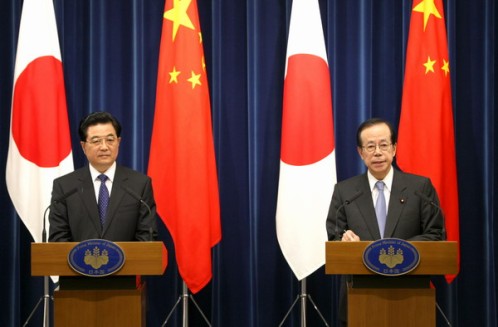
At the fifth plenary meeting of the First Session of the 11th National People's Congress in the Great Hall of the People, the nearly 3,000 deputies re-elected Hu Jintao as President of the People's Republic of China for a second five-year term. He was also re-elected Chairman of the Central Military Commission, and the vote was almost unanimous. At the same meeting, the deputies elected Xi Jinping, 54, as Vice-President, and re-elected Wu Bangguo as Chairman of the NPC Standing Committee.
Xi Jinping had risen rapidly in recent years. He had served as Party Secretary of Fujian, Zhejiang and, briefly, Shanghai. In October 2007, at the 17th Party Congress, he was appointed to the Politburo Standing Committee, the Party's top body. As Vice-President, he was also put in charge of preparations for the Beijing Olympics in August and of affairs relating to Hong Kong and Macao. International observers widely saw his appointment as a sign that he was being prepared to succeed Hu as the country's top leader.
The next day, the Congress re-appointed Wen Jiabao as Premier. In the following days, it approved a new State Council, including vice-premiers Li Keqiang, Hui Liangyu, Zhang Dejiang and Wang Qishan. The new leadership took office at a challenging time: inflation was at its highest in over a decade, the country was recovering from the winter storms, and preparations for the Olympics were entering their final phase. Five years later, in March 2013, Xi Jinping succeeded Hu Jintao as President.
After a frantic weekend of talks in New York and Washington, JPMorgan Chase announced on Sunday evening that it would buy Bear Stearns, the troubled 85-year-old investment bank, for just $2 a share in JPMorgan stock, about $236 million in total. Only two days earlier, Bear's shares had closed at $30. In January 2007 they had traded at more than $170, and the firm's Manhattan headquarters building alone was thought to be worth more than the whole purchase price. To make the deal possible, the Federal Reserve agreed to finance up to $30 billion of Bear's least liquid assets, mostly mortgage-related securities that JPMorgan did not want to take on.
Officials had raced to reach a deal before Asian markets opened on Monday. They feared that a disorderly collapse of Bear Stearns, which had trading relationships with thousands of other firms around the world, could set off a chain reaction across the financial system. Treasury Secretary Henry Paulson and New York Fed president Timothy Geithner were closely involved. The same evening, the Fed took two more emergency steps. It cut the discount rate, which it charges on emergency loans to banks, by a quarter of a point to 3.25%. It also created a new Primary Dealer Credit Facility, which allowed investment banks to borrow directly from the central bank for the first time since the 1930s.
The rescue was hugely controversial. Bear's shareholders, including many of its 14,000 employees, were furious at the low price. Critics said the Fed had used taxpayers' money to bail out Wall Street. Supporters argued that the alternative would have been far worse. A week later, JPMorgan raised its offer to $10 a share to win shareholder approval. The deal was completed in May.
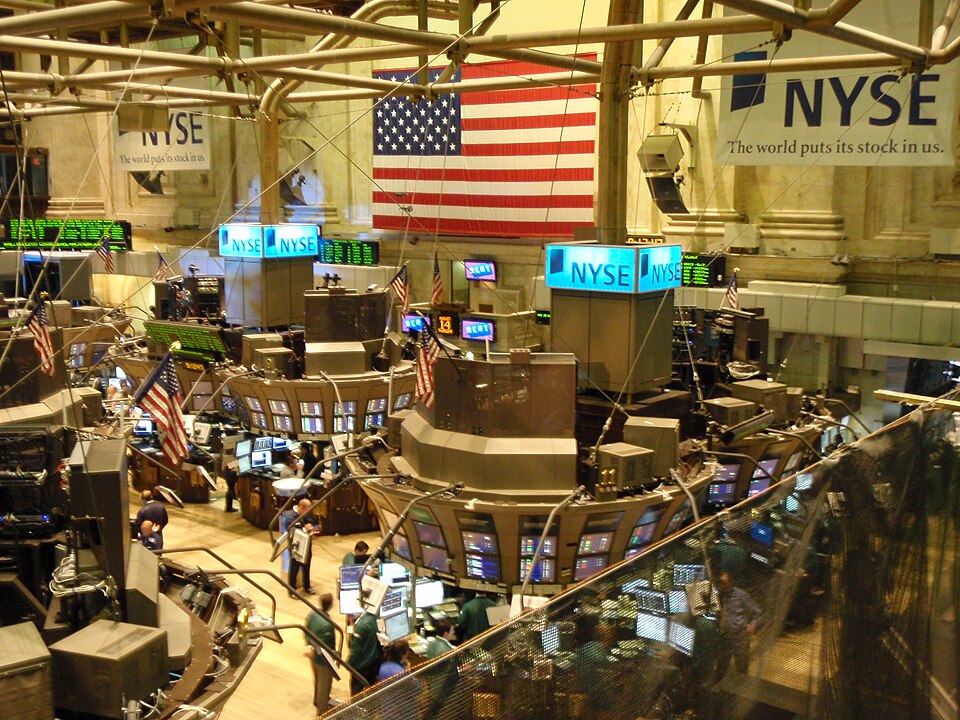
The first trading day after JPMorgan's rescue purchase of Bear Stearns began with panic in Asia. Japanese stocks fell more than 3.5%, and markets in Hong Kong, Mumbai and elsewhere also dropped sharply. In Europe, share prices fell more than 3%, led by banks. Investors were shocked that a major Wall Street firm, whose shares had traded at about $70 just a week earlier, had been sold for only $2 a share, and they asked which bank might be next. Attention quickly turned to Lehman Brothers, the fourth-largest US investment bank, whose shares fell by as much as 48% during the day before recovering part of the loss.
The US dollar fell to a 12-and-a-half-year low against the Japanese yen and to record lows against the euro and the Swiss franc. Investors moved into commodities: oil rose to a new high of nearly $112 a barrel. On Wall Street, however, the Fed's emergency weekend measures helped calm the market, and the Dow Jones Industrial Average ended the day slightly higher. Analysts said the new lending facility for investment banks had removed the immediate fear that another major firm would run out of cash. Lehman's shares remained volatile, and in September it became the biggest bankruptcy in American history.
In Albany, Lieutenant Governor David Paterson was sworn in as New York's 55th governor, replacing Eliot Spitzer, whose resignation took effect earlier in the day after a prostitution scandal. Paterson was the state's first African American governor and its first legally blind governor.
At the National Constitution Center in Philadelphia, a few blocks from where the US Constitution was signed in 1787, Barack Obama gave a speech on race in America. It quickly became one of the most famous speeches of his career. He was responding to a growing controversy over his former pastor, Reverend Jeremiah Wright of Trinity United Church of Christ in Chicago. Video clips of old sermons, in which Wright angrily denounced America and accused the government of crimes against black people, had been played over and over on television, and they threatened to derail Obama's campaign.
Obama did not simply distance himself from Wright. He condemned the pastor's remarks as "wrong" and "divisive", but said: "I can no more disown him than I can disown the black community." He then spoke about the history of slavery and segregation, about the anger and frustration of many black Americans, and also about the resentments of many white working-class Americans who felt their own struggles had been ignored. He said the country had reached a "racial stalemate", and he called on Americans to move beyond it and work together on shared problems such as health care, education and jobs. The title came from the opening of the Constitution: "We the people, in order to form a more perfect union".
The speech, which lasted about 37 minutes and which Obama had largely written himself, was watched millions of times on YouTube within days. It was widely praised by commentators, though some critics said it did not go far enough in rejecting Wright. Obama's campaign recovered, and in late April, after Wright made new controversial remarks, Obama finally broke with him completely.
In Washington, the Federal Reserve cut its key interest rate by three-quarters of a point to 2.25%, its sixth cut since September. The Dow Jones Industrial Average jumped 420 points, one of its biggest gains in years.
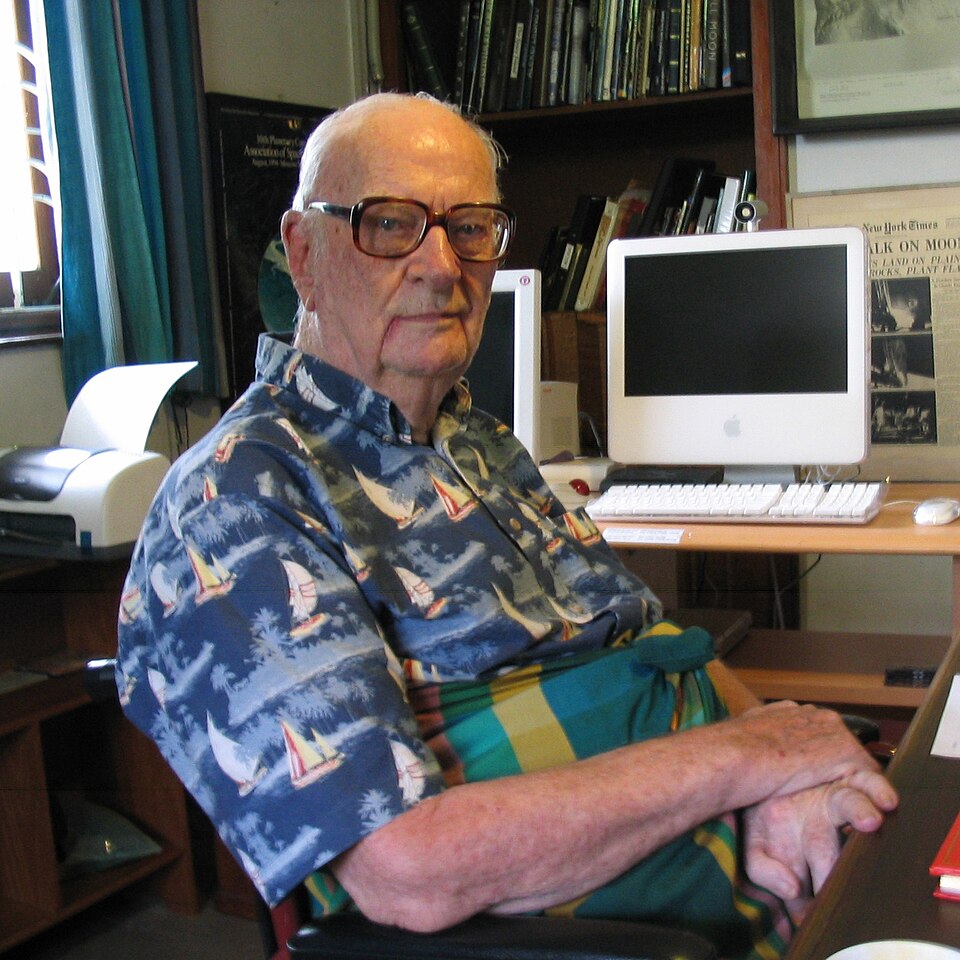
Sir Arthur C. Clarke, one of the greatest science fiction writers of the 20th century, died in Colombo, Sri Lanka, his home for half a century, at the age of 90. He had suffered for years from post-polio syndrome. Clarke was born in 1917 in the English seaside town of Minehead. He served as a radar instructor in the Royal Air Force during the Second World War, and in 1945 he wrote an article proposing that satellites in a fixed "geostationary" orbit above the Earth could relay radio and television signals around the world, decades before such satellites existed. That orbit is still sometimes called the "Clarke orbit".
He wrote more than 100 books, including Childhood's End and Rendezvous with Rama. He was best known for 2001: A Space Odyssey, which he developed together with director Stanley Kubrick. The 1968 film, with its mysterious black monolith and the murderous computer HAL 9000, is widely seen as one of the greatest films ever made, and it shaped how a generation imagined space travel and artificial intelligence. He also formulated "Clarke's three laws", the most famous of which says: "Any sufficiently advanced technology is indistinguishable from magic." He moved to Sri Lanka in 1956 to explore its coral reefs, and he was knighted in 2000.
By coincidence, early on the same day, NASA's Swift satellite detected a gamma-ray burst whose afterglow was the brightest ever recorded. It was a huge explosion caused by the collapse of a massive star about 7.5 billion light years away, more than halfway across the visible universe. For about 30 seconds, its afterglow was bright enough to be seen with the naked eye from a dark place in the Northern Hemisphere. That made it the most distant object ever visible without a telescope. "Clarke's passing seems to have set the universe ablaze," one of the Swift scientists joked.
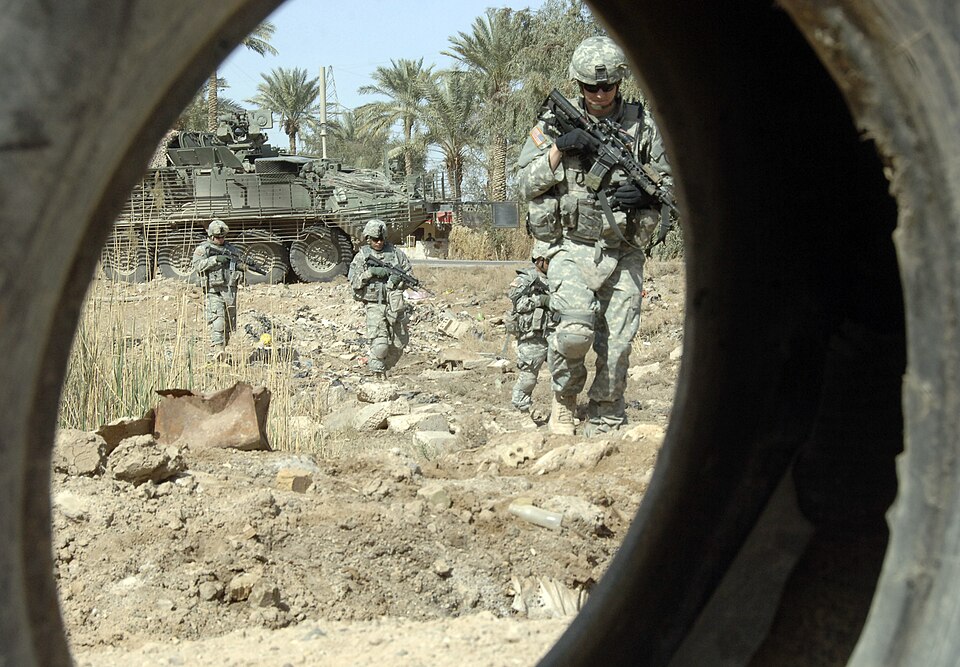
Five years had passed since the US-led invasion of Iraq began, with air strikes on Baghdad in the early hours of March 20, 2003, local time. Within three weeks, Saddam Hussein's government had fallen. But the war that followed lasted much longer and cost far more than its planners had expected. By the fifth anniversary, close to 4,000 American soldiers had been killed, and the 4,000th death was announced on March 23. The direct cost to the United States was estimated at around $500 billion. Iraqi deaths numbered in the tens of thousands at the very least, and estimates ranged far higher, while millions of Iraqis had fled their homes. No weapons of mass destruction, the main reason given for the invasion, had ever been found.
On the eve of the anniversary, President George W. Bush gave a speech at the Pentagon. He defended the decision to go to war and said that removing Saddam Hussein from power "was the right decision". He also argued that the "surge" of about 30,000 extra US troops in 2007 had sharply reduced violence and opened the way for political progress. "This is a fight that America can and must win," he said. Violence had indeed fallen from the terrible levels of 2006 and early 2007, but car bombs and attacks continued, and political reconciliation between Shiites, Sunnis and Kurds remained slow.
Across the United States and in other countries, opponents of the war held vigils and protests, and dozens of people were arrested in Washington. The crowds were much smaller than in earlier years. Polls showed that most Americans believed the war had been a mistake, and Iraq was a central issue in the presidential campaign: Barack Obama promised to withdraw combat troops within about 16 months, while John McCain argued for staying until victory. In November, Iraq and the US agreed that all American troops would leave by the end of 2011.
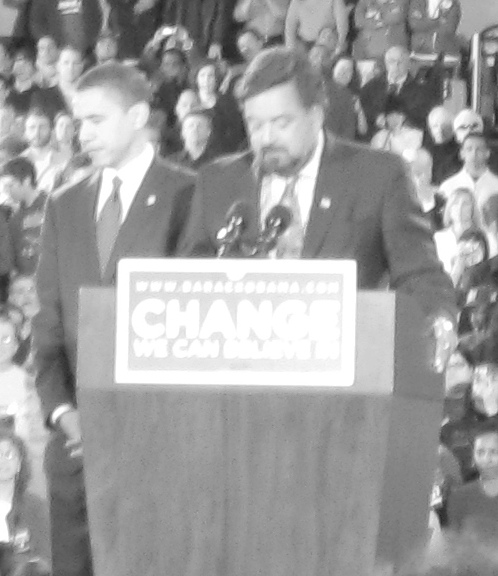
At a rally in Portland, Oregon, New Mexico Governor Bill Richardson, the country's most prominent Hispanic politician, endorsed Barack Obama for president. Richardson had dropped out of the Democratic race himself in January. He called Obama "a once-in-a-lifetime leader that can bring our nation together and restore America's moral leadership in the world". He said Obama's speech on race in Philadelphia three days earlier had shown his ability to deal with difficult issues honestly.
The endorsement surprised many people because of Richardson's long and close ties to the Clintons. In the 1990s, President Bill Clinton had appointed him ambassador to the United Nations and then Energy Secretary, and the two families were friends. The Clinton campaign had worked hard to win his support. Bill Clinton had even watched the Super Bowl with him in February in an effort to persuade him. Some Clinton supporters reacted angrily. James Carville, a former Clinton adviser, compared him to Judas, noting that the endorsement came on Good Friday, a comment that caused its own controversy.
The endorsement mattered for more than personal reasons. Richardson was a "superdelegate", one of the party officials and elected leaders who would help decide the nomination if neither candidate won a majority of delegates in the primaries. His backing was also expected to help Obama with Hispanic voters, who had largely supported Clinton so far. It came at a useful moment for Obama, after losses in Ohio and Texas and the controversy over his former pastor. Obama later won the nomination, and in December he nominated Richardson as Commerce Secretary, though Richardson withdrew over an investigation in his home state.
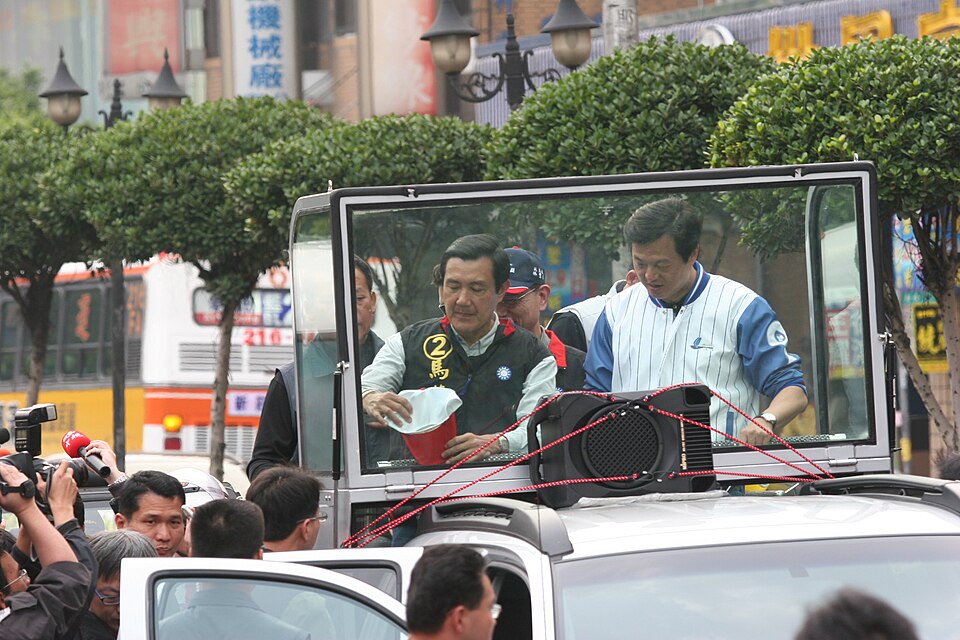
In the election for Taiwan's leader, Ma Ying-jeou of the Kuomintang (KMT) won a clear victory. Ma was a former mayor of Taipei. Together with his running mate Vincent Siew, he received about 7.66 million votes, or 58.45%. His opponent, Frank Hsieh of the Democratic Progressive Party (DPP), won about 41.55%. Turnout was more than 76%. It was the second time that power had changed hands between parties on the island, after the DPP's Chen Shui-bian had won in 2000. Combined with the KMT's landslide in the legislative election in January, it marked a major political shift.
Ma had campaigned on reviving Taiwan's economy and improving relations with the mainland. He promised direct flights, more mainland tourists and closer economic ties, and his position was summed up as "no unification, no independence, no use of force". Many voters were tired of tension across the Strait and disappointed with the DPP government's record, which had been tarnished by corruption cases involving Chen Shui-bian's family. On the same day, two referendums were held on applying to join the United Nations, one proposed by the DPP under the name "Taiwan". Both failed because too few voters took part, with turnout of only about 36%, well below the required 50%.
The mainland's Taiwan Affairs Office said the failure of the referendum on joining the UN under the name "Taiwan" showed that separatist activities for "Taiwan independence" were unpopular. It said that working for peaceful development of cross-Strait relations was in the common interest of compatriots on both sides. Ma took office on May 20. Within months, the two sides resumed talks between their semi-official organisations, ARATS and the SEF, and in December 2008 regular direct flights, shipping and postal links began across the Taiwan Strait.
Late on Easter Sunday, a roadside bomb struck a US Army patrol vehicle in southern Baghdad, killing four soldiers and wounding another. The deaths brought the number of American military personnel killed in Iraq since the invasion in March 2003 to 4,000. The milestone came only four days after the war's fifth anniversary. Earlier the same day, the Green Zone, the heavily fortified area in central Baghdad that housed the Iraqi government and the US embassy, was hit by repeated rocket and mortar fire. Attacks elsewhere in Iraq killed dozens of Iraqis.
The Pentagon tried to play down the significance of the number. "No casualty is more or less significant than another," a spokesman said. "Each soldier, Marine, airman and sailor is equally precious and each loss of life is equally tragic." But for many Americans the figure was a stark reminder of the war's cost. President George W. Bush said he mourned every life lost and that those who had died would not have died in vain. Opponents of the war held vigils in New York and other cities, and the presidential candidates spoke about the milestone. Iraqi civilian deaths over the same period were far higher, at least in the tens of thousands and by some estimates many times that.
The rise in violence that week marked the start of a difficult spring. Two days later, Iraqi Prime Minister Nouri al-Maliki launched a major offensive against Shiite militias, including the Mahdi Army of the cleric Muqtada al-Sadr, in the southern city of Basra. The fighting spread to Baghdad's Sadr City before a ceasefire was agreed at the end of March. The last American troops left Iraq at the end of 2011. By then, nearly 4,500 US service members had died.
In the ruins of the Temple of Hera at ancient Olympia, in southern Greece, the flame for the 2008 Beijing Olympic Games was lit. The ceremony followed the ancient tradition. The Greek actress Maria Nafpliotou, playing the role of the High Priestess, used a concave mirror to focus the rays of the sun and light the torch. Clouds and rain had threatened the ceremony, and the organisers had prepared a back-up flame from a rehearsal the day before, but the sun broke through just in time. Among the guests were Liu Qi, president of the Beijing Organising Committee for the Olympic Games, IOC President Jacques Rogge and Greek officials. Liu Qi said the flame would carry the message of "One World, One Dream" around the world and spread the Olympic spirit of peace, friendship and progress.
The ceremony was briefly interrupted when a few protesters broke through the security cordon during a speech. They were quickly removed by police, and the ceremony continued. Greek taekwondo champion Alexandros Nikolaidis, an Olympic silver medallist, then carried the flame on the first stage of the relay. The second torchbearer was Chinese swimmer Luo Xuejuan, the Athens 2004 Olympic champion in the 100 m breaststroke.
The Beijing torch relay, under the theme "Journey of Harmony", was the longest in Olympic history. Over about 130 days, the flame would travel some 137,000 kilometres through around 20 countries and regions on five continents. It would then travel throughout China, including to the summit of Mount Everest, before arriving in Beijing for the opening ceremony on August 8. After a week in Greece, the flame was handed to the Chinese organisers at a ceremony at the Panathenaic Stadium in Athens on March 30 and flown to Beijing. The international stages of the relay were later disrupted by protests in several cities, which led to counter-demonstrations by overseas Chinese supporting the Games.
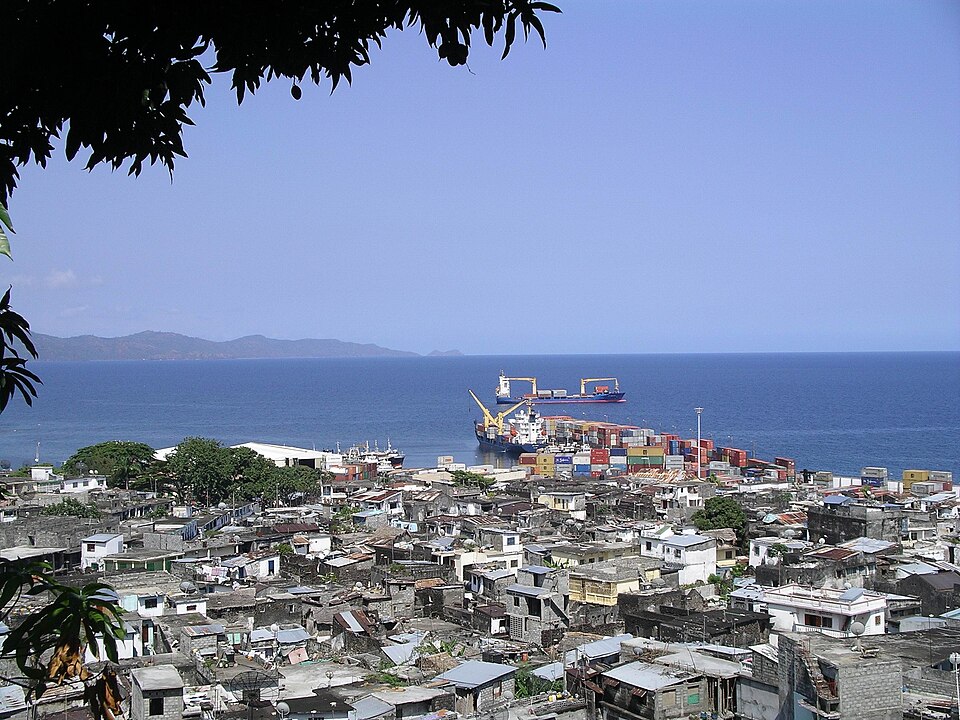
In the early hours of the morning, troops from the Comoros, supported by soldiers sent by the African Union, landed on the island of Anjouan. Anjouan is one of the three islands that make up the Union of the Comoros, a small nation in the Indian Ocean between Mozambique and Madagascar. Within a day they had taken control of the main town, Mutsamudu, and the airport, meeting little resistance.
The crisis had been building for almost a year. In June 2007, Anjouan's leader, Colonel Mohamed Bacar, a former policeman who had ruled the island since 2001, organised his own re-election in a vote that the federal government and the African Union declared illegal. He refused to step down, and his armed forces blocked federal officials from entering the island. After months of failed negotiations and sanctions, the Comoros government decided to retake the island by force. Tanzania and Sudan sent troops, and Senegal also took part. Libya and France helped with transport and logistics, and the United States expressed support. Many residents of Anjouan welcomed the troops, and some looted the homes of Bacar's supporters.
Bacar escaped by speedboat to the nearby island of Mayotte, which is governed by France. There he asked for political asylum, which angered the Comoros government, since it had wanted to put him on trial. He was later moved to the French island of Réunion and then sent to Benin. In June, Anjouan held a new election, and the island came back under the authority of the Union.
In southern Iraq, Prime Minister Nouri al-Maliki launched a major military operation, "Charge of the Knights", against Shiite militias, including the Mahdi Army of the cleric Muqtada al-Sadr, in the oil city of Basra. Heavy fighting followed for nearly a week.
In Mumbai, Tata Motors, India's largest vehicle maker, announced that it had signed an agreement to buy two of Britain's most famous car brands, Jaguar and Land Rover, from the American carmaker Ford for about $2.3 billion in cash. The deal included the brands, the factories in the English Midlands, research and design centres and patents. Ford also agreed to pay up to about $600 million into the two companies' pension funds.
Ford had bought Jaguar in 1989 and Land Rover in 2000, paying a total of more than $5 billion. It had invested billions more, but it never managed to make Jaguar consistently profitable. By 2007, Ford was losing money heavily and needed cash to restructure its business in the United States, so it decided to sell. Tata, part of the giant Tata Group led by Ratan Tata, beat Indian rival Mahindra and a US private equity bid. Just two months earlier, Tata had unveiled the Nano, which was billed as the world's cheapest car. Now it would also own luxury brands whose cars sold for many times that price.
The deal was a symbol of India's rising economic power. A former colony was now buying iconic British brands, a year after Tata Steel had bought the Anglo-Dutch steelmaker Corus. British unions welcomed the agreement after Tata promised to keep the factories and jobs in Britain, and Ratan Tata said the brands would keep their distinct identities. Some analysts worried that Tata was taking on too much debt just as the global economy was weakening. The purchase was completed on June 2. The first years were hard, as sales collapsed in the 2008–09 crisis, but heavy investment, especially in new Range Rover models and sales to China, later made Jaguar Land Rover one of the most profitable parts of the Tata Group.
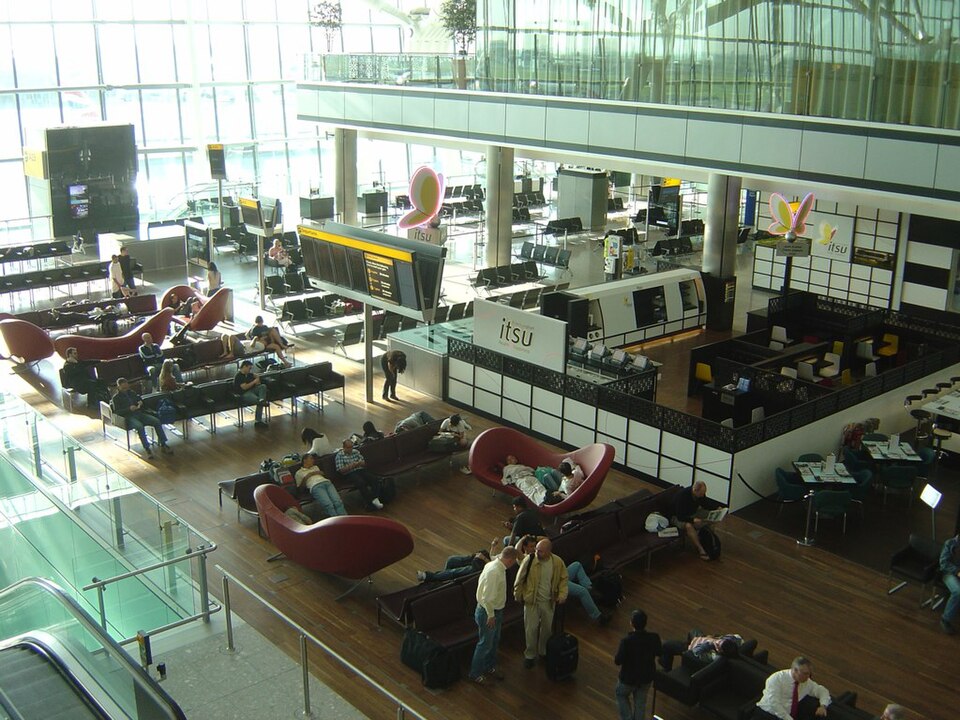
Shortly before 5 am, the first flight, from Hong Kong, landed at Heathrow's new Terminal 5. The terminal had been built at a cost of about £4.3 billion over almost two decades of planning, inquiries and construction. Designed by the architect Richard Rogers's practice, its vast glass-and-steel hall was one of the largest free-standing buildings in Britain, and it was meant to end Heathrow's reputation for crowding and delays. The terminal had been officially opened by Queen Elizabeth II two weeks earlier. It was used only by British Airways, which had promised passengers a calm, modern experience.
Instead, within hours, the opening turned into an embarrassment. Some staff could not find the car park or get through security in time to start work, and baggage handlers were not familiar with the new building. The new automated baggage system, designed to handle 12,000 bags an hour, quickly broke down under the load. Luggage piled up, passengers waited for hours at carousels, and some were told they could fly only if they left their bags behind. British Airways cancelled 34 flights on the first day, and many more over the following days. Within a week, more than 20,000 bags had been separated from their owners, and many were sent to Italy to be sorted.
"It was definitely not our finest hour," admitted British Airways chief executive Willie Walsh. Two senior BA managers later left the company. Politicians called the chaos a national embarrassment. It took about two weeks for the terminal to operate normally, and the episode became a well-known example of a badly managed project launch. Once the problems were fixed, Terminal 5 was regularly voted one of the best airport terminals in the world.
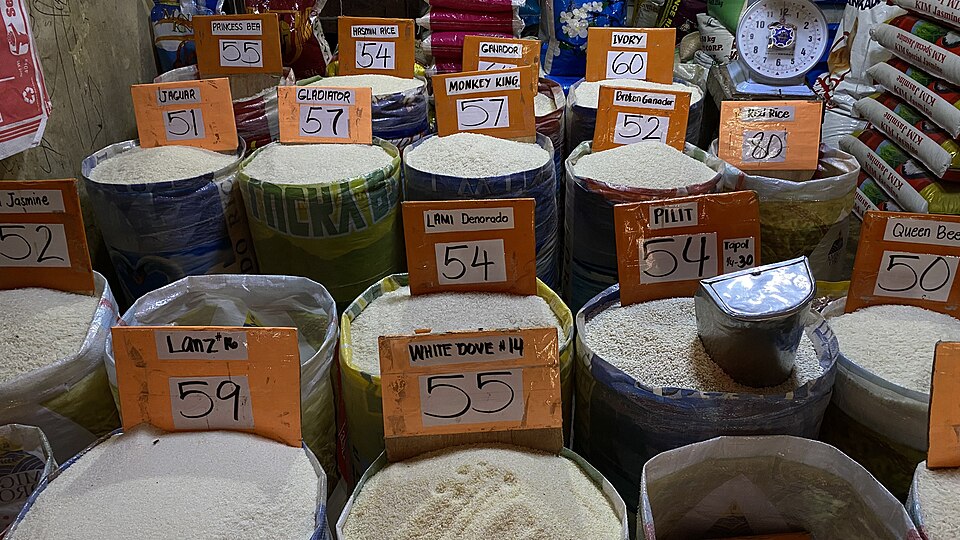
In the last week of March, the price of rice, the staple food for about half the world's people, rose to new records. Thai white rice, the main benchmark for the international market, climbed well above $700 a tonne, roughly double its price only a few months earlier. Traders reported a "frenzy" in the market. In Fiji, the government accused supermarkets of hoarding rice. In the Philippines, the world's largest rice importer, the national food agency struggled to buy enough grain, paying more than $700 a tonne in an import tender. The government cracked down on hoarders, sold cheap state rice through special outlets and asked fast-food restaurants to serve half portions.
Rice was only part of a wider rise in food prices. Over the previous year, the prices of wheat, maize, soybeans and cooking oil had also risen sharply. There were several reasons: higher oil prices, which raised the cost of fertiliser and transport; the use of crops to make biofuels; poor harvests in some countries, including a drought in Australia; growing demand from fast-developing economies; and speculation in commodity markets. What turned rising rice prices into panic was a series of export bans and restrictions by major producers trying to protect their own consumers. These included India, Vietnam, Egypt and Cambodia, and their restrictions left fewer suppliers on the world market.
In the following weeks, the crisis turned violent in some countries. Protests and riots over food prices broke out in Haiti, where the prime minister was forced to resign in April, and in Egypt, Cameroon, Bangladesh and elsewhere. The World Bank warned that 100 million people could be pushed deeper into poverty. Thai rice peaked at more than $1,000 a tonne in late April and May. Prices then fell back as the global economy slowed and governments eased export controls. China kept domestic grain prices stable thanks to large state reserves and high self-sufficiency in staple foods.
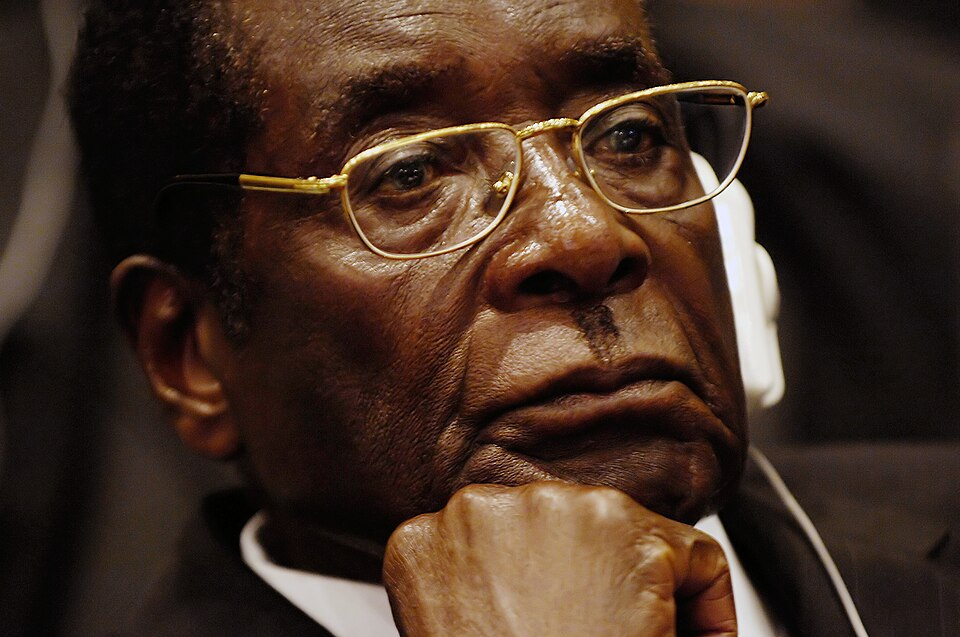
Zimbabweans voted in presidential, parliamentary and local elections, the first time all three had been held on the same day. Robert Mugabe, who had led the country since independence in 1980, was seeking a sixth term at the age of 84. His main challenger was Morgan Tsvangirai of the Movement for Democratic Change (MDC). A third candidate, Simba Makoni, was a former finance minister from Mugabe's own party. The vote took place amid an economic collapse: inflation was officially more than 100,000% a year and rising fast, shops were empty, unemployment was estimated at around 80%, and millions of Zimbabweans had left for South Africa and other countries.
Voting was largely peaceful, but the counting soon became a crisis. Under new rules, results were posted outside each polling station, and the MDC quickly collected them. Two days later it declared that Tsvangirai had won. The Zimbabwe Electoral Commission, however, released the parliamentary results only slowly. They showed that Mugabe's ZANU-PF had lost its majority in parliament for the first time. The presidential results were not announced for five weeks. The opposition and Western governments accused the government of holding back the result to keep Mugabe in power, and the United States called the delay "unconscionable".
When the presidential results were finally published on May 2, they gave Tsvangirai 47.9% and Mugabe 43.2%, so neither had a majority and a runoff was needed. In the weeks before the runoff, a campaign of violence against opposition supporters killed dozens of people. Tsvangirai pulled out, and Mugabe was declared the winner of a one-man runoff in late June. Under pressure from African leaders, the two men later agreed to a power-sharing government in September, and Tsvangirai became prime minister in 2009.
That evening, millions of people and dozens of cities around the world switched off their lights for one hour, from 8 pm local time, for "Earth Hour", a climate campaign that had started in Sydney the year before.
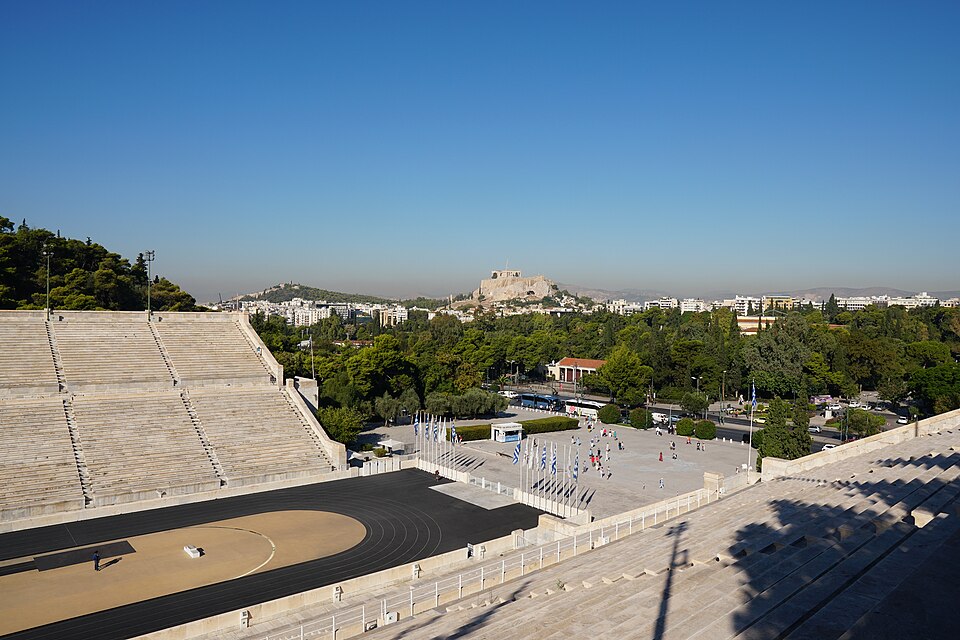
In the marble Panathenaic Stadium in Athens, venue of the first modern Olympic Games in 1896, Greece formally handed over the flame for the 2008 Beijing Olympics. After a week-long relay through Greece involving more than 600 torchbearers, the final Greek runner, the 2004 Olympic triple jump silver medallist Pigi Devetzi, carried the torch into the stadium and lit a cauldron surrounded by women dressed as ancient priestesses. Minos Kyriakou, president of the Hellenic Olympic Committee, then passed the flame to Liu Qi, president of the Beijing Organising Committee for the Olympic Games. Liu used it to light a special lantern that would keep the flame burning during its long journey. Chinese and Greek performers took part in the ceremony, and thousands of spectators, including many members of the Chinese community in Greece, cheered and waved flags.
Liu Qi thanked Greece and said the flame would carry the Olympic message of peace and friendship and the Beijing Games' slogan, "One World, One Dream", to people around the world. The flame was then flown to Beijing on a specially chartered Air China plane.
The next day, March 31, the flame arrived in Beijing. At a grand ceremony in Tiananmen Square, President Hu Jintao lit the cauldron and handed the torch to the Olympic hurdles champion Liu Xiang, who ran the first leg, officially launching the "Journey of Harmony" relay. From Beijing, the flame was flown to Almaty in Kazakhstan, the first stop on its international route. It then went on to cities including Istanbul, St Petersburg, London, Paris, San Francisco, Buenos Aires, Dar es Salaam, Islamabad, New Delhi, Bangkok, Kuala Lumpur, Jakarta, Canberra, Nagano, Seoul and Pyongyang, before returning to China in May. The international relay drew enthusiastic crowds of supporters. In several cities, protesters tried to disrupt it, and many overseas Chinese came out to defend the flame.
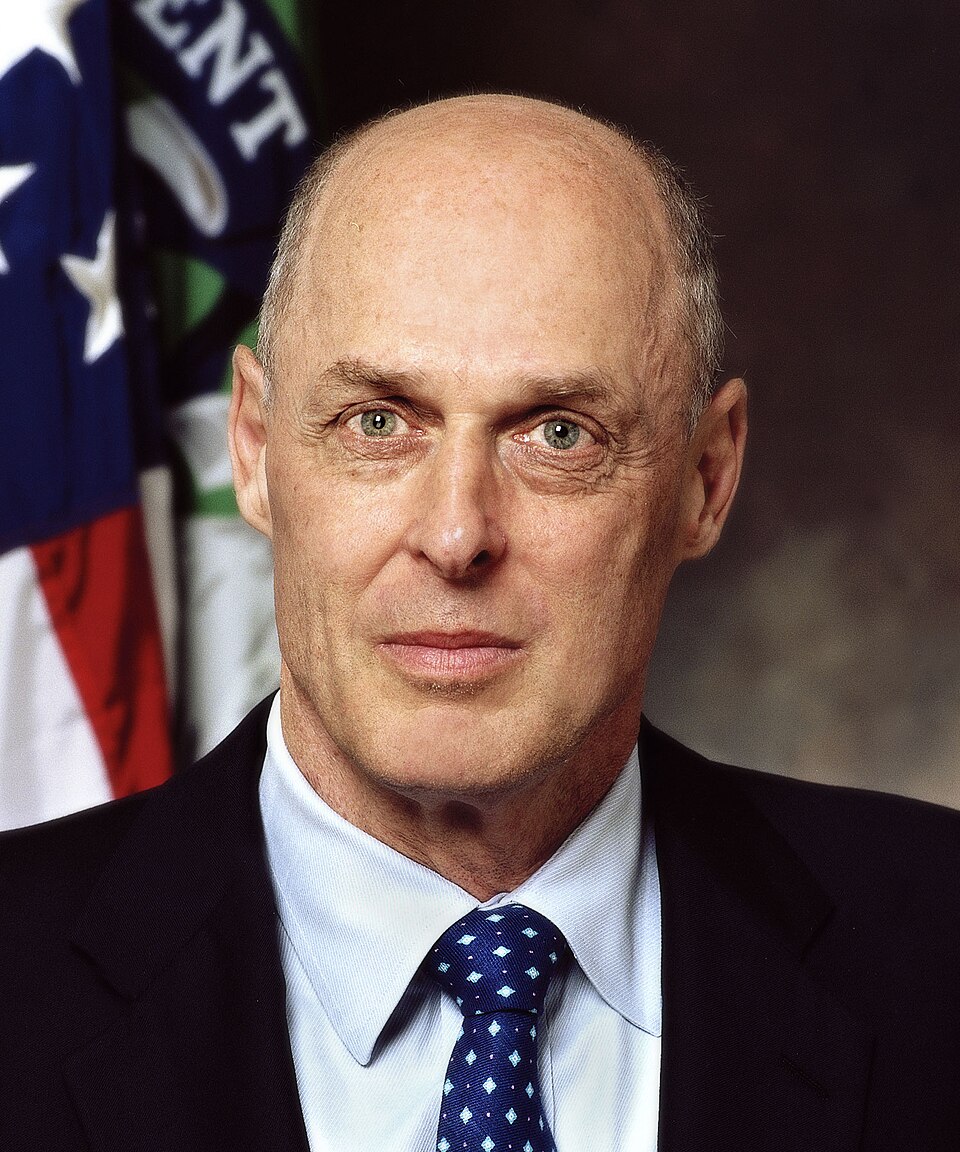
Two weeks after the collapse of Bear Stearns, US Treasury Secretary Henry Paulson unveiled a long-awaited "Blueprint for a Modernized Financial Regulatory Structure". It was the most ambitious proposal to reshape American financial oversight since the Great Depression. The US system had grown up piecemeal over decades. Banks, investment firms, insurers, mortgage lenders and futures markets were watched over by a patchwork of federal and state agencies with overlapping and sometimes conflicting rules, while some important parts of the market were barely supervised at all.
The Blueprint proposed replacing this patchwork in the long term with three main regulators organised by purpose. The Federal Reserve would become a "market stability regulator", with broad powers to examine any financial institution whose problems could threaten the whole system, including investment banks and hedge funds. A "prudential regulator" would oversee the safety and soundness of firms with government-backed deposits. A "business conduct regulator" would protect consumers and investors. In the shorter term, the plan proposed merging the Securities and Exchange Commission with the Commodity Futures Trading Commission, creating a federal charter for insurance companies, and setting national standards for mortgage brokers and lenders.
Paulson said the plan had been prepared long before the crisis and should not be rushed into law while markets were in turmoil. Reactions were mixed. Some praised it as a sensible modernisation, while consumer groups said it relied too much on the industry policing itself and did not address the lending abuses behind the mortgage crisis. Few of its proposals were adopted at the time, but many of its ideas, especially giving the Fed a role in overseeing system-wide risk, later appeared in the Dodd–Frank reform law passed in 2010.
In Beijing, President Hu Jintao lit the Olympic cauldron at a ceremony in Tiananmen Square and handed the torch to hurdles champion Liu Xiang, launching the "Journey of Harmony" torch relay.
China Mobile, the world's largest mobile phone operator by number of subscribers, began a trial commercial service of third-generation (3G) mobile networks in eight Chinese cities. They were Beijing, Shanghai, Tianjin, Shenyang, Guangzhou, Shenzhen, Xiamen and Qinhuangdao, several of which would host Olympic events in August. The network used TD-SCDMA, a 3G technology standard developed mainly in China by the Datang group and Siemens. The International Telecommunication Union had accepted it as one of the three international 3G standards in 2000, alongside the European WCDMA and the American CDMA2000.
The trial was a key step in China's effort to build its own telecommunications technology rather than depend on foreign patents. About 20,000 users were given handsets and data cards. They could use faster mobile internet, video calls and mobile television, a service intended to let Olympic visitors and fans watch the Games on their phones. The trial showed the challenges of a new standard: there were few handset models, and coverage was limited. But it laid the groundwork for a much larger rollout. In January 2009, the government issued official 3G licences, giving China Mobile TD-SCDMA, China Unicom WCDMA and China Telecom CDMA2000, and China soon became the world's largest 3G market. The experience also helped Chinese companies play a leading role in developing the next-generation 4G and 5G standards.
In Switzerland, UBS, then one of Europe's largest banks, announced about $19 billion in new write-downs on US mortgage-related investments, on top of earlier losses. Its chairman, Marcel Ospel, stepped down, and the bank said it would raise about $15 billion in new capital. It was one of the biggest losses of any bank in the crisis so far.
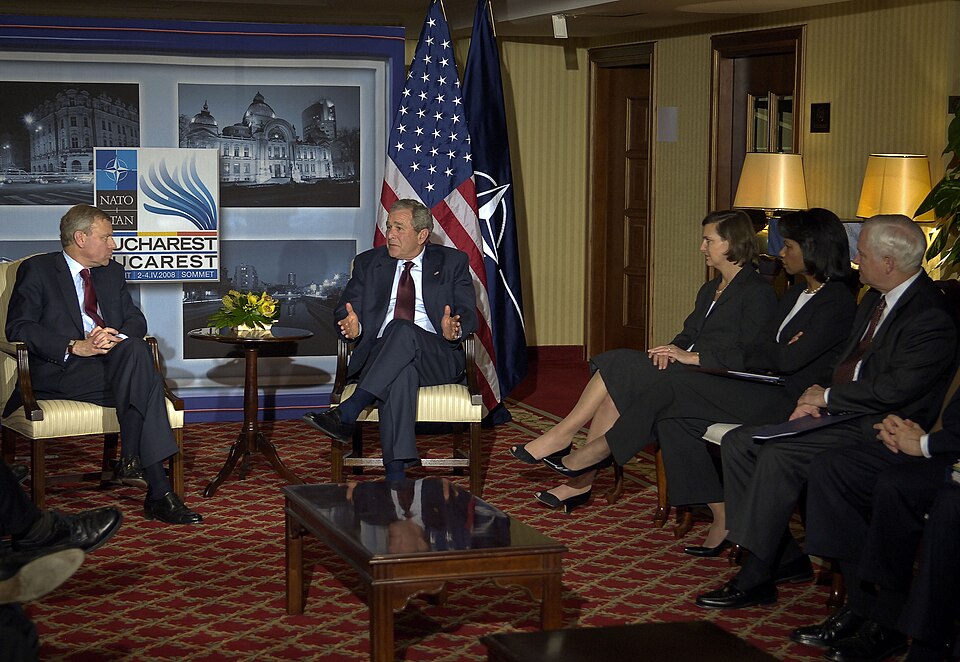
Leaders of NATO's 26 member countries gathered in Bucharest, the Romanian capital, for the alliance's largest summit ever. More than 60 heads of state and government, as well as the UN Secretary-General, attended its three days. It was President George W. Bush's last NATO summit, and the most contentious question was how far the alliance should expand towards Russia's borders. On the first evening, the leaders' working dinner was dominated by arguments over enlargement.
Bush strongly pushed for Ukraine and Georgia, two former Soviet republics with pro-Western governments, to be given a Membership Action Plan, the formal path towards joining the alliance. Germany and France, backed by several other members, refused. They argued that neither country was ready, pointing to Georgia's unresolved conflicts over Abkhazia and South Ossetia and to weak public support for NATO in Ukraine. They also warned against provoking Russia, which saw NATO expansion into the former Soviet Union as a direct threat. As a compromise, the summit declaration, agreed the next day, refused both countries an action plan but promised: "We agreed today that these countries will become members of NATO."
The leaders also invited Albania and Croatia to join; they became members in April 2009. Macedonia was blocked by Greece because of a long dispute over the country's name. The allies also endorsed US plans for missile defence bases in Poland and the Czech Republic, and France promised to send more troops to Afghanistan. On the final day, Russian President Vladimir Putin attended a NATO–Russia Council meeting and warned that NATO's expansion to Russia's borders would be seen as a direct threat. Four months later, war broke out between Russia and Georgia.
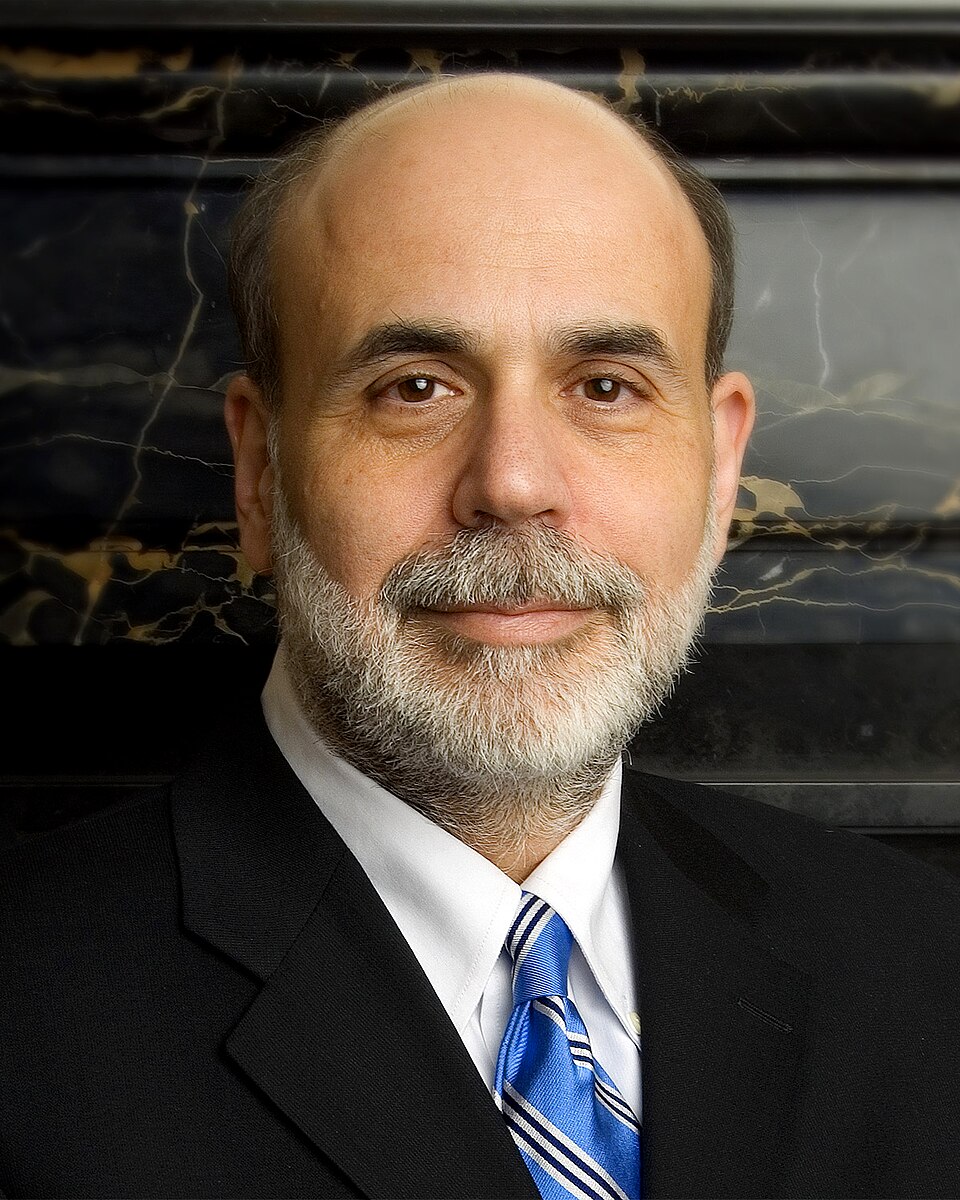
In a crowded hearing room in Washington, the Senate Banking Committee questioned the officials and bankers behind the emergency rescue of Bear Stearns three weeks earlier. On the first panel were Federal Reserve Chairman Ben Bernanke, New York Fed President Timothy Geithner, Securities and Exchange Commission Chairman Christopher Cox and Treasury Under Secretary Robert Steel. Committee chairman Chris Dodd opened by asking whether the deal had been a justified rescue to prevent a systemic collapse of financial markets or "a $30 billion taxpayer bailout" for Wall Street.
Bernanke defended the Fed's decision to finance up to $29 billion of Bear's riskiest assets to make JPMorgan Chase's takeover possible. He said that a sudden default by Bear Stearns, which had trading ties with thousands of firms, "could have been severe and extremely difficult to contain", and that the damage could have spread to the wider economy. Geithner said that letting Bear fail would have greatly increased the risk of widespread insolvencies. Both insisted that the rescue was not designed to protect Bear's shareholders, who had received only a small price for their shares. Several senators worried that the rescue had set a precedent, encouraging other firms to take reckless risks in the belief that the government would save them.
On the second panel, Bear Stearns chief executive Alan Schwartz described how a run on the bank had drained its cash in a matter of days. He said he had first believed the Fed's emergency loan gave him 28 days, only to learn that he had until Sunday afternoon to find a buyer. JPMorgan chief executive Jamie Dimon said his bank had agreed to the deal to help stabilise the financial system, but would not have done so without the Fed's support.
In Indianapolis, the low-cost carrier ATA Airlines stopped all flights at 4 am after filing for bankruptcy, blaming high fuel prices and the loss of a military charter contract. Thousands of passengers were stranded, especially in Hawaii, and about 2,200 employees lost their jobs.
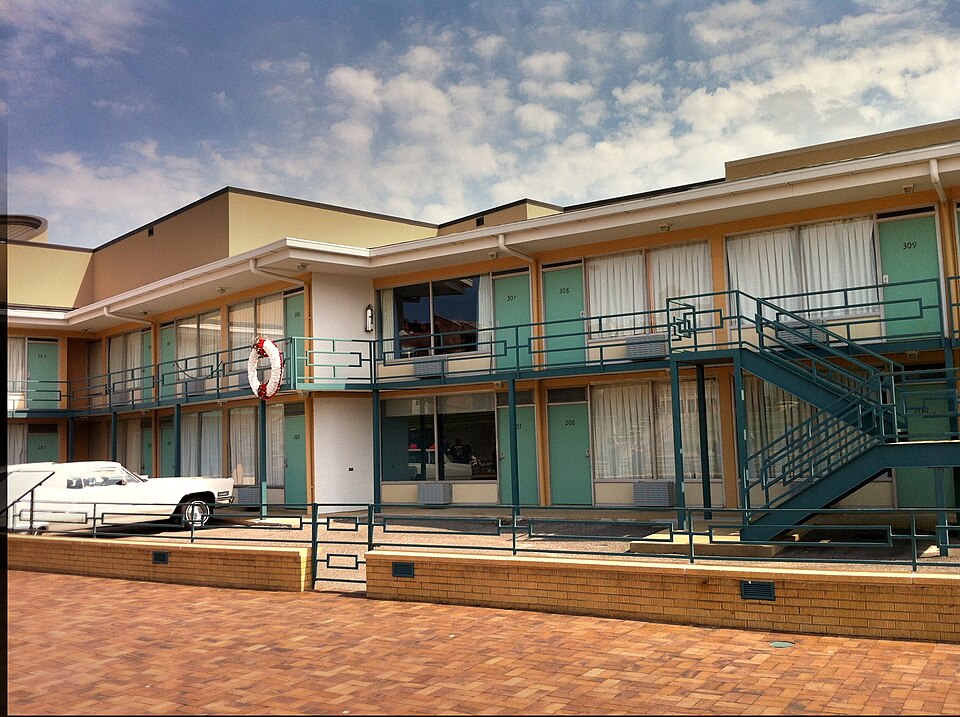
Forty years earlier, on the evening of April 4, 1968, Dr Martin Luther King Jr. was shot dead on the balcony of the Lorraine Motel in Memphis, Tennessee, where he had come to support a strike by the city's black sanitation workers. His murder at the age of 39 set off riots in more than 100 American cities. On the anniversary, thousands of people gathered in Memphis. At 6:01 pm, the moment he was shot, a bell tolled and the crowd fell silent at the Lorraine Motel, which is now the National Civil Rights Museum.
The anniversary came in the middle of a historic presidential race, in which an African American, Barack Obama, was leading the contest for the Democratic nomination. All three remaining major candidates marked the day. Hillary Clinton spoke at Mason Temple, the Memphis church where King gave his last speech, "I've Been to the Mountaintop", the night before he died. Republican John McCain spoke at the Lorraine Motel. He admitted that he had been wrong in 1983 to vote against making King's birthday a national holiday, and some in the crowd booed while others applauded. Obama, campaigning in Indiana, recalled how Robert Kennedy had announced King's death to a crowd in Indianapolis on that night in 1968 and urged Americans to continue King's work for economic and social justice.
In Washington, the Labor Department reported that employers had cut 80,000 jobs in March, the third monthly decline in a row, and that the unemployment rate had risen to 5.1%, the highest in more than two years. Economists said the figures strongly suggested that the US was already in recession.
Charlton Heston, one of the great stars of Hollywood's golden age of epic films, died at his home in Beverly Hills, California, at the age of 84, with his wife of 64 years, Lydia, at his side. The family did not give a cause of death. In 2002 he had announced that he had symptoms consistent with Alzheimer's disease, saying in a video message that he would not be making any more public appearances.
Born John Charles Carter in 1923, Heston grew up in rural Michigan and served in the US Army Air Forces in the Second World War. With his tall build, strong jaw and commanding voice, he became Hollywood's favourite actor for heroic and historical roles. He played Moses in Cecil B. DeMille's The Ten Commandments (1956). He won the Academy Award for Best Actor for the title role in Ben-Hur (1959), whose chariot race remains one of the most famous action scenes in film history. He went on to play Michelangelo, the Spanish hero El Cid and Andrew Jackson, and in the science fiction classic Planet of the Apes (1968) he played an astronaut stranded on a world ruled by apes. In all, he appeared in about 100 films.
Heston was also a prominent public figure. In the 1960s, he supported the civil rights movement and marched with Martin Luther King Jr. in Washington in 1963. He later moved to the right politically. As president of the National Rifle Association from 1998 to 2003, he became one of America's best-known defenders of gun rights. At the NRA's convention in 2000, he famously held a rifle above his head and declared that opponents would take it only "from my cold, dead hands". He also served as president of the Screen Actors Guild. Admirers remembered a towering screen presence, while critics remembered his campaigning against gun control.
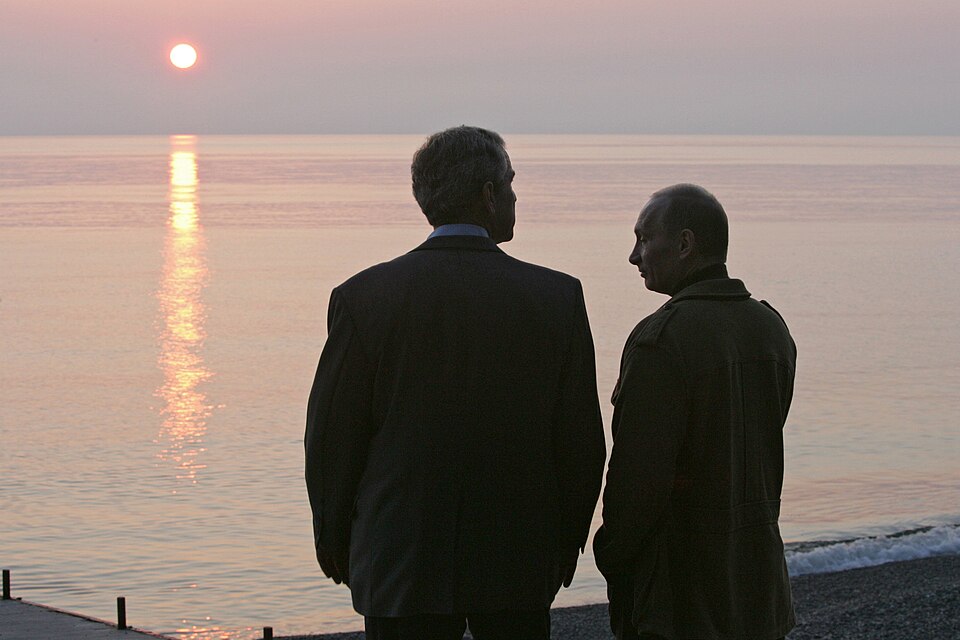
At Vladimir Putin's summer residence in the Black Sea resort of Sochi, US President George W. Bush and Russian President Putin held their last meeting as presidents. Both were due to leave office: Putin in a month's time, handing over to Dmitry Medvedev, and Bush in January 2009. Medvedev, the president-elect, also met Bush during the visit. The two leaders had first met in 2001, when Bush famously said that he had looked Putin in the eye and gained "a sense of his soul". Since then, relations had cooled sharply over the Iraq war, NATO expansion, Kosovo and American plans for missile defence in Europe.
The two leaders signed a "Strategic Framework Declaration". It listed areas where they wanted to cooperate: fighting terrorism, stopping the spread of nuclear weapons, civilian nuclear energy, and Russia's entry into the World Trade Organization. The declaration also acknowledged their remaining differences and promised to discuss them openly. The most difficult issue was missile defence. The US planned to put interceptor missiles in Poland and a radar in the Czech Republic, saying they were meant to counter possible missile threats from Iran. Russia saw them as aimed at its own nuclear forces. Bush offered measures to reassure Moscow and spoke of a "breakthrough". Putin was more cautious. He said that while some of the American proposals could help ease Russia's concerns, Russia's basic opposition to the system had not changed. The two sides also failed to agree on a replacement for the 1991 START nuclear arms treaty. Four months later, relations were badly damaged by the war in Georgia.
In London, the Olympic torch relay passed through the city under heavy police protection. Despite attempts by some protesters to disrupt it, the flame completed its route, cheered on by many supporters, including large numbers of Chinese students and residents.
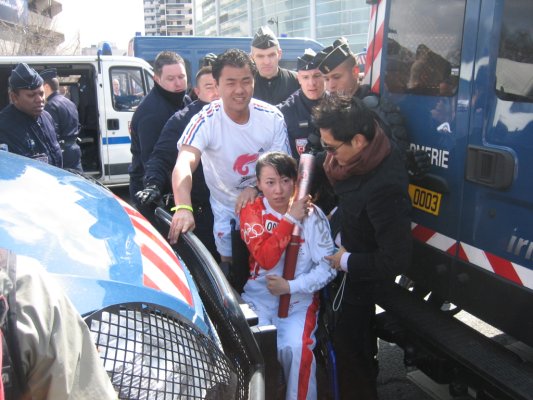
In Paris, the Beijing Olympic torch relay faced the most serious disruption of its international route. Thousands of police officers guarded the flame along its 28-kilometre route from the Eiffel Tower, but protesters repeatedly tried to grab the torch or put out the flame. Organisers were forced to put the flame out several times and carry it on a bus, and the relay was cut short before reaching its final stop.
During the third leg near the Eiffel Tower, the torch was carried by Jin Jing, a 26-year-old Chinese Paralympic fencer from Hefei, Anhui, who had lost part of her right leg to cancer as a child. As she moved along in her wheelchair, a protester broke through the security line, lunged at her and tried to tear the torch from her hands. Jin held the torch tightly against her chest and refused to let go, even as her arms and face were scratched, until security officers pulled the man away. "I would die to protect the torch," she said afterwards.
Pictures of the slight young woman shielding the flame were seen across China and the world, and she was soon nicknamed the "smiling angel in a wheelchair". Chinese people at home and abroad praised her courage and her dignity, and IOC President Jacques Rogge said attacks on a disabled athlete were unacceptable. The incident also caused anger towards France and calls in China to boycott French businesses. To ease tensions, French President Nicolas Sarkozy wrote to Jin Jing, expressing his sympathy and inviting her to visit France again, and his envoys later visited her in Shanghai. When the flame returned to China in May, millions turned out to cheer the relay.
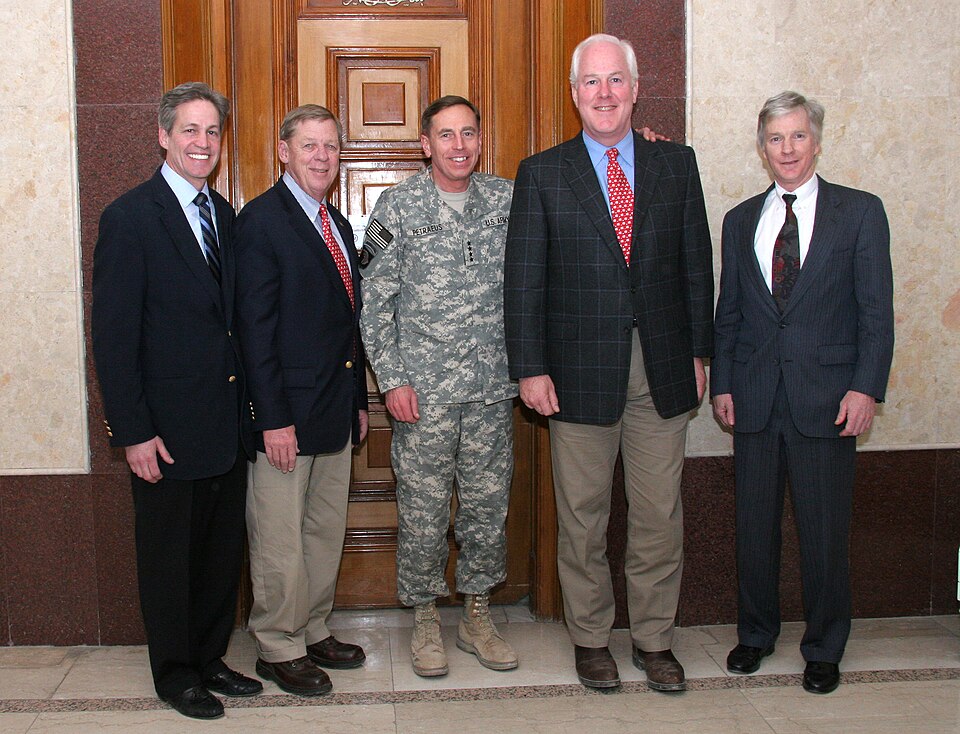
General David Petraeus, the top US commander in Iraq, and Ryan Crocker, the US ambassador in Baghdad, appeared before Senate committees to report on the war. It was the first time they had done so since September 2007. Petraeus said the "surge" of extra US troops had helped reduce violence significantly. But he called the gains "fragile and reversible", pointing to the recent fighting in Basra and Baghdad. He recommended that, once the last of the extra brigades had gone home in July, leaving about 140,000 American troops in Iraq, further withdrawals should be paused for a 45-day period of "consolidation and evaluation". He refused to give a timetable for bringing more troops home, saying it would be "flat not responsible" to set a fixed date.
Both officials accused Iran of training, arming and funding Shiite "special groups" that attacked American and Iraqi forces. Crocker said Iran was undermining the Iraqi government, though he also noted political progress, including new laws passed by the Iraqi parliament. The hearings had extra significance because three of the senators questioning the witnesses were also running for president. Republican John McCain spoke of "real hope and optimism" and argued that a hasty withdrawal would be disastrous. Democrat Hillary Clinton said it was time to start bringing troops home, and later said the testimony supported her plan. Democrat Barack Obama questioned what "success" in Iraq would look like, and argued that the war was distracting from Afghanistan and the threat from al-Qaeda.
The hearings did not change the basic political divide over Iraq. Bush accepted Petraeus's recommendation two days later. The war remained a central issue in the presidential campaign. Petraeus was later promoted to lead US Central Command, with responsibility for both Iraq and Afghanistan.
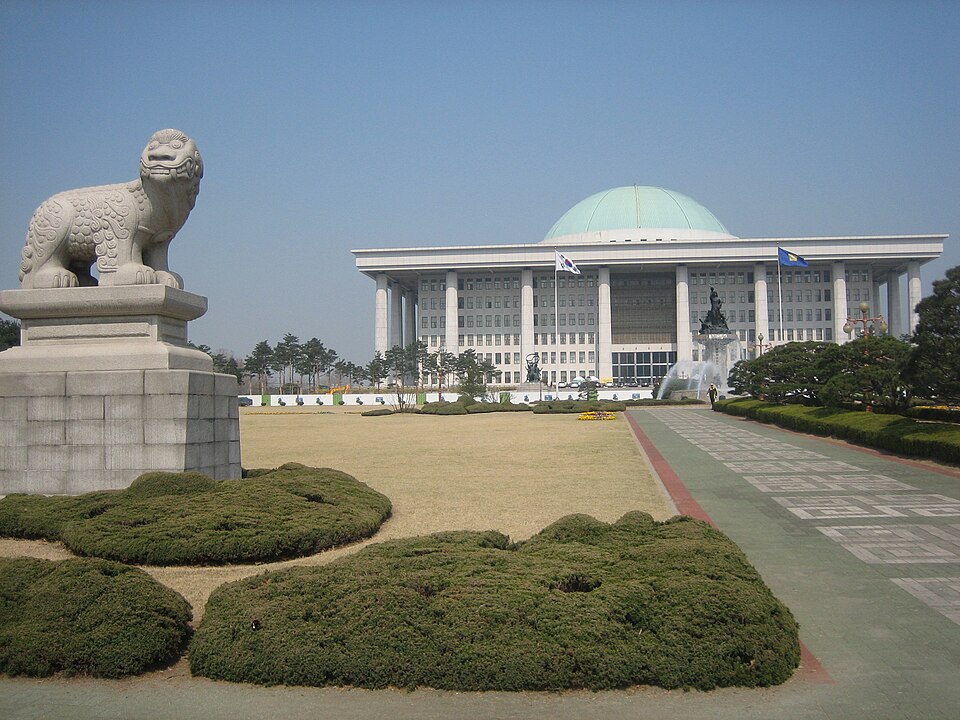
Six weeks after Lee Myung-bak took office as president, South Koreans voted in parliamentary elections. His conservative Grand National Party (GNP) won 153 of the 299 seats in the National Assembly, a narrow majority. The liberal United Democratic Party, which had dominated the previous parliament, fell to 81 seats. Several of its leading figures lost their seats, including former unification minister Chung Dong-young. Other conservative groups also did well. The Liberty Forward Party won 18 seats, and a group of candidates loyal to Park Geun-hye won 14. Park was Lee's rival within the GNP, and many of her supporters had run separately after being left off the party's candidate lists. Together, conservative parties held a large majority.
Turnout was only about 46%, the lowest ever in a South Korean general election. Many voters seemed tired of politics after a presidential election only four months earlier, and the campaign had been dominated by disputes within the parties over who would stand. Lee's government now had the votes to push through its economic programme, including tax cuts, deregulation and a proposed "Grand Korean Waterway" canal across the country. It also hoped to ratify a free trade agreement with the United States. Within weeks, however, mass candlelight protests over the resumption of US beef imports would put his government under severe pressure.
In San Francisco, the only North American city on the international relay route, officials changed the route of the Olympic torch at the last minute, citing security. They cut it nearly in half and moved the closing ceremony to the airport, which disappointed many of the thousands of supporters, including many Chinese Americans, who had gathered along the waterfront to cheer the flame.
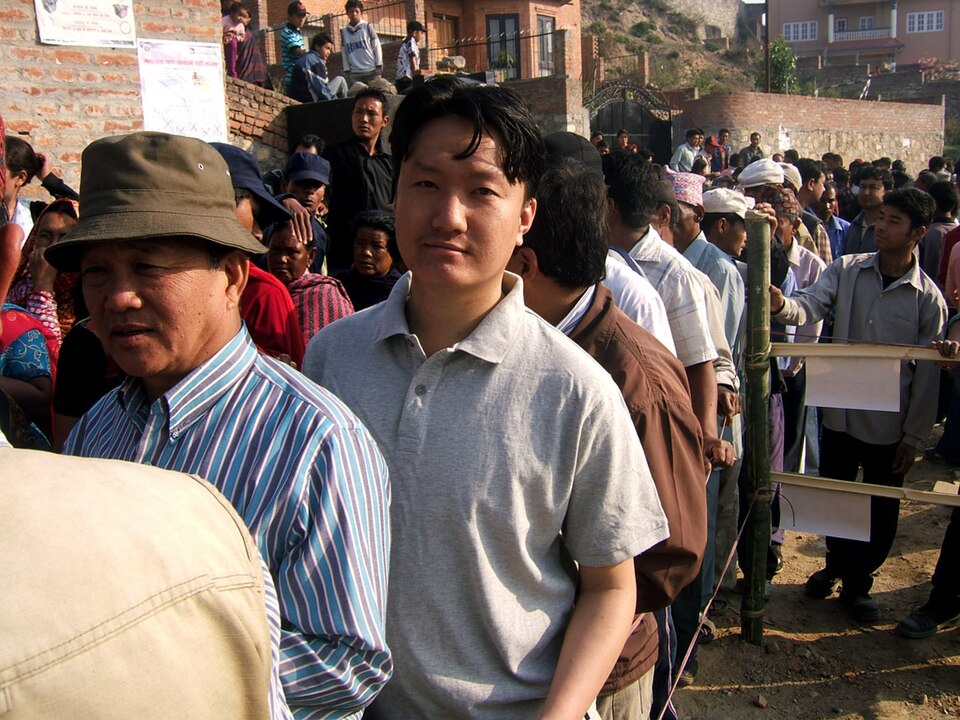
Nepalis queued from early morning to vote in a historic election for a Constituent Assembly, a body that would write a new constitution and decide the future of the country's 240-year-old monarchy. The election was the centrepiece of the peace agreement signed in November 2006, which ended a ten-year civil war between the government and Maoist rebels. About 13,000 people had been killed in that conflict. The vote had been postponed twice. About 60% of the 17.6 million registered voters took part, and despite some violence before the election, polling day was largely peaceful, according to observers including former US President Jimmy Carter.
When the results came in over the following weeks, they surprised almost everyone, including the Maoists themselves. The Communist Party of Nepal (Maoist), led by Pushpa Kamal Dahal, known as Prachanda, became by far the largest party. It won 220 of the 601 seats, about twice as many as either of the established parties, the Nepali Congress (110) and the Communist Party of Nepal (Unified Marxist–Leninist) (103). Many voters, especially young people, the rural poor and ethnic minorities, had supported the Maoists' promises of change and an end to old inequalities. India, the United States and other countries had expected a weaker result for the former rebels.
On May 28, at its first meeting, the Constituent Assembly voted 560 to 4 to abolish the monarchy and declare Nepal a federal democratic republic. King Gyanendra, who had seized absolute power in 2005 before being forced to give it up by mass protests in 2006, left the royal palace in Kathmandu in June. In August, Prachanda was elected prime minister. Writing the new constitution proved far harder than expected, however, and it was not completed until 2015.
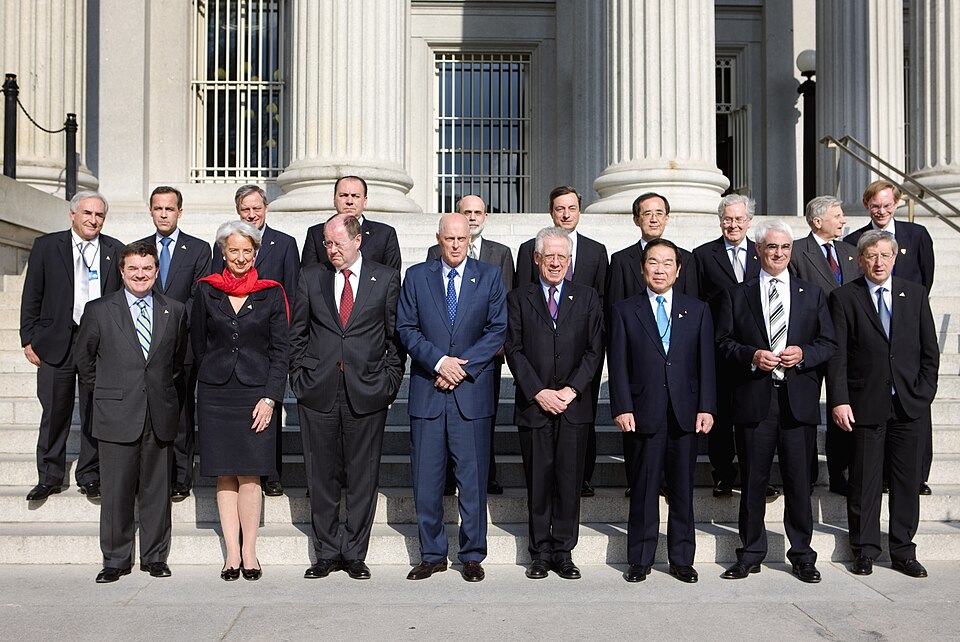
In Washington, finance ministers and central bank governors from the Group of Seven leading industrial nations met at the start of the spring meetings of the International Monetary Fund and the World Bank. The meeting took place in the shadow of the Bear Stearns collapse a month earlier. Two days before, the IMF had warned that losses from the American mortgage crisis could approach $1 trillion worldwide and that the US economy was likely to fall into a mild recession.
The ministers endorsed a set of recommendations from the Financial Stability Forum, a body of regulators and central bankers chaired by Bank of Italy governor Mario Draghi. The recommendations aimed to make banks hold more capital and cash, value risky assets more honestly, and reveal more about their exposures. They also called for supervisors to strengthen their oversight, for credit rating agencies to improve how they rated complex mortgage securities, and for central banks to be better prepared for emergencies. The G7 called for some of the measures to be put into effect within 100 days, an unusually tight deadline, and urged banks to disclose their losses fully and promptly and to raise more capital where needed. In a rare step, the ministers also expressed concern about sharp swings in the major currencies, after the dollar's steep fall.
The rising price of food was also high on the agenda. Global food prices had risen by almost half since 2006, and riots had broken out in Haiti, Egypt and other poor countries. World Bank President Robert Zoellick called for a "New Deal" on food policy and urged rich countries to give $500 million in emergency food aid to the UN World Food Programme. He warned that 100 million people could be pushed into poverty. The next day, Haiti's parliament voted to dismiss Prime Minister Jacques-Édouard Alexis after deadly food riots.
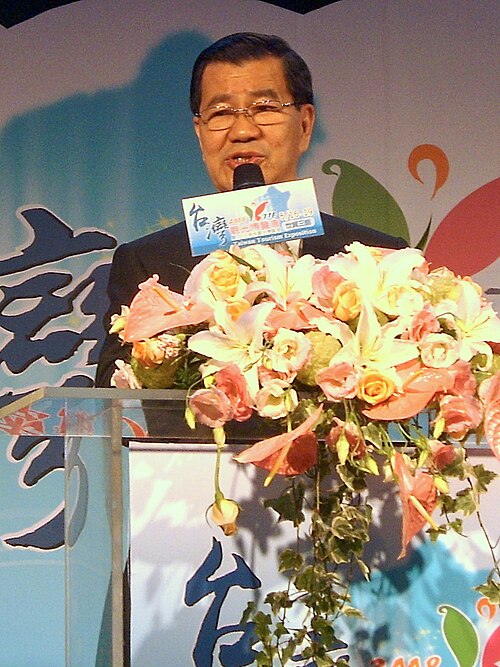
At the Boao Forum for Asia on Hainan Island, President Hu Jintao met Vincent Siew, chairman of the Cross-Strait Common Market Foundation, who had just been elected deputy to Taiwan's incoming leader, Ma Ying-jeou. The meeting was the highest-level contact between leaders from the two sides of the Taiwan Strait in nearly six decades. It came less than three weeks after the KMT's election victory in Taiwan, and it was widely seen as a sign of a new, warmer phase in cross-Strait relations.
Siew focused on economic cooperation. He proposed that direct links could begin with weekend charter flights, and he suggested opening Taiwan to tourists from the mainland, normalising economic and trade relations and resuming dialogue between the two sides. Hu said relations across the Strait faced a historic opportunity. He said the mainland would continue to promote economic and cultural exchanges and would push forward talks on weekend charter flights and on mainland residents travelling to Taiwan as tourists. He also expressed the wish to resume dialogue and negotiations on the basis of the "1992 Consensus". Siew later described the meeting as better than expected and called it an "ice-melting" meeting.
Both sides kept their promises. After Ma took office on May 20, the Association for Relations Across the Taiwan Strait (ARATS) and the Straits Exchange Foundation (SEF) resumed formal talks in Beijing in June for the first time in nearly a decade. They agreed on weekend charter flights and on mainland group tourism to Taiwan, both of which began on July 4. In December, regular direct flights, shipping and postal links followed. The Boao meeting was later remembered as the opening of a period of rapidly expanding ties across the Strait.
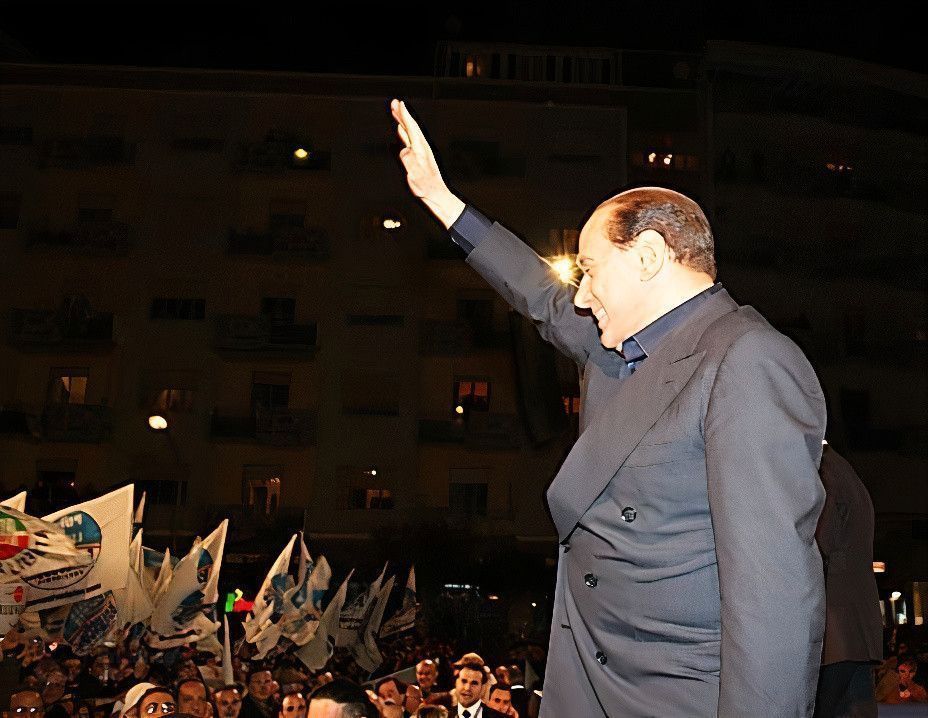
Italians began two days of voting in an early general election, less than two years after the last one. The vote had been called after Prime Minister Romano Prodi's centre-left coalition collapsed in January, when a small Catholic party withdrew its support and the government lost a confidence vote in the Senate. The main contest was between Silvio Berlusconi, the 71-year-old media billionaire who had already been prime minister twice, and Walter Veltroni, the former mayor of Rome who led the newly founded Democratic Party.
When the polls closed the next afternoon, the result was a clear victory for the right. Berlusconi's new People of Freedom party, which joined his Forza Italia with the National Alliance, ran in a coalition with the Northern League and the Movement for Autonomy. The coalition won a comfortable majority in both houses of parliament, including about 344 of the 630 seats in the Chamber of Deputies. The Northern League, a populist party campaigning against immigration and for more autonomy for the rich north, doubled its vote. Veltroni's Democratic Party came second and quickly conceded defeat. In a dramatic change to Italian politics, the Communist and other radical left parties lost all their seats in parliament for the first time since the Second World War. The number of parties in parliament fell sharply.
Voters were worried about a stagnating economy, rising prices and immigration, and they were frustrated with Prodi's quarrelsome coalition. Another factor was a rubbish crisis in Naples, where uncollected waste had piled up in the streets for months. Berlusconi promised tax cuts, to clean up Naples within weeks, and to save the troubled airline Alitalia. He was sworn in as prime minister for the third time on May 8. His government lasted until 2011, when Italy's debt crisis forced him to resign.
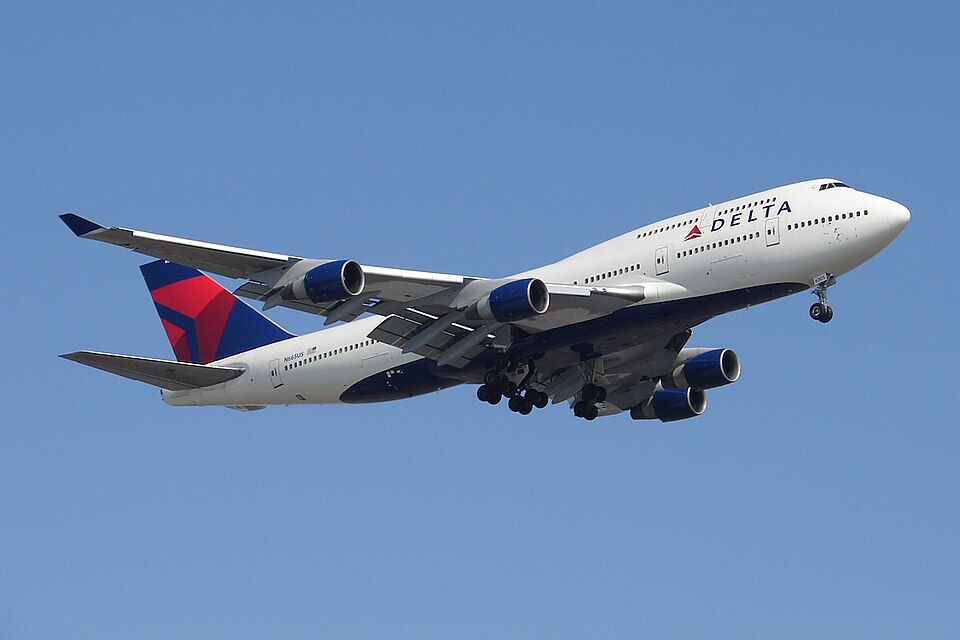
Delta Air Lines and Northwest Airlines, the third- and fifth-largest US carriers, announced that they would merge. Together they would form the biggest airline in the world, with more than 800 aircraft, around 6,400 daily flights to more than 350 destinations, and annual revenue of about $32–35 billion. Delta would buy Northwest in an all-share deal worth about $3.1 billion, and the combined company was valued at about $17.7 billion. The new airline would keep the Delta name and its headquarters in Atlanta, and Delta's chief executive, Richard Anderson, would lead it. Anderson had previously run Northwest. The companies promised that none of their hubs would be closed.
The main driver was the soaring price of oil. Crude had passed $110 a barrel, and jet fuel prices in early 2008 were more than 50% higher than a year earlier. Fuel had become the airlines' biggest cost, and several smaller US carriers, including ATA, Aloha and Skybus, had shut down in the previous few weeks. Both Delta and Northwest had only recently emerged from bankruptcy in 2007. By combining their networks, Delta's strength in the Atlantic and Latin America with Northwest's routes across the Pacific to Asia, especially Japan and China, they hoped to save about $1 billion a year.
The merger was opposed by Northwest's pilots and by some politicians in the Midwest, who feared job losses and higher fares. But the US Justice Department approved it in October without conditions. The deal was completed on October 29, 2008, and the two airlines were fully integrated by 2010. It started a wave of consolidation in the US airline industry, with United merging with Continental in 2010 and American with US Airways in 2013.
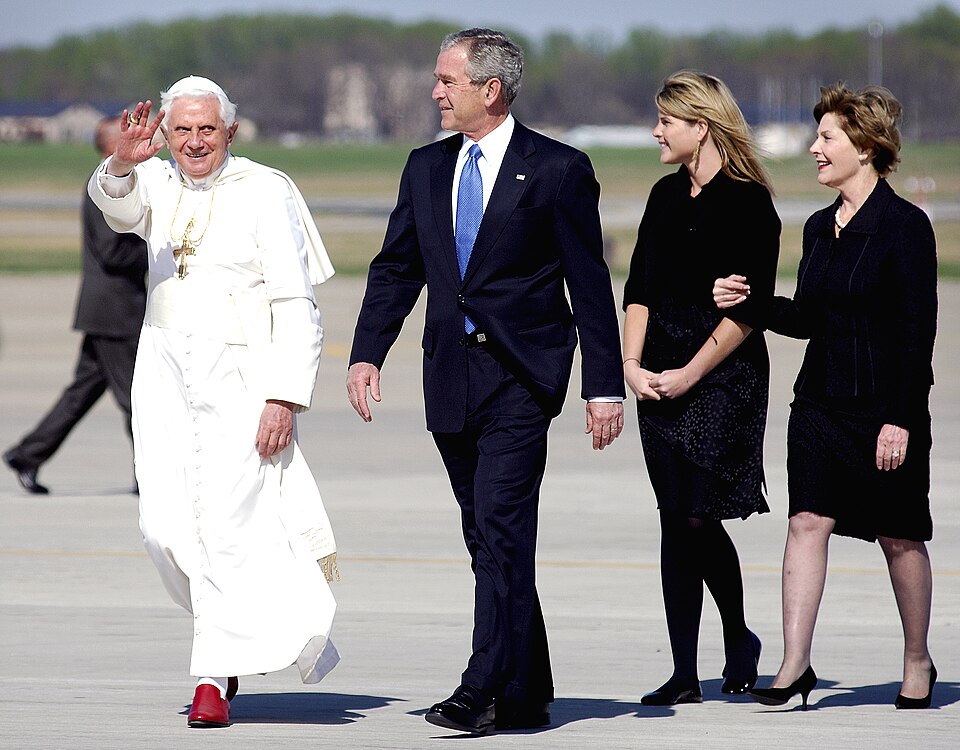
Around 4 pm, an Alitalia Boeing 777 nicknamed "Shepherd One" landed at Andrews Air Force Base outside Washington, carrying Pope Benedict XVI on his first visit to the United States as pope. In an unusual gesture, President George W. Bush, his wife Laura and their daughter Jenna were waiting on the tarmac to greet him. It was the first time a president had gone to the base to welcome a foreign leader rather than receiving him at the White House. Crowds of schoolchildren and church members cheered as the 80-year-old pontiff, dressed in white, walked down the steps.
On the plane, Benedict had spoken to reporters about the sexual abuse scandal that had shaken the Catholic Church in the United States, saying he was "deeply ashamed" and that paedophiles would be kept out of the priesthood. The six-day visit took him to Washington and New York. The next day, his 81st birthday, he received a full welcome on the South Lawn of the White House in front of some 13,000 guests, and the crowd sang "Happy Birthday". During the rest of the trip, he celebrated Mass for tens of thousands of people at the new Nationals Park baseball stadium in Washington and at Yankee Stadium in New York. He addressed the United Nations General Assembly on human rights and prayed at Ground Zero, the site of the World Trade Center destroyed in the September 11 attacks.
The most striking moment came on April 17, when Benedict met privately with a small group of people who had been abused by priests as children. It was the first time a pope had done so. He listened to their stories, prayed with them and, according to some participants, wept. Many Catholics welcomed the visit as a turning point, although some victims' groups said the Church still had not done enough to hold bishops accountable.
On April 16, China's National Bureau of Statistics reported that the economy grew 10.6% year on year in the first three months of 2008. That was down from 11.7% in the same period of 2007, but slightly above the roughly 10.4% that analysts had expected. The bureau said the economy had kept up "steady and fast" growth despite two serious blows early in the year: the worst snowstorms and ice storms in about 50 years, which hit southern and central China around the Spring Festival, and the turmoil in world financial markets caused by the US subprime mortgage crisis.
The storms had closed factories, cut power lines, stranded millions of travellers and destroyed crops, and some exporters lost weeks of shipments. Abroad, weaker demand in the United States was beginning to slow the growth of Chinese exports.
Inflation was the bigger worry. Consumer prices rose 8.3% in March and averaged 8.0% for the quarter, close to the highest levels in more than a decade. Food prices, led by pork and vegetables, jumped about 21%, partly because the storms had disrupted supplies. Bureau spokesman Li Xiaochao said that holding down prices remained the government's top economic task. Beijing had already raised banks' reserve requirements several times and limited some price increases, and economists expected further tightening. As the year went on, however, the global financial crisis would turn the worry from overheating to a sharp slowdown, and by November Beijing would announce a 4 trillion yuan stimulus package.
Aimé Césaire, the Martinican poet, playwright and politician, died on the morning of April 17 in a hospital in Fort-de-France, the capital of the French Caribbean island of Martinique. He was 94 and had been admitted on April 9 with heart problems. News of his death brought tributes from across France, the Caribbean and Africa, and many people in Martinique gathered to mourn the man they called "Papa Césaire".
Born in 1913 in Basse-Pointe, a small town in the north of Martinique, Césaire won a scholarship to study in Paris in the 1930s. There, with the Senegalese poet Léopold Sédar Senghor and the French Guianese writer Léon-Gontran Damas, he founded the Négritude movement, which called on black people in Africa and the Caribbean to take pride in their own history and culture instead of copying European models. Césaire is credited with coining the word itself. His long poem *Notebook of a Return to the Native Land* (1939) and his essay *Discourse on Colonialism* (1950) became classic texts for anti-colonial movements and for writers across the developing world.
Césaire was also a politician for more than half a century. He served as mayor of Fort-de-France for decades and represented Martinique in the French National Assembly until 1993. In 1958 he founded the Martinican Progressive Party. French President Nicolas Sarkozy flew to Martinique for the state funeral on April 20, and in 2011 a plaque in his honour was placed in the Panthéon in Paris.
At 4:36 am local time on April 18, a magnitude 5.2 earthquake struck southeastern Illinois, near the small towns of Bellmont and Mount Carmel on the Wabash River, which forms the border with Indiana. The quake started about 14 kilometres underground in the Wabash Valley seismic zone. Millions of people were jolted awake. The shaking was felt across a huge area, from Chicago in the north to Atlanta in the south, and in at least 16 states. In Chicago, more than 300 kilometres away, tall buildings swayed. Residents sent about 40,000 reports to the US Geological Survey's "Did You Feel It?" website, one of the highest totals the system had received at the time.
Damage was fairly light. Chimneys fell, bricks dropped from walls and some windows cracked in towns in Illinois, Indiana and Kentucky, and minor damage was also reported in Missouri. Two people were reported injured, but no one was killed. Several aftershocks followed over the next few days, including at least six above magnitude 3.
Large earthquakes are uncommon in the central United States, but they are not unknown. The USGS said this was the biggest quake in the region in 20 years; the last of similar size in the Wabash Valley was a magnitude 5.0 in June 1987. Scientists noted that the area lies north of the New Madrid seismic zone, where a series of very powerful earthquakes in 1811–12 shook the Mississippi Valley. They said the Illinois quake was a reminder that the Midwest, with its older brick buildings and little earthquake-proofing, needed to be better prepared.
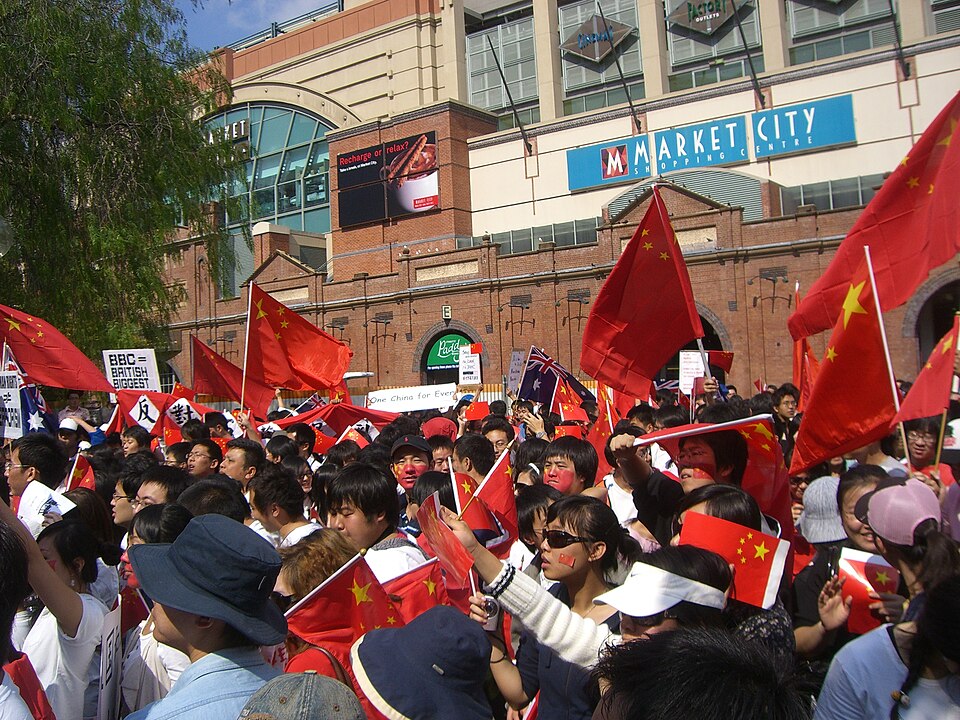
On Saturday, April 19, thousands of Chinese students and residents living abroad took to the streets of several Western cities to support the Beijing Olympic Games and to protest against what they saw as biased reporting about China in Western media. The rallies came after the Olympic torch relay had been disrupted by protesters in London, Paris and San Francisco earlier in the month.
In Paris, a large crowd gathered at the Place de la République, many waving Chinese and French flags and carrying banners reading "Yes to the Olympics" and "Stop media lies". Organisers had expected about 10,000 people; estimates of the turnout ranged from around 4,000 to nearly 10,000. In London, more than 3,000 people, according to Xinhua, held a silent demonstration near the Houses of Parliament, with some criticising the BBC's coverage. In Berlin, about 3,000 people marched through the city centre, aiming their complaints at several German newspapers and broadcasters. In Los Angeles, demonstrators gathered outside CNN's offices in Hollywood, angry at remarks about the Chinese made by a CNN commentator earlier in April.
Many of the young protesters said they had organised themselves over the internet and through student associations. They accused some Western outlets of using misleading photos and one-sided reporting. Commentators noted that the rallies showed the strength of national pride among a new generation of Chinese abroad as the Games approached. Some analysts warned that the dispute could deepen misunderstanding between China and the West. Similar rallies followed in other cities over the next weeks, including when the torch passed through Canberra, Seoul and Nagano.
Paraguayans voted on April 20 in a general election that ended more than six decades of rule by the Colorado Party. Fernando Lugo, a 56-year-old former Catholic bishop who led the opposition Patriotic Alliance for Change, won the presidency with about 42% of the vote. Blanca Ovelar of the Colorado Party, a former education minister backed by outgoing President Nicanor Duarte Frutos, came second with about 32%. The retired general Lino Oviedo finished third with about 23%. Ovelar, who had hoped to become the country's first woman president, conceded defeat on election night, and Duarte promised a peaceful handover.
The Colorado Party had held the presidency since 1947, longer than any other ruling party in the world at the time. For much of that period it was the only legal party, including during the 35-year dictatorship of General Alfredo Stroessner, which ended in 1989. Lugo had worked for years as a bishop in San Pedro, one of the country's poorest regions, where he became known as the "bishop of the poor". He gave up his post in 2006 to enter politics, and the Vatican later released him from his duties as a priest.
Thousands of supporters celebrated in the streets of the capital, Asunción. Lugo promised to fight corruption, carry out land reform for poor farmers and get a fairer price from Brazil for electricity from the giant Itaipú hydroelectric dam that the two countries share. He took office on August 15, 2008, the first former bishop to become a head of state in Latin America. However, the Colorado Party remained the largest group in both houses of Congress, which would make it difficult for him to pass his reforms.
Former US President Jimmy Carter told an audience in Jerusalem on April 21 that the Palestinian Islamist group Hamas was prepared to accept a peace agreement with Israel. The condition was that the deal be negotiated by Palestinian President Mahmoud Abbas and then approved by Palestinians in a referendum. Carter had just spent several days in the region, including about seven hours of talks in Damascus with Khaled Meshaal, the Hamas political leader living in exile in Syria. He said Hamas leaders had told him they would accept a Palestinian state based on the borders before the 1967 war, even if they disagreed with some of its terms.
The trip was highly controversial. The US government lists Hamas as a terrorist organisation, and both Washington and Israel refuse to talk to the group, which had taken control of the Gaza Strip from Abbas's Fatah movement in June 2007. Israeli Prime Minister Ehud Olmert refused to meet Carter, and US officials had urged him not to go to Damascus. Carter, who brokered the 1978 Camp David Accords between Israel and Egypt, argued that peace was impossible if Hamas was left out of the talks.
The same day, Meshaal told a news conference in Damascus that Hamas would accept a state on the 1967 borders and offered Israel a 10-year truce, but he said the group still would not recognise Israel. He also rejected Carter's proposal for a 30-day unilateral halt to rocket fire from Gaza. The US State Department said it saw no real change in Hamas's position. Carter's mission produced no breakthrough, but in June Egypt brokered a six-month ceasefire between Israel and Hamas in Gaza.
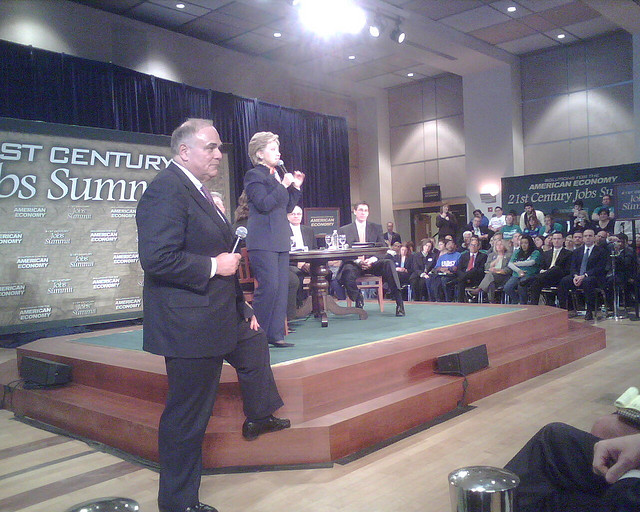
On April 22, New York Senator Hillary Clinton won the Pennsylvania Democratic presidential primary, beating Illinois Senator Barack Obama by about 55% to 45%, a margin of roughly ten points and more than 200,000 votes. It was the only contest held that day, and the biggest one left in the nomination race, with 158 pledged delegates at stake. Clinton won about 85 of them to Obama's 73.
The two candidates had campaigned across the state for six weeks, the longest gap between primaries that year. Obama spent heavily on television advertising and drew huge crowds in Philadelphia and its suburbs, but Clinton won strong support from white working-class voters, Catholics, women and older voters in the industrial towns of the west and centre of the state. Obama was hurt by remarks he had made at a private fundraiser in San Francisco, where he said that some small-town voters who had lost their jobs "get bitter" and "cling to guns or religion". Clinton called the comments elitist. Exit polls also showed that voters were most worried about the economy, as fuel and food prices rose and the housing crisis spread.
Speaking to supporters in Philadelphia, Clinton said "the tide is turning". Her campaign said she had raised about $10 million online in the 24 hours after the win. However, the result did little to change the overall picture. Obama still led in pledged delegates and in the national popular vote, and he won the North Carolina primary on May 6 by a large margin. In early June he secured enough delegates to become the Democratic Party's presumptive nominee.
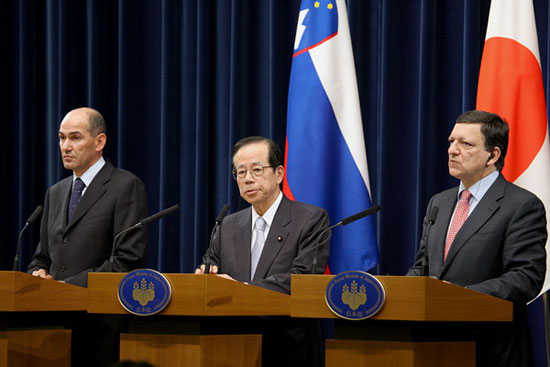
Japanese Prime Minister Yasuo Fukuda hosted the 17th Japan–EU summit in Tokyo on April 23. Slovenian Prime Minister Janez Janša attended because Slovenia then held the rotating presidency of the European Council, and José Manuel Barroso came as President of the European Commission. The talks covered trade, energy, development aid in Africa and international security, but climate change was at the top of the agenda. In July, Japan would host the G8 summit at Lake Tōya in Hokkaido, and Fukuda wanted global warming to be its main theme.
In their joint statement, the two sides said they intended to lead international efforts on climate change. They welcomed the UN climate conference held in Bali in December 2007, which had launched talks on a new global agreement to replace the Kyoto Protocol after 2012, with the aim of reaching a deal by the end of 2009. They also cited the scientific findings of the UN's Intergovernmental Panel on Climate Change that the climate system was warming, and said that fighting climate change and promoting development should support each other. Reports noted that the statement called for a "highly ambitious" international approach.
However, the leaders could not agree on a medium-term target for cutting greenhouse gas emissions. The EU had already committed to cutting its emissions by at least 20% from 1990 levels by 2020, and it wanted other rich countries to accept similar goals. Japan, worried about its industry and about keeping the United States involved, preferred to set targets later and to work out cuts sector by sector. At the G8 meeting in July, the leaders agreed only on a broad goal of at least halving global emissions by 2050, without a medium-term figure.
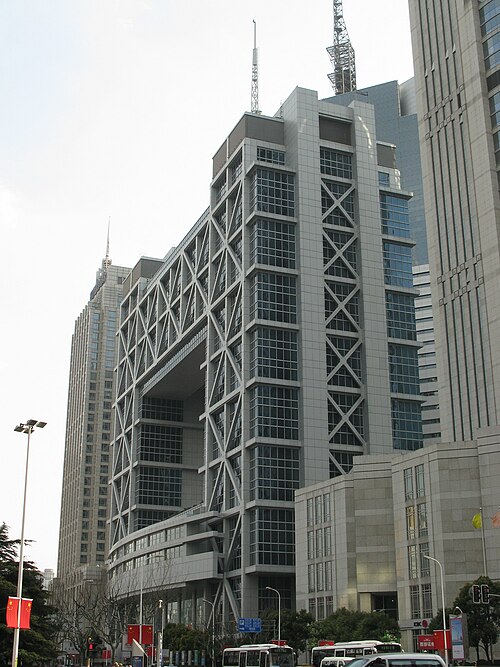
Chinese stocks had their best day in years on April 24, after the government cut the stamp duty charged on share trading from 0.3% to 0.1%. The Ministry of Finance and the State Administration of Taxation announced the cut late on the evening of April 23, and it took effect the next morning. The Shanghai Composite Index opened about 8% higher and closed up 9.29% at 3,583.03 points. Xinhua said it was the index's biggest one-day gain since daily price limits were reintroduced, and more than 350 stocks rose by the maximum 10% allowed in a single day. The Shenzhen market also surged.
The tax cut was meant to stop a steep fall in the stock market. In October 2007 the Shanghai index had reached a record above 6,000 points, after a two-year boom that drew tens of millions of ordinary Chinese people into share trading for the first time. Since then it had lost about half its value, hitting a 13-month low earlier in the week. Investors were worried about high inflation, the government's efforts to tighten credit, slower growth in the world economy, and a large number of shares that had been locked up after earlier reforms and were now becoming free to sell. Many small investors had lost much of their savings, and some had asked the authorities to act. The government had raised the stamp duty from 0.1% to 0.3% in May 2007 to cool the market, and the cut now reversed that move.
Analysts said the cut would not make much difference to trading costs for most investors. Its main effect, they said, was to send a signal that the government was willing to support the market. The rally did not last. As the global financial crisis deepened, the Shanghai index kept falling and dropped below 2,000 points by the autumn, ending 2008 down about 65% for the year.
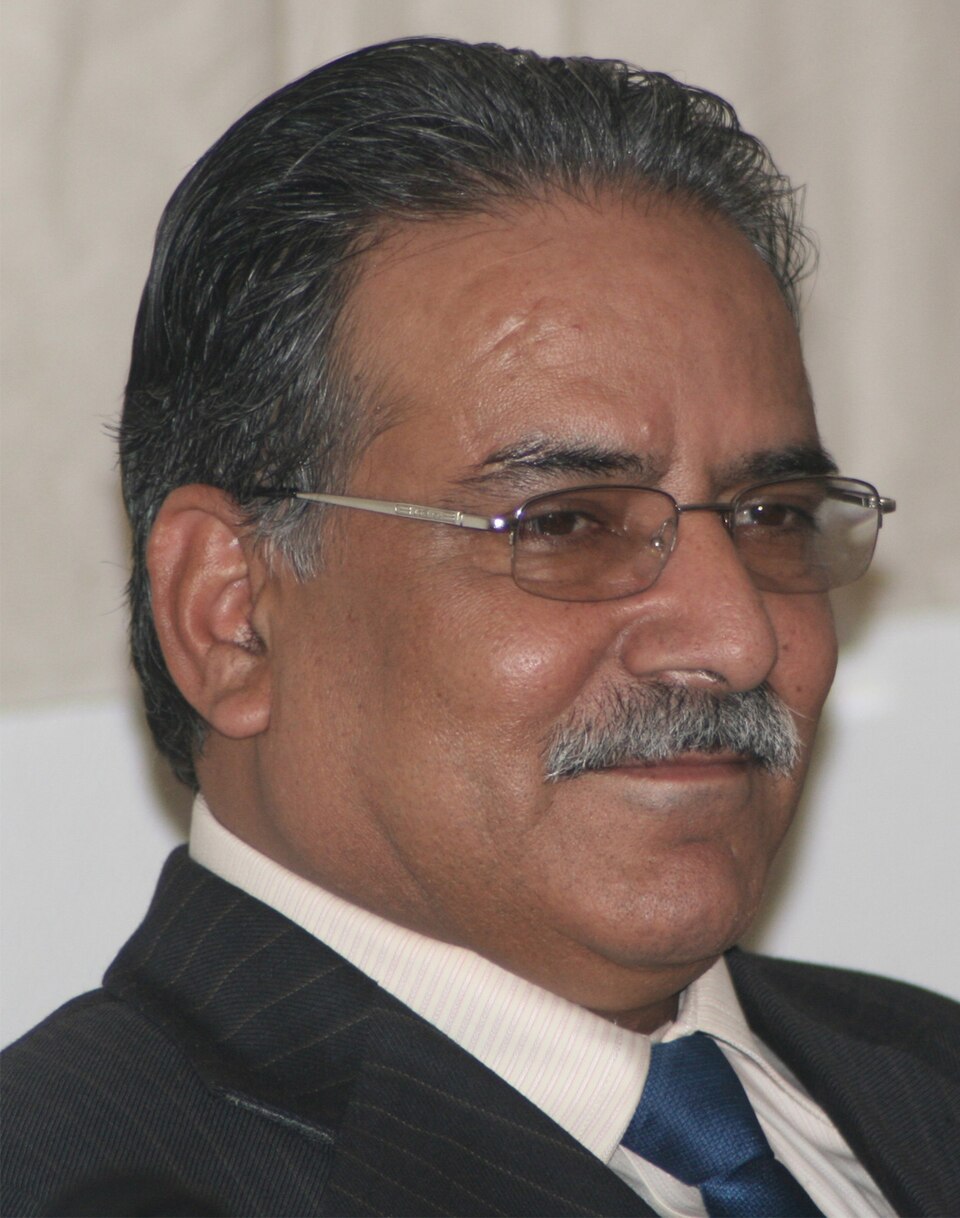
On April 25, Nepal's Election Commission released the full results of the April 10 Constituent Assembly election. They confirmed a surprising victory for the Communist Party of Nepal (Maoist), the former rebel group that had fought a ten-year civil war against the government until a peace deal in 2006. The Maoists won 220 of the 575 elected seats, more than a third of the total. The Nepali Congress, which many observers had expected to come first, took 110 seats, and the Communist Party of Nepal (Unified Marxist–Leninist), previously the second-largest party, won 103. The Madhesi People's Rights Forum, which represents people of the southern plains, became the fourth force with 52 seats.
The 601-member assembly, with 26 more members to be appointed, was elected under a mixed system. 240 members were elected in single-seat constituencies, where the Maoists did especially well, and 335 by proportional representation. Since no party was close to the 301 seats needed for a majority, the Maoists would have to form a coalition. Election observers from the United Nations, the European Union and the Carter Center judged the vote broadly peaceful and credible, although there were reports of intimidation in some areas.
The assembly's first task was to write a new constitution, and its first decision was historic. When it met on May 28, it voted to abolish Nepal's 240-year-old monarchy and declare the country a federal democratic republic. King Gyanendra left the royal palace in Kathmandu in June. After months of talks, Maoist leader Pushpa Kamal Dahal, known as Prachanda, was elected prime minister in August 2008.
The Beijing Olympic torch relay reached Japan on April 26, travelling through the mountain city of Nagano, which had hosted the 1998 Winter Olympics. It was the only Japanese stop on the flame's worldwide journey. After the disruptions in London, Paris and San Francisco earlier in the month, Japanese authorities mounted a huge security operation. About 3,000 police officers were on duty, and some reports put the number at up to 4,000. Officers jogged on both sides of the runners and lined much of the route. Japan had also told Chinese organisers that their own security escort would not be allowed to guard the flame, and only Japanese police protected it.
The relay had been due to start at Zenkoji, a famous 1,400-year-old Buddhist temple and a symbol of the 1998 Games. However, the temple withdrew a week earlier, citing security concerns and the feelings of its monks, and the start was moved at the last minute to a car park that was closed to the public. About 80 runners carried the torch along a route of roughly 18 kilometres through the city.
Thousands of people lined the streets. Several thousand Chinese students and residents, many having travelled from Tokyo and other cities by bus, gathered to cheer the flame, filling the area around the route with red Chinese flags. Groups of protesters also came. There were some scuffles between the two sides, and a few people tried to run onto the route and were stopped by police; several people were arrested, including a man carrying a knife who was detained hours before the start. One person was reported hurt. Overall, the relay finished on schedule without serious incident, and the flame went on to Seoul the next day.
Gunmen opened fire on a military parade in Kabul on April 27, as Afghan President Hamid Karzai, government ministers, foreign diplomats and army commanders watched from a stand. The parade marked the 16th anniversary of the fall of the Soviet-backed communist government in 1992 to the mujahideen. Just after a 21-gun salute, shots and rocket-propelled grenades were fired from a building a few hundred metres away. Soldiers on parade broke ranks and ran for cover, and bodyguards rushed Karzai to his vehicle. He was not hurt.
Three people in the crowd were killed: a member of parliament, a tribal elder and a 10-year-old boy. More than ten others, including several officials, were wounded. Security forces surrounded the building, and three of the attackers were killed. The Taliban said it had carried out the attack and that its aim had been to show it could strike anywhere in the country. Later that day, Karzai spoke on state television, calling the attackers "enemies of Afghanistan" and assuring people that he was safe.
The attack in the heart of the capital, at an event that was supposed to be one of the most heavily guarded in the country, raised serious questions about Afghan security. In the following days, the government sacked several security officials, and intelligence officers arrested suspects. Officials said the plot had been planned in Pakistan's tribal regions near the border. It was not the first attempt on Karzai's life: in 2002, a gunman had fired at him in Kandahar, and rockets had been fired near him during a visit to Paktika province in 2007. By 2008, more than six years after US-led forces had removed the Taliban from power, the insurgency was growing stronger, and violence in Afghanistan was rising sharply.
At about 4:40 am on April 28, an express passenger train travelling from Beijing to the coastal city of Qingdao derailed near Zibo, in eastern China's Shandong province. The train, T195, was on the Jiaozhou–Jinan railway, one of the busiest lines in the province. Several of its carriages came off the tracks on a curve and crossed onto the neighbouring line, where they were hit by train 5034, a passenger train travelling in the opposite direction from Yantai to Xuzhou. Carriages were thrown down an embankment beside the line, and many passengers were trapped in the wreckage while they were still asleep.
Rescuers, soldiers and local residents worked through the morning to pull survivors from the twisted carriages, and hundreds of injured people were taken to hospitals in Zibo. The final toll was 72 dead and more than 400 injured, making it China's worst rail accident in more than a decade. Four French passengers were among the injured. President Hu Jintao and Premier Wen Jiabao ordered an all-out rescue effort and a full investigation, and the railway reopened early the next day.
Investigators quickly found that the accident was caused by human error. T195 had been travelling at 131 km/h on a section of track where the speed limit was 80 km/h, and officials said the railway bureau had not properly passed on the temporary speed limit. Within hours of the crash, the Ministry of Railways sacked the two top officials of the Jinan Railway Bureau, director Chen Gong and Communist Party secretary Chai Tiemin. The disaster came only a few months before the Olympics, as China was rapidly building new high-speed railways, and it led to calls for stricter safety management on the country's rail network.
The video game Grand Theft Auto IV went on sale around the world on April 29, and it quickly became the biggest launch in entertainment history up to that time. Its publisher, Take-Two Interactive, said that about 3.6 million copies were sold on the first day, worth roughly $310 million. By the end of the first week, sales had reached about 6 million copies and some $500 million. That was more than any film had earned in its opening week, and well above the roughly $300 million that the hit game Halo 3 had taken in its first week in 2007. In the United Kingdom alone, more than 600,000 copies were sold on the first day and about 926,000 in the first five days, a national record. Shops in many countries opened at midnight for queues of fans.
The game was made by Rockstar North, a studio in Edinburgh, Scotland, and was released for Sony's PlayStation 3 and Microsoft's Xbox 360. It follows Niko Bellic, an immigrant from Eastern Europe who arrives in Liberty City, a fictional version of New York, hoping for a better life but is drawn into the criminal underworld. Players can explore the huge, detailed city freely. Critics praised its story, characters and realistic setting, and many reviewers gave it perfect scores, calling it one of the best games ever made.
The Grand Theft Auto series had long been controversial because of its violence and crime, and some politicians and parents' groups again criticised the new game. Its success, however, showed how big the video game industry had become. Some analysts noted that the dollar figures were boosted by higher prices in Europe, but the launch was still seen as proof that games could compete with Hollywood films as major entertainment events.
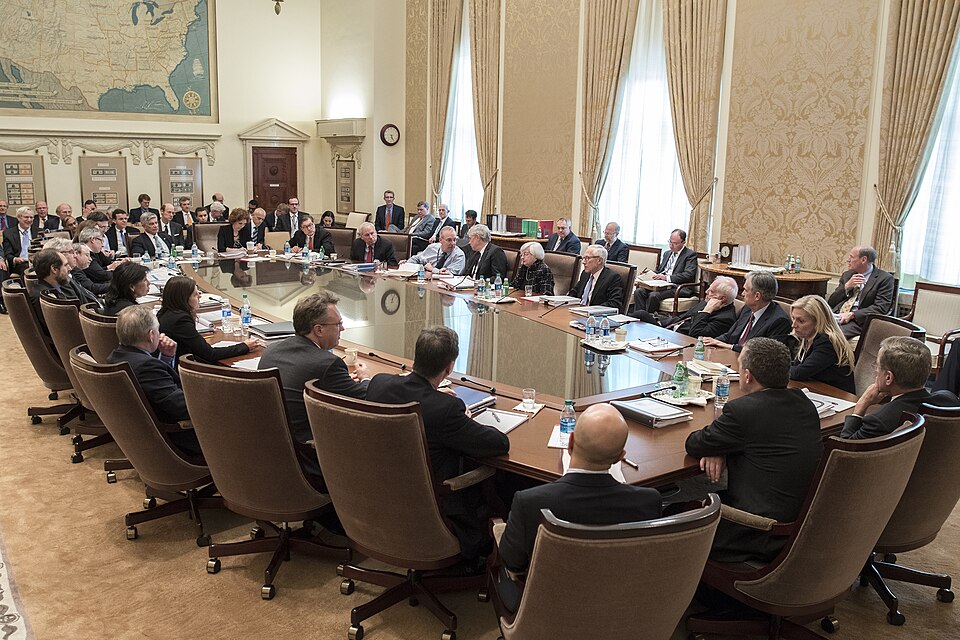
On April 30, the US Federal Reserve lowered its main interest rate, the target for the federal funds rate, by a quarter of a percentage point to 2%. It also cut the discount rate, which it charges banks for emergency loans, to 2.25%. This was the seventh cut since September 2007, when the rate had stood at 5.25%. Since then the Fed, led by Chairman Ben Bernanke, had been cutting rates quickly to fight the credit crisis that began with losses on US subprime mortgages and had spread through the world's financial system. In March it had also helped arrange the rescue of the investment bank Bear Stearns.
In its statement, the Fed's policy committee said economic activity remained weak, with household and business spending held back and the housing market still contracting. It also noted that financial markets remained under considerable stress and that tight credit conditions could slow growth further. On the same day, the government reported that the US economy had grown at an annual rate of just 0.6% in the first quarter.
At the same time, the Fed was increasingly worried about inflation, as the prices of oil, food and other commodities climbed to record highs. Two committee members, Richard Fisher of the Dallas Fed and Charles Plosser of the Philadelphia Fed, voted against the cut because they wanted to focus more on keeping prices stable. Minutes released later showed most members saw the decision as a "close call". Markets read the statement as a sign that the Fed was likely to pause, and it did hold rates steady through the summer. However, after the collapse of Lehman Brothers in September, it cut rates again, and by December 2008 it had lowered them to nearly zero.
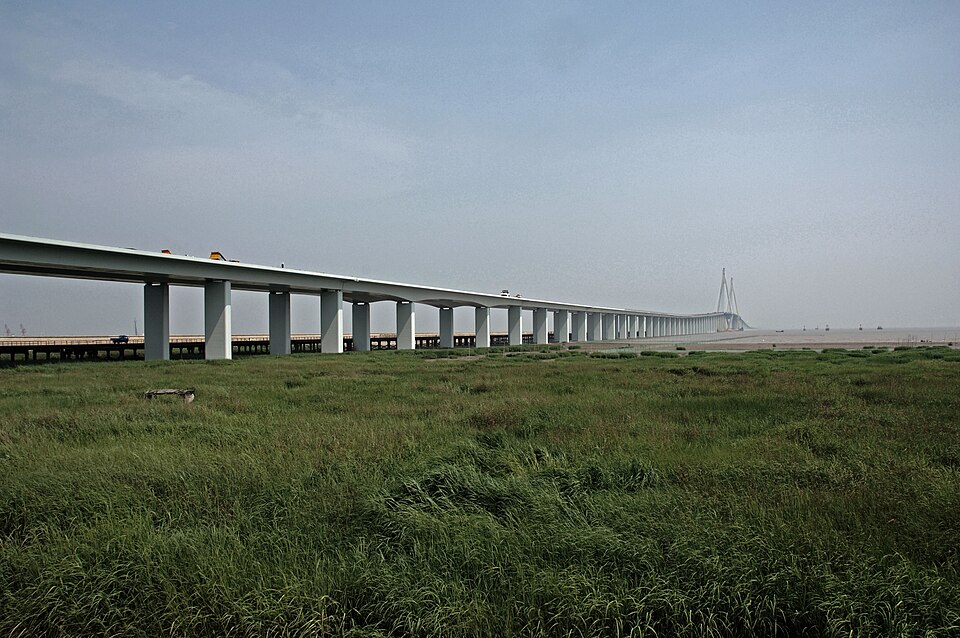
On May 1, China opened the Hangzhou Bay Bridge to traffic after an opening ceremony in Zhejiang province. About 36 kilometres long, it was at the time the longest bridge in the world built across the sea. The six-lane motorway bridge crosses the wide mouth of Hangzhou Bay, linking Haiyan in Jiaxing on the northern shore with Cixi in Ningbo on the southern shore. Before it opened, drivers travelling between Shanghai and the busy port city of Ningbo had to go around the bay through Hangzhou. The bridge cut that journey by about 120 kilometres and saved more than an hour, bringing Ningbo into the Shanghai area's economic sphere.
Building the bridge was a major engineering challenge. Hangzhou Bay is known for its powerful tides, including the famous Qiantang River tidal bore, and its strong currents and soft seabed made construction difficult. Work began in 2003. Engineers sank thousands of steel piles into the seabed and put together huge concrete sections that had been made on land. The bridge follows an S-shaped curve, which helps to keep drivers alert and takes account of the direction of the currents. Two cable-stayed sections rise higher over shipping channels so that large vessels can pass beneath. A service platform with a viewing tower and rest area was planned near the middle of the bridge.
The project cost about 11.8 billion yuan and was partly funded by private investors from Ningbo, an unusual arrangement for such a large Chinese infrastructure project. It was one of many large bridges, railways and motorways built across China in the years of rapid growth before and after the 2008 Olympics. The bridge's title as the longest sea-crossing bridge did not last long: in 2011, the Jiaozhou Bay Bridge in Qingdao opened, and the Hong Kong–Zhuhai–Macao Bridge followed in 2018.
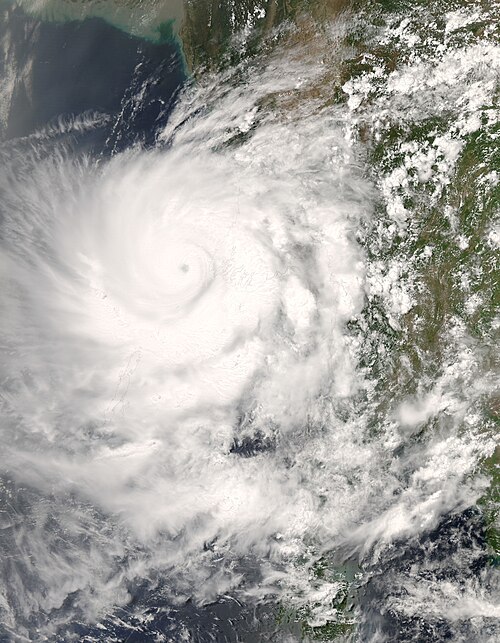
On the evening of May 2, Cyclone Nargis, a very severe tropical cyclone that had formed in the Bay of Bengal, struck the coast of Myanmar. It crossed the low-lying Irrawaddy (Ayeyarwady) delta, the country's main rice-growing region, with winds of more than 200 km/h. Then it moved north-east over the largest city, Yangon, on the night of May 2 into May 3. The worst damage was caused by a storm surge about 3.6 metres high, which pushed seawater up to 40 kilometres inland across the flat delta. Whole villages of wooden and bamboo houses were swept away, and many people drowned in the darkness. In Yangon, the wind tore roofs off buildings, uprooted large trees and cut electricity and water supplies.
At first, the scale of the disaster was unclear. A week later, the government's death toll was about 22,000, with more than 40,000 missing. However, international aid officials warned that the real number was far higher. The final estimate was about 138,000 dead or missing, making Nargis the deadliest natural disaster in Myanmar's recorded history and one of the worst cyclones of modern times. Some townships in the delta, such as Labutta and Bogale, lost tens of thousands of people. As many as 2.4 million people were affected, and many survivors were left without food, clean water or shelter. Damage was estimated at more than $10 billion.
The relief effort became a source of international controversy. Myanmar's military government was slow to allow foreign aid workers into the delta, and United States and French navy ships carrying supplies were kept offshore. It also went ahead with a national referendum on a new constitution on May 10 in most of the country. After a visit by UN Secretary-General Ban Ki-moon in late May, the government agreed to an aid mechanism led by the Association of Southeast Asian Nations (ASEAN) and the UN, and assistance began to flow more freely. Neighbouring countries, including China, India and Thailand, sent relief supplies and rescue teams.
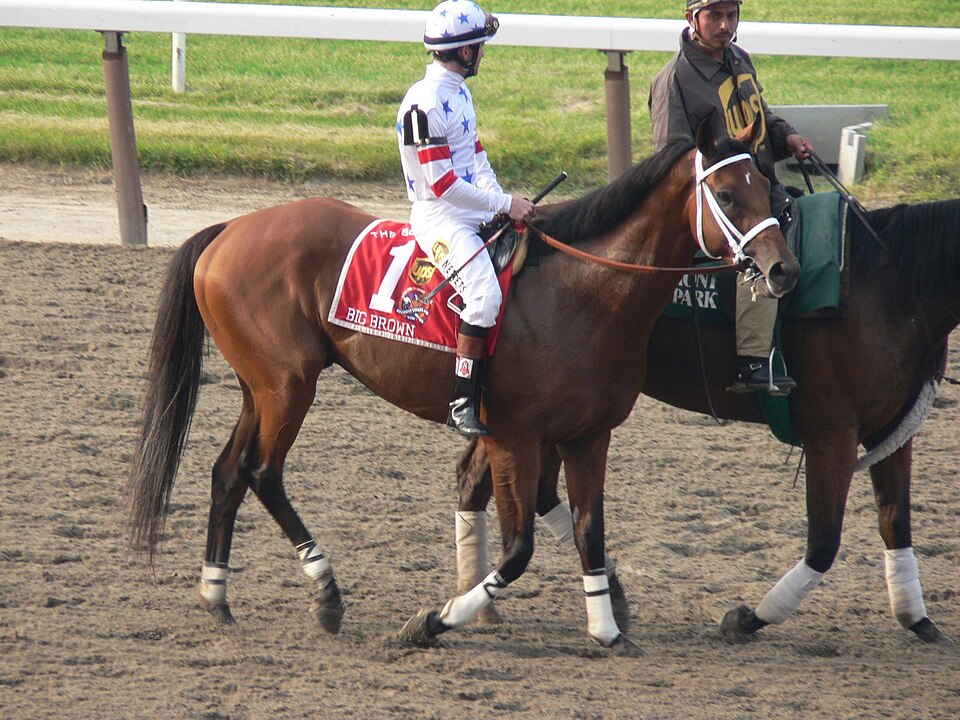
The 134th Kentucky Derby, the most famous horse race in the United States, was run on May 3 at Churchill Downs in Louisville, Kentucky, in front of more than 150,000 spectators. The favourite, an unbeaten colt named Big Brown, won easily by four and three-quarter lengths, ridden by jockey Kent Desormeaux. Big Brown had raced only three times before. He became the first horse since Regret in 1915 to win the Derby with so little racing experience, and he had started from the far outside post in a field of 20.
The celebrations were quickly overshadowed by tragedy. Eight Belles, the only filly in the race, finished a strong second, but as the horses slowed down after crossing the finish line, she suddenly collapsed with two broken front ankles, throwing her jockey, Gabriel Saez. The track veterinarian said the injuries were so severe that she could not be saved, and she was put down on the track within minutes, as shocked spectators and television viewers looked on. Officials said they believed it was the first time a horse had been euthanised on the track in the history of the race.
The death came two years after Barbaro, the 2006 Derby winner, broke his leg in the Preakness Stakes and was later put down. It started a fierce debate about safety in American horse racing. Critics, including animal rights groups, blamed hard dirt tracks, the breeding of horses for speed rather than strength, racing horses too young and the use of drugs. The industry later introduced new safety measures and stricter drug rules. Big Brown went on to win the Preakness Stakes two weeks later but finished last in the Belmont Stakes in June, failing to win the Triple Crown.
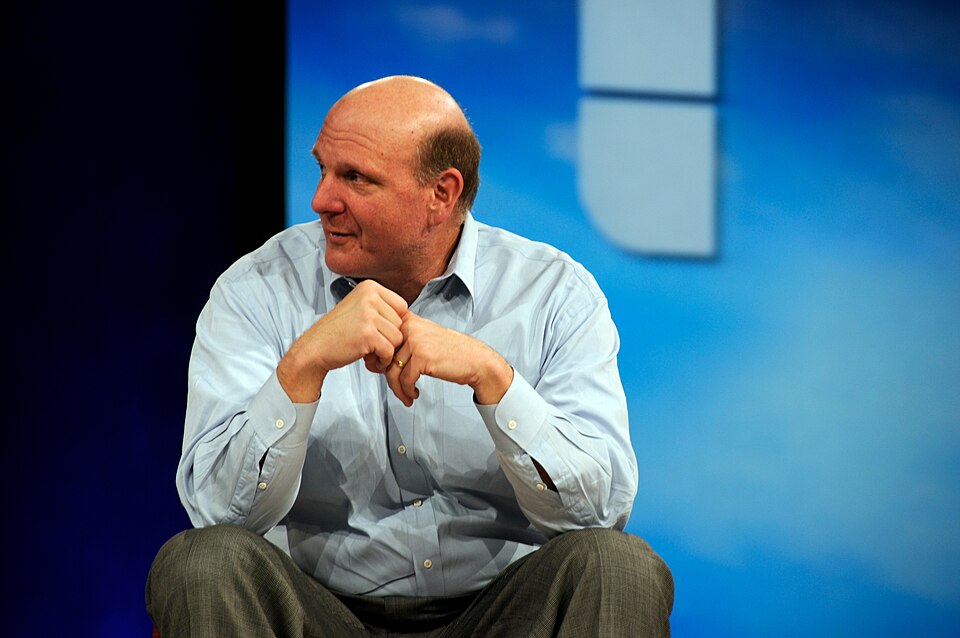
The business world woke up on Sunday, May 4, to the news that Microsoft had abandoned its attempt to buy the internet company Yahoo. The decision, announced late on Saturday, May 3, in the United States, ended a three-month takeover battle that would have been one of the largest technology deals in history. In a letter to Yahoo's co-founder and chief executive, Jerry Yang, Microsoft's chief executive Steve Ballmer wrote that Microsoft had offered to raise its price to $33 a share. He said Yahoo had insisted on at least $37, which would have cost about $5 billion more, and that Microsoft was not willing to pay that.
Microsoft had first made an unsolicited offer of $31 a share, worth about $44.6 billion, on February 1. Its aim was to combine Yahoo's popular websites and search engine with its own MSN services to compete better with Google, which dominated internet search and the online advertising market. Yahoo's board rejected the offer as too low, saying it undervalued the company, and Microsoft threatened to go directly to shareholders to replace the board. In the end, Ballmer chose not to do so. In his letter he also warned that if Yahoo made a search-advertising deal with Google, as it was then considering, Microsoft would no longer be interested.
Many Yahoo shareholders were angry that the company had turned down a large premium, and when markets opened on Monday, Yahoo's shares fell by about 15%. Yang said Yahoo could now concentrate on its own plans. The planned partnership with Google was dropped in November after US competition regulators raised objections, and Yang stepped down as chief executive that same month. In 2009, Microsoft and Yahoo agreed a much smaller deal under which Microsoft's new Bing search engine would power searches on Yahoo's sites.
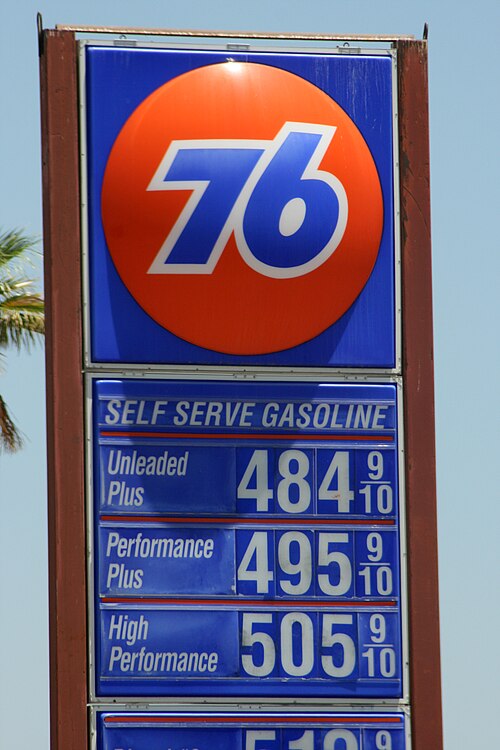
The price of crude oil rose above $120 a barrel for the first time on May 5, setting another record in a rally that had more than doubled the price in less than two years. A year earlier, oil had cost about $62 a barrel. On the New York Mercantile Exchange, the benchmark US crude, West Texas Intermediate, climbed past $120 during trading, and it kept rising over the following days, reaching more than $125 by the end of the week.
On the same day, the investment bank Goldman Sachs published a report by analysts led by Arjun Murti saying that a "super spike" in prices was under way. The report said oil could reach between $150 and $200 a barrel within the next six to 24 months. Goldman also raised its forecast for the average US oil price in 2008 from $96 to $108 a barrel. The analysts argued that supply was not growing fast enough to meet strong demand from fast-growing economies such as China and India. Other reasons given for the high prices included the weak US dollar, tension in oil-producing regions such as Nigeria and the Middle East, and large flows of investment money into commodities. Some critics said speculators were pushing prices higher than the real balance of supply and demand justified.
The rising price of oil was already causing pain around the world. Petrol and diesel prices hit records, airlines raised fares and cut flights, and truck drivers and fishermen in several countries protested against fuel costs. Higher energy prices also pushed up the cost of food and other goods, adding to inflation. Oil peaked at more than $147 a barrel on July 11, 2008. However, as the financial crisis caused a global recession later in the year, demand collapsed, and by December oil had fallen below $40 a barrel.
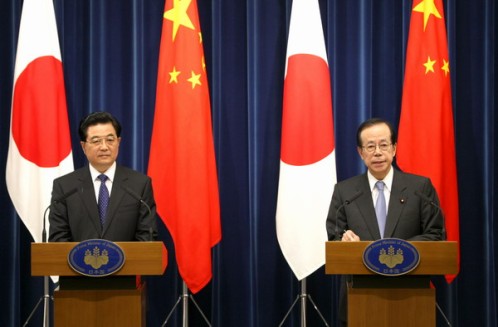
Chinese President Hu Jintao arrived at Tokyo's Haneda Airport on May 6 for a five-day state visit to Japan, the first by a Chinese head of state in ten years, since Jiang Zemin's visit in 1998. Before leaving Beijing, Hu told Japanese journalists that he hoped the trip would be a "journey of warm spring" for relations between the two neighbours. On his arrival he called for greater mutual trust and cooperation. That evening, Prime Minister Yasuo Fukuda hosted him for an informal dinner.
The visit was the high point of a steady improvement in relations. Ties had been badly strained in the early 2000s, partly because of former Prime Minister Junichiro Koizumi's visits to the Yasukuni Shrine, which honours Japan's war dead, including convicted war criminals. Relations began to recover with Prime Minister Shinzo Abe's trip to Beijing in October 2006, which China called an "ice-breaking" visit. This was followed by Premier Wen Jiabao's "ice-thawing" visit to Japan in April 2007 and Fukuda's "spring-welcoming" trip to China in December 2007.
On May 7, Hu and Fukuda signed a joint statement on "comprehensively promoting a mutually beneficial relationship based on common strategic interests". The Chinese side described it as the fourth major political document between the two countries. The two sides agreed to hold regular summits, to face history squarely and look to the future, and to cooperate on energy, the environment and climate change. They also pledged to work towards turning the East China Sea into a "sea of peace, cooperation and friendship". During the rest of his visit, Hu met Emperor Akihito, spoke to students at Waseda University in Tokyo, and travelled to Osaka and Nara. Japan also agreed to borrow a pair of giant pandas from China for Ueno Zoo. In June, the two countries reached an agreement on jointly developing gas fields in the East China Sea.
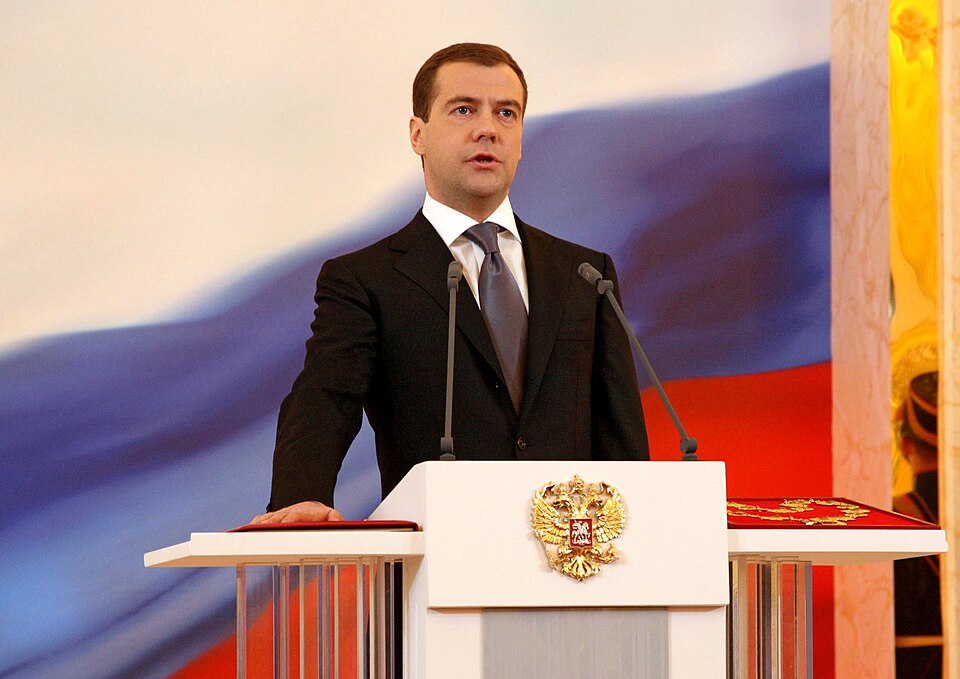
Dmitry Medvedev was sworn in as the third president of the Russian Federation on May 7, in a grand ceremony in the Kremlin in Moscow. Guards escorted him through the gilded halls of the Great Kremlin Palace to the St Andrew's Hall, where he placed his hand on a copy of the constitution, took the oath of office and received the gold chain of the presidency. At 42, he was Russia's youngest leader in about a century. In his first speech as president, Medvedev promised to protect civil and economic freedoms, strengthen the rule of law and continue the course set by his predecessor.
That predecessor, Vladimir Putin, stood beside him at the ceremony. Putin had served two four-year terms, and the constitution barred him from serving a third in a row. He had chosen Medvedev, a lawyer from St Petersburg who had worked with him for years and later served as first deputy prime minister and chairman of the gas company Gazprom, as his successor. With Putin's strong backing, Medvedev won the presidential election on March 2 with about 70% of the vote.
Within hours of taking office, Medvedev nominated Putin as prime minister after the outgoing premier, Viktor Zubkov, resigned. The State Duma, the lower house of parliament, confirmed Putin the next day by a large majority. This arrangement became known as the "tandem". Many observers believed Putin, who remained very popular and also led the largest party, United Russia, would continue to hold much of the real power. On May 9, the two men stood together on Red Square as tanks and missile launchers rolled past in the Victory Day parade, the first time heavy military equipment had taken part since the end of the Soviet era.
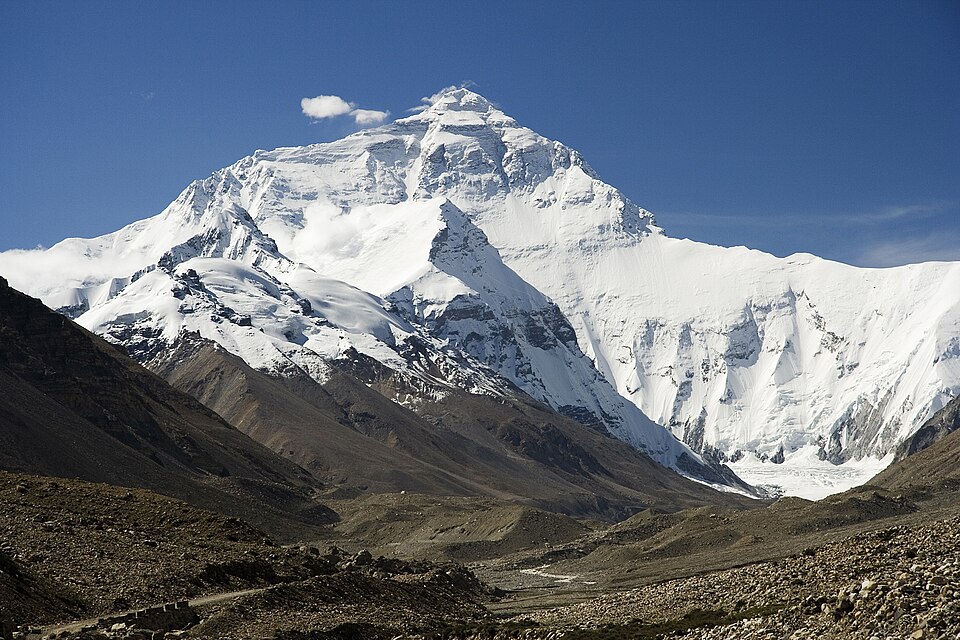
At about 9:17 am Beijing time on May 8, a Chinese mountaineering team carried the Beijing Olympic flame to the summit of Mount Everest, known in Chinese as Qomolangma, the highest point on Earth at about 8,844 metres. It was the first time the Olympic flame had been taken to the top of the world's highest mountain. Live pictures were broadcast on Chinese state television to an audience of millions.
The 19-member team, wearing red climbing suits with Olympic logos, left its highest camp at about 8,300 metres before dawn and climbed for more than six hours in thin air and bitter cold. Near the summit, team captain Nyima Cering lit his torch and shouted "One World, One Dream", the motto of the Beijing Games. The flame was then passed among five torchbearers, and the final torchbearer, a young Tibetan woman named Cering Wangmo, raised it on the summit. Team members unfurled the Chinese national flag, the Olympic flag and a Beijing 2008 banner, and some shouted "Welcome to Beijing" and "Tashi delek", a Tibetan greeting. The special torch had been designed to keep burning despite the strong winds, low oxygen and freezing temperatures at the top of the mountain.
The Everest climb had been planned for years. It was a separate part of the torch relay, which was then travelling through other parts of China after its international journey. To make the ascent safe, China and Nepal closed the upper slopes of the mountain to other climbers for several weeks. The torch relay continued through China for three more months before arriving in Beijing for the opening ceremony on August 8.
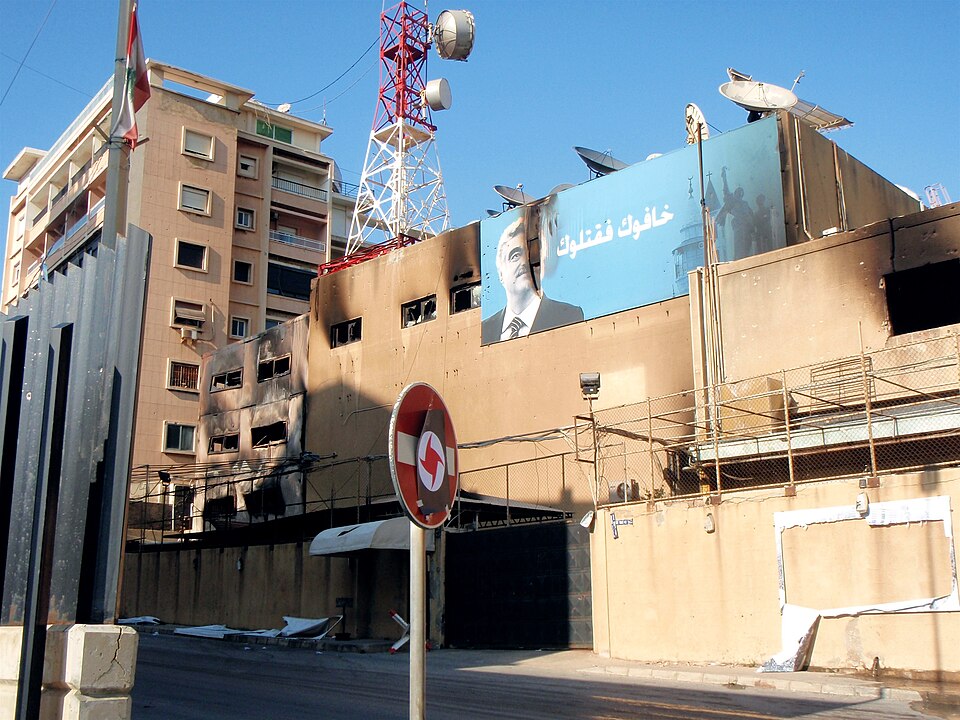
Lebanon came close to a new civil war in early May 2008. On May 9, after two days of street battles, fighters from the Shia movement Hezbollah and its allies took control of most of the mainly Sunni western half of the capital, Beirut. Gunmen who supported the Western-backed government of Prime Minister Fouad Siniora and the Future Movement led by Saad Hariri were quickly overwhelmed. Many offices of the Future Movement were seized. Armed men forced the pro-government Future TV channel off the air and set fire to the building of its sister newspaper, *Al-Mustaqbal*. A rocket also hit near Hariri's home in Beirut.
The crisis had been building for a year and a half. The opposition, led by Hezbollah and its allies, had been staging a sit-in protest in central Beirut since late 2006, demanding a larger share of power, and parliament had been unable to elect a new president since November 2007. On May 6, the cabinet decided to declare Hezbollah's private fibre-optic telephone network illegal and to remove the head of security at Beirut airport, who was accused of being close to the group. Hezbollah said the network was vital for its armed struggle against Israel. Its leader, Hassan Nasrallah, called the government's decisions a "declaration of war", and fighting broke out on May 7 and spread on May 8.
Over the following days, the clashes spread to the mountains east of Beirut and to the northern city of Tripoli. More than 60 people were killed in a week. The Lebanese army, which had stayed neutral, took over areas from the gunmen, and the government withdrew its two decisions. Under mediation by Qatar and the Arab League, Lebanese leaders met in Doha and on May 21 signed an agreement that ended the political deadlock. On May 25, parliament elected army commander Michel Suleiman as president, and a national unity government was formed in July.
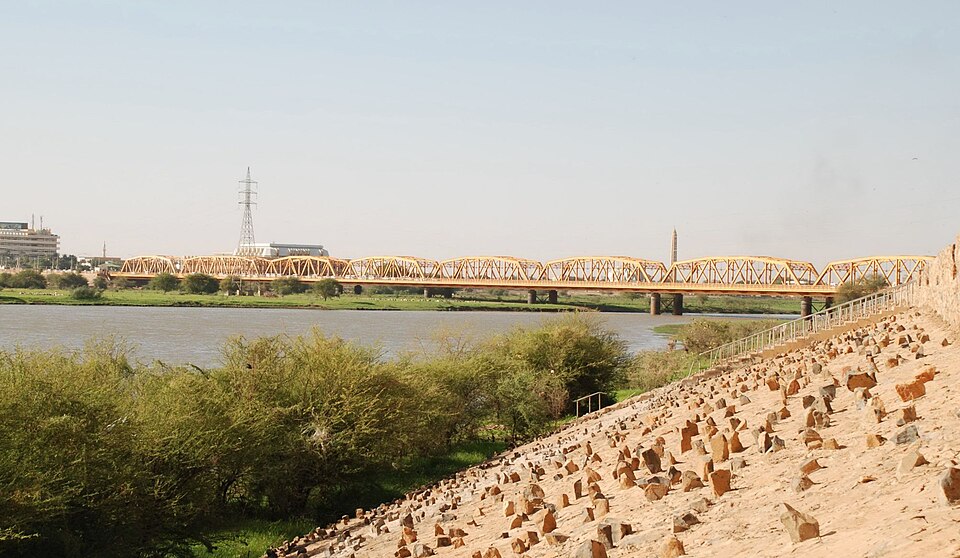
On May 10, fighters from the Justice and Equality Movement (JEM), one of the main rebel groups in Sudan's western Darfur region, launched a surprise attack on Omdurman, the city across the Nile from the capital, Khartoum. It was the first time in decades that fighting had reached the capital area. Led by JEM's leader, Khalil Ibrahim, about 1,000 fighters in more than 100 pickup trucks mounted with machine guns had driven more than 1,000 kilometres across the desert from Darfur. They entered Omdurman from the north and west and tried to reach the bridges leading to Khartoum.
Sudanese troops and police fought them in the streets of Omdurman for several hours. By evening, the government said the attack had been defeated and that the army controlled the city. A curfew was imposed on Khartoum, and the bridges over the Nile were closed. Casualty figures varied widely. The government first said more than 100 people had been killed, while later reports put the toll at more than 220, including soldiers, rebels and civilians. Hundreds of suspected rebels and supporters were arrested in the following days, and Khalil Ibrahim escaped back to Darfur.
The government accused neighbouring Chad of supporting the attack and immediately cut diplomatic relations with it. Chad denied the claim and accused Sudan of backing Chadian rebels who had attacked its own capital, N'Djamena, in February. Khartoum also detained the veteran opposition leader Hassan al-Turabi for questioning over alleged links to JEM, but he was released the next day. The raid showed that the five-year conflict in Darfur, in which hundreds of thousands of people had died and millions had fled their homes, was far from over. It also showed how the war had become tied up with the rivalry between Sudan and Chad.
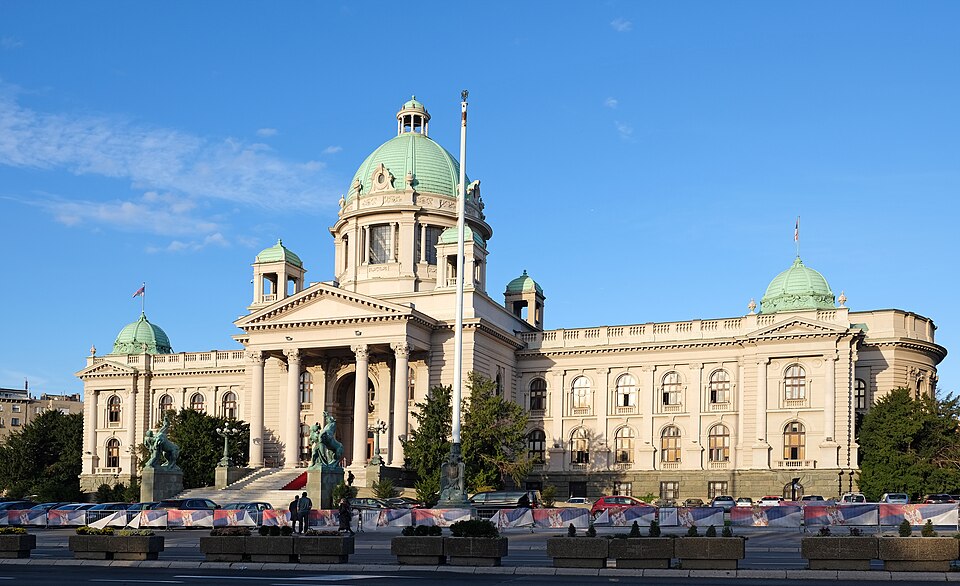
Serbia held an early parliamentary election on May 11, and the result was a surprise. The "For a European Serbia" coalition led by President Boris Tadić's Democratic Party won about 39% of the vote and 102 of the 250 seats in parliament, well ahead of what opinion polls had predicted. The nationalist Serbian Radical Party, led by Tomislav Nikolić, came second with about 29–30% and 78 seats. Prime Minister Vojislav Koštunica's Democratic Party of Serbia and its allies won about 11.6%, and a coalition led by the Socialist Party of Serbia, the party of the late former president Slobodan Milošević, won about 7.6%.
The election was widely seen as a choice about Serbia's future: whether to move closer to the European Union or to turn away from the West. The vote had been called after the government collapsed in March. Kosovo, which Serbia regards as its southern province, had unilaterally declared independence in February, and many EU countries and the United States had recognised it. Koštunica argued that Serbia could not pursue EU membership while EU countries supported Kosovo's independence, while Tadić said Serbia could defend its claim to Kosovo and still join the EU. Just two weeks before the vote, Serbia had signed a Stabilisation and Association Agreement with the EU, a first step towards membership. Tadić called the result "a great victory for a European Serbia" and said the country had voted for "the European path".
Because no bloc won a majority, weeks of negotiations followed. The Socialists became the kingmakers. After talks with both sides, they agreed in late June to join a coalition with Tadić's bloc. In July, a new government was formed, with Mirko Cvetković, an economist from the Democratic Party, as prime minister. Later that year, the Radical Party split, and Nikolić formed a new party. Serbia formally applied for EU membership in December 2009.
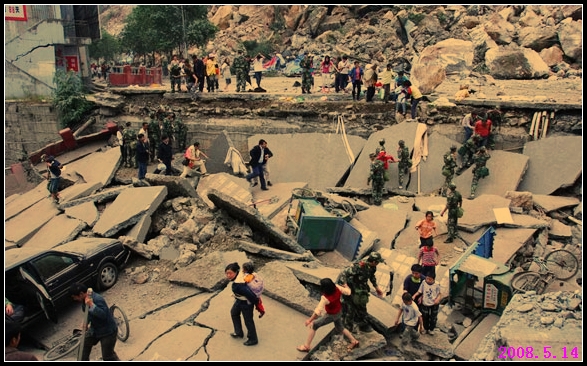
At 14:28 Beijing time on May 12, a magnitude 8.0 earthquake struck Wenchuan County in the Aba Tibetan and Qiang Autonomous Prefecture of Sichuan province, south-west China. The epicentre was near the town of Yingxiu, about 80 kilometres north-west of the provincial capital, Chengdu. The rupture ran for about 300 kilometres along the Longmen Shan fault, where the Tibetan Plateau meets the Sichuan Basin. The shaking lasted for about two minutes and was felt across most of China, from Beijing and Shanghai to Hong Kong, as well as in neighbouring countries. Office towers in Beijing, more than 1,500 kilometres away, were evacuated.
The destruction in the mountain towns near the fault was enormous. In places such as Yingxiu, Beichuan, Hanwang, Qingchuan and Dujiangyan, most buildings collapsed. Landslides buried villages and cut off roads, bridges and communications, leaving whole areas unreachable for days. Many of the dead were children, because the quake struck during afternoon lessons and many school buildings collapsed. Landslides also blocked rivers and created dozens of "quake lakes". The largest, at Tangjiashan above Beichuan, threatened the towns downstream until engineers drained it in June. According to official figures, 69,227 people were killed, 17,923 were listed as missing and about 374,000 were injured. More than 15 million people lost their homes, and direct economic losses were estimated at 845 billion yuan. It was China's deadliest earthquake since the Tangshan earthquake in 1976.
Within hours, Premier Wen Jiabao flew to Sichuan to lead the rescue effort. More than 100,000 soldiers and armed police were sent to the disaster zone. Some paratroopers jumped into cut-off areas, and many soldiers marched over mountains to reach towns where roads had been destroyed. Huge numbers of volunteers travelled to Sichuan, and people across China and overseas donated money, blood and supplies. China accepted rescue teams from abroad, including from Japan, Russia, South Korea and Singapore, as well as from Hong Kong, Macao and Taiwan. From May 19, the country held three days of national mourning, and the Olympic torch relay was paused. At 14:28 on that day, the whole nation stood in silence for three minutes as sirens and car horns sounded. The government later launched a three-year reconstruction plan, with other provinces each "paired" to help rebuild a stricken county. It also made May 12 a national day for disaster prevention and reduction.
On the evening of May 13, a series of bombs exploded in the old walled city of Jaipur, the capital of the northern Indian state of Rajasthan. The city is famous for its pink sandstone buildings and is one of India's most popular tourist destinations. Eight bombs went off within about 20 minutes, starting at about 7:20 pm at Manak Chowk. They hit busy markets and crowded streets near the city's landmarks, including the area around the Hawa Mahal, the "Palace of the Winds". Several bombs had been hidden on bicycles parked in the streets. One exploded near a Hanuman temple, which was packed with worshippers because Tuesday is a special day of prayer to the Hindu god.
About 70 people were killed and more than 180 were injured. Most of the victims were local shoppers, traders and worshippers, and some were children. Hospitals in Jaipur were overwhelmed, and appeals went out for blood donors. A curfew was imposed on the old city, and security was tightened across India. Prime Minister Manmohan Singh condemned the attack as a "cowardly" act aimed at disturbing peace and communal harmony. Police later found and defused another bomb.
The next day, Indian television channels received an email in which a group calling itself the Indian Mujahideen claimed responsibility. It was the first time the little-known group had become widely known, and in the following months it also claimed bombings in Ahmedabad and Delhi. 2008 was a year of frequent terrorist attacks in India, ending with the Mumbai attacks in November. In December 2019, a special court in Jaipur convicted four men for the bombings and sentenced them to death, but in 2023 the Rajasthan High Court acquitted them, saying the investigation had been seriously flawed.
On May 14, US Interior Secretary Dirk Kempthorne announced that the polar bear would be listed as a "threatened" species under the Endangered Species Act. It was the first time the US government had protected a species mainly because of the effects of global warming. Kempthorne said the decision was based on the best available science, which showed that the loss of Arctic sea ice threatened the bears' habitat. Without action, he said, the species was likely to become endangered in the foreseeable future.
Polar bears depend on sea ice to hunt seals, their main food, and to travel, rest and breed. The world population was estimated at about 20,000 to 25,000 bears, living in the United States (Alaska), Canada, Russia, Greenland and Norway. Summer sea ice in the Arctic had shrunk sharply in recent years, reaching a record low in September 2007. Scientists from the US Geological Survey had projected that, if the ice continued to retreat, about two-thirds of the world's polar bears could disappear by the middle of the century. The decision followed a 2005 petition from conservation groups and a lawsuit, and a court had ordered the government to make its ruling by May 15 after it missed an earlier deadline in January.
At the same time, Kempthorne made clear that the listing would not be used to regulate greenhouse gas emissions. He said the law was not the right tool for setting climate policy and that the government would use a special rule to prevent it from being misused for that purpose. He also said that oil and gas activities in Alaska could continue under existing protections. Environmental groups welcomed the listing as a victory but criticised these limits, saying the decision did nothing to tackle the real cause of the bears' decline. Some business groups and the state of Alaska, by contrast, argued that the listing went too far, and several lawsuits followed from both sides.
On May 15, the Supreme Court of California ruled by four votes to three that the state's laws limiting marriage to a man and a woman violated the California Constitution. The decision, known as *In re Marriage Cases*, struck down a 1977 state law and Proposition 22, a measure approved by 61% of California voters in 2000. Writing for the majority, Chief Justice Ronald George said that the right to marry, and to form a family, was a basic civil right that the constitution guaranteed to all Californians, including same-sex couples. He also wrote that giving those couples "domestic partnerships" with similar legal rights, but a different name, was not equal treatment. The court also became the first in the United States to rule that laws treating people differently because of their sexual orientation must meet the strictest legal test.
The case had begun in 2004, when the mayor of San Francisco, Gavin Newsom, ordered city officials to issue marriage licences to same-sex couples. The state Supreme Court later voided those marriages, and several couples, the city and civil rights groups then sued. A lower court ruled in their favour in 2005, but the Court of Appeal reversed that decision in 2006.
California thus became the second US state, after Massachusetts in 2004, to allow same-sex marriage. The ruling took effect on June 16, and about 18,000 couples married over the following months. Supporters celebrated outside the courthouse in San Francisco, while religious and conservative groups strongly criticised the decision. They quickly collected signatures for a ballot measure, Proposition 8, to amend the state constitution. In November 2008, it was approved by about 52% of voters, ending new same-sex marriages in California. The legal battle continued for years, reaching the US Supreme Court, which ruled in 2015 that same-sex couples had a right to marry nationwide.
Four days after the Wenchuan earthquake, the first international rescue team arrived in Sichuan. On the afternoon of May 16, an advance group of 31 members of the Japan Disaster Relief Team, led by Takashi Koizumi, reached Qingchuan County, one of the worst-hit areas in the north of the disaster zone. They brought search dogs, cameras that could be lowered into the rubble, and lifting and cutting equipment. Later that night they travelled by bus to Beichuan County, where much of the town had been flattened, arriving shortly after midnight. A second group of 29 joined them, making a team of 60.
It was the first time China had accepted a team of foreign professional rescuers for a disaster inside the country. In the first days after the quake, Beijing had welcomed money and supplies from abroad but had said that difficult transport conditions made it hard to receive foreign rescue workers. On May 15 the government announced it would accept specialist teams from Japan, Russia, South Korea and Singapore, as well as from Taiwan and Hong Kong, and they arrived over the following days. A Russian team went to Dujiangyan, and the South Korean and Singaporean teams worked in Mianzhu and other towns.
By then, the chances of finding people alive under the rubble were falling fast, and the Japanese team mostly recovered bodies. One moment touched many people in China. On May 17, after the rescuers pulled out the bodies of a young mother, Song Aimei, and her baby daughter, who was only about two months old, the team members lined up and stood in silence with their heads bowed to pay their respects. Photographs of the scene spread widely on the internet in China and were seen as a sign of warmer feelings between the two countries, just days after President Hu Jintao's visit to Japan. The Japanese team returned home on May 21.
Portsmouth won England's FA Cup for the first time in 69 years on May 17, beating Cardiff City 1–0 in the final at Wembley Stadium in London, in front of almost 90,000 fans. The only goal came in the 37th minute. Portsmouth's John Utaka sent a low cross into the penalty area, Cardiff goalkeeper Peter Enckelman failed to hold it, and the Nigerian striker Nwankwo Kanu tapped the ball into the net from close range. Kanu, who had already won the cup twice with Arsenal, had also scored the winning goal in the semi-final. Cardiff thought they had equalised just before half-time, but Glenn Loovens' goal was ruled out for handball, and Portsmouth held on in the second half.
It was an unusual final. That season, the "big four" clubs, Manchester United, Chelsea, Arsenal and Liverpool, had all been knocked out early, and the semi-finals had been contested by Portsmouth and three teams from the second-tier Championship. Cardiff, a Welsh club playing in the English league system, were in their first final since 1927. That year they had beaten Arsenal and became the only team from outside England ever to win the cup. Portsmouth's only previous FA Cup win had come in 1939, so the club had held the trophy throughout the Second World War, when the competition was suspended.
Thousands of fans in blue celebrated in London and back in Portsmouth, where the team paraded the trophy through the city on an open-top bus the next day. Manager Harry Redknapp called the win "a dream come true" after a difficult year. The victory also earned Portsmouth a place in the UEFA Cup, its first European competition. However, the success did not last: the club soon ran into serious financial trouble, went into administration in 2010 and was relegated from the Premier League the same year.
A wave of attacks on foreigners that had begun a week earlier in Alexandra, a crowded township in northern Johannesburg, spread across South Africa's Gauteng province over the weekend of May 17–18. Mobs armed with sticks, knives and guns went from shack to shack in informal settlements around Johannesburg and on the East Rand, beating migrants, looting their shops and burning their homes. Most of the victims came from Zimbabwe, Mozambique and Malawi, but South Africans from minority ethnic groups were also attacked. In the Ramaphosa informal settlement east of Johannesburg, a Mozambican man, Ernesto Alfabeto Nhamuave, was set on fire and killed. A photograph of him burning became a symbol of the violence around the world.
The attacks reflected deep anger in poor communities over unemployment, crime, a shortage of housing and competition for jobs and small businesses. Many residents blamed foreigners for these problems. South Africa had several million immigrants, including large numbers of people who had fled the political and economic crisis in neighbouring Zimbabwe. Tens of thousands of terrified migrants fled to police stations, churches and community halls for safety. Others boarded buses home to Mozambique and Zimbabwe, and Mozambique set up camps for returning citizens.
President Thabo Mbeki condemned the violence and set up a panel to investigate it. On May 21, he approved the use of the army to help the police restore order, the first time soldiers had been deployed inside the country to deal with unrest since the end of apartheid in 1994. The violence soon spread to Durban, Cape Town and other cities before it died down near the end of May. In total, 62 people were killed, including 21 South Africans; hundreds were injured and more than 100,000 people were driven from their homes. The attacks shocked a country that saw itself as the "rainbow nation", and they damaged its image across Africa.
One week after the Wenchuan earthquake, China began three days of national mourning on May 19 for the tens of thousands of people killed in the disaster. It was the first time the country had declared national mourning for ordinary citizens who had died in a natural disaster; in the past, it had been reserved for the deaths of top leaders. From May 19 to 21, the national flag flew at half-mast across the country and at Chinese embassies and consulates abroad. At dawn in Tiananmen Square in Beijing, the flag was raised and then slowly lowered to half-mast. Public entertainment was suspended, and the Olympic torch relay was paused for three days.
At 14:28, exactly one week after the earthquake struck, the whole country fell silent for three minutes. Air-raid sirens sounded in cities and towns, and cars, trains and ships blew their horns. Traffic stopped, and people stood still in streets, offices, factories, schools and the rescue zones of Sichuan. President Hu Jintao, Premier Wen Jiabao and other leaders stood with their heads bowed in Beijing. In Chengdu, people laid flowers and wreaths in Tianfu Square. Trading on China's stock exchanges was halted. In Tiananmen Square, thousands of people bowed their heads, and when the silence ended, many began to chant "Go China!" and "Long live China!"
Hong Kong and Macao also flew flags at half-mast, and Chinese communities around the world held memorial services. Many websites turned their pages black and white, and television stations replaced regular programmes with coverage of the disaster and the mourning. In the rescue areas, soldiers and rescue workers paused in the ruins before going back to work. The mourning showed a strong sense of national unity: millions of people across China were donating money and blood, and volunteers were travelling to Sichuan to help. The evening before, a fundraising gala on state television had raised more than 1.5 billion yuan.
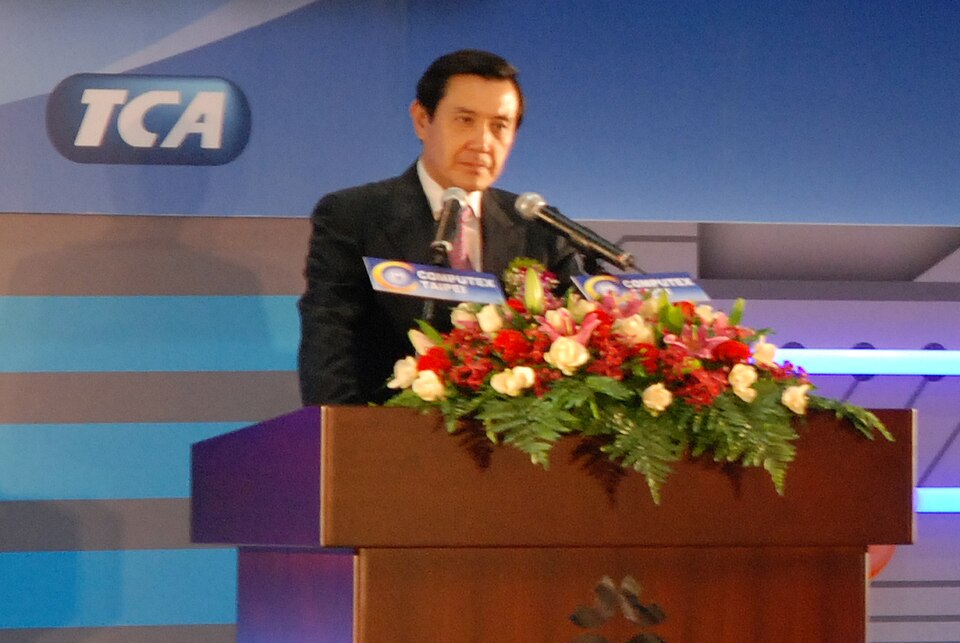
On May 20, Ma Ying-jeou of the Kuomintang (KMT) was sworn in as Taiwan's leader in Taipei, two months after winning the March election by a wide margin. He replaced Chen Shui-bian of the Democratic Progressive Party (DPP), whose eight years in office had been marked by tension with the mainland. Vincent Siew took office as Ma's deputy. Because of the Wenchuan earthquake, the ceremony was scaled down, and Ma expressed sympathy for the victims and their families.
In his inaugural speech, Ma said that improving relations across the Taiwan Strait was a priority. He repeated his policy of "no unification, no independence and no use of force", and said that talks between the two sides should resume as soon as possible on the basis of the "1992 Consensus". Under that understanding, both sides of the Strait had agreed that there is only one China. He said the two sides should "face reality, pioneer a new future, shelve disputes and pursue a win-win solution", a phrase similar to one used by Chinese leaders. His first goals were weekend charter flights across the Strait and allowing more tourists from the mainland to visit Taiwan. He also promised to revive the island's slowing economy.
The change brought a rapid thaw. On May 28, General Secretary Hu Jintao met KMT chairman Wu Poh-hsiung in Beijing, the highest-level meeting between the two parties in years. In June, the Association for Relations Across the Taiwan Straits (ARATS) and Taiwan's Straits Exchange Foundation (SEF) resumed formal talks in Beijing for the first time in almost a decade. ARATS president Chen Yunlin and SEF chairman Chiang Pin-kung signed agreements on weekend charter flights and on mainland tourists visiting Taiwan, and the first regular weekend flights took off on July 4. In December, direct shipping, flights and postal links began, achieving the long-sought "three links".
Manchester United won the UEFA Champions League on May 21, beating Chelsea 6–5 in a penalty shoot-out after a 1–1 draw in the final at the Luzhniki Stadium in Moscow. It was the first time two English clubs had met in the final of Europe's top club competition, and the first time the final had been held in Russia. Because of the time difference with Britain, the match kicked off at 10:45 pm local time and ended well after midnight, in heavy rain.
Cristiano Ronaldo, who had scored more than 40 goals that season, gave United the lead in the 26th minute with a header from a cross by Wes Brown. Just before half-time, Frank Lampard equalised for Chelsea after the ball deflected into his path. Chelsea were the stronger side in the second half and hit the post and the bar, but neither team could score again in normal time or in extra time. Near the end of extra time, Chelsea striker Didier Drogba was sent off for slapping United defender Nemanja Vidić.
The shoot-out was full of drama. Ronaldo's penalty was saved by Chelsea goalkeeper Petr Čech, which gave Chelsea the advantage. With the score at 4–4, Chelsea captain John Terry stepped up to take the kick that would have won the trophy. But as he struck the ball, he slipped on the wet grass, and his shot hit the outside of the post. In sudden death, Ryan Giggs scored for United. Giggs was playing his 759th game for the club, breaking Sir Bobby Charlton's record. Then United's goalkeeper Edwin van der Sar dived to his right to save Nicolas Anelka's penalty. It was United's third European Cup, after 1968 and 1999, and it came 50 years after the Munich air disaster of 1958, in which eight United players were killed. For manager Sir Alex Ferguson it was a second Champions League title, while Terry's tearful image became one of the defining pictures of the night.
Harrison Ford's famous adventurer returned to cinemas on May 22, when *Indiana Jones and the Kingdom of the Crystal Skull* opened in North America and in many countries around the world. It was the fourth film in the series and the first since *Indiana Jones and the Last Crusade* in 1989. It was again directed by Steven Spielberg and produced by George Lucas. The film had its world premiere a few days earlier at the Cannes Film Festival in France, where it drew huge crowds but a mixed reaction from critics.
Set in 1957, during the Cold War, the story follows an older Indiana Jones, played by the 65-year-old Ford, as he races against Soviet agents led by Irina Spalko, played by Cate Blanchett. They are searching for a mysterious crystal skull in the jungles of South America. Shia LaBeouf co-starred as a young motorcycle rider named Mutt Williams, and Karen Allen returned as Marion Ravenwood, Indy's love interest from the first film, *Raiders of the Lost Ark* (1981). The film mixed the series' trademark chases and stunts with 1950s science-fiction themes such as atomic bomb tests and aliens.
Audiences flocked to see it. Opening in more than 4,200 cinemas in the United States and Canada on the Thursday before the Memorial Day holiday, it took about $151 million in its first five days, one of the biggest holiday openings ever. It went on to earn about $790 million worldwide, the highest total in the series and one of the top films of 2008. Reviews were more divided, however. Many critics enjoyed seeing Ford back in the famous hat, but some fans disliked the alien storyline and certain scenes, including one in which Indy survives a nuclear explosion by hiding in a refrigerator.
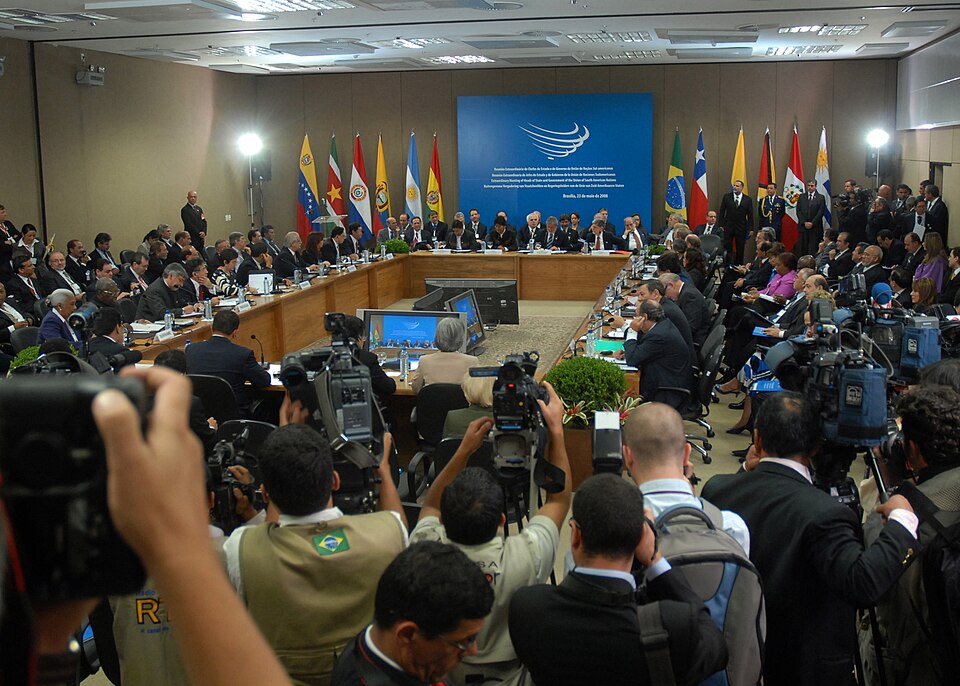
Leaders and representatives of all twelve independent countries of South America met in Brasília, the capital of Brazil, on May 23 and signed the Constitutive Treaty of the Union of South American Nations, known by its Spanish and Portuguese initials UNASUR (or UNASUL). The new organisation brought together the members of the two main regional trade blocs, Mercosur and the Andean Community, as well as Chile, Guyana and Suriname. Inspired partly by the European Union, it aimed to build closer political, economic, social and cultural ties across a continent of about 380 million people.
The idea had grown out of the 2004 Cusco Declaration, which set up the South American Community of Nations, renamed UNASUR in 2007. The treaty set up a council of heads of state and government, a council of foreign ministers and a permanent secretariat to be based in Quito, Ecuador, and it planned a South American parliament in Cochabamba, Bolivia. Its goals included cooperation on energy, infrastructure, finance, health and education, and eventually free movement of people and a common identity for South Americans. Chilean President Michelle Bachelet became the organisation's first temporary president, and the host, Brazilian President Luiz Inácio Lula da Silva, said the treaty showed that South America could take charge of its own future.
The summit took place soon after a serious crisis in March, when Colombian forces attacked a camp of the rebel group FARC inside Ecuador, leading Ecuador and Venezuela to break off or downgrade relations with Colombia. Brazil also proposed a South American Defence Council to build trust and coordinate on security among the region's armed forces. Colombia at first refused to join it, but it later agreed, and the council was created in December 2008. The treaty came into force in March 2011, after enough countries had ratified it. However, deep political divisions in the region later weakened the organisation, and in 2018–2019 several members suspended their participation or withdrew.
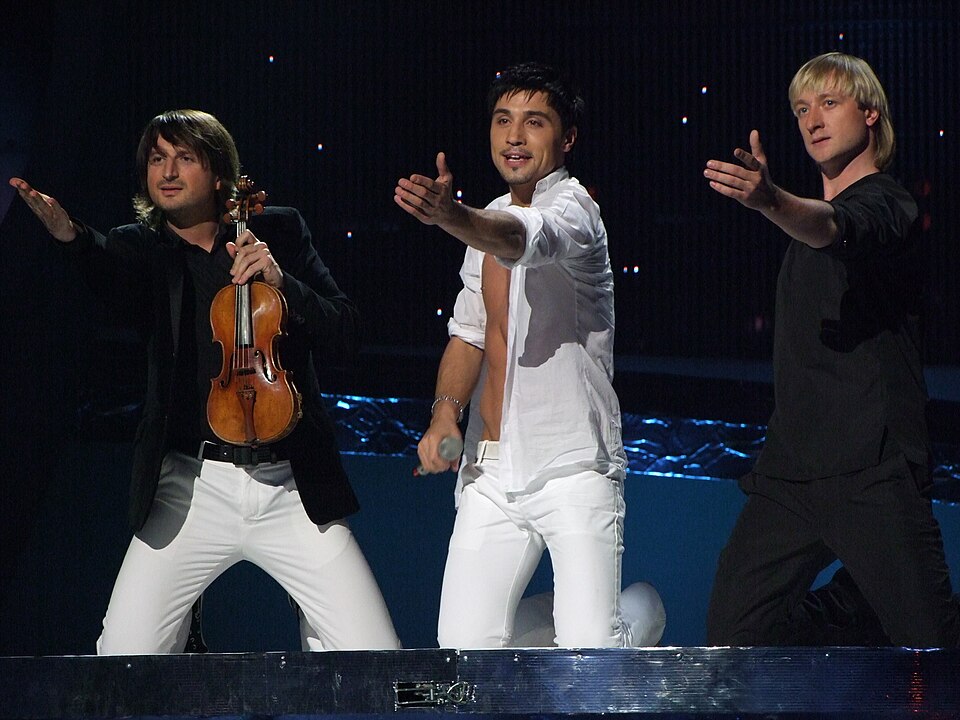
Russia won the Eurovision Song Contest for the first time on May 24, when singer Dima Bilan topped the final in Belgrade, the capital of Serbia, with the song "Believe". Bilan, who had finished second in 2006, received 272 points. Ukraine's Ani Lorak came second with "Shady Lady" on 230 points, and Greece's Kalomira was third with "Secret Combination". Serbia hosted the contest at the Belgrade Arena because its singer Marija Šerifović had won in 2007 with the ballad "Molitva" ("Prayer").
Bilan's performance was one of the most talked-about in the contest's history. As he sang barefoot, the Olympic figure-skating champion Evgeni Plushenko skated around him on a small circle of artificial ice, and the Hungarian violinist Edvin Marton played alongside on a Stradivarius violin. Russian media reported that the act had cost a great deal of money to stage. Russian President Dmitry Medvedev, who had taken office only weeks before, congratulated Bilan, and the win was celebrated as a boost for Russia's image abroad.
The 2008 contest had a record 43 participating countries, and for the first time it used two semi-finals to decide which countries would reach the final. Viewers across Europe voted by telephone and text message. The results again prompted complaints in Western Europe about "neighbourly" or bloc voting, as countries of the former Soviet Union and the Balkans tended to give each other high scores. Britain, Germany and Poland all finished at or near the bottom. As the winner, Russia hosted the next contest in Moscow in May 2009.
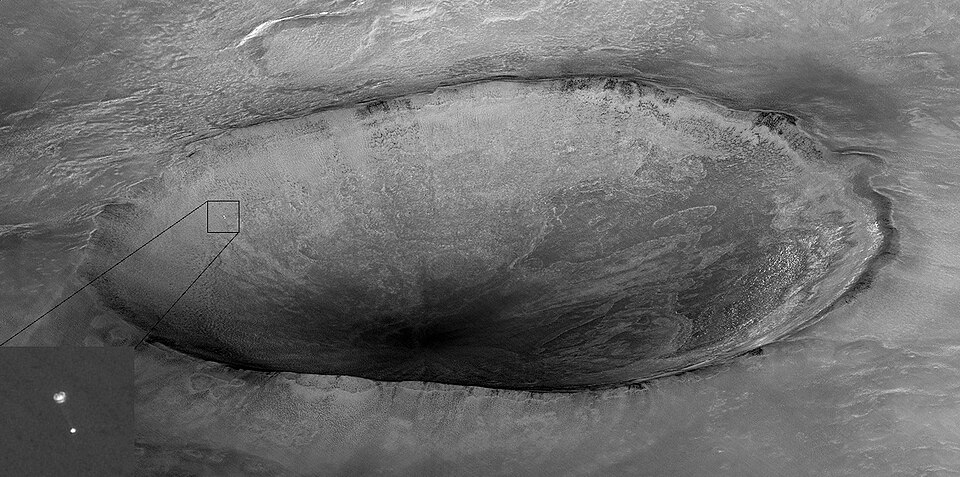
NASA's Phoenix spacecraft landed safely on the arctic plains of Mars on May 25, becoming the first spacecraft to land in the planet's northern polar region. Launched in August 2007, it had travelled about 680 million kilometres. In the final seven minutes, it slowed from about 20,000 km/h using a heat shield, a parachute and finally a set of rocket thrusters, touching down gently on three legs at about 7:38 pm US Eastern time. Because radio signals take about 15 minutes to travel from Mars to Earth, engineers at NASA's Jet Propulsion Laboratory in California had to wait before they could cheer the signal confirming that the lander had survived. It was the first successful landing on Mars using rocket thrusters, rather than airbags, since the Viking 2 lander in 1976. A camera on NASA's Mars Reconnaissance Orbiter even photographed Phoenix as it descended under its parachute.
Phoenix was led by the University of Arizona, with principal investigator Peter Smith, and it also carried a weather station built by Canada. Its main task was to dig into the frozen ground and find out whether the area could ever have supported microscopic life. The landing site was a flat valley floor where orbiting spacecraft had detected signs of ice just below the surface. Within hours, Phoenix sent back the first pictures of the landscape: a flat plain broken into polygon shapes, caused by ice in the soil expanding and contracting over the seasons.
In the following months, Phoenix's robotic arm dug trenches and found bright white material just below the surface. When small pieces of it vanished into the thin air after a few days, scientists concluded it was water ice. In July, the lander heated a soil sample and confirmed that it contained water, the first time a spacecraft had directly "tasted" water on Mars. Phoenix also found a chemical called perchlorate in the soil, and its weather station saw snow falling from Martian clouds. The mission was planned to last three months, but Phoenix worked for more than five, until the arrival of the Martian winter cut off its solar power in November 2008.
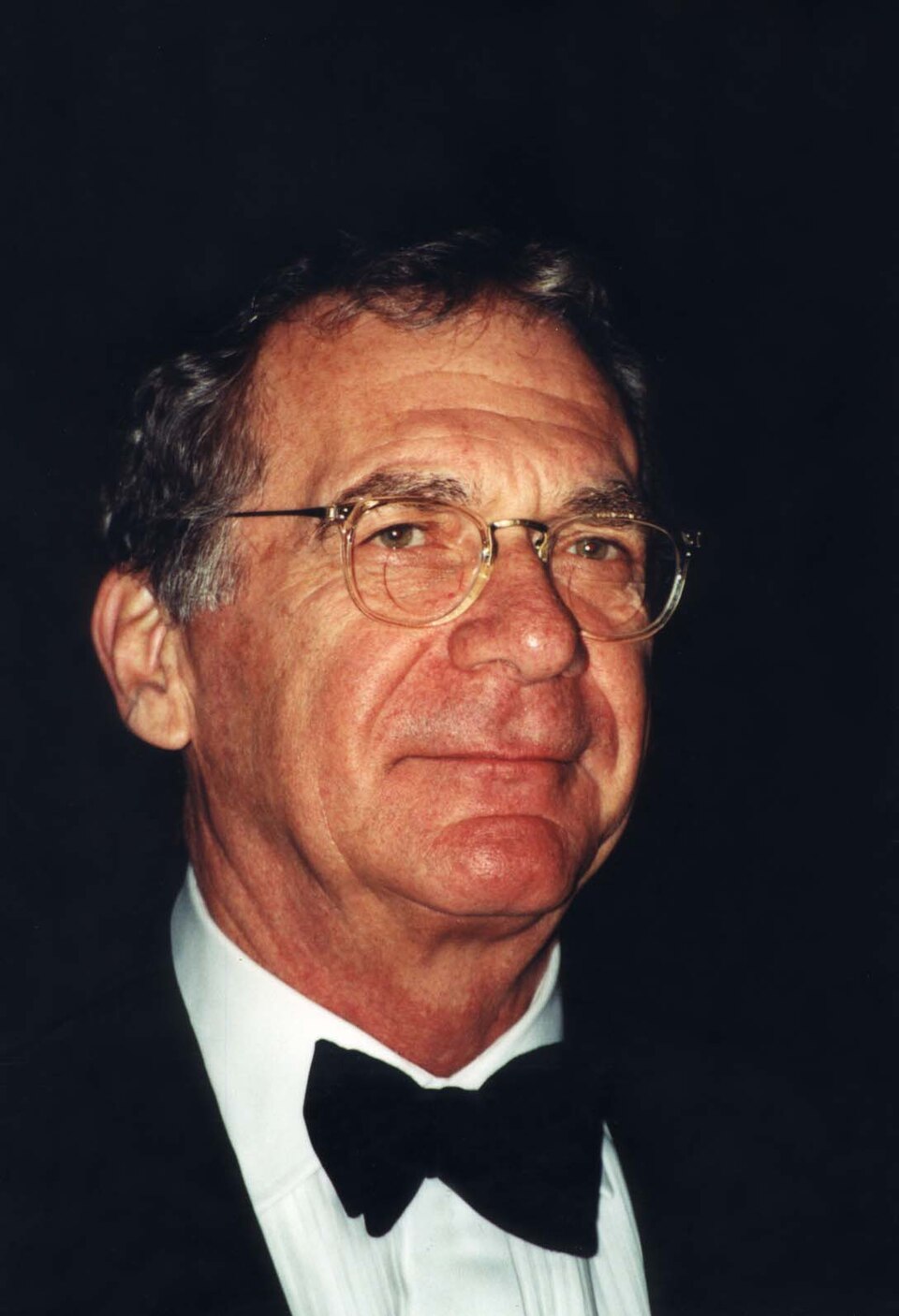
Sydney Pollack, the Oscar-winning director of *Out of Africa* and *Tootsie*, died of cancer on May 26 at his home in Pacific Palisades, Los Angeles. He was 73. His spokeswoman said he had been diagnosed with cancer about ten months earlier, and the illness had forced him to withdraw as director of an HBO television film in 2007. Tributes came from across the film industry, with many actors praising him as a director who understood and respected performers.
Born in Lafayette, Indiana, in 1934, Pollack began as an actor and acting teacher in New York before moving into directing for television and then film. Over four decades, he made a series of polished, popular films for adult audiences that combined big stars with serious themes. Among them were the Depression-era drama *They Shoot Horses, Don't They?* (1969), the romance *The Way We Were* (1973) with Barbra Streisand and Robert Redford, and the spy thriller *Three Days of the Condor* (1975). He worked with Redford on seven films. *Tootsie* (1982), a comedy starring Dustin Hoffman as an out-of-work actor who disguises himself as a woman to get a part in a soap opera, became one of the most successful comedies of its time. Pollack also played Hoffman's frustrated agent in the film.
His greatest success came with *Out of Africa* (1985), starring Meryl Streep and Robert Redford and based on the memoir of the Danish writer Karen Blixen about her life in Kenya. It won seven Academy Awards, including best picture and best director for Pollack. He later directed *The Firm* (1993) with Tom Cruise, and he continued acting in films such as *Eyes Wide Shut* and *Michael Clayton*. Through his production company, Mirage, he also produced or helped produce many other films, including *The Talented Mr Ripley* and *Michael Clayton*.
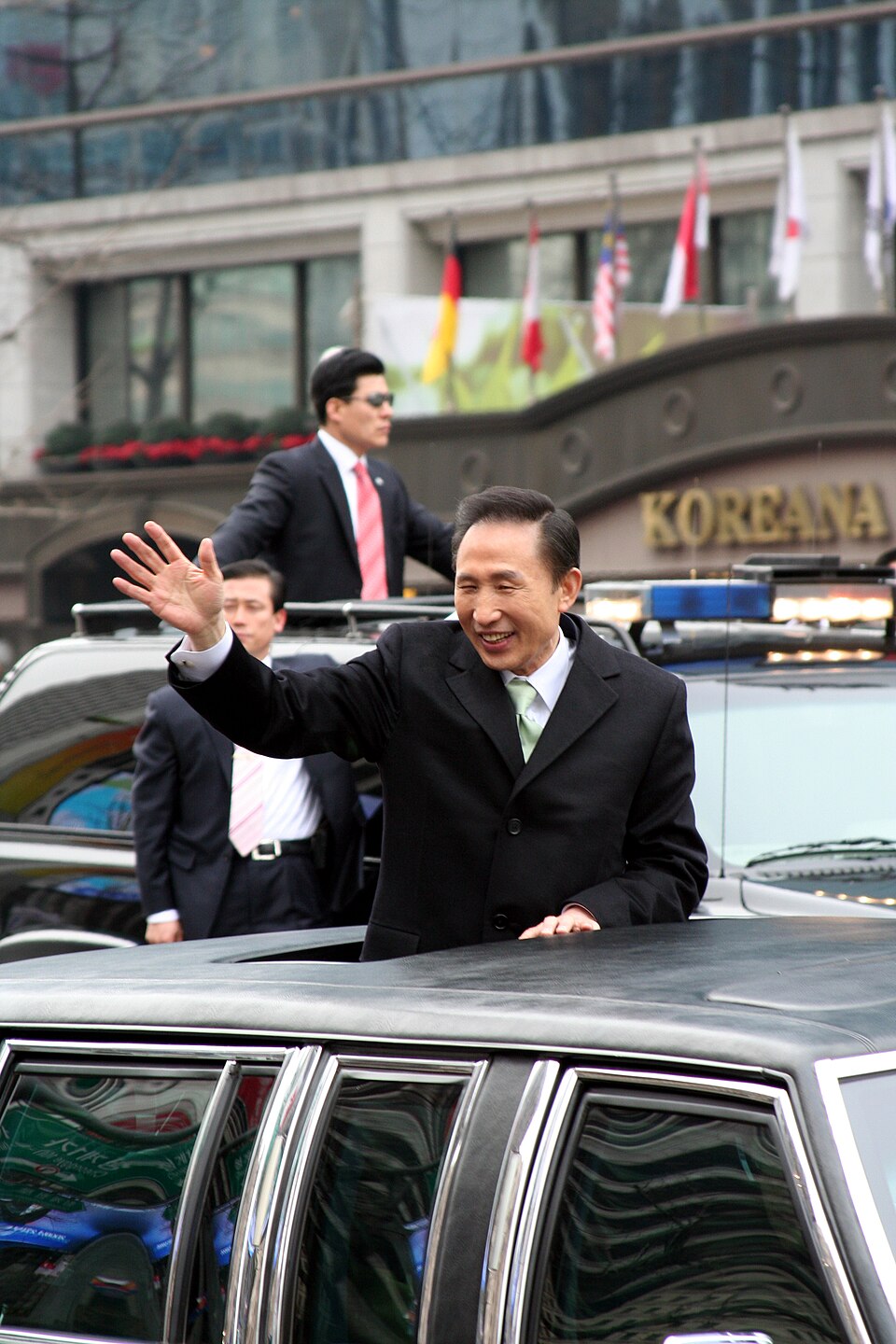
South Korean President Lee Myung-bak began a four-day state visit to China on May 27, his first since taking office in February. In Beijing that day, he held about 80 minutes of talks with President Hu Jintao, and the two leaders agreed to raise relations between their countries from a "comprehensive cooperative partnership" to a "strategic cooperative partnership". Lee called the upgrade "extraordinary". Hu said the two neighbours shared broad common interests and should deepen political trust and practical cooperation.
China and South Korea had established diplomatic relations only in 1992, but their ties had grown very quickly. By 2008 China was South Korea's largest trading partner and the top destination for its investment, and millions of trips were made between the two countries each year. Under the new partnership, the two sides agreed to set up a regular strategic dialogue between their foreign ministries and to expand cooperation in trade, investment, finance, energy, the environment, science and technology. They also agreed to work together to resolve the North Korean nuclear issue through the Six-Party Talks, which China hosted.
The visit came only two weeks after the Wenchuan earthquake. In their joint statement, Lee expressed deep condolences and offered further help, and Hu thanked South Korea for sending a rescue team to Sichuan. Later in the trip, Lee travelled to the coastal city of Qingdao in Shandong province, where many South Korean companies had factories. Hu returned the visit in Seoul in August 2008, just after the Beijing Olympics, and the two leaders pledged to develop the new partnership "in an all-round way".
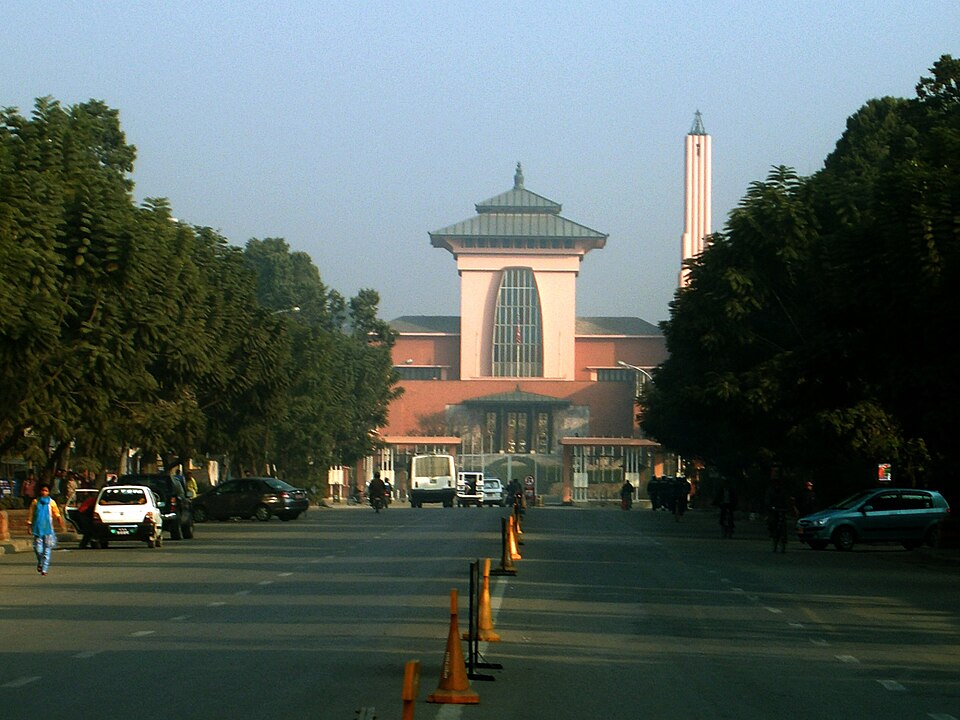
Late on the night of May 28, Nepal's newly elected Constituent Assembly voted to abolish the monarchy and declare the country a republic, ending 239 years of rule by the Shah dynasty. At its first meeting in Kathmandu, the 601-member assembly passed the resolution by 560 votes to 4. It described Nepal as an "independent, indivisible, sovereign, secular and inclusive democratic republic". All royal privileges ended at once, and King Gyanendra was given 15 days to leave the Narayanhiti Royal Palace in central Kathmandu, which was to become a museum.
The vote followed a dramatic decade. In 2001, King Birendra and much of the royal family were shot dead inside the palace by the crown prince, and Birendra's brother Gyanendra took the throne. In 2005, he dismissed the government and seized full power, saying he needed to defeat the Maoist rebels, but the move was deeply unpopular. In April 2006, weeks of mass street protests forced him to restore parliament. Soon afterwards, the political parties made peace with the Maoists, ending a ten-year civil war in which about 13,000 people had died. The parties agreed that an elected assembly would decide the monarchy's future, and the Maoists won the most seats in the election in April 2008.
Tens of thousands of people celebrated in the streets of Kathmandu, dancing, singing and waving flags, while others gathered outside the palace. The government lowered the royal flag over the palace and later replaced it with the national flag. On June 11, Gyanendra held a press conference, said he accepted the decision and would stay in Nepal, and left the palace to live as an ordinary citizen. In July, the assembly elected Ram Baran Yadav as Nepal's first president, and in August Maoist leader Prachanda became prime minister.
A magnitude 6.3 earthquake struck southern Iceland at about 3:46 pm on May 29. Its centre was in the Ölfus district, between the towns of Selfoss and Hveragerði, about 40–50 kilometres south-east of the capital, Reykjavík. The quake was shallow, and the shaking was violent: instruments in Hveragerði recorded ground acceleration of up to 0.88g, among the strongest ever measured in Iceland. Buildings swayed in Reykjavík, where many people ran out into the streets. Scientists later found that it was actually a "doublet" of two quakes on neighbouring faults, which struck within seconds of each other.
About 30 people were injured, most of them lightly, and no one was killed. In Selfoss, Hveragerði and nearby villages such as Eyrarbakki, Stokkseyri and Þorlákshöfn, walls cracked, windows shattered and shelves, televisions and furniture crashed to the floor. Supermarkets were left with aisles full of broken bottles and jars. Some homes were declared unsafe, and several hundred people spent the night in emergency shelters or tents. Rockfalls blocked roads in the hills, and some water and power supplies were cut. Engineers later found that most of the damage was to finishes and contents, such as flooring, paint and household goods, rather than to the main structures of buildings, which had been built to strict earthquake standards.
Iceland lies on the Mid-Atlantic Ridge, where the North American and Eurasian plates are slowly pulling apart, and the area hit on May 29 is part of the South Iceland Seismic Zone. The same region had been struck by two magnitude 6.5 earthquakes in June 2000. In Hveragerði, a crack that opened in the floor of a shopping centre was later preserved as part of a small earthquake exhibition. A few months later, Iceland faced a very different kind of shock, when its three largest banks collapsed during the global financial crisis in October 2008.
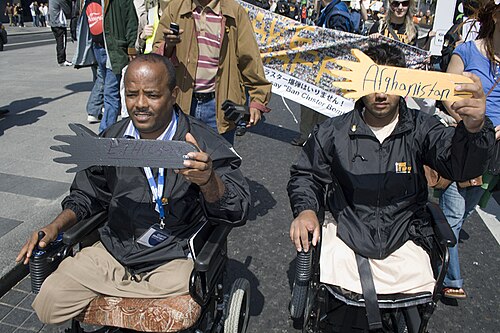
At the end of a two-week diplomatic conference in Dublin, Ireland, 107 countries formally adopted the text of a new treaty, the Convention on Cluster Munitions, on May 30. The treaty bans the use, production, stockpiling and transfer of cluster munitions. These weapons are bombs, rockets or shells that open in the air and scatter dozens or hundreds of smaller "bomblets" over a wide area. Many of the bomblets fail to explode on impact and can lie on the ground for years, killing and maiming civilians, often children who pick them up long after a war has ended.
Under the treaty, countries that join must destroy their stockpiles within eight years and clear contaminated land. They also have to provide help to victims and their communities. The agreement came out of the "Oslo Process", launched by Norway in February 2007 after earlier talks within the UN had made little progress. Pressure had grown after the 2006 war in Lebanon, where Israel dropped large numbers of cluster munitions in the final days of the conflict, leaving hundreds of thousands of unexploded bomblets in southern Lebanon. Campaign groups and survivors of cluster bomb accidents played an important role in the negotiations. Shortly before the conference ended, the United Kingdom announced it would give up all its cluster munitions, which helped persuade other countries to agree.
Supporters called the treaty the most important disarmament agreement since the 1997 ban on anti-personnel landmines. However, several of the largest producers and holders of cluster munitions, including the United States, Russia, China, India, Pakistan and Israel, did not take part in the talks. Some argued that the weapons still had legitimate military uses or preferred to deal with the issue in other forums. The convention was opened for signature in Oslo on December 3, 2008, and it came into force on August 1, 2010, after 30 countries had ratified it.
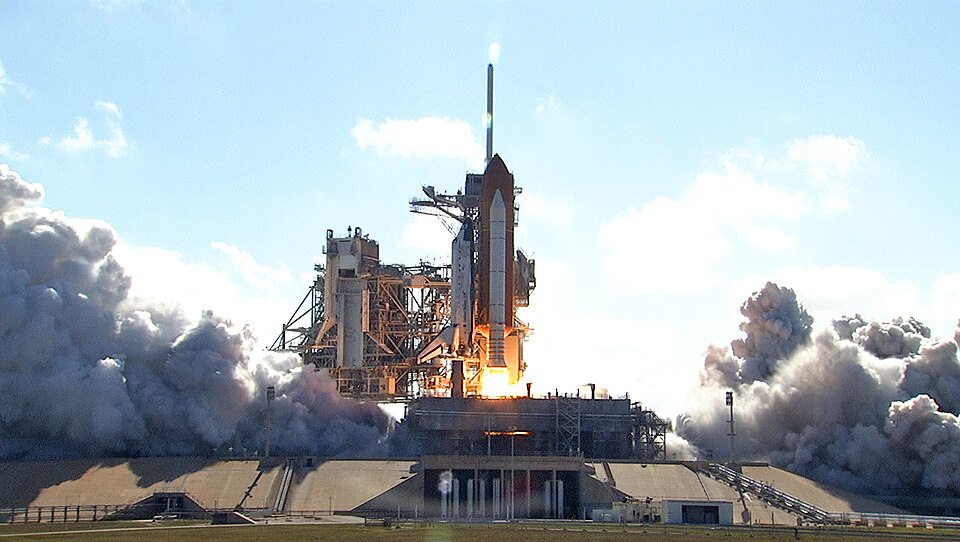
The US space shuttle Discovery lifted off from the Kennedy Space Center in Florida at 5:02 pm local time on May 31, carrying the main part of Japan's Kibo laboratory to the International Space Station (ISS). Kibo, which means "hope" in Japanese, is the Japanese Experiment Module, Japan's first crewed space laboratory. The pressurised module carried on this flight was about 11 metres long and 4.4 metres wide, and weighed about 15 tonnes. It was the largest single module added to the station, and it was so big that it filled almost the whole of the shuttle's cargo bay. The flight, known as STS-124, also brought Kibo's robotic arm.
Discovery's seven-member crew was commanded by Mark Kelly and included Akihiko Hoshide of the Japan Aerospace Exploration Agency (JAXA). After the shuttle docked with the station on June 2, the astronauts carried out three spacewalks to attach and connect the lab, and on June 3 Hoshide and his crewmates used the station's robotic arm to fix Kibo to the Harmony module. Hoshide was one of the first people to enter the new lab, along with crewmates who switched on its lights and systems. The shuttle also delivered a replacement pump for the station's only toilet, on the Russian side, which had broken down and was causing problems for the crew. In addition, one member of the station's long-term crew was replaced.
Kibo was built in three parts. A small storage section had been delivered in March 2008 by the shuttle Endeavour, and the final part, an external platform for experiments exposed to open space, followed in July 2009. Once complete, Kibo became the largest laboratory on the ISS, and it gave Japan a major role in the station alongside the United States, Russia, Europe and Canada. Discovery returned safely to Florida on June 14 after a mission of almost two weeks.
From June 1, shoppers across China had to pay for plastic bags. Under a notice issued by the General Office of the State Council at the end of 2007, often called the "plastic restriction order", supermarkets, shopping malls, markets and other retailers were no longer allowed to give out plastic shopping bags for free. They had to charge for each bag and show its price separately on receipts. At the same time, the production, sale and use of ultra-thin plastic bags less than 0.025 millimetres thick were banned completely. These thin bags were cheap and easily torn, so they were rarely reused and were often thrown away after a single use.
The aim was to reduce "white pollution", the plastic waste that littered streets, fields, rivers and railway lines across the country, and to save the oil used to make plastic. China was estimated to use billions of plastic bags every day. Many people had become used to receiving several free bags with even the smallest purchase. In the weeks before the rules came into force, supermarkets prepared by selling cloth and reusable shopping bags. On the first day, many customers brought their own bags or baskets, as shoppers had commonly done before plastic bags became widespread.
The results were significant but uneven. Government officials later said that plastic bag use in supermarkets and shopping malls fell by more than two-thirds, saving hundreds of thousands of tonnes of plastic over the first few years. A study of shoppers in Beijing and Guiyang found that bag use fell by about half. However, enforcement was weaker in traditional markets, small shops and street stalls, where many vendors continued to hand out free thin bags. In later years China introduced further rules on plastics, including bans on some single-use plastic items in major cities from 2020.
Around midday on June 2, a suicide bomber drove a car packed with explosives to the gates of the Danish embassy in Islamabad, the capital of Pakistan, and set it off. The blast tore a large crater in the road and badly damaged the front of the embassy building. It also destroyed nearby houses and cars and shattered windows across the leafy diplomatic district. At least six people were killed, and some reports put the toll at eight. Those killed included Pakistani police officers, embassy staff and a security guard at a nearby United Nations Development Programme building. More than 20 people were injured. The embassy's Danish staff survived.
Denmark had been seen as a target since 2005, when the Danish newspaper *Jyllands-Posten* published cartoons depicting the Prophet Muhammad. They caused angry protests across the Muslim world in 2006, and several Danish newspapers had reprinted one of the drawings in February 2008. Militant leaders, including al-Qaeda's deputy leader Ayman al-Zawahiri, had called for attacks on Danish targets. Denmark also had troops serving with NATO forces in Afghanistan. On June 5, a statement attributed to al-Qaeda claimed responsibility for the bombing, and Danish intelligence later concluded that the group was behind it.
Danish Prime Minister Anders Fogh Rasmussen condemned the attack and said Denmark would not give in to terrorism or change its foreign policy. Pakistan's government and UN Secretary-General Ban Ki-moon also condemned it. Denmark temporarily moved its diplomats out of the embassy to a safer location. The bombing came at a time of rising militant violence in Pakistan, where a new civilian government had taken office in March and was trying to negotiate with Taliban groups in the tribal areas near the Afghan border. In September, a much larger truck bomb destroyed the Marriott Hotel in Islamabad.
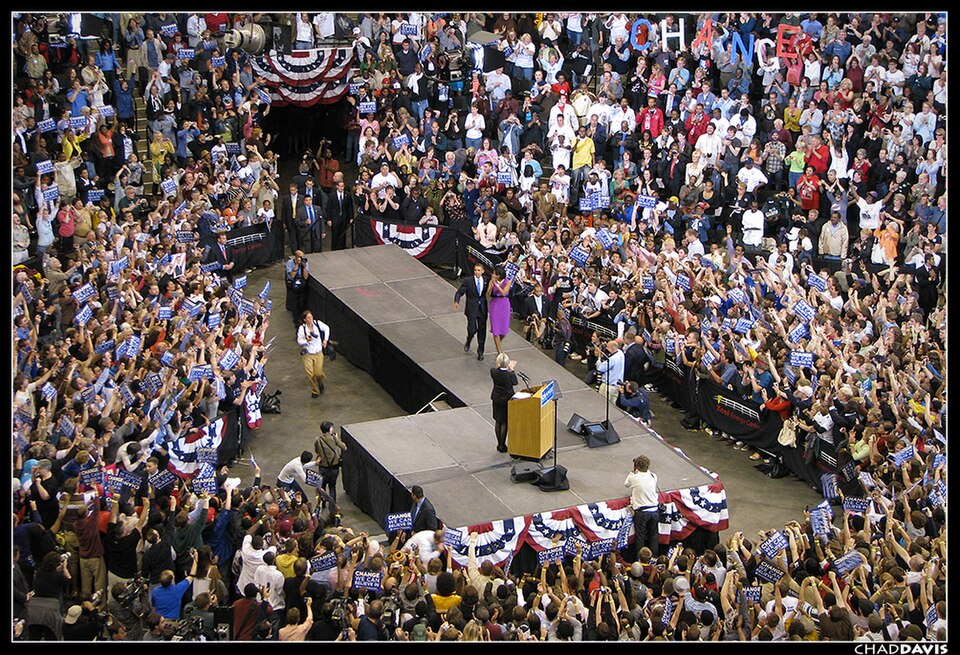
On the evening of June 3, Illinois Senator Barack Obama won enough delegates to become the Democratic Party's presumptive nominee for president of the United States. He was the first African American to lead the ticket of a major American party. The last two primaries of the long nomination contest were held that day in Montana and South Dakota. Obama won Montana, while his rival, New York Senator Hillary Clinton, won South Dakota. However, a wave of endorsements from "superdelegates", party officials and elected leaders who could vote as they chose at the convention, pushed him past the 2,118 delegates needed to win.
That night, Obama addressed about 17,000 cheering supporters at the Xcel Energy Center in St Paul, Minnesota, the same arena where the Republican Party would hold its convention in September; thousands more stood outside. "Tonight, I can stand before you and say that I will be the Democratic nominee for president of the United States," he said. He praised Clinton's campaign and said she had made history. He then turned his attention to the Republican candidate, Arizona Senator John McCain, accusing him of offering a continuation of President George W. Bush's policies, especially on the Iraq war and the economy.
The race between Obama and Clinton had been one of the closest and longest in modern US history, beginning with the Iowa caucuses in January. It had attracted record turnout and huge amounts of money and drawn millions of new voters into politics. Clinton did not concede that night, but on June 7 she ended her campaign and endorsed Obama, telling supporters that although they had not broken "that highest, hardest glass ceiling", it now had "about 18 million cracks in it", a reference to the votes she had won. Obama was formally nominated at the party convention in Denver in August.
Leaders and ministers from around the world were meeting in Rome in early June to discuss a global food crisis. The High-Level Conference on World Food Security, organised by the UN Food and Agriculture Organization (FAO), ran from June 3 to 5 at the FAO's headquarters. It brought together more than 4,700 delegates from 183 countries, including dozens of heads of state and government. The meeting came after a dramatic rise in the prices of basic foods. Over the previous year, the world prices of wheat, maize and soybeans had risen sharply, and the price of rice, the staple food of billions of people in Asia, had more than doubled in a few months.
The price rises had serious consequences for the world's poor, who spend much of their income on food. Protests and riots over food prices had broken out in more than 30 countries, from Haiti, where the prime minister was forced out in April, to Egypt, Cameroon and Bangladesh. Several rice-exporting countries had restricted exports to protect their own consumers, which pushed world prices even higher. Experts blamed a combination of causes: high oil and fertiliser prices, poor harvests in some countries, rising demand from growing economies, low global stocks, speculation on commodity markets, and the growing use of maize and vegetable oils to make biofuels.
UN Secretary-General Ban Ki-moon told the conference that the crisis was also an opportunity to revive agriculture, which had been neglected for decades, and said world food production would need to rise by about 50% by 2030 to meet demand. Biofuels were the most divisive issue. The United States and Brazil defended them, while some other countries and aid groups said they were taking food out of people's mouths. In the final declaration on June 5, countries pledged to increase aid and investment in farming in poor countries, but on biofuels they agreed only to further study. Critics said the declaration was weak, although donors announced billions of dollars in new funding.
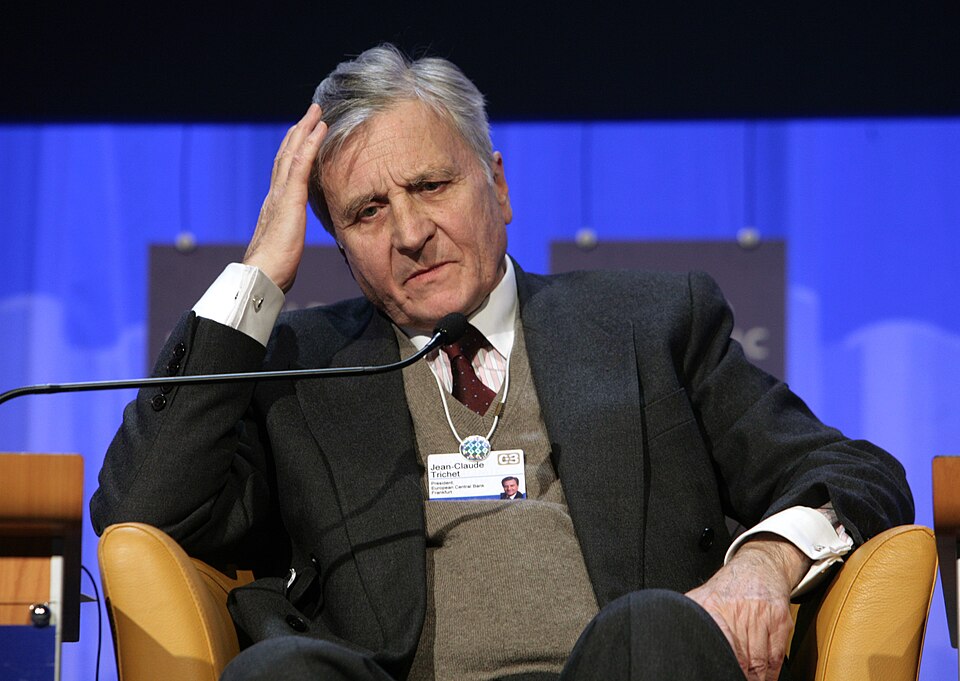
The European Central Bank (ECB) kept its main interest rate unchanged at 4% on June 5. However, its president, Jean-Claude Trichet, surprised financial markets by hinting that the bank could raise rates as soon as its next meeting in July. In its statement, the ECB's Governing Council said it was in a "state of heightened alertness" about the risk of rising inflation. At his press conference in Frankfurt, Trichet said a small increase at the next meeting was possible, although it was not certain. The euro rose sharply against the US dollar after his comments.
The ECB's main task is to keep inflation in the euro zone, then made up of 15 countries, close to but below 2%. But inflation had climbed far above that level, reaching about 3.6% in May, the highest since the euro was introduced. This was driven mainly by the soaring prices of oil and food. The bank's own economists raised their forecast for inflation in 2008 to between 3.2% and 3.6%. Trichet warned that the greatest danger was that high inflation would become built into wage demands and price-setting, causing a "second-round" effect that would be hard to reverse.
The ECB's approach contrasted with that of the US Federal Reserve, which had cut its rates sharply to 2% to fight the credit crisis and the slowing US economy. Many economists and some European politicians worried that raising rates would further hurt Europe's already slowing economy, but the ECB went ahead. On July 3, it raised its main rate by a quarter of a percentage point to 4.25%. Within a few months, however, the situation changed completely. After the collapse of Lehman Brothers in September, inflation fears gave way to fears of a deep recession, and in October the ECB began cutting rates rapidly.
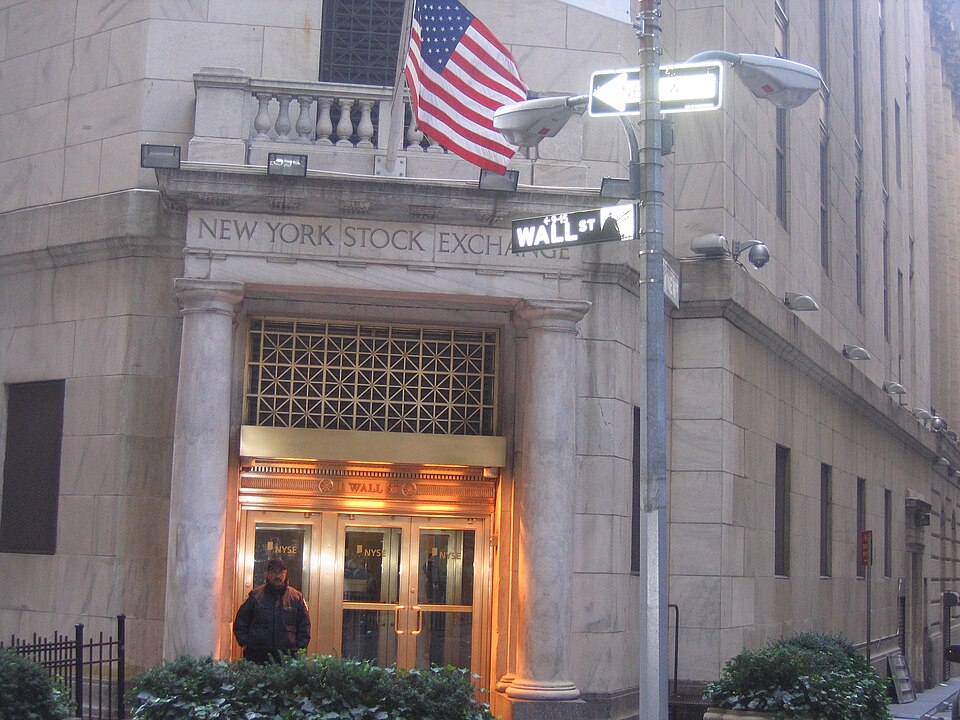
On June 6, the price of oil jumped by $10.75 a barrel in a single day, the largest one-day dollar rise ever recorded on the New York Mercantile Exchange, closing at a record $138.54. Over just two days, oil had climbed more than 13%. Several factors drove the surge. The US dollar fell after the European Central Bank hinted the day before that it might raise interest rates, making oil cheaper for buyers using other currencies. Israeli Deputy Prime Minister Shaul Mofaz was quoted as saying that an attack on Iran's nuclear sites might be unavoidable, raising fears of conflict in the oil-rich Gulf. An analyst at the investment bank Morgan Stanley also predicted that oil could reach $150 by early July.
On the same morning, the US Labor Department reported that the unemployment rate had jumped from 5.0% to 5.5% in May. This was the biggest monthly increase since 1986, and it was partly caused by a large number of young people entering the job market at the start of summer. Employers had cut 49,000 jobs, the fifth month in a row of job losses. The two pieces of news together deepened fears that the US economy was sliding into recession, squeezed between falling house prices, the credit crisis and soaring fuel and food prices.
Stock markets fell sharply. The Dow Jones Industrial Average dropped 394.64 points, or 3.1%, to 12,209.81, one of its worst days of the year, and other indices also fell more than 2%. Petrol prices in the United States were already near $4 a gallon, a record, and airlines, truck drivers and car makers were struggling with the costs. Oil continued to climb for another month, reaching a peak of more than $147 a barrel on July 11, before falling sharply in the second half of the year as the global economy weakened.
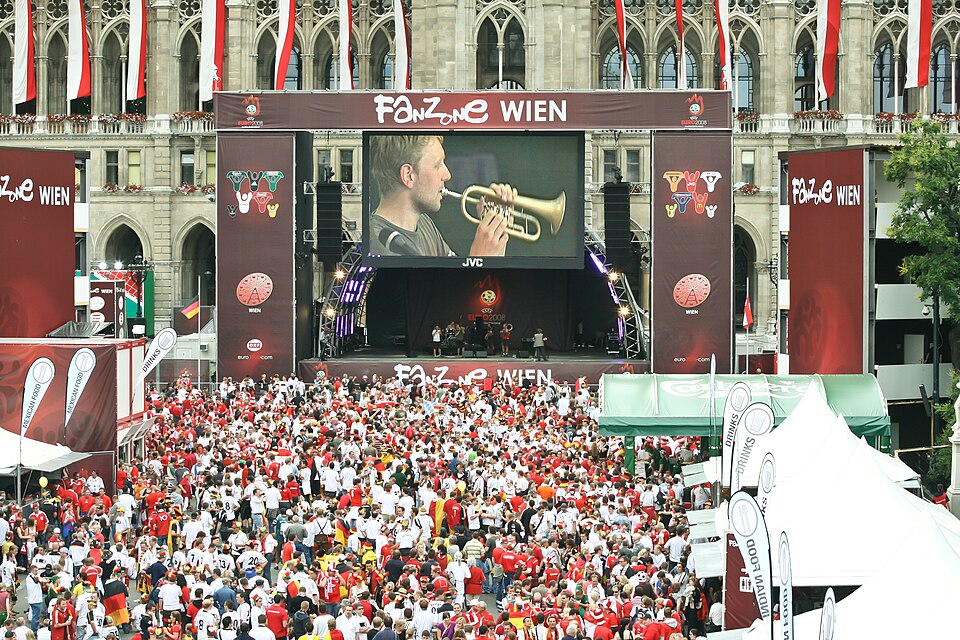
The 13th UEFA European Championship, Euro 2008, began on June 7 with an opening ceremony and match at St Jakob-Park in Basel, Switzerland. It was only the second time the tournament had been jointly hosted by two countries, after Belgium and the Netherlands in 2000. Switzerland and Austria shared the 31 matches among eight stadiums, including Basel, Bern, Geneva and Zürich in Switzerland and Vienna, Salzburg, Innsbruck and Klagenfurt in Austria. Sixteen national teams took part, and the tournament ran until June 29.
The opening match was a disappointment for the hosts. Switzerland played well and created several chances in front of a crowd of about 40,000, but Czech goalkeeper Petr Čech made a series of saves. Just before half-time, Switzerland's captain and top scorer, Alexander Frei, was badly injured in his knee in a tackle and left the pitch in tears; his tournament was over. In the 70th minute, substitute Václav Svěrkoš, who had come on only shortly before, scored with the outside of his right foot to give the Czech Republic a 1–0 win. Later that evening, Portugal beat Turkey 2–0 in Geneva.
The tournament went on to be remembered for exciting attacking football and dramatic late goals, especially from Turkey, who came from behind in several matches to reach the semi-finals. Co-hosts Switzerland and Austria were both knocked out in the group stage. In the final in Vienna on June 29, Spain beat Germany 1–0 with a goal from Fernando Torres, winning their first major international trophy since 1964. The victory began a golden era for Spanish football, which went on to win the 2010 World Cup and Euro 2012.
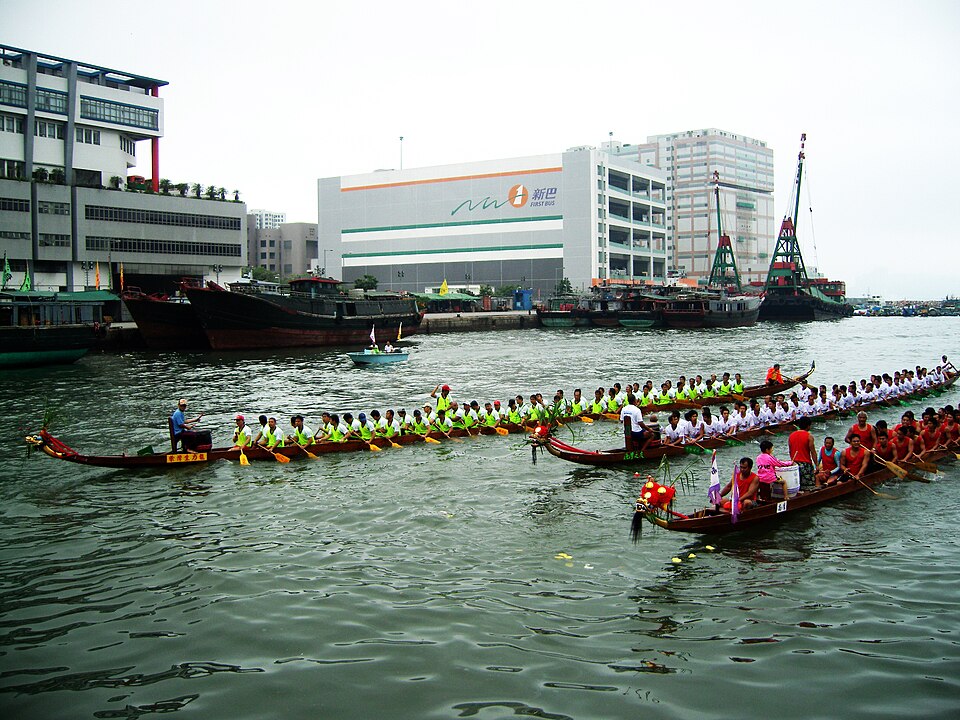
On June 8, the fifth day of the fifth month of the Chinese lunar calendar, people across China celebrated the Dragon Boat Festival (Duanwu Festival) with a public holiday. Under a new national holiday system that took effect on January 1, 2008, the State Council had made three traditional festivals into official days off: Qingming (Tomb-Sweeping Day) in April, the Dragon Boat Festival, and the Mid-Autumn Festival in September. Because the festival fell on a Sunday, the holiday was moved to Monday, June 9, giving most workers a three-day weekend. To make room for the new holidays, the week-long May Day "golden week" was shortened to a single day, while the total number of public holidays rose to 11 days a year.
The government said the change was meant to help preserve and promote traditional Chinese culture, which some scholars and members of the public felt had been overshadowed by Western festivals such as Christmas and Valentine's Day. The Dragon Boat Festival has a history of more than 2,000 years. It is most often linked to the memory of Qu Yuan, a patriotic poet and official of the ancient state of Chu, who is said to have drowned himself in the Miluo River. According to legend, local people raced out in boats to search for him and threw rice into the water to keep fish away from his body. Today families eat zongzi, sticky rice wrapped in bamboo or reed leaves, hang mugwort and calamus on their doors to ward off illness, and watch dragon boat races on rivers and lakes.
In 2008, the first holiday saw large crowds at dragon boat races in cities such as Guangzhou, Hong Kong, Hangzhou and Yueyang in Hunan, where the Miluo River flows. Many people used the long weekend to travel or visit relatives, although the mood was more subdued than usual because of the recent Wenchuan earthquake. The festival's cultural importance was later recognised internationally: in 2009, UNESCO added China's Dragon Boat Festival to its list of the Intangible Cultural Heritage of Humanity, the first Chinese festival to be included.
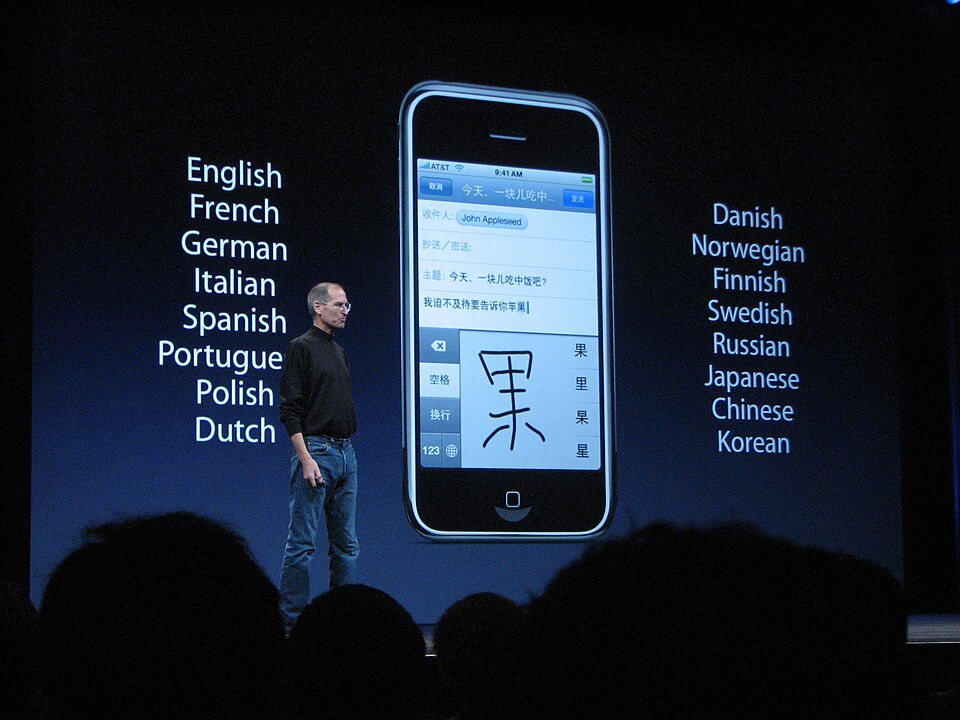
At Apple's Worldwide Developers Conference in San Francisco on June 9, chief executive Steve Jobs unveiled the iPhone 3G, the second generation of the smartphone that had gone on sale a year earlier. The new model could connect to faster third-generation (3G) mobile networks, making web browsing and downloads much quicker, and it had built-in GPS for maps and location services. Most strikingly, it was much cheaper: in the United States, with a two-year contract, the 8-gigabyte model would cost $199 and the 16-gigabyte model $299, about half the price of the original. Jobs announced that the phone would go on sale on July 11 in 22 countries and would reach more than 70 countries later in the year, a big expansion from the handful of markets where the first iPhone had been sold.
The new phone would run a new version of Apple's iPhone software, which for the first time supported programs written by outside developers using the iPhone software development kit (SDK) released a few months earlier. Several developers showed games and other applications on stage. These were to be sold through a new online shop, the App Store, which opened on July 10, a day before the phone went on sale, with around 500 applications. Jobs also introduced MobileMe, an internet service to keep email, contacts and calendars in sync across devices.
When the iPhone 3G went on sale on July 11, long queues formed outside shops around the world, and Apple said it sold one million phones in the first three days. The App Store proved even more important. It created a huge new industry of mobile apps and changed how people used their phones. Rival companies soon launched their own app stores, and smartphones quickly began to replace ordinary mobile phones worldwide. In China, the iPhone officially went on sale through China Unicom in October 2009.
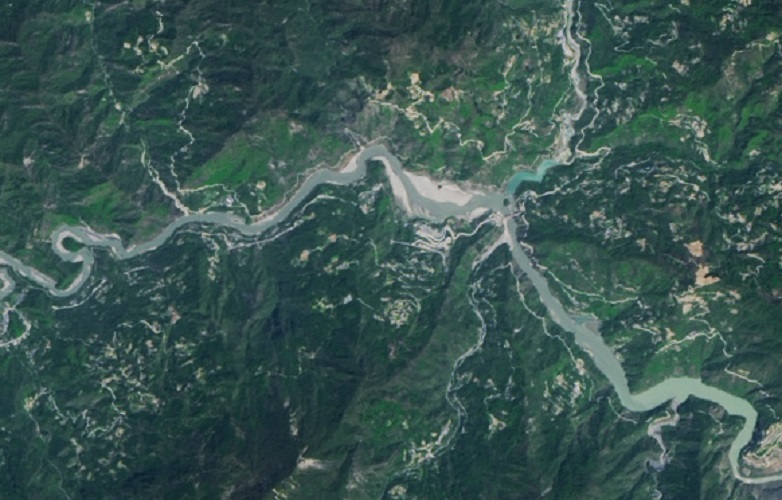
On June 10, four weeks after the Wenchuan earthquake, engineers and soldiers in Sichuan finally brought the most dangerous threat left by the disaster under control. The earthquake had caused a huge landslide that blocked the Jianjiang River at Tangjiashan, a few kilometres upstream from the devastated county town of Beichuan. Behind this natural dam of rock and earth, water rose day after day, forming the largest of the more than 30 "quake lakes" created by the earthquake. By early June it held more than 220 million cubic metres of water. If the dam had burst, a flood wave could have swept down the valley through Beichuan and into Mianyang, Sichuan's second-largest city, home to more than a million people.
Because roads to the site had been destroyed, heavy Mi-26 helicopters carried bulldozers and excavators to the dam, and soldiers and armed police worked day and night to dig a spillway channel across the top of it. Downstream, more than 250,000 people in low-lying parts of Mianyang were evacuated to higher ground, under a plan that assumed one-third of the lake might break through. Water began flowing through the channel on June 7. On the morning of June 10 the flow increased dramatically as the water widened and deepened the channel, reaching more than 6,400 cubic metres per second around midday. A powerful flood rushed down the valley through the ruins of Beichuan, but it stayed within the river channel and the evacuated areas.
By that evening, the lake's water level had fallen sharply, and officials said the number of people at risk had dropped from about 1.3 million to around 50,000. The government announced a "decisive victory" in removing the danger. Scientists later concluded that the spillway had played a crucial role in preventing a much worse flood. The successful operation allowed evacuated residents to begin returning home and let relief and reconstruction work in the area continue.
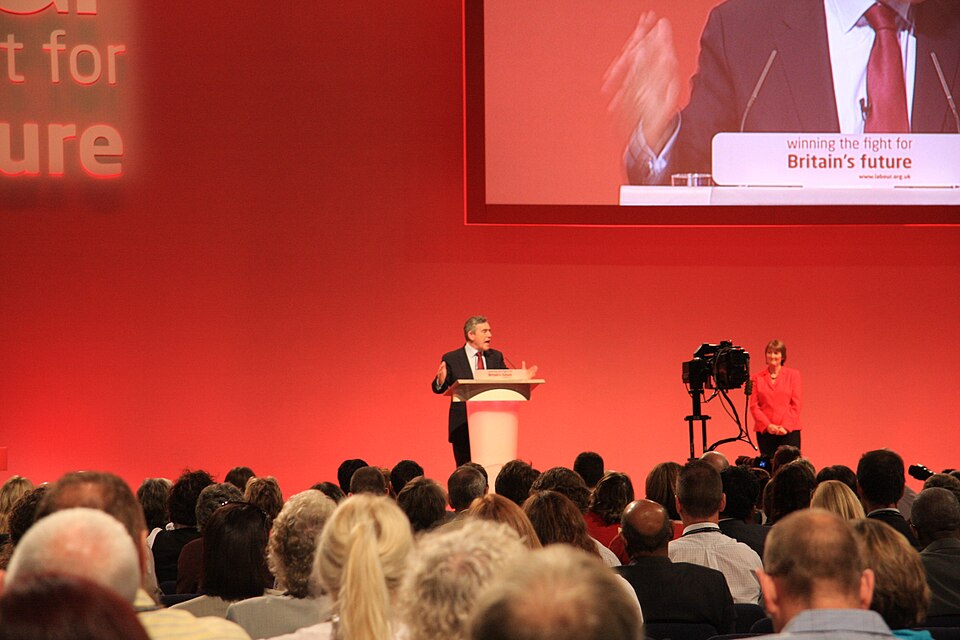
On the evening of June 11, the British House of Commons narrowly approved a government plan to allow police to hold people suspected of terrorism for up to 42 days without charging them. The vote, 315 to 306, gave Prime Minister Gordon Brown's Labour government a majority of just nine. Dozens of Labour MPs rebelled and voted against their own government. The result was decided by the nine MPs of Northern Ireland's Democratic Unionist Party (DUP), who backed the government. Opposition parties accused Brown of making deals to win their support, which the government denied.
At the time, the legal limit for holding terrorist suspects without charge in Britain was 28 days, already one of the longest in the democratic world. The government argued that terrorist plots were becoming more complex, often involving large amounts of computer data and international links, and that police might in future need more time to gather evidence in an exceptional case. Supporters pointed to the 2005 London transport bombings and the 2006 plot to blow up airliners. Critics, including the Conservatives, the Liberal Democrats, human rights groups and some former senior police and security officials, said the extension was unnecessary and a serious threat to civil liberties.
The next day, the Conservative shadow home secretary, David Davis, stunned Westminster by resigning his seat in Parliament in protest. He said the vote showed how British freedoms were being eroded, and he forced a by-election in his constituency to campaign on the issue. He won it in July with about 72% of the vote, although the main parties did not field candidates against him. The 42-day plan never became law: in October 2008 the House of Lords rejected it by a large majority, and the government dropped it.
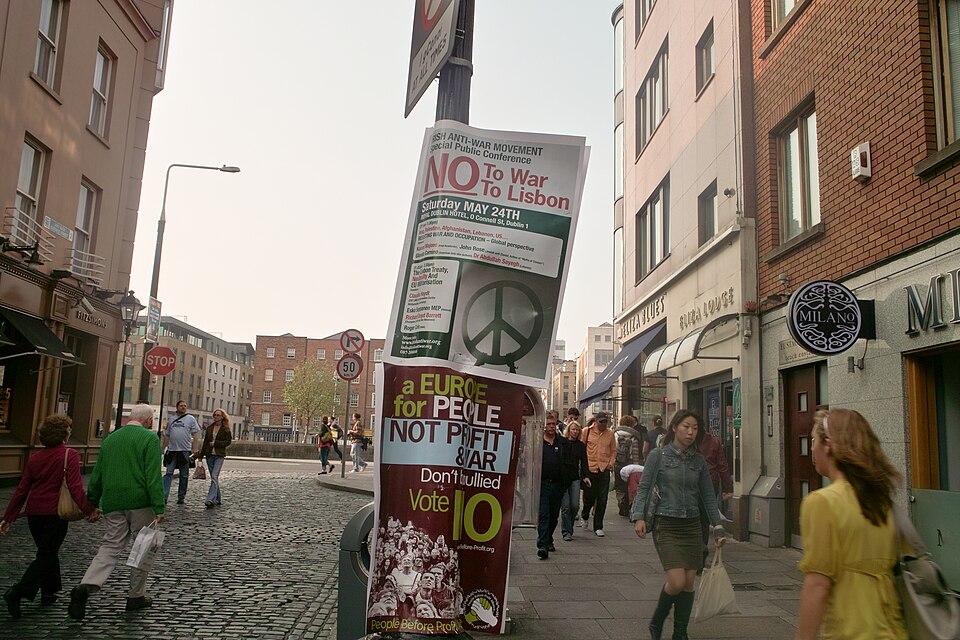
Voters in Ireland went to the polls on June 12 in a referendum on the Lisbon Treaty, an agreement signed by the leaders of all 27 European Union member states in December 2007 to reform how the EU was run. When the votes were counted the next day, the result was a clear No: 53.4% voted against and 46.6% in favour, with 862,415 votes against to 752,451 for. Turnout was about 53%. Only 10 of the country's 43 constituencies voted Yes. Because all 27 countries had to approve the treaty before it could take effect, the Irish vote threw the EU's reform plans into crisis.
Ireland was the only EU country to put the treaty to a public vote, because its courts had ruled that major changes to EU treaties required an amendment to the Irish constitution. The Lisbon Treaty was meant to replace an earlier proposed EU constitution that French and Dutch voters had rejected in 2005. It would create a long-term president of the European Council and a stronger foreign policy chief, change the voting system among member states and give more power to the European Parliament. Almost all of Ireland's main political parties, along with business groups and the major trade unions, campaigned for a Yes vote. The government of the new Taoiseach (prime minister), Brian Cowen, had taken office only in May.
The No campaign brought together a wide range of groups, from left-wing parties such as Sinn Féin to a new business-backed group called Libertas. They argued that the treaty would weaken Ireland's influence, threaten its tradition of military neutrality and its low company tax rate, and cause it to lose its permanent seat on the European Commission. Many voters also said they did not understand the long and complex treaty. After the vote, EU leaders gave Ireland legal guarantees on neutrality, taxation and other issues, and promised that every country would keep a commissioner. In a second referendum in October 2009, Irish voters approved the treaty by about 67%, and it came into force on December 1, 2009.
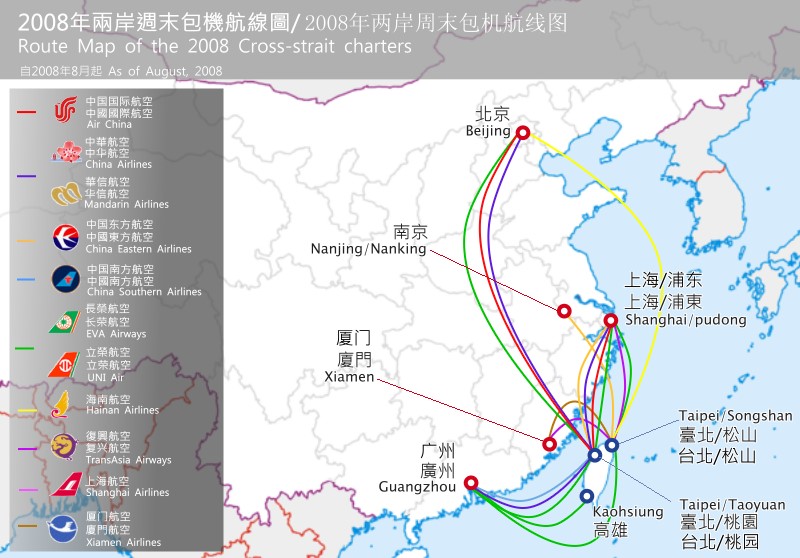
On June 13, at the Diaoyutai State Guesthouse in Beijing, Chen Yunlin, president of the mainland's Association for Relations Across the Taiwan Straits (ARATS), and Chiang Pin-kung, chairman of Taiwan's Straits Exchange Foundation (SEF), signed two agreements. One allowed regular weekend charter flights across the Taiwan Strait, and the other allowed mainland residents to travel to Taiwan as tourists. The signing crowned the first formal talks between the two organisations since 1999. Communication between them had been frozen for about nine years, a period of tension across the Strait. The talks resumed after Ma Ying-jeou of the Kuomintang took office as Taiwan's leader in May on the basis of the "1992 Consensus".
Under the agreements, weekend charter flights would start on July 4, running from Friday to Monday. They would link five mainland cities, Beijing, Shanghai, Guangzhou, Xiamen and Nanjing, with eight airports in Taiwan, with up to 36 round trips a week. Until then, direct passenger flights had been allowed only during a few major holidays, such as the Spring Festival, and most travellers had to change planes in Hong Kong or Macao, a costly and time-consuming detour. Under the tourism agreement, mainland tour groups could begin visiting Taiwan in July, with a daily limit of 3,000 visitors. The two sides also agreed in principle to set up offices in each other's territory.
That afternoon, General Secretary Hu Jintao met Chiang Pin-kung and welcomed the agreements, saying that the two sides should build mutual trust, set aside disputes and work together for a win-win future. The first weekend charter flights took off on July 4, and the first mainland tour groups arrived in Taiwan soon afterwards. The talks marked the start of a period of rapidly improving relations. In November 2008, Chen Yunlin visited Taipei for a second round of talks, which agreed on daily flights, direct shipping and postal links. Together they achieved the "three links" in December.
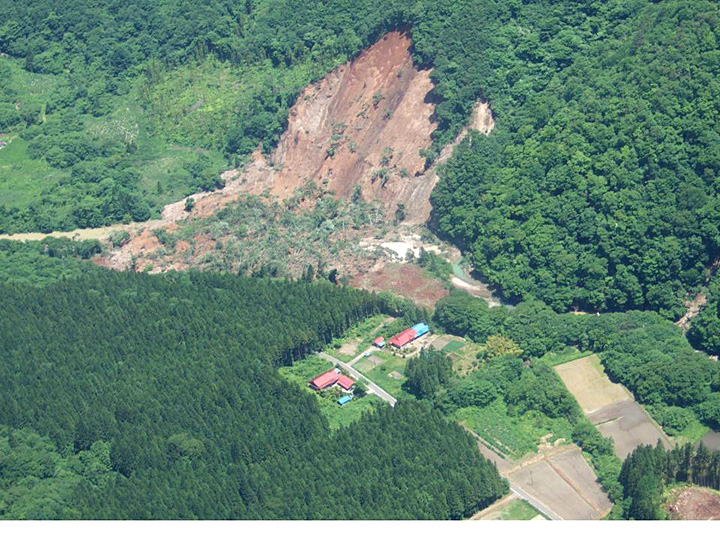
At 8:43 am on Saturday, June 14, a magnitude 7.2 earthquake (on the Japan Meteorological Agency's scale) struck the mountainous inland area of north-eastern Japan where Iwate and Miyagi prefectures meet. The epicentre was near Mount Kurikoma, about 400 kilometres north of Tokyo, and the quake was shallow. The shaking reached "6 upper" on Japan's seven-level intensity scale in the cities of Oshu in Iwate and Kurihara in Miyagi. It became known as the Iwate–Miyagi Nairiku (inland) earthquake.
Because the epicentre lay in steep, forested mountains rather than in a city, most of the damage was caused by landslides. More than 3,000 slopes collapsed. Roads and bridges in the mountains were swept away; one bridge on a mountain road collapsed entirely, and many valleys were blocked by debris, creating more than a dozen landslide dams that threatened to flood villages downstream. Near the Aratozawa Dam in Kurihara, one of the largest landslides ever recorded in Japan sent tens of millions of cubic metres of earth sliding down the mountainside, part of it into the reservoir. Higher up on Mount Kurikoma, a mudslide buried a hot-spring inn called Komanoyu, killing several people inside.
In total, 23 people were killed or reported missing and more than 400 were injured. Many residents of isolated mountain villages and tourists at hot-spring resorts had to be airlifted out by Self-Defence Force and fire department helicopters, and thousands of people spent nights in evacuation centres. The disaster came only a month after the Wenchuan earthquake in China. The Chinese government sent a message of sympathy to Japan, which had sent rescuers and medical teams to Sichuan in May. Japanese experts later studied the landslides closely, noting that melting snow had soaked the ground and made the slopes much more likely to collapse.
On June 15, UN Secretary-General Ban Ki-moon said after talks in the Saudi city of Jeddah that Saudi Arabia, the world's largest oil exporter, would increase its oil production in July by about 200,000 barrels a day. This would come on top of an increase of about 300,000 barrels a day already made in June, bringing the kingdom's output to about 9.7 million barrels a day, the highest level in decades. Saudi Oil Minister Ali al-Naimi later confirmed the plan. Ban, who had discussed the global food and energy crisis with King Abdullah, said the king believed that oil prices were abnormally high because of speculation and the policies of some governments, and that the kingdom wanted to help bring prices down.
The announcement came as oil prices were at record levels, around $135 to $140 a barrel, more than double their level of a year earlier. High fuel prices were causing protests in many countries. In Europe, fishermen, truck drivers and farmers had blocked ports and roads to demand help with fuel costs, while in Asia several governments were forced to cut fuel subsidies and raise prices at the pump. Consuming countries, led by the United States, had been urging Saudi Arabia and other members of the Organization of the Petroleum Exporting Countries (OPEC) to pump more oil.
Saudi Arabia argued that the market was not short of oil and that high prices were caused by speculators, a weak US dollar and refining bottlenecks, rather than a lack of supply. It invited producing and consuming countries to an emergency energy meeting in Jeddah on June 22 to discuss the problem. The news had little immediate effect on the market: the next day, oil rose to a new record of almost $140 a barrel, and prices continued to climb until they peaked at more than $147 on July 11.
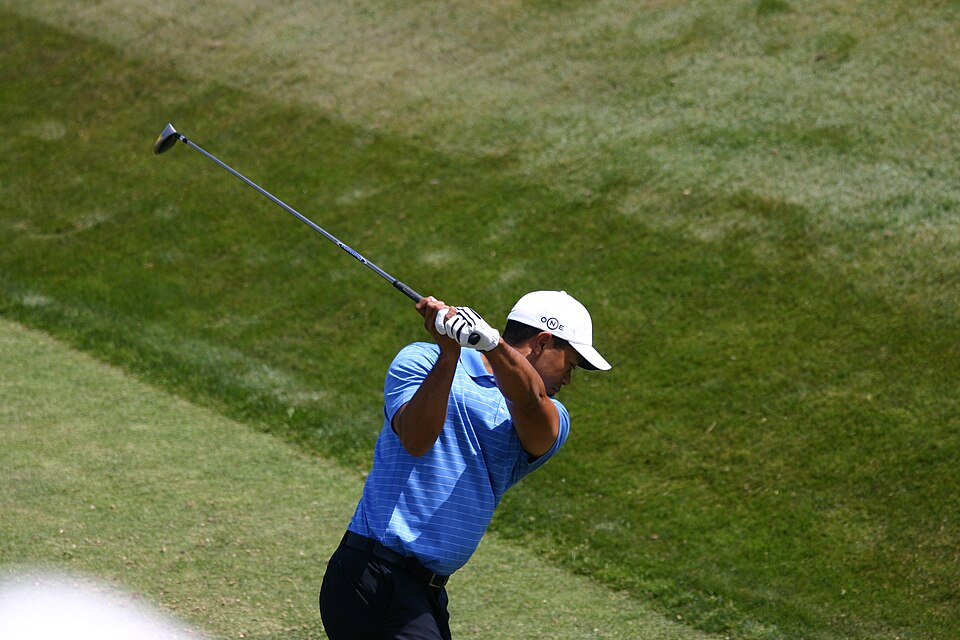
Tiger Woods won the US Open golf championship at Torrey Pines in San Diego, California, on June 16, beating Rocco Mediate in a Monday play-off that went to an extra sudden-death hole. It was Woods' 14th major championship, leaving him four short of Jack Nicklaus' record of 18. The two players had finished the four regular rounds tied at one under par. The day before, Woods had forced the play-off by sinking a 15-foot birdie putt on the final green. In the 18-hole play-off on Monday, they were level again, so they went to sudden death. On the first extra hole, the 91st of the tournament, Woods made par while Mediate missed his par putt.
What made the victory remarkable was that Woods had been playing in obvious pain. He had had knee surgery only two months earlier and had not played competitively since the Masters in April. Throughout the week he grimaced and limped after many shots, sometimes bending over in pain, but he still produced spectacular shots and putts. Mediate, a 45-year-old American ranked 158th in the world who would have become the oldest US Open champion, won many fans with his cheerful, chatty manner and his determination to keep up with the world number one.
Two days after his victory, Woods announced that he would miss the rest of the 2008 season. He revealed that he had been playing with a torn ligament in his left knee and a double stress fracture of his left leg bone, and that he would have another operation. Many golf fans and writers came to regard the 2008 US Open as one of the greatest performances of his career. It turned out to be the last major championship Woods would win for nearly 11 years, until his comeback victory at the Masters in 2019.
The Mozilla Foundation released version 3 of its free, open-source web browser, Firefox, on June 17. To promote it, Mozilla had launched a campaign called "Download Day", asking fans around the world to download the new browser within 24 hours of its release and try to set a Guinness World Record for the most software downloads in a single day. No such record had existed before. Hundreds of thousands of people pledged to take part, and volunteer groups organised launch parties in cities across the world.
Demand was so high that Mozilla's websites slowed down and were unavailable for about two hours after the launch, delaying the official start of the 24-hour count. By the end of the day, Mozilla reported more than 8 million downloads. On July 2, Guinness World Records confirmed the record with an official count of 8,002,530 downloads, counting only downloads that people started themselves from Mozilla's sites. In comparison, Firefox 2 had been downloaded about 1.6 million times in its first day in 2006.
Firefox 3 was faster and used less computer memory than its predecessor. It had a new address bar, nicknamed the "Awesome Bar", that suggested pages from the user's history and bookmarks as they typed, as well as better protection against fraudulent and malicious websites. At the time, Firefox was the main rival to Microsoft's Internet Explorer, and it had won roughly a fifth of the world browser market, with especially strong support in Europe. Competition among browsers soon became even fiercer: in September 2008, Google launched its own browser, Chrome, which would later become the world's most widely used.
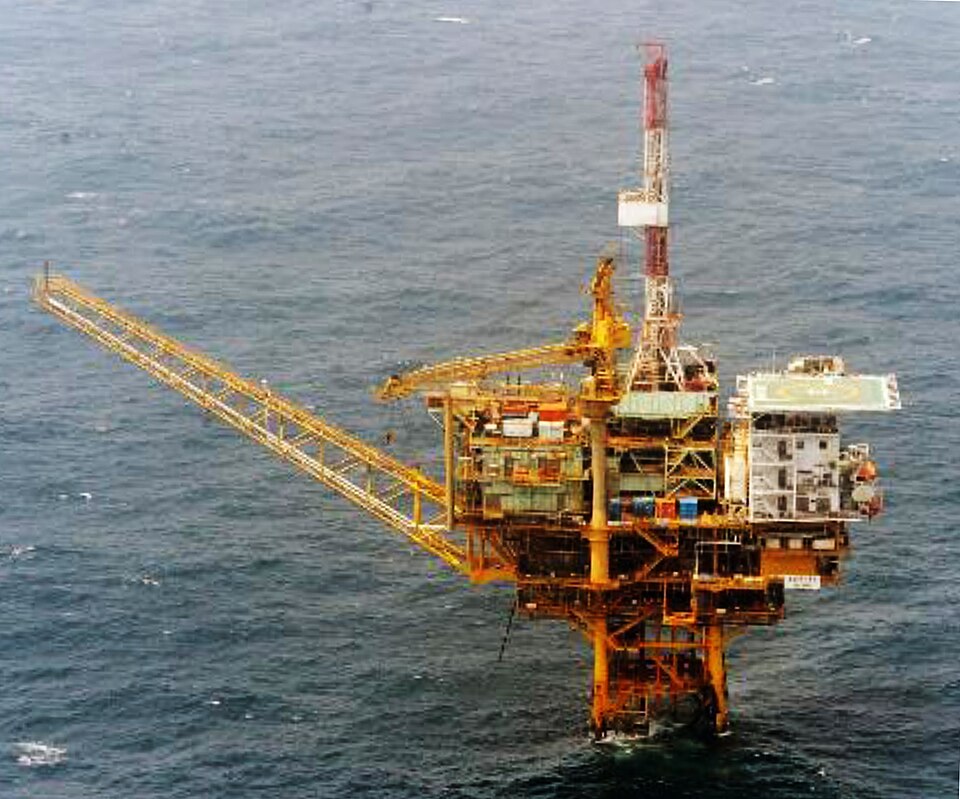
On June 18, China and Japan announced a "principled consensus" on cooperation in the East China Sea, ending years of talks over undersea natural gas fields in waters both countries claim. The announcement was made at the same time in Beijing and Tokyo. Chinese Foreign Ministry spokeswoman Jiang Yu said the two sides had reached the agreement "through consultations on an equal footing". Japan's foreign minister, Masahiko Koumura, called it a first step towards turning the East China Sea into a "sea of peace, cooperation and friendship", a goal set by President Hu Jintao and Prime Minister Yasuo Fukuda during Hu's visit to Japan in May.
The dispute arose because the two countries' claims to the seabed overlap. China bases its claim on the natural extension of its continental shelf, while Japan argues that the boundary should be a "median line" halfway between the two coasts, which China does not accept. China had begun developing the Chunxiao gas field, which Japan calls Shirakaba, near this line. Japan feared it could draw gas from beneath the Japanese side.
Under the consensus, the two countries agreed to explore jointly an area of about 2,700 square kilometres in the northern part of the East China Sea, choosing sites by mutual agreement and developing them on the basis of mutual benefit. China also agreed that Japanese companies could invest in the Chunxiao field under Chinese law, which the Chinese side stressed did not change its sovereign rights. Both governments said the agreement did not affect their legal positions on the boundary, which remained unresolved, and further talks were planned to work out the details. Analysts saw the deal as a sign of the warming relationship between the two neighbours in 2008. However, the follow-up negotiations later stalled, and the East China Sea remained a source of tension in the years that followed.
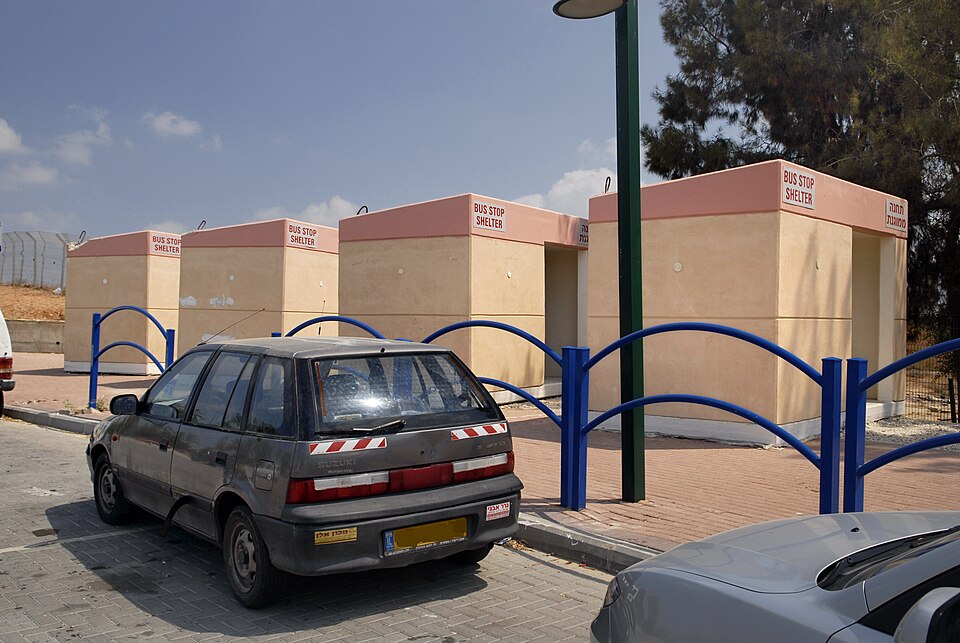
At 6 am on June 19, a ceasefire between Israel and Hamas, the Palestinian Islamist movement that controlled the Gaza Strip, came into effect. It had been negotiated by Egypt over several months. Under the informal truce, which was to last six months, Palestinian armed groups in Gaza would stop firing rockets and mortars into southern Israel, and Israel would halt its air strikes and military raids into Gaza. If the calm held, Israel was to increase the amount of goods allowed into Gaza and gradually ease the tight blockade it had imposed after Hamas took control of the territory in June 2007. Later stages were to include talks on reopening the Rafah crossing between Gaza and Egypt and on a prisoner exchange involving the Israeli soldier Gilad Shalit, held in Gaza since 2006.
Both sides had strong reasons to want a pause. In the months before, thousands of rockets and mortar shells had been fired at Israeli towns such as Sderot, and Israeli military operations in Gaza had killed hundreds of Palestinians, many of them civilians. Gaza's 1.5 million people suffered from shortages of fuel, medicine and basic goods. In the final hours before the truce began, there was still fighting, with rocket fire from Gaza and an Israeli air strike.
For several months the truce largely held, and rocket attacks fell sharply, although small militant groups occasionally fired rockets and Israel sometimes closed the crossings in response. Palestinians complained that the blockade was eased far less than promised. The calm broke down in November, after an Israeli raid on a tunnel in Gaza and renewed rocket fire. When the six-month period ended in mid-December, Hamas declared the truce over. On December 27, Israel launched a major military offensive in Gaza, which lasted three weeks and killed more than 1,300 Palestinians and 13 Israelis.
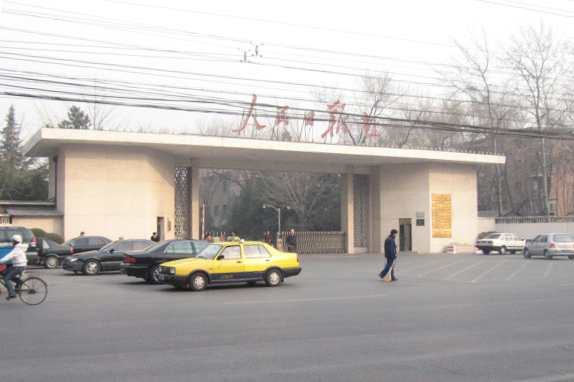
On June 20, Hu Jintao, General Secretary of the Communist Party of China and President of the country, visited the headquarters of the *People's Daily* in Beijing to mark the 60th anniversary of the founding of the Party's main newspaper. During the visit, he went to the paper's website, People's Daily Online, and took part in a live online exchange with internet users on its popular discussion board, the Strong Nation Forum (Qiangguo Luntan). Xinhua described it as the first live online chat between China's top leader and netizens.
The chat lasted only a few minutes, and Hu answered three questions posted by users. Asked whether he used the internet, he said that he went online when he could find the time, although he could not surf the web every day because of his busy workload. He said he often read domestic and international news online and paid attention to the opinions and suggestions posted by internet users. He said he was willing to learn about people's complaints about, and proposals for, the work of the Party and the government. As word spread, so many people rushed to the forum that the website was temporarily jammed by the huge number of visitors.
The event reflected the rapid growth of the internet in China, which by mid-2008 had about 253 million users, overtaking the United States as the country with the largest online population in the world. Online forums and blogs had become important places for public discussion, especially during the Wenchuan earthquake and the Olympic torch relay earlier in the year. Hu's chat was widely seen as a sign that the leadership recognised the importance of online public opinion, and in the following years officials at all levels were encouraged to use the internet to communicate with the public.
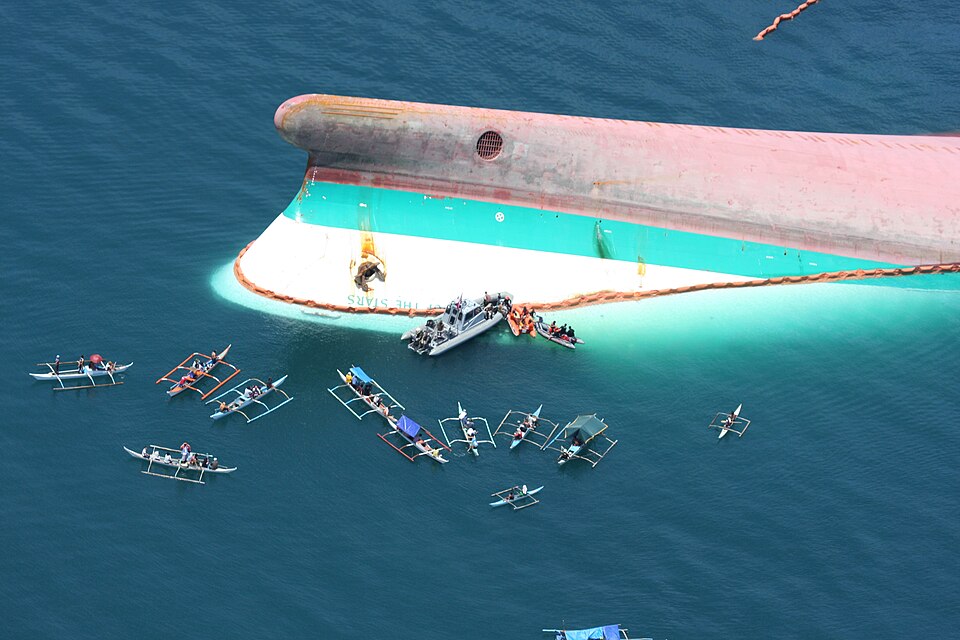
On June 21, Typhoon Fengshen, known in the Philippines as "Frank", swept across the central Philippines with violent winds and torrential rain. At sea, the passenger ferry MV *Princess of the Stars*, operated by Sulpicio Lines, was caught in the storm on its way from Manila to Cebu. Its engines failed in the heavy waves, and the ship ran aground off Sibuyan Island in Romblon province before capsizing around midday. When rescuers finally reached the scene the next day, only part of the upturned hull was visible above the water.
The ferry had been carrying more than 850 passengers and crew, although the exact number was uncertain, because the company later found that more people were on board than on its first list. Only a few dozen survivors were found. Some had clung to life rafts and drifted for many hours before washing ashore on nearby islands. Final estimates put the death toll at more than 800, making it one of the worst maritime disasters in the Philippines in two decades. Rescue and recovery work was slowed by the bad weather and by the discovery that the ship was also carrying a large cargo of toxic pesticide, which had to be removed before divers could safely work inside.
The disaster caused public anger. The ship had been allowed to leave Manila even though a storm warning had been issued, and the government suspended Sulpicio Lines' passenger services. The same company had owned the ferry *Doña Paz*, which sank in 1987 after colliding with an oil tanker in the world's deadliest peacetime shipping disaster. On land, Typhoon Fengshen caused severe floods and landslides, especially on the island of Panay, killing hundreds more people. The typhoon then moved north and struck southern China's Guangdong province and Hong Kong on June 25. In total, it killed more than 1,300 people.
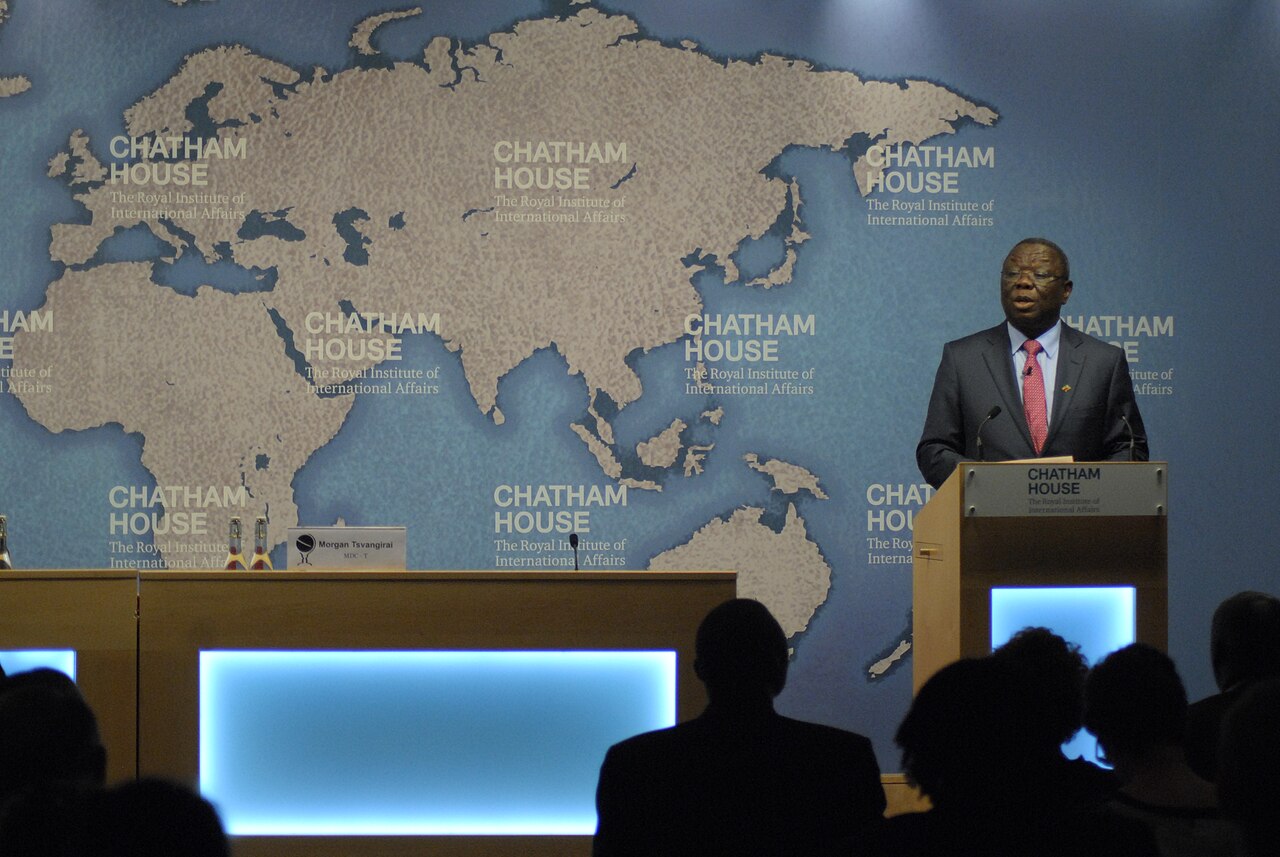
On June 22, Morgan Tsvangirai, leader of Zimbabwe's main opposition party, the Movement for Democratic Change (MDC), announced that he was withdrawing from the presidential run-off election against President Robert Mugabe, due just five days later on June 27. Speaking at a press conference in Harare, he said the vote could not be free or fair because of widespread violence against his supporters, and that he could not ask voters to risk their lives by casting a ballot. Earlier that day, supporters of Mugabe's ruling ZANU-PF party had broken up a planned MDC rally in Harare. According to the MDC, 86 of its supporters had been killed and about 200,000 people driven from their homes since the first round of voting.
In that first round, held on March 29 together with parliamentary elections, Tsvangirai had won the most votes, about 48% according to the official count, against about 43% for Mugabe. Because no candidate passed 50%, a run-off was required. The results took five weeks to be released, and in the same elections ZANU-PF lost its majority in parliament for the first time since independence in 1980. Zimbabwe was also suffering a deep economic collapse, with shortages of food and fuel and inflation running into millions of percent. The next day, Tsvangirai sought refuge at the Dutch embassy in Harare, saying he feared for his safety.
The government said the run-off would go ahead anyway, and the justice minister described the withdrawal as legally invalid. On June 27, Mugabe was the only candidate in the vote, and he was declared the winner with about 85% two days later, then quickly sworn in for another term. Western governments rejected the result, and many African observers also criticised the vote. In July, a UN Security Council resolution proposing sanctions on Zimbabwe was vetoed by Russia and China, which said the problem should be solved through dialogue among Zimbabweans. Talks mediated by South African President Thabo Mbeki led to a power-sharing agreement in September, and in February 2009 Tsvangirai became prime minister in a unity government with Mugabe as president.
Americans woke up on June 23 to news that George Carlin, one of the most influential stand-up comedians in American history, had died the previous evening. He died of heart failure at a hospital in Santa Monica, California, at the age of 71, after a long history of heart problems. Only days earlier, the Kennedy Center in Washington had announced that he would receive the Mark Twain Prize for American Humor, the country's top award for comedy; it was presented to him after his death in November 2008.
Born in New York in 1937, Carlin began his career in the 1960s as a clean-cut comic on television variety shows. Around 1970 he reinvented himself, growing long hair and a beard and turning to sharp, irreverent humour about language, religion, politics, consumer society and American culture. His comedy albums became best-sellers, and he hosted the very first episode of the television show *Saturday Night Live* in 1975. Over his career he recorded 14 HBO comedy specials, more than any other comedian at the time, and won several Grammy Awards for his comedy albums.
His most famous routine was "Seven Words You Can Never Say on Television", a list of swear words that broadcasters were not allowed to use. When a New York radio station broadcast a version of the routine in 1973, a complaint led to a legal case that reached the US Supreme Court. In 1978, in *FCC v. Pacifica Foundation*, the court ruled by five votes to four that the government could regulate "indecent" material on radio and television at times when children might be listening. The case became one of the most important rulings on free speech and broadcasting in the United States. Fellow comedians and writers paid tribute to Carlin as a brilliant observer of language and hypocrisy, whose work inspired generations of comedians.
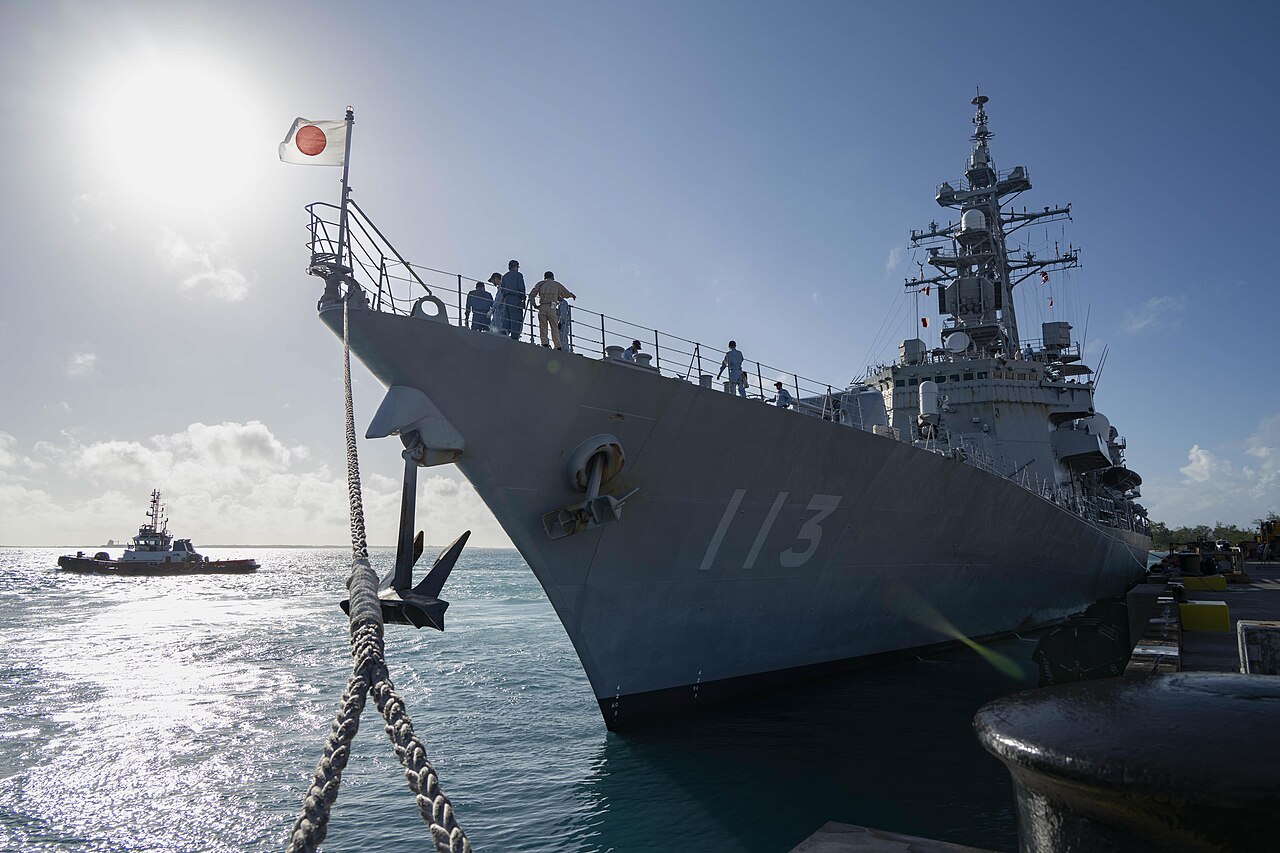
On June 24, the Japanese navy destroyer *Sazanami* sailed into the port of Zhanjiang in Guangdong province, southern China, for a five-day goodwill visit. It was the first time a Japanese warship had visited a Chinese port since the end of the Second World War in 1945. The ship, carrying about 240 crew members, was welcomed at the quay by officers of the Chinese navy's South Sea Fleet. During the visit, the Japanese and Chinese sailors held a welcoming ceremony and visited each other's ships, and the Japanese crew toured the city.
The visit was a return call for a historic trip made by the Chinese navy missile destroyer *Shenzhen*, which visited Tokyo in November 2007, the first visit to Japan by a ship of the Chinese People's Liberation Army Navy. Defence exchanges between the two countries had been agreed as part of efforts to improve relations, which had been strained for years by disputes over history and territory. The visit came after President Hu Jintao's "warm spring" state visit to Japan in May and the June agreement on the East China Sea.
The *Sazanami* also brought relief supplies for survivors of the Wenchuan earthquake, including food, blankets, masks and disinfectant, which were handed over at a ceremony and sent on to Sichuan. The visit was carefully planned to avoid giving offence, because memories of Japan's wartime invasion remained painful for many Chinese. Officials said both sides hoped the exchanges would build mutual trust between the two militaries. The *Sazanami* left Zhanjiang on June 28.
Germany reached the final of Euro 2008 on June 25 by beating Turkey 3–2 in a thrilling semi-final at St Jakob-Park in Basel, Switzerland, with a goal in the last minute of normal time. Turkey had already become the surprise of the tournament, reaching the semi-finals with a series of late comebacks. Because of injuries and suspensions, Turkey had only about 14 fit outfield players available, yet they were the better side for long periods.
Uğur Boral gave Turkey the lead in the 22nd minute after a shot struck the crossbar. Four minutes later, Bastian Schweinsteiger equalised with a deflected header. With 11 minutes left, Miroslav Klose put Germany ahead with a header after Turkish goalkeeper Rüştü Reçber came off his line and missed a cross. But Turkey hit back once again: in the 86th minute, Semih Şentürk turned in a low cross at the near post to make it 2–2. Then, in the 90th minute, German defender Philipp Lahm exchanged passes with Thomas Hitzlsperger and fired the ball past Rüştü to win the match.
Millions of television viewers around the world missed some of the most dramatic moments. A violent thunderstorm over Vienna, where the tournament's international broadcasting centre was based, cut the international TV feed several times during the second half, so many viewers did not see Turkey's equaliser or Lahm's winner live. Viewers in Switzerland and some other countries were among the few who saw the finish without interruption. The next day, Spain beat Russia 3–0 in the other semi-final, and on June 29 Spain defeated Germany 1–0 in the final in Vienna.
On June 26, North Korea delivered a long-awaited declaration of its nuclear programme to China, which chaired the Six-Party Talks on the Korean Peninsula nuclear issue. The talks brought together China, North Korea, South Korea, the United States, Japan and Russia. The declaration, about 60 pages long, described North Korea's nuclear facilities and its production of plutonium, the material used for its nuclear test in 2006. Under an agreement reached in the talks in 2007, Pyongyang had been due to hand it over by the end of that year, and the delay had held up progress for months. Chinese officials welcomed the step and said it showed that the talks were making progress.
In return, US President George W. Bush announced the same day that the United States would lift some sanctions on North Korea under the Trading with the Enemy Act. He also notified Congress that he intended to remove North Korea from the US list of state sponsors of terrorism, where it had been since 1988. Bush said the declaration was "one step" in a long process and that Washington would carefully verify it. Under US law, the removal from the terrorism list could take effect only after 45 days. Japan was concerned that the move came before the issue of Japanese citizens abducted by North Korea in the 1970s and 1980s had been resolved.
The declaration was criticised by some for leaving out important questions, such as the nuclear weapons North Korea already had, a suspected uranium enrichment programme and alleged nuclear cooperation with other countries. The next day, North Korea blew up the cooling tower of its main reactor at Yongbyon in front of foreign television cameras, a symbolic sign that it was disabling the plant. The United States removed North Korea from the terrorism list in October 2008. However, the Six-Party Talks soon broke down over how to verify the declaration, and North Korea carried out a second nuclear test in May 2009.
June 27 was Bill Gates' last day as a full-time employee of Microsoft, the software company he had co-founded with his childhood friend Paul Allen in 1975. From July, the 52-year-old would spend most of his time at the Bill & Melinda Gates Foundation, the world's largest private charitable foundation, working on global health, development and education. He remained chairman of Microsoft's board and its largest individual shareholder, and planned to spend about one day a week on company projects.
The change had been announced two years earlier, in June 2006, to allow a gradual handover. Steve Ballmer had already been chief executive since 2000. Ray Ozzie had taken over Gates' role as chief software architect, and Craig Mundie had become head of research and strategy. On the evening of June 27, more than 800 employees, family members and friends gathered at a farewell event at Microsoft's headquarters in Redmond, near Seattle, where they shared memories and watched videos about his career. Ballmer, his close friend since their student days at Harvard, choked back tears as he praised Gates, and Gates himself was visibly emotional as he said his life's work had been about software and working with brilliant people.
Under Gates, Microsoft had grown from a tiny start-up into one of the most valuable companies in the world. Its Windows operating system and Office software ran on the great majority of personal computers. He was also a controversial figure: the company had fought long antitrust battles in the United States and Europe over accusations that it abused its dominant position. For many years Gates was the world's richest person. Through the foundation, he and his wife Melinda had committed billions of dollars to fighting diseases such as malaria, HIV/AIDS and polio, and to vaccinating children in poor countries. Gates stepped down as Microsoft's chairman in 2014 and left its board in 2020.
On June 28, Pakistani security forces launched a military operation in the Bara area of the Khyber tribal agency, just outside the city of Peshawar in north-western Pakistan. Troops of the paramilitary Frontier Corps, backed by artillery, moved in at dawn, took control of the hilltops around Bara and imposed a curfew. The operation, named Sirat-e-Mustaqeem ("The Right Path"), was aimed mainly at Lashkar-e-Islam, an armed group led by Mangal Bagh that had imposed its own strict version of Islamic law in parts of Khyber, as well as at rival armed factions.
The offensive came amid growing fears for the security of Peshawar, a city of about 3 million people and the capital of the North-West Frontier Province (now Khyber Pakhtunkhwa). In the preceding weeks, armed groups from the surrounding tribal areas had become increasingly bold, and residents and local media warned that the city was almost surrounded. The immediate trigger was a series of kidnappings in Peshawar, including the abduction of a group of Christians on June 21. The new civilian government of Prime Minister Yousuf Raza Gilani, elected in February, had been trying to negotiate peace deals with militant groups, but it said that force was a last resort when the city itself was threatened.
The operation met little resistance, and Mangal Bagh and most of his fighters withdrew before the troops arrived; some locals said the leaders had been warned in advance. After about ten days, the government ended the operation and reached an agreement with local elders and Lashkar-e-Islam. The calm did not last, however, and fighting in the region continued. The Khyber Pass, which runs through the agency, was the main supply route for US and NATO forces in Afghanistan, so its security was also of great international concern. Further military operations followed in Khyber in 2009 and later years.
Spain won the European Championship on June 29, beating Germany 1–0 in the final of Euro 2008 at the Ernst Happel Stadium in Vienna, Austria, in front of more than 51,000 spectators. It was Spain's first major international trophy since they won the European Championship in 1964, and their first appearance in a final since 1984. For years Spain had been known as a talented team that always disappointed at big tournaments, but this victory changed that reputation.
The only goal came in the 33rd minute. Midfielder Xavi Hernández played a perfectly weighted pass behind the German defence, and striker Fernando Torres outpaced defender Philipp Lahm before flicking the ball over the advancing goalkeeper Jens Lehmann and into the net. Spain controlled much of the game with their short, quick passing style, known as *tiki-taka*, and created several more chances. Germany, led by captain Michael Ballack, rarely threatened goalkeeper and captain Iker Casillas.
Spain went through the entire tournament unbeaten, the first team to do so since Germany in 1996. Their striker David Villa was the tournament's top scorer with four goals, although he missed the final through injury, and Xavi was named the best player of the tournament. The 69-year-old coach Luis Aragonés, who stepped down after the final, was praised for building a team around small, skilful passing midfielders. Thousands of fans celebrated through the night in Madrid and other Spanish cities. The win began a golden era for Spanish football: under new coach Vicente del Bosque, Spain went on to win the World Cup in 2010 and the European Championship again in 2012.
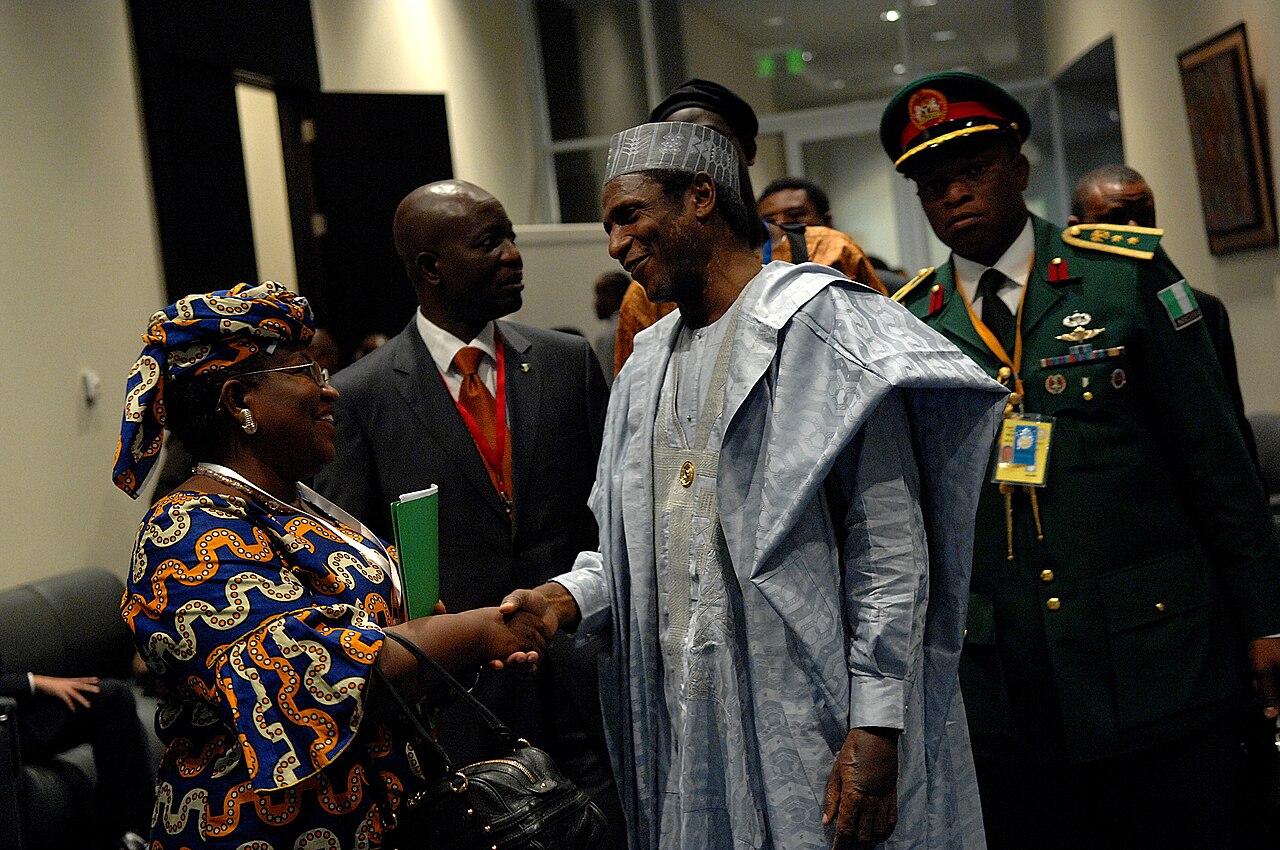
Leaders of the African Union (AU) gathered in the Egyptian Red Sea resort of Sharm el-Sheikh on June 30 for a two-day summit. The official agenda was water and sanitation, at a time when hundreds of millions of Africans lacked clean drinking water. Rising food and fuel prices, which were hitting poor African countries hard, were also discussed. But the meeting was dominated by the crisis in Zimbabwe. Just a day earlier, President Robert Mugabe had been sworn in for another term after a run-off election in which he was the only candidate, because the opposition leader Morgan Tsvangirai had withdrawn, citing violence against his supporters.
Mugabe flew to Sharm el-Sheikh and took his seat among the heads of state, where he received a warm welcome from some of his fellow leaders. Zimbabwe was not mentioned in the opening speeches. Behind closed doors, however, opinions were divided. Some leaders defended Mugabe as a hero of Africa's liberation struggles and rejected what they saw as Western interference. Others were openly critical. Botswana's vice-president called for Zimbabwe to be suspended from the AU and the Southern African Development Community (SADC), and Kenya's Prime Minister Raila Odinga said Mugabe's government should be suspended until it allowed a free and fair election. Observer missions from the AU and SADC had reported that the run-off did not reflect the will of the people.
On July 1, the summit adopted a resolution on Zimbabwe. It did not condemn Mugabe, but called on him and Tsvangirai to negotiate and form a "government of national unity", and supported the mediation of South African President Thabo Mbeki on behalf of SADC. Western governments had hoped for a tougher stand. The talks that followed led to a power-sharing agreement on September 15, under which Mugabe remained president and Tsvangirai became prime minister in February 2009.
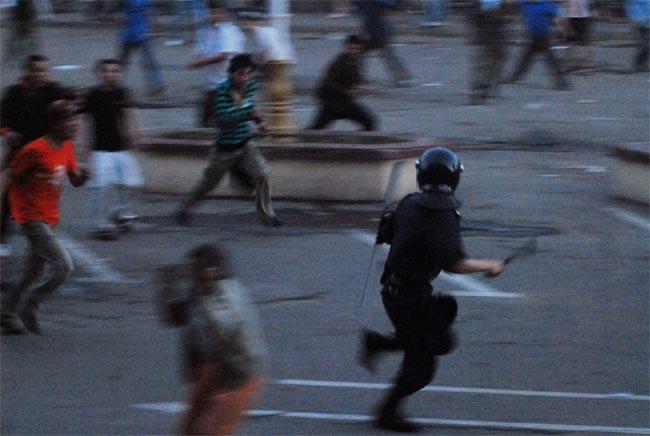
Violence broke out in Ulaanbaatar, the capital of Mongolia, on July 1, as thousands of people protested against the results of the parliamentary election held two days earlier. Early results suggested that the ruling Mongolian People's Revolutionary Party (MPRP) had won a clear majority in the 76-seat parliament, the State Great Khural. The main opposition Democratic Party, led by Tsakhiagiin Elbegdorj, claimed that the vote had been rigged and said it would not accept the result.
What began as a peaceful rally in the city's central Sükhbaatar Square turned violent in the afternoon. A crowd gathered outside the MPRP's headquarters, threw stones and set the building on fire; the ground floor was looted and the building was largely destroyed. Rioters also attacked a police station and set fire to the nearby Cultural Palace, damaging an art gallery and its collection. Police used tear gas, rubber bullets and, eventually, live ammunition. Five people were killed, four of them by gunfire, and hundreds of people, including many police officers, were injured. More than 700 people were arrested.
Late that night, President Nambaryn Enkhbayar declared a state of emergency in the capital, the first since Mongolia's peaceful transition to democracy in 1990. It imposed a curfew, banned gatherings and restricted broadcasting for four days. The unrest shocked a country that had been seen as one of the most stable democracies in Asia. International election observers said the vote itself had been generally free, though some irregularities were reported. The MPRP was confirmed as the winner, but in September it formed a coalition government with the Democratic Party, with Sanjaagiin Bayar as prime minister. Questions about the police use of deadly force remained controversial for years afterwards.
On July 2, the Colombian army freed 15 hostages held by the rebel group FARC (Revolutionary Armed Forces of Colombia) in a daring operation carried out without a shot being fired. The most famous of them was Ingrid Betancourt, a French-Colombian politician who had been kidnapped in February 2002 while campaigning for the presidency, and who had become a symbol of the suffering of hostages in Colombia. The others were three American defence contractors, Marc Gonsalves, Thomas Howes and Keith Stansell, who had been captured in 2003 when their plane crashed in the jungle, and 11 Colombian soldiers and police officers, some of whom had been held for about ten years.
The operation, code-named "Jaque" (Spanish for "checkmate"), relied on deception. Military intelligence had infiltrated the FARC's communications and tricked the local rebel commander into believing that his superiors had ordered the hostages to be moved to meet the group's leader. Two white helicopters, disguised as belonging to a fictional humanitarian organisation, landed in the jungle in Guaviare province, in south-eastern Colombia. Soldiers posing as aid workers and journalists persuaded the guerrillas to load the hostages aboard, with their hands tied. Once the helicopters were in the air, the soldiers overpowered the two rebels on board, including the commander, known as "César", and told the hostages: "We are the national army. You are free."
The rescue was celebrated across Colombia and around the world and was a major success for President Álvaro Uribe and his defence minister, Juan Manuel Santos, who later became president. Betancourt, thin but smiling, thanked the army at Bogotá's military airport and was reunited with her mother and her two children, who flew in from France. She then travelled to Paris, where she was welcomed by President Nicolas Sarkozy. The operation was a heavy blow to the FARC, which had already lost several top leaders that year. Later, it emerged that a soldier had worn the emblem of the International Committee of the Red Cross during the mission, which Uribe admitted and apologised for, and some journalists questioned parts of the official account. Hundreds of other hostages remained in captivity.
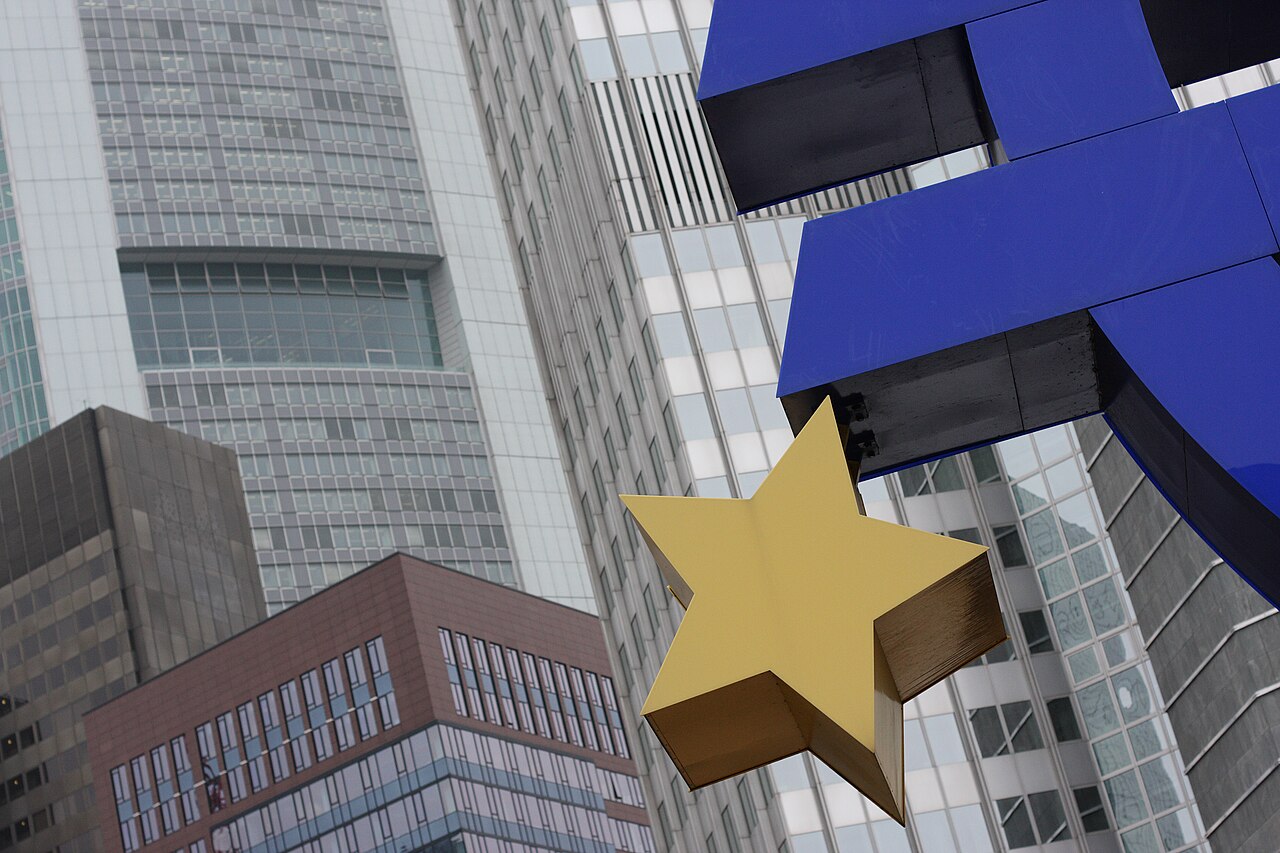
The European Central Bank raised its main interest rate by a quarter of a percentage point to 4.25% on July 3, its first increase in more than a year. The move had been signalled a month earlier by ECB President Jean-Claude Trichet, and it was widely expected. Inflation in the 15-nation euro zone had reached 4% in June, twice the bank's target of just under 2% and the highest since the single currency was launched in 1999. Trichet said the bank's aim was to prevent "second-round effects", in which workers and companies respond to higher prices by demanding higher wages and raising their own prices, creating a spiral that would be hard to stop.
On the same day, the price of crude oil broke through $145 a barrel for the first time, adding to fears about inflation. Prices of food and other commodities were also near record levels. In Europe, high fuel costs had led to protests by truck drivers, fishermen and farmers in several countries, and governments were under pressure to cut fuel taxes. At his press conference, Trichet said the bank had no fixed plan for further rate increases, and several policymakers indicated they did not intend a series of hikes.
The decision was controversial. Some European politicians, especially in France, Italy and Spain, criticised the ECB, arguing that higher interest rates would strengthen the euro, hurt exporters and push the slowing economy towards recession. The US Federal Reserve was holding its rate at 2%, and the Bank of England kept its rate unchanged at 5% the same day. In hindsight, the ECB's timing proved unfortunate: within weeks oil prices began to fall, and after the collapse of Lehman Brothers in September the financial crisis plunged Europe into recession. In October the ECB began cutting rates, and by May 2009 its main rate had fallen to 1%.
At 6:30 am on July 4, China Southern Airlines flight CZ3079 took off from Guangzhou's Baiyun Airport and headed east across the Taiwan Strait. About an hour and 40 minutes later, at around 8:10 am, it landed at Taoyuan airport near Taipei after a direct flight of 1,124 kilometres. It was the first of the new regular weekend charter flights between the mainland and Taiwan, agreed by the Association for Relations Across the Taiwan Straits (ARATS) and the Straits Exchange Foundation (SEF) in Beijing on June 13. On the same morning, other flights left Beijing, Shanghai, Xiamen and Nanjing for Taoyuan and Taipei's Songshan airport, and airlines from Taiwan flew in the opposite direction.
On board the first flights were the first groups of mainland tourists to visit Taiwan under the new tourism agreement. About 750 mainland tourists, together with travel industry officials and journalists, arrived for tours of around ten days. They were greeted with flowers, music and welcome banners at the airports, and travel agencies on the island hoped the visitors would give a boost to Taiwan's tourism industry, hotels and shops. Many of the tourists said they had long wanted to see places such as the Sun Moon Lake, Alishan and the National Palace Museum in Taipei.
Before July 2008, direct passenger flights across the Strait had been allowed only during a few major holidays, such as the Spring Festival. At other times, travellers had to change planes in Hong Kong or Macao, which made journeys much longer and more expensive. The weekend charters, running from Friday to Monday, offered up to 36 round-trip flights a week, though the planes still had to take a detour through Hong Kong's flight information region. In November, the two sides agreed to regular daily flights on shorter, more direct routes, along with direct shipping and postal services, which began in December 2008. Over the following years, millions of mainland tourists visited Taiwan, and cross-Strait flights grew to hundreds a week.
Venus Williams won the women's singles championship at Wimbledon for the fifth time on July 5, defeating her younger sister Serena 7–5, 6–4 in the final on Centre Court. It was the fourth time the American sisters had met in a Wimbledon final, and Venus' first victory over Serena in a Grand Slam final since the 2001 US Open. The match lasted 1 hour and 51 minutes and featured powerful serving and long, hard-hitting rallies. Venus, who was 28, had also won Wimbledon in 2000, 2001, 2005 and 2007.
Just a few hours later, the sisters returned to the court together and won the women's doubles title, beating Lisa Raymond of the United States and Samantha Stosur of Australia 6–2, 6–2. It was their third Wimbledon doubles title as a pair and their seventh Grand Slam doubles title together. Since growing up together learning tennis from their father on public courts in Compton, California, the two had dominated women's tennis for nearly a decade.
The tournament was also historic for Chinese tennis. Zheng Jie, a 24-year-old from Chengdu ranked outside the world's top 100 and playing with a wild card, became the first player from China to reach a Wimbledon singles semi-final. On her way she beat the world number one, Ana Ivanovic of Serbia, before losing to Serena Williams in the semi-final on July 3 in a close match. Zheng said she wanted to dedicate her success to the victims of the Wenchuan earthquake in her home province of Sichuan, and she donated prize money to relief efforts. The next day, July 6, Spain's Rafael Nadal beat Switzerland's Roger Federer in the men's final in a match that lasted almost five hours and is often called one of the greatest in tennis history.
Spain's Rafael Nadal won the Wimbledon men's singles title for the first time on July 6, beating Switzerland's Roger Federer 6–4, 6–4, 6–7, 6–7, 9–7 in a final that many players and commentators have called the greatest tennis match ever played. The match lasted 4 hours and 48 minutes of playing time, making it the longest men's final in Wimbledon history at the time. Because of two rain delays, it stretched over more than seven hours, and it ended at about 9:15 pm in fading light, when it was almost too dark to continue.
Federer, the world number one, had won the previous five Wimbledon titles and was trying to become the first man since the 1880s to win six in a row. Nadal, 22, had lost to him in the two previous Wimbledon finals. The Spaniard took the first two sets, but Federer fought back, winning the third set in a tie-break and then saving two championship points in a dramatic fourth-set tie-break, including one with a brilliant backhand passing shot down the line. In the deciding fifth set, there was no tie-break, and the players exchanged games until Nadal finally broke Federer's serve at 7–7 and then served out the match. He fell on his back on the grass in celebration before climbing into the stands to embrace his family and coaching team.
The victory ended Federer's run of 40 consecutive wins at Wimbledon and 65 straight matches on grass. Nadal, who had already won the French Open on clay a month earlier for the fourth year running, became the first man since Björn Borg in 1980 to win the French Open and Wimbledon in the same year. The result marked a shift at the top of men's tennis: in August, Nadal won the Olympic gold medal in Beijing and replaced Federer as world number one. It was also the last Wimbledon final to be seriously affected by rain, as a retractable roof over Centre Court was completed the following year.
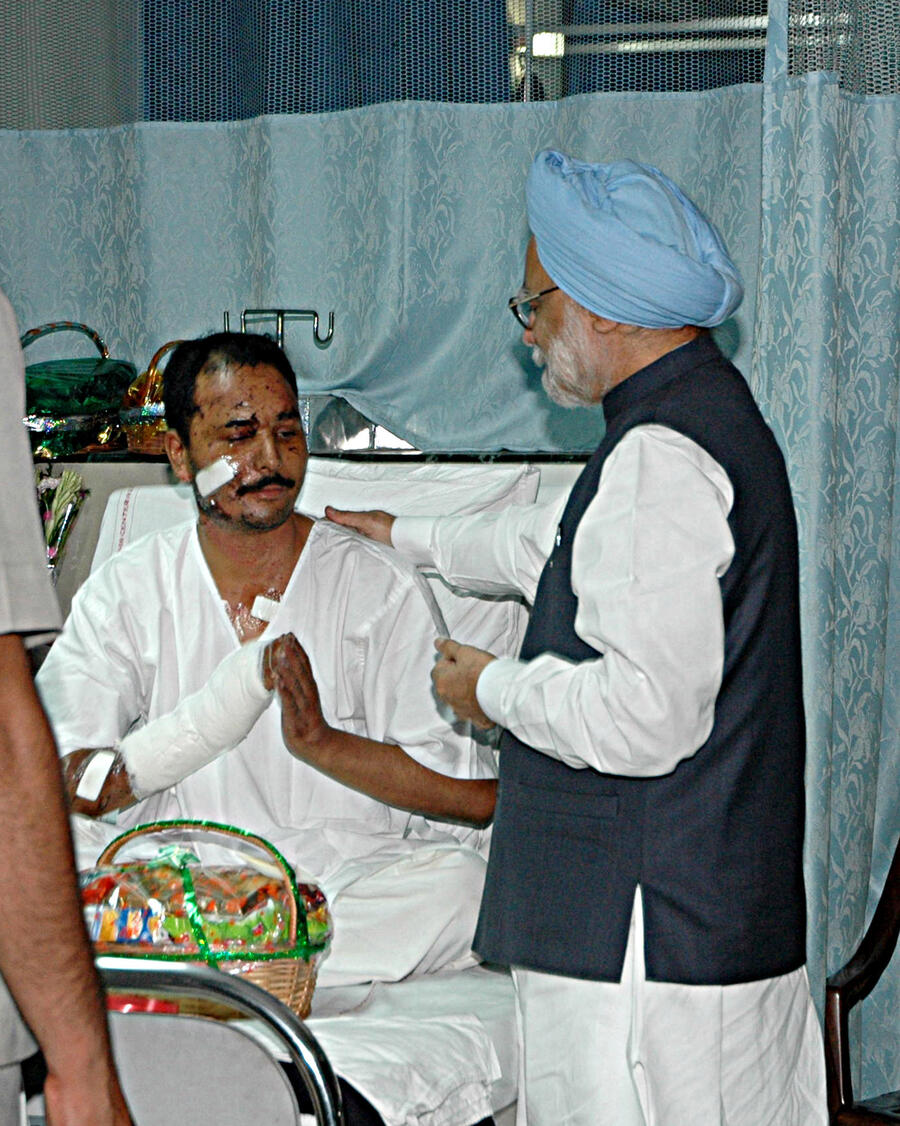
At about 8:30 am on July 7, a suicide bomber drove a car packed with explosives into the gates of the Indian embassy in Kabul, the capital of Afghanistan, and detonated it as two embassy vehicles were entering the compound. The huge blast tore through the busy street outside, where many Afghans were queuing to apply for Indian visas, and damaged nearby shops and the Afghan Interior Ministry, which stood next door. It was the deadliest attack in Kabul since the fall of the Taliban government in 2001. Final counts put the death toll at about 58, with more than 140 people injured, most of them Afghan civilians.
Four Indian officials were among the dead: the defence attaché, Brigadier Ravi Datt Mehta, the political and press counsellor, V. Venkateswara Rao, and two Indian paramilitary guards. It was the first major attack on an Indian diplomatic mission abroad. India was one of the largest donors to Afghanistan, funding roads, schools, hospitals and the new Afghan parliament building, and Indian workers on these projects had been attacked before. Indian Foreign Minister Pranab Mukherjee said such acts of terror would not stop India from keeping its commitments to the Afghan people.
No group immediately claimed responsibility, and the Taliban denied involvement. The Afghan Interior Ministry said the attack had been carried out in coordination with "an active intelligence service in the region", which was widely seen as a reference to Pakistan's Inter-Services Intelligence (ISI). Later in July, US officials were quoted in the American press as saying they believed Pakistani intelligence officers had helped plan the attack. Pakistan strongly denied any involvement. The attack added to tensions in the region, and India strengthened security at its missions and projects in Afghanistan. In October 2009, another suicide bomb exploded outside the same embassy.
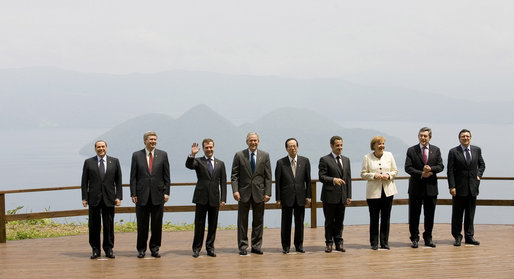
Leaders of the Group of Eight (G8) industrialised nations, meeting at a hotel above Lake Tōya on the northern Japanese island of Hokkaido, agreed on July 8 on a long-term goal for fighting climate change. In their statement, the leaders of the United States, Japan, Germany, Britain, France, Italy, Canada and Russia said they would seek to share with all countries a "vision" of cutting global greenhouse gas emissions by at least 50% by 2050, and to adopt it in the UN climate negotiations. Japanese Prime Minister Yasuo Fukuda, the host, had made climate change the summit's main theme. It was the first time US President George W. Bush had accepted a long-term numerical goal, although the United States insisted that major developing economies must also take part.
The agreement was criticised as weak by environmental groups, because it set no starting year for the cuts and no medium-term target for 2020. Each G8 country was left to set its own interim goals. Developing countries also had serious doubts. On the same day, the leaders of five major emerging economies, China, India, Brazil, South Africa and Mexico, issued their own statement in Sapporo. They said that the rich countries, which were responsible for most of the greenhouse gases already in the atmosphere, should take the lead by cutting their own emissions by 80% to 95% by 2050 and by 25% to 40% by 2020. They argued that developing countries needed room for economic growth to fight poverty and should receive technology and finance from developed nations.
The G8 leaders also discussed the world food crisis, record oil prices and aid to Africa, and they issued a statement condemning the violence surrounding Zimbabwe's presidential election. On July 9, President Hu Jintao and the leaders of other major economies joined the G8 for wider talks. Hu said that China would play its part in addressing climate change but stressed the principle of "common but differentiated responsibilities" under the UN climate convention. The meeting failed to bridge the gap between rich and developing countries, a divide that continued in the climate talks that led to the Copenhagen conference in 2009.
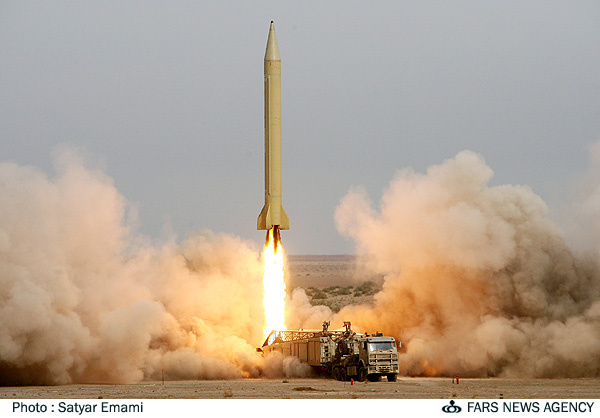
On July 9, Iran's Revolutionary Guards test-fired a series of missiles during a military exercise called "Great Prophet III", held in the desert and along the coast of the Gulf. Iranian state media said nine missiles were launched, including the long-range Shahab-3. Iran claimed the Shahab-3 could hit targets 2,000 kilometres away, which would put Israel and US military bases in the region within range. A senior Revolutionary Guards commander warned that Iran's "finger is always on the trigger" and that its missiles were ready to be launched. More launches were reported the next day.
The tests came at a time of high tension over Iran's nuclear programme. Western countries suspected Iran was trying to develop the ability to build nuclear weapons, while Tehran insisted its programme was only for producing electricity. In June, Israel had carried out a large air force exercise over the Mediterranean that many analysts saw as a rehearsal for a possible strike on Iranian nuclear sites. On July 8, the United States had signed an agreement with the Czech Republic to build a radar base there as part of a missile defence system, which Washington said was aimed at threats from countries such as Iran. US Secretary of State Condoleezza Rice warned that the United States would defend its interests and allies.
The tests helped push up oil prices, which were already near record levels, because traders feared a conflict could disrupt supplies from the Gulf. Two days later, oil reached its all-time high of more than $147 a barrel. Soon afterwards, analysts noticed that a widely published photograph of four missiles taking off, released by an Iranian news website, appeared to have been digitally altered. One of the missiles seemed to have been added by copying parts of the others, perhaps to hide a launch that had failed. Experts also questioned Iran's claims about the range of its missiles. Later that month, diplomats from six major powers, including China, met Iranian officials in Geneva to discuss a package of incentives, but no agreement was reached.
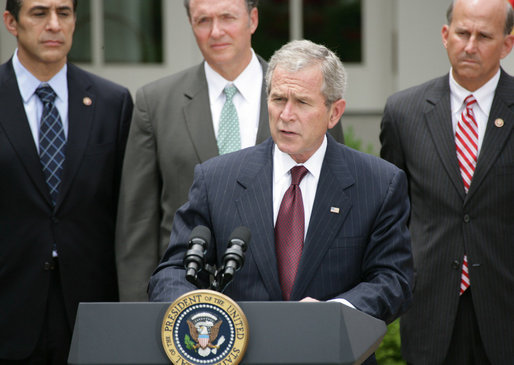
On July 10, US President George W. Bush signed the FISA Amendments Act of 2008 into law at a ceremony at the White House. The law updated the Foreign Intelligence Surveillance Act of 1978, which sets the rules for how US intelligence agencies may monitor communications for national security purposes. The Senate had passed the bill the day before by 69 votes to 28, after the House of Representatives approved it in June. Bush said the law would give intelligence officials the tools they needed to track terrorists while protecting Americans' civil liberties.
The law grew out of a long political fight over a secret surveillance programme that Bush had authorised after the September 11 attacks in 2001. Under it, the National Security Agency (NSA) had monitored some international phone calls and emails involving people in the United States without first obtaining warrants from the special FISA court. When the programme was revealed by the press in late 2005, critics said it broke the law. The new act made it easier for the government to intercept communications of foreign targets, including those passing through networks in the United States, under broader court-approved procedures rather than individual warrants. It also required warrants to target Americans abroad.
The most controversial part of the law gave legal immunity to telecommunications companies, such as AT&T and Verizon, that had helped the government with the warrantless programme. This effectively ended about 40 lawsuits filed against them by customers and civil liberties groups. An amendment to remove the immunity was defeated in the Senate by 66 votes to 32. The vote also became an issue in the presidential campaign. Democratic candidate Barack Obama, who had earlier said he would oppose any bill with immunity for telephone companies, voted for the amendment to strip it but then voted for the final bill, angering some of his supporters. His rival Hillary Clinton voted against it, while Republican candidate John McCain did not vote.
At 3 pm on July 11, US regulators closed IndyMac Bank of Pasadena, California, one of the country's largest mortgage lenders, and handed it over to the Federal Deposit Insurance Corporation (FDIC). With about $32 billion in assets and $19 billion in deposits, it was the largest US bank failure since 1984 and one of the biggest in American history. IndyMac had grown rapidly during the housing boom by making "Alt-A" loans, mortgages given to borrowers without full proof of their income, and it suffered huge losses when house prices fell and many borrowers stopped making payments.
The final blow was a run on the bank. In late June, Senator Charles Schumer released a letter to regulators questioning IndyMac's ability to survive. Over the following 11 days, worried customers withdrew more than $1.3 billion. The head of the Office of Thrift Supervision blamed Schumer's letter for causing the run, while Schumer said the bank's problems were already well known. When IndyMac reopened under FDIC control the following Monday, long queues formed outside its branches as depositors, some of whom had savings above the $100,000 insurance limit, waited to withdraw their money. The scenes reminded many people of the bank runs of the Great Depression. The failure eventually cost the FDIC's insurance fund about $10.7 billion.
The same day, the price of crude oil reached its all-time high of $147.27 a barrel during trading in New York, driven by fears of conflict involving Iran and concerns about supplies from Nigeria. On Wall Street, shares of the giant mortgage companies Fannie Mae and Freddie Mac plunged amid fears that they too might need rescuing. IndyMac's collapse proved to be an early sign of the much bigger crisis to come. In September the government took over Fannie Mae and Freddie Mac, Lehman Brothers collapsed and Washington Mutual became the largest bank failure in US history. IndyMac's assets were later sold, and the bank was relaunched as OneWest Bank in 2009.
On July 12, after separate talks with Syrian President Bashar al-Assad and Lebanese President Michel Suleiman at the Élysée Palace in Paris, French President Nicolas Sarkozy announced that Syria and Lebanon had agreed to open embassies in each other's capitals. Sarkozy described the decision as "historic". Although the two neighbours had been independent for more than 60 years, they had never had full diplomatic relations. Many Syrian leaders had long regarded Lebanon as historically part of Syria, and for decades Damascus had exercised great influence over its smaller neighbour.
Syrian troops had been stationed in Lebanon from 1976, during the Lebanese civil war, until 2005, when they withdrew under international pressure after the assassination of former Lebanese Prime Minister Rafik Hariri. Many Lebanese blamed Syria for the killing, which Damascus denied, and relations between the two countries had been very tense since then. The agreement became possible after the Doha agreement in May ended Lebanon's political crisis and Suleiman, a figure acceptable to both sides, was elected president. Assad said that Syria and Lebanon had agreed in principle and that some legal details still had to be worked out. Sarkozy also asked Assad to use Syria's close ties with Iran to help resolve the dispute over Iran's nuclear programme.
The leaders were in Paris for the founding summit of the Union for the Mediterranean on July 13, a project championed by Sarkozy that brought together the 27 European Union countries and countries around the Mediterranean, including Israel, the Palestinian territories and Arab states. The visit marked the end of years of Western efforts to isolate Syria. Assad's presence at France's Bastille Day military parade on July 14 caused some controversy in France. Syria opened its embassy in Beirut in December 2008, and Lebanon opened its embassy in Damascus in March 2009.
On the evening of Sunday, July 13, US Treasury Secretary Henry Paulson announced an emergency plan to support Fannie Mae and Freddie Mac, the two giant government-sponsored companies at the heart of the American mortgage market. Standing outside the Treasury building in Washington, Paulson said the companies played a "central role" in the housing finance system and that their continued strength was important to confidence in the financial markets. The announcement was timed to come before markets opened in Asia, where foreign central banks and investors held hundreds of billions of dollars of Fannie and Freddie debt.
The plan had three parts. Paulson asked Congress to approve a temporary increase in the companies' lines of credit with the Treasury, which were then limited to $2.25 billion each. He also asked for temporary authority for the Treasury to buy shares in the companies if necessary. Lastly, he proposed giving the Federal Reserve a role in setting the capital standards of their new regulator. At the same time, the Federal Reserve announced that Fannie Mae and Freddie Mac could borrow directly from it if needed, using its emergency "discount window", which is normally available only to commercial banks.
Fannie Mae and Freddie Mac did not lend money directly to homebuyers. Instead, they bought mortgages from banks and either kept them or packaged them into securities with their guarantee, which helped keep mortgage money flowing. Together they owned or guaranteed about $5 trillion of home loans, about half of all US mortgages. As house prices fell and defaults rose, investors feared that the companies did not have enough capital to absorb their losses, and their share prices had collapsed by about half in the previous week alone. Congress approved Paulson's request later that month in a major housing law, which Bush signed on July 30. But confidence did not return. On September 7, the government took control of both companies, placing them under "conservatorship", one of the largest government interventions in US financial history.
On July 14, Luis Moreno-Ocampo, the chief prosecutor of the International Criminal Court (ICC) in The Hague, asked the court's judges to issue an arrest warrant for Sudan's President Omar al-Bashir. He accused Bashir of genocide, crimes against humanity and war crimes in the western region of Darfur, where conflict had raged since 2003. Moreno-Ocampo said Bashir had used the army and allied militias to attack the Fur, Masalit and Zaghawa ethnic groups. He also accused Bashir of trying to destroy them through killings and the creation of conditions in camps intended to lead to their slow death. It was the first time the ICC prosecutor had sought the arrest of a sitting head of state.
The Darfur conflict began when rebel groups took up arms against the government in Khartoum, accusing it of neglecting and discriminating against the region. The government and allied Arab militias, known as the Janjaweed, responded with a campaign that drove more than two million people from their homes. The United Nations estimated that around 300,000 people had died from violence, disease and hunger. A joint African Union–UN peacekeeping force, UNAMID, had begun deploying in early 2008.
Sudan, which is not a member of the ICC, rejected the move, calling it politically motivated, and thousands of people demonstrated in Khartoum against the court. The African Union and the Arab League criticised the prosecutor's request, warning that it could undermine efforts to bring peace to Darfur and endanger peacekeepers, and they asked the UN Security Council to delay the case. China and Russia also called for caution, saying the move should not harm the peace process. Western governments and human rights groups welcomed it. On March 4, 2009, the ICC judges issued a warrant for Bashir's arrest on charges of war crimes and crimes against humanity, and added genocide charges in 2010. Bashir remained in power until he was overthrown by the army in April 2019 after months of protests.
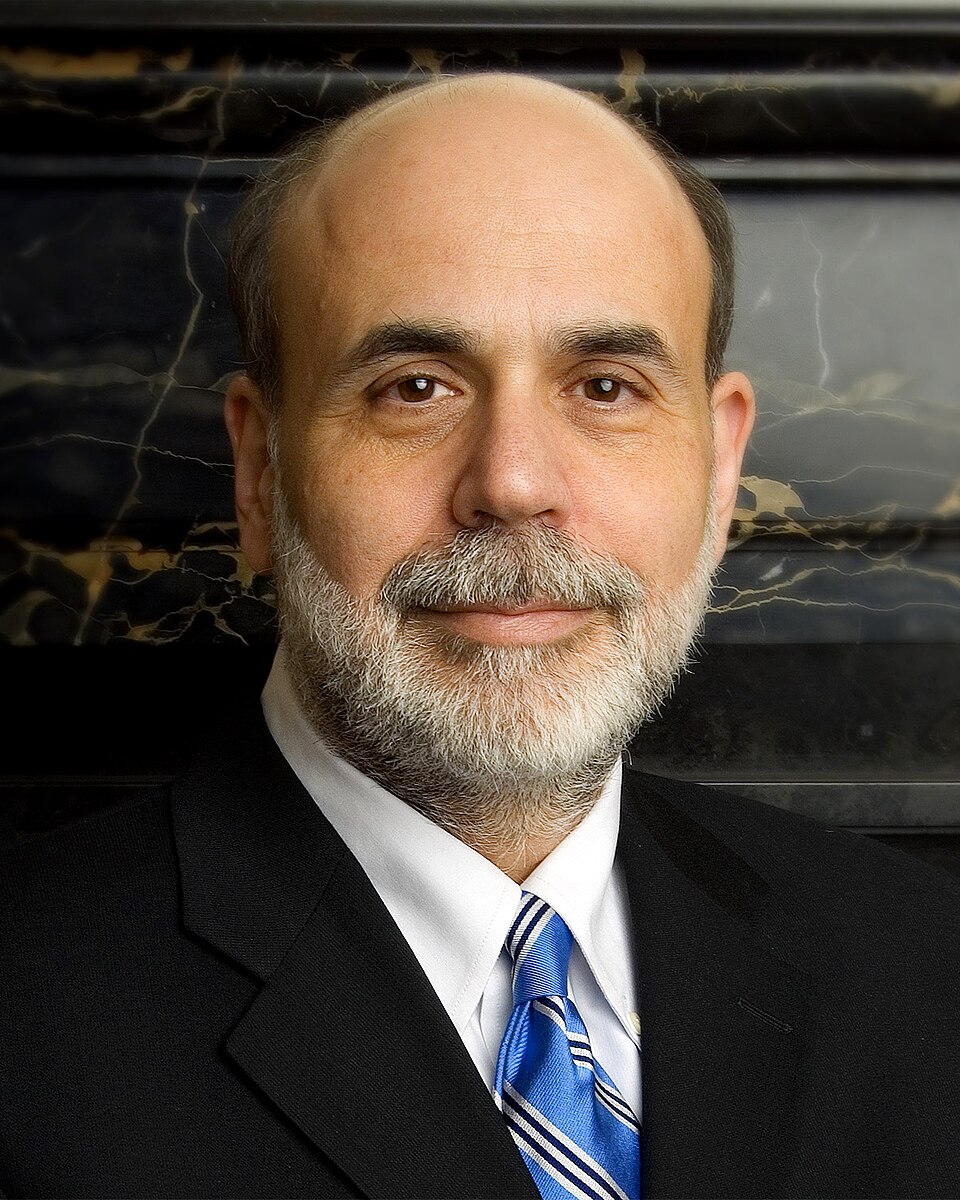
On July 15, just four days after reaching an all-time high of more than $147 a barrel, the price of oil suffered one of its largest one-day falls ever. On the New York Mercantile Exchange, crude dropped $6.44 to settle at $138.74. It had been down more than $9 at one point during the day. In dollar terms, it was the biggest fall since the start of the Gulf War in January 1991. Traders said the drop was set off by testimony from Federal Reserve Chairman Ben Bernanke, which suggested that a weakening US economy would mean lower demand for fuel.
Appearing before the Senate Banking Committee, Bernanke said the US economy faced "numerous difficulties", including falling house prices, tight credit, rising unemployment and high energy prices. He warned that inflation was too high but also that growth was likely to stay slow for some time. At the same hearing, Treasury Secretary Henry Paulson defended his plan to support Fannie Mae and Freddie Mac. He argued that giving the Treasury broad powers to help the mortgage giants would reassure markets and might mean the powers never had to be used. He made the point with the much-quoted image that having a "bazooka" in your pocket might mean you never had to take it out. Also on July 15, the Securities and Exchange Commission announced emergency rules to limit "naked" short selling of the shares of Fannie Mae, Freddie Mac and major investment banks, after their prices had plunged.
The Dow Jones Industrial Average fell 92.65 points to 10,962.54, its lowest close in two years. The day turned out to be a turning point for oil prices. As the global economy slowed and demand fell, crude kept falling over the following months. By the end of 2008 it was below $40 a barrel, a drop of more than 70% from its July peak. For consumers and airlines, the decline brought relief, but for oil-producing countries it meant a sharp fall in income.
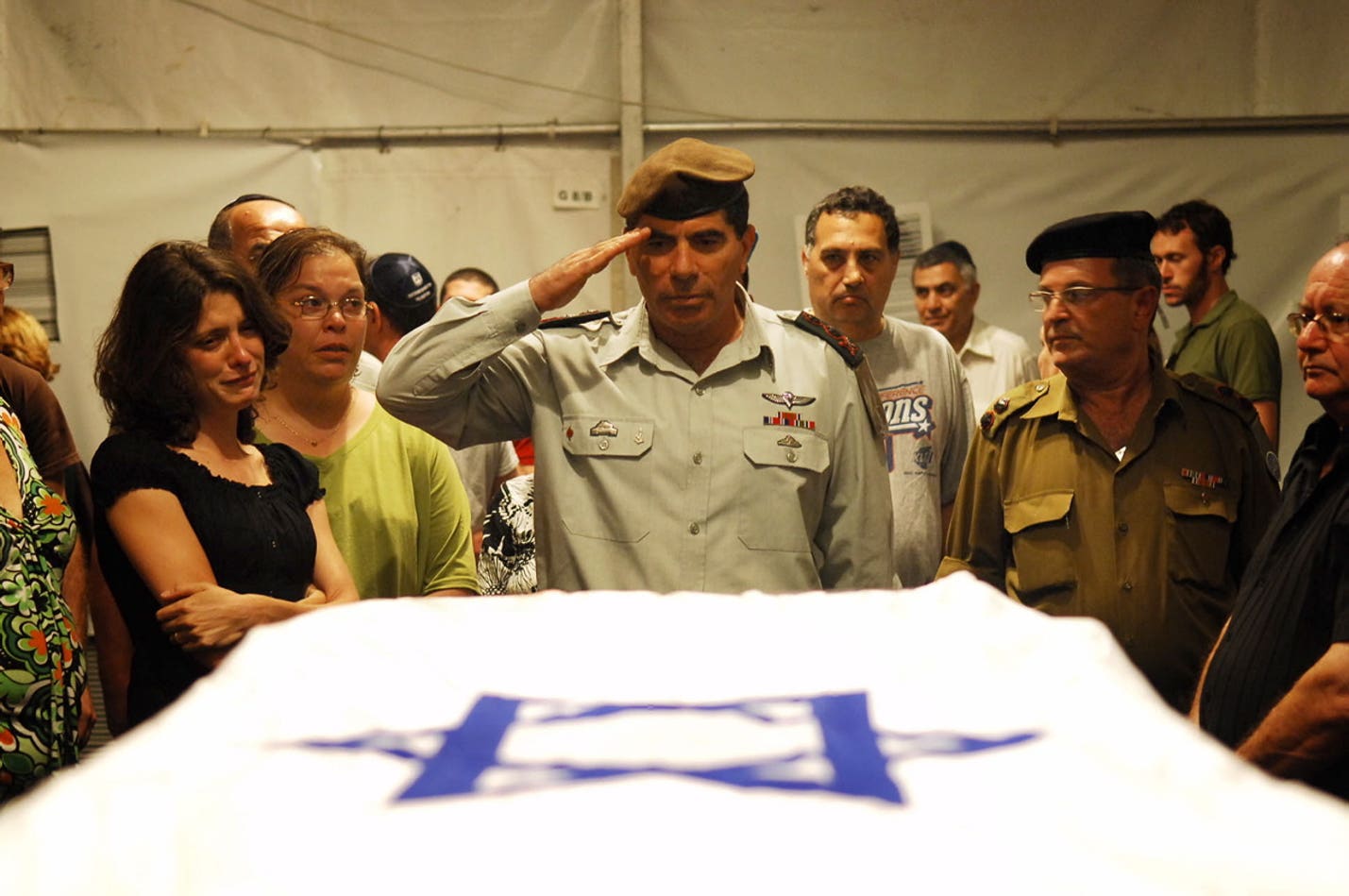
On July 16, Israel and the Lebanese Shia movement Hezbollah carried out a prisoner exchange at the Naqoura border crossing on Lebanon's southern frontier, two years after the war between them. Hezbollah handed over two black coffins containing the bodies of the Israeli soldiers Ehud Goldwasser and Eldad Regev. Their capture in a cross-border raid on July 12, 2006, had set off the 34-day war in which more than 1,000 Lebanese and about 160 Israelis were killed. Until the coffins were opened and the remains identified, Israel had not known for certain whether the two men were alive.
In return, Israel released five Lebanese prisoners and handed over the remains of about 200 Lebanese and Palestinian fighters. The best known of the released prisoners was Samir Kuntar, a Lebanese militant who had served almost 30 years of a life sentence in Israel for a 1979 attack in the northern Israeli town of Nahariya, in which a policeman, a man and his four-year-old daughter were killed. Four Hezbollah fighters captured during the 2006 war were also freed. The International Committee of the Red Cross carried out the transfers, and the deal had been negotiated over about 18 months by a German intelligence official appointed by the UN.
The day brought very different emotions on the two sides of the border. In Israel, the country went into mourning as the families of Goldwasser and Regev learned for certain that the men were dead, and many Israelis were upset at the release of Kuntar. In Lebanon, the government declared a public holiday, and the freed prisoners were welcomed home as heroes at a ceremony at Beirut airport attended by the president, the prime minister and other leaders. That evening, Hezbollah leader Hassan Nasrallah made a rare public appearance at a mass rally in southern Beirut to greet them.
In mid-July, hundreds of Thai and Cambodian soldiers faced each other near Preah Vihear, an ancient Hindu temple perched on a cliff along the border between the two countries. By July 17, the third day of the standoff, both sides had rushed reinforcements to the area. Reports put the numbers at around 800 Cambodian and 400 Thai troops, some armed with assault rifles and rocket launchers. Soldiers dug in and set up positions close to each other. Cambodian Prime Minister Hun Sen wrote to Thai Prime Minister Samak Sundaravej, accusing Thai troops of entering Cambodian territory and asking him to withdraw them, while Thailand said its soldiers were on Thai soil.
The temple, built mainly in the 11th and 12th centuries by the Khmer Empire, had long been a source of dispute. In 1962, the International Court of Justice ruled that it belonged to Cambodia, but the ownership of about 4.6 square kilometres of land around it remained contested. The latest crisis began on July 7, when UNESCO, the UN cultural organisation, added the temple to its World Heritage List at Cambodia's request. Thailand's government had supported the application, but opposition groups, especially the People's Alliance for Democracy, which was campaigning to bring down Samak's government, accused it of giving away Thai land. A court ruled that the government had acted unconstitutionally by signing a joint communiqué with Cambodia without parliament's approval, and Foreign Minister Noppadon Pattama resigned on July 10. The standoff began after three Thai protesters crossed into the temple area and were briefly detained by Cambodian authorities.
The two countries' foreign ministers held talks, and the Association of Southeast Asian Nations (ASEAN) urged restraint. After several weeks, both sides agreed to reduce their troop numbers, although the dispute remained unresolved. Clashes broke out in October 2008 and again in 2011, killing soldiers and civilians. In 2013, the International Court of Justice ruled that the whole promontory on which the temple stands belonged to Cambodia.
Nelson Mandela, South Africa's first black president and one of the most admired people in the world, celebrated his 90th birthday on July 18. He spent the day quietly with his wife Graça Machel and his large family at his home in Qunu, the village in the Eastern Cape province where he grew up. Messages of congratulation poured in from world leaders, and across South Africa people sang "Happy Birthday" in schools and offices. Mandela used the occasion to call on wealthy South Africans to help fight the poverty that still affected millions of people in the country.
Celebrations had begun weeks earlier. On June 27, a concert in Hyde Park, London, attended by 46,664 people, a number matching Mandela's prison number on Robben Island, raised money and awareness for his campaign against HIV/AIDS. Performers included Amy Winehouse, Annie Lennox, Queen and many African artists, and the event was hosted by the actor Will Smith. In a short speech, Mandela told the crowd that it was "time for new hands to lift the burdens" and urged them to carry on the fight against injustice. A birthday dinner in London was attended by British Prime Minister Gordon Brown and former US President Bill Clinton.
Born in 1918, Mandela had spent 27 years in prison for his struggle against apartheid, South Africa's system of racial segregation, before being released in 1990. He shared the Nobel Peace Prize in 1993 with F. W. de Klerk and became president after the country's first democratic elections in 1994, serving one term and focusing on reconciliation between black and white South Africans. In a sign of how much had changed, just weeks before his birthday, in early July 2008, US President George W. Bush signed a law removing Mandela and other members of the African National Congress from US terrorism watch lists, a legacy of the apartheid era. Mandela died in December 2013 at the age of 95.
On July 19, envoys from six world powers, China, the United States, Russia, Britain, France and Germany, met Iran's chief nuclear negotiator, Saeed Jalili, in Geneva. The talks were led by the European Union's foreign policy chief, Javier Solana. For the first time, a senior US official took part in face-to-face international talks with Iran over its nuclear programme. William Burns, the third-ranking official at the State Department, sat at the table, a notable shift for the administration of President George W. Bush, which had refused to join such talks unless Iran first stopped enriching uranium. US officials described his presence as a "one-time" event and said he was there to listen and to show that Washington supported the diplomatic effort, not to negotiate.
The meeting was meant to hear Iran's response to a package of incentives that the six powers had offered in June. It included help with civilian nuclear energy, trade and other cooperation, in return for Iran suspending uranium enrichment, which can produce fuel for power stations or, at higher levels, material for nuclear weapons. Diplomats had discussed a possible "freeze-for-freeze" first step. Under it, Iran would stop expanding its enrichment work for several weeks, and in return the UN Security Council would not impose new sanctions. This would allow formal negotiations to begin.
After about six hours of talks, Solana described the meeting as "constructive" but said the powers still had not received a clear answer to their questions. Jalili said Iran would discuss only the common points of the two sides' proposals and would not accept suspending enrichment. The two sides agreed to be in contact again within two weeks. The United States warned that Iran would face further sanctions if it did not respond positively. The talks produced no breakthrough, and the dispute over Iran's nuclear programme continued for years, until an agreement was finally reached in 2015.
From July 20, Beijing began restricting private cars to alternate days on the roads, as one of the biggest measures to clean the air and ease traffic before the Olympic Games opened on August 8. Under the rules, cars with licence plates ending in an odd number could drive only on odd-numbered dates, and those ending in an even number only on even-numbered dates. The restrictions were designed to take about half of the capital's roughly 3.3 million vehicles off the roads each day, and they were to last until September 20, after the Paralympic Games. Buses, taxis, police and emergency vehicles, and cars used for the Games and by embassies were exempt. More than 10,000 cameras and other devices were installed to catch drivers who broke the rules.
The odd-even scheme was part of a wider effort to fulfil the promise of a "Green Olympics". From July 1, about 300,000 older, high-polluting vehicles had already been banned from Beijing's roads. Many factories and power plants in Beijing and the surrounding provinces of Hebei and Tianjin cut production or temporarily closed. Most construction sites in the city stopped work, and government offices adjusted working hours. To help people get around, the city expanded public transport. On July 19, three new rail lines opened: Subway Line 10, the Olympic branch of Line 8, and an express line to Beijing Capital International Airport. The city also added thousands of buses and extended service hours.
Many residents switched to the subway, buses and bicycles, and traffic jams that had been common on the city's ring roads largely disappeared. Air quality improved markedly during the Games, according to official monitoring, though the hot and humid weather sometimes brought haze. Many Beijingers said they enjoyed the clearer roads and skies, although some car owners complained about the inconvenience. After the Games, the government kept a milder version of the restriction, taking each car off the road one weekday a week according to the last digit of its licence plate, a rule that continued for years.
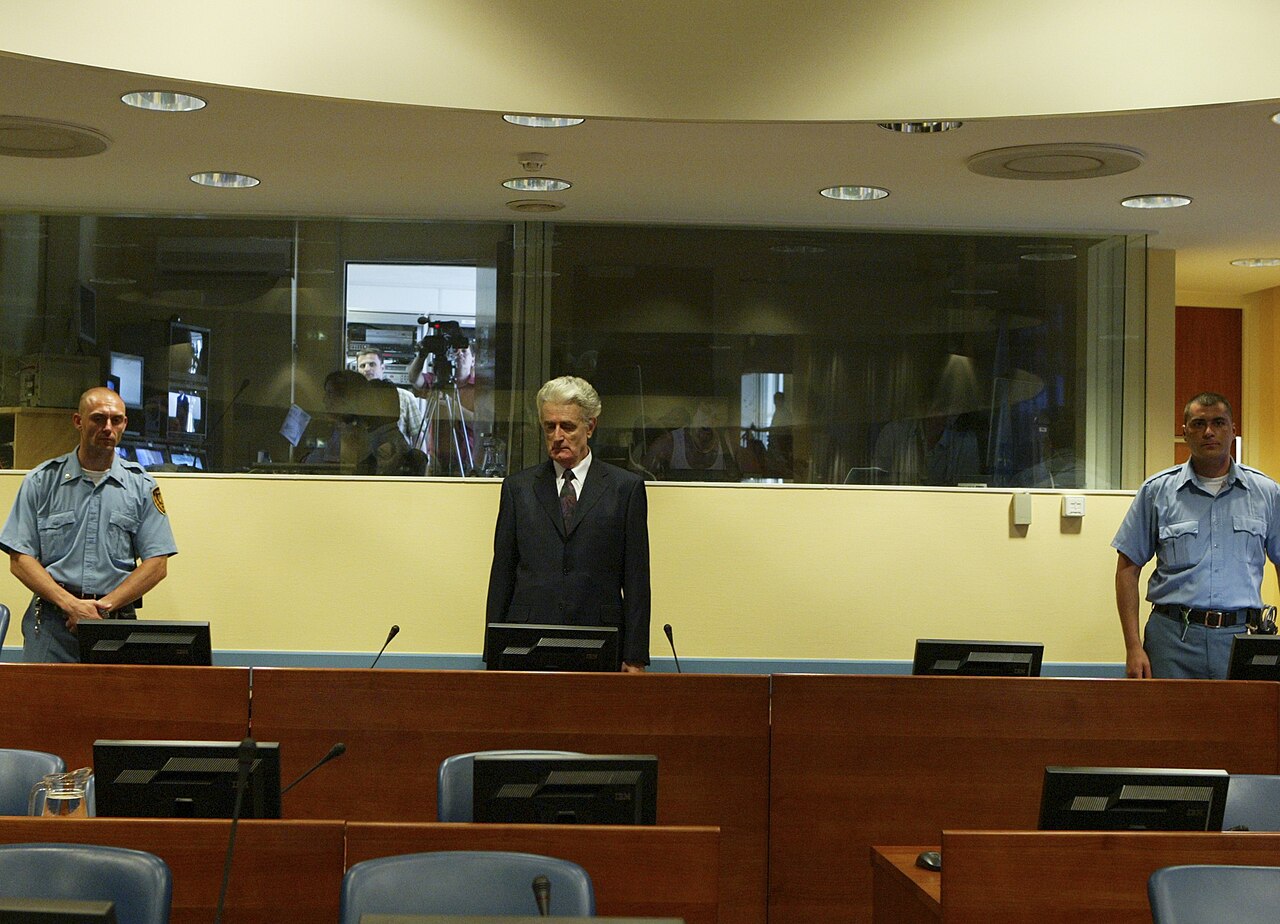
Late on July 21, the office of Serbian President Boris Tadić announced that Radovan Karadžić, the wartime political leader of the Bosnian Serbs and one of the world's most wanted war crimes suspects, had been arrested by Serbian security forces. He had been on the run for nearly 13 years since the UN war crimes tribunal for the former Yugoslavia in The Hague indicted him in 1995. The tribunal charged him with genocide, crimes against humanity and war crimes during the 1992–95 Bosnian war, including the 44-month siege of Sarajevo and the massacre of about 8,000 Bosnian Muslim men and boys at Srebrenica in July 1995.
The most astonishing part of the story was how he had been hiding. For years, Karadžić had lived openly in Belgrade under a false name, Dragan Dabić, presenting himself as an expert in alternative medicine. He had grown a long white beard and long white hair tied in a topknot, wore large glasses, and was almost unrecognisable. He gave lectures, wrote articles for a health magazine and worked at a private clinic, and he was sometimes seen in a local bar. When the photographs of "Dr Dabić" were released the next day, many people in Serbia and abroad could hardly believe that this was the same man.
The arrest came days after a new pro-European government took office in Serbia following the May elections, and it was welcomed by the European Union as an important step towards Serbia's future membership. The EU had made full cooperation with the tribunal a condition. In Sarajevo, people celebrated in the streets, while in Belgrade, Serbian nationalists held protests, one of which turned violent. Karadžić was transferred to The Hague on July 30. In 2016 the tribunal convicted him of genocide over Srebrenica and other crimes, and in 2019 an appeals court increased his sentence to life imprisonment. The wartime Bosnian Serb army commander, Ratko Mladić, was arrested in Serbia in 2011.
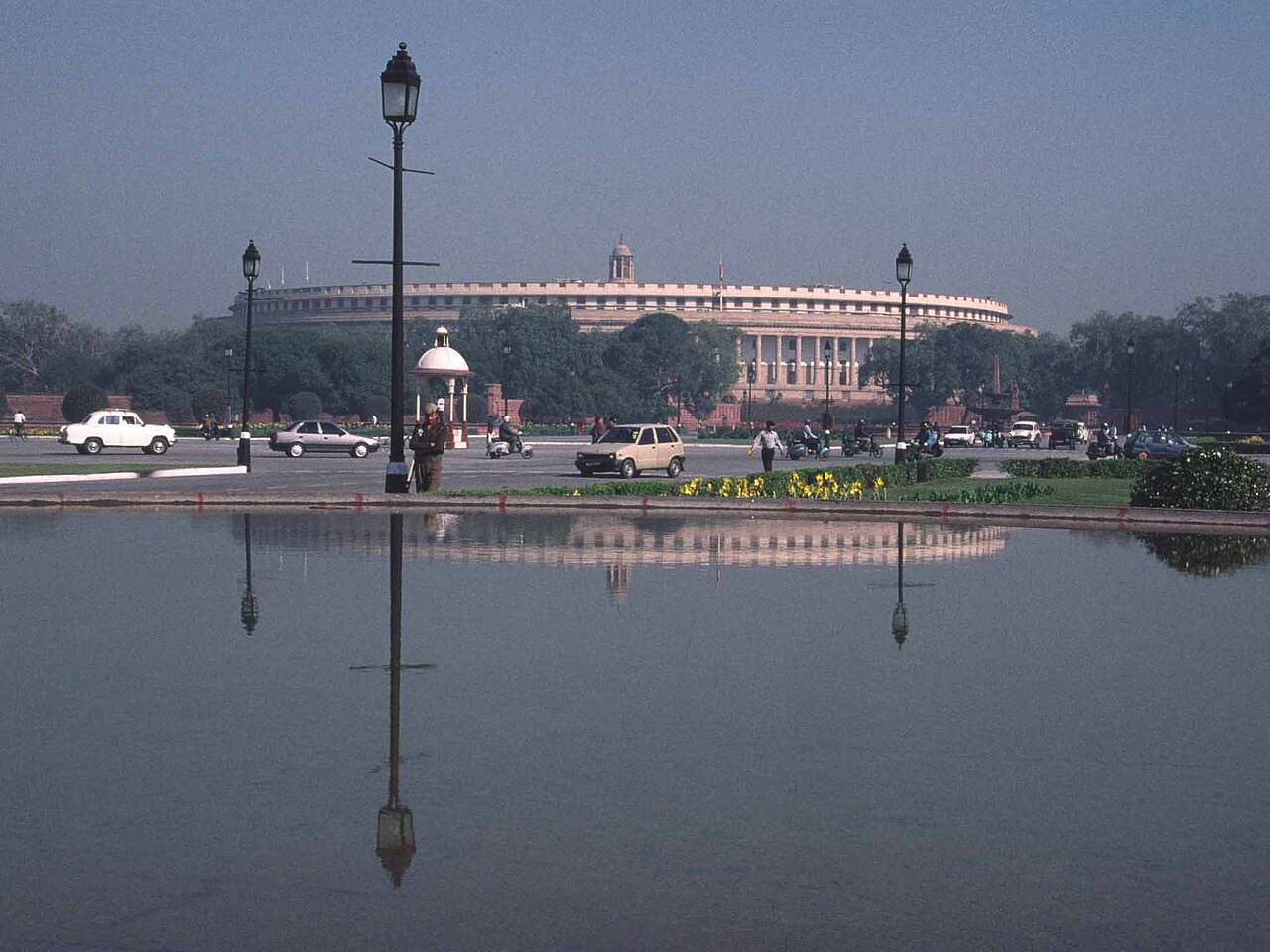
On July 22, Indian Prime Minister Manmohan Singh's coalition government won a vote of confidence in the Lok Sabha, the lower house of parliament, by 275 votes to 256, with ten members abstaining. The vote had been called after four left-wing parties, led by the Communist Party of India (Marxist), withdrew their support from the government earlier in July. They objected to Singh's plan to complete a civilian nuclear cooperation agreement with the United States, arguing that it would compromise India's independent foreign policy and tie it too closely to Washington. Their withdrawal removed about 60 MPs from the government's side.
The agreement would end decades of international restrictions on nuclear trade with India, which other countries had imposed after India tested nuclear devices in 1974 and 1998 while staying outside the Nuclear Non-Proliferation Treaty. In return, India would separate its civilian and military nuclear facilities and place the civilian ones under international inspection. Singh argued that nuclear power was vital to meet the country's fast-growing energy needs and that the deal would end India's "nuclear isolation". To survive, the Congress-led United Progressive Alliance won the support of the Samajwadi Party, a regional party from Uttar Pradesh, and several small parties and independents.
The two-day debate was heated, and just before the vote it was overshadowed by a dramatic scene. Three opposition Bharatiya Janata Party MPs waved bundles of banknotes in the chamber, claiming they had been offered money to vote for the government or to stay away. The government denied any wrongdoing, and the "cash-for-votes" affair led to investigations that continued for years. With the vote won, India moved ahead. In September, the Nuclear Suppliers Group granted India a special exemption to trade in nuclear technology and fuel, and in October India and the United States signed the agreement.
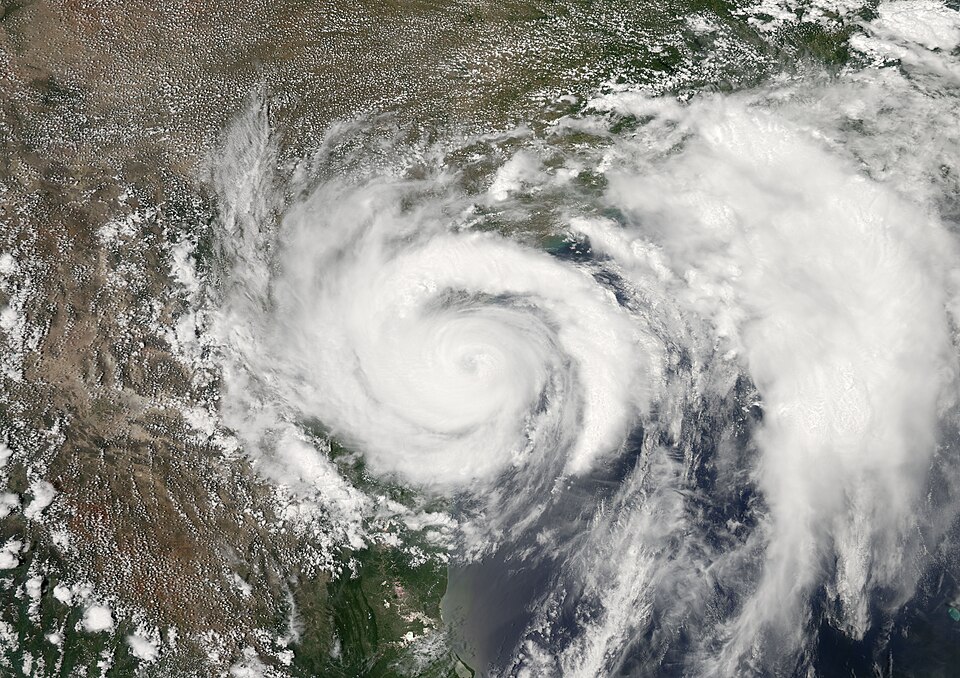
Hurricane Dolly, the second hurricane of the 2008 Atlantic season, made landfall on South Padre Island, Texas, near the border with Mexico, around midday on July 23. It came ashore as a Category 2 storm with sustained winds of about 160 km/h. The hurricane then moved slowly inland over the Lower Rio Grande Valley, a low-lying farming region with towns and cities on both sides of the river border between the United States and Mexico. Because it moved so slowly, it dumped huge amounts of rain, with up to about 30 centimetres in some places.
On South Padre Island, a popular beach resort, strong winds tore roofs off buildings, smashed windows, knocked down signs and power lines, and pushed seawater across roads. Further inland, in towns such as Port Isabel, Harlingen and Brownsville, trees were uprooted, homes and businesses were damaged, and streets flooded. Many thousands of homes lost electricity. Local officials had feared that the levees along the Rio Grande might give way, but they held. Farmers suffered heavy losses: tens of thousands of hectares of cotton that were nearly ready for harvest were damaged by wind and rain. US President George W. Bush declared a federal disaster in 15 Texas counties to speed up aid. The National Weather Service later estimated the total damage in the United States at more than $1 billion.
Across the border, in the Mexican state of Tamaulipas, the cities of Matamoros and Reynosa were also hit by flooding. Thousands of people sought refuge in emergency shelters, and the state governor said dozens of neighbourhoods remained at risk. Because residents on both sides of the border had been evacuated or warned in advance, there were few deaths directly caused by the storm. Dolly was followed later in the season by much more destructive storms, including Hurricane Ike, which struck Galveston and Houston in September.
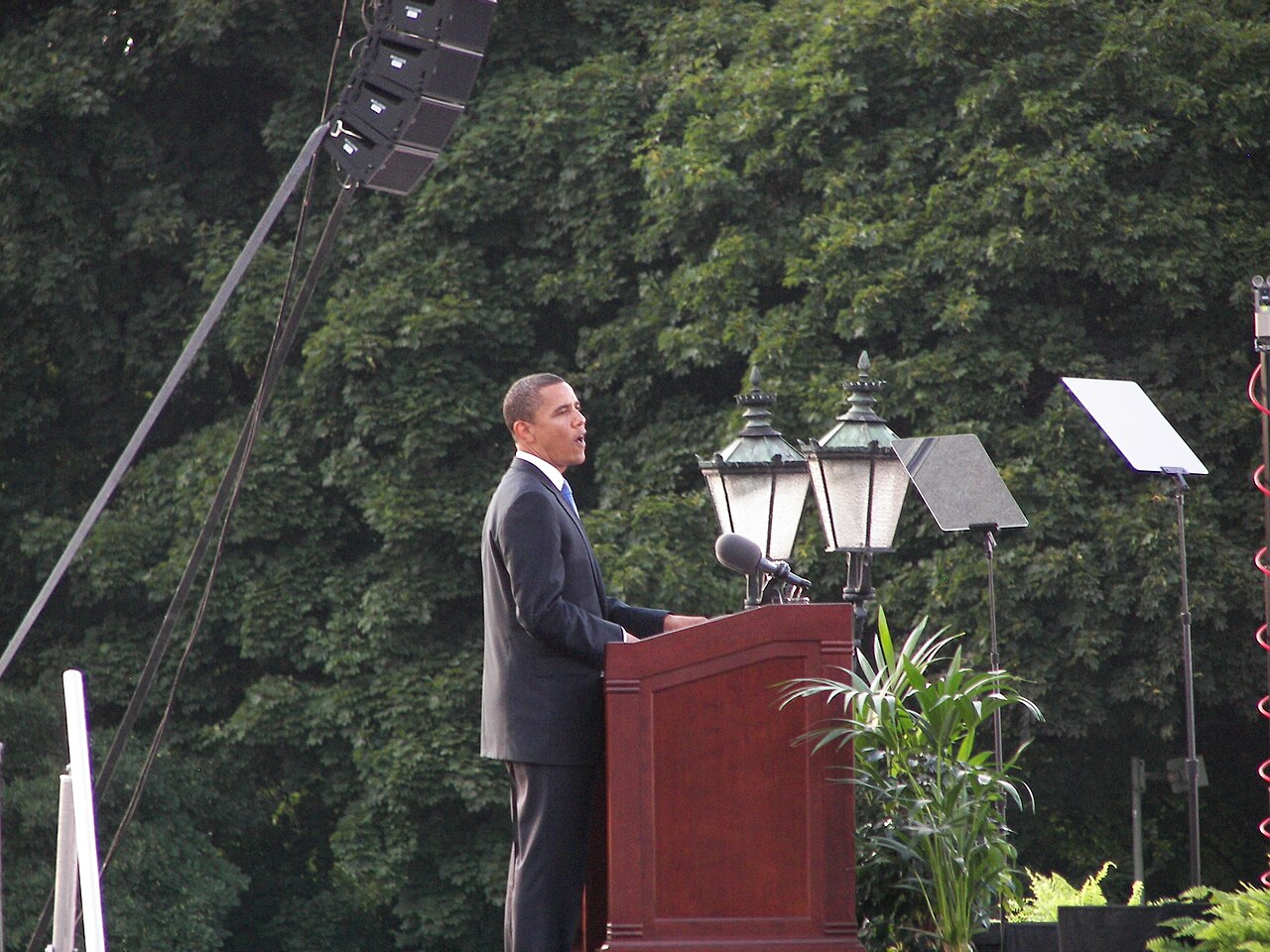
On the evening of July 24, US Democratic presidential candidate Barack Obama gave a speech in front of the Victory Column in Berlin's Tiergarten park to a crowd estimated by Berlin police at more than 200,000 people. Other estimates ranged from 150,000 to 250,000. It was the largest audience of his campaign and a sign of the enormous popularity he enjoyed in Europe, where many people were unhappy with the policies of President George W. Bush, especially the Iraq war. Obama had originally hoped to speak at the Brandenburg Gate, but German Chancellor Angela Merkel's government had expressed reservations about using the historic site for a campaign event.
Obama said he was speaking "not as a candidate for president, but as a citizen, a proud citizen of the United States, and a fellow citizen of the world". He recalled the Berlin Airlift of 1948–49, when the United States and its allies flew food and fuel into the city during a Soviet blockade, and the fall of the Berlin Wall in 1989 as examples of what people could achieve when they stood together. He called for a renewed partnership between the United States and Europe to face new challenges such as terrorism, climate change, nuclear weapons and poverty. The biggest cheers came when he said that "the walls between races and tribes, natives and immigrants, Christians and Muslims and Jews cannot stand. These now are the walls we must tear down." He also asked Europeans to do more, including sending more troops to Afghanistan.
The Berlin speech was part of an eight-country tour of the Middle East and Europe, including Afghanistan, Iraq, Israel, France and Britain, intended to show American voters that he was ready to lead on foreign policy. The trip received huge media attention. His Republican rival, John McCain, criticised it, and his campaign later ran an advertisement mocking Obama as a "celebrity". In Germany, some commentators said the speech was more inspiring than substantial. But the scenes in Berlin showed how much hope Obama had raised abroad. Three months later, he was elected president.
Randy Pausch, a computer science professor at Carnegie Mellon University in Pittsburgh whose farewell lecture inspired millions of people around the world, died of pancreatic cancer on July 25 at his home in Chesapeake, Virginia. He was 47 and left behind his wife, Jai, and three young children. Pausch had been diagnosed with pancreatic cancer in 2006, and in August 2007 doctors told him the disease had spread and that he had only months of good health left.
On September 18, 2007, he gave a talk at Carnegie Mellon titled "The Last Lecture: Really Achieving Your Childhood Dreams". The university had a tradition of inviting professors to give a lecture as if it were their last, but in Pausch's case it truly was. Speaking to about 400 people, he talked with humour and energy about his childhood dreams, such as experiencing zero gravity, playing professional American football and becoming a Disney "Imagineer", and how he had achieved most of them. He also spoke about the importance of helping others achieve their dreams. He urged his audience to keep a sense of fun, to work hard, and to treat obstacles as "brick walls" that are there to show how badly you want something. At one point he did push-ups on stage to show that he was still strong.
Video of the lecture spread rapidly on the internet and was watched by millions of people. Pausch appeared on television programmes such as *The Oprah Winfrey Show*, and in April 2008 he published a book based on the talk, *The Last Lecture*, written with journalist Jeffrey Zaslow. It became an international best-seller and was translated into dozens of languages, including Chinese. Pausch had also been known in his field for creating Alice, a free program that teaches young people computer programming through 3D animation and storytelling. He later testified before the US Congress to call for more funding for pancreatic cancer research.
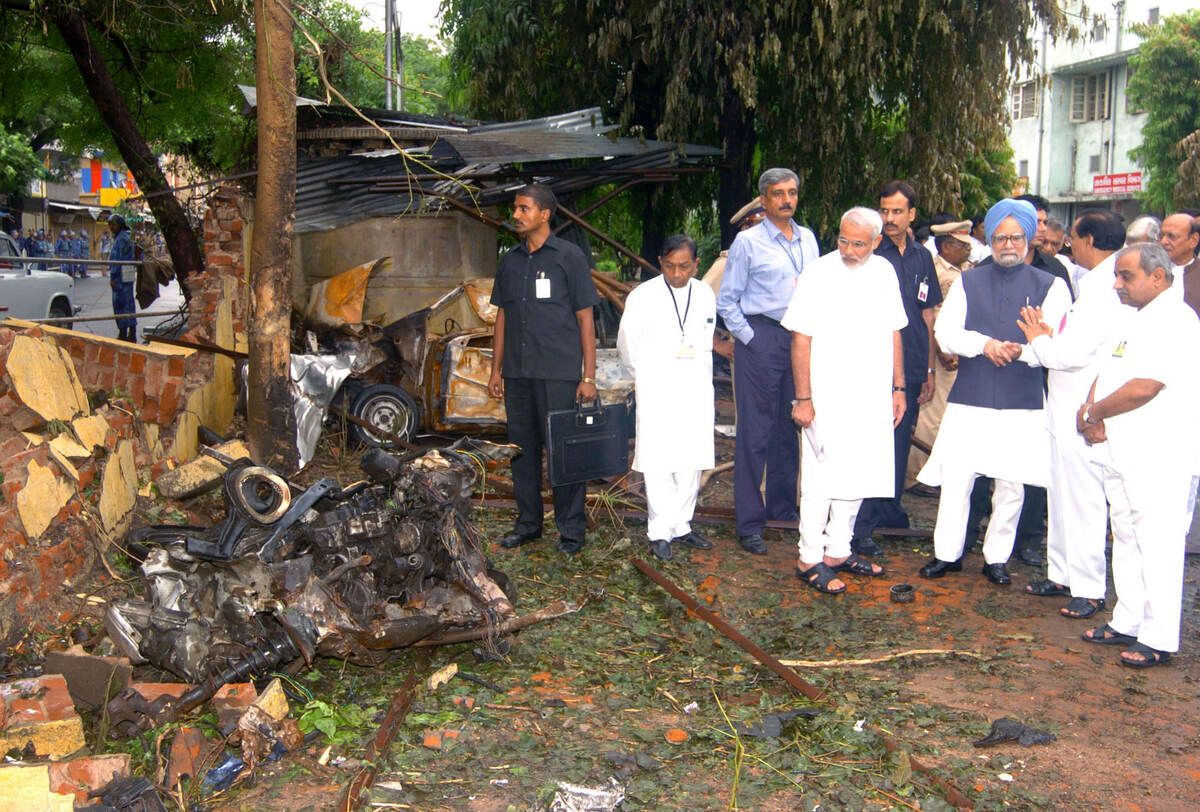
On the evening of July 26, a series of 21 bombs exploded across Ahmedabad, the largest city in the western Indian state of Gujarat, within about 70 minutes. The bombs had been planted on bicycles, in parked cars, in lunch boxes and on buses in crowded markets and residential areas. The deadliest blasts were at two hospitals, the Civil Hospital and the LG Hospital, where bombs went off just as injured people from the first explosions were being brought in and as relatives and volunteers gathered to help. Fifty-six people were killed and more than 200 were injured.
The attack came just one day after nine low-intensity bombs exploded in Bangalore, India's information technology centre in the southern state of Karnataka, killing two people. Minutes before the first Ahmedabad blasts, several television channels received an email from a group calling itself the Indian Mujahideen, the same group that had claimed responsibility for the bombings in Jaipur in May. Police later said the attacks had been planned as revenge for the anti-Muslim riots in Gujarat in 2002, in which more than 1,000 people, most of them Muslims, had been killed. In the following days, police found and defused more than 20 unexploded bombs in the nearby city of Surat.
Prime Minister Manmohan Singh condemned the bombings and appealed for calm, and security was stepped up in cities across India. The attacks were part of a series of bombings that struck Indian cities in 2008, including Delhi in September, and they ended with the attacks on Mumbai in November. The investigation into the Ahmedabad bombings led to one of the largest trials in India's history. In February 2022, a special court convicted 49 people and sentenced 38 of them to death, the largest number of death sentences handed down in a single case in India. The Gujarat High Court upheld the verdict in July 2026.
On the evening of July 27, two bombs exploded about ten minutes apart on a busy pedestrian shopping street in Güngören, a working-class district on the European side of Istanbul, Turkey's largest city. Both had been hidden in rubbish bins. The first, smaller blast drew a crowd of residents and passers-by who came to see what had happened and to help the injured. The second, much more powerful bomb then went off about 50 metres away, causing most of the casualties. Seventeen people were killed, including five children, and more than 150 were wounded. It was the deadliest attack on civilians in Turkey for several years.
No group immediately claimed responsibility. Turkish officials and media pointed to the Kurdistan Workers' Party (PKK), an armed separatist group that had been fighting the Turkish state since 1984. Prime Minister Recep Tayyip Erdoğan suggested that the attack was revenge for the army's intensified operations against PKK bases, including air strikes in northern Iraq. The PKK denied that it was responsible. Police soon detained several suspects, and Erdoğan called on Turks to stand together against terrorism.
The bombing came at a tense time in Turkish politics. The next day, the Constitutional Court began considering a case brought by the chief prosecutor to close Erdoğan's governing Justice and Development Party (AKP) and ban dozens of its members, including Erdoğan himself, from politics for five years. The prosecutor accused the party, which had Islamic roots, of trying to undermine Turkey's secular system. On July 30, the court decided not to close the party. Six of the 11 judges voted for closure, one short of the seven needed. Instead, the court cut the party's state funding by half as a warning. The ruling ended months of political uncertainty, and markets in Turkey rose on the news.
On July 28, a new internet search engine called Cuil (pronounced "cool") was launched in the United States with great publicity, presented by many in the media as a possible challenger to Google, which then handled most of the world's web searches. The company was founded by a husband-and-wife team, Anna Patterson and Tom Costello, together with Russell Power and Louis Monier. Patterson and Power were former Google engineers; Patterson had helped build one of Google's large search indexes, and Monier had been a founder of the earlier search engine AltaVista. The company had raised about $33 million from investors.
Cuil claimed to have indexed about 120 billion web pages, which it said was three times as many as Google. It also promised to protect users' privacy by not keeping records of their searches. Instead of a simple list of links, its results were displayed in columns like a magazine, with pictures and summaries next to many entries, and it suggested related topics to help users explore a subject. The founders argued that their technology analysed the content of pages and the connections between them more efficiently than existing search engines.
But the launch quickly went wrong. So many curious people tried the new site on its first day that its servers were overloaded, and at times the site stopped working. Many users and technology writers who did manage to try it found the results poor. Searches often returned irrelevant pages, mismatched images, or no results at all, even for simple queries. Within a few days, enthusiasm had faded, and traffic fell sharply over the following months. Cuil never became a serious rival to Google, and in September 2010 it shut down after a planned sale to another company failed. Its story became a well-known example of how hard it was to compete with Google in search.
On the evening of July 29, after nine days of intense negotiations at the headquarters of the World Trade Organization (WTO) in Geneva, Director-General Pascal Lamy announced that ministers had failed to reach agreement on the main elements of the Doha Round of world trade talks. Trade ministers from about 30 key countries, including the United States, the European Union, China, India and Brazil, had come close to a deal on cutting tariffs on farm and industrial goods and reducing farm subsidies. But in the end they could not bridge their differences. "Members have simply not been able to bridge their differences," Lamy said.
The final sticking point was a "special safeguard mechanism" for developing countries. Under it, a country could temporarily raise tariffs on farm imports such as rice, wheat or cotton if a sudden surge of cheap imports threatened its farmers. India and China, which had hundreds of millions of small farmers, wanted the mechanism to be triggered by a relatively small rise in imports, so that they could protect rural livelihoods and food security. The United States, backed by some agricultural exporters, argued that this would allow countries to block trade and wipe out the market access gained in the deal. US Trade Representative Susan Schwab blamed China and India for the breakdown, while Indian Commerce Minister Kamal Nath said he had been defending the interests of poor farmers and that the talks should be seen as a pause, not an end. Chinese officials said developing countries had a legitimate right to protect their farmers and that rich countries should do more to cut their own farm subsidies.
The Doha Round had been launched in Qatar in November 2001, just weeks before China joined the WTO, with the aim of making the global trading system fairer for developing countries. It had already missed several deadlines. Many economists warned that the failure came at a bad time, as the world economy was slowing and food prices were high. Talks continued on and off for years, but the Doha Round was never completed, and countries increasingly turned to regional and bilateral trade agreements instead.
In a surprise televised statement from his official residence in Jerusalem on the evening of July 30, Israeli Prime Minister Ehud Olmert announced that he would not run in his Kadima party's leadership election in September and would resign once a new party leader was chosen. "I am proud to be a citizen of a country where the prime minister can be investigated like any other citizen," he said, while again insisting that he was innocent. He said that when he had to choose between his personal interests and the good of the country, the interests of the state came first.
Olmert, who had become prime minister in 2006 after Ariel Sharon suffered a severe stroke, was under police investigation in several corruption cases. In May, an American businessman, Morris Talansky, had testified in court that he had given Olmert about $150,000 in cash over a period of more than a decade, much of it in envelopes, before Olmert became prime minister. Olmert said it had been legal campaign funding. Further investigations concerned alleged double billing of travel expenses. Olmert's popularity had already fallen sharply after the 2006 war in Lebanon, which many Israelis considered a failure, and his coalition partners had been demanding that he step aside.
His decision came as Israel was involved in sensitive diplomacy. Olmert had been negotiating with Palestinian President Mahmoud Abbas since the Annapolis conference of November 2007, and Israel was also holding indirect peace talks with Syria through Turkish mediation. Foreign Minister Tzipi Livni won the Kadima leadership election on September 17, but she was unable to form a coalition government, so early elections were called. After the vote in February 2009, Likud leader Benjamin Netanyahu became prime minister in March. Olmert was later convicted of bribery and other offences and served 16 months in prison.
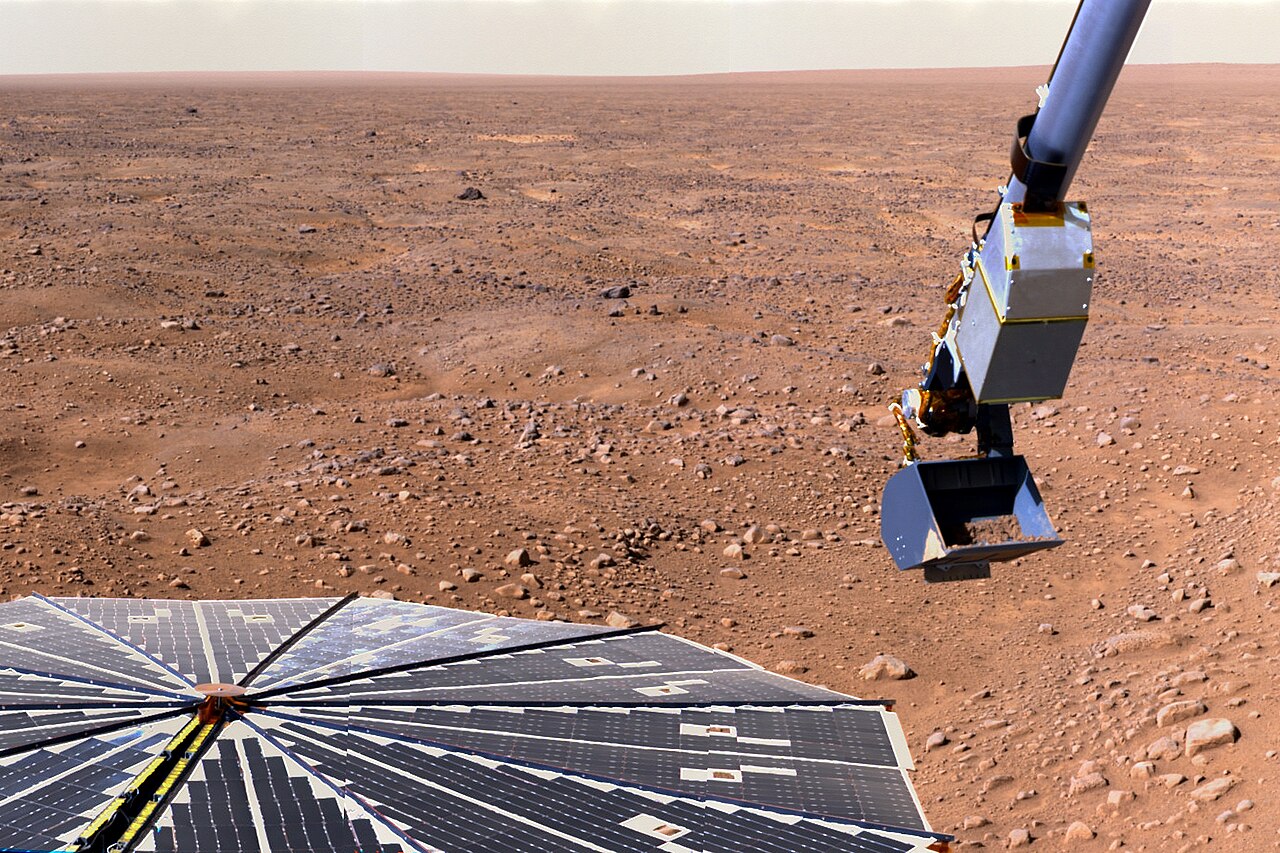
On July 31, NASA announced that its Phoenix Mars Lander had confirmed the presence of water ice in the soil near the planet's north pole. "We have water," said William Boynton of the University of Arizona, the lead scientist for the lander's Thermal and Evolved-Gas Analyzer (TEGA), an instrument that heats soil samples in tiny ovens and identifies the gases they give off. When a sample scooped from a trench about 5 centimetres deep was heated, the instrument detected water vapour. Boynton said that although orbiting spacecraft and earlier observations had already pointed to ice, "this is the first time Martian water has been touched and tasted."
Phoenix had landed on the arctic plains of Mars on May 25. In June, its cameras had shown bright white chunks in a freshly dug trench that slowly disappeared over a few days, which scientists believed was ice turning directly into vapour in the thin, dry Martian air. But confirming it had proved difficult. Ice-rich soil tended to stick to the robotic arm's scoop and would not drop into the instrument's narrow opening. The team eventually delivered a sample that had been exposed to the air for two days. Though it looked relatively dry, the sample still contained frozen water.
NASA also announced that the mission, originally planned to last 90 days, would be extended by five weeks, to the end of September, because the lander was in good health. Scientists wanted to use the extra time to study the chemistry of the soil and look for organic compounds, the carbon-based building blocks of life, to learn whether the area could ever have supported microbes. The confirmation of water was a major step in the search for places where life might once have existed on Mars. Phoenix kept working until early November, when the approach of the Martian winter cut off its solar power.
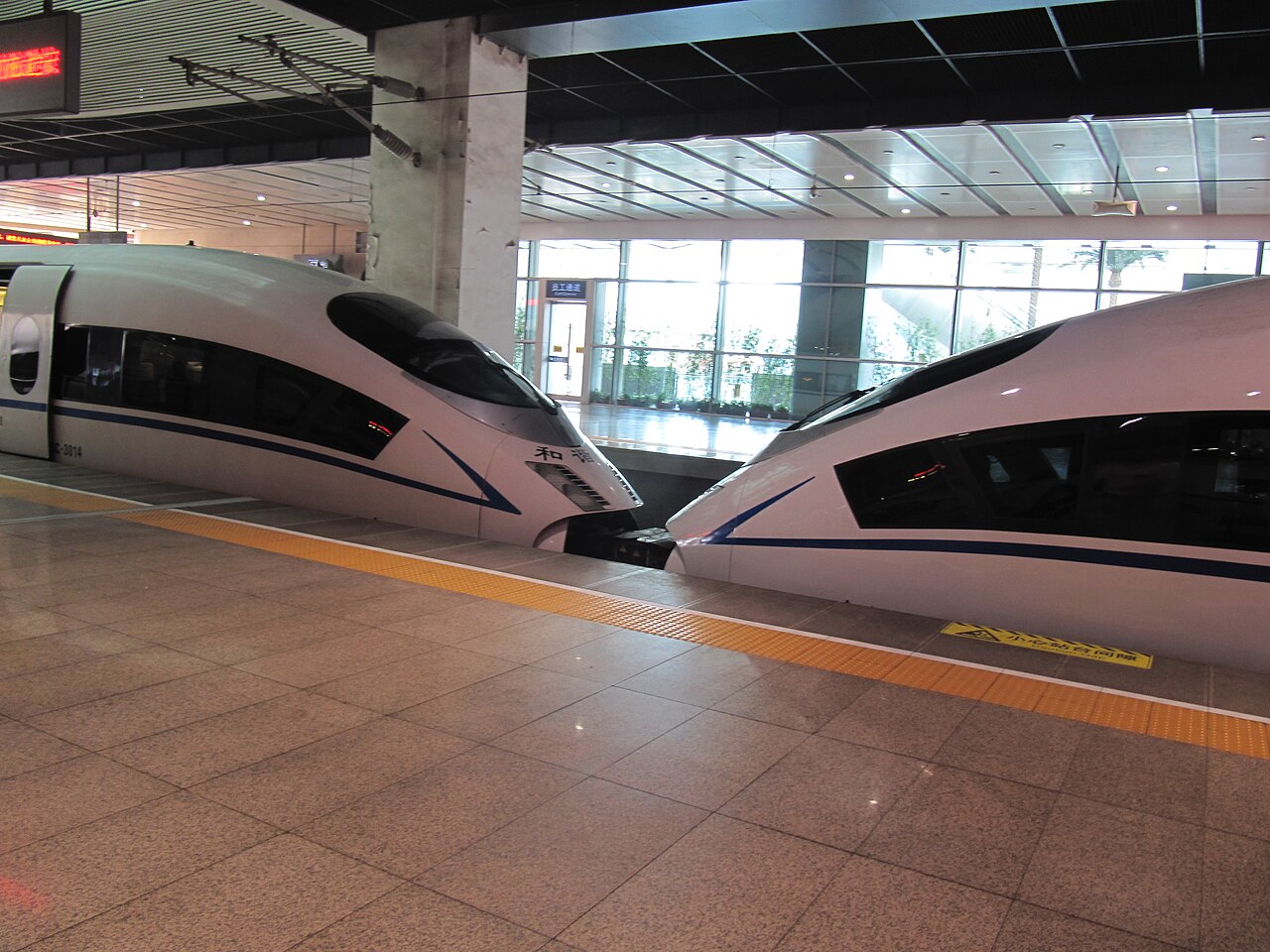
On August 1, one week before the Olympic Games, China opened the Beijing–Tianjin Intercity Railway, the country's first railway designed for trains running at 350 kilometres per hour. At the time, it was the fastest regular train service in the world. The first train left Beijing South Station, a huge new terminal with a curved glass roof, early that morning. The journey of about 120 kilometres to Tianjin, a major port city and one of the venues for the Olympic football tournament, was cut from about 70 minutes to around 30 minutes. A one-way ticket in second class cost 58 yuan.
The line was served by sleek white CRH2 and CRH3 trains. The CRH3, based on a design by the German company Siemens and built with Chinese partners, could reach speeds of 350 km/h on the line. Most of the track was built on elevated viaducts to keep it straight and level and to save farmland. Construction had begun in July 2005 and was completed in three years. Railway officials said trains would run every few minutes at peak times, and the line was expected to carry tens of thousands of passengers a day, including visitors travelling to Olympic matches in Tianjin.
The opening marked the start of a remarkable expansion of high-speed rail in China. Over the following years, the country built new lines linking Wuhan and Guangzhou, Beijing and Shanghai, and many other cities, creating the world's largest high-speed rail network. By the 2020s, it stretched more than 40,000 kilometres, changing how hundreds of millions of people travelled. On the same day, a total solar eclipse was visible across parts of north-western China, including Xinjiang and Gansu, drawing large crowds of observers.
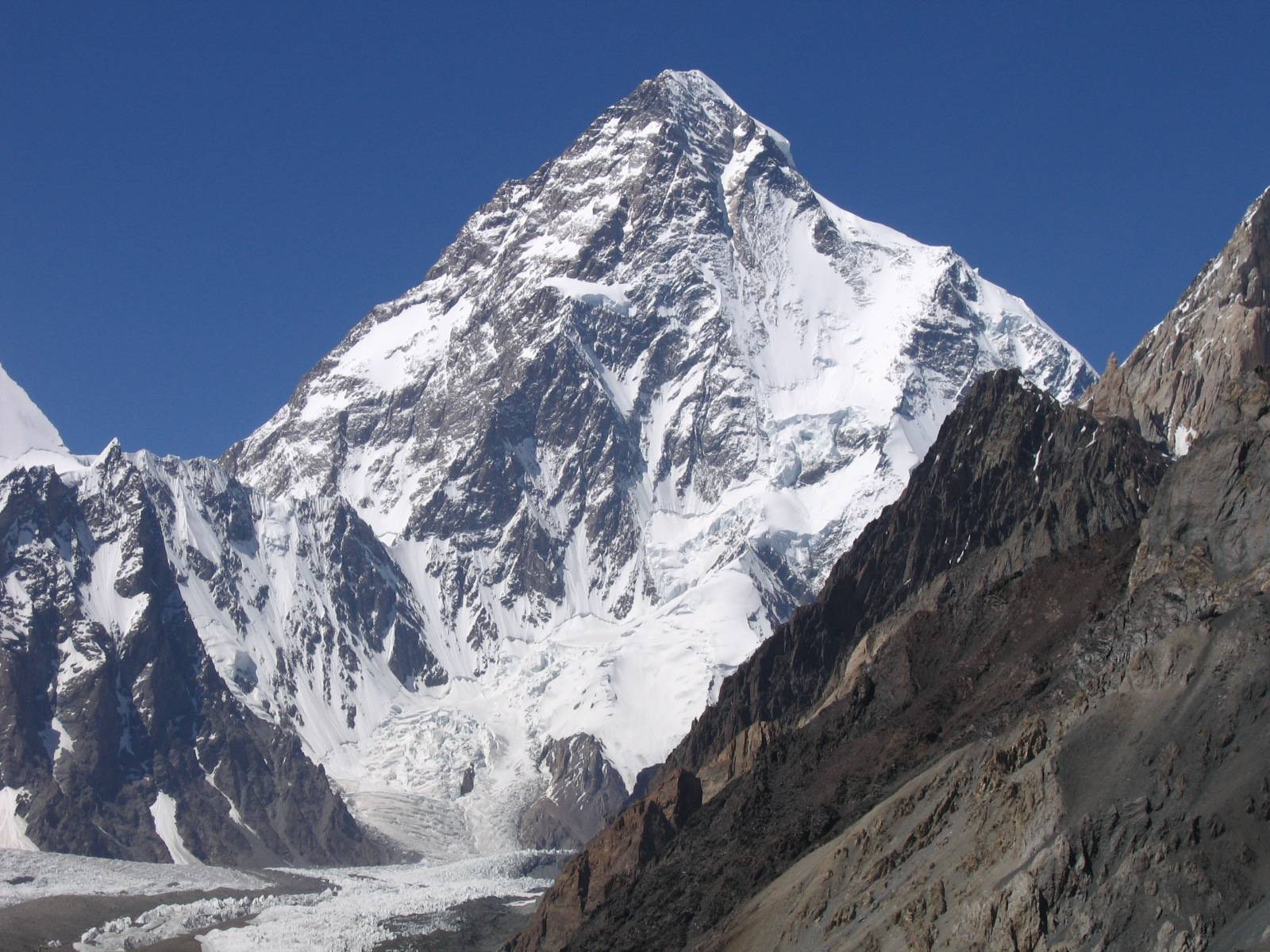
On August 2, news began to spread from Pakistan's Karakoram mountains of one of the worst disasters in the history of mountaineering. Eleven climbers had died on K2, the world's second-highest mountain at 8,611 metres, which lies on the border between Pakistan and China. Known for its steep slopes and unpredictable weather, K2 was considered far more dangerous than Mount Everest; before 2008, roughly one in four climbers who reached its summit had died on the descent.
On August 1, more than two dozen climbers from several international expeditions set off for the summit from the highest camp. Delays began early, when fixed ropes were placed in the wrong spot and had to be moved, and a long queue formed in the "Bottleneck", a steep, narrow gully directly below a huge overhanging wall of glacier ice. Several people died before they even reached the top, including a Serbian climber who fell and a Pakistani high-altitude porter who died trying to recover his body. About 18 climbers reached the summit, many of them late in the afternoon, much later than was safe. That evening, as they descended in the dark, a huge block of ice, called a serac, broke off above the Bottleneck. It swept away the fixed ropes and killed several climbers, leaving others stranded at nearly 8,400 metres without ropes to guide them down. Some fell or died of cold and exhaustion during the night and next day.
Among the dead were climbers from South Korea, Nepal, Norway, France, Ireland, Serbia and Pakistan. They included Gerard McDonnell, the first Irish person to reach K2's summit, who was reported to have tried to help others trapped on the ropes. Survivors, including Dutch climbers Wilco van Rooijen and Cas van de Gevel and Italian Marco Confortola, made their way down with severe frostbite. Some were later rescued by Pakistani army helicopters. Nepalese Sherpa Pemba Gyalje went back up the mountain several times to search for and help the stranded climbers, and he was later honoured for his courage. The tragedy prompted debate about overcrowding and inexperience on the world's highest peaks.
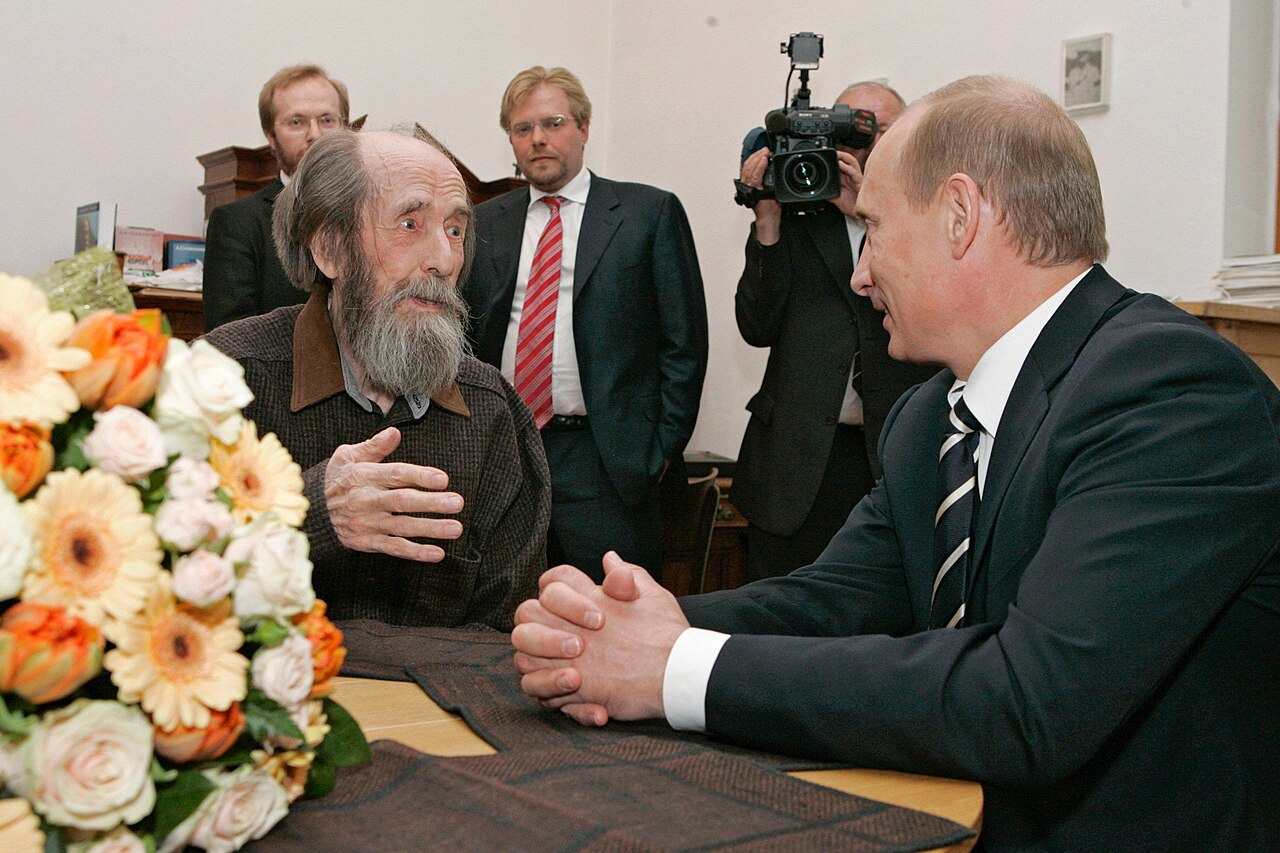
Aleksandr Solzhenitsyn, the Russian writer whose books exposed the Soviet Union's system of forced labour camps to the world, died of heart failure at his home near Moscow late on August 3. He was 89. Winner of the 1970 Nobel Prize in Literature, he was one of the most influential writers and moral voices of the 20th century, and his works helped change how people in the Soviet Union and abroad understood the communist system under Stalin.
Born in 1918, Solzhenitsyn served as an artillery officer in the Second World War. In 1945 he was arrested for criticising Stalin in private letters to a friend and spent eight years in prison camps, followed by internal exile in Kazakhstan, where he also survived cancer. His short novel *One Day in the Life of Ivan Denisovich*, describing a single day in the life of a camp prisoner, was published in the Soviet Union in 1962 during a brief period of liberalisation under Nikita Khrushchev and caused a sensation. Later works, however, were banned. His three-volume *The Gulag Archipelago*, a history of the camp system based on the testimony of hundreds of former prisoners, was published abroad in 1973. In 1974 he was arrested, stripped of his citizenship and expelled from the country.
He lived for nearly 20 years in exile, mostly in the US state of Vermont, where he continued to write. He also criticised what he saw as the materialism of Western society. He returned to Russia in 1994, after the collapse of the Soviet Union, and spent his last years writing and speaking about Russia's history and future. Russian President Dmitry Medvedev and Prime Minister Vladimir Putin paid tribute to him, and thousands of people queued to pay their respects as his body lay in state at the Russian Academy of Sciences. On August 6 he was buried at the Donskoy Monastery in Moscow after a Russian Orthodox funeral service.
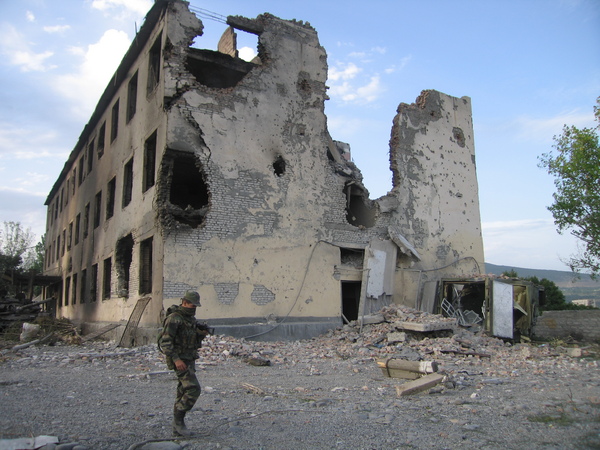
On August 4, buses carrying hundreds of children and women left South Ossetia, a small breakaway region of Georgia in the Caucasus Mountains, for Vladikavkaz in the Russian republic of North Ossetia. The evacuation followed a sharp rise in fighting around Tskhinvali, the region's main town. Late on August 1 and early on August 2, exchanges of sniper, mortar and artillery fire between Georgian forces and South Ossetian militias killed six people and wounded more than a dozen. These were among the deadliest clashes in the area for years. Each side blamed the other. Georgia said separatists had shelled Georgian villages in the region, while the South Ossetian authorities accused Georgia of firing on Tskhinvali and Ossetian villages.
South Ossetia had broken away from Georgian control in a war in the early 1990s, after the collapse of the Soviet Union. Since then it had been watched over by a peacekeeping force made up mainly of Russian troops, as well as Georgian and Ossetian units. Most of its residents held Russian passports, and the region depended heavily on Russia. Georgia's President Mikheil Saakashvili, who wanted closer ties with the West and membership of NATO, had pledged to restore Georgia's control over South Ossetia and Abkhazia, another breakaway region. Tensions between Georgia and Russia had been rising for months, with accusations over military flights and troop movements.
The South Ossetian leader, Eduard Kokoity, said volunteers from Russia's North Caucasus were arriving to help defend the region, and Georgia warned against outside interference. Attempts at talks failed. On the night of August 7–8, Georgian forces launched a large military operation to take control of Tskhinvali, and Russia responded by sending in troops and aircraft, beginning a five-day war. A later report commissioned by the European Union found that Georgia had started the large-scale hostilities, but that Russia's response had gone far beyond reasonable self-defence. It also found that there had been provocations on all sides in the months before.
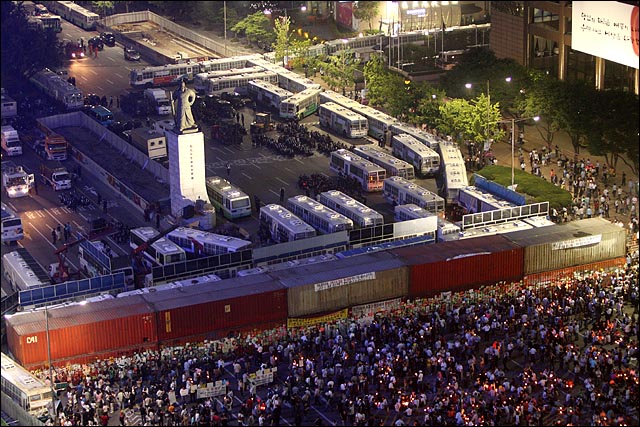
US President George W. Bush arrived in Seoul on the evening of August 5 for a two-day visit to South Korea, the first stop on an Asian trip that would take him to Thailand and then to Beijing for the opening of the Olympic Games. He was greeted by both supporters and opponents. In central Seoul, an estimated 20,000 anti-Bush protesters gathered, and riot police used water cannons when they tried to march onto a main boulevard. Dozens of people were arrested. At the same time, about 15,000 people held a pro-American rally, and tens of thousands more attended a Christian prayer meeting in support of the alliance with the United States. About 20,000 police officers were deployed for the visit.
The protests were the latest in a wave of demonstrations that had shaken South Korea since the spring. In April, President Lee Myung-bak's government agreed to reopen the country's market to American beef, which had been largely banned since a case of mad cow disease was found in the United States in 2003. Many South Koreans feared the beef was unsafe, and for weeks in May and June, tens of thousands of people held candlelight protests in Seoul almost every night. The crisis forced the government to renegotiate parts of the deal, and Lee's cabinet offered to resign. Bush's visit, originally planned for July, had been postponed because of the unrest.
At their summit on August 6, Bush and Lee focused on North Korea's nuclear programme, which was being dealt with through the Six-Party Talks chaired by China, and on a free trade agreement between the two countries that had been signed in 2007 but not yet approved by their parliaments. They pledged to work to get it ratified. Bush then flew to Bangkok, where he gave a speech about freedom in Asia, before arriving in Beijing on August 7. He attended the opening ceremony the next day, becoming the first sitting US president to attend an Olympic Games held outside the United States.
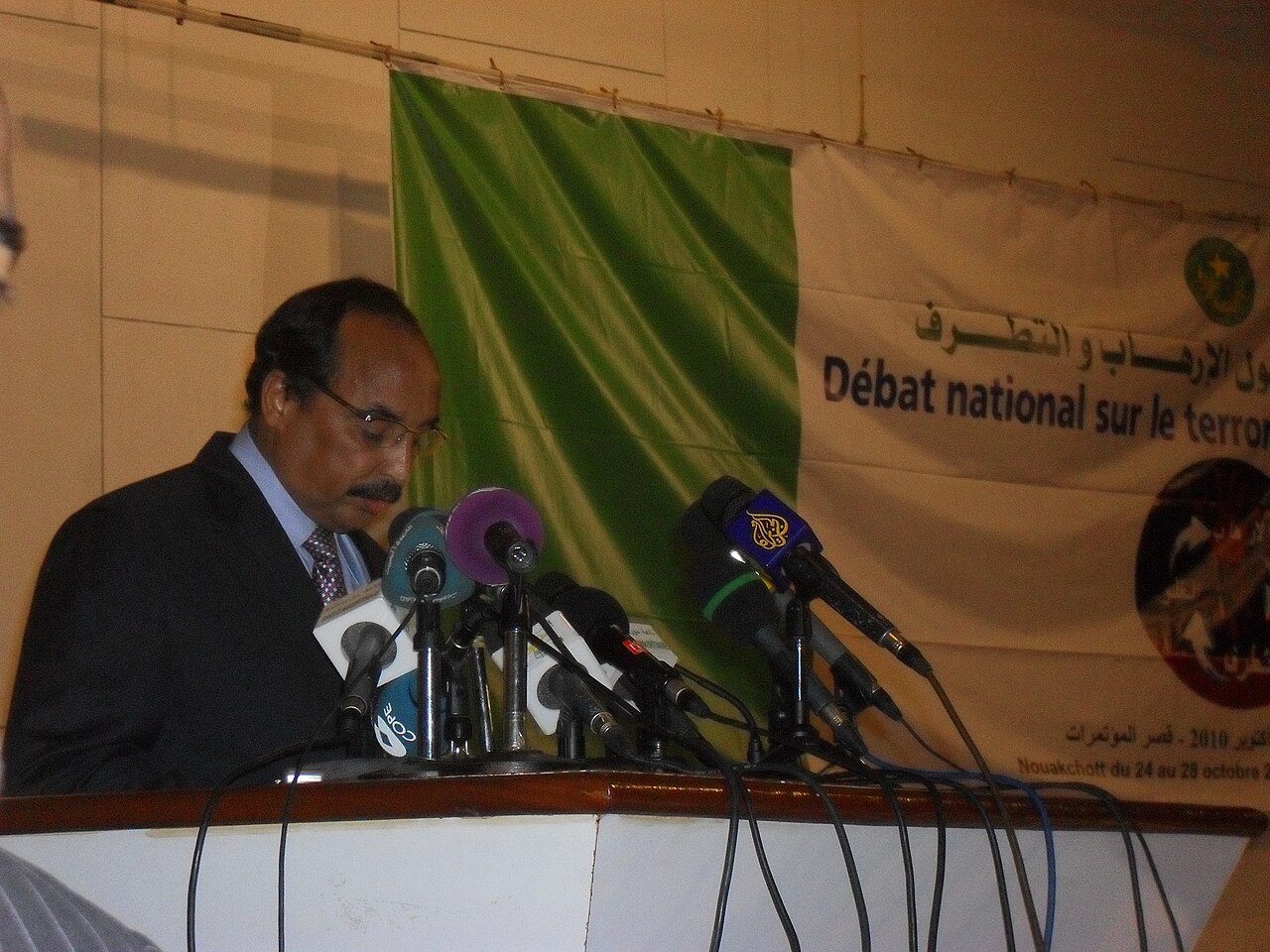
On the morning of August 6, soldiers in Nouakchott, the capital of the West African country of Mauritania, arrested President Sidi Ould Cheikh Abdallahi and Prime Minister Yahya Ould Ahmed El Waghef. They took control of state television and radio. The coup was led by General Mohamed Ould Abdel Aziz, the head of the presidential guard, and other senior officers. Just hours earlier, the president had issued a decree dismissing them from their posts. The officers announced that the country would now be governed by a military "High State Council" headed by Abdel Aziz, and promised to hold new elections as soon as possible.
Abdallahi had become president in April 2007 after the first fully democratic presidential election in Mauritania's history. That vote had been organised by a military government that took power in a coup in 2005, when Abdel Aziz had also played a leading role. Abdallahi's time in office was marked by rising food prices, attacks by armed Islamist groups and a growing political crisis. Dozens of members of parliament from his own camp had turned against him, accusing him of corruption and mismanagement. When he tried to remove the generals who controlled the army and security forces, they moved first.
The coup was carried out without bloodshed, and some Mauritanians, including many MPs, supported the military's move. Thousands of people in the capital held rallies in favour of the generals, while others protested against the overthrow of an elected leader. The African Union, the European Union, the United States and the United Nations condemned the coup. The African Union suspended Mauritania's membership, and some donors cut aid. After months of pressure and negotiations, an agreement was reached in 2009. Abdallahi formally resigned, and Abdel Aziz stepped down from the military to run in a presidential election in July 2009, which he won. He remained president until 2019.
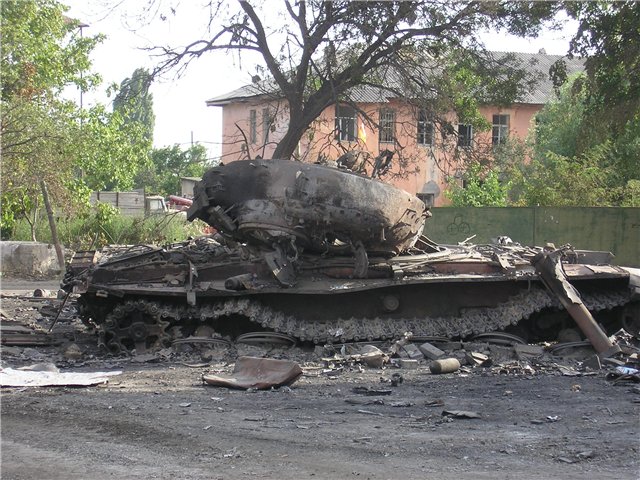
On August 7, after a week of escalating clashes, the conflict over South Ossetia, a breakaway region of Georgia, turned into full-scale war. During the day, there were further exchanges of fire around Tskhinvali, the region's main town. In the afternoon, two Georgian peacekeepers were reported killed when their position near the village of Avnevi was shelled. At about 7 pm, Georgian President Mikheil Saakashvili announced a unilateral ceasefire on national television, saying he had ordered Georgian forces not to return fire and offering talks and broad autonomy to South Ossetia within Georgia.
The ceasefire lasted only a few hours, and each side accused the other of breaking it. Georgia said South Ossetian forces continued to shell Georgian villages and that Russian military units were moving south through the Roki Tunnel into South Ossetia from Russia. South Ossetian officials said Georgian forces were preparing an attack. Late that night, shortly before midnight, Georgian artillery and rocket launchers began a heavy bombardment of Tskhinvali, followed in the early hours of August 8 by an assault by Georgian ground forces to take control of the town. Saakashvili later said he had acted to stop a Russian invasion. Russia, however, said Georgia had launched an unprovoked attack on civilians and on Russian peacekeepers, several of whom were killed.
On August 8, Russia sent large numbers of troops, tanks and aircraft into South Ossetia, as world leaders gathered in Beijing for the opening of the Olympic Games. The fighting spread beyond South Ossetia, with Russian air strikes on targets elsewhere in Georgia and a second front opening in Abkhazia. Within five days, Russian forces had driven Georgian troops out of South Ossetia and advanced into Georgia proper. A ceasefire was agreed on August 12 with mediation by French President Nicolas Sarkozy. Hundreds of people were killed, and tens of thousands were forced from their homes. A report commissioned by the European Union later concluded that Georgia had started the large-scale hostilities, but that Russia's military response had gone beyond reasonable limits.
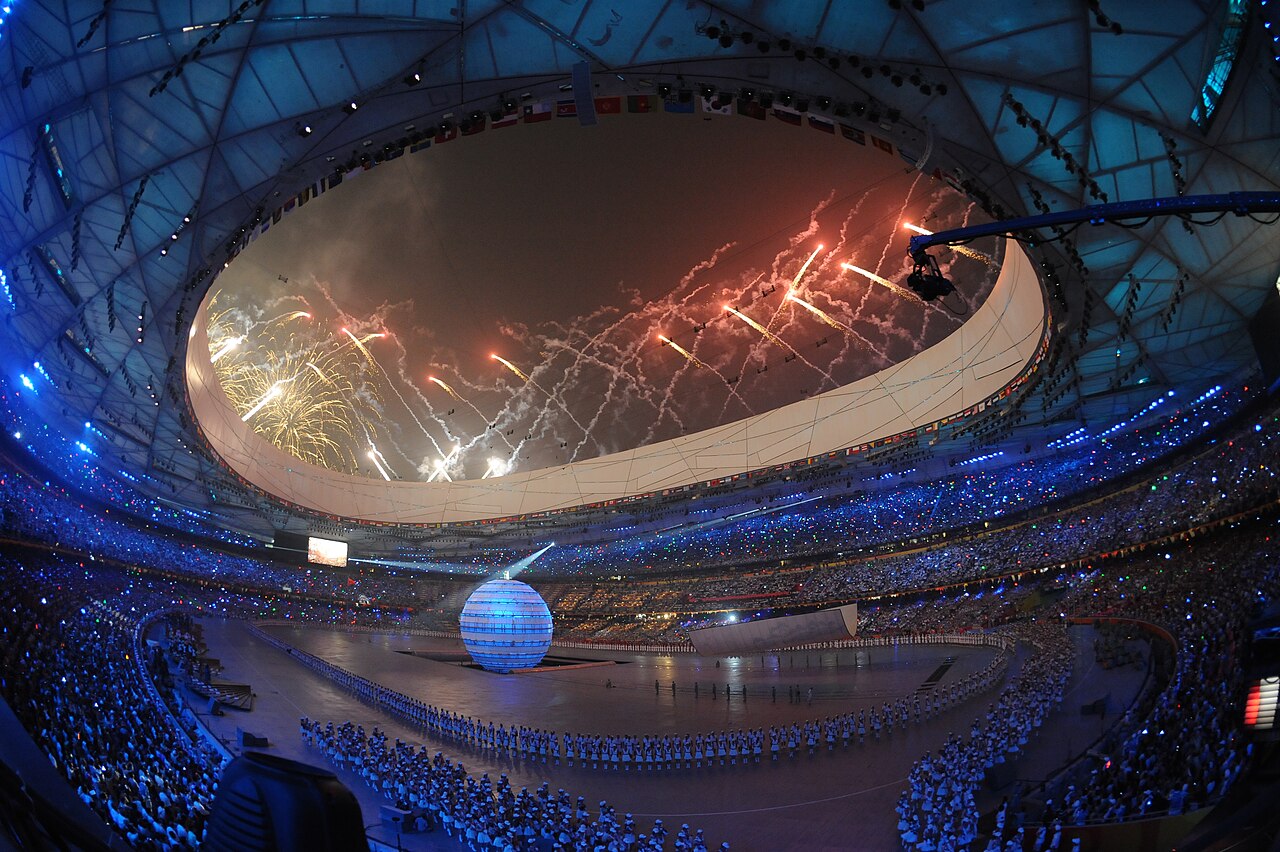
At 8 pm on August 8, 2008, the eighth day of the eighth month (the number eight is associated with good fortune in Chinese culture), the Games of the XXIX Olympiad opened at the National Stadium in Beijing, known as the "Bird's Nest". About 91,000 spectators filled the stadium, and an estimated global television audience of several billion watched the ceremony. Dozens of heads of state and government attended, including US President George W. Bush, French President Nicolas Sarkozy, Russian Prime Minister Vladimir Putin and Japanese Prime Minister Yasuo Fukuda. It was the first time China had hosted the Olympic Games, seven years after Beijing won the bid in 2001.
The ceremony, directed by the film-maker Zhang Yimou and involving about 15,000 performers, celebrated 5,000 years of Chinese civilisation. It opened with 2,008 drummers beating ancient bronze *fou* drums in perfect unison, their drums lighting up as they counted down the final seconds. A giant scroll unrolled across the floor of the stadium, on which dancers painted with their bodies. Hundreds of performers formed the Chinese character *he* (和), meaning "harmony", with moving blocks representing ancient movable type. Other scenes showed the Silk Road, Chinese opera, the four great inventions and Zheng He's sea voyages. In the second half, singers Liu Huan and Sarah Brightman performed the theme song "You and Me" on top of a huge globe. Fireworks in the shape of giant footprints marched across the city towards the stadium.
Athletes from 204 national and regional delegations, the largest number in Olympic history, paraded into the stadium. The Chinese team, the last to enter, was led by basketball star Yao Ming, who walked beside nine-year-old Lin Hao, a schoolboy who had helped rescue two classmates during the Wenchuan earthquake. President Hu Jintao declared the Games open. Finally, former gymnast Li Ning, who had won three gold medals at the 1984 Olympics, was lifted on wires high above the crowd. He appeared to run around the top rim of the stadium, past a giant scroll showing the torch relay, before lighting the Olympic cauldron. Over the following 16 days, the Games would see 43 world records set, and China would top the gold medal table for the first time.
On August 9, the first full day of competition at the Beijing Olympics, 25-year-old weightlifter Chen Xiexia won China's first gold medal of the Games in the women's 48-kilogram category. Competing at the Beijing University of Aeronautics and Astronautics gymnasium, she lifted 95 kg in the snatch and 117 kg in the clean and jerk, setting Olympic records in the clean and jerk and in the total of 212 kg. Sibel Özkan of Turkey took the silver medal and Chen Wei-ling of Chinese Taipei the bronze. The home crowd cheered wildly as Chen, from Guangdong province, burst into tears on the podium while the Chinese national anthem was played.
The first gold medal of the entire Games had been won that morning by Kateřina Emmons of the Czech Republic in the women's 10-metre air rifle. She set Olympic records in both qualifying and the final, beating China's defending champion, Du Li, who finished fifth after a tense competition in front of her home crowd. Later in the day, China's Pang Wei won the men's 10-metre air pistol, giving the host country its second gold. South Korea's Jin Jong-oh took silver and Kim Jong-su of North Korea bronze.
Elsewhere on the first day, Spain's Samuel Sánchez won the men's cycling road race. The 245-kilometre route started in central Beijing and passed the Temple of Heaven and Tiananmen before climbing several times to the Great Wall at Badaling in hot and humid conditions. In the evening at the Water Cube, American swimmer Michael Phelps began his quest for a record eight gold medals by setting a world record in the heats of the 400-metre individual medley. By the end of the day, China led the medal table. It would remain on top for the rest of the Games, finishing with 51 gold medals, the most of any country.
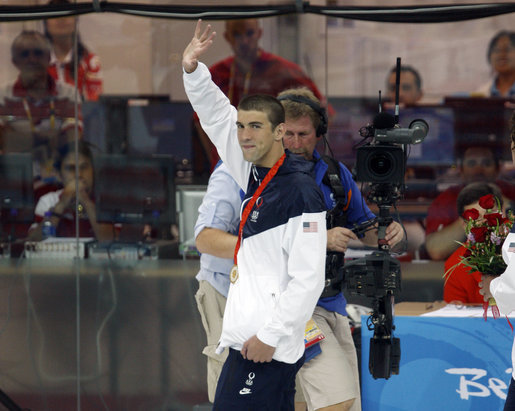
On the morning of August 10 at the National Aquatics Center, the "Water Cube", American swimmer Michael Phelps won the first of what would be a record eight gold medals at the Beijing Games. He won the 400-metre individual medley in a world record time of 4 minutes 3.84 seconds, taking 1.41 seconds off his own record. He finished more than two seconds ahead of Hungary's László Cseh. Many races at the Water Cube were held in the morning so they could be shown live during prime-time television in the United States. Over the following week, Phelps would win all eight events he entered, breaking the record of seven gold medals set by Mark Spitz in 1972.
In the evening, one of the most anticipated games of the Olympics took place at the Wukesong Indoor Stadium: China against the United States in men's basketball. The US team, nicknamed the "Redeem Team" after disappointing results at the 2004 Olympics and the 2006 World Championship, was packed with NBA stars including Kobe Bryant, LeBron James and Dwyane Wade. China was led by its biggest sports star, Houston Rockets centre Yao Ming, who opened the scoring with a three-pointer to roars from the home crowd. China stayed close in the first half, but the Americans pulled away to win 101–70, with Wade scoring 19 points and James 18. US President George W. Bush watched the game in person. The match was one of the most watched basketball games in history, with a huge television audience in China.
China also celebrated more success on the day. Guo Jingjing and Wu Minxia won the women's synchronised 3-metre springboard diving, the first of many diving gold medals for China at the Games. Meanwhile, the war in Georgia was escalating, as Russian forces pushed Georgian troops out of South Ossetia and Russian warships appeared off the coast of Abkhazia. The contrast between the sporting festival in Beijing and the fighting in the Caucasus was widely noted in the world media.
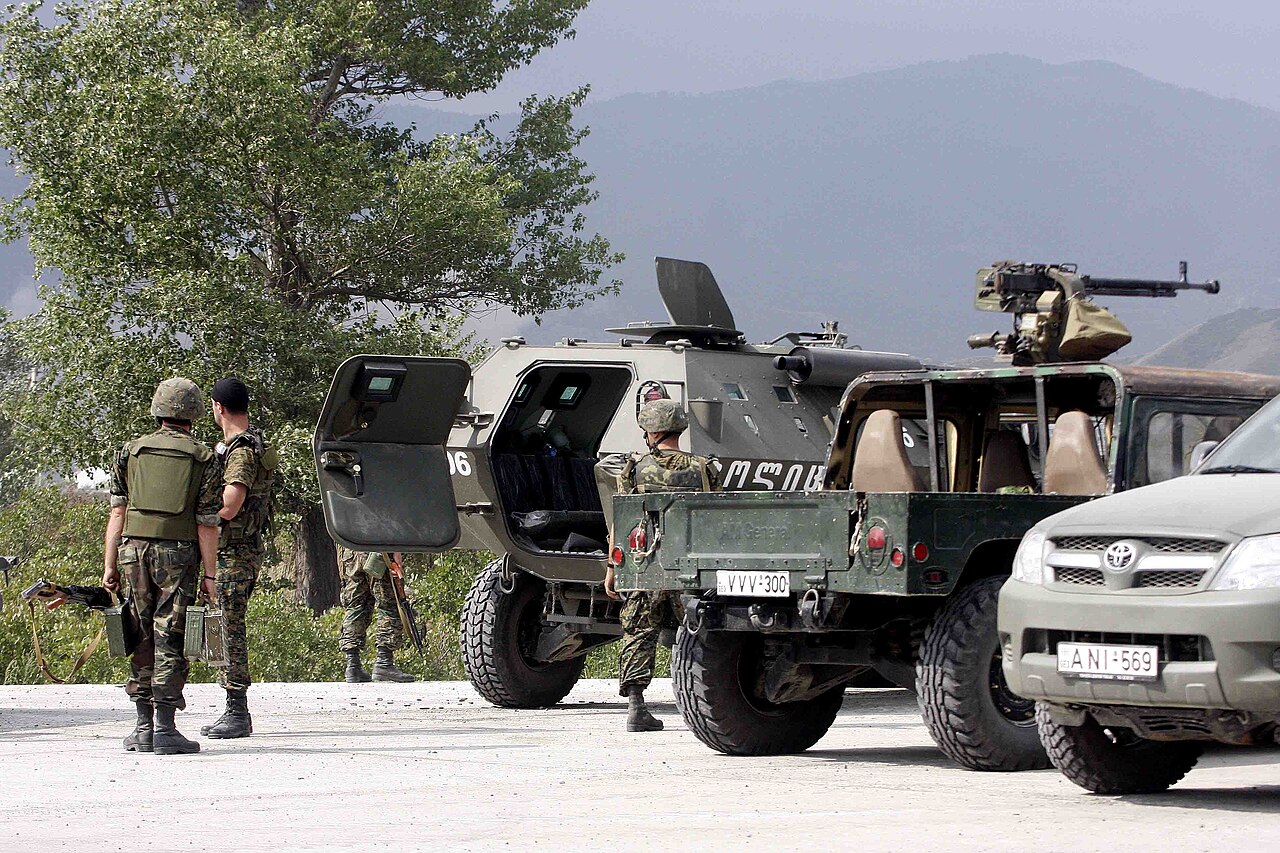
On August 11, the fourth day of the war between Russia and Georgia, Russian forces moved beyond the disputed regions and into undisputed Georgian territory. In the west, Russian troops advanced from the breakaway region of Abkhazia into the towns of Zugdidi and Senaki, where there was a Georgian military base. Moscow described the move as a reconnaissance operation to prevent Georgian attacks. Georgia also reported Russian troops at the Black Sea port of Poti, the country's main harbour. In the east, after Georgian forces had been driven out of Tskhinvali the day before, Russian aircraft and troops approached Gori, a city about 60 kilometres west of the capital Tbilisi on the country's main east–west highway. Georgian troops were ordered to pull back to defend the capital, and thousands of residents fled Gori.
Georgian President Mikheil Saakashvili accused Russia of trying to occupy his country and overthrow his government, and he signed a ceasefire document drawn up by European mediators. Russia said its aim was to protect civilians in South Ossetia and its peacekeepers, and to force Georgian troops to withdraw. US President George W. Bush, speaking on returning from Beijing, said Russia's actions were "disproportionate" and unacceptable, while Western countries called for an immediate halt to the fighting. Tens of thousands of Georgians rallied in Tbilisi in support of their government.
The next day, August 12, Russian President Dmitry Medvedev announced that he had ordered an end to military operations in Georgia, saying their aims had been achieved. That evening in Moscow, French President Nicolas Sarkozy, whose country held the rotating presidency of the European Union, negotiated a six-point peace plan with Medvedev. The plan called for an end to hostilities, the withdrawal of forces to the positions they held before the war, and access for humanitarian aid. Saakashvili accepted it in Tbilisi that night. However, Russian troops remained in parts of Georgia proper for several weeks. In late August, Russia recognised South Ossetia and Abkhazia as independent states, a step that most other countries did not follow.
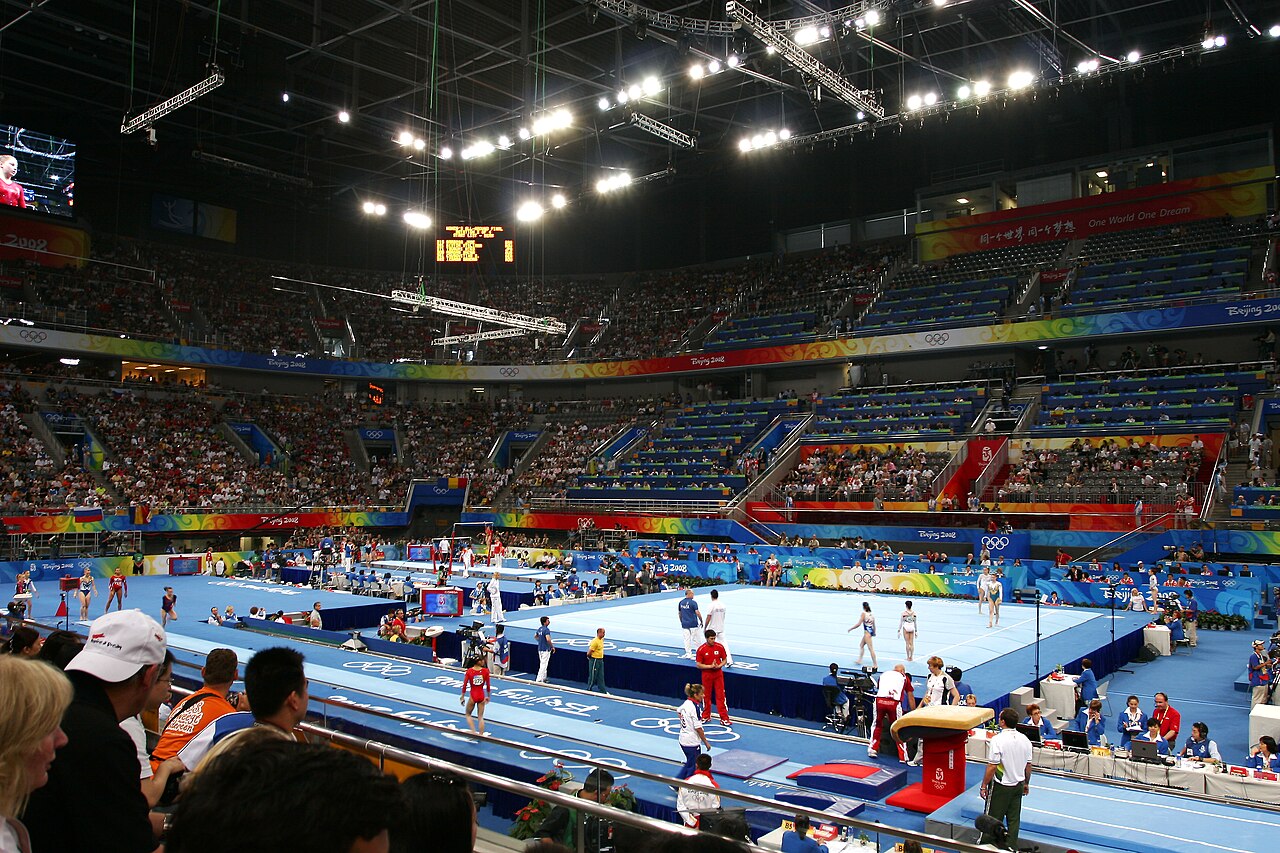
China's men's gymnastics team won the Olympic team title on August 12 at the National Indoor Stadium in Beijing, winning by a wide margin in front of a cheering home crowd. The six-man team, Chen Yibing, Huang Xu, Li Xiaopeng, Xiao Qin, Yang Wei and Zou Kai, scored a total of 286.125 points across the six apparatus: floor, pommel horse, rings, vault, parallel bars and horizontal bar. Japan took the silver medal with 278.875, overtaking the United States on the final rotation, and the Americans won bronze with 275.850. The US team had been weakened by the withdrawal of twin brothers Paul and Morgan Hamm because of injuries.
The victory was a moment of redemption for the Chinese team. Four years earlier, at the Athens Olympics in 2004, China had arrived as world champions and favourites for the team gold. But after several falls, they finished only fifth. In Beijing, the team, led by veteran all-rounder Yang Wei and including Li Xiaopeng, who had won Olympic gold in Sydney in 2000, made almost no mistakes. Under the new open-ended scoring system, which rewarded difficult routines, the Chinese gymnasts' high difficulty helped them build a lead of more than seven points. After the final routine, the team members held hands and ran to the podium to receive their medals.
It was the start of an outstanding Games for Chinese gymnastics. The next day, China's women's team won its first Olympic team gold. Over the following days, Yang Wei won the men's individual all-around title. Chinese gymnasts also won several apparatus finals, including Zou Kai on the floor and horizontal bar, Xiao Qin on the pommel horse, Chen Yibing on the rings and Li Xiaopeng on the parallel bars. China finished the Beijing Games with nine gold medals in artistic gymnastics, more than any other country.
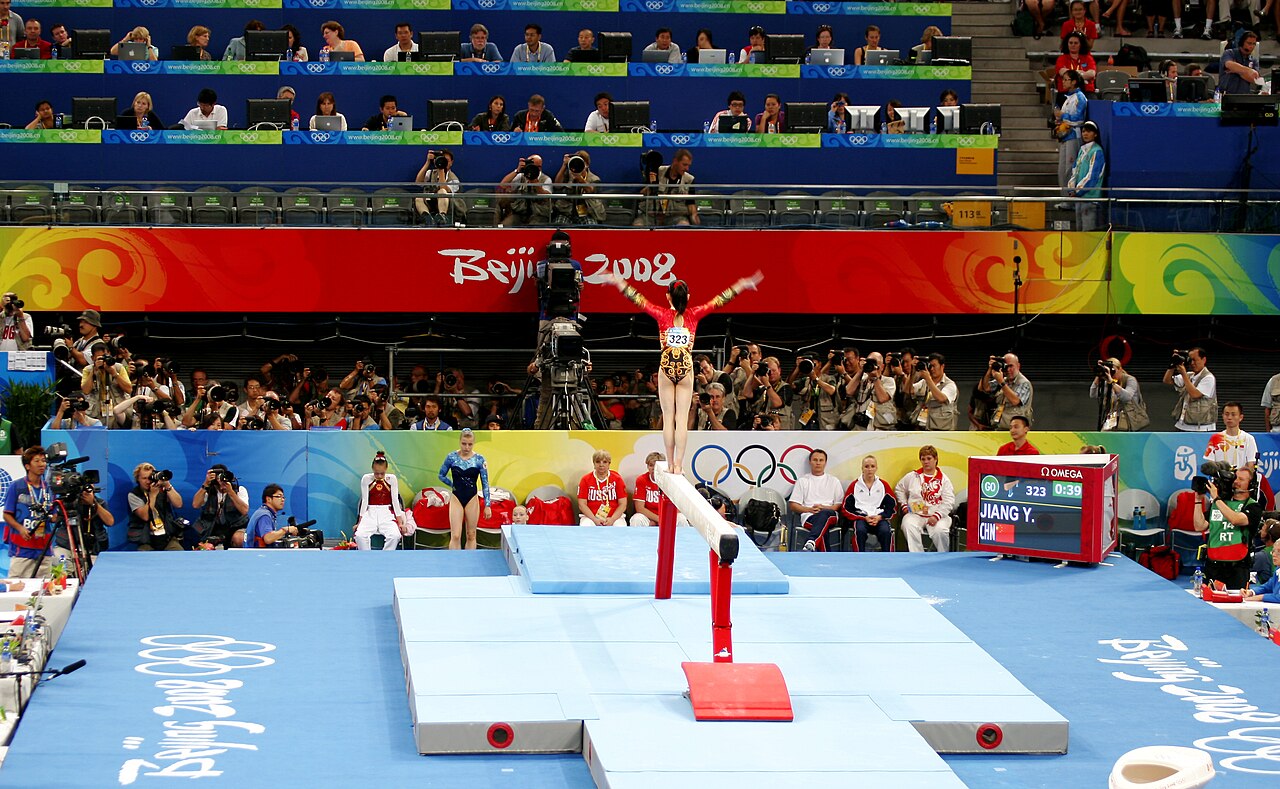
On the morning of August 13 at the Water Cube, American swimmer Michael Phelps won two more gold medals and became the athlete with the most Olympic gold medals in history. First he won the 200-metre butterfly in a world record time of 1 minute 52.03 seconds, beating Hungary's László Cseh by 0.67 seconds. He did so despite a problem that would have stopped most swimmers. His goggles filled with water soon after the start, so he could barely see, and he had to count his strokes to know when he was reaching the wall. Less than an hour later, he led off the United States team that won the 4×200-metre freestyle relay, also in a world record time, the first time any team had swum the event in under seven minutes. Those victories gave him five golds in Beijing and 11 in his career, more than any other Olympian. The previous record of nine had been shared by Paavo Nurmi, Larisa Latynina, Mark Spitz and Carl Lewis.
That evening at the National Indoor Stadium, China's women's gymnastics team won the Olympic team title for the first time. The six-member team of Cheng Fei, Deng Linlin, He Kexin, Jiang Yuyuan, Li Shanshan and Yang Yilin beat the United States, the reigning world champions, who made several costly mistakes on the floor exercise and the balance beam. Romania won the bronze medal. The Chinese gymnasts performed with confidence on the uneven bars and the beam, and the crowd celebrated wildly when the result was confirmed. It came just a day after the Chinese men's team won its own title.
By the end of the day, China was well ahead of the United States at the top of the gold medal table. The Games continued to draw huge crowds and television audiences around the world. Phelps went on to win all eight events he entered, finishing his Beijing campaign on August 17 with the 4×100-metre medley relay.
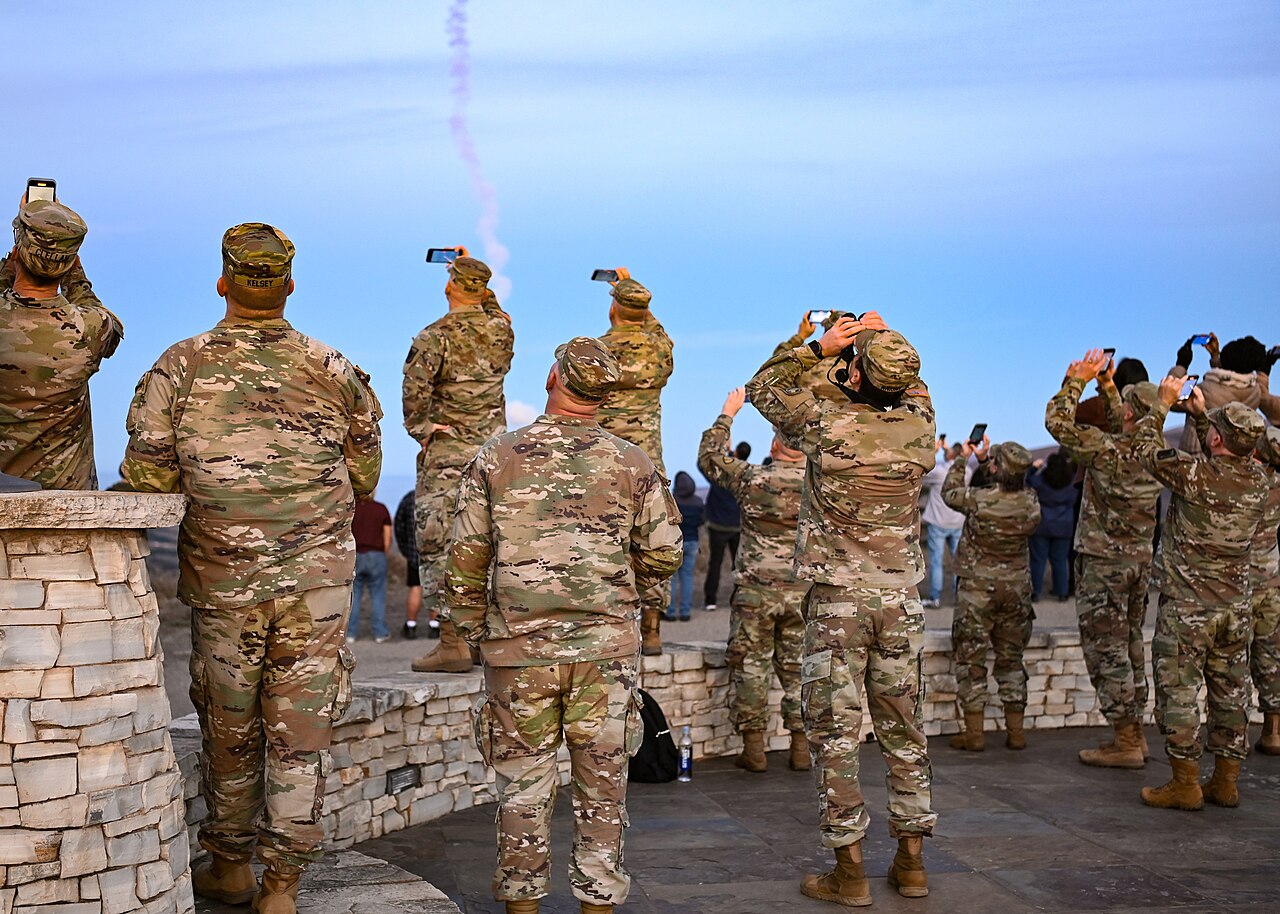
On August 14, the United States and Poland reached an agreement to place part of a US missile defence system on Polish soil, ending more than a year of difficult negotiations. Under the deal, initialled in Warsaw by Polish deputy foreign minister Andrzej Kremer and US negotiator John Rood, the United States would install ten interceptor missiles at a base in northern Poland. These were designed to shoot down long-range ballistic missiles in flight. Together with a radar station planned in the Czech Republic, the system was meant, according to Washington, to defend the United States and Europe against possible future missile attacks from countries such as Iran.
In return, Poland obtained something it had long demanded: the United States agreed to station a battery of Patriot air defence missiles in Poland, with American soldiers, to strengthen the country's own defences. Polish Prime Minister Donald Tusk also spoke of a mutual commitment by the two countries to come to each other's aid. Negotiations had stalled for months over these issues, but the war in Georgia, which began the week before, helped push Poland to reach a deal. Polish leaders said the conflict showed the need for strong security guarantees.
Russia reacted with anger. It had long argued that the missile defence system was really aimed at weakening its own nuclear deterrent, not at Iran. Russian President Dmitry Medvedev said the deal showed that the system was directed against Russia. The next day, a senior Russian general warned that by agreeing to host the system Poland was making itself a target, possibly even for nuclear weapons. US officials said the timing of the deal had nothing to do with the war in Georgia and called the Russian warnings unhelpful. Secretary of State Condoleezza Rice travelled to Warsaw to sign the agreement formally on August 20. A year later, in September 2009, the new US President Barack Obama cancelled the plan and replaced it with a different missile defence system.
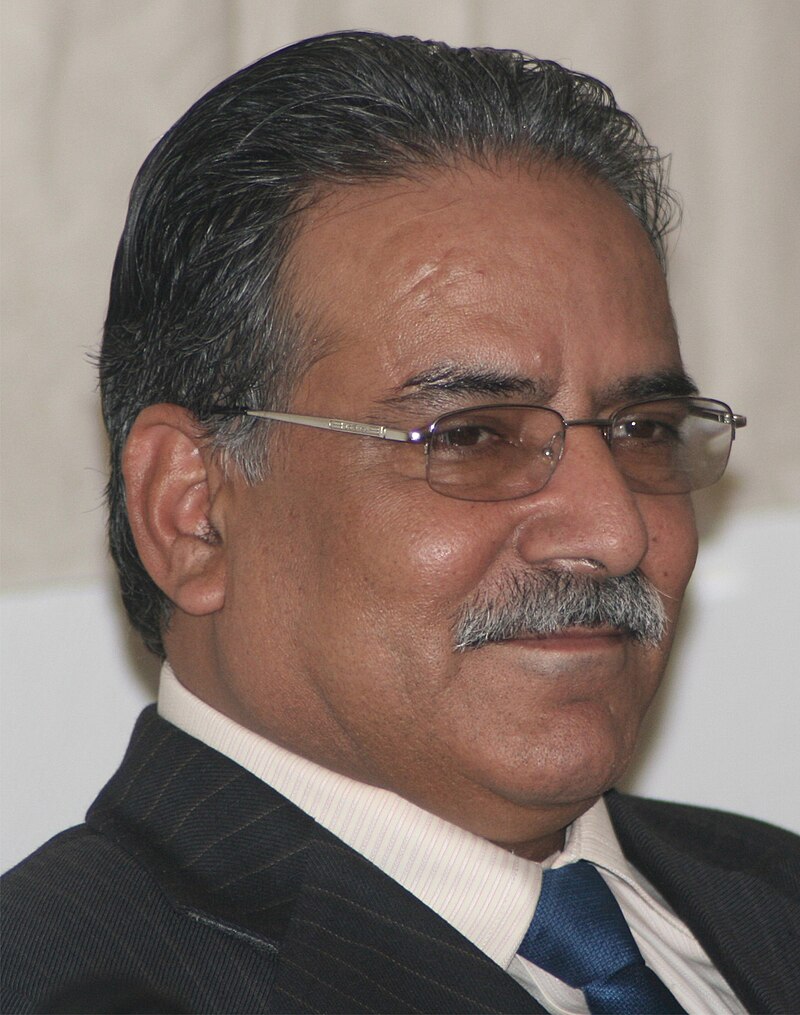
On August 15, Nepal's Constituent Assembly elected Pushpa Kamal Dahal, the leader of the Communist Party of Nepal (Maoist), as prime minister. He is better known by his party name, Prachanda ("the fierce one"). He received 464 votes against 113 for Sher Bahadur Deuba of the Nepali Congress, a three-time former prime minister. Prachanda thus became the first prime minister of the Federal Democratic Republic of Nepal, which had been declared in May when the assembly abolished the 240-year-old monarchy. He was sworn in on August 18.
For a man who had spent a decade leading an armed insurgency, much of the time in hiding, the moment was remarkable. The Maoists' "people's war", launched in 1996, had claimed about 13,000 lives before a peace agreement in 2006 brought the rebels into mainstream politics. In the April 2008 elections, the Maoists emerged as the largest party but without a majority. After weeks of negotiations, they formed a coalition with the Communist Party of Nepal (Unified Marxist–Leninist), the Madhesi People's Rights Forum and several smaller parties. The Nepali Congress, the second-largest party, went into opposition.
Prachanda promised to work for a new constitution, peace, economic development and an end to the poverty and discrimination that had fuelled the conflict. One of the most difficult tasks was to integrate thousands of former Maoist fighters, living in UN-monitored camps, into the national army or civilian life. In a break with tradition, he chose to make his first trip abroad as prime minister to Beijing, where he attended the closing ceremony of the Olympic Games and met Chinese leaders, rather than to India, Nepal's southern neighbour. His government lasted only about nine months: he resigned in May 2009 after a dispute with the president over his attempt to dismiss the army chief.
On the evening of August 16, in front of 91,000 spectators at the National Stadium in Beijing, Jamaica's Usain Bolt won the Olympic 100 metres in a world record time of 9.69 seconds. The 21-year-old, 1.96 metres tall and far bigger than most sprinters, pulled away from the field after about 60 metres. In the final strides he dropped his arms, spread them wide and slapped his chest in celebration before he had even crossed the line. One of his shoelaces had also come undone. Many experts believed he could have run even faster if he had kept going to the finish. Richard Thompson of Trinidad and Tobago took the silver in 9.89 seconds and Walter Dix of the United States the bronze in 9.91.
Bolt, who until the previous year had mainly run the 200 and 400 metres, had set his first 100-metre world record of 9.72 seconds in New York only that May. His performance in Beijing made him a global star. Four days later, he won the 200 metres in 19.30 seconds, breaking Michael Johnson's world record from 1996, and he went on to win the 4×100-metre relay with Jamaica, although that medal was taken away in 2017 after a teammate tested positive for a banned substance. He was the first man to win the Olympic 100 and 200 metres in world record times at the same Games.
That morning in the Water Cube, Michael Phelps won his seventh gold medal of the Games in one of the closest finishes in Olympic history. In the 100-metre butterfly, Serbia's Milorad Čavić appeared to be ahead as the swimmers reached the wall, but Phelps, with a final half-stroke, touched in 50.58 seconds, just 0.01 seconds ahead of Čavić. The Serbian team protested, but after reviewing the electronic timing and underwater photographs, swimming's governing body confirmed the result. The win equalled Mark Spitz's record of seven gold medals at a single Games, set in Munich in 1972.
On the morning of August 17 at the Water Cube, Michael Phelps won his eighth gold medal of the Beijing Olympics, breaking Mark Spitz's record of seven golds at a single Games, which had stood since 1972. Phelps swam the butterfly leg of the men's 4×100-metre medley relay for the United States, alongside Aaron Peirsol (backstroke), Brendan Hansen (breaststroke) and Jason Lezak (freestyle). When Phelps dived in, the Americans were slightly behind, but his strong leg put them in front, and Lezak held off Australia to win in a world record time of 3 minutes 29.34 seconds. In all eight of his races, Phelps had set either a world record or, in one case, an Olympic record.
After the race Phelps hugged his teammates and his mother, Debbie, in the stands, and said he hoped his achievement would help to make swimming more popular around the world. His Beijing performance capped years of training under his coach Bob Bowman and made him one of the most famous athletes in the world. With six golds from Athens in 2004, he now had 14 Olympic gold medals. He would go on to win more at the 2012 and 2016 Games, ending his career with 23.
In the evening, China celebrated a gold medal in one of its most popular sports. In the men's badminton singles final at the Beijing University of Technology Gymnasium, world number one Lin Dan defeated Lee Chong Wei of Malaysia in straight games, 21–12, 21–8, to win his first Olympic title. The emotional Lin, nicknamed "Super Dan", dropped to his knees and then threw his racket and shoes into the crowd. The day before, China's Zhang Ning had won the women's singles title for the second Olympics in a row. China won eight medals in badminton at the Beijing Games, including three of the five gold medals.
In the morning session at the National Stadium in Beijing on August 18, tens of thousands of spectators who had come to see China's sporting hero Liu Xiang watched in stunned silence as he limped away from the 110-metre hurdles. Liu, the defending Olympic champion from Athens 2004 and the former world record holder, was expected to win China's first gold medal in a men's track event on home soil. But as he walked to the start of his first-round heat, he was visibly in pain. After another runner's false start, he pulled off the tape on his right foot and left the track without running.
His coach Sun Haiping, close to tears at a news conference, said Liu had suffered from a long-standing injury to his right Achilles tendon that had become much worse in recent days, and that he could not run through the pain. Many fans wept, and the news dominated Chinese media and the internet. While some people criticised his decision, many others, including leading officials, expressed sympathy and wished him a quick recovery. Liu had surgery on his foot in the United States later that year. He returned to competition in 2009 and won the world championship silver medal in 2011, but injury struck again at the 2012 London Olympics, and he retired in 2015.
On the same day, thousands of kilometres away, Pakistan's President Pervez Musharraf announced his resignation in a televised address to the nation. Musharraf, an army general, had seized power in a coup in 1999 and later became president. His position had weakened greatly after his allies lost the February 2008 elections. The new governing coalition, led by the Pakistan Peoples Party of the late Benazir Bhutto and the Pakistan Muslim League (N) of Nawaz Sharif, had begun moves to impeach him, accusing him of violating the constitution and mismanaging the economy. Musharraf rejected the charges but said he was resigning to spare the country a damaging struggle. On September 6, Bhutto's widower, Asif Ali Zardari, was elected president.
Early on the morning of August 19, a suicide bomber drove a car packed with explosives into the entrance of a gendarmerie (paramilitary police) training school in Issers, a town about 60 kilometres east of Algeria's capital, Algiers. At the time, dozens of young men were queuing outside to take entrance examinations for the school. The blast killed 43 people and wounded at least 38. Almost all of the dead were civilians, most of them young job-seekers, and one was a member of the gendarmerie. It was the deadliest attack in Algeria for more than a decade.
The next morning, August 20, two more car bombs exploded within minutes of each other in the town of Bouira, about 120 kilometres south-east of Algiers. The first went off outside a military headquarters, wounding several soldiers. The second hit a bus carrying employees of a Canadian engineering company outside a hotel, killing 11 or 12 Algerian civilians. Although no group immediately claimed the attacks, the government and analysts blamed al-Qaeda in the Islamic Maghreb (AQIM), the North African branch of al-Qaeda, which had carried out a series of bombings and ambushes in the mountainous Kabylie region east of the capital that summer. The group later claimed responsibility.
Algeria had suffered a brutal civil war in the 1990s between the government and armed Islamist groups, in which an estimated 150,000 to 200,000 people died. Violence had declined after a series of amnesties, but some fighters had joined a group that in 2007 renamed itself al-Qaeda in the Islamic Maghreb. It then began carrying out suicide attacks, including two car bombings in Algiers in December 2007 that killed dozens of people, including UN staff. UN Secretary-General Ban Ki-moon condemned the Issers bombing and said such attacks would not deter Algerians from the path of peace. The UN Security Council called for those responsible to be brought to justice.
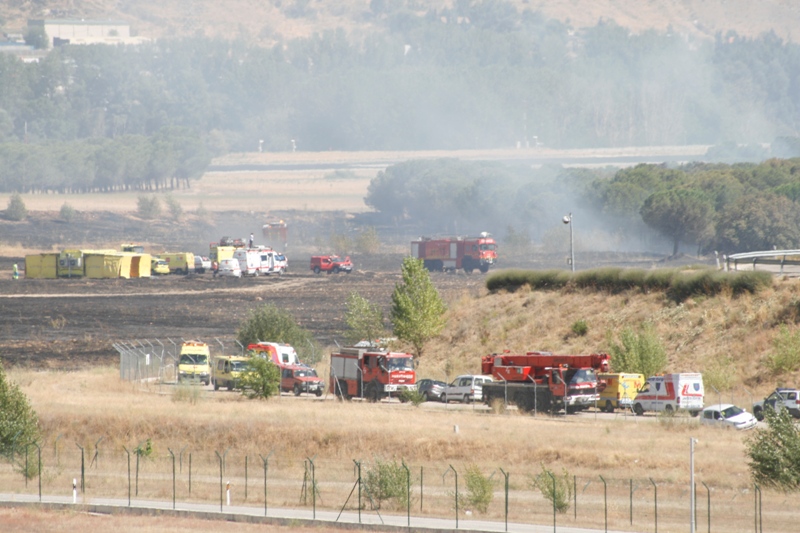
At about 2:45 pm on August 20, a Spanair McDonnell Douglas MD-82 airliner crashed during take-off at Madrid's Barajas Airport. The plane, operating flight JK5022 to Las Palmas in the Canary Islands, was carrying 172 people, many of them families heading off on summer holidays. It rose only a few metres into the air, rolled to the right, hit the ground beside the runway and broke apart. The wreckage slid into a shallow ravine and burst into flames. Of those on board, 154 were killed and 18 survived, many of them badly burned. It was Spain's deadliest air disaster for 25 years.
The flight had already been delayed. The crew had abandoned their first take-off attempt about an hour earlier because a temperature sensor showed an abnormal reading. Mechanics dealt with the fault by switching off the sensor's heating system, and the plane returned to the runway. Investigators later found that on the second attempt the pilots had not extended the flaps and slats, the movable panels on the wings that provide extra lift at low speeds, before take-off. Without them, the aircraft could not climb and stalled. A warning system that should have sounded an alarm if the plane tried to take off in the wrong configuration did not work, apparently because of an electrical fault linked to the same problem that had caused the earlier delay.
Rescue workers and firefighters rushed to the scene, and King Juan Carlos and Prime Minister José Luis Rodríguez Zapatero visited the airport. The government declared three days of national mourning. Spain's official accident report, published in 2011, concluded that the main cause was the crew's failure to deploy the flaps and slats, together with the failure of the warning system. A long legal battle followed over responsibility. The airline, which was already in financial difficulty, went out of business in 2012.
On the afternoon of August 21, two suicide bombers blew themselves up at the gates of the Pakistan Ordnance Factories in Wah, a garrison town about 30 kilometres north-west of Islamabad. The complex was the country's largest producer of weapons and ammunition and employed tens of thousands of workers. The bombers struck as crowds of employees were leaving at the end of a shift. One attacked the main gate and the other a second gate a short time later. Reported death tolls varied, but most put the number killed at between 60 and 70, with dozens more wounded. Almost all the victims were civilian factory workers. It was the deadliest attack on a military site in Pakistan's history.
The Tehrik-i-Taliban Pakistan (TTP), an alliance of Pakistani Taliban groups based in the tribal areas near the Afghan border, quickly claimed responsibility. Its spokesman said the attack was revenge for the army's offensive against militants in the Bajaur tribal agency, where fighting had driven hundreds of thousands of people from their homes, and in the Swat valley. He warned that more attacks would follow unless the military operations stopped. Two days earlier, a suicide bomber had attacked a hospital in Dera Ismail Khan, killing dozens of people.
The bombing came just three days after President Pervez Musharraf resigned, at a time of political uncertainty, as the governing coalition argued over the restoration of judges he had dismissed and over choosing his successor. Prime Minister Yousuf Raza Gilani condemned the attack and said the government would not give in to terrorists. 2008 was one of the most violent years in Pakistan's history, with more than 60 suicide bombings across the country. Many of them targeted the army, the police and government institutions, and the violence continued in 2009.
On August 22, ten days after the ceasefire in the war between Russia and Georgia, Russia announced that it had completed the withdrawal of its forces in line with the French-brokered peace plan. Long columns of Russian tanks, armoured vehicles and trucks moved north from the Georgian city of Gori, which they had occupied since August 13, towards South Ossetia and the Roki Tunnel leading back into Russia. Georgian police returned to Gori the same day, and residents who had fled the fighting began to come home to find damaged buildings and looted shops.
However, the withdrawal was not complete. Russia said it would keep hundreds of soldiers at checkpoints in so-called "security zones" around South Ossetia and Abkhazia, which reached several kilometres into undisputed Georgian territory. It argued that the six-point peace plan allowed its peacekeepers to take "additional security measures". Russian troops also stayed at positions near the Black Sea port of Poti, Georgia's main harbour, and near the town of Senaki. Georgian officials said this was a violation of the ceasefire. The United States and France also insisted that Russia had not fully complied, and the Pentagon said there were no clear signs of a substantial withdrawal.
The dispute added to the tension between Russia and the West, which had grown sharply during the war. Within days, on August 26, Russia formally recognised South Ossetia and Abkhazia as independent states, a step condemned by Western governments. Most other countries did not follow. After further talks with French President Nicolas Sarkozy in September, Russia agreed to withdraw from the zones in undisputed Georgian territory once EU monitors were deployed. It completed this withdrawal in early October. Russian troops, however, remained stationed in South Ossetia and Abkhazia themselves.
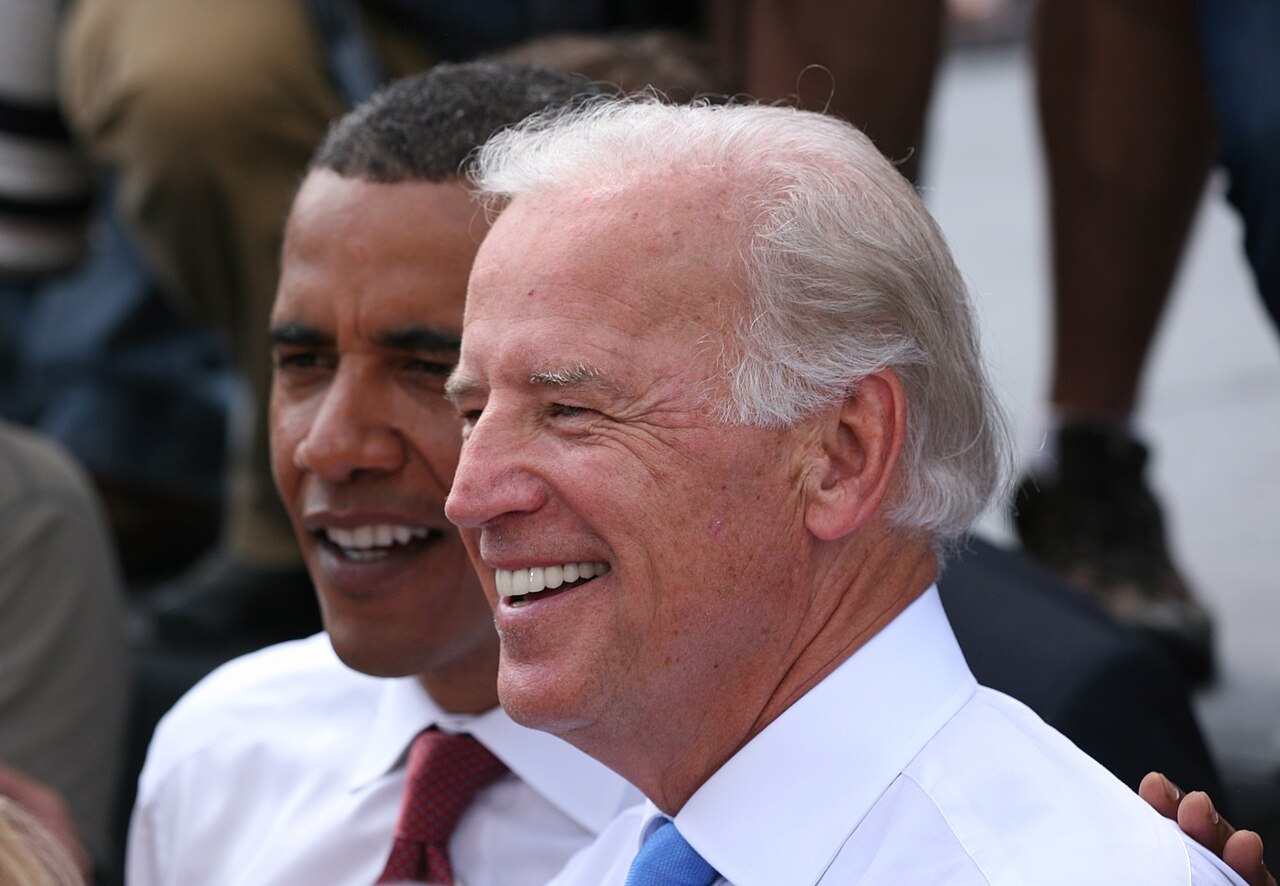
Early on the morning of August 23, Barack Obama's campaign announced through text messages and emails to millions of supporters that he had chosen Senator Joe Biden of Delaware as his vice-presidential running mate. "I've chosen Joe Biden to be my running mate," the campaign's message said, asking supporters to watch the first joint appearance that afternoon. The campaign had promised supporters they would be the first to know, but news of the choice leaked to the media late the night before. Using text messages to announce a running mate was itself a sign of how Obama's campaign was using new technology to reach voters.
That afternoon, the two men appeared together at a rally in front of the Old State Capitol in Springfield, Illinois, the same place where Obama had launched his presidential campaign in February 2007, and where Abraham Lincoln had once spoken. Tens of thousands of people attended. Obama praised Biden as a leader who had fought for working families and who understood foreign policy. Biden, in turn, attacked the Republican candidate John McCain, saying he would continue the policies of President George W. Bush.
Biden, then 65, had been a senator since 1973 and was chairman of the Senate Foreign Relations Committee. He had himself run for the Democratic nomination in 1988 and again in 2008, dropping out after the Iowa caucuses in January. Many commentators saw the choice as an effort to add foreign policy experience and appeal to working-class voters, balancing Obama's relative youth. The choice came just two days before the Democratic National Convention opened in Denver. Obama and Biden won the election in November, and Biden served as vice president for eight years. In 2020 he was himself elected president of the United States.
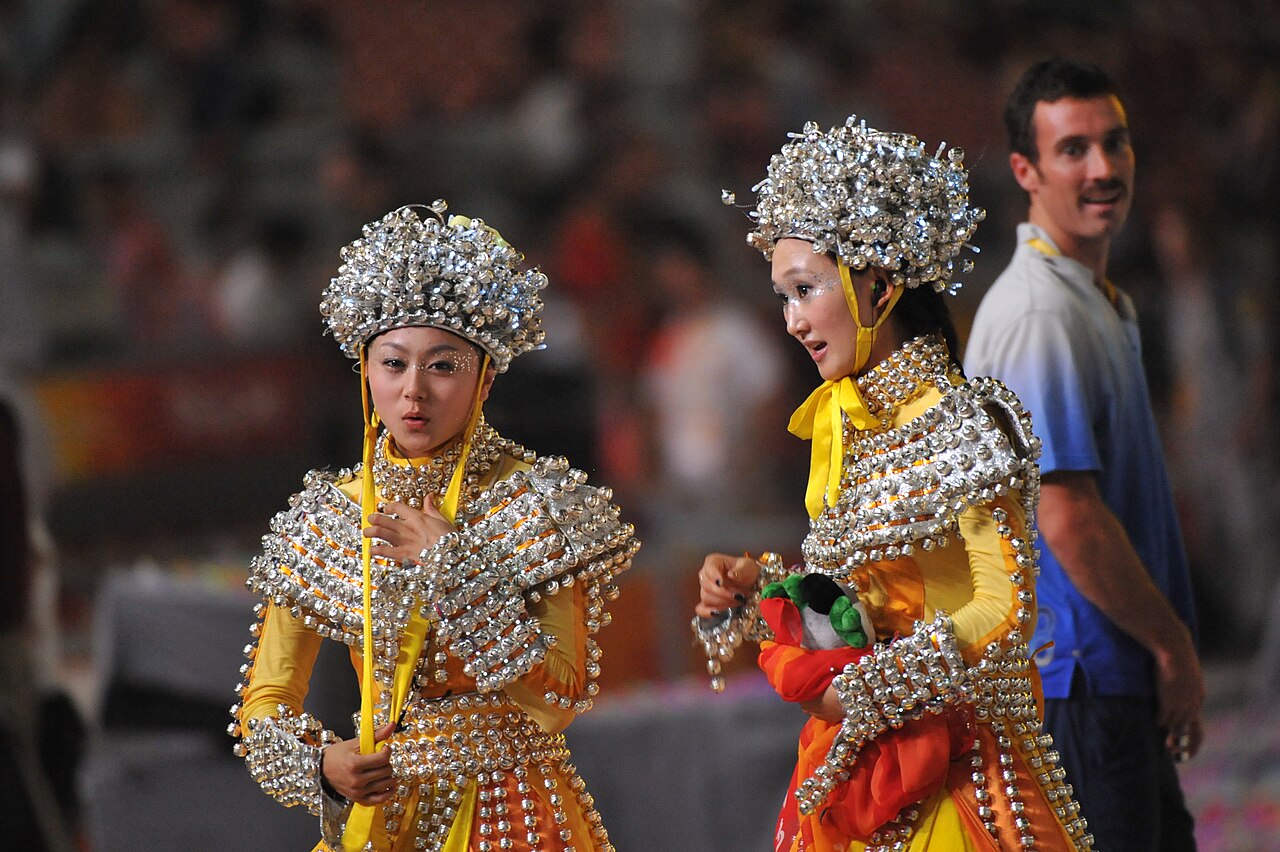
The Games of the XXIX Olympiad came to an end on the evening of August 24 with a colourful closing ceremony at the National Stadium, the "Bird's Nest", in front of about 91,000 spectators. Directed again by Zhang Yimou, the ceremony featured hundreds of drummers and dancers, acrobats on a giant "tower of memories", and singers from China and around the world. Athletes from all the competing nations streamed into the stadium together. International Olympic Committee President Jacques Rogge thanked the Chinese people and the organisers. "Through these Games, the world learned more about China, and China learned more about the world," he said, before declaring: "These were truly exceptional Games." He then formally closed the Olympics, and the flame in the cauldron was extinguished.
In the traditional handover, Beijing Mayor Guo Jinlong passed the Olympic flag to Rogge, who handed it to Boris Johnson, the Mayor of London, the host of the 2012 Games. London presented an eight-minute show featuring a red double-decker bus that transformed into a garden. Singer Leona Lewis and guitarist Jimmy Page performed "Whole Lotta Love", and footballer David Beckham kicked a ball into the crowd of athletes.
The Beijing Games were a triumph for China. The host country topped the gold medal table for the first time, with 51 golds, while the United States won the most medals overall. Swimmer Michael Phelps won a record eight gold medals, and sprinter Usain Bolt set world records in the 100 and 200 metres. In total, 43 world records were set, 25 of them in swimming. On the final day, Kenya's Samuel Wanjiru won the men's marathon in an Olympic record time, and the US men's basketball team beat Spain in the final. China spent heavily on new venues, transport and environmental clean-up, and many visitors praised the organisation, the volunteers and the city's hospitality. The Beijing Paralympic Games followed from September 6 to 17.
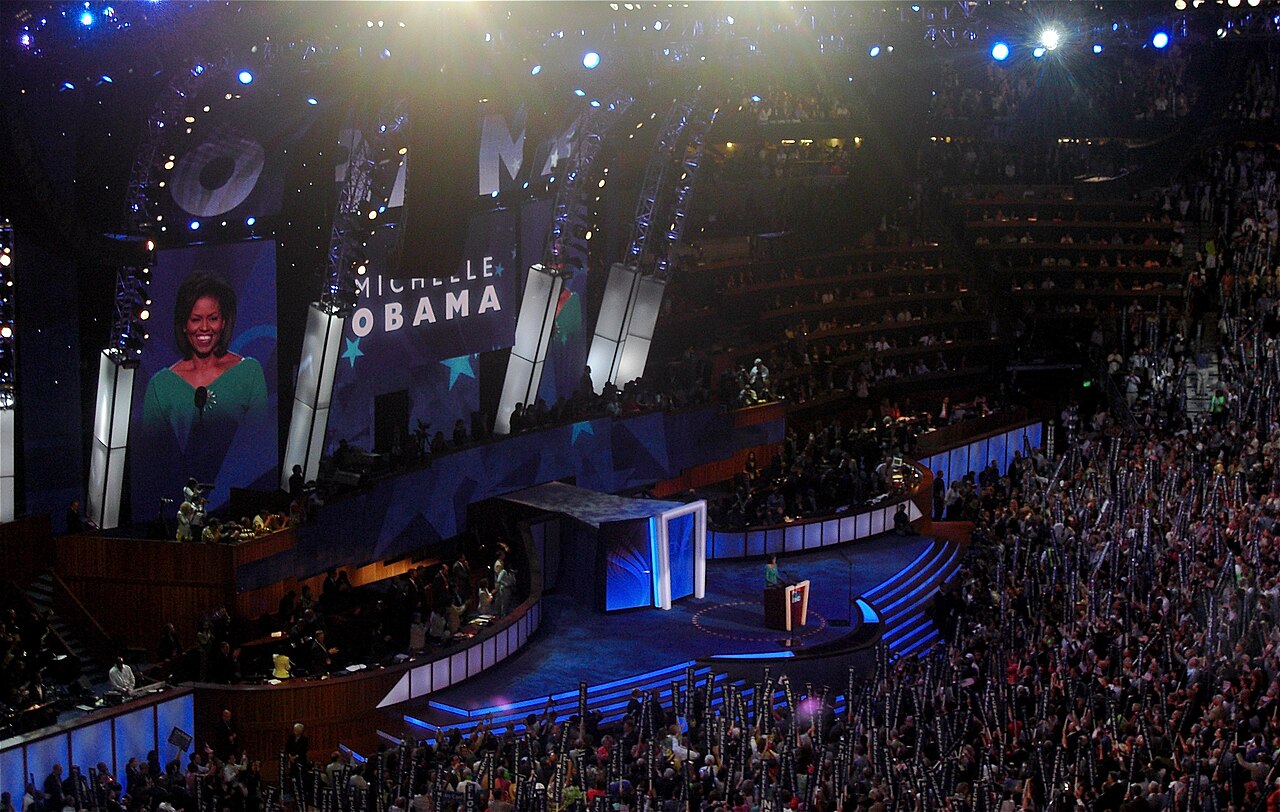
The Democratic National Convention opened on August 25 at the Pepsi Center in Denver, Colorado, where the party would formally nominate Barack Obama as the first African American major-party candidate for president of the United States. Thousands of delegates, party officials and journalists gathered for the four-day event, held 100 years after Denver last hosted a Democratic convention, in 1908.
The emotional high point of the first night was a surprise appearance by Senator Edward "Ted" Kennedy of Massachusetts, the youngest brother of President John F. Kennedy and Senator Robert F. Kennedy. Kennedy, 76, had been diagnosed with a malignant brain tumour in May, and many people had doubted he would be well enough to attend. Introduced by his niece Caroline Kennedy, he walked onto the stage to a long standing ovation and gave a short, forceful speech in support of Obama, calling for universal health care, which he described as "the cause of my life". He ended by echoing his famous 1980 convention speech: "The work begins anew, the hope rises again, and the dream lives on." It was his last convention; he died one year later, on August 25, 2009.
The night ended with a speech by Obama's wife, Michelle Obama, a lawyer and hospital executive from Chicago. She told the story of growing up in a working-class family on Chicago's South Side, and spoke about the values she and her husband shared and hoped to pass on to their daughters. "I come here as a wife who loves my husband and believes he will be an extraordinary president," she said. Her speech was widely praised and helped introduce her to many American voters. Later that week, Hillary Clinton urged her supporters to back Obama, and on August 28 Obama accepted the nomination before more than 80,000 people at an open-air football stadium in Denver.
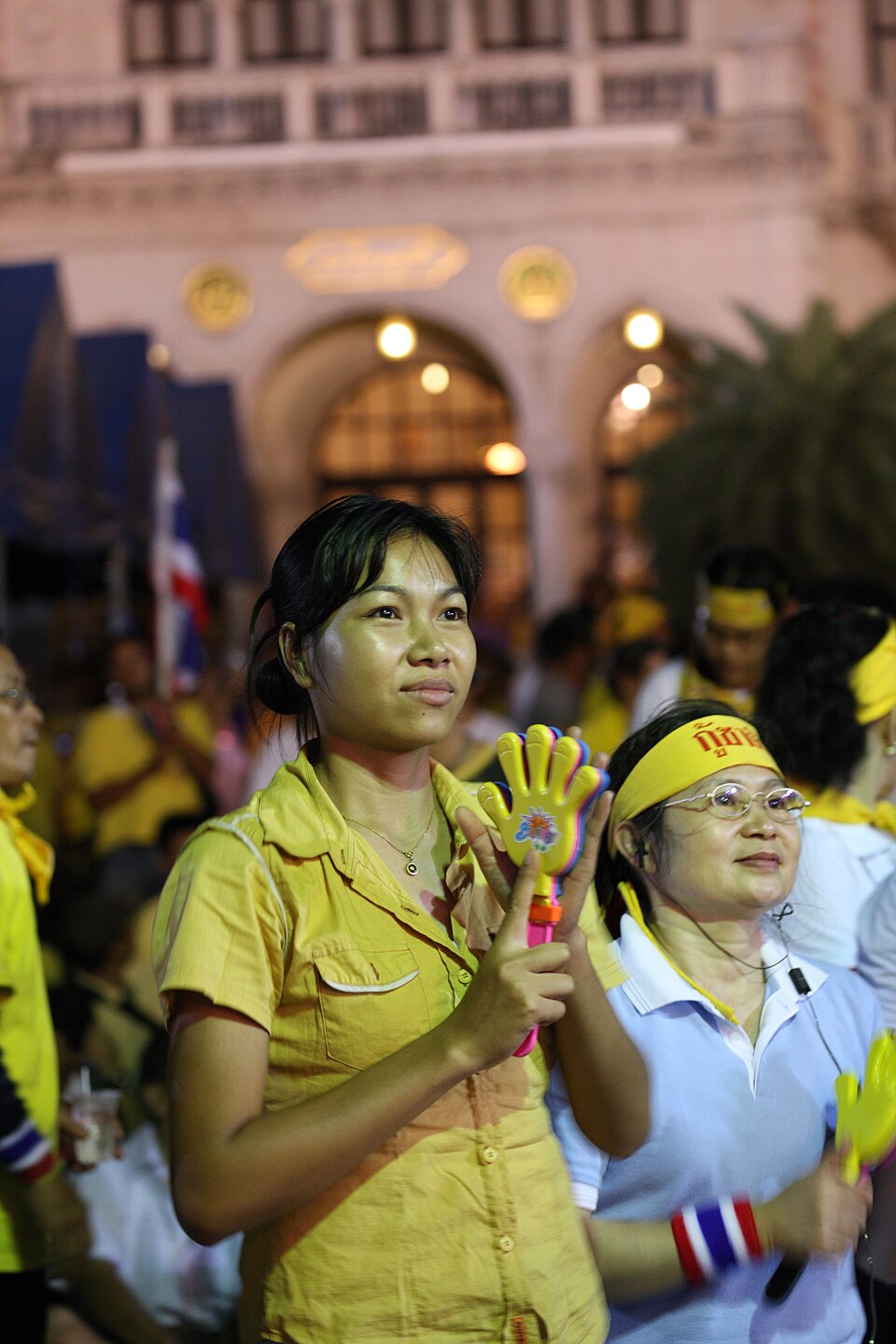
On August 26, thousands of anti-government protesters in Bangkok broke into the grounds of Government House, the compound housing the Thai prime minister's offices, and set up camp on its lawns. Early that morning, a group of protesters dressed in black and with their faces covered had stormed the state television station NBT and forced it off the air for several hours before police arrested about 80 people. The demonstrators were supporters of the People's Alliance for Democracy (PAD), a movement whose followers wore yellow shirts. They also surrounded several government ministries.
The PAD wanted to bring down Prime Minister Samak Sundaravej, who had taken office in February after his People Power Party won the December 2007 election. The protesters accused him of acting as a stand-in for former Prime Minister Thaksin Shinawatra, who had been overthrown in a military coup in 2006 and faced corruption charges. Thaksin had fled to Britain earlier in August instead of returning for a court appearance. "We are now in Government House and won't move until the government resigns," PAD leader Sondhi Limthongkul told supporters. Samak refused to step down, declaring that his government would not give in, and said police would not use force to remove the protesters. The army chief, General Anupong Paochinda, said the military would not stage a coup.
The occupation lasted more than three months and deepened Thailand's political crisis. On September 9, the Constitutional Court removed Samak from office for having hosted paid television cooking shows while prime minister, but his successor, Somchai Wongsawat, was Thaksin's brother-in-law, and the protests continued. In late November, PAD protesters occupied Bangkok's two airports, stranding hundreds of thousands of travellers. The crisis ended in December, when the Constitutional Court dissolved the governing party, and opposition leader Abhisit Vejjajiva became prime minister. Thailand's deep political divisions, however, continued for years.
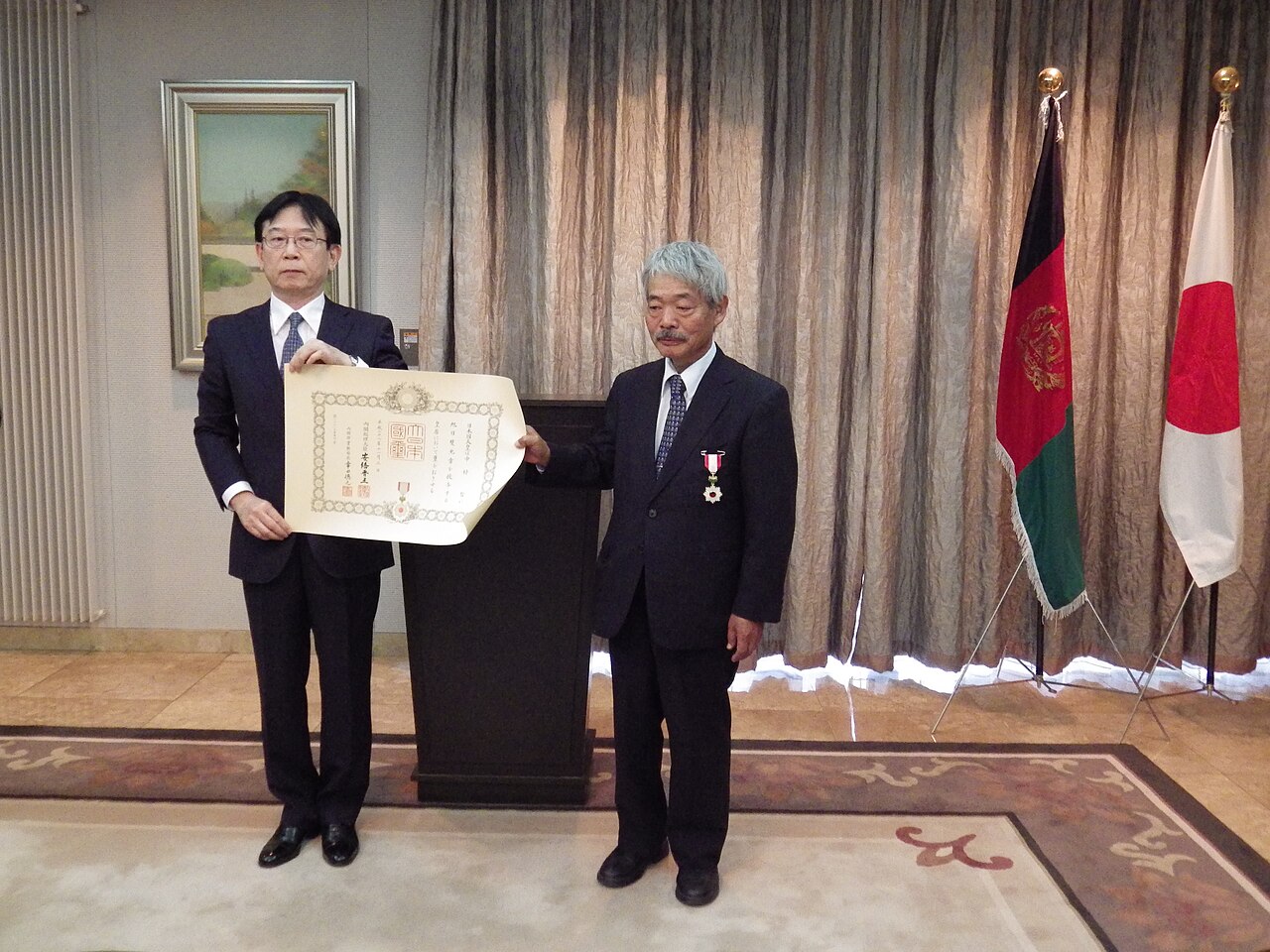
On August 27, the body of Kazuya Ito, a 31-year-old Japanese aid worker, was found in the mountains of Nangarhar province in eastern Afghanistan, a day after he was kidnapped by armed men. Ito worked for Peshawar-kai, a Japanese non-governmental organisation based in Fukuoka that had been helping Afghan farmers for many years. He was abducted on the morning of August 26 near the village where he lived, while on his way to inspect an irrigation project, together with his Afghan driver, who later escaped. There was early confusion, as one report said police had rescued him, but this proved untrue. Afghan police and local villagers searched the area, and his body was found the next day with gunshot wounds. Japan's government confirmed his death and condemned the killing.
Ito had worked in Afghanistan since 2003, mainly on agricultural projects. He helped local farmers grow crops such as rice, sweet potatoes and tea in dry areas, and he spoke the local language and was well liked by villagers. Many local people joined the search for him, and his funeral in his home prefecture of Shizuoka drew large crowds. Peshawar-kai was led by the Japanese doctor Tetsu Nakamura, who had worked in Pakistan and Afghanistan since the 1980s. The group had built clinics and dug wells and irrigation canals, helping thousands of farmers return to land that had been abandoned because of drought and war.
Ito was the first Japanese citizen to be kidnapped in Afghanistan, and his death shocked Japan. A Taliban spokesman claimed the group was responsible, although other reports were unclear about who carried out the abduction. The killing came at a time of rising violence in Afghanistan, where attacks on aid workers had increased sharply that year. After his death, Peshawar-kai withdrew most of its Japanese staff from the country but continued its work through Afghan employees. Dr. Nakamura himself stayed on, and he was later killed in an attack in Jalalabad in 2019.
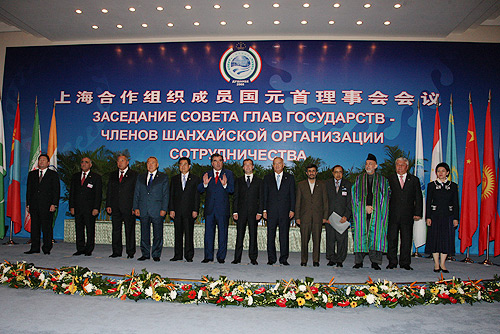
Leaders of the Shanghai Cooperation Organisation (SCO), China, Russia, Kazakhstan, Kyrgyzstan, Tajikistan and Uzbekistan, held their annual summit in Dushanbe, the capital of Tajikistan, on August 28. President Hu Jintao attended, along with Russian President Dmitry Medvedev and the presidents of the four Central Asian member states. Representatives of the observer countries, Iran, Pakistan, India and Mongolia, also took part. Founded in Shanghai in 2001, the organisation focuses on regional security, the fight against terrorism, separatism and extremism, and economic cooperation.
The meeting came just two days after Russia recognised the Georgian breakaway regions of South Ossetia and Abkhazia as independent states, following its war with Georgia earlier in the month. Medvedev told his fellow leaders that Russia had acted in response to Georgian aggression and sought their support. In their joint declaration, the SCO states expressed "grave concern" about the recent tensions around South Ossetia and urged the parties to solve their problems peacefully through dialogue. They welcomed the six-point peace plan agreed in Moscow on August 12 and supported Russia's active role in promoting peace and cooperation in the region. However, no other member state joined Russia in recognising the two regions. China's Foreign Ministry had earlier said it hoped the parties would resolve the issue through dialogue and consultation.
The summit also discussed cooperation against drug trafficking from Afghanistan, energy and transport links, and the global food and financial situation. Hu Jintao called for stronger practical cooperation among members and for the SCO to play a bigger role in maintaining regional stability. Meanwhile, in the United States that evening, Barack Obama accepted the Democratic Party's presidential nomination in front of more than 80,000 people at a football stadium in Denver, on the 45th anniversary of Martin Luther King's "I Have a Dream" speech.
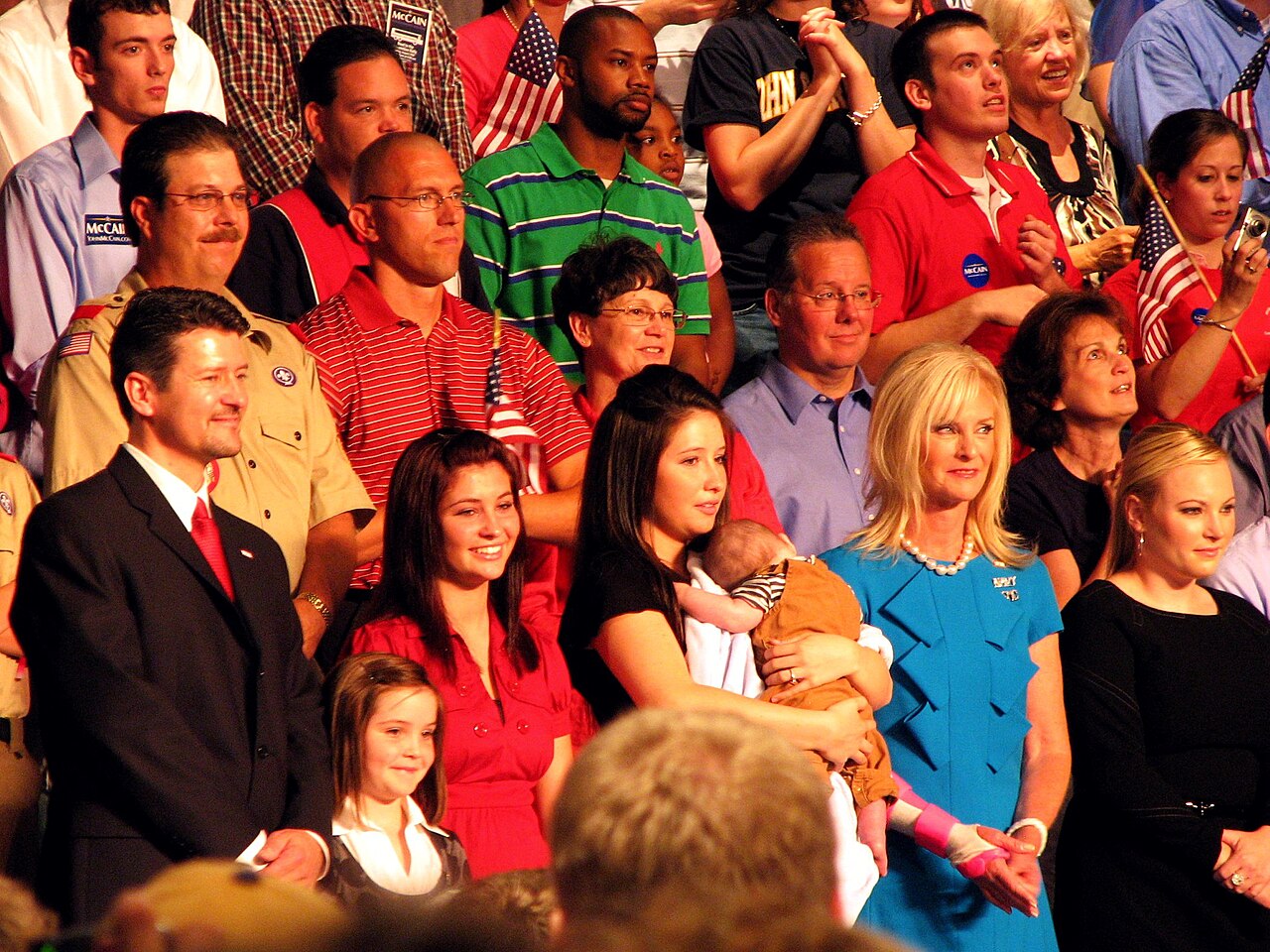
On August 29, his 72nd birthday, Republican presidential candidate John McCain announced at a rally in Dayton, Ohio, that he had chosen Alaska Governor Sarah Palin as his vice-presidential running mate. The announcement came the morning after Barack Obama's acceptance speech in Denver and just days before the Republican National Convention was due to open in St Paul, Minnesota. It took almost everyone by surprise. Palin, 44, had been governor of Alaska for less than two years and was little known outside her state. McCain had passed over better-known figures who had been widely discussed, such as former Massachusetts governor Mitt Romney and Minnesota governor Tim Pawlenty.
Palin became the first woman to be named to a Republican presidential ticket, and only the second woman on a major-party ticket, after Democrat Geraldine Ferraro in 1984. A former small-town mayor and the mother of five children, she had been elected Alaska's first woman governor in 2006, campaigning against corruption and the influence of oil companies in state politics. At the rally, McCain praised her as a reformer who had taken on special interests and her own party in Alaska. In her speech, Palin paid tribute to Hillary Clinton, saying that women in America had not yet finished breaking the "glass ceiling".
Many observers saw the choice as an attempt to energise conservative and evangelical Republican voters, and to appeal to women who had supported Clinton in the Democratic primaries. Palin's speech at the Republican convention the following week was a huge success with party members, and the McCain campaign briefly moved ahead in some polls. But in the following weeks, a series of difficult television interviews raised questions about her experience and knowledge, especially on foreign policy. She became one of the most talked-about figures of the campaign. McCain and Palin lost the election to Obama and Biden in November.
On the afternoon of August 30, a magnitude 6.1 earthquake struck the border area between Sichuan and Yunnan provinces in south-western China. The epicentre was at the junction of Renhe District in the industrial city of Panzhihua and Huili County in the Liangshan Yi Autonomous Prefecture, about 50 kilometres south-east of central Panzhihua. The shaking was felt across a wide area, including in Kunming, the capital of Yunnan. Seismologists said it was a separate earthquake and not an aftershock of the Wenchuan earthquake in May, which had struck several hundred kilometres to the north.
The quake caused serious damage in the mountain villages near the epicentre, where many homes were built of earth and stone. Thousands of houses collapsed or were badly damaged, and hundreds of schools were affected, just as the new school term was about to begin. Landslides blocked roads in the mountains. The death toll rose over the following days as rescuers reached remote areas. The final figures were reported as between 36 and 43 dead, depending on the source, and more than 500 injured. Several strong aftershocks over the following days caused further damage and forced many residents to sleep outdoors in tents.
Drawing on the experience gained after the Wenchuan earthquake, the authorities quickly sent rescue teams, soldiers, medical staff and relief supplies, including tents, food and drinking water, to the affected areas. Large numbers of people were moved to temporary shelters. The same day, in Benghazi, Libya, Italian Prime Minister Silvio Berlusconi and Libyan leader Muammar Gaddafi signed a friendship treaty in which Italy apologised for its colonial rule of Libya and agreed to pay 5 billion dollars over 25 years in compensation, mainly in the form of infrastructure projects.
On August 31, three years almost to the day after Hurricane Katrina devastated New Orleans, the city emptied as another powerful storm, Hurricane Gustav, moved across the Gulf of Mexico towards the coast of Louisiana. Mayor Ray Nagin had ordered the first mandatory evacuation of the city since Katrina, taking effect on the morning of August 31. Calling Gustav "the mother of all storms", he told residents who stayed behind that they would be on their own. Long lines of cars streamed out of the city on highways, where lanes had been reversed so that all traffic could head inland. Louisiana Governor Bobby Jindal said he expected up to two million people to leave the coastal areas of the state.
This time, the authorities were determined to avoid the mistakes of 2005, when tens of thousands of people without cars were trapped in the flooded city and more than 1,500 people died in Louisiana. Buses and trains carried people who had no transport of their own, as well as hospital patients and elderly residents, to shelters in other cities. National Guard troops were deployed, and a night-time curfew was announced. By the end of the day, only a small fraction of New Orleans' residents remained.
Gustav had already caused death and destruction in the Caribbean, killing dozens of people in Haiti and the Dominican Republic and hitting western Cuba as a powerful Category 4 hurricane on August 30. It made landfall on the Louisiana coast near Cocodrie on the morning of September 1 as a weaker Category 2 storm. The city's levees, rebuilt and strengthened after Katrina, held, although water splashed over a floodwall. The storm caused widespread power cuts and damage across southern Louisiana. The threat also disrupted American politics: the Republican Party cut back the first day of its national convention in St Paul, Minnesota, and President George W. Bush cancelled his planned appearance there, speaking by video link instead the following day.
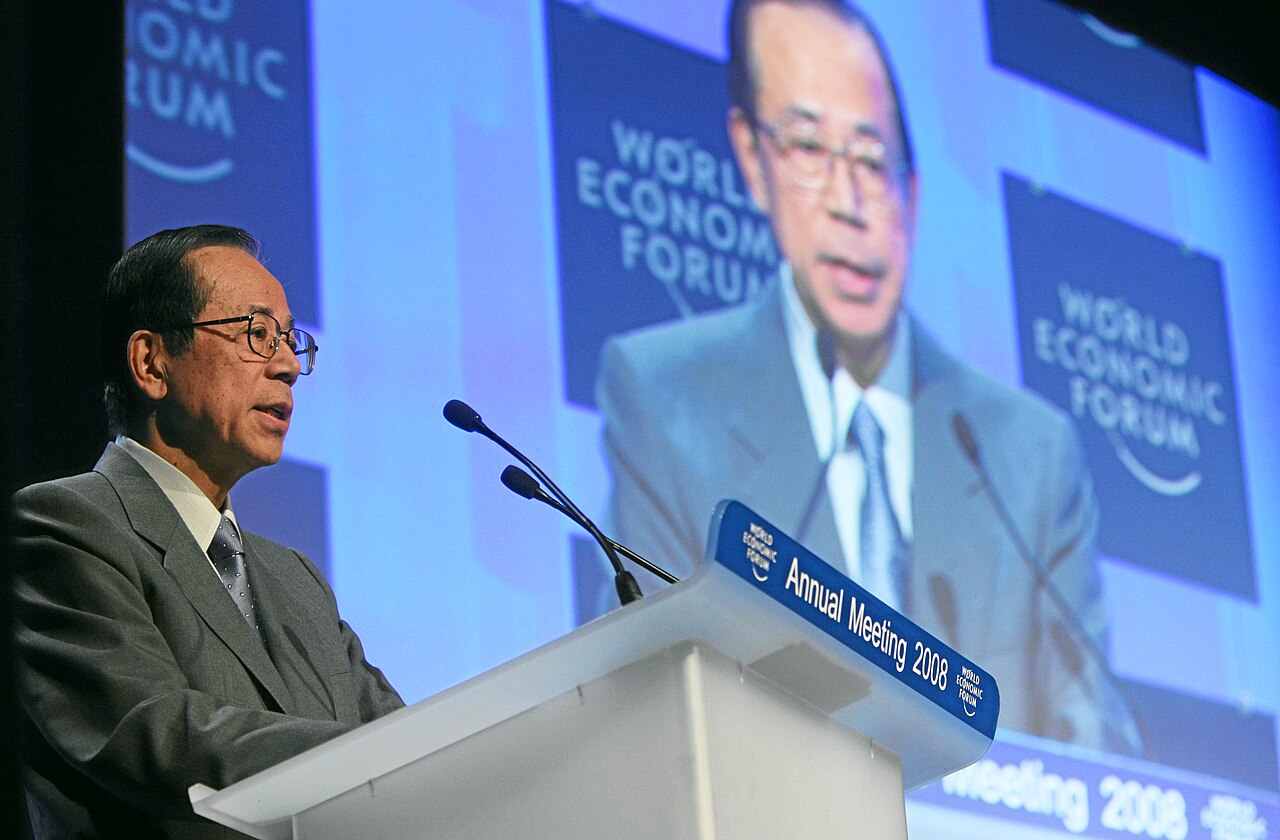
At a hastily called news conference at 9:30 pm on September 1, Japanese Prime Minister Yasuo Fukuda announced that he would resign, less than a year after taking office. The announcement took the country by surprise. Fukuda, 72, said he was stepping down to break the political deadlock in parliament and avoid a leadership vacuum, so that a new leader could carry out policies more effectively. His predecessor, Shinzo Abe, had also resigned suddenly, in September 2007, after only a year in office. When a reporter suggested that Fukuda's statement sounded as if he were talking about someone else, he replied that he could look at himself objectively, "unlike you". The remark became one of the most quoted phrases of the year in Japan.
Fukuda had become prime minister in September 2007, leading the long-ruling Liberal Democratic Party (LDP). But from the start his government faced a "twisted Diet": the opposition Democratic Party of Japan (DPJ) controlled the upper house of parliament after winning elections in July 2007, and it used its power to block or delay many government bills. Fukuda's popularity fell to low levels amid rising prices, a scandal over lost pension records and a controversial new health insurance system for the elderly. In June 2008 the upper house passed a non-binding censure motion against him, the first against a prime minister under Japan's post-war constitution.
In foreign policy, Fukuda was known for his efforts to improve relations with Japan's Asian neighbours. During his time in office, President Hu Jintao made his "warm spring" state visit to Japan in May 2008, and the two countries reached a consensus on the East China Sea in June. On September 22, the LDP chose former foreign minister Taro Aso to succeed him, and Aso became prime minister on September 24. A year later, in August 2009, the LDP suffered a historic defeat in a general election, ending more than half a century of almost continuous rule.
On September 2, Google released a test (beta) version of its own web browser, Google Chrome, for computers running Microsoft Windows. It was made available in more than 100 countries and over 40 languages. The launch marked a major move by the world's leading search company into a market dominated by Microsoft's Internet Explorer, with Mozilla's Firefox in second place. The news had come out a day early. Google had planned to explain the new browser with an illustrated comic book drawn by the American cartoonist Scott McCloud, but copies were sent out early by mistake, and a German blogger posted it online.
Google said Chrome had been designed from scratch for the modern web, where people increasingly used web applications such as email, documents and video rather than simple pages. Each browser tab ran as a separate process, isolated from the others in a "sandbox", so that if one website crashed or contained malicious code, it would not bring down the whole browser. It included a new, very fast JavaScript engine called V8, which made complex web applications run much faster. The browser had a minimalist design, with tabs at the very top of the window and a single box, called the "omnibox", for both web addresses and searches. Google also released most of the code as an open-source project called Chromium, so that other developers could use and improve it.
Chrome was downloaded by millions of people in its first days, although some experts raised concerns about privacy and about Google gaining even more influence over how people used the internet. It left beta in December 2008, and versions for Mac and Linux followed in 2009 and 2010. Chrome grew rapidly, and by 2012 it had overtaken Internet Explorer to become the world's most widely used web browser. Its underlying Chromium code later became the basis for many other browsers.
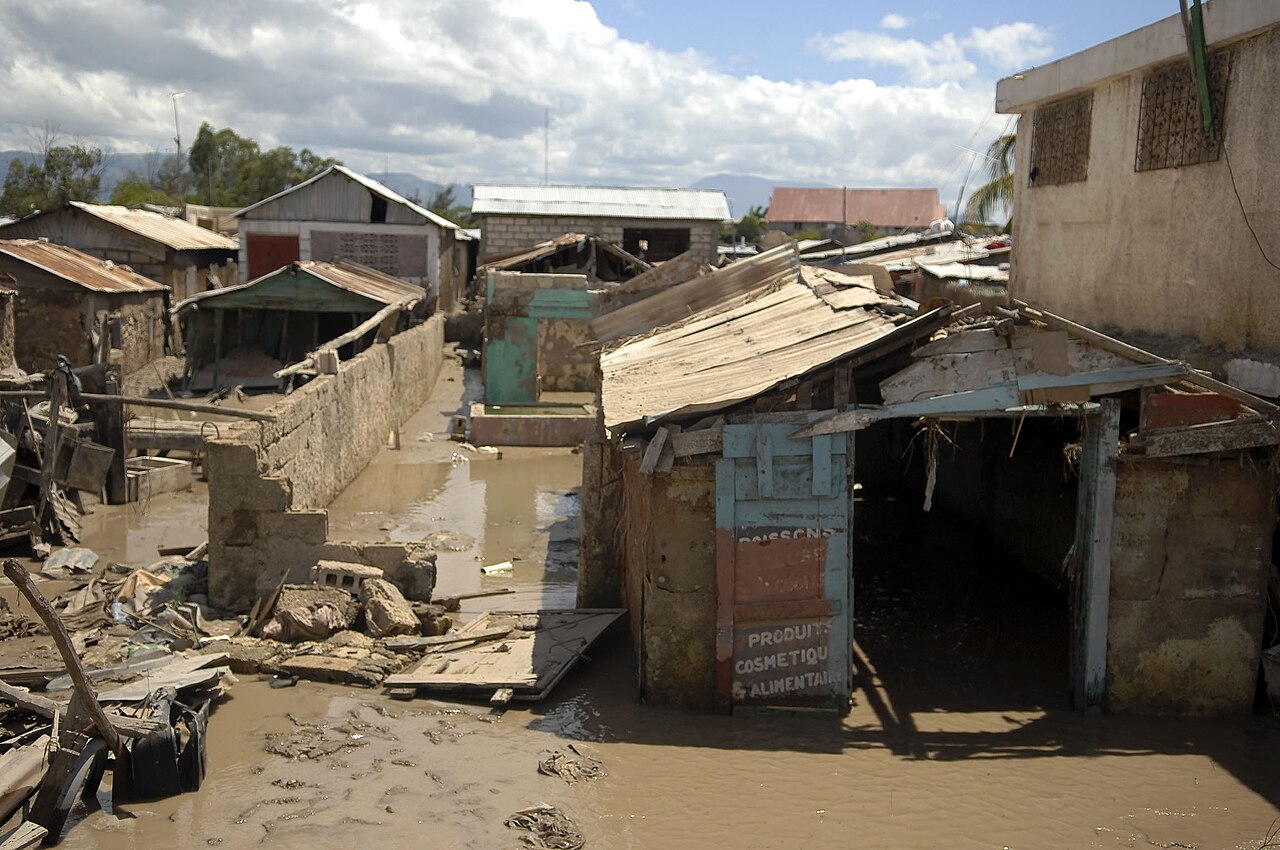
In early September, Tropical Storm Hanna stalled over Haiti, the poorest country in the Americas, pouring days of heavy rain on mountains that had been stripped of most of their trees. By September 2 and 3, floodwater and mud had swamped Gonaïves, the country's fourth-largest city, on the north-west coast. Gonaïves lies on low ground surrounded on three sides by hills, and water poured down from the bare slopes into the city. In many neighbourhoods the water rose to the rooftops, and thousands of residents climbed onto roofs to escape. Many waited there for days without food or clean water, as the roads into the city were cut and rescuers struggled to reach them.
Hanna was the third of four storms to hit Haiti in less than a month. Tropical Storm Fay had brought floods in mid-August, and Hurricane Gustav had struck the south of the country in late August. Days after Hanna, Hurricane Ike passed to the north on September 6–7 and caused more flooding, re-flooding Gonaïves just as the water had begun to fall. Together the four storms killed about 800 people, with hundreds more missing. They destroyed or damaged more than 100,000 homes, and wiped out large parts of the country's crops. Hundreds of thousands of people needed emergency help.
The disaster came at a terrible time. Haiti was already struggling with high food prices, which had caused deadly riots in April and brought down the government. The United Nations peacekeeping mission in Haiti, which included Chinese police officers, helped with rescues and delivered food by helicopter and boat. The World Food Programme and other agencies appealed for international aid. Experts said that widespread deforestation, poverty and poorly built settlements on flood plains had made the damage far worse. Gonaïves had also suffered a similar disaster in 2004, when floods from Tropical Storm Jeanne killed about 3,000 people.
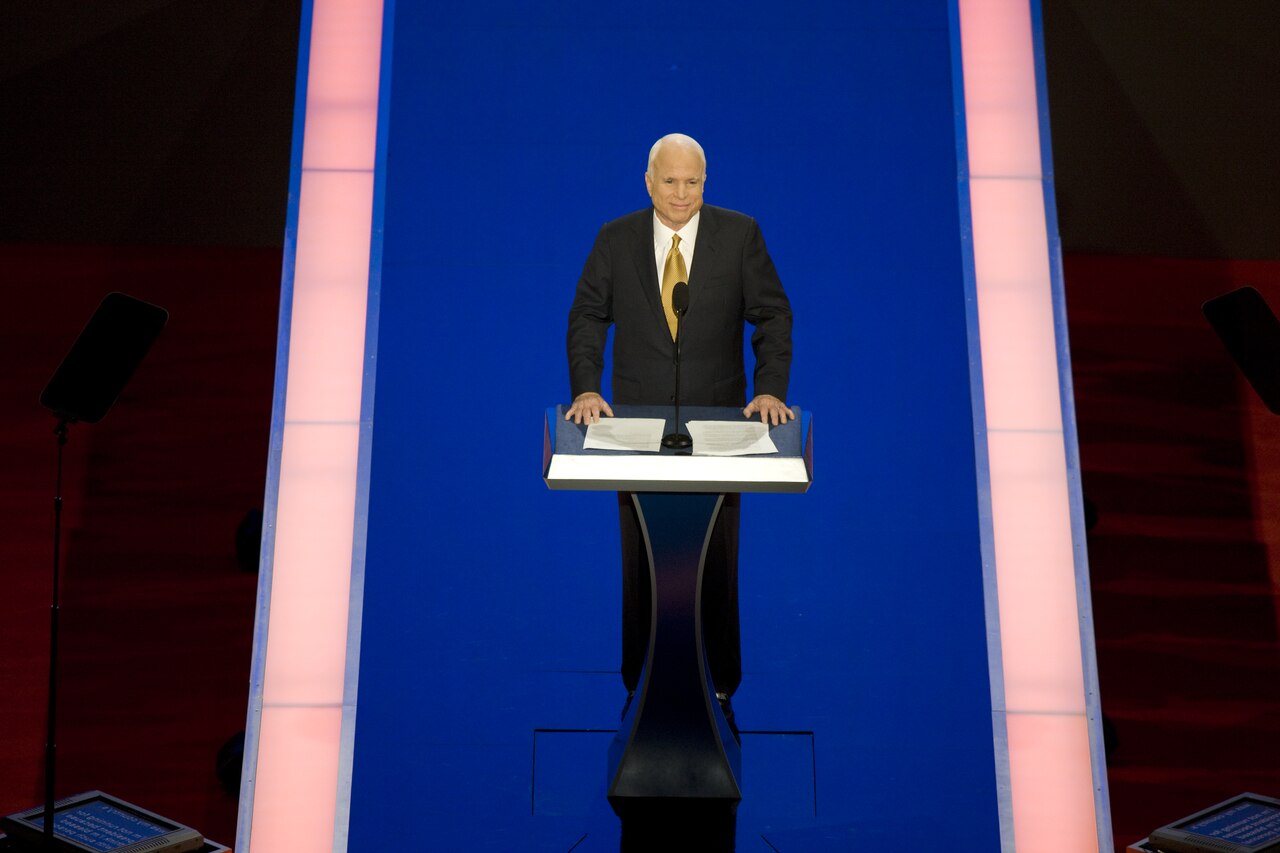
On the evening of September 4, Senator John McCain of Arizona accepted the Republican Party's nomination for president of the United States at the Xcel Energy Center in St Paul, Minnesota, closing a convention that had been shortened by Hurricane Gustav. At 72, he would be the oldest person ever elected to a first presidential term if he won. Speaking from a stage that had been rebuilt so he could stand among the delegates, McCain presented himself as an independent-minded reformer who would challenge his own party as well as the Democrats. He promised to shake up Washington and end the influence of special interests and wasteful spending.
The emotional centre of the speech was McCain's account of his years as a prisoner of war in Vietnam. A US Navy pilot, he was shot down over Hanoi in 1967 and held for five and a half years, often in solitary confinement, and was tortured. He said the experience had taught him to love his country and to put its interests before his own. He was interrupted several times by protesters inside the hall, whom security staff removed, and he asked the delegates not to be distracted by "the ground noise and the static". He praised his running mate, Sarah Palin, and reached out to Democrats and independents, promising to work with anyone to solve the country's problems. He ended with a rousing call to "Fight with me", repeated again and again as the crowd cheered.
The speech was watched by a very large television audience, comparable to the one that had watched Barack Obama's acceptance speech in Denver a week earlier. With the two conventions over, polls showed a close race. But less than two weeks later, the collapse of the investment bank Lehman Brothers on September 15 turned the campaign's focus to the financial crisis and the economy, an issue that worked strongly in Obama's favour. In November, Obama won the election by a clear margin.
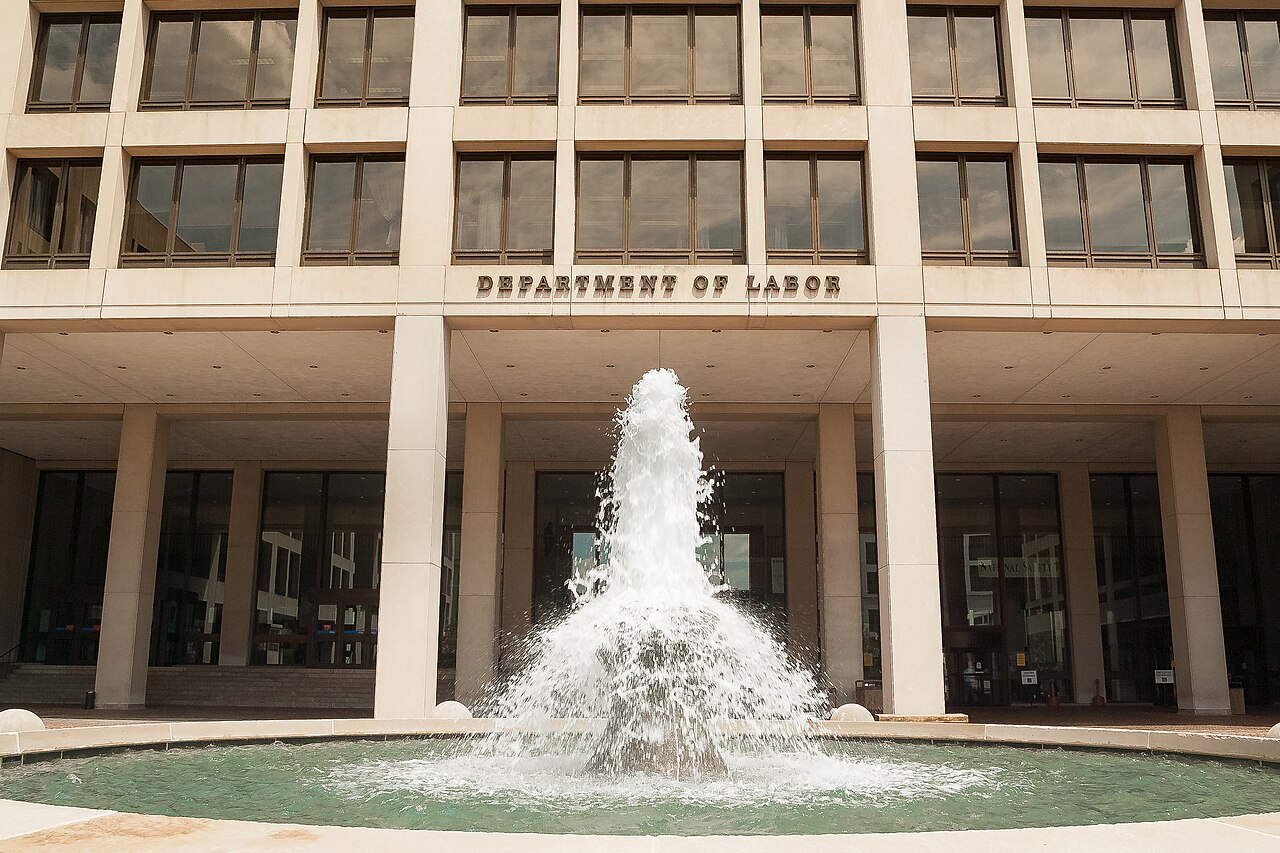
On September 5, the US Labor Department reported that the unemployment rate had jumped from 5.7% in July to 6.1% in August, its highest level in five years. Employers had cut 84,000 jobs during the month, the eighth monthly decline in a row. The department also revised its figures for June and July to show that more jobs had been lost than first reported. In total, the US economy had shed 605,000 jobs since the start of the year. The results were worse than economists had expected. They had forecast smaller job losses and little change in the unemployment rate.
The losses were spread across much of the economy. Manufacturers cut 61,000 jobs, as factories struggled with falling demand and high energy costs, and car makers were especially hard hit. Employment agencies, which supply temporary workers and are often an early sign of business conditions, cut 53,000 jobs. Construction and retail employment also continued to fall, as the housing slump deepened and consumers cut back spending in the face of high petrol and food prices and falling house values. Health care and government were among the few areas still adding jobs.
The report came at a sensitive moment in the presidential campaign, the day after John McCain accepted the Republican nomination, and both candidates promised to help working families. On Wall Street, share prices fell. Over the weekend, the government announced it was taking control of the troubled mortgage giants Fannie Mae and Freddie Mac. The worst was yet to come: after the financial crisis deepened later in September, job losses grew to hundreds of thousands a month, and by October 2009 the unemployment rate had reached 10%, the highest level in more than 25 years.
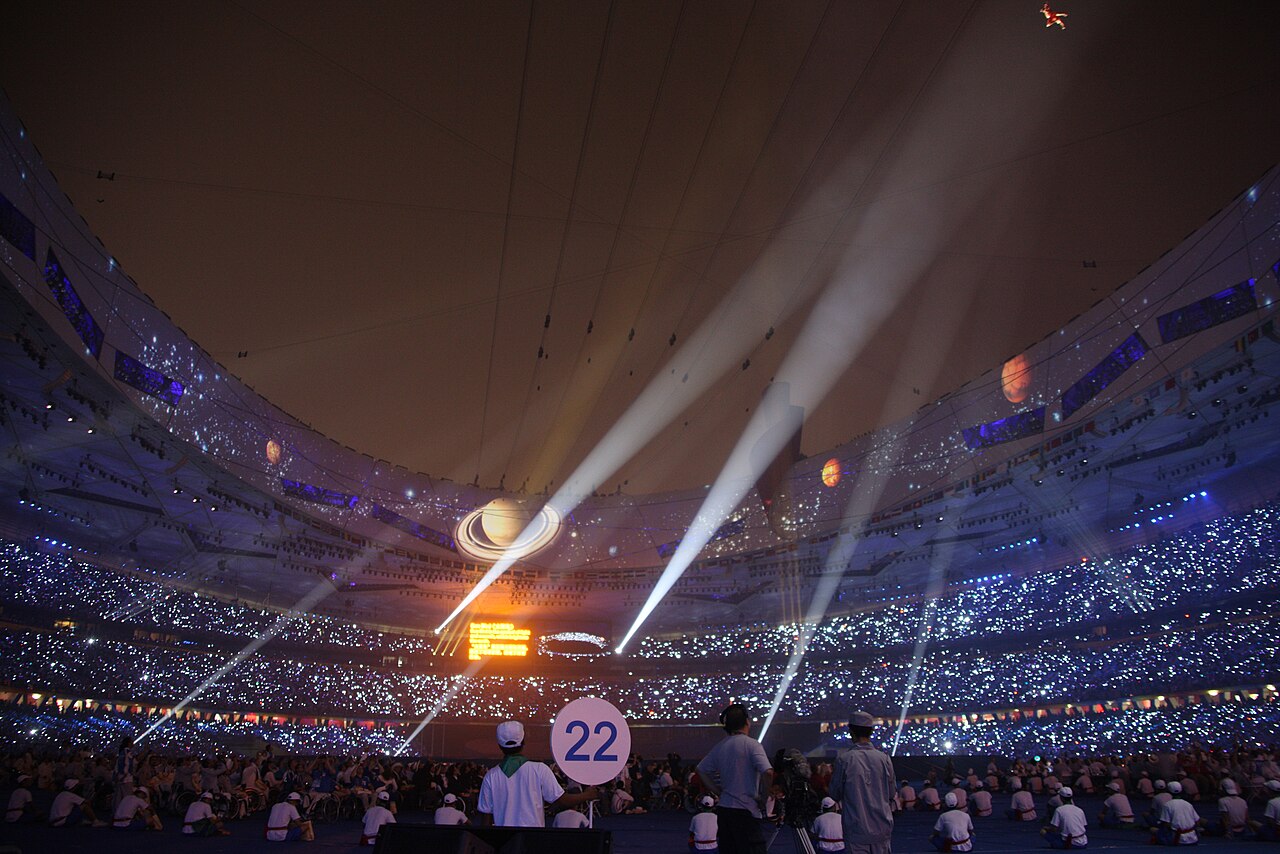
Two weeks after the end of the Olympic Games, the Beijing 2008 Paralympic Games opened on the evening of September 6 at the National Stadium, the "Bird's Nest", before a crowd of about 90,000 people. Nearly 4,000 athletes with physical and visual impairments from 146 countries and regions took part. It was the largest Paralympics held up to that time. Under the motto "Transcendence, Equality, Integration", the Games ran until September 17. President Hu Jintao declared them open.
The ceremony, which included many performers with disabilities, celebrated human spirit and courage. Dancers performed a moving routine about the dreams of a child. Deaf dancers moved in perfect unison, and a young girl who had lost a leg in the Wenchuan earthquake danced in her wheelchair. In the final stage of the torch relay, Ping Yali, a blind athlete who in 1984 had won China's first ever Paralympic gold medal, in the long jump, ran a lap with her guide dog. The most dramatic moment came at the end. Hou Bin, a Chinese high jumper who had lost a leg as a child and had won gold medals at three Paralympics, pulled himself and his wheelchair up a rope, hand over hand, high into the roof of the stadium to light the cauldron. He climbed with a broken finger, which he had injured in a rehearsal.
Over the next 11 days, athletes competed in 20 sports, from wheelchair basketball and swimming to athletics, boccia and blind football. Large crowds watched in the stadiums, and the Games drew wide attention in China to the lives of the country's tens of millions of disabled people. Facilities and transport in Beijing were improved to make them more accessible. China topped the medal table with 89 gold medals, far ahead of Britain and the United States. The International Paralympic Committee praised the organisation of the Games and said they had changed attitudes towards people with disabilities in China.
On Sunday, September 7, US Treasury Secretary Henry Paulson and James Lockhart, head of the newly created Federal Housing Finance Agency (FHFA), announced that the government was taking control of Fannie Mae and Freddie Mac, the two giant companies at the heart of the American home mortgage market. The firms were placed into "conservatorship", a form of government administration. Their chief executives were replaced: Herb Allison was appointed to lead Fannie Mae and David Moffett to lead Freddie Mac. Dividends to shareholders were suspended. It was one of the largest government interventions in financial markets in US history.
Fannie Mae and Freddie Mac did not lend directly to homebuyers. Instead, they bought mortgages from banks and guaranteed mortgage-backed securities, which kept money flowing into home lending. Together they owned or guaranteed more than 5 trillion dollars of mortgages, about half of all home loans in the United States. As house prices fell and more borrowers defaulted, the companies suffered heavy losses. Investors feared they did not have enough capital to survive, and their share prices had collapsed. In July, Congress had given the Treasury powers to support them. Now Paulson said their condition had worsened so much that action was necessary to protect the financial system and the housing market.
Under the plan, the Treasury agreed to provide up to 100 billion dollars to each company if needed by buying special preferred shares, and to buy their mortgage-backed securities to support the market. Paulson stressed that the move was meant to calm markets around the world, where foreign central banks, including those of China and Japan, held hundreds of billions of dollars of Fannie and Freddie debt. Global stock markets rose strongly the next day. The relief did not last long. Within weeks, Lehman Brothers collapsed and the financial crisis spread around the world. The government's support for Fannie Mae and Freddie Mac eventually rose to about 190 billion dollars, and the two companies remained under government control for many years.
On the morning of September 8, a dam holding back mud and waste from an iron ore mine collapsed in Xiangfen County, near the city of Linfen in northern China's Shanxi province. After days of heavy rain, a huge wave of sludge burst from the waste reservoir of the Tashan mine on a hillside above the village of Yunhe. It swept down into the village below, burying homes, an office building and a busy market where many people were shopping. The mudslide covered a wide area to a depth of several metres in places.
Thousands of rescuers, including soldiers, armed police and firefighters, worked for days with excavators and their hands to search through the mud. Few survivors were found. The death toll rose steadily as bodies were recovered, and the final official figure was 277 dead, with more than 30 injured. It was one of China's deadliest industrial accidents in years. Investigators found that the mine had been operating without a valid licence, and that the waste reservoir had been built and expanded without proper safety controls, despite earlier warnings.
The central government sent a high-level investigation team led by the State Administration of Work Safety. Premier Wen Jiabao ordered a thorough investigation and severe punishment for those responsible. On September 14, the governor of Shanxi, Meng Xuenong, resigned, taking responsibility for the disaster, and a vice-governor was also removed from his post. Dozens of local officials and mine managers were later punished or prosecuted. Shanxi, China's largest coal-producing province, had a long record of mining accidents, and the authorities launched a campaign to close illegal mines and improve safety inspections across the province.
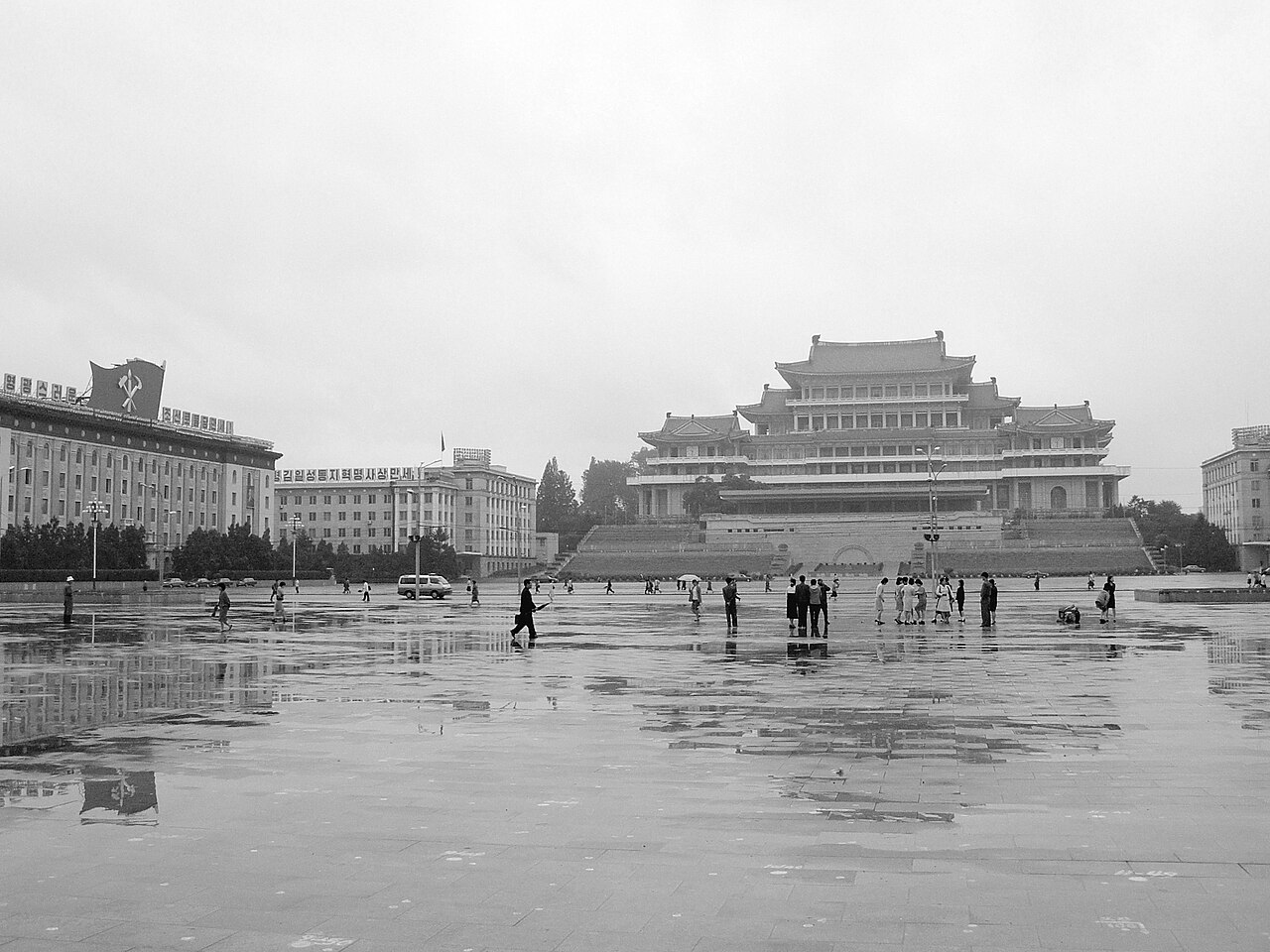
On September 9, North Korea marked the 60th anniversary of its founding in 1948 with a parade in Pyongyang's Kim Il-sung Square. But the country's leader, Kim Jong-il, did not appear. His absence from such an important event was highly unusual, and it immediately set off rumours around the world that he was seriously ill. North Korea's state media said nothing about why he was missing. The parade itself was smaller than expected, with militia units rather than a full display of tanks and missiles. Kim had not been seen in public since mid-August.
That day and the next, US and South Korean officials said they believed Kim, then 66, had suffered a serious health problem, possibly a stroke, in August, though he appeared to be recovering. South Korean intelligence officials told lawmakers that he had undergone surgery but was still in control of the country. North Korean officials denied the reports. The second-ranking official, Kim Yong-nam, told a Japanese news agency that there was "no problem", and a diplomat called the reports a "conspiracy plot". Analysts were concerned because Kim had not publicly named a successor, and a sudden collapse of leadership in the nuclear-armed state could cause instability in the region.
The rumours came at a delicate time for the Six-Party Talks on North Korea's nuclear programme, which had stalled over how to verify Pyongyang's nuclear declaration. In early October, state media released photographs said to show Kim inspecting a military unit, although some analysts questioned when they had been taken. It was later widely confirmed that he had suffered a stroke. In the following years, he began preparing his youngest son, Kim Jong-un, as his successor. Kim Jong-il died in December 2011. On the same day, in Thailand, the Constitutional Court removed Prime Minister Samak Sundaravej from office for hosting paid television cooking shows while in office.
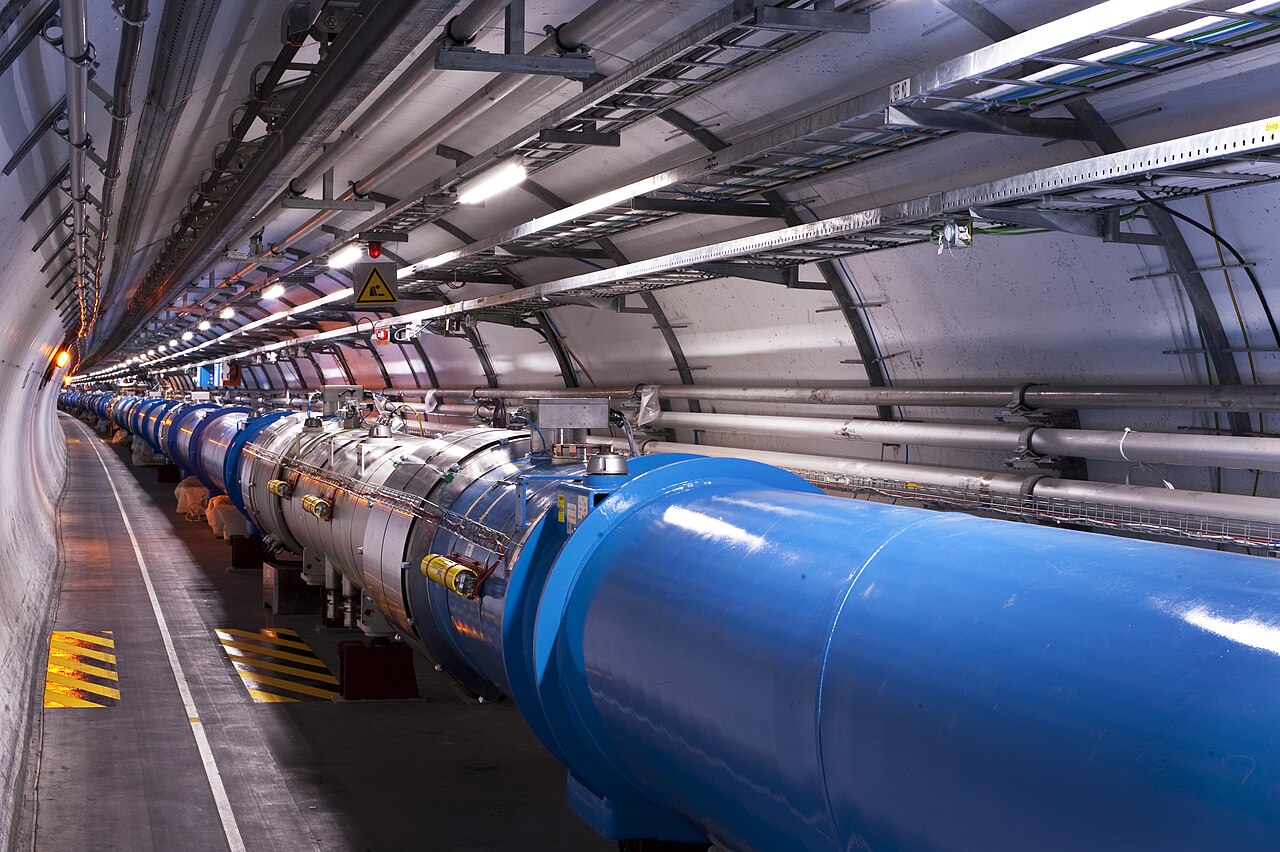
At 10:28 am on September 10, scientists at CERN, the European Organization for Nuclear Research near Geneva, sent the first beam of protons all the way around the Large Hadron Collider (LHC), the world's largest and most powerful particle accelerator. The control room burst into applause as two flashes of light on a screen showed that the beam had completed its first lap of the 27-kilometre circular tunnel, buried about 100 metres underground beneath the border between France and Switzerland. Later the same day, a beam was sent around in the opposite direction. Project leader Lyn Evans and CERN's director-general, Robert Aymar, called it a great moment for science.
The LHC had taken more than a decade to build and cost several billion dollars. It used more than 1,600 superconducting magnets, cooled with liquid helium to minus 271 degrees Celsius, colder than outer space, to steer two beams of protons travelling at nearly the speed of light. When the beams were made to collide, giant detectors would record the particles produced. Physicists hoped the machine would help answer some of the deepest questions about the universe, especially to find the Higgs boson, a particle predicted to explain why matter has mass, and perhaps to shed light on dark matter. Thousands of scientists from dozens of countries, including China, worked on the project.
Before the start-up, some people had feared, despite repeated reassurances from scientists, that the collider might create a black hole that could swallow the Earth. These fears were unfounded. But the machine did suffer a serious setback. On September 19, a faulty electrical connection between two magnets caused about two tonnes of helium to leak into the tunnel, damaging dozens of magnets. Repairs took more than a year, and the LHC restarted in November 2009. On July 4, 2012, CERN announced that experiments at the LHC had discovered a particle consistent with the Higgs boson, and the following year two of the physicists who had predicted it, Peter Higgs and François Englert, won the Nobel Prize in Physics.
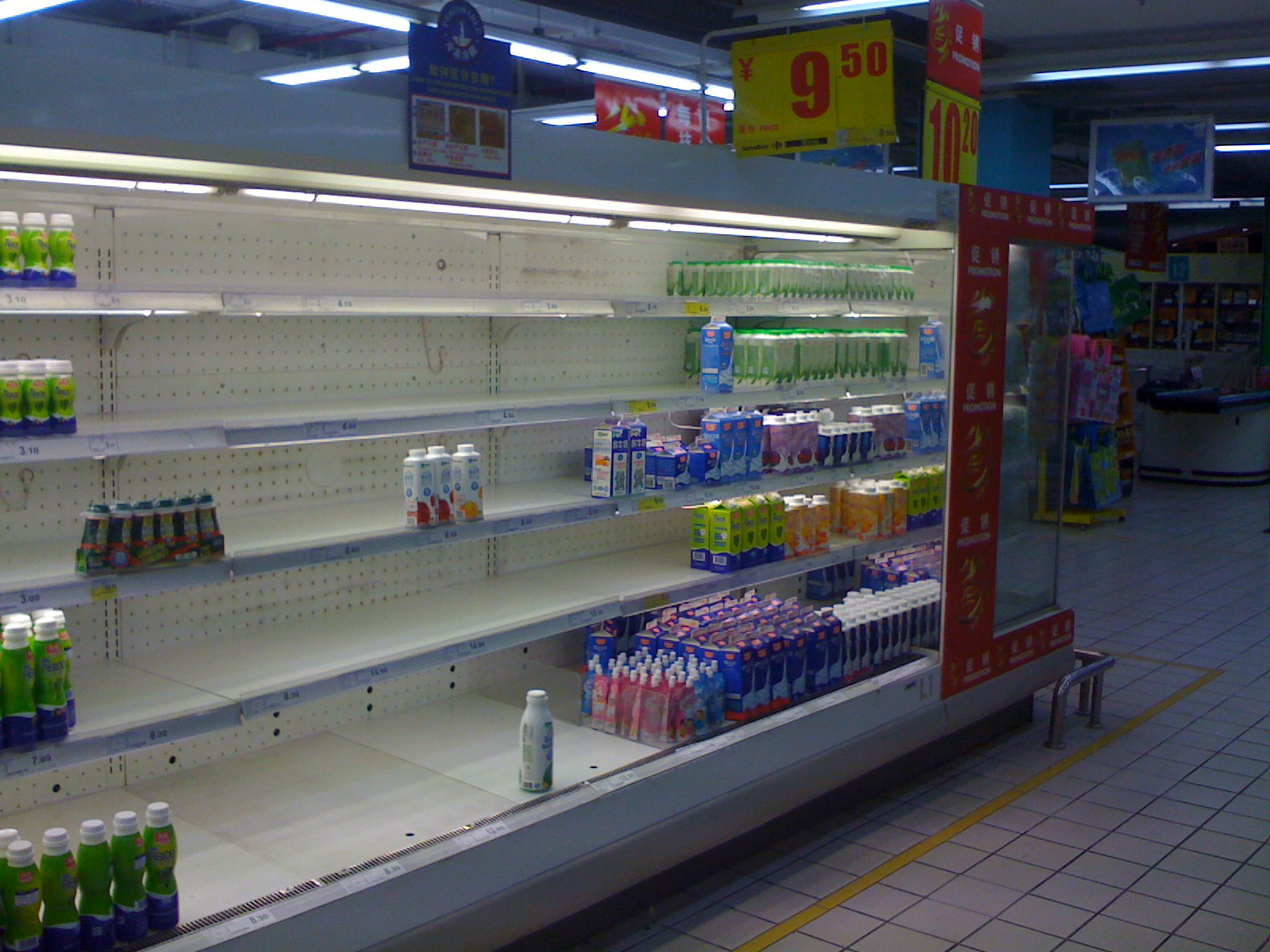
On the evening of September 11, the Sanlu Group, one of China's largest dairy companies, based in Shijiazhuang, Hebei province, announced that it was recalling infant formula milk powder produced before August 6, about 700 tonnes of product still on the market. The company said tests had found its milk powder had been contaminated with melamine, an industrial chemical used to make plastics and fertiliser. Earlier that day, the Ministry of Health had announced that Sanlu baby formula was strongly suspected of causing kidney stones in infants. Doctors in Gansu province and elsewhere had reported a sharp rise in cases of babies with kidney stones, a condition that is normally extremely rare in infants. Many of them had been fed Sanlu formula.
Investigators found that some milk collection stations and middlemen had added water to raw milk and then mixed in melamine. Because melamine is rich in nitrogen, it made the diluted milk appear to contain more protein in standard tests. In infants, who drank large amounts of formula, the chemical could form stones and damage the kidneys. On September 12, the Ministry of Health confirmed that the contaminated formula was the cause, and police began arresting suppliers. Sanlu was partly owned by the New Zealand dairy company Fonterra, which said it had learned of the problem in August and alerted the New Zealand government, which then informed Chinese central authorities.
The scandal quickly spread. On September 16, national inspectors announced that melamine had been found in products from 22 dairy companies, including some leading brands, and the government ordered the removal of tainted products from shops. In total, about 300,000 babies became ill, and six died. The head of the national quality inspection agency resigned, and senior officials in Shijiazhuang were dismissed. Sanlu went bankrupt, its chairwoman Tian Wenhua was sentenced to life imprisonment, and two men who had produced and sold the melamine mixture were executed in 2009. The government introduced stricter food safety laws and testing, and the scandal shook public trust in domestic dairy products for years.
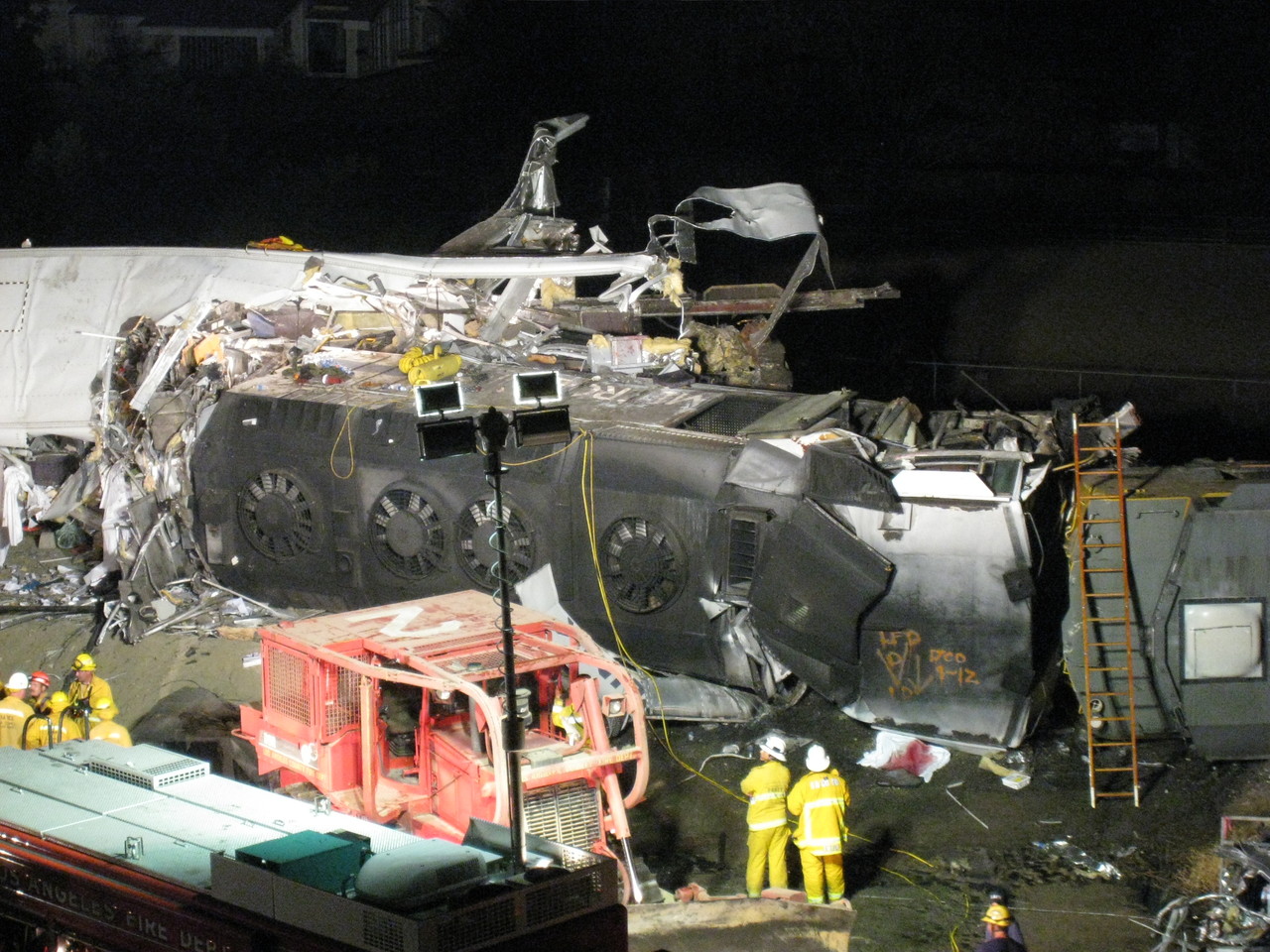
At about 4:22 pm on Friday, September 12, a Metrolink commuter train carrying more than 200 passengers collided head-on with a Union Pacific freight train in Chatsworth, a district in the north-west of Los Angeles. The two trains were on the same single track as it curved near a tunnel. The commuter train's locomotive was pushed back into the first passenger car, which was crushed and caught fire. Twenty-five people were killed, including the Metrolink engineer, and more than 130 were injured, many seriously. It was one of the deadliest train accidents in modern US history.
Firefighters, police and rescue teams worked through the night to free passengers trapped in the twisted wreckage, and helicopters carried the most badly injured to hospitals. Metrolink said the next day that its engineer appeared to have failed to stop at a red signal. Investigators from the National Transportation Safety Board (NTSB) soon discovered from mobile phone records that the engineer, Robert Sanchez, had been sending and receiving text messages while operating the train. His last message had been sent just 22 seconds before the crash.
In January 2010, the NTSB concluded that the probable cause of the collision was the engineer's failure to observe the red signal because he was distracted by text messaging. It also found that a "positive train control" system, technology that can automatically stop a train before it passes a danger signal, would have prevented the accident. The disaster led to quick changes. California regulators banned train crews from using mobile phones while on duty, and in October 2008 the US Congress passed the Rail Safety Improvement Act. It required major railways and commuter lines to install positive train control systems, a process that took more than a decade to complete.
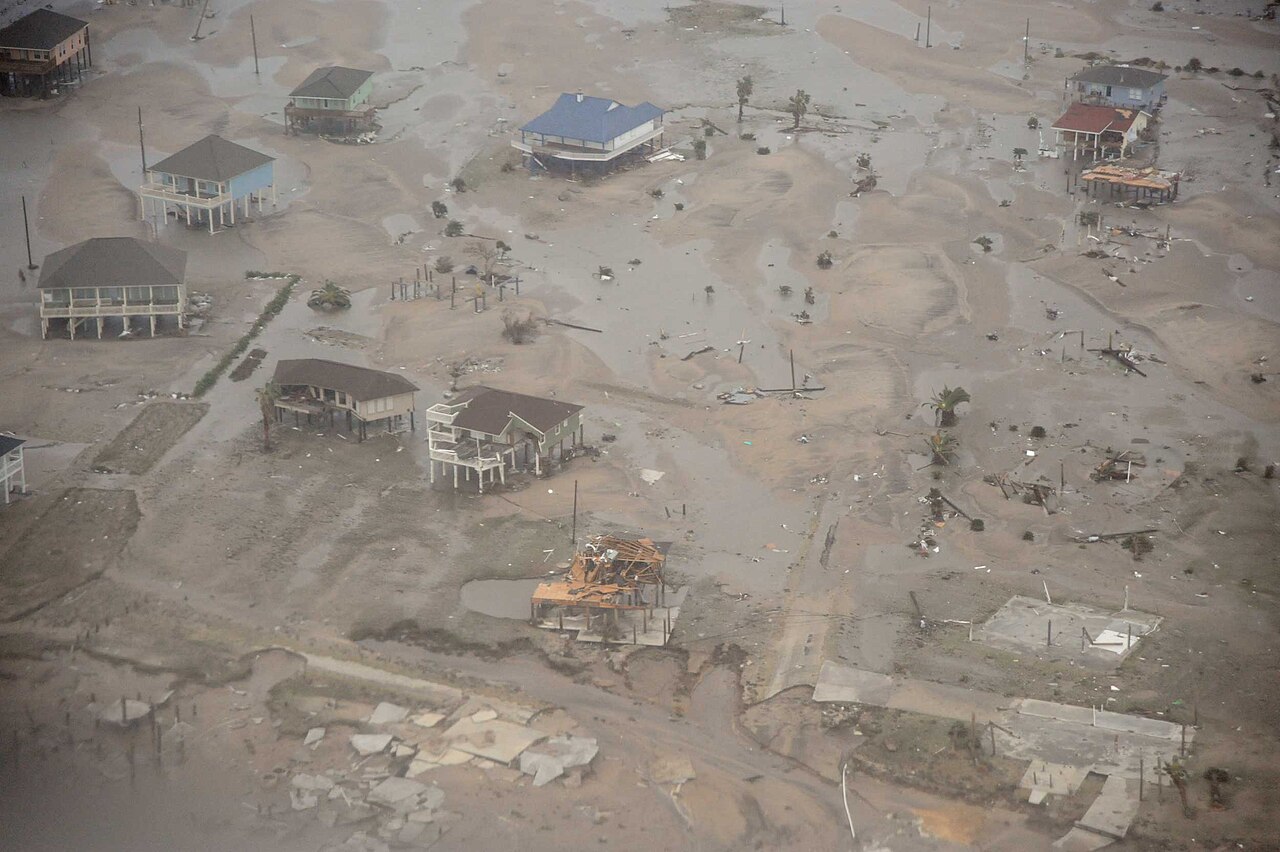
At about 2 am on September 13, Hurricane Ike made landfall at Galveston, Texas, as a Category 2 storm with winds of about 175 km/h. Ike was an unusually large hurricane, with storm-force winds extending hundreds of kilometres from its centre. It pushed a huge wall of seawater onto the Texas coast. On the Bolivar Peninsula, just east of Galveston, the storm surge reached an estimated five metres or more, sweeping away most of the homes in small beach communities such as Gilchrist and Crystal Beach. In Galveston, much of the island city was flooded, and the hurricane then moved inland over Houston, the fourth-largest city in the United States.
Authorities had ordered more than a million people to evacuate the coast, but many residents of Galveston and the Bolivar Peninsula stayed behind. The National Weather Service had warned that those who remained in single-family homes faced "certain death". Rescue teams in boats and helicopters later pulled thousands of people from flooded homes and rooftops. In Houston, the wind blew out windows in downtown office towers and toppled trees and power lines. Millions of people in Texas and Louisiana lost electricity, some for weeks, and long queues formed for petrol, water and ice in the late-summer heat. Damage to oil refineries and offshore platforms along the Gulf Coast briefly pushed up petrol prices across the country.
Dozens of people died in Texas and Louisiana as a direct or indirect result of the storm, and many more were missing for weeks, especially on the Bolivar Peninsula. Earlier, Ike had swept across the Caribbean as a powerful hurricane, causing deaths and heavy damage in Haiti, the Turks and Caicos Islands and Cuba. With damage in the United States estimated at more than 25 billion dollars, it was at the time the third-costliest hurricane in US history, after Katrina and Andrew. On the same day, five bombs exploded in crowded markets in New Delhi, killing about 30 people, the latest in a series of bombings in Indian cities that year.
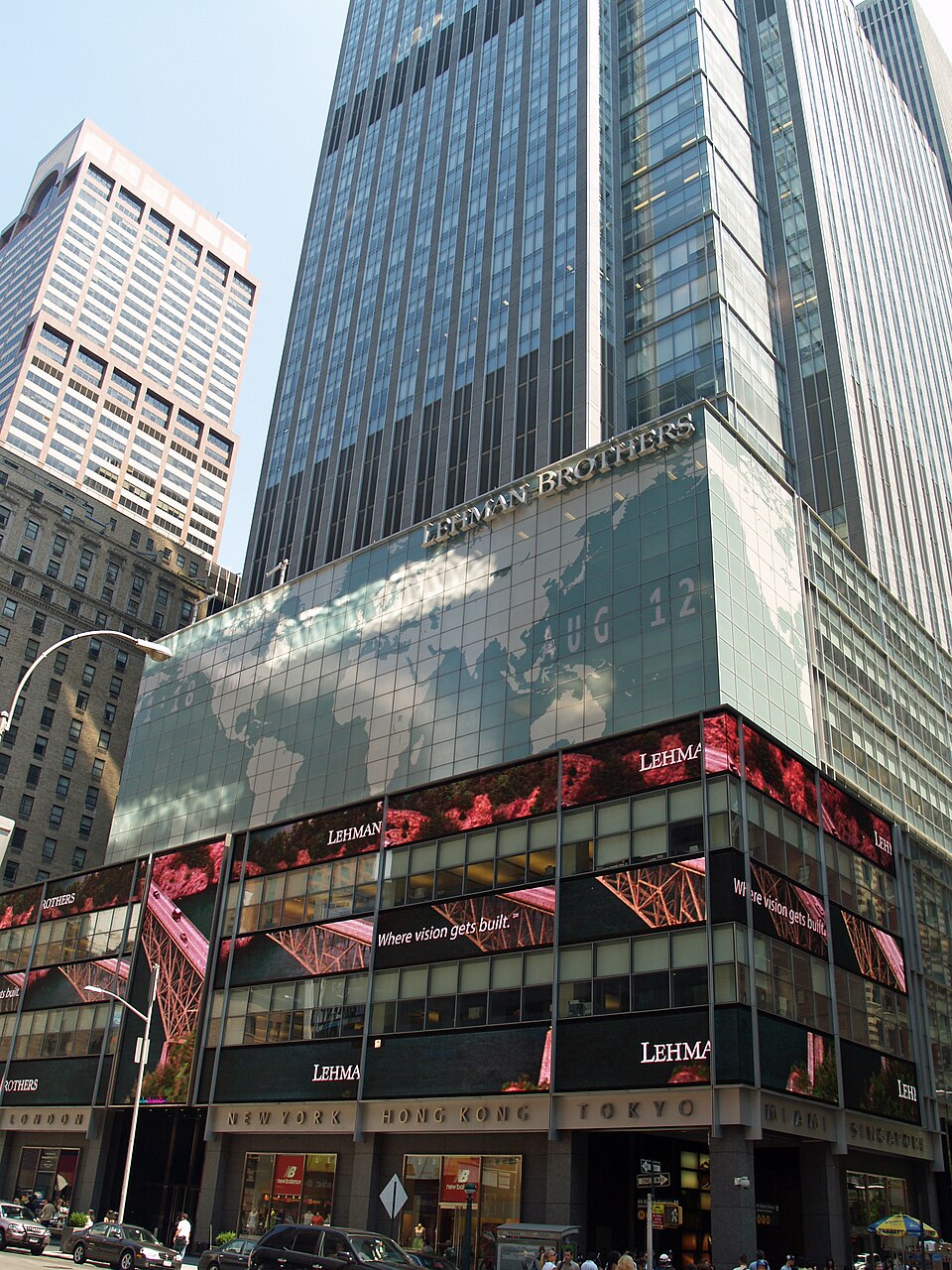
Over the weekend of September 13–14, the heads of America's biggest banks gathered at the Federal Reserve Bank of New York with Treasury Secretary Henry Paulson, Fed Chairman Ben Bernanke and New York Fed President Timothy Geithner. They were trying to save Lehman Brothers, the country's fourth-largest investment bank, which was close to collapse after huge losses on property-related investments. The government hoped that a private buyer could be found, as had happened with Bear Stearns in March. But this time Paulson made clear that taxpayers' money would not be used to guarantee a deal.
The two possible buyers, Bank of America and the British bank Barclays, both pulled out. Bank of America would not buy Lehman without government support, and on Sunday afternoon talks with Barclays collapsed after British regulators refused to approve the deal in time. With no rescue, Lehman's board prepared to file for bankruptcy. At the same time, Merrill Lynch, the famous brokerage firm known for its "thundering herd" of financial advisers, feared it would be next. Its chief executive, John Thain, rushed into talks with Bank of America, which agreed that evening to buy Merrill for about 50 billion dollars in shares, around 29 dollars a share. The deal was announced early on Monday. Meanwhile, the giant insurance company AIG asked the Fed for an emergency loan.
Early on Monday, September 15, Lehman Brothers, founded in 1850, filed for bankruptcy with more than 600 billion dollars in assets, the largest bankruptcy in US history. Stock markets around the world plunged, and the Dow Jones fell more than 500 points that day. The decision to let Lehman fail sent shockwaves through global finance: credit markets froze, and within days the government had to rescue AIG and propose a 700 billion dollar plan to stabilise the banking system. The weekend is widely seen as the moment the financial crisis turned into a global panic. Also on September 14, an Aeroflot-Nord passenger plane crashed while landing at Perm in Russia, killing all 88 people on board.
On the evening of September 15, the People's Bank of China announced its first cut in benchmark lending rates in about six years. The one-year lending rate was reduced by 0.27 percentage points, from 7.47% to 7.20%, from the next day, while deposit rates were left unchanged. The central bank also lowered the reserve requirement ratio, the share of deposits that banks must hold at the central bank, by one percentage point for most banks from September 25. The six largest state-owned banks were excluded, and banks in areas hit by the Wenchuan earthquake received a cut of two points. The reserve requirement had been raised many times in previous years, reaching 17.5% in June 2008.
The move marked a major change in China's economic policy. For more than a year, the government's main concern had been to cool an overheating economy and control inflation, which had reached a 12-year high of 8.7% in February. But by the summer inflation was falling, while growth was slowing as exports weakened and the property market cooled. Many small and medium-sized companies, especially exporters in coastal provinces, were struggling to get loans. The central bank said the measures were in line with the State Council's plan to maintain steady and relatively fast economic growth. Analysts said they aimed especially to ease credit for smaller businesses.
The announcement came on the same day that the global financial crisis took a dramatic turn. Early that morning in New York, the investment bank Lehman Brothers filed for bankruptcy, the largest in US history, and Merrill Lynch agreed to be taken over by Bank of America. Stock markets around the world fell sharply, and the Dow Jones Industrial Average dropped more than 500 points. Over the following months, China cut interest rates several more times. In November, it announced a 4 trillion yuan stimulus package to protect growth as the world economy fell into recession. Also on September 15, Zimbabwe's President Robert Mugabe and opposition leader Morgan Tsvangirai signed a power-sharing agreement in Harare.
On the evening of September 16, just a day after refusing to save Lehman Brothers, the US government stepped in to rescue American International Group (AIG), one of the world's largest insurance companies. The Federal Reserve announced that it would lend AIG up to 85 billion dollars over two years. In return, the government would receive warrants giving it a stake of about 80% in the company, and AIG's chief executive would be replaced. The decision was made after AIG warned that it could not meet its obligations and might have to file for bankruptcy within days.
AIG was a huge, global company with about 1 trillion dollars in assets and tens of millions of customers around the world, selling life insurance, home and car insurance, and retirement products. Its problems came from a small London-based unit, AIG Financial Products. This unit had sold large amounts of "credit default swaps", a form of insurance against the default of bonds and other securities, many of them linked to US mortgages. As the housing market collapsed, AIG had to post billions of dollars in extra collateral to its trading partners, and credit rating agencies downgraded the company. Officials feared that its collapse would cause losses for banks and investors around the world and would be far more damaging than Lehman's. Fed Chairman Ben Bernanke and Treasury Secretary Henry Paulson argued that AIG was too interconnected to be allowed to fail.
Also on September 16, the Reserve Primary Fund, one of the oldest money market funds in the United States, announced that the value of its shares had fallen below one dollar, known as "breaking the buck", because of losses on debt issued by Lehman Brothers. Money market funds were considered almost as safe as bank accounts, and the news set off a rush by investors to withdraw their money from such funds. The next day, the Dow Jones Industrial Average fell nearly 450 points. The government's support for AIG would eventually grow to more than 180 billion dollars, although the money was later repaid with a profit.
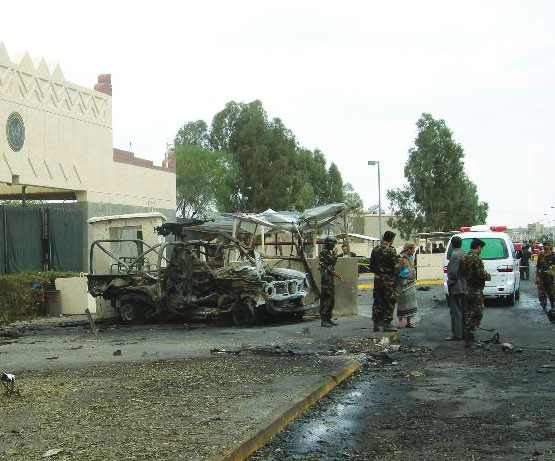
On the morning of September 17, militants armed with car bombs, rifles and rocket-propelled grenades attacked the heavily guarded US embassy in Sanaa, the capital of Yemen. The attackers, some of them reportedly dressed in Yemeni security uniforms, drove two vehicles towards the main gate, where many Yemeni citizens were waiting in line to apply for visas. Embassy guards closed the barrier, and the attackers detonated a car bomb and opened fire. A battle with Yemeni security forces lasted about 20 minutes before all the attackers were killed. They did not get inside the embassy compound.
Reported death tolls varied, but most accounts put the number killed at about 18 to 20, including six or seven attackers, Yemeni police and soldiers, and civilians waiting outside. Among the dead was a young Yemeni-American woman who had recently married and was at the embassy with her husband. No embassy staff were killed. US President George W. Bush condemned the attack as a reminder that "we're at war with extremists who will kill innocent people to achieve their objectives". The Yemeni government promised to hunt down those responsible.
A group calling itself Islamic Jihad in Yemen claimed responsibility and threatened further attacks on the British, Saudi and Emirati embassies. US and Yemeni officials, however, believed that al-Qaeda militants were behind the attack. It was the second attack on the embassy in 2008, after a mortar attack in March, and it was the most serious attack on a US target in the region in several years. Yemen, one of the poorest countries in the Arab world, faced growing violence from militant groups. In January 2009, al-Qaeda's branches in Yemen and Saudi Arabia merged to form al-Qaeda in the Arabian Peninsula (AQAP), which became one of the group's most active affiliates.
On September 18, Lloyds TSB agreed to take over HBOS, the UK's largest mortgage lender, in a deal worth about 12 billion pounds, creating a banking giant with about 28% of the country's mortgage market. HBOS, formed in 2001 from the merger of the Halifax building society and the Bank of Scotland, had relied heavily on borrowing from wholesale money markets. After Lehman Brothers collapsed, its shares plunged by more than half in a few days, and there were fears of a run on the bank. HBOS shareholders were offered 0.83 Lloyds shares for each share they held, far below its value a year earlier.
The deal was strongly encouraged by the British government. Prime Minister Gordon Brown reportedly discussed it with Lloyds chairman Sir Victor Blank, and ministers agreed to set aside competition rules that would normally have blocked a merger giving one bank so large a share of the market. Critics, including Scotland's First Minister Alex Salmond, complained that the Bank of Scotland, founded in 1695, was being swallowed up. Some blamed speculators who had bet on a fall in HBOS shares. That evening, the Financial Services Authority announced a temporary ban on new "short selling" of shares in financial companies, and the US authorities announced a similar ban the next day.
On the same day, central banks around the world took coordinated action to calm the panic in money markets, where banks had almost stopped lending to each other. The US Federal Reserve, together with the European Central Bank, the Bank of England, the Bank of Japan, the Swiss National Bank and the Bank of Canada, announced that it would provide up to 180 billion dollars in additional US dollar funding through currency swap arrangements. The Lloyds–HBOS deal was completed in January 2009, but by then HBOS's losses had grown so large that the combined bank needed billions of pounds in government money, and the state took a 43% stake.
On September 19, China's stock markets had one of their best days ever after the government announced a package of measures to stop a steep fall in share prices. The Shanghai Composite Index jumped about 9.5% to close above 2,000 points, and almost every listed stock rose by the 10% daily limit. Only the day before, the index had fallen to its lowest level in nearly two years, below 1,900 points, about 70% below its record high in October 2007, as panic spread through world markets after the collapse of Lehman Brothers.
Late on September 18, the authorities had announced three measures. First, from September 19, the stamp duty on share trading would be charged only on sellers, so investors buying shares would no longer pay it. Second, Central Huijin Investment, the state investment company that held large stakes in China's big banks, said it would buy shares of the Industrial and Commercial Bank of China, the Bank of China and the China Construction Bank in the open market. Third, the State-owned Assets Supervision and Administration Commission said it supported central state-owned enterprises buying back their own shares or increasing their holdings in their listed subsidiaries. Shares in Hong Kong also rose sharply, with the Hang Seng index gaining more than 9%.
Stock markets around the world rallied on the same day as the US government prepared a dramatic plan to rescue its banking system. Treasury Secretary Henry Paulson announced that the government would seek authority from Congress to buy hundreds of billions of dollars of troubled mortgage-related assets from banks, to remove them from the banks' balance sheets and restore confidence. The next day, the plan was set at 700 billion dollars. The Treasury also announced a temporary guarantee for money market funds, and US regulators banned short selling of financial stocks. However, the relief in markets proved short-lived, as the crisis deepened in the following weeks.
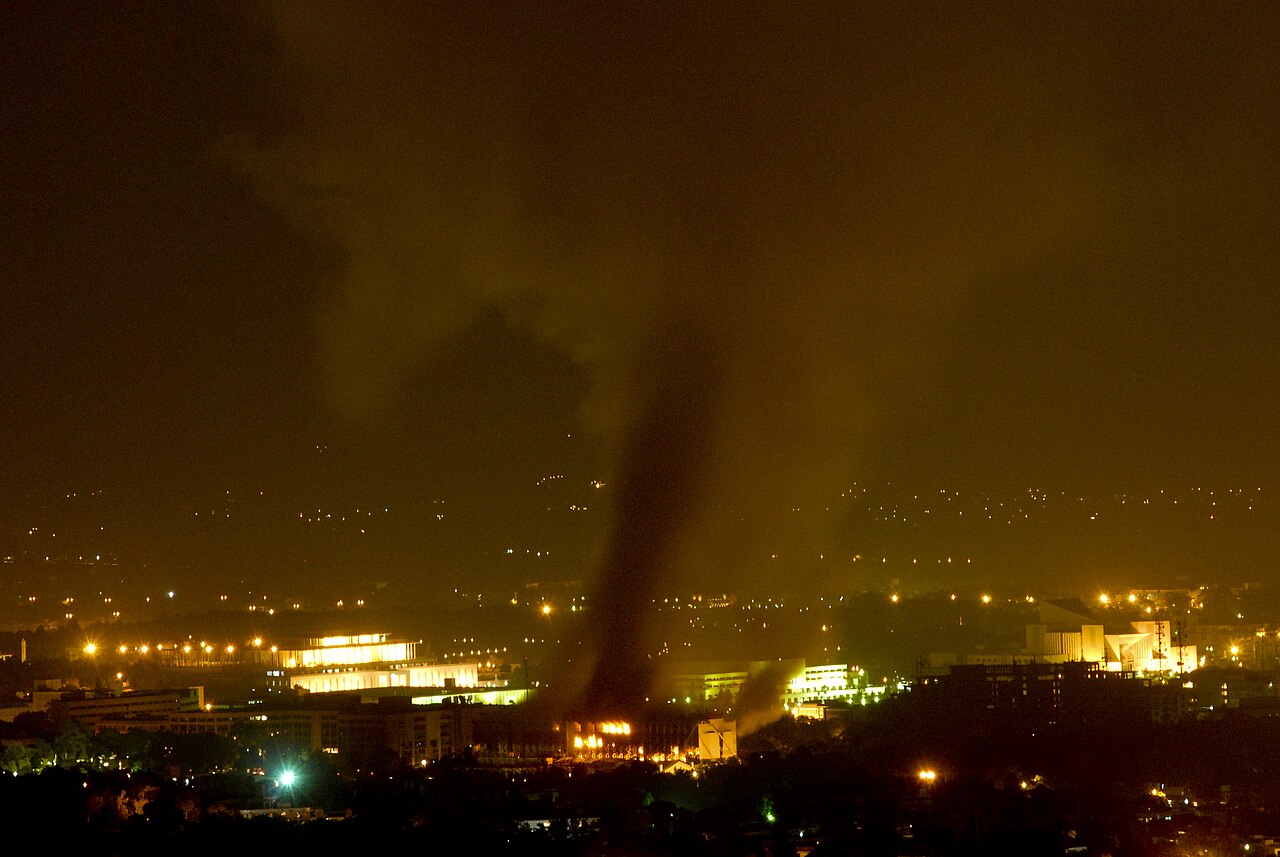
At about 8 pm on September 20, a suicide bomber drove a dump truck packed with explosives into the security barrier at the entrance of the Marriott Hotel in Islamabad, the capital of Pakistan. The hotel was one of the city's best-known meeting places for foreign diplomats, journalists, businesspeople and Pakistani officials. The attack came during Ramadan, at the time when many guests had gathered to break their daily fast. Security camera footage later showed the truck hitting the barrier, catching fire, and then exploding a few minutes later. The huge blast left a crater about 18 metres wide and several metres deep, and fire spread through the five-storey hotel, which burned for hours.
At least 54 people were killed and more than 260 injured. Most of the victims were Pakistani, including hotel staff and security guards, but foreigners also died. Among them were the Czech ambassador to Pakistan, Ivo Žďárek, a Vietnamese citizen, two US Defense Department employees and a Danish intelligence officer. It was one of the deadliest attacks in Pakistan's capital. The bombing came only hours after Asif Ali Zardari, who had been elected president two weeks earlier, gave his first address to parliament, in which he pledged to fight terrorism.
No group immediately claimed responsibility, but officials and analysts suspected Taliban or al-Qaeda-linked militants from the tribal areas near the Afghan border, where the army was fighting insurgents. Zardari said in a televised address that terrorism was a cancer that Pakistan would root out, and Prime Minister Yousuf Raza Gilani said the government would not give in. Many foreign companies and embassies tightened security or pulled staff out of Pakistan. The Marriott was later rebuilt and reopened, with even stricter security, in December 2008. Three men were later tried in connection with the attack but were acquitted.
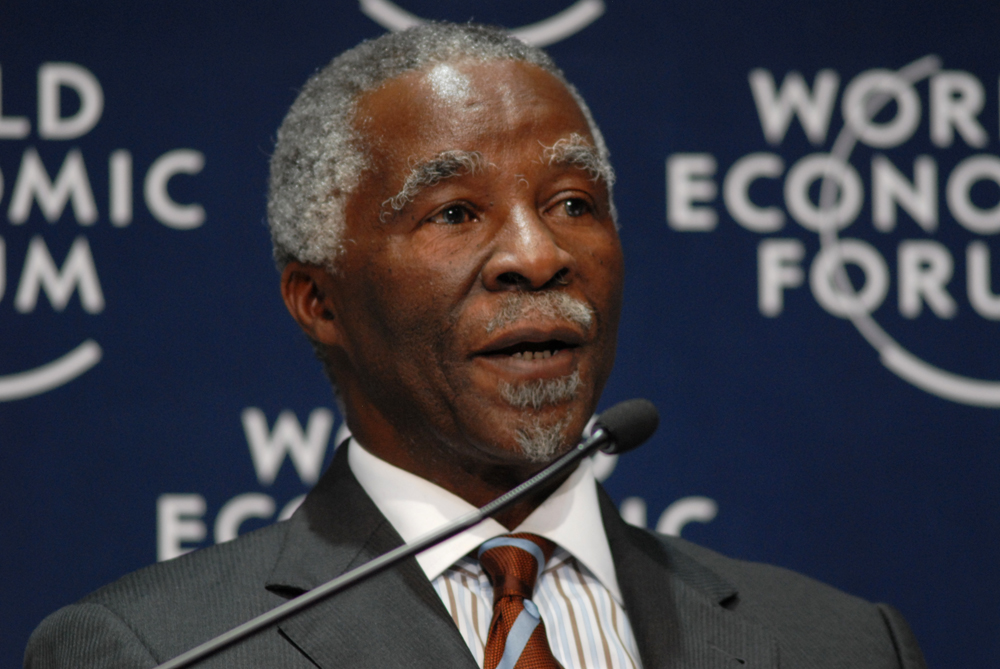
In a televised address to the nation on the evening of September 21, South African President Thabo Mbeki announced that he would resign, after his own party, the African National Congress (ANC), asked him to step down. The ANC's National Executive Committee had decided to "recall" him the day before, nine months before his second term was due to end. Mbeki said that he accepted the decision as a loyal party member, and he denied that he had interfered in the corruption case against his rival, Jacob Zuma.
The crisis followed a court ruling on September 12. Judge Chris Nicholson of the Pietermaritzburg High Court had thrown out corruption charges against Zuma on procedural grounds and suggested that there might have been political interference in the decision to prosecute him. Zuma had defeated Mbeki in a bitter contest for the ANC leadership in December 2007, and his supporters had long accused Mbeki's government of using the courts to block his path to the presidency. After the ruling, Zuma's allies on the ANC's leading committee pushed for Mbeki's removal.
Mbeki, the son of a leading anti-apartheid activist, had spent decades in exile working for the ANC before returning to South Africa in 1990. He served as deputy president under Nelson Mandela and succeeded him as president in 1999. He presided over a long period of economic growth and played an important role in African diplomacy, including mediation in Zimbabwe. But he was criticised at home over rising unemployment and crime and, above all, over his government's slow response to HIV/AIDS. Parliament accepted his resignation, effective September 25, and elected the ANC's deputy leader, Kgalema Motlanthe, as interim president. Several cabinet ministers resigned in solidarity with Mbeki. In January 2009, an appeal court overturned Nicholson's ruling. Zuma became president after the ANC won the April 2009 election.
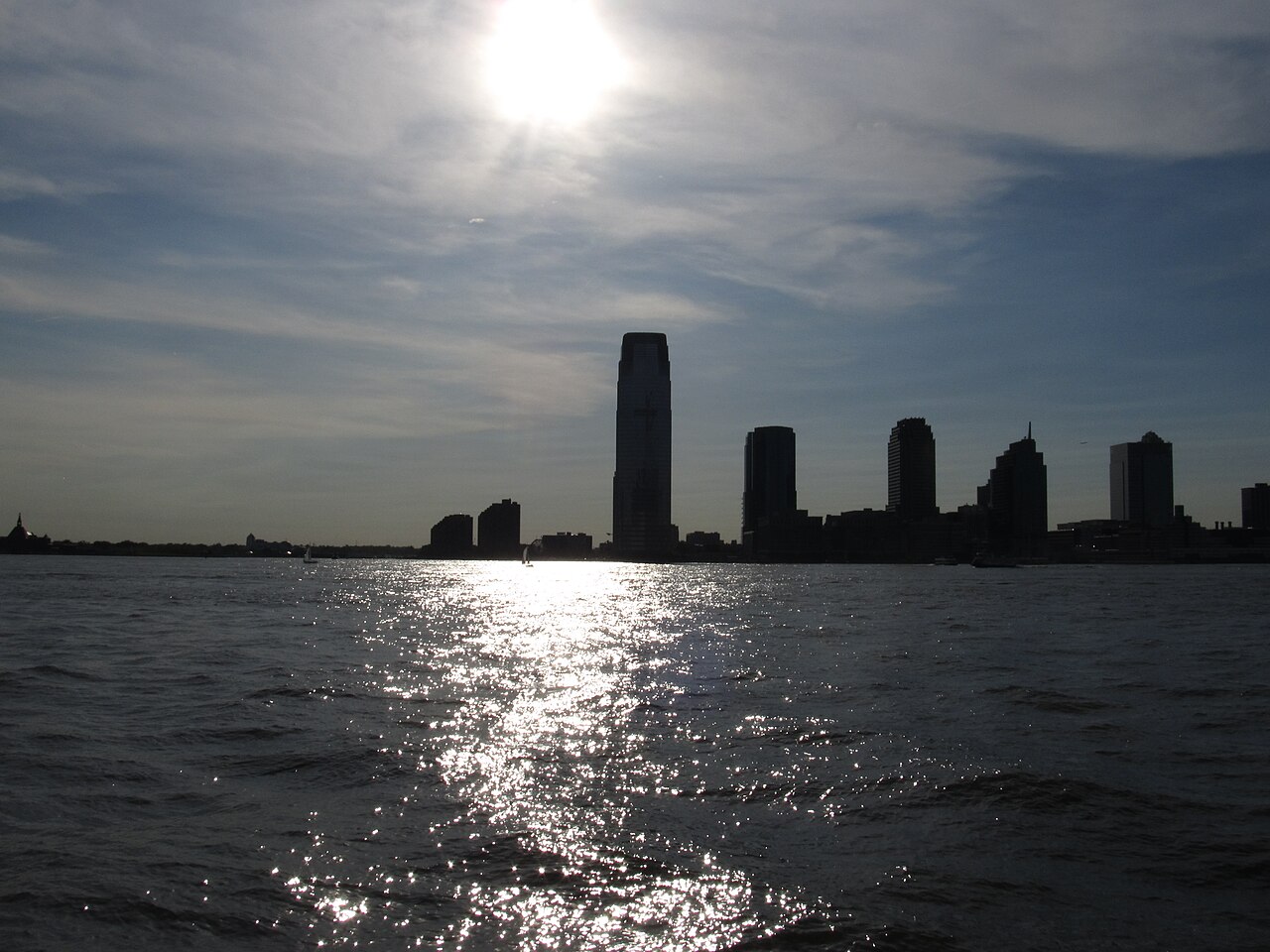
When markets opened on Monday, September 22, Wall Street had changed beyond recognition. Late on Sunday night, the Federal Reserve had approved requests by Goldman Sachs and Morgan Stanley, the last two major independent investment banks in the United States, to become bank holding companies. Goldman Sachs became the country's fourth-largest bank holding company. The move meant the end of the era of the big stand-alone Wall Street investment bank. In March, Bear Stearns had been sold to JPMorgan Chase, and within the past week, Lehman Brothers had gone bankrupt and Merrill Lynch had agreed to be taken over by Bank of America.
Investment banks had traditionally earned their money by advising on mergers, underwriting share and bond issues and trading securities. Unlike ordinary commercial banks, they did not take deposits from the public. Instead, they relied on short-term borrowing from financial markets, which made them vulnerable when lenders lost confidence. After Lehman's collapse, investors had begun to fear that Goldman and Morgan Stanley could be next, and their share prices and borrowing costs had swung wildly. As bank holding companies, the two firms gained permanent access to emergency loans from the Federal Reserve and could build up a stable base of customer deposits. In return, they accepted much closer supervision by bank regulators and stricter limits on how much they could borrow.
The change brought to an end a separation between investment and commercial banking that dated back to the Great Depression of the 1930s. Both firms quickly sought new capital. The same day, Japan's biggest bank, Mitsubishi UFJ Financial Group, agreed to buy up to a fifth of Morgan Stanley. The next day, the investor Warren Buffett's company Berkshire Hathaway announced it would invest 5 billion dollars in Goldman Sachs. Meanwhile, in Washington, Congress began debating the Treasury's 700 billion dollar plan to rescue the banking system.
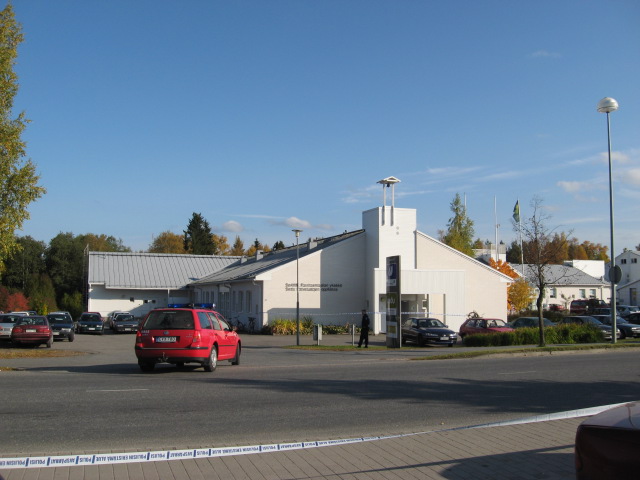
On the morning of September 23, a 22-year-old student, Matti Saari, opened fire at the Kauhajoki School of Hospitality, a vocational college in the small town of Kauhajoki in western Finland. Armed with a .22-calibre pistol, he walked into a classroom where students were taking an exam and began shooting. He also set fires in the building. He killed nine students and a teacher before shooting himself in the head; he died later in hospital. Eight of the victims were young women. Others in the building escaped through windows or hid.
The shooting shocked Finland, a peaceful country with low rates of violent crime. It was the country's second school massacre in less than a year. In November 2007, a student at Jokela High School near Helsinki had shot dead eight people before killing himself. Like the Jokela gunman, Saari had posted videos of himself on YouTube firing a pistol at a shooting range, and in one of them he warned viewers that they would die next. After people reported the videos, police had questioned him the day before the attack, but they found no legal grounds to take away his gun, which he held with a temporary licence issued in August.
Prime Minister Matti Vanhanen declared the next day a national day of mourning, and flags flew at half-mast across the country. The killing led to strong criticism of the police and of Finland's gun laws. Finland had one of the highest rates of gun ownership in Europe, mainly because of its strong hunting tradition. The government promised to tighten the rules on handguns, and the interior minister faced calls to resign. In 2011, Finland raised the minimum age for owning a handgun and introduced stricter checks for people applying for gun licences.
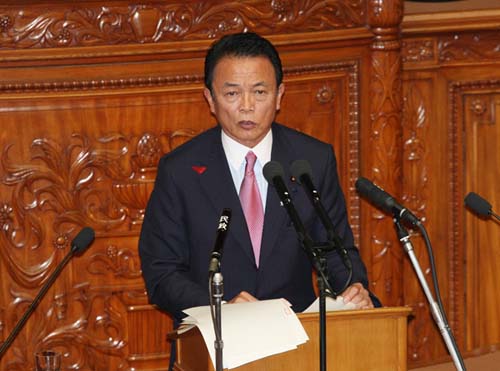
On September 24, Taro Aso was elected prime minister of Japan by the House of Representatives, succeeding Yasuo Fukuda, who had resigned suddenly at the start of the month. Two days earlier, Aso had won the leadership election of the governing Liberal Democratic Party (LDP) by a wide margin. The two houses of parliament disagreed over the choice: the lower house voted for Aso by 337 to 117, while the opposition-controlled upper house chose Ichirō Ozawa, leader of the Democratic Party of Japan (DPJ). Under the constitution, the vote of the lower house prevails. Aso, 68, became Japan's 92nd prime minister, and the country's third in two years.
Aso came from a prominent political family. His grandfather, Shigeru Yoshida, was one of Japan's most important post-war prime ministers. He had previously served as foreign minister and as LDP secretary-general. Known as an outspoken conservative and a self-declared fan of manga comics, he was popular with many younger Japanese. The same evening, he announced his new cabinet himself, breaking with the usual practice in which the chief cabinet secretary reads out the names. He promised to revive the slowing economy, which was being hit by the global financial crisis, and many observers expected him to call an early general election to take advantage of his initial popularity.
Aso's government ran into trouble quickly. Within days, his transport minister, Nariaki Nakayama, resigned after a series of controversial remarks. As the financial crisis worsened, Aso decided to delay the election and focus on economic stimulus measures, but his approval ratings fell sharply because of policy reversals and verbal gaffes. In August 2009, the LDP suffered a crushing defeat in the general election, ending more than half a century of almost continuous rule, and the DPJ's Yukio Hatoyama became prime minister.
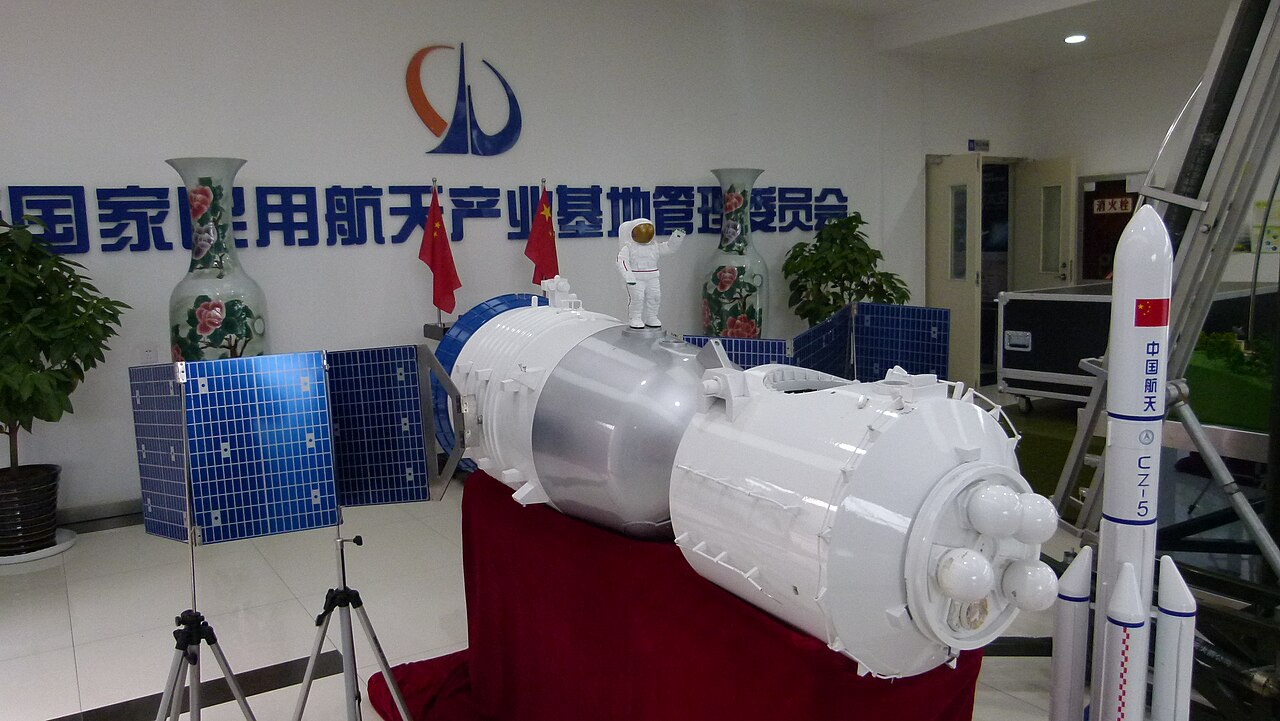
At 9:10 pm on September 25, a Long March 2F rocket lifted off from the Jiuquan Satellite Launch Center in north-western China, carrying the Shenzhou-7 spacecraft and three astronauts into orbit. It was China's third crewed space mission, after Yang Liwei's historic first flight on Shenzhou-5 in 2003 and the two-person Shenzhou-6 mission in 2005, and the first with a crew of three. The crew was commander Zhai Zhigang, with Liu Boming and Jing Haipeng. President Hu Jintao watched the launch at the launch centre, and millions of people across China followed it live on television.
The main goal of the mission was to carry out China's first extravehicular activity, or spacewalk. On the afternoon of September 27, Zhai Zhigang opened the hatch of the orbital module and climbed out into open space, wearing the Chinese-made Feitian spacesuit. Liu Boming, wearing a Russian-made Orlan suit, assisted him from the hatchway, while Jing Haipeng stayed in the return capsule. During the walk of about 20 minutes, Zhai waved a small Chinese national flag to the cameras and retrieved a sample of solid lubricant that had been mounted on the outside of the spacecraft for testing. "I am now outside the spacecraft. I feel well," he reported. The images were broadcast live across the country, and China became the third country, after the Soviet Union and the United States, to carry out a spacewalk on its own.
During the flight, the spacecraft also released a small companion satellite, which took pictures of Shenzhou-7 in orbit. After a flight of about 68 hours, the return capsule landed safely in the grasslands of Siziwang Banner in Inner Mongolia on the evening of September 28, and the three astronauts emerged smiling and waving. The mission was celebrated as a major achievement for China's space programme. It was an important step towards docking spacecraft in orbit and building a space laboratory, which China achieved with the launch of Tiangong-1 in 2011.
Americans woke up on September 26 to the news that Washington Mutual, the country's largest savings and loan bank, had been seized by federal regulators late the night before. The Office of Thrift Supervision closed the Seattle-based bank and handed it to the Federal Deposit Insurance Corporation (FDIC), which immediately sold its banking operations to JPMorgan Chase for about 1.9 billion dollars. With assets of about 307 billion dollars, Washington Mutual was the largest bank failure in American history, far larger than IndyMac in July. Branches opened as normal on Friday under JPMorgan's control, and customers' deposits were fully protected, so the deal did not cost the FDIC's insurance fund.
Washington Mutual, known as WaMu, had grown rapidly during the housing boom, becoming one of the biggest lenders of risky mortgages, including "option ARMs" that allowed borrowers to pay less than the interest due each month. As house prices fell, its losses mounted. After Lehman Brothers collapsed, worried customers withdrew about 16.7 billion dollars in deposits in just over a week. Its credit rating was cut, and attempts to find a buyer failed. Shareholders and many bondholders of its parent company lost almost everything.
On the same day, the US Congress was locked in difficult negotiations over the Treasury's 700 billion dollar plan to rescue the banking system, after talks at the White House the day before had broken down. That evening, Barack Obama and John McCain held the first presidential debate of the campaign at the University of Mississippi. McCain had earlier said he would suspend his campaign to help with the rescue talks, but he took part after all. The debate focused on the financial crisis and foreign policy. Also on September 26, the Hollywood actor and philanthropist Paul Newman died of cancer at the age of 83.
At about 8:45 am on September 27, a car packed with around 200 kilograms of explosives blew up on a busy road in south-eastern Damascus, the capital of Syria, during the morning rush hour. The blast took place at a junction on the road to Damascus International Airport, near a security services building and not far from the Sayyida Zainab shrine, a site visited by large numbers of Shia pilgrims, many of them from Iran and Iraq. Seventeen people were killed and 14 injured, according to Syrian state media. All the victims were civilians, including people travelling to work and school.
The explosion destroyed several vehicles and left a large crater in the road. Security forces quickly sealed off the area. Syria's interior minister described it as a "terrorist act" and said investigators had not ruled out a suicide bomber. It was the deadliest bombing in Syria in more than a decade, and it shocked a country where the government kept tight control over security and such attacks were rare. No group claimed responsibility.
The bombing was the latest in a series of mysterious violent incidents in Syria in 2008. In February, Imad Mughniyeh, a senior commander of the Lebanese Shia group Hezbollah, was killed by a car bomb in Damascus. In August, Brigadier General Mohammed Suleiman, an aide to President Bashar al-Assad, was shot dead by a sniper in the coastal city of Tartus. In November, Syrian state television broadcast confessions by men it said belonged to Fatah al-Islam, a Sunni militant group based in northern Lebanon, who said they had carried out the Damascus bombing. Several governments, including Western ones, condemned the attack.
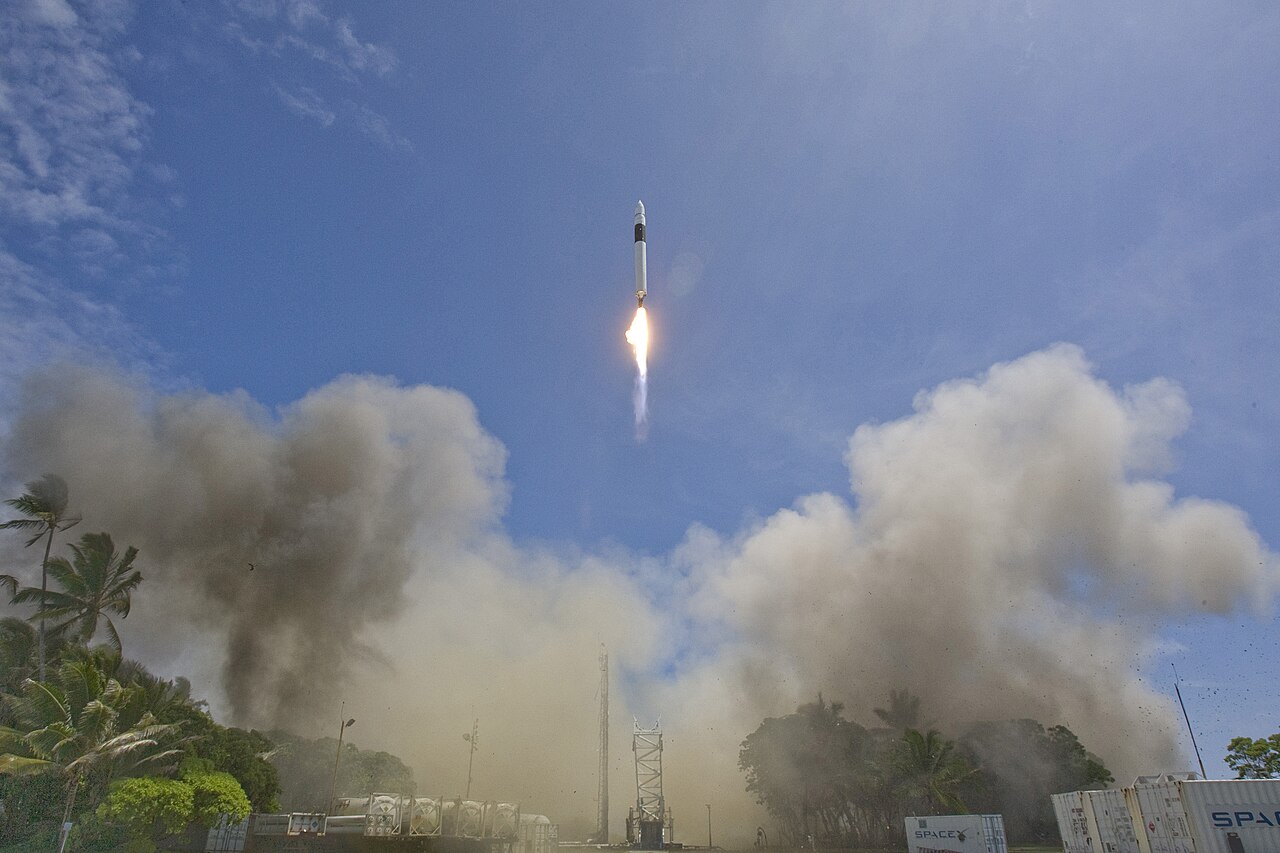
On September 28, the American company SpaceX launched its small Falcon 1 rocket from Omelek Island, part of the Kwajalein Atoll in the Marshall Islands in the Pacific Ocean, and for the first time successfully placed a payload into orbit around the Earth. It was the first liquid-fuelled rocket developed entirely with private funding to reach orbit. Roughly nine minutes after lift-off, the second stage shut down as planned, and a cheer went up in the control room. "That was freaking awesome," said SpaceX's founder and chief executive, Elon Musk, who added that the team was "elated and ecstatic".
SpaceX had been founded in 2002 by Musk, an internet entrepreneur who had made his fortune from the online payment company PayPal, with the aim of cutting the cost of space travel and eventually sending people to Mars. The company's first three Falcon 1 launches, in 2006, 2007 and August 2008, had all failed. The third attempt failed when the first stage bumped into the second stage just after they separated. Musk later said the company had money left for only one more launch. For the fourth flight, the payload was a 165-kilogram dummy satellite nicknamed "RatSat", because no customer was willing to risk a real satellite.
The success came at a crucial moment for SpaceX. In December 2008, NASA awarded the company a contract worth about 1.6 billion dollars to deliver cargo to the International Space Station using its larger Falcon 9 rocket and Dragon capsule. SpaceX went on to develop reusable rockets that could land after launch, and in 2020 its Dragon spacecraft carried NASA astronauts to the space station, the first time a private company had done so. The Falcon 1 flight is widely seen as the start of the modern commercial space industry.
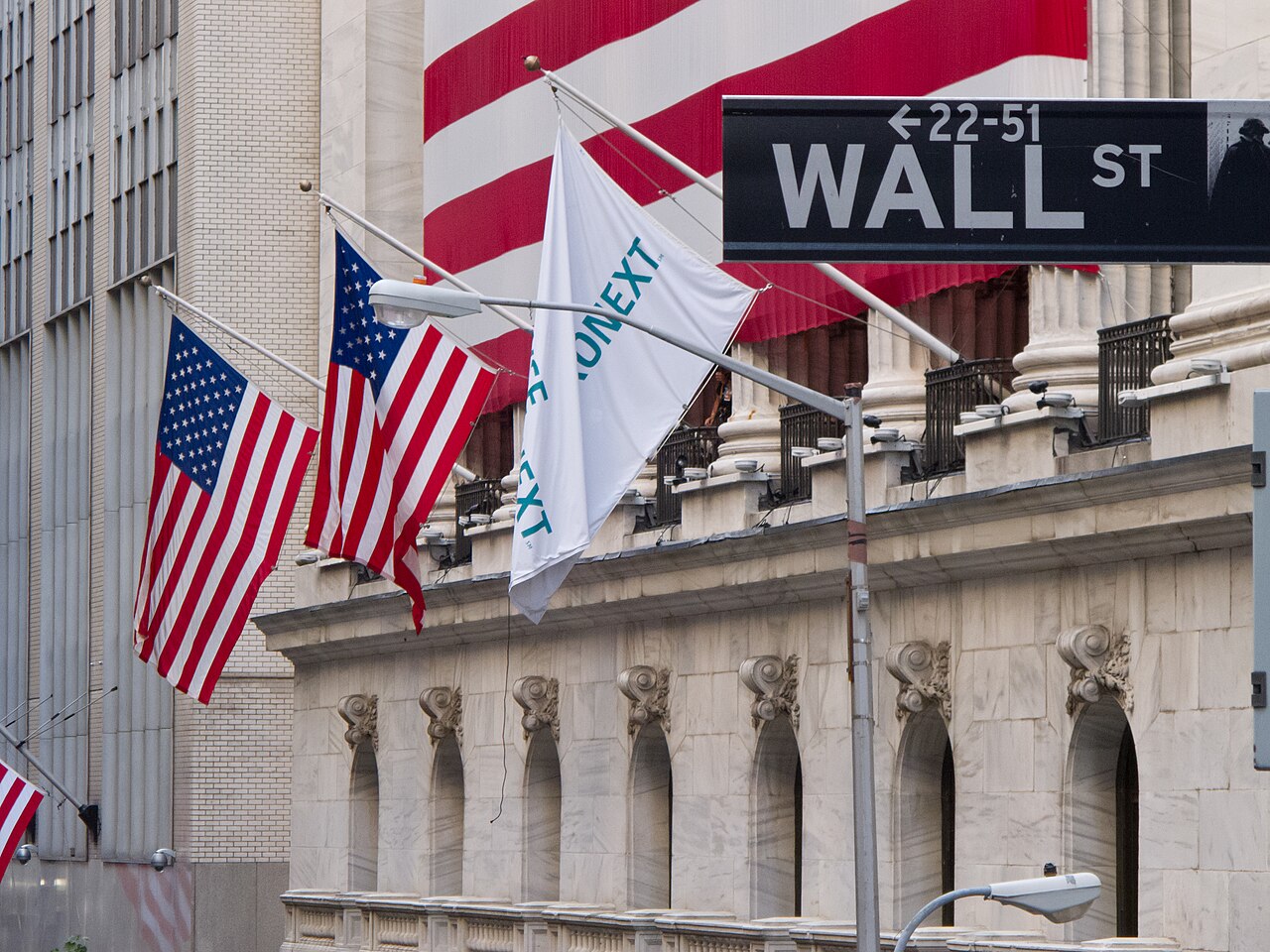
On September 29, the US House of Representatives voted down the Emergency Economic Stabilization Act, the 700 billion dollar plan proposed by Treasury Secretary Henry Paulson to buy troubled mortgage-related assets from banks and stabilise the financial system. The bill was defeated by 228 votes to 205, despite support from President George W. Bush, the leaders of both parties and both presidential candidates. Two-thirds of Republicans voted against it, along with 95 Democrats. Many members said their voters strongly opposed using taxpayers' money to rescue Wall Street, and with elections only five weeks away, they were unwilling to support it.
Investors reacted with alarm. As the vote count was shown live on television, share prices plunged. The Dow Jones Industrial Average fell 777.68 points, or about 7%, to 10,365.45, its largest one-day fall in points in history, beating the drop on the first day of trading after the September 11 attacks in 2001. Wider measures of the US stock market lost an estimated 1.2 trillion dollars in value in a single day. Financial shares were hit hardest, and credit markets tightened further as banks hoarded cash.
The crisis was also spreading in Europe. On the same day, the British government nationalised the mortgage lender Bradford & Bingley, a day after the governments of Belgium, the Netherlands and Luxembourg had partly nationalised the banking group Fortis. In the United States, Citigroup agreed to buy most of the troubled bank Wachovia with help from the government. The next day, markets recovered part of their losses on hopes that Congress would try again. After the Senate added tax breaks and raised the limit on insured bank deposits, a revised version of the plan passed both houses, and Bush signed it into law on October 3, creating the Troubled Asset Relief Program (TARP).
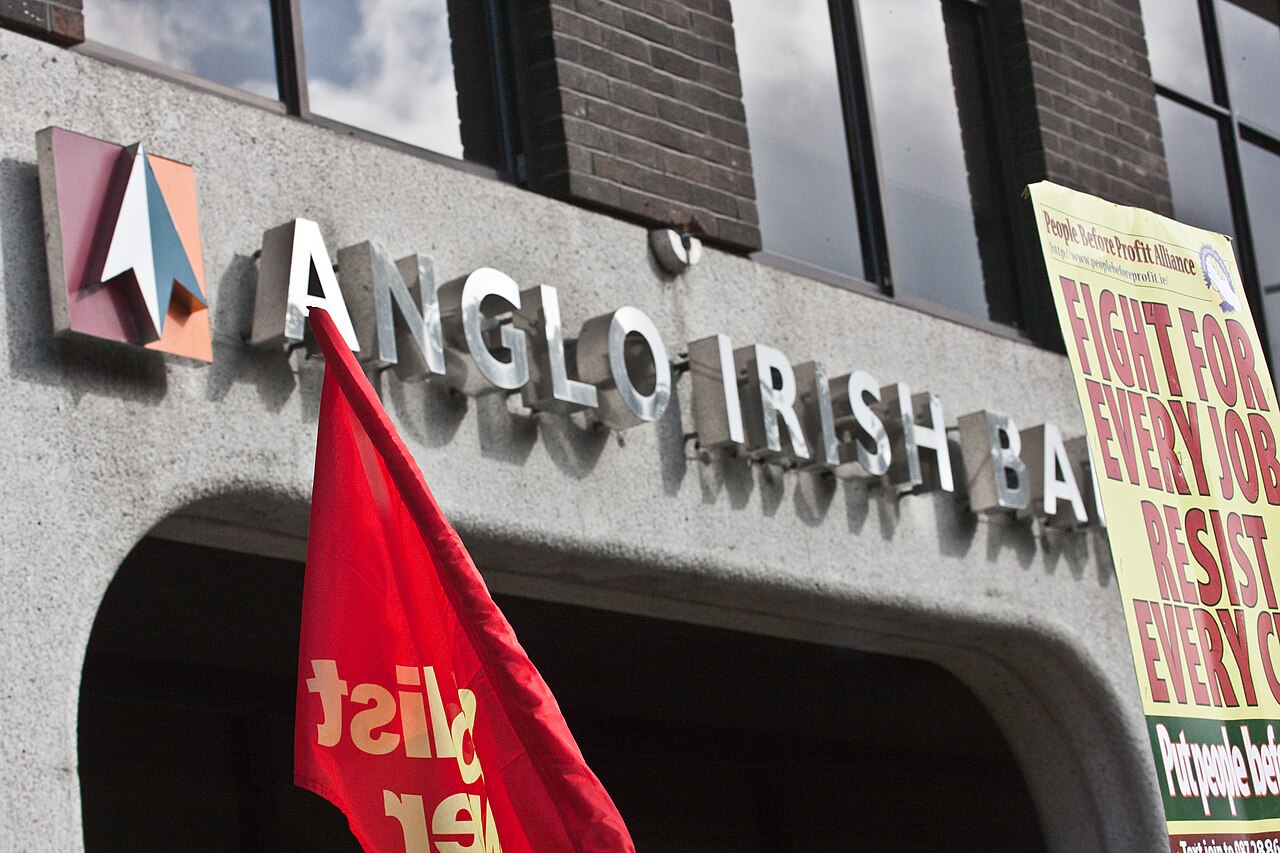
In the early hours of September 30, after an all-night meeting in Dublin, the Irish government announced that it would guarantee all deposits, bonds and most other debts of the country's six main domestic banks for two years. The banks were Allied Irish Banks, Bank of Ireland, Anglo Irish Bank, Irish Life & Permanent, Irish Nationwide Building Society and EBS Building Society. The guarantee covered liabilities of about 440 billion euros, more than twice the size of the Irish economy. Finance Minister Brian Lenihan said that without a common European approach, a small country had to act to protect its financial system. Parliament passed the necessary law within days.
The decision came after shares in Irish banks had collapsed and the banks were finding it almost impossible to borrow money as global markets froze. Anglo Irish Bank, which had lent heavily to property developers during Ireland's long building boom, was in a particularly dangerous position. The announcement calmed markets at first, and Irish bank shares soared. But it angered other European governments, especially Britain, because savers began moving money from British banks to Irish ones, which now had an unlimited government guarantee. Within days, several other European countries raised their own deposit guarantees. On the same day, the governments of Belgium, France and Luxembourg agreed to inject 6.4 billion euros into the Franco-Belgian bank Dexia to keep it afloat.
In the following years, the true size of the Irish banks' losses on property loans became clear, and the guarantee proved extremely costly. Anglo Irish Bank was nationalised in January 2009, and the state spent more than 60 billion euros rescuing the banking system. In November 2010, Ireland was forced to seek an 85 billion euro bailout from the European Union and the International Monetary Fund. Also on September 30, a stampede at the Chamunda Devi temple in Jodhpur, India, killed more than 200 pilgrims who had gathered for the first day of the Navratri festival.
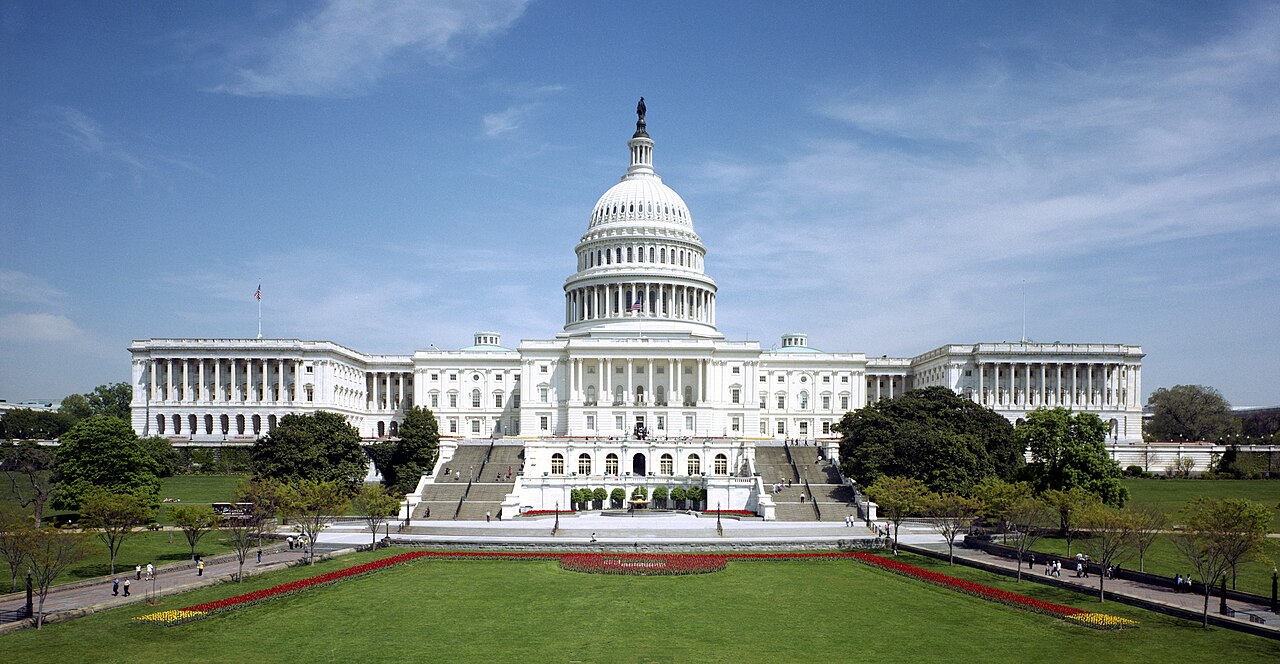
On the evening of October 1, two days after the House of Representatives rejected the 700 billion dollar plan to rescue the US financial system, the Senate passed a revised version by 74 votes to 25. Both presidential candidates, Barack Obama and John McCain, interrupted their campaigns and returned to Washington to vote in favour. To win over doubtful lawmakers, the Senate added new measures. The limit on government insurance for bank deposits would be raised temporarily from 100,000 to 250,000 dollars per account to reassure savers, and about 150 billion dollars in tax breaks for families and businesses were included, along with extra oversight of how the money was spent.
The core of the plan remained the same. The Treasury would be allowed to spend up to 700 billion dollars to buy troubled mortgage-related assets from banks, or take other steps to stabilise the financial system. Supporters warned that without it credit would dry up, hurting ordinary businesses and households. Critics said it rewarded the banks whose risky lending had caused the crisis. With the Senate vote done, attention turned back to the House, which passed the bill on October 3. President George W. Bush signed it into law the same day. Within weeks, the Treasury decided to use the money mainly to inject capital directly into banks, rather than to buy troubled assets.
The same evening, the Senate also approved a landmark civilian nuclear cooperation agreement between the United States and India by 86 votes to 13, after the House had passed it a few days earlier. The deal allowed American companies to sell nuclear fuel, technology and reactors to India, ending three decades of restrictions. In return, India placed its civilian nuclear facilities under international inspection, while its military facilities remained outside. Bush signed the law on October 8, and the two countries formally signed the agreement in Washington on October 10. Meanwhile, in China, October 1 marked National Day and the start of the week-long holiday.
On the evening of October 2, the two vice-presidential candidates in the US election, Democratic Senator Joe Biden of Delaware and Republican Governor Sarah Palin of Alaska, met for their only debate at Washington University in St. Louis, Missouri. The 90-minute debate was moderated by Gwen Ifill of PBS. It drew about 70 million American television viewers, the largest audience ever for a vice-presidential debate and more than for the first presidential debate a week earlier. The previous record, about 57 million viewers, had been set by the 1988 debate between Lloyd Bentsen and Dan Quayle.
Interest was intense because of Palin. Since McCain had chosen her as his running mate at the end of August, she had energised Republican supporters. But she had also faced growing criticism after a series of television interviews, especially with CBS News anchor Katie Couric, in which she struggled to answer questions about the economy, foreign policy and the newspapers she read. Biden, a senator for 35 years and chairman of the Senate Foreign Relations Committee, was known for his experience but also for long speeches and verbal slips, and observers wondered how he would handle debating a woman candidate without seeming patronising.
On stage, both performed better than many had expected. Palin, who greeted Biden by asking, "Can I call you Joe?", appeared confident and folksy, frequently speaking directly to voters. At times she avoided the moderator's questions to return to her prepared themes, such as energy and cutting taxes. Biden stayed calm and focused his attacks on McCain, linking him to President George W. Bush's policies on the economy and the Iraq war. Snap polls by several television networks suggested that more viewers thought Biden had won, although Palin's performance reassured many Republicans. The same week, the US House of Representatives was preparing to vote again on the 700 billion dollar financial rescue plan, which passed the next day.
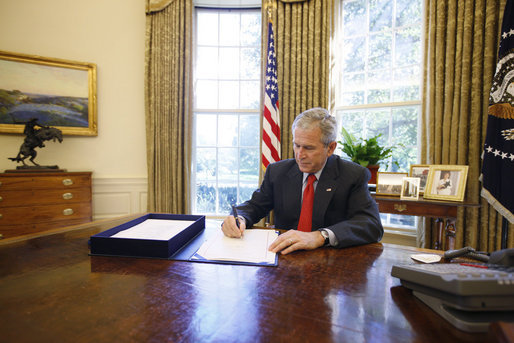
On October 3, the US House of Representatives approved the Emergency Economic Stabilization Act by 263 votes to 171, four days after rejecting an earlier version of the plan. The Senate had passed the revised bill two days earlier. About an hour after the House vote, President George W. Bush signed it into law at the White House. He said the measure would help keep the crisis on Wall Street from spreading to communities across the country. Dozens of members who had voted against the bill on September 29 changed their votes. Many were persuaded by the added tax breaks, the higher limit on deposit insurance and the anger of their constituents at the plunge in their savings and pension funds after the first vote failed.
The law created the Troubled Asset Relief Program (TARP), which gave the Treasury authority to spend up to 700 billion dollars to buy troubled assets, mainly mortgage-backed securities, from banks and other financial institutions. Half of the money was available immediately, while the rest required further approval from Congress. The law also set up an oversight board and limits on executive pay at companies that received help, and it temporarily raised the deposit insurance limit to 250,000 dollars.
Markets, however, were not reassured. The Dow Jones Industrial Average, which had risen early in the day, closed down about 157 points, ending its worst week in years, as investors worried that the plan would not be enough to stop the credit crisis and the slide into recession. Earlier that day, Wells Fargo announced a deal to buy the troubled bank Wachovia for about 15 billion dollars, outbidding Citigroup, which had agreed four days earlier to buy most of Wachovia's banking business with government help. In the following weeks, as the crisis spread around the world, the Treasury changed course and used the first 250 billion dollars of TARP money to buy shares directly in banks.
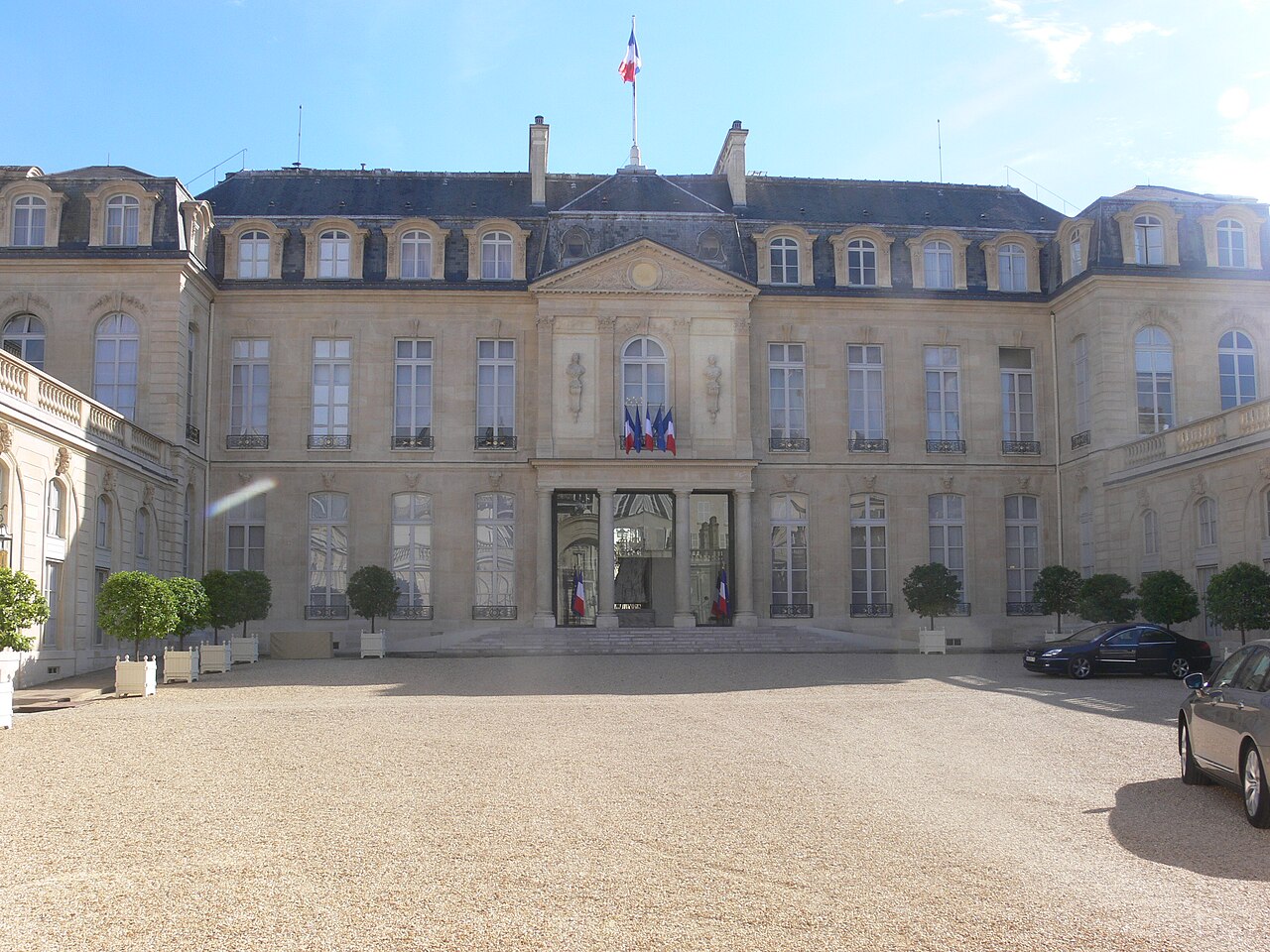
On October 4, French President Nicolas Sarkozy hosted an emergency summit at the Élysée Palace in Paris with the leaders of Europe's other three largest economies, German Chancellor Angela Merkel, British Prime Minister Gordon Brown and Italian Prime Minister Silvio Berlusconi. European Commission President José Manuel Barroso, European Central Bank President Jean-Claude Trichet and Luxembourg's Prime Minister Jean-Claude Juncker, who chaired the group of eurozone finance ministers, also attended. France held the rotating presidency of the European Union, and Sarkozy wanted to show that Europe could respond together to the financial crisis, which had spread across the Atlantic after the collapse of Lehman Brothers.
Before the meeting, French officials had floated the idea of a European rescue fund of around 300 billion euros, similar to the 700 billion dollar plan just passed in the United States. Germany flatly rejected it, arguing that each country should be responsible for its own banks and that German taxpayers should not pay for other countries' problems. In the end, the leaders agreed only that each government would take whatever measures were needed to support its own banks and ensure financial stability, while coordinating with the others. They also called for a world summit to reform the international financial system and asked for EU rules on state aid and budget deficits to be applied flexibly during the crisis.
The lack of a common plan was widely criticised, and events quickly showed how serious the situation was. The next day, the German government had to organise a new rescue for Hypo Real Estate, a large property lender, and Merkel announced a guarantee for all private savings deposits in Germany. In the following week, stock markets around the world crashed, and governments rushed to rescue their banks. On October 12, leaders of the eurozone countries met again in Paris and agreed a coordinated plan, based on the approach Britain announced on October 8, to guarantee bank lending and inject capital directly into banks.
At 9:52 pm local time on October 5, a magnitude 6.6 earthquake struck the remote Alai district of southern Kyrgyzstan, in the Pamir-Alai and Tien Shan mountains, close to the borders with China and Tajikistan. The epicentre was about 15 kilometres from the village of Nura, a farming community of fewer than 1,000 people, most of them ethnic Kyrgyz herders, near the Chinese border. Most families were at home in the evening when the shaking struck. Their houses, built mainly of mud bricks and stone, collapsed almost instantly.
Nura was almost completely destroyed. Kyrgyzstan's emergency situations minister said that every house in the village had been damaged or flattened. The death toll rose as rescuers dug through the rubble in freezing night-time temperatures, and it eventually reached about 75, including many children. Dozens more were injured. Rescue teams had to travel for hours along mountain roads from the city of Osh to reach the area. Survivors spent the following nights in tents and around fires as temperatures fell below zero. The tremors were felt across much of Central Asia and as far away as northern Pakistan.
The disaster struck one of the poorest regions of Kyrgyzstan, a small mountainous country in Central Asia that had become independent after the collapse of the Soviet Union in 1991. The government launched relief efforts, and neighbouring countries and international organisations sent help, including tents, blankets and medicine. On the same day in Germany, Chancellor Angela Merkel and Finance Minister Peer Steinbrück announced that the government would guarantee all private savings deposits, as the financial crisis deepened in Europe.
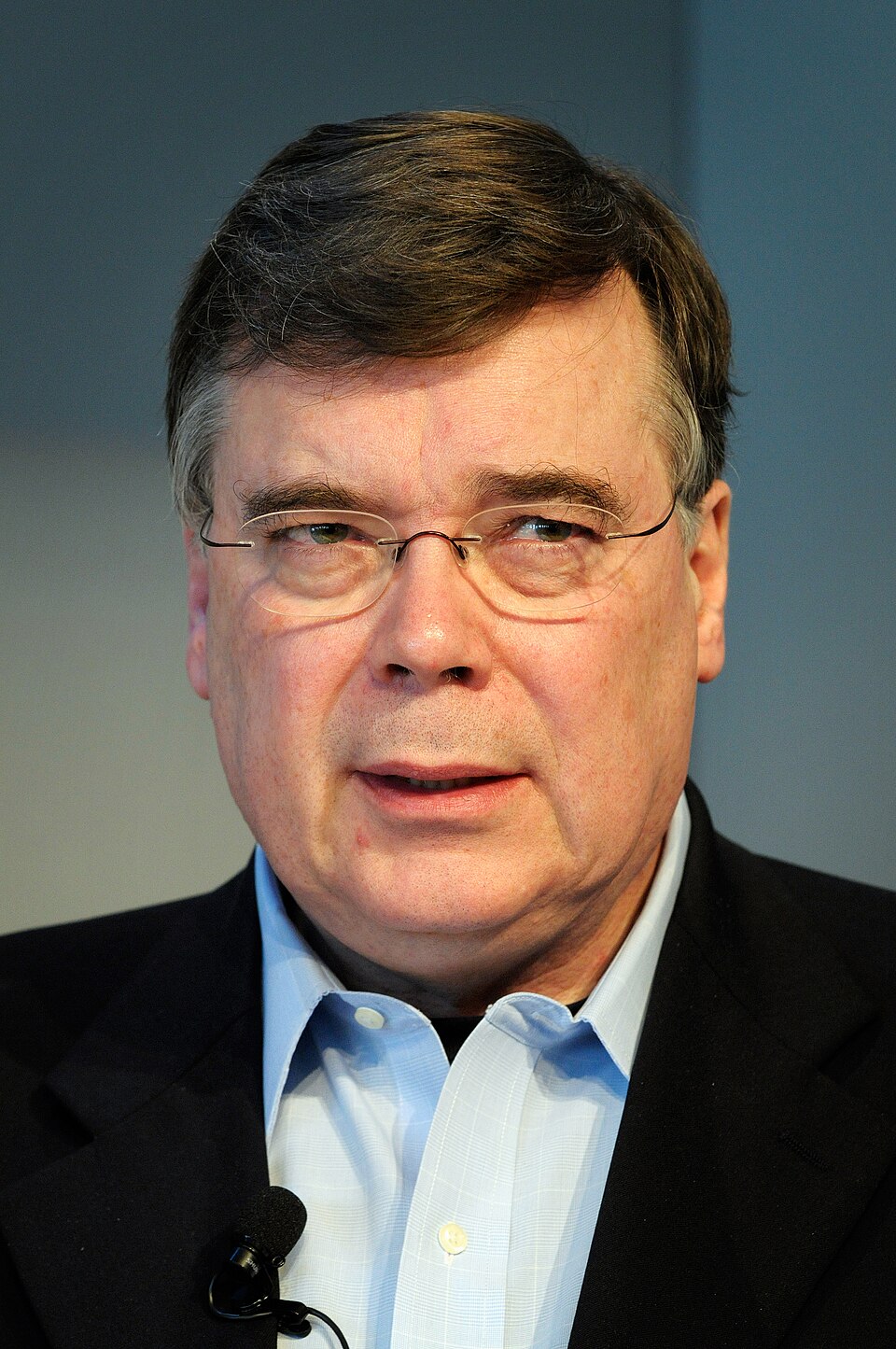
On the afternoon of October 6, Iceland's Prime Minister Geir Haarde went on national television to tell the country that its banking system was on the verge of collapse. He warned that, in the worst case, the Icelandic economy could be "sucked with the banks into the whirlpool" and the result could be national bankruptcy. That evening, the Althing, Iceland's parliament, passed emergency legislation giving the government sweeping powers to take control of banks, guaranteeing all domestic deposits and ring-fencing Icelanders' savings. Haarde ended his address with words that became famous across the country: "God bless Iceland." Trading in the shares of Iceland's main financial companies was suspended.
Iceland, a country of only about 320,000 people, had become a symbol of the financial boom of the 2000s. After its three main banks, Kaupthing, Landsbanki and Glitnir, were privatised in the early 2000s, they had expanded rapidly abroad, borrowing heavily on international markets and attracting deposits from savers in Britain, the Netherlands and other countries through high-interest internet accounts such as Landsbanki's Icesave. By 2008, the banks' combined assets were about ten times the size of Iceland's economy, far too large for the government or the central bank to rescue. When credit markets froze after the collapse of Lehman Brothers, they could no longer refinance their debts.
Within days, the state's Financial Supervisory Authority took control of all three banks. On October 8, Britain used anti-terrorism laws to freeze Landsbanki's assets in the UK, causing a bitter diplomatic dispute. The Icelandic króna lost much of its value, and trading in it largely stopped. Many Icelanders saw their savings and pensions shrink while the prices of imported goods soared. In November, Iceland received a 2.1 billion dollar loan from the International Monetary Fund, the first IMF programme for a Western European country since the 1970s. Mass protests, known as the "Pots and Pans Revolution", forced Haarde's government to resign in January 2009.
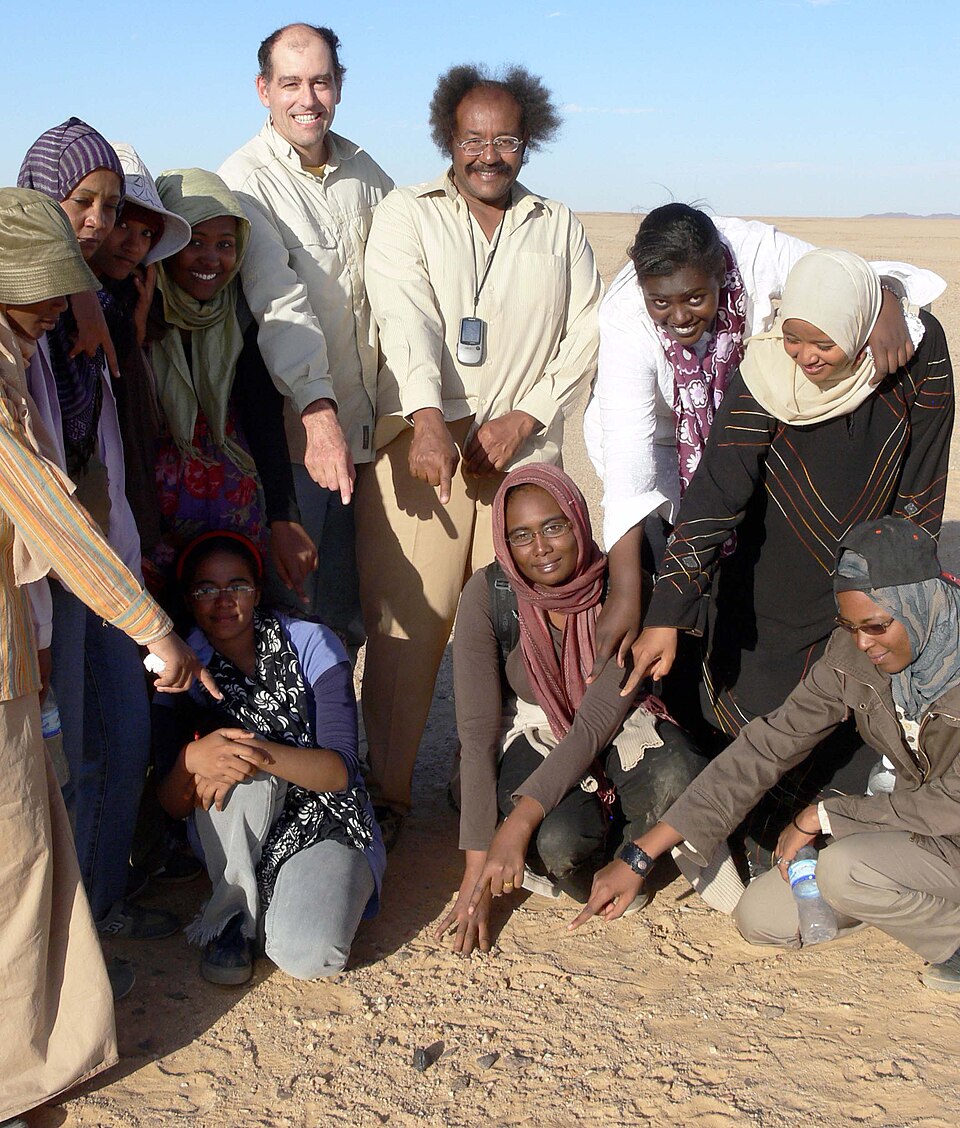
In the early hours of October 7, a small asteroid exploded high in the sky over the Nubian Desert in northern Sudan. It was the first time in history that an asteroid had been discovered in space and correctly predicted to hit the Earth before it arrived. The object, named 2008 TC3, had been spotted less than a day earlier, on October 6, by astronomer Richard Kowalski using a telescope of the Catalina Sky Survey on Mount Lemmon, near Tucson, Arizona. Within hours, scientists at NASA and around the world calculated that it was on a collision course with Earth and would enter the atmosphere over Sudan.
The asteroid was only about four metres across and posed no danger to people on the ground. At about 5:46 am local time, it struck the atmosphere at more than 12 kilometres per second and blew apart about 37 kilometres above the desert, releasing energy equivalent to around one thousand tonnes of TNT. The fireball lit up the dawn sky and was seen by people in Sudan and by the crew of an aircraft flying over Chad. Weather satellites also recorded the explosion.
Scientists had expected the asteroid to be completely destroyed. But in December, a team led by Peter Jenniskens of the SETI Institute in California and Muawia Shaddad of the University of Khartoum, working with students from the university, walked in long lines across the desert and found the first fragments. In later searches, about 600 small black meteorites, weighing more than 10 kilograms in total, were recovered. They were named Almahata Sitta, Arabic for "Station Six", after a railway station near where they were found. The meteorites turned out to be a rare type called ureilites, mixed with pieces of other types, and gave scientists their first chance to study material from an asteroid that had been observed in space before it fell. On the same day, the Nobel Prize in Physics was awarded to Yoichiro Nambu, Makoto Kobayashi and Toshihide Maskawa for their work on particle physics.
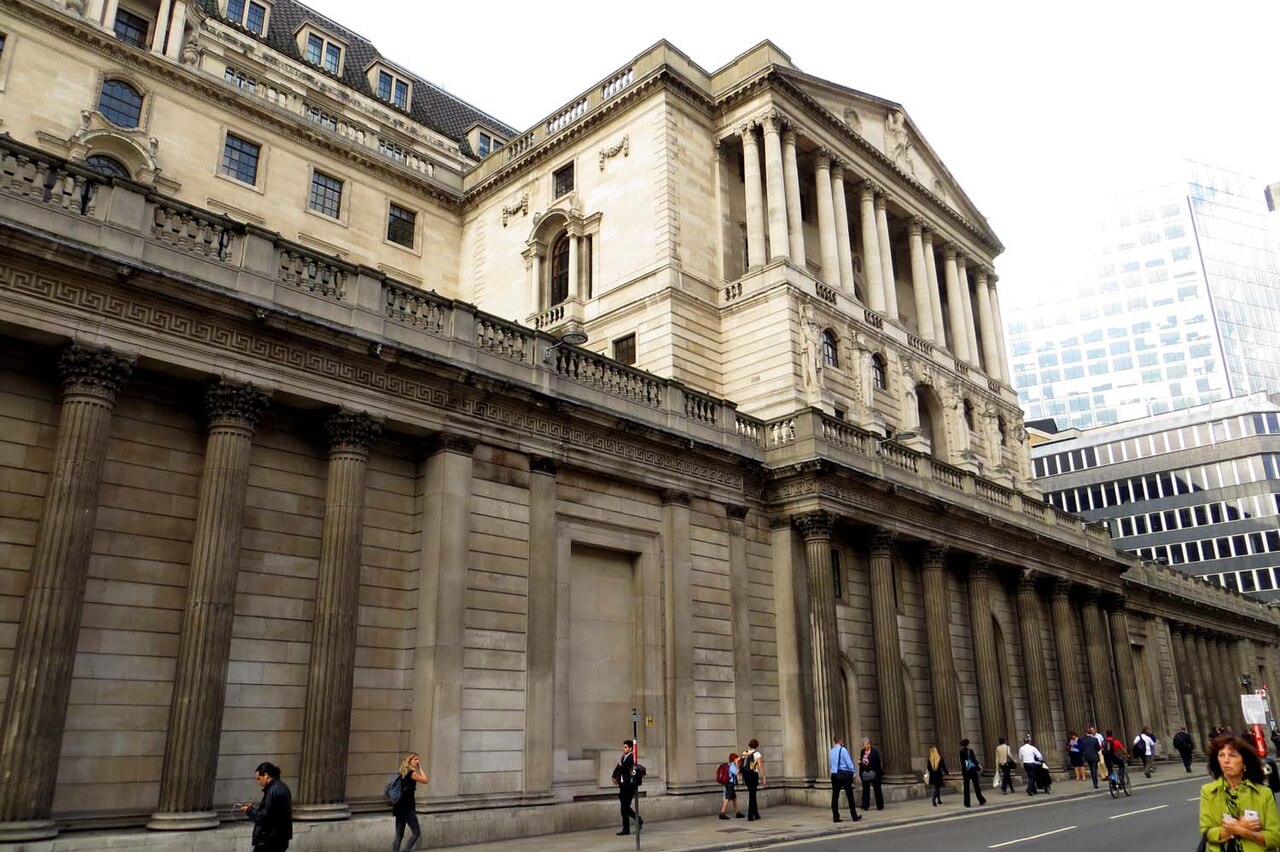
On October 8, as stock markets around the world plunged and banks stopped lending to each other, six major central banks took the unprecedented step of cutting interest rates at the same time. The US Federal Reserve, the European Central Bank, the Bank of England, the Bank of Canada, Sweden's Riksbank and the Swiss National Bank each lowered their main rates by half a percentage point in a coordinated announcement. The Fed's rate fell to 1.5%, the ECB's to 3.75% and the Bank of England's to 4.5%. It was the first such coordinated action since the period after the September 11 attacks in 2001, and the central banks said the intensifying financial crisis had increased the risks to economic growth.
On the same day, the People's Bank of China also cut its benchmark one-year lending rate by 0.27 percentage points to 6.93%, and lowered deposit rates and the reserve requirement ratio for banks. The government also announced that it would suspend the tax on interest from savings deposits. The Bank of Japan, whose rates were already very low, said it strongly supported the move. Many observers saw the actions as a sign that the world's major economies were working together to fight the crisis.
Earlier that morning in London, British Prime Minister Gordon Brown and Chancellor of the Exchequer Alistair Darling announced a bank rescue package worth up to about 500 billion pounds. The government would buy shares in banks to provide up to 50 billion pounds of new capital, guarantee up to 250 billion pounds of new bank borrowing, and make at least 200 billion pounds of short-term loans available through the Bank of England. The British plan, which focused on directly strengthening banks' capital, was soon copied by other European countries and the United States. Even so, the rate cuts did little to stop the panic at first. Share prices continued to fall for the rest of the week, and on Friday, October 10, markets suffered some of their worst falls in decades.
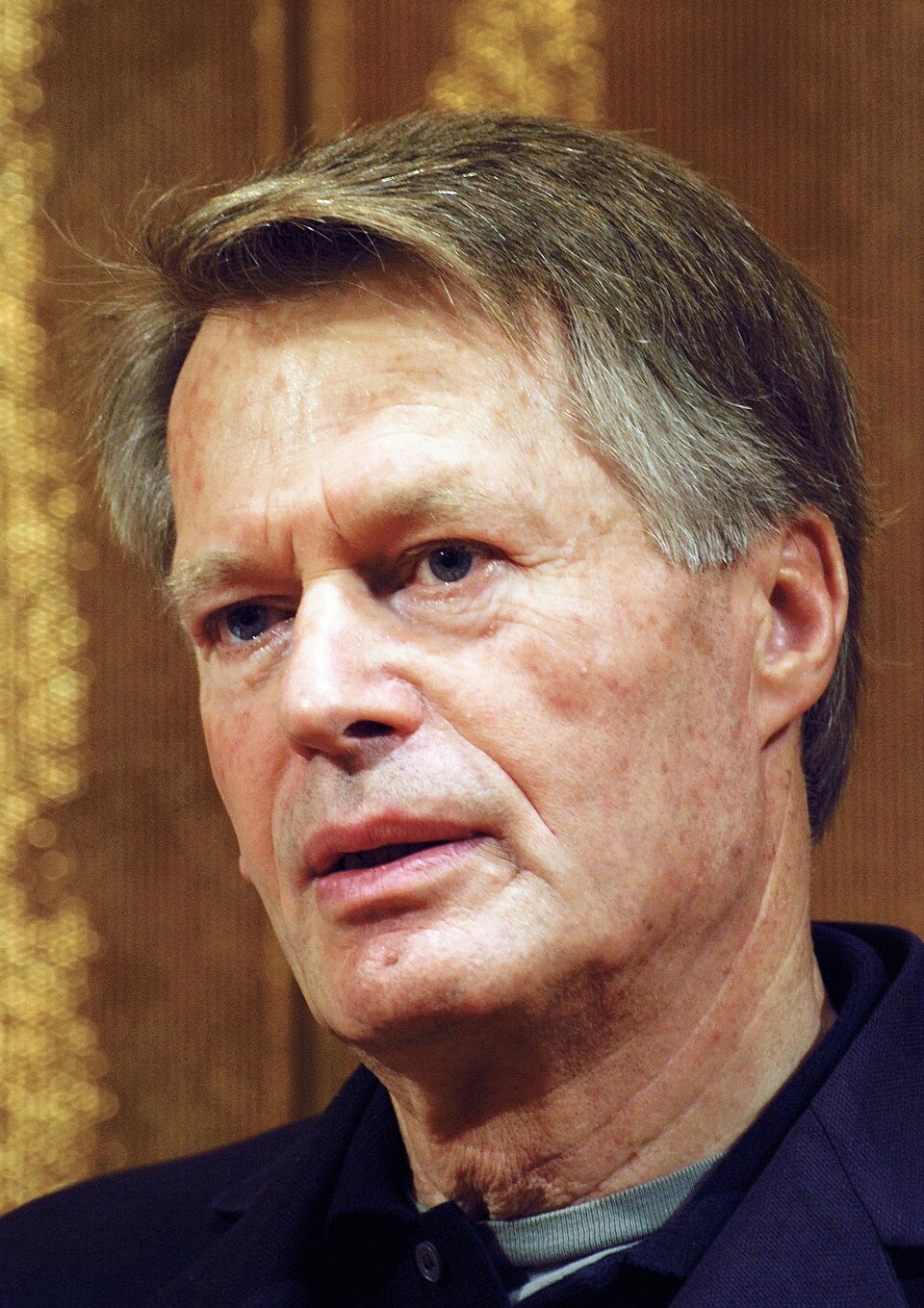
On October 9, the Swedish Academy in Stockholm announced that the 2008 Nobel Prize in Literature had been awarded to the French writer Jean-Marie Gustave Le Clézio. The Academy's permanent secretary, Horace Engdahl, read out the citation, which described him as an "author of new departures, poetic adventure and sensual ecstasy, explorer of a humanity beyond and below the reigning civilization". Le Clézio, then 68, was the first writer in the French language to win the prize since Claude Simon in 1985. He received about 10 million Swedish kronor, around 1.4 million dollars.
Born in Nice in 1940 to a family with roots in Brittany and Mauritius, Le Clézio spent part of his childhood in Nigeria, where his father worked as a doctor. He became famous at the age of 23 with his first novel, *Le Procès-verbal* (The Interrogation), which won the Prix Renaudot in 1963. In the following decades, he wrote more than 40 books, including novels, essays, short stories and children's books. His best-known novel, *Désert* (1980), tells the story of a young girl from the desert people of North Africa who moves to Marseille. In his work he often wrote about travel, exile, childhood and cultures threatened by the modern world. He had lived among the Emberá people in the rainforests of Panama and spent many years in Mexico, and he described himself as a nomad.
Engdahl said the Academy had chosen him because he was "a great prose writer and a narrator", and that he was a cosmopolitan author rather than a typically French one. The choice came two weeks after Engdahl had caused controversy by calling American literature "too insular". The award was welcomed in France, where President Nicolas Sarkozy praised Le Clézio as a writer whose work reached far beyond France. In later years, Le Clézio developed a close connection with China. He taught literature at Nanjing University from 2011 and visited the country many times, and he was made an honorary professor at several Chinese universities.
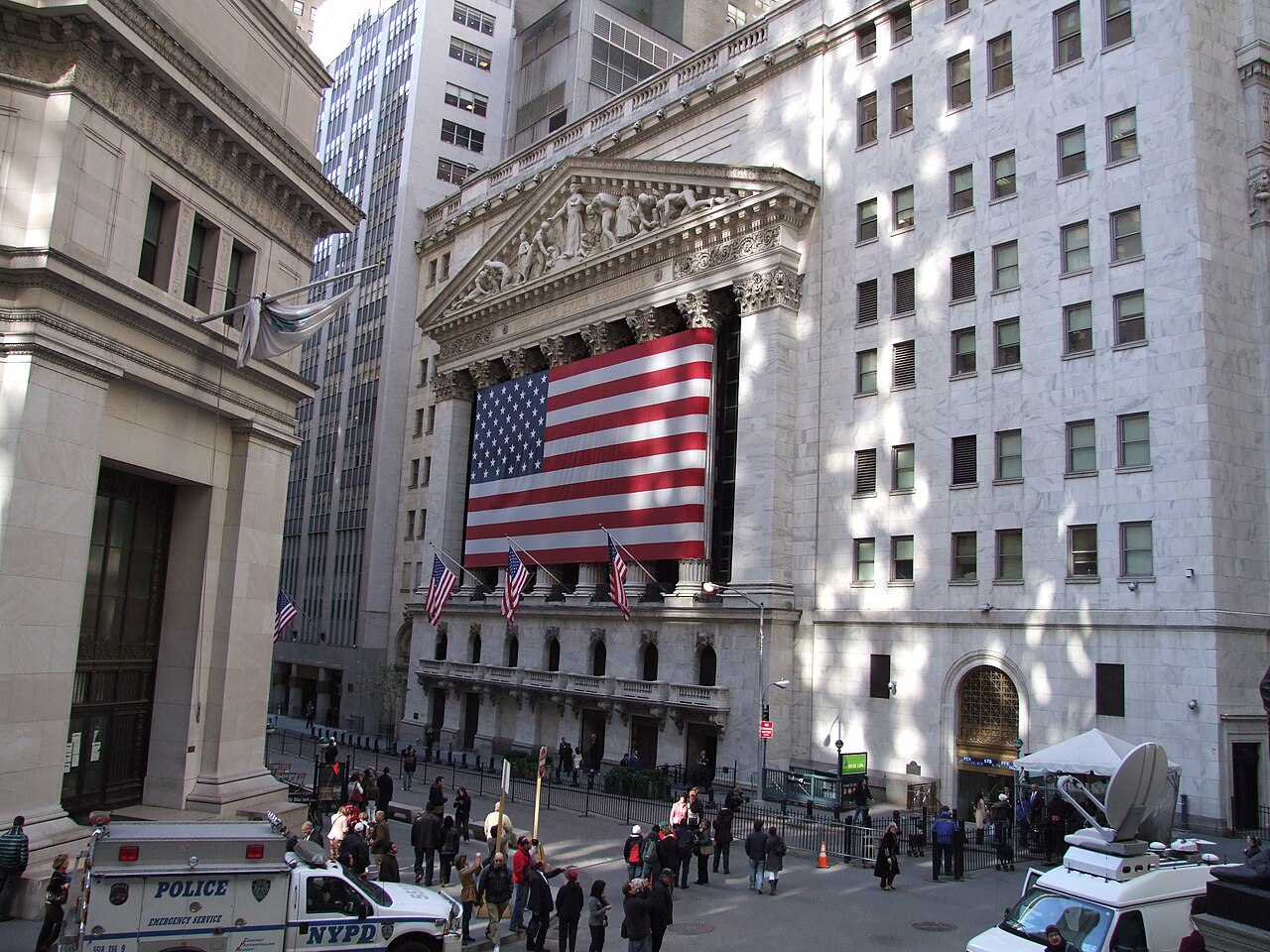
October 10 brought one of the most frightening days in the history of the world's financial markets. In Tokyo, the Nikkei 225 index plunged 9.6%, its biggest one-day fall in more than 20 years, closing out its worst week ever. The Hang Seng in Hong Kong fell more than 7%, and Australia's main index dropped a record 8.3%. When European markets opened, the selling spread. Britain's FTSE 100 fell almost 9% in the morning before recovering slightly to close down 8.9%, while Germany's DAX lost 7% and France's CAC 40 nearly 8%. Investors were desperate to sell shares, fearing that the banking crisis would push the world into a deep recession, despite the interest rate cuts and rescue plans announced earlier in the week.
In New York, the Dow Jones Industrial Average swung wildly. It fell almost 700 points within minutes of the opening, climbed more than 300 points in the afternoon and fell again, ending the day down 128 points at 8,451. The Dow had fallen about 18% over the week, its worst week in its 112-year history, and more than 40% from its record high a year earlier. Trillions of dollars in share value had been wiped out worldwide. Many people's savings and pension funds fell sharply in value.
That afternoon, finance ministers and central bank governors from the Group of Seven (G7) leading industrial countries met in Washington. They agreed a five-point plan of action, pledging to take "decisive action" and use "all available tools" to support systemically important financial institutions and prevent their failure. They also promised to unfreeze credit markets, help banks raise capital and strengthen deposit insurance. On the same day, US President George W. Bush spoke from the White House Rose Garden, telling Americans that the government was taking action and that they could be confident in the economy over the long run. The following week, European governments and the United States announced plans to put hundreds of billions of dollars directly into their banks, and markets began to steady.
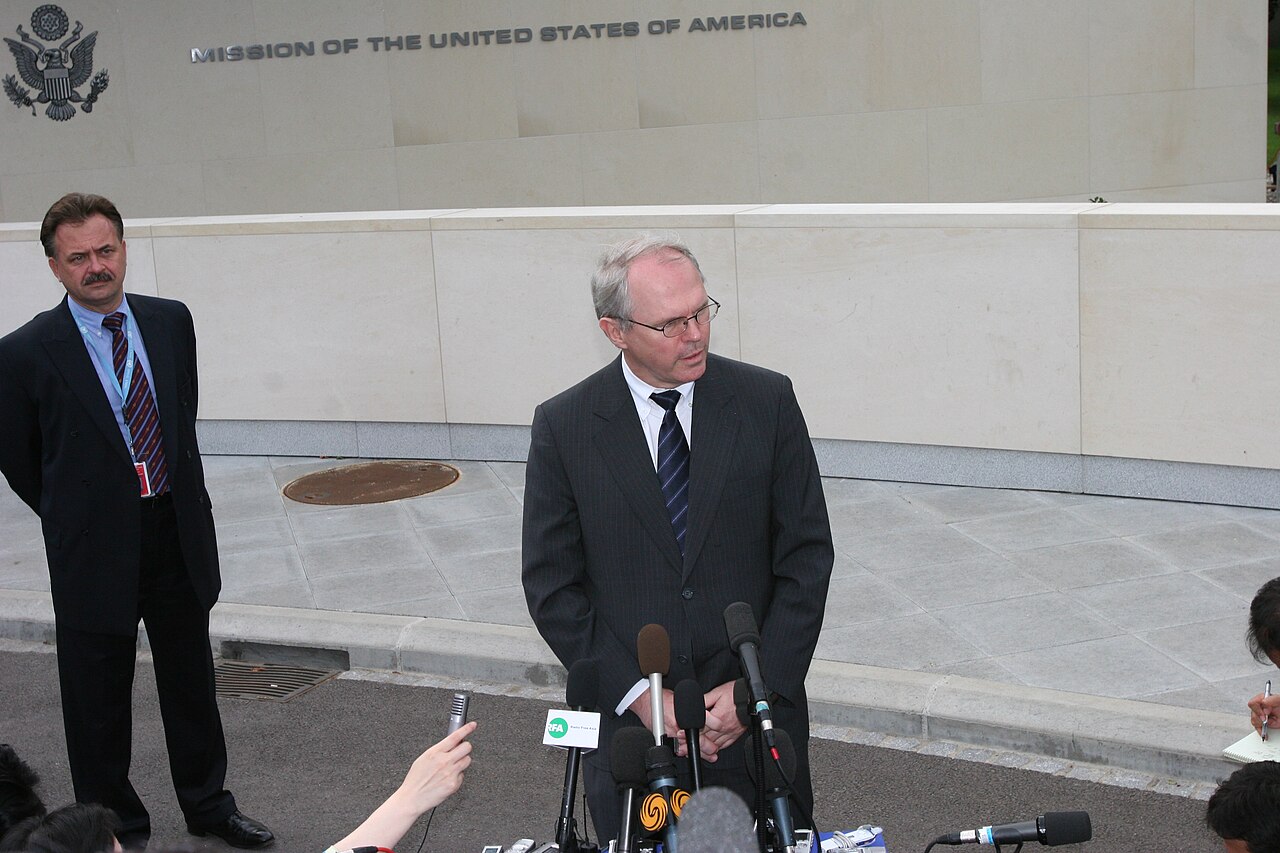
On October 11, the United States announced that it was removing North Korea from its list of state sponsors of terrorism, where it had been since 1988, after the two countries agreed on how to verify Pyongyang's declaration about its nuclear programme. The State Department said North Korea had agreed to allow inspectors to visit its declared nuclear facilities, take samples and carry out forensic tests. Access to undeclared sites would require mutual consent. The agreement had been worked out during a visit to Pyongyang earlier in the month by the chief US negotiator, Assistant Secretary of State Christopher Hill.
The move rescued the Six-Party Talks, which brought together China, North Korea, South Korea, the United States, Japan and Russia, from a serious crisis. North Korea had handed over its nuclear declaration to China in June, and in return President George W. Bush had said he would remove the country from the terrorism list. But when Washington delayed the step, demanding first a strict system to verify the declaration, Pyongyang stopped disabling its main nuclear reactor at Yongbyon in August and began moving to restore it, and it expelled international inspectors. After the US announcement, North Korea said it would resume disabling the Yongbyon facilities and allow inspectors back, and they returned within days. China, which chaired the talks, welcomed the decision.
Critics in the United States said the Bush administration had given too much away for too little, and Japan was unhappy because the issue of Japanese citizens abducted by North Korea had not been resolved. In December, the Six-Party Talks broke down when North Korea refused to put the agreed verification rules in writing. In 2009, Pyongyang carried out a second nuclear test. On the same day in Austria, the far-right politician Jörg Haider, governor of the province of Carinthia, was killed in a car crash near Klagenfurt.
On October 12, the Third Plenary Session of the 17th Central Committee of the Communist Party of China ended in Beijing after four days of meetings. It adopted a "Decision on Several Major Issues Concerning the Advancement of Rural Reform and Development". The meeting took place in the year of the 30th anniversary of the historic Third Plenum of the 11th Central Committee in December 1978, which launched China's reform and opening-up. Those reforms had begun in the countryside, where the household contract responsibility system gave farm families the right to farm their own plots of collectively owned land.
The decision set out a plan for rural development up to 2020. Its main goals included doubling the per capita net income of rural residents compared with 2008, and further narrowing the gap between urban and rural areas. Among its most closely watched measures was a policy allowing farmers to transfer the rights to use their contracted farmland, for example by subcontracting, leasing, exchanging or joining shareholding cooperatives, so that land could be farmed on a larger and more efficient scale. The decision stressed that collective ownership of rural land would not change, that the existing contract relationship would remain stable and "unchanged for a long time", and that the country must keep the strictest possible protection of farmland, holding the "red line" of 1.8 billion mu (about 120 million hectares) of cultivated land.
The plenum also called for improving public services in the countryside, including education, health care and social security, and for strengthening the support system for agriculture to ensure national food security. Analysts said the reforms aimed to raise rural incomes, boost domestic consumption and reduce inequality, which had become more urgent as the global financial crisis threatened China's export-driven growth. On the same day in Paris, leaders of the 15 eurozone countries agreed a coordinated plan to guarantee new bank lending and inject capital into their banks to stop the financial panic.
On October 13, after the worst week in stock market history, share prices around the world rebounded sharply as governments in Europe announced huge plans to rescue their banks. In New York, the Dow Jones Industrial Average jumped 936.42 points, or 11.1%, to close at 9,387.61. It was the biggest one-day gain in points in its history and the largest percentage rise since the 1930s. In Europe, London's FTSE 100 rose more than 8%, Germany's DAX more than 11% and France's CAC 40 more than 11%, also record or near-record gains.
The rally followed a weekend of emergency action. On Sunday, leaders of the eurozone countries meeting in Paris had agreed to guarantee new lending between banks and to buy shares in banks if needed. On Monday, governments announced the details, together committing well over one trillion euros. Germany set up a fund of up to 500 billion euros, and France offered 360 billion euros, mostly in guarantees. In Britain, the government announced it would put 37 billion pounds of public money into three of the country's biggest banks: about 20 billion pounds into the Royal Bank of Scotland and 17 billion pounds into Lloyds TSB and HBOS, which were merging. As a result, the government would own about 60% of RBS and more than 40% of the merged Lloyds group, and the chief executives of RBS and HBOS agreed to step down.
The same afternoon, US Treasury Secretary Henry Paulson called the heads of the nine largest American banks to a meeting in Washington and told them the government would buy shares in their banks. The 250 billion dollar plan was announced the next day. Also on October 13, the American economist Paul Krugman, a professor at Princeton University and newspaper columnist, was awarded the Nobel Prize in Economics for his work on international trade and the location of economic activity. The relief in markets did not last long: within days, share prices began falling again as attention turned to the deepening recession.
On October 14, US Treasury Secretary Henry Paulson announced that the government would invest up to 250 billion dollars directly in American banks by buying shares in them, in the most dramatic government intervention in the US banking system since the Great Depression. The money came from the 700 billion dollar Troubled Asset Relief Program (TARP) approved by Congress earlier in the month. Nine of the country's largest financial institutions had already agreed to accept a total of 125 billion dollars. They were Citigroup, JPMorgan Chase, Wells Fargo, Bank of America, Merrill Lynch, Goldman Sachs, Morgan Stanley, Bank of New York Mellon and State Street. The day before, Paulson had called their chief executives to a meeting at the Treasury and told them that taking part was in the national interest.
Under the Capital Purchase Program, the Treasury would buy preferred shares that paid a 5% annual dividend for five years and 9% after that, and it would also receive warrants to buy ordinary shares. Banks taking part had to accept limits on executive pay. At the same time, the Federal Deposit Insurance Corporation announced that it would temporarily guarantee new senior debt issued by banks and fully insure non-interest-bearing business accounts, and the Federal Reserve confirmed it would begin buying commercial paper, the short-term loans many companies depend on, on October 27. The plan followed the approach pioneered by Britain the week before, of strengthening banks' capital directly rather than buying their bad assets.
Speaking at the White House, President George W. Bush said the measures were "not intended to take over the free market, but to preserve it." Paulson admitted that government ownership of shares in banks was "objectionable" to many Americans, but said it was needed to restore confidence and get banks lending again. In the following months, hundreds of smaller banks also received money under the program, and most of it was later repaid with interest. Also on October 14, Canadians voted in a general election in which Prime Minister Stephen Harper's Conservatives won more seats but fell short of a majority.
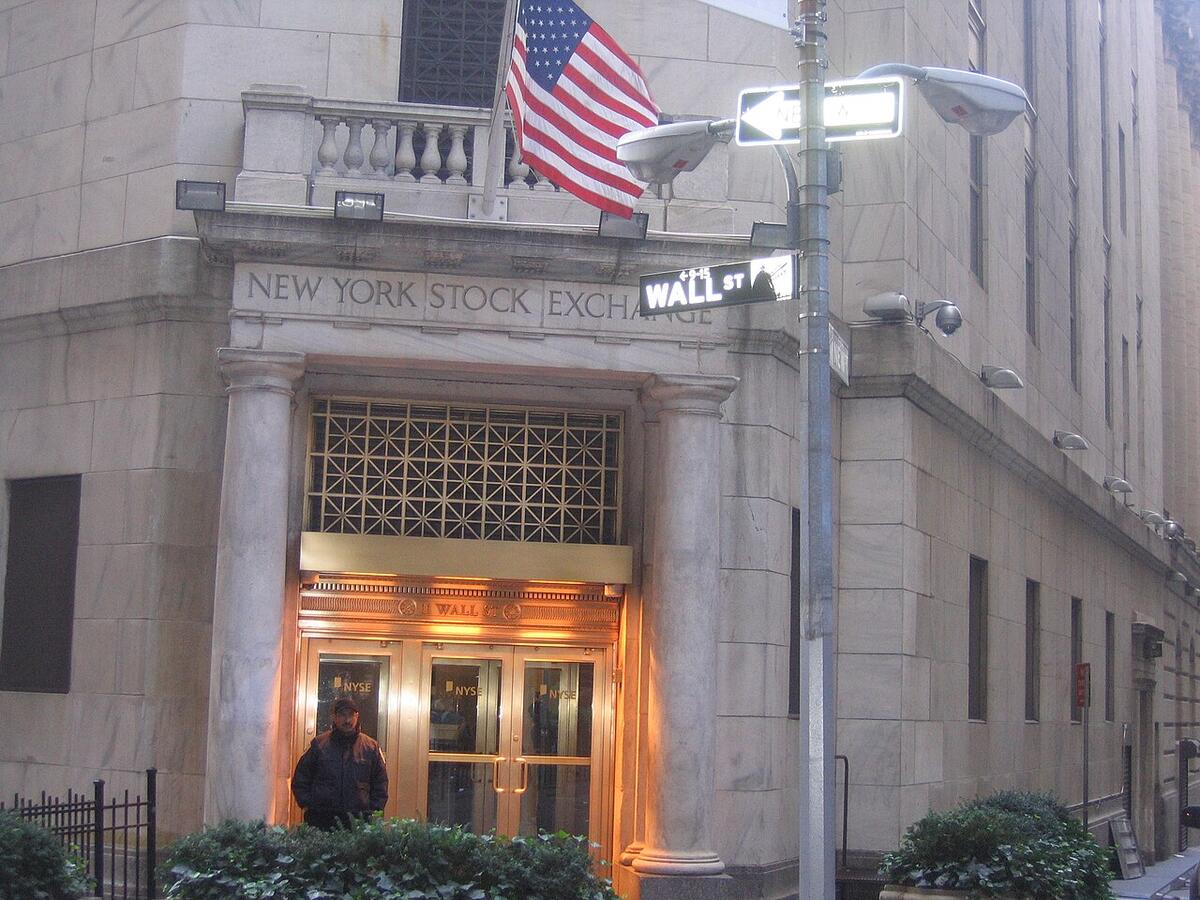
Two days after their biggest one-day rally in decades, US stocks collapsed again. The Dow Jones Industrial Average fell 733 points, or 7.87%. That was its steepest percentage fall since the crash of October 1987. Investors had worried that the government's bank rescue would not stop a recession, and new figures showed retail sales falling at the fastest pace in three years.
That evening, Barack Obama and John McCain held their third and final presidential debate at Hofstra University in Hempstead, New York. CBS's Bob Schieffer moderated, and the questions focused on the economy and domestic policy. McCain kept bringing up "Joe the Plumber", an Ohio voter who had questioned Obama about taxes. Polls showed Obama widening his lead nationally and in the battleground states, with less than three weeks to go.
In Geneva, the first round of international talks after the August war between Russia and Georgia was suspended on its opening day. The talks were hosted by the EU, UN and OSCE. Russia insisted that representatives of the breakaway regions of South Ossetia and Abkhazia take part as full participants, and Georgia refused. The Russian and Georgian delegations never met face to face. EU envoy Pierre Morel blamed "procedural difficulties", and the talks were rescheduled for November 18.
Before markets opened, the Swiss government and the Swiss National Bank announced a rescue of UBS, the country's biggest bank, which had been badly hurt by losses on US mortgage securities. The government put in CHF 6 billion of new capital. The central bank set up a special fund, the StabFund, to take up to about USD 60 billion of UBS's toxic assets off its books. Switzerland was the latest country to step in to support its banks, following Britain, the eurozone countries and the United States. The rescue later paid off for Swiss taxpayers: the government sold its UBS stake in August 2009 for CHF 7.2 billion.
The day after its worst fall since 1987, the US stock market swung wildly. Early in the session, the Dow Jones Industrial Average was down more than 300 points, and it then climbed in the final hour. It closed up 401.35 points at 8,979.26, and technology shares led the rebound. Traders said investors were bargain-hunting, but the market's day-to-day volatility was still extreme. In one week, the Dow had recorded both its biggest one-day gain and one of its worst one-day falls in history.
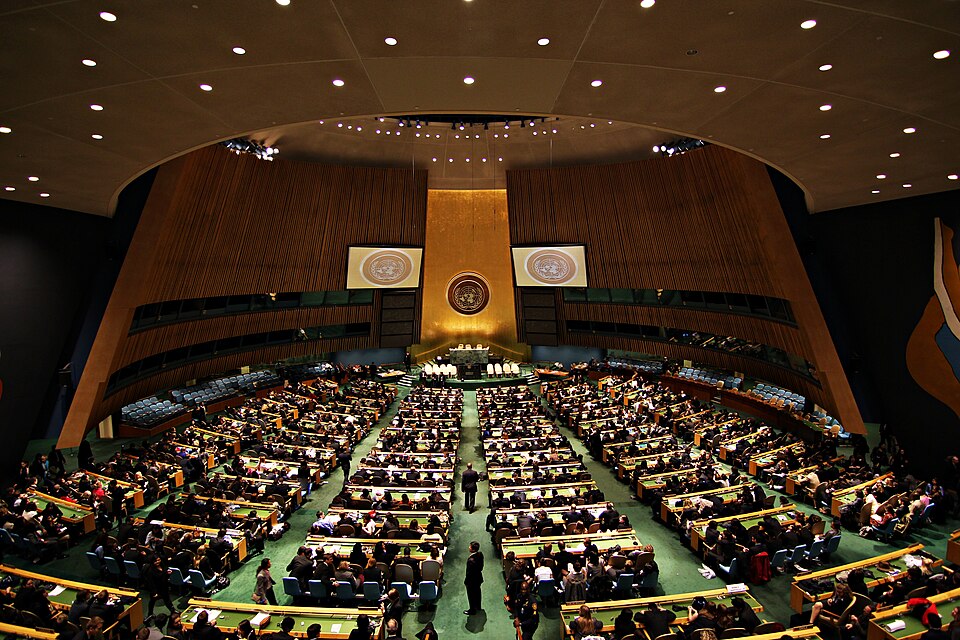
The UN General Assembly elected Austria, Japan, Mexico, Turkey and Uganda as non-permanent members of the Security Council for 2009–2010, and all five seats were filled in a single round of voting. They replaced Belgium, Indonesia, Italy, Panama and South Africa. The closest contests were in two groups. Japan beat Iran for the Asian seat. Austria and Turkey defeated Iceland for the two Western European seats; the financial crisis hitting Iceland at the time was widely seen as hurting its campaign. Turkey received the most votes, 151. Mexico and Uganda were unopposed.
Warren Buffett, at the time the world's richest man, published a short opinion piece in The New York Times. He wrote that he had been buying US stocks for his personal account, which until then had held only US government bonds. While markets were in panic, he restated his long-held rule: be fearful when others are greedy, and greedy when others are fearful. He warned that the economy would probably get worse before it got better, and that he could not predict where stocks would go in the short term. Even so, he argued that patient investors would be rewarded. The article became one of the most quoted pieces of the 2008 crisis.
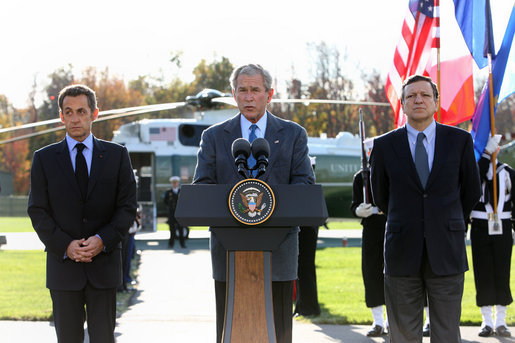
George W. Bush invited French President Nicolas Sarkozy, who held the rotating EU presidency, and European Commission President José Manuel Barroso to Camp David, the presidential retreat in Maryland. They held a little over two and a half hours of talks on the global financial crisis. Afterwards the three leaders announced a series of international summits to reform the world's financial system. The first would be held in the United States soon after the November 4 presidential election. Major emerging economies such as China and India were expected to take part alongside the G8.
The two sides came with different priorities. Barroso called for a "new global financial order", and Sarkozy warned that keeping the old system would lead to the same disasters. He suggested holding the summit in New York, saying the crisis had started there. Bush agreed that reform was needed but insisted that it must not undermine the foundations of free markets. No date or venue was announced that day. The meeting led to the first G20 leaders' summit, held in Washington on November 15, 2008, and from then on the G20 became the main forum for crisis talks among the world's largest economies.
Colin Powell, a former US Secretary of State and Republican, endorsed Democrat Barack Obama for president on NBC's Meet the Press, about two weeks before the election. Powell said both candidates could make good presidents. He argued that Obama was better placed to handle the economic crisis and to repair America's standing in the world. He questioned whether Sarah Palin, John McCain's running mate, was ready to be president. He said it pained him to disappoint McCain, a friend of many years. The endorsement from a well-known Republican and former top general made headlines across the US and abroad.
Lewis Hamilton of McLaren started from pole position and led the Chinese Grand Prix at the Shanghai International Circuit, winning the 56-lap race. Ferrari's Felipe Massa finished second, about 15 seconds behind. He had been let through by his team-mate Kimi Räikkönen near the end of the race to help his championship hopes. With one race left, in Brazil, Hamilton led the championship with 94 points to Massa's 87. A fifth-place finish or better would make him world champion.
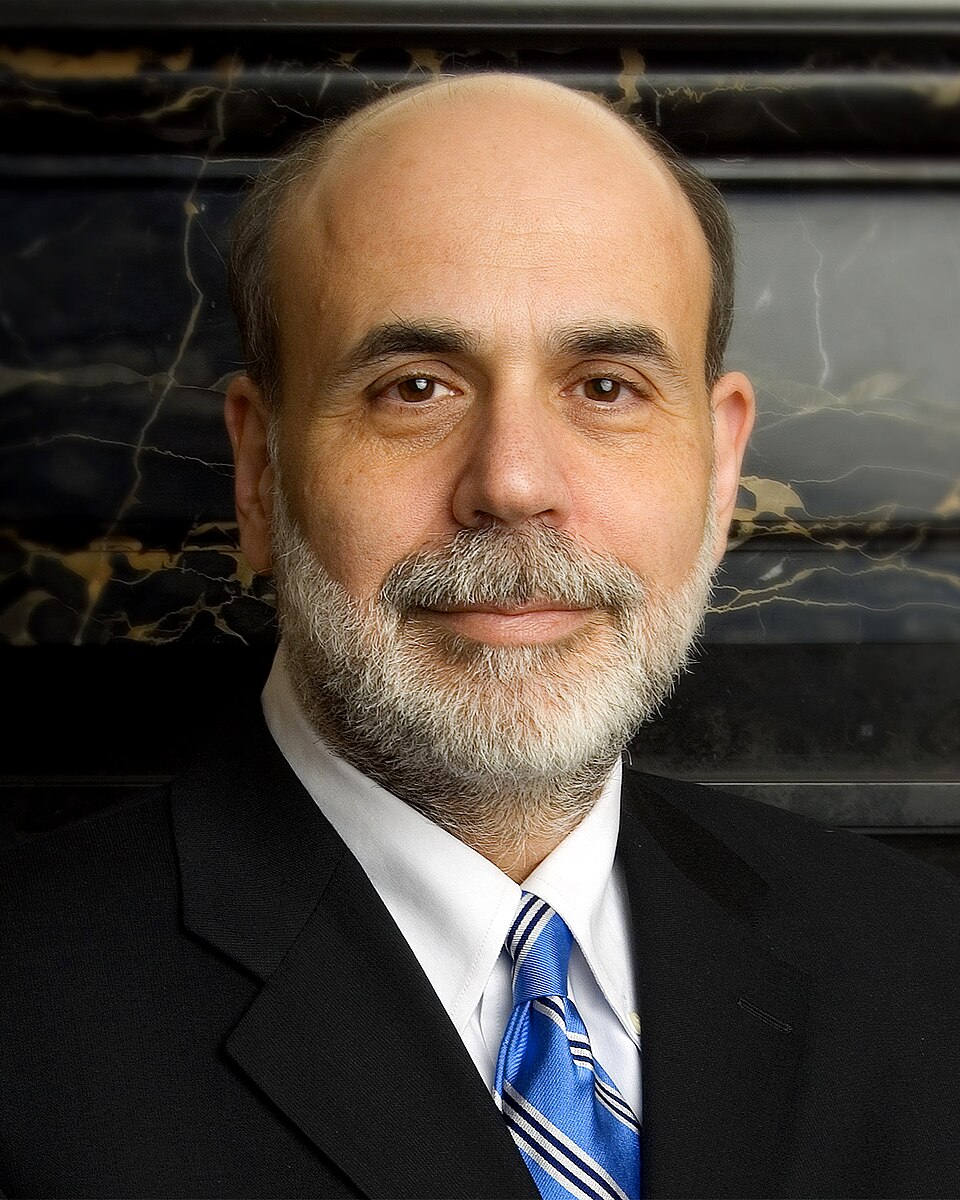
Federal Reserve Chairman Ben Bernanke told the House Budget Committee that Congress should consider a new government spending package. He testified that the economic outlook was weak and the US risked a "protracted slowdown". He argued that, with the economy that fragile, another fiscal package "seems appropriate at this juncture". He set conditions: any package should be well-targeted and help consumers, homebuyers and businesses get credit. It was a notable move from the head of the central bank, who usually stays out of fiscal policy. His endorsement earlier in the year had helped Congress pass a $168 billion stimulus in February.
The Bush White House had been cool on the idea. Within hours, spokeswoman Dana Perino said the administration was now open to proposals from lawmakers. She added that its main focus was still on putting the $700 billion bank rescue into effect. House Speaker Nancy Pelosi had already floated a plan worth $150–300 billion, which could be passed in a "lame-duck" session after the November 4 election. The idea eventually took shape as the much larger stimulus package passed under President Obama in February 2009.
At CERN near Geneva, Europe's particle physics laboratory officially inaugurated the Large Hadron Collider. The LHC is a 27-kilometre ring of superconducting magnets built under the French–Swiss border, and it was the largest and most powerful particle accelerator ever built. The guests included Swiss President Pascal Couchepin, French Prime Minister François Fillon and science ministers from CERN's member states. Physics World called it the largest official delegation CERN had ever hosted.
The machine itself was not running. The LHC had first circulated beams on September 10. Nine days later, a faulty electrical connection between two magnets caused a serious incident, and about two tonnes of liquid helium leaked into the tunnel. The damaged section had to be warmed up for repairs, which delayed the restart until 2009. Director-General Robert Aymar called the incident unforeseen and said repairs and new safeguards were planned. Project leader Lyndon Evans told the ceremony that the adventure of building the LHC was ending and the adventure of discovery was about to begin. The collider would go on to find the Higgs boson in 2012.
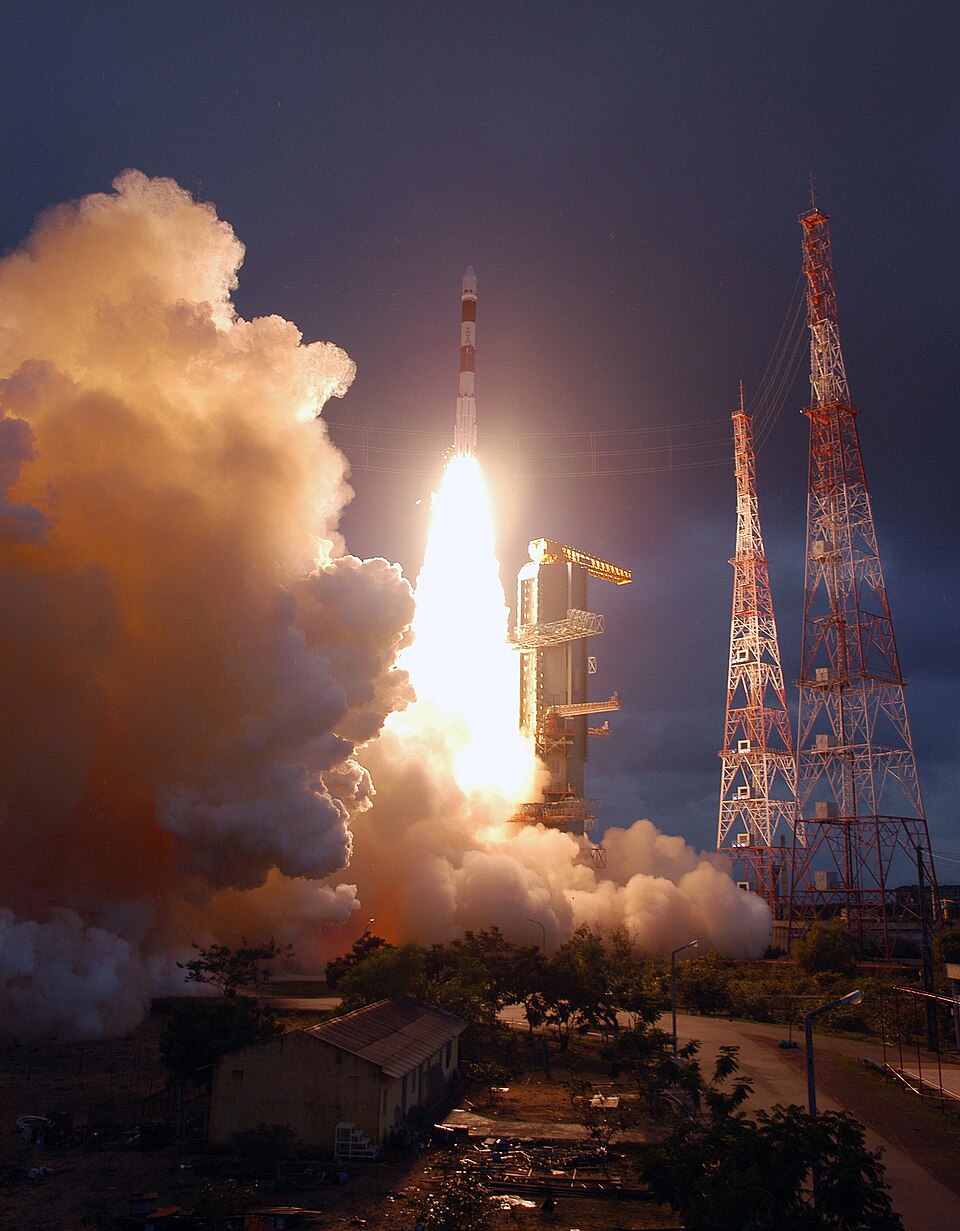
At 6:22 am local time, a PSLV rocket lifted off from the Satish Dhawan Space Centre at Sriharikota, on India's south-east coast, carrying Chandrayaan-1, the country's first mission to the Moon. The rocket was an upgraded version with larger strap-on boosters, and it was the PSLV's fourteenth flight. It placed the 1,380 kg spacecraft into an elliptical orbit around the Earth. Over the following two weeks, the spacecraft would raise its orbit step by step on its way to the Moon.
The probe carried eleven scientific instruments. Five were Indian, and the others came from the United States, Europe and Bulgaria, including two from NASA. The aim was to map the Moon's surface and minerals in detail. Chandrayaan-1 entered lunar orbit on November 8. On November 14, it released a small impactor that crashed near the lunar south pole carrying the Indian flag. That made India the fourth nation to put its flag on the Moon. The launch came a year after Japan's Kaguya and China's Chang'e-1 had gone to the Moon, which led many commentators to speak of an "Asian space race".
Contact with the spacecraft was lost in August 2009, earlier than planned. By then, its NASA-built Moon Mineralogy Mapper had collected the data that would later reveal traces of water on the lunar surface.
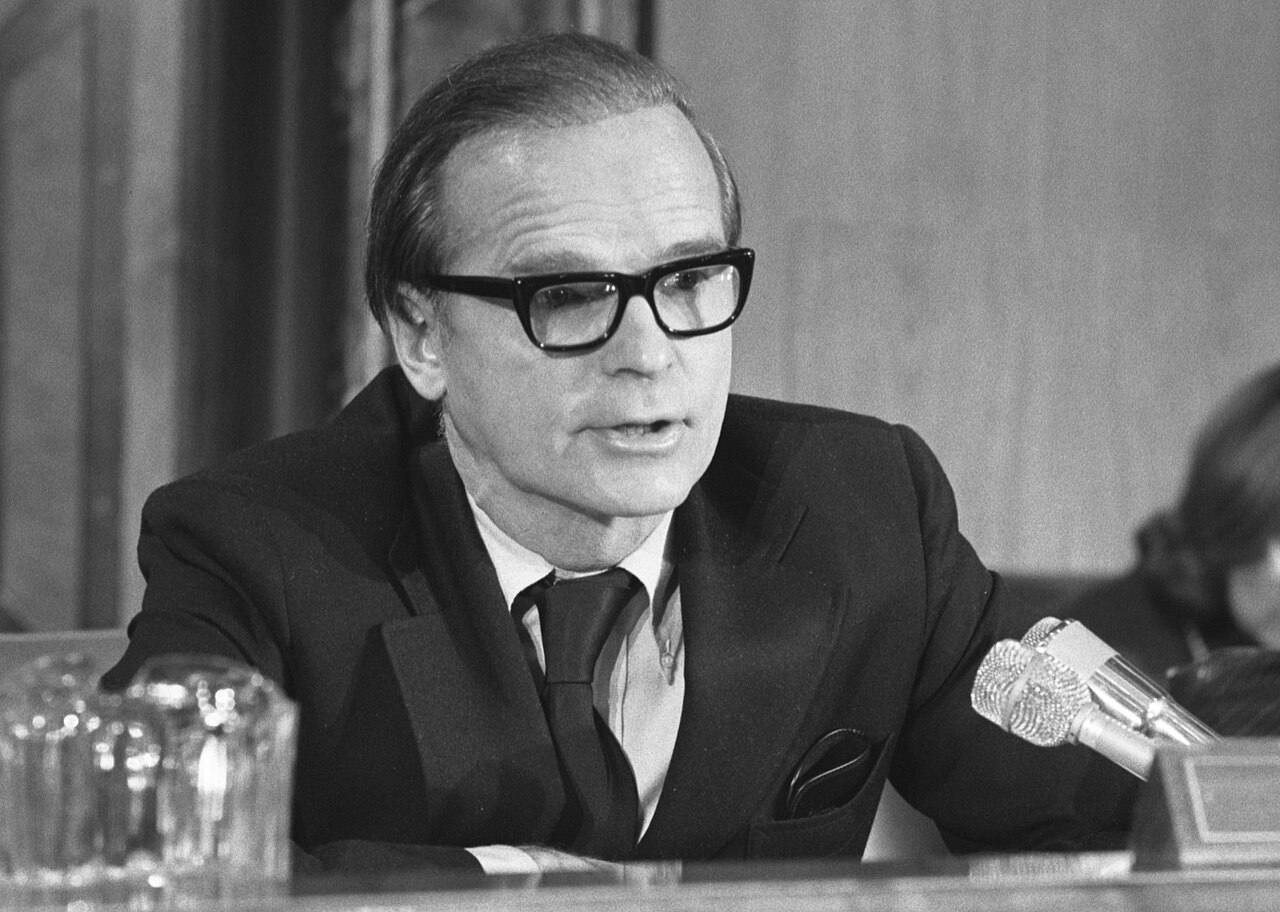
Alan Greenspan led the Federal Reserve for almost two decades and had long been praised as the steward of America's boom. He appeared before the House Committee on Oversight and Government Reform in Washington to answer questions about the financial crisis. He called it a "once-in-a-century credit tsunami" and warned that unemployment would keep rising.
The committee's chairman, Henry Waxman, pressed him hard. He argued that the Fed had had the power to stop the reckless lending behind the subprime mortgage boom, and that Greenspan had rejected calls to use it. Greenspan admitted that he had been "partially" wrong to oppose regulating some financial markets. He said he had relied on lending institutions to protect their shareholders out of their own self-interest, and he was now in a state of "shocked disbelief" that they had not. Asked whether his free-market ideology had led him to decisions he regretted, he said he had "found a flaw" in the model of how the world works. He had believed in it for decades, and he said it had seemed to work very well.
The admission came from one of the strongest voices for light-touch regulation, and it quickly became one of the defining moments of the crisis. Critics of deregulation quoted it for years afterwards.
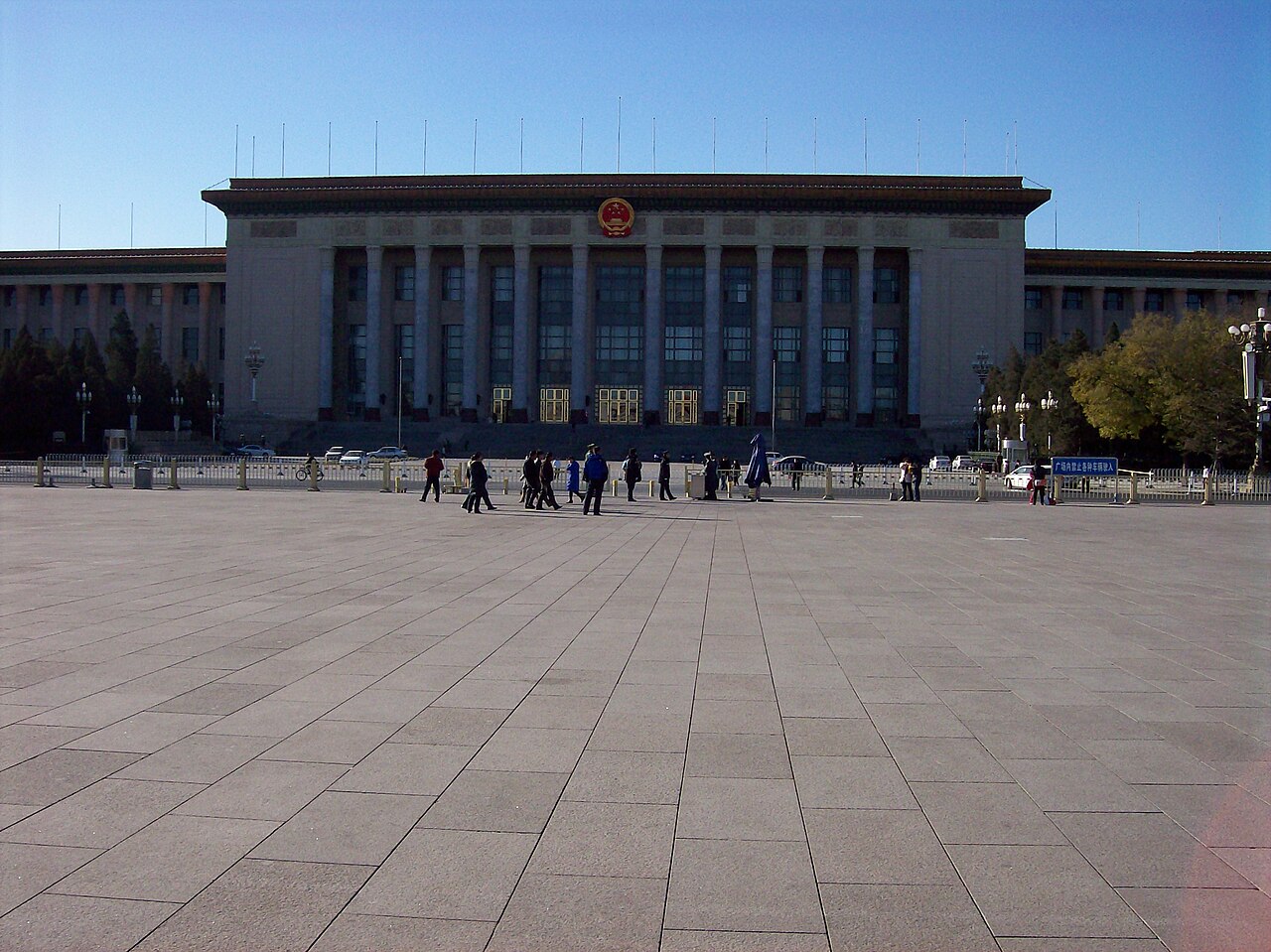
The seventh Asia-Europe Meeting (ASEM) opened at the Great Hall of the People in Beijing. It brought together the leaders of 16 Asian and 27 European countries, plus the President of the European Commission and the Secretary-General of ASEAN. The financial crisis dominated the agenda. In his opening speech, President Hu Jintao said China's most important contribution to global financial stability was to manage its own affairs well and keep its economy growing steadily. He also admitted that the crisis had increased uncertainty for China's economy. Premier Wen Jiabao chaired the talks and called for tighter regulation of global financial markets. The leaders said they were concerned about the crisis spreading. They also backed the G20 summit planned in Washington for November 15.
As the leaders met, stock markets fell sharply around the world amid fears of a global recession. In Tokyo, the Nikkei 225 fell 9.6% to 7,649, its lowest close in about 26 years. Hong Kong, Seoul, Sydney, Singapore and Mumbai also fell steeply. European markets opened sharply lower, and London's FTSE 100 fell around 10% at one point in the morning before recovering part of the loss. One wire report described the selling as a "bloodbath". The meeting in Beijing showed how quickly the crisis that began on Wall Street had spread to economies everywhere.
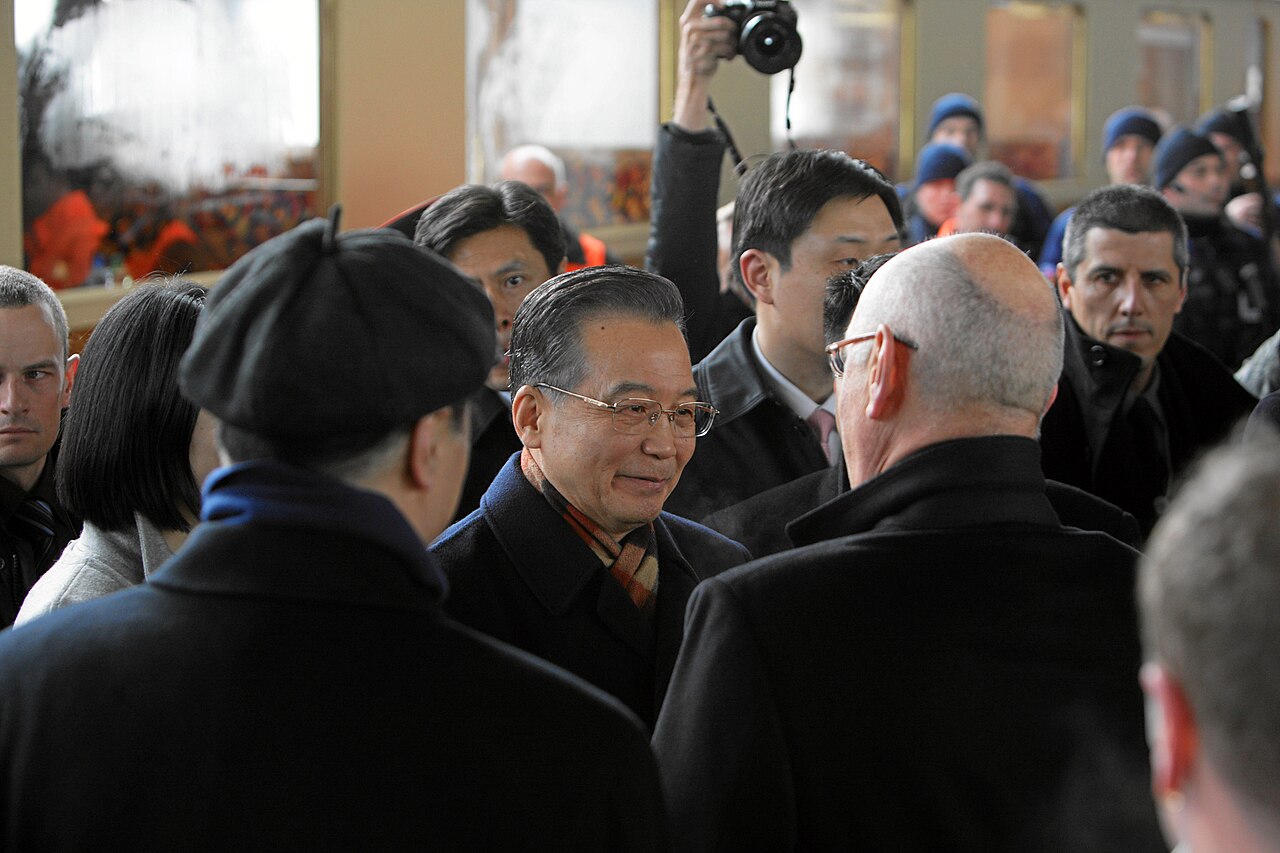
The two-day Asia-Europe Meeting in Beijing closed with leaders from 43 Asian and European countries calling for "effective and comprehensive reform of the international monetary and financial systems". They had agreed a joint statement on the financial crisis. It said the International Monetary Fund should play a critical role in helping countries hit by the crisis, if they asked for help. It also backed the summit of major economies that President George W. Bush would host in Washington on November 15. That summit would become the first G20 leaders' meeting.
At the closing press conference, Premier Wen Jiabao said stronger regulation was needed so that such a crisis could not happen again. On the sidelines, China, Japan, South Korea and the ten ASEAN countries pledged to build an $80 billion fund that their central banks could draw on to defend their currencies against speculators. The idea grew out of lessons from the 1997 Asian financial crisis.
Not everyone was impressed. Critics noted that the leaders had offered few details on what should replace the Bretton Woods system built after the Second World War. Commentators had long seen ASEM as a gathering that produced little of substance, though the crisis had given this one new urgency. For China, the meeting was a chance to present itself as a responsible player in the world economy.
Late in the afternoon, US helicopters flew across the Iraqi border into eastern Syria and attacked a farm at Sukkariyeh, near the town of Abu Kamal, about eight kilometres inside Syrian territory. It was the first known US military raid on Syrian soil. Syria's official news agency, SANA, said four helicopters had taken part and that civilians had been killed. In a letter to the United Nations, the Syrian government listed eight dead, including a man and his four children, and called the attack an act of aggression and a violation of the UN Charter.
Washington did not officially comment at first. A US military official confirmed the raid, saying it had targeted a "robust foreign fighter logistics network" that moved militants, weapons and cash into Iraq. US counterterrorism officials later told the Associated Press that the raid had killed the network's leader, an Iraqi linked to al-Qaeda known as Abu Ghadiya, and that everyone killed had been part of his network. The two sides gave very different accounts, and the exact death toll was never independently confirmed.
The raid came at a sensitive time. For years the US had accused Damascus of letting foreign fighters cross into Iraq. Meanwhile, Syria had recently begun to come in from the diplomatic cold, establishing relations with Lebanon earlier that month. In the following days, Syria closed an American school and an American cultural centre in Damascus in protest.
In a federal courtroom in Washington, a jury found Ted Stevens of Alaska guilty on all seven counts of making false statements. Stevens was the longest-serving Republican in the history of the US Senate. Prosecutors had shown that he failed to report about $250,000 in gifts on his Senate financial disclosure forms. Most of the money paid for major renovations to his home in Girdwood, Alaska, carried out by the oil-services company VECO and its chief executive. The verdict came eight days before Stevens faced voters in his bid for re-election.
Stevens, 84, said he was innocent and blamed what he called prosecutorial misconduct. He vowed to stay in the race. Leaders of both parties called on him to step aside, and on November 4 he narrowly lost his seat to the Democrat Mark Begich. The verdict did not stand. In April 2009, the Justice Department asked a judge to throw out the conviction after admitting that its prosecutors had withheld evidence that could have helped the defence. A later official investigation found that the prosecutors had acted recklessly but not intentionally. Stevens died in a plane crash in Alaska in 2010.
Volkswagen's shares soared on the Frankfurt stock exchange, and for a few hours the German carmaker was worth more than any other listed company in the world, including ExxonMobil. On Sunday, October 26, the much smaller sports-car maker Porsche had revealed that it controlled about 74% of Volkswagen's ordinary shares. It held 42.6% directly, and another 31.5% came through cash-settled options. The state of Lower Saxony owned about 20%, so only a small fraction of the shares were left on the market.
That was a disaster for hedge funds that had bet on Volkswagen's share price falling. To close those bets they had to buy back shares, and there were far fewer available than they needed. VW's price jumped from about €211 the previous Friday to more than €1,000 at its peak on Tuesday. Estimates of the funds' losses ran into tens of billions of dollars. The episode became one of the most famous "short squeezes" in market history. Porsche was later sued by hedge funds that accused it of misleading the market about its plans. In the end the takeover failed, and Volkswagen took over Porsche's car business instead.
In New York, the Dow Jones Industrial Average jumped about 889 points, or nearly 11%, one of its largest one-day gains ever. Investors were hoping the Federal Reserve would cut interest rates again the next day.
At about 5:10 am, while most people were asleep, an earthquake of magnitude 6.4 to 6.5 struck the mountains near Ziarat in Balochistan, south-western Pakistan, about 70 km from the provincial capital Quetta. Mud-brick houses collapsed in villages across the valley, and landslides blocked roads into the area. The National Disaster Management Authority first confirmed 115 dead. By the end of the day, reports said about 160 people had died in Ziarat district alone. Within days, officials put the toll at more than 230, with over 400 injured, and aid groups later reported more than 350 deaths. With winter approaching, thousands of survivors who had lost their homes faced freezing nights in the open, and relief agencies rushed tents and blankets into the area.
In Washington, the Federal Reserve cut its key federal funds rate by half a percentage point to 1%, its second half-point cut that month after a coordinated cut with other central banks on October 8. The rate matched the low last reached in 2003–04 and was among the lowest in half a century. The Fed said the pace of economic activity "appears to have slowed markedly", pointing to falling consumer spending and turmoil in financial markets. It also cut the discount rate, which it charges banks for emergency loans, to 1.25%.
Just before midday, a series of bombs exploded within minutes of each other in several towns in Assam, in north-east India. They went off in crowded places such as markets, a court complex and offices in Guwahati, the state's largest city, and in Kokrajhar, Barpeta Road and Bongaigaon. In Guwahati, angry crowds clashed with police and set vehicles on fire, and a curfew was imposed in parts of the city.
Early reports said at least 65 people had been killed and more than 300 injured. The toll rose over the following days as the wounded died: 71 by the next day, 81 by November 2, and eventually 87 or 88, with hundreds injured. Guwahati suffered the most, with 41 dead, followed by Kokrajhar with 21 and Barpeta Road with 15.
At first, suspicion fell on the separatist United Liberation Front of Asom (ULFA), which denied any role. Investigators later blamed a faction of the National Democratic Front of Bodoland (NDFB), a Bodo separatist group. In 2019 a special CBI court sentenced its leader, Ranjan Daimary, and others to life in prison, and the Gauhati High Court later upheld the verdict. The attack came weeks before the Mumbai attacks of November 26, and it made 2008 one of the worst years for terrorism in India.
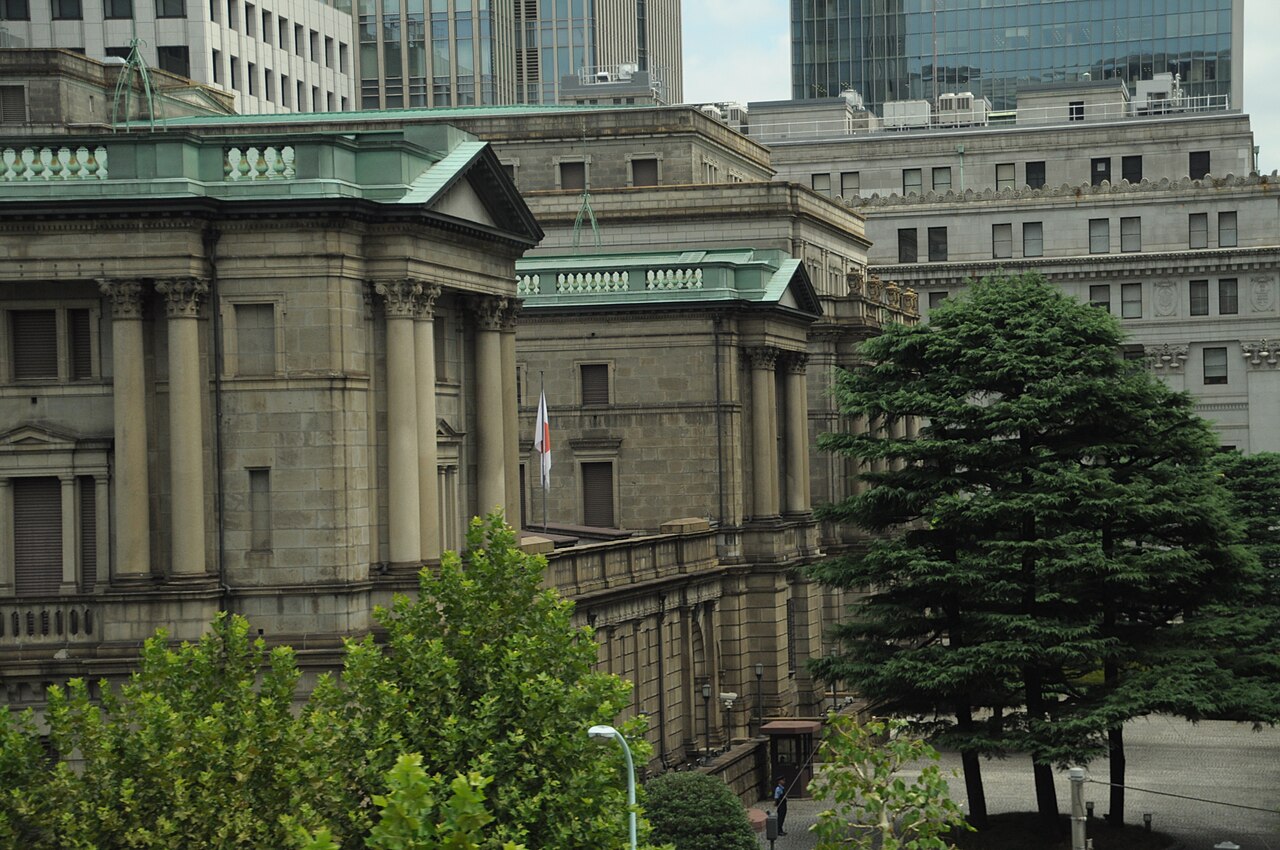
The Bank of Japan cut its key overnight interest rate from 0.5% to 0.3%. It was the bank's first cut since March 2001. Japan's rates were already the lowest of any major economy, and the bank had held them steady even as the US Federal Reserve, the European Central Bank and others cut theirs. With the Nikkei stock index near its lowest level since 1982 and the yen surging, which hurt Japanese exporters, pressure on the central bank had been growing.
The decision split the policy board evenly. Four members voted for the cut and four voted against: three of them wanted a deeper cut to 0.25% and one wanted no change at all. Governor Masaaki Shirakawa cast the deciding vote, a rare move for a Japanese central bank chief. The bank also cut the rate it charges for emergency loans to banks from 0.75% to 0.5%. It said it would start paying 0.1% interest on the reserves that banks held with it, to help keep money markets stable. It also lowered its forecast for economic growth.
The cut left little room for further moves. Before the end of the year, the bank cut again to 0.1%, and Japan was back near the zero interest rates it had used to fight deflation in the early 2000s.
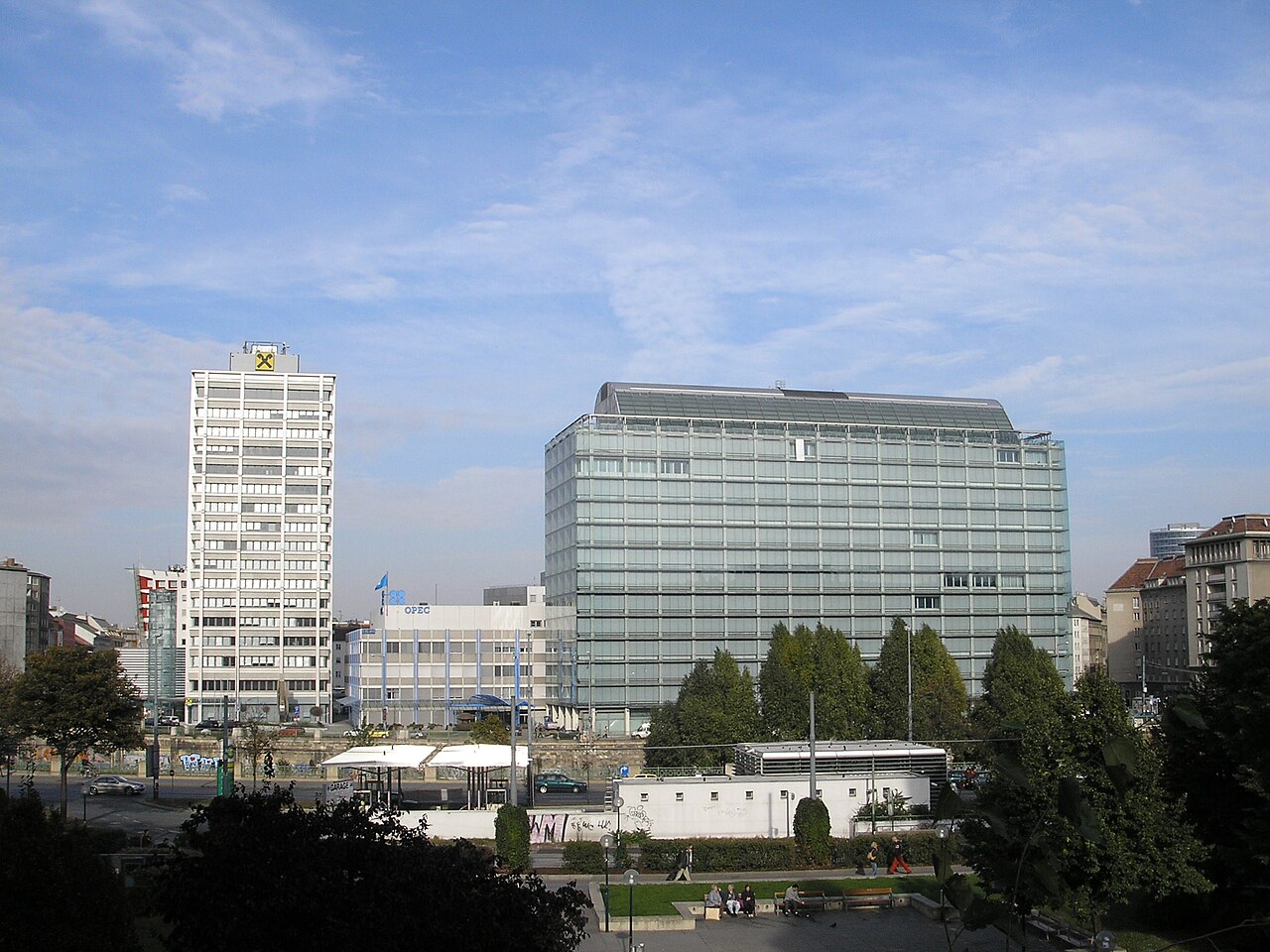
OPEC's 1.5 million barrel-a-day production cut came into force. The oil producers had agreed it at an emergency meeting in Vienna on October 24, lowering the quota ceiling for its eleven members from about 28.8 million to 27.3 million barrels a day. The cut was meant to stop a historic collapse in prices. In July, crude had hit a record of $147 a barrel. As the financial crisis spread and the world economy slowed, demand for fuel fell, and by late October prices had dropped by more than half.
The cut did not work. On the day it was announced, oil fell about 7% to around $63, and Brent crude fell close to $61, its lowest since March 2007. Analysts said the cut was too small to make up for collapsing demand and that stockpiles would keep growing. Consumer countries were angry. The White House called the decision "anti-market", and British Prime Minister Gordon Brown said he was disappointed, as households and businesses had hoped to benefit from cheaper fuel. Prices kept falling for weeks, dropping below $40 by December, and OPEC agreed a further, bigger cut that month.
In the United States, the presidential campaign entered its last weekend before Tuesday's vote. Barack Obama and John McCain made last-minute visits to battleground states.
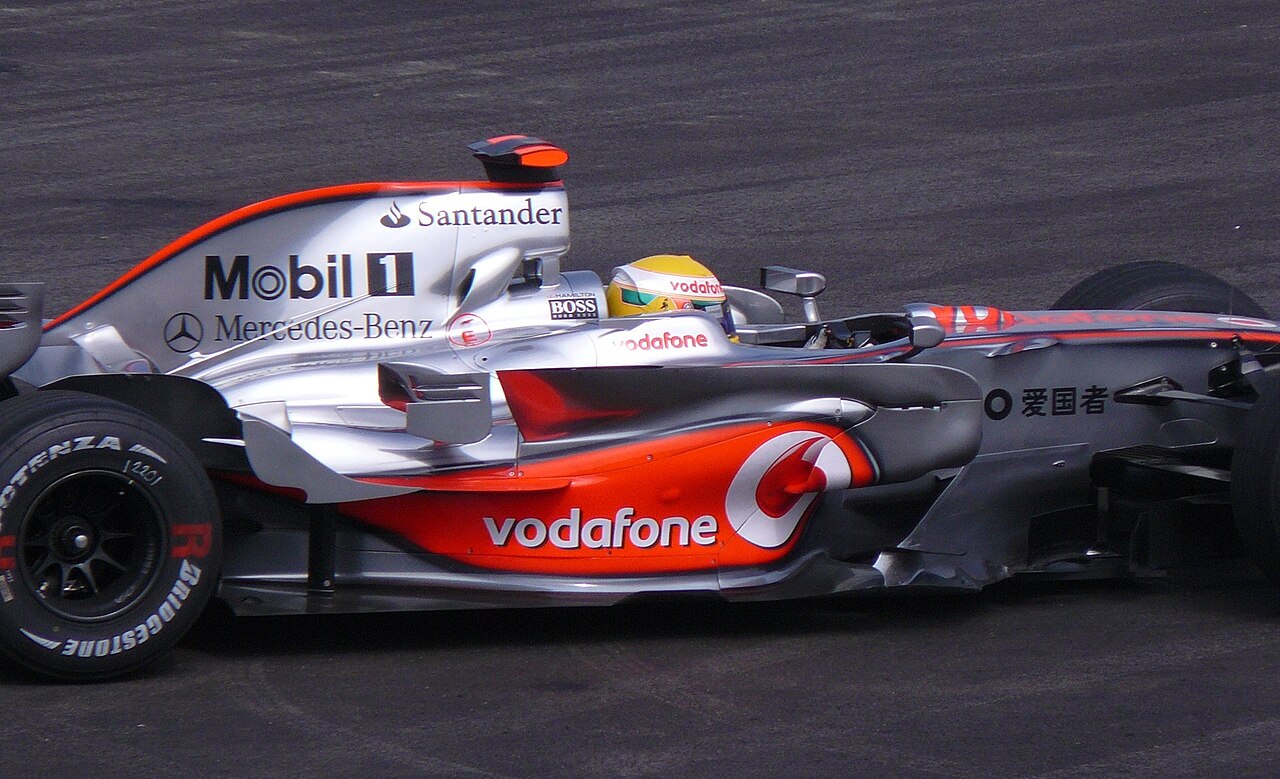
At Interlagos in São Paulo, the Formula One season ended with one of the most dramatic finishes in the sport's history. Lewis Hamilton of McLaren arrived at the Brazilian Grand Prix seven points ahead of Ferrari's Felipe Massa, so fifth place would be enough to make him champion. Massa, racing at home, led from pole and won the race. Late rain shuffled the order. Hamilton dropped to sixth when Sebastian Vettel passed him with two laps left, and as Massa crossed the finish line, he was briefly the world champion. His family and the Ferrari garage started celebrating.
On the final lap, however, Timo Glock of Toyota was struggling for grip on dry-weather tyres on the wet track. Hamilton passed him at the last corner and took fifth place, winning the championship by a single point, 98 to 97. At 23, he became the youngest Formula One world champion at the time and the first black driver to win the title. The tearful but dignified Massa on the podium became one of the lasting images of the season.
In Honolulu, Madelyn Dunham, the grandmother who helped raise Barack Obama, died of cancer at 86, two days before the presidential election. Obama had left the campaign trail in late October to visit her. He announced her death the next day at a rally in North Carolina.

Chen Yunlin, chairman of mainland China's Association for Relations Across the Taiwan Strait (ARATS), arrived in Taipei for a five-day visit. It was the first time the head of the Beijing body responsible for relations with Taiwan had visited the island, and the highest-level contact between the two sides in six decades. Chen came to hold talks with his Taiwanese counterpart, Chiang Pin-kung of the Straits Exchange Foundation (SEF). Their meeting the next day was the first between the leaders of the two organisations on Taiwanese soil.
The talks reflected a sharp warming in relations since Ma Ying-jeou of the Kuomintang became Taiwan's president in May 2008. On the agenda were daily direct flights, direct shipping and direct postal links across the Taiwan Strait. Until then, these services had been restricted or had to pass through third places such as Hong Kong. Agreements were signed on November 4, and the "three links" took effect in December, cutting hours off journeys for businesspeople and families.
Not everyone in Taiwan welcomed the visit. Supporters of the opposition Democratic Progressive Party feared that closer ties would erode Taiwan's autonomy, and they had rallied in large numbers in late October. Thousands of police were deployed during Chen's stay. Protests around his hotel and meeting venues turned into clashes in which more than 100 people were hurt. Police tactics drew criticism, and students began sit-ins that grew into the "Wild Strawberry" movement. Chen left Taiwan on November 7.
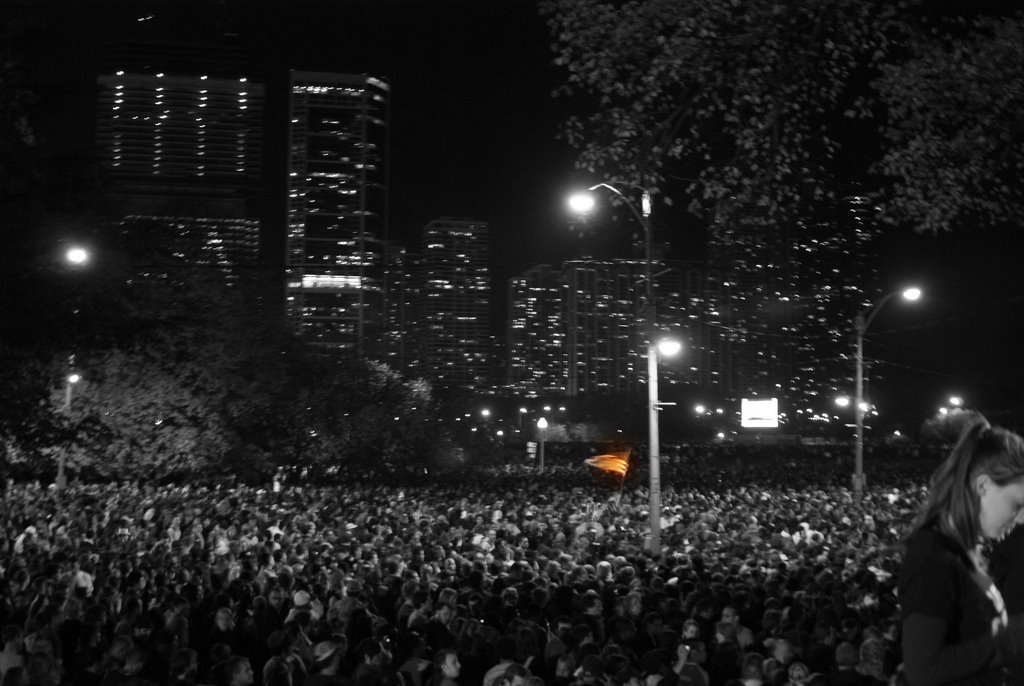
American voters elected Barack Obama, a 47-year-old first-term senator from Illinois, as the 44th President of the United States. Obama is the son of a Kenyan father and a mother from Kansas, and he became the first African American to win the White House. He defeated the Republican John McCain, a Vietnam War veteran and long-serving Arizona senator, by a wide margin. He won states that Democrats had not carried in decades, such as Virginia, Indiana and North Carolina. When the results were final, Obama had won about 69.5 million votes to McCain's 60 million, and 365 electoral votes to 173. Turnout was among the highest in decades, as the campaign drew huge numbers of young and first-time voters and long queues formed outside polling stations across the country.
Shortly before midnight Eastern time, Obama walked out in front of a crowd estimated at well over 100,000 people in Grant Park, Chicago. "If there is anyone out there who still doubts that America is a place where all things are possible," he began, "tonight is your answer." He declared that "change has come to America", and the crowd answered with his campaign slogan, "Yes we can". In Arizona, McCain gave a gracious concession speech, calling the result historic and urging his supporters to back the new president.
Congratulations came from around the world, and there were celebrations in Kenya, where his father's family lived, and in Indonesia, where he had spent part of his childhood. Obama would take office on January 20, 2009, inheriting two wars and the worst financial crisis since the Great Depression. On the same day, Democrats increased their majorities in both houses of Congress.
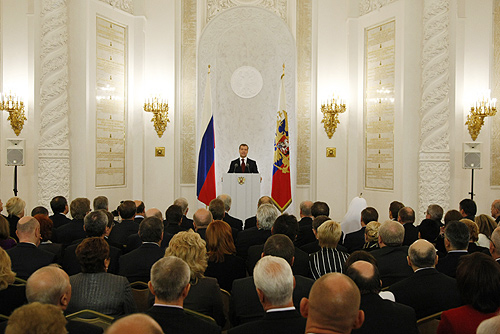
Hours after Barack Obama won the US election, Russian President Dmitry Medvedev gave his first annual address to parliament in the Kremlin. It was meant to be a speech mainly about Russia's domestic affairs, but its sharpest lines were aimed at Washington. Medvedev said that, "to neutralise, if necessary" the American missile defence system planned for Poland and the Czech Republic, Russia would deploy short-range Iskander missiles in Kaliningrad. Kaliningrad is the Russian exclave on the Baltic, between Poland and Lithuania. He also said Russia would scrap plans to withdraw three missile regiments and would jam the US system electronically.
Medvedev blamed the United States for both the war in Georgia in August and the global financial crisis, accusing it of acting unilaterally and of a "selfish" economic policy. He did not congratulate Obama on his victory. The timing, so soon after the election, surprised many observers. Some analysts thought the tough words were aimed mainly at audiences at home; others saw them as an early test for the new US president.
In the same speech, Medvedev proposed changing the constitution to extend the presidential term from four years to six and the term of the State Duma from four years to five. Critics immediately suggested the change was designed to allow Vladimir Putin, then prime minister, to return to the presidency for longer. The Kremlin said the change would not apply to Medvedev's own term. The amendment passed quickly and took effect at the end of 2008. Putin returned to the presidency in 2012 for a six-year term.
Europe's central banks made a series of interest rate cuts in a single day. The biggest came from the Bank of England, which surprised the markets by cutting its benchmark rate by 1.5 percentage points, from 4.5% to 3%. Most economists had expected half a point or perhaps one point. It was the bank's largest cut in years, and the rate fell to its lowest level since the mid-1950s. The bank's Monetary Policy Committee said that the economic outlook had deteriorated sharply and that inflation, which had been well above target over the summer, was expected to fall quickly as oil prices dropped.
An hour later, the European Central Bank in Frankfurt cut its main rate by half a point to 3.25% for the fifteen countries then using the euro. The Swiss National Bank also made an unscheduled cut of half a point, to 2%. Earlier in the week, the Reserve Bank of Australia had also cut its rate. The moves were part of a worldwide easing of monetary policy as central banks tried to soften a recession that now looked unavoidable. Britain's economy was officially confirmed to be shrinking, and unemployment across Europe was rising.
In Chicago, President-elect Barack Obama made his first major appointment. Illinois congressman Rahm Emanuel, a sharp-elbowed former Clinton adviser, accepted the post of White House chief of staff.
In the middle of the school day, a three-storey building of the private La Promesse Évangélique school in Pétion-Ville, a hillside suburb of Haiti's capital Port-au-Prince, suddenly collapsed. Hundreds of pupils and teachers were inside, and the floors fell on top of one another. Neighbours dug through the concrete with their bare hands, and United Nations peacekeepers and rescue teams from abroad later joined them. Early reports spoke of about 50 dead. By the following day, the UN said the toll had reached 90, and in the end at least 93 people were confirmed dead, most of them children, with more than 150 injured.
Officials said the building had been badly constructed, with too little steel and cement, and that extra floors had been added over the years without proper approval. The school's owner, a pastor, was arrested and charged with involuntary manslaughter. The disaster showed how weak building standards were in Haiti, the poorest country in the Americas, which was still recovering from four tropical storms that had hit it in August and September. Fourteen months later, the January 2010 earthquake would show the same weakness on a far greater scale.
In Washington, the Labor Department reported that American employers had cut 240,000 jobs in October, more than economists had expected. The unemployment rate jumped from 6.1% to 6.5%, its highest level since March 1994, and about 1.2 million jobs had been lost so far that year. Hours later, at his first press conference as president-elect, Barack Obama said the figures showed that the economy faced its greatest challenge in a lifetime.
In the Sea of Japan, the brand-new Russian nuclear-powered attack submarine K-152 Nerpa was on sea trials when its fire suppression system went off without warning. The submarine was an Akula-class boat that had been under construction for years at a shipyard in Komsomolsk-on-Amur. The system sealed off two forward compartments and filled them with a fire-extinguishing gas meant to smother flames by removing oxygen. The gas was a freon compound known in Russia as khladon. Twenty people died of suffocation and about 40 more were taken to hospital. Most of the dead were civilian shipyard workers rather than sailors. More than 200 people were on board, far more than the usual crew, because of the trials.
The navy stressed that the reactor had not been affected and that there was no radiation danger. The submarine returned to port under its own power, escorted by other ships. It was the Russian navy's worst accident since the Kursk sank in 2000 with the loss of 118 lives. Investigators later blamed a crew member who they said had activated the system without permission. A military court eventually cleared him and the captain of negligence, and their supporters argued they had been made scapegoats for faults in the equipment.
Despite the tragedy, the Nerpa was completed. In 2012, it was leased to the Indian Navy and entered service as INS Chakra.
On Sunday evening, China's State Council announced a 4 trillion yuan stimulus package to protect the economy from the global financial crisis. It was worth about US$586 billion and was to be spent by the end of 2010. The package had been approved at an executive meeting chaired by Premier Wen Jiabao earlier in the week. At the time it was one of the largest economic rescue plans in the world, equal to roughly 15% of China's annual economic output.
The money was to go to ten main areas, including affordable housing, rural infrastructure, water, electricity, railways, roads and airports, environmental protection, technological innovation, health and education. Rebuilding after the May 12 Sichuan earthquake was also included. The government also announced a shift from a "prudent" to a "moderately loose" monetary policy, along with tax cuts for businesses and higher incomes for farmers and low-income families. The goal was to keep growth near 8%, a figure widely seen as necessary to create enough jobs.
Exports were falling fast, and factories in southern China were closing as orders from America and Europe dried up. The announcement came a week before the G20 summit in Washington, and it was welcomed around the world. IMF chief Dominique Strauss-Kahn said it would make a big contribution to world growth, and stock markets in Asia rose sharply the next day. Economists noted that part of the money had been announced before, and that much of it would have to come from local governments and bank loans. China's growth did recover strongly in 2009, but the debts taken on by local governments became a lasting concern.
The US government made its rescue of American International Group (AIG), the insurance giant, much larger. AIG had nearly collapsed in September under the weight of its bets on mortgage-linked securities, and it had already received an $85 billion emergency loan from the Federal Reserve. That loan had proved too small and too costly for the company to repay, so the Treasury and the Fed rewrote the deal. The Treasury agreed to buy $40 billion of AIG preferred shares with money from the new $700 billion Troubled Asset Relief Program. The Fed cut the interest rate on its loan and set up new facilities to take troubled mortgage securities off AIG's books. In total, the government's commitment rose to about $150 billion, the largest bailout of a single company in US history at that point. The government said the aim was to keep AIG strong while it sold off parts of its business. At the same time, AIG reported a third-quarter loss of more than $24 billion.
Circuit City, the second-largest electronics retailer in the United States after Best Buy, filed for Chapter 11 bankruptcy protection. It listed $3.4 billion in assets and $2.32 billion in debts. The company said it would stay open during the holiday season with $1.1 billion in emergency financing. But sales did not recover, and in January 2009 it announced it would close all of its 567 US stores. That put more than 30,000 people out of work, one of the most visible casualties of the crisis on America's high streets.
In Washington, President George W. Bush welcomed President-elect Barack Obama to the White House for talks in the Oval Office, while Laura Bush showed Michelle Obama around the family's future home.
At 11 am, ninety years to the hour after the Armistice of 1918 ended the fighting on the Western Front, Europe and the Commonwealth fell silent. The anniversary was especially moving because so few of the people who had fought were still alive.
In London, three of Britain's last surviving veterans of the war came to the Cenotaph in Whitehall in wheelchairs, wearing medals and poppies. Henry Allingham, aged 112, represented the Royal Air Force, Harry Patch, 110, represented the Army, and Bill Stone, 108, represented the Royal Navy. They led the nation in a two-minute silence and laid wreaths at the memorial. All three would die within the next year: Stone in January 2009, and Allingham and Patch in July 2009.
In France, the main ceremony took place at the Douaumont ossuary near Verdun. More than 300,000 soldiers died there in 1916, in one of the longest and bloodiest battles in history. President Nicolas Sarkozy laid a wreath with Prince Charles, the Australian Governor-General Quentin Bryce and Peter Müller, president of the German Bundesrat. No French or German veteran was present. France's last soldier of the war, Lazare Ponticelli, had died in March at the age of 110, and Germany's last veteran had also died that year. Sarkozy paid tribute to soldiers of all sides and called for Franco-German reconciliation, which had grown out of the war, to remain the foundation of a peaceful Europe.
Ceremonies were also held in Canberra, Ottawa, Wellington and many other places across the former British Empire, where Remembrance Day is marked each year.
Six weeks after Congress approved the $700 billion Troubled Asset Relief Program (TARP), US Treasury Secretary Henry Paulson announced that the government would not use it for its original purpose. When he asked Congress for the money in September, Paulson had said it would be used to buy "toxic" mortgage-backed securities from banks and clear their balance sheets. Now he told reporters that buying such assets would take too long and would not be enough, given how severe the crisis had become. Instead, the government would continue putting capital directly into banks in exchange for shares, as Britain and other European countries had done. Much of the first $350 billion was already committed to that.
Paulson also said the Treasury would look at ways to support credit card loans, car loans and student loans, which had become hard for consumers to get. The change in course shocked investors who had been expecting the government to buy the assets. Prices of mortgage securities fell, US stocks dropped about 4%, and critics in Congress accused the Treasury of changing the rules after the vote.
In Kandahar, southern Afghanistan, men on motorbikes threw acid in the faces of a group of girls and teachers as they walked to the Mirwais Mena girls' school. About 15 people were hurt, and some were left with lasting burns to their faces and eyes. President Hamid Karzai condemned the attack, and it was criticised around the world. One of the victims, 17-year-old Shamsia Husseini, refused to be frightened away. She went back to school, and years later she became a teacher at the same school.
Germany's Federal Statistical Office reported that the country's economy, the largest in Europe, had shrunk by 0.5% in the third quarter of 2008, following a 0.4% contraction in the second quarter. Two quarters of decline in a row meant that Germany was officially in recession for the first time since 2003. The drop was bigger than economists had expected, as most had forecast a fall of 0.1–0.2%. It was blamed mainly on weakening exports, the traditional engine of the German economy. Demand for German cars, machinery and equipment was collapsing around the world as the financial crisis spread.
The government of Chancellor Angela Merkel had just approved a modest stimulus package, and it came under pressure to do more. Economists warned that worse was to come, with factory orders falling sharply and companies starting to cut jobs. Their warnings proved right. The next day, figures showed that the eurozone as a whole was in recession for the first time since the euro was created in 1999. In February 2009, Germany reported a fall of 2.1% for the last quarter of 2008, its worst quarter since reunification.
In New York, US stocks staged a dramatic turnaround. In the morning the Dow Jones Industrial Average fell below 8,000, reaching its lowest point in more than five years. It then rallied in the afternoon and closed up about 553 points, or 6.7%, at 8,835. The swing showed how nervous investors were as more and more data pointed to a deep global downturn.
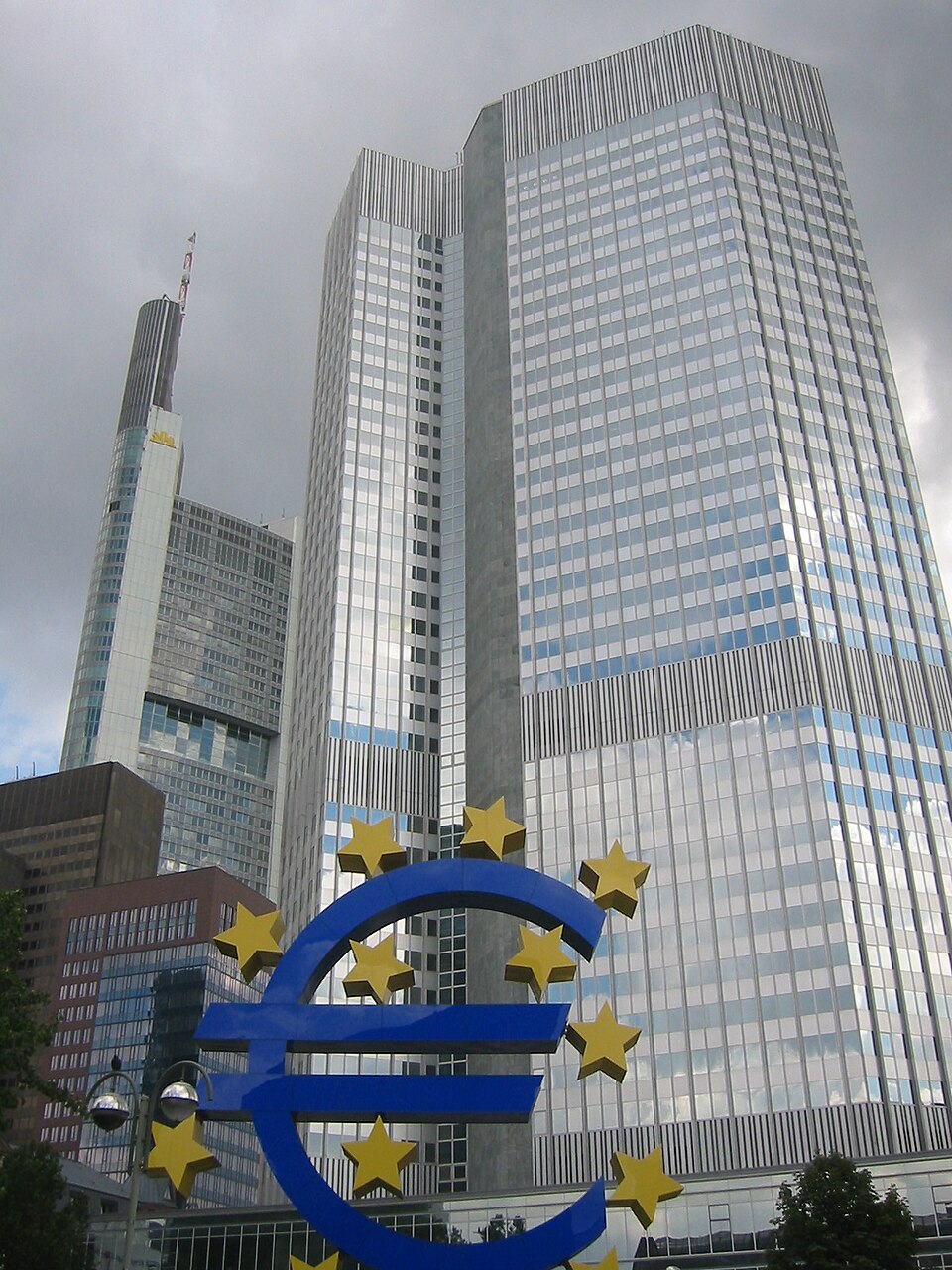
Eurostat, the European Union's statistics office, reported that the economy of the 15 countries sharing the euro had shrunk by 0.2% between July and September, after an equal fall in the second quarter. Two quarters of decline in a row meant that the eurozone was officially in recession for the first time since the single currency was created in 1999. Germany had confirmed its own recession the day before, and Italy was also shrinking. France was one of the few bright spots, growing by a surprising 0.1%.
The figures put new pressure on governments and the European Central Bank to act. The European Commission had already warned that growth would almost stop in 2009. Calls grew for a coordinated European stimulus plan, which EU leaders would agree to in December. On the eve of the G20 summit in Washington, the data showed that the crisis was no longer just about banks. It had become a global economic downturn reaching every major economy.
At about 8:31 pm Indian time, the Moon Impact Probe was released from the Chandrayaan-1 spacecraft orbiting the Moon. About 25 minutes later, it crashed into the lunar surface near the Shackleton crater at the south pole, as planned. The 35 kg probe carried India's flag painted on its sides, and on the way down it sent back pictures and measurements of the Moon's thin atmosphere. India became the fourth country, after the Soviet Union, the United States and Japan, to place its national flag on the Moon. The day was also the birthday of India's first prime minister, Jawaharlal Nehru.
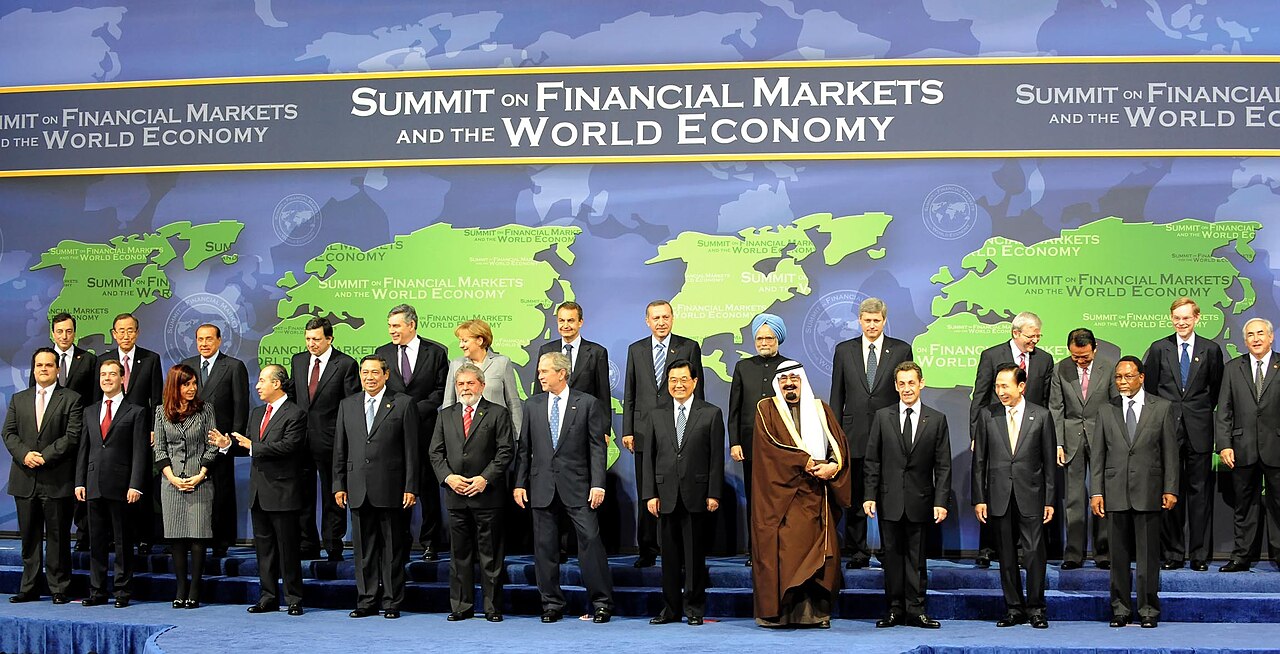
In Washington, leaders of the Group of Twenty major economies met for the first time at summit level to deal with the global financial crisis. The G20 had existed since 1999 as a meeting of finance ministers. Now President George W. Bush hosted presidents and prime ministers from the world's largest developed and emerging economies at the National Building Museum. They included Hu Jintao of China, Manmohan Singh of India, Luiz Inácio Lula da Silva of Brazil, Dmitry Medvedev of Russia, Gordon Brown of Britain and Nicolas Sarkozy of France. The meeting showed that the rich G8 club could no longer manage the world economy alone.
The leaders issued a declaration on financial markets and the world economy. They promised to take whatever further steps were needed to stabilise the financial system. They agreed to use government spending to boost demand where it made sense, and to make sure the IMF and World Bank had enough resources to help countries in trouble. They also agreed to tighten the regulation of banks, hedge funds and credit rating agencies, and to give developing countries a greater voice in international financial institutions. They pledged not to raise new trade barriers for a year, and to push to complete the Doha round of world trade talks. In his speech, President Hu Jintao called for cooperation to "overcome the difficulties together". He said that keeping China's own economy growing steadily was its most important contribution, and he called for reform of the international financial system. The leaders agreed to meet again by April 2009, and that meeting was held in London.
Off the coast of East Africa, Somali pirates hijacked the Sirius Star, a supertanker owned by Saudi Aramco. It was carrying about two million barrels of crude oil, worth more than $100 million and equal to more than a quarter of Saudi Arabia's daily exports. The ship was seized about 450 nautical miles south-east of Mombasa, Kenya, much further from shore than pirates had operated before. It became the largest ship ever captured by pirates. Its crew of 25 was reported safe, and the ship was taken towards the pirate base of Eyl in Somalia. It was released in January 2009 after a ransom was paid.
In Baghdad, Iraq's cabinet approved a security agreement with the United States that set a firm date for American troops to leave the country. After almost a year of difficult negotiations, 27 of the 28 ministers present voted in favour. Under the pact, US combat troops would withdraw from Iraqi cities by June 30, 2009, and all American forces would leave Iraq by the end of 2011. It gave Iraq new powers over the roughly 150,000 US troops still in the country. Iraqi courts could try American soldiers and contractors for serious crimes committed off duty and outside their bases, and US forces would need Iraqi approval for their operations.
The agreement replaced the UN mandate that had covered foreign troops since the 2003 invasion, which was due to expire at the end of 2008. Prime Minister Nouri al-Maliki's government called it a step towards restoring full sovereignty. The White House described it as a "positive step". Followers of the Shiite cleric Muqtada al-Sadr opposed any deal that kept US troops in Iraq, and they called for protests. The Iraqi parliament approved the pact later that month. The last American troops left Iraq in December 2011, as the agreement required.
In Los Angeles, firefighters battled the Sayre Fire, which had broken out late on Friday night in the hills above Sylmar. Pushed by hot, dry Santa Ana winds, it raced through the Oakridge mobile home park in the early hours of Saturday, destroying almost 500 homes within minutes. Other fires burned in Montecito near Santa Barbara and in Orange and Riverside counties, forcing tens of thousands of people to evacuate. Governor Arnold Schwarzenegger declared a state of emergency. In total, the fires destroyed nearly 1,000 homes, but no one was killed.
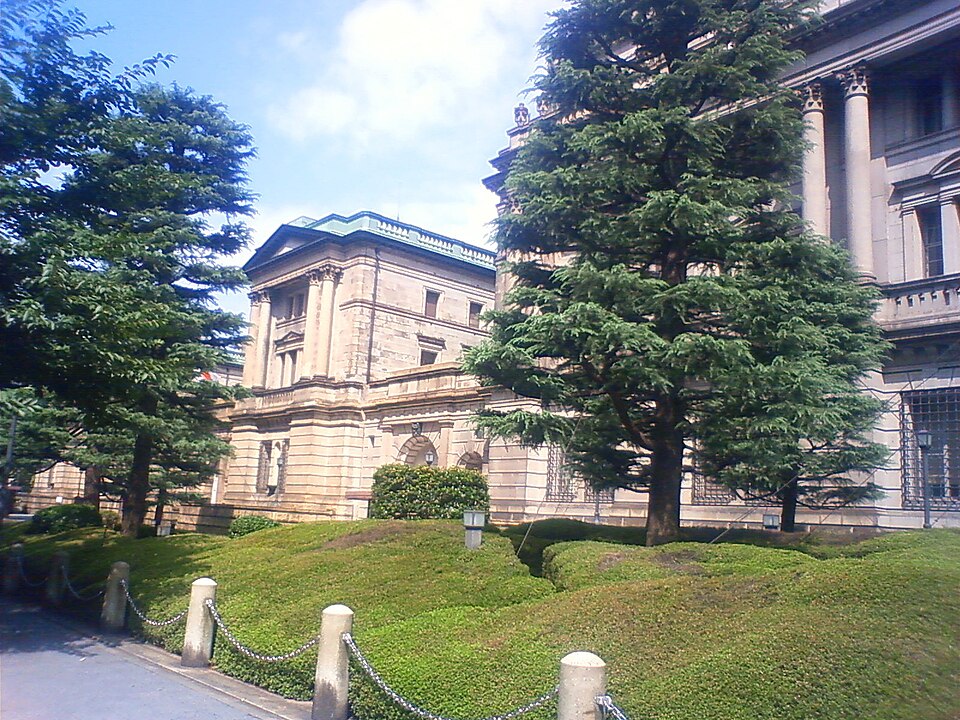
Japan's Cabinet Office announced that the world's second-largest economy had shrunk by 0.1% in the July–September quarter, or 0.4% at an annual rate. The previous quarter's decline was revised to 0.9%. Two quarters of decline in a row meant that Japan was officially in recession for the first time since 2001. Economists had expected a small rise, so the news was a shock. The main cause was a 1.7% fall in business investment, as companies shelved plans for new factories and equipment. Exports to the United States and Europe were also weakening, and the rising yen made Japanese goods more expensive abroad.
With Japan joining the eurozone, Germany and Britain, three of the world's biggest economic regions were now in recession or close to it. Prime Minister Taro Aso, who had taken office in September, was already preparing a stimulus package that included cash handouts to every household.
In New York, Citigroup, at the time one of the largest banks in the world, announced it would cut another 52,000 jobs. Chief executive Vikram Pandit said the bank aimed to reduce its costs by 20%. About half of the cuts would come from layoffs and natural turnover, and the rest from selling parts of the business. Together with 23,000 jobs already eliminated earlier that year, the bank was shedding about 75,000 positions, roughly a fifth of its workforce. That would leave it with around 300,000 employees. It was one of the largest job cuts in the history of Wall Street. Within days, Citigroup's share price had collapsed, and on November 23 the US government agreed a second rescue for the bank.
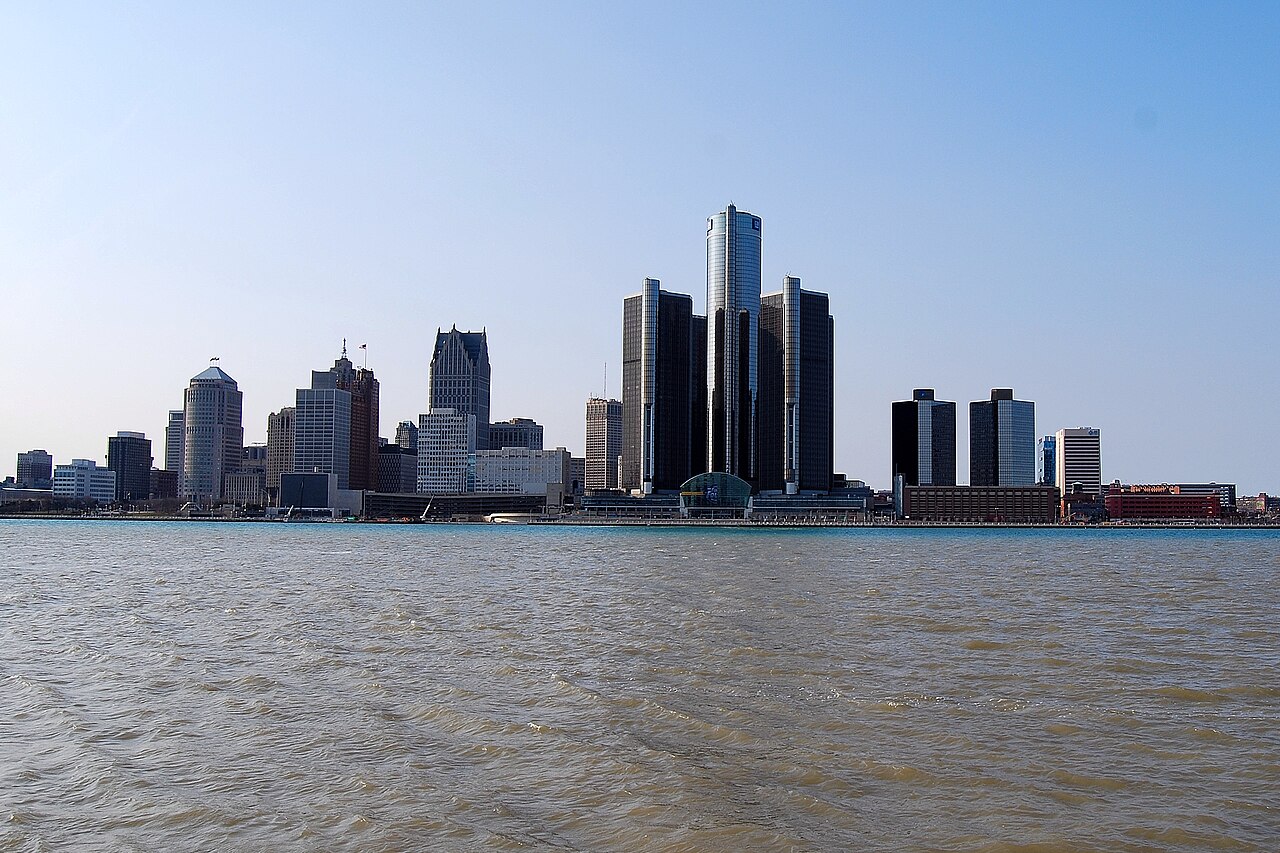
The heads of America's "Big Three" carmakers appeared before the Senate Banking Committee in Washington to ask for $25 billion in emergency government loans. They were Rick Wagoner of General Motors, Alan Mulally of Ford and Robert Nardelli of Chrysler. Sales had collapsed as credit dried up and petrol prices swung wildly, and GM warned it could run out of cash within months. Wagoner told the senators that without help, the collapse of the American car industry would cost millions of jobs at the carmakers, their suppliers and dealers.
The plea went badly. Reporters quickly discovered that all three chief executives had flown to Washington on their companies' private jets. ABC News estimated that Wagoner's round trip alone cost about $20,000. At a House hearing the next day, one congressman asked the three men to raise their hands if they had flown commercial. None did. The image of executives arriving in luxury jets to ask for taxpayers' money became a symbol of corporate excess. Congress did not approve the loans that week. When the bosses returned in December to ask again, they drove from Detroit in hybrid cars. Help eventually came from the Bush administration in December, and GM and Chrysler went bankrupt in 2009.
In Geneva, the international talks on security after the August war between Russia and Georgia resumed for a second round. The first round in October had broken down on its opening day. This time, delegates from Russia, Georgia and the breakaway regions of South Ossetia and Abkhazia took part in working groups, without the formal status questions that had blocked the earlier session. A UN official called it an "important qualitative leap", although no agreements were reached.
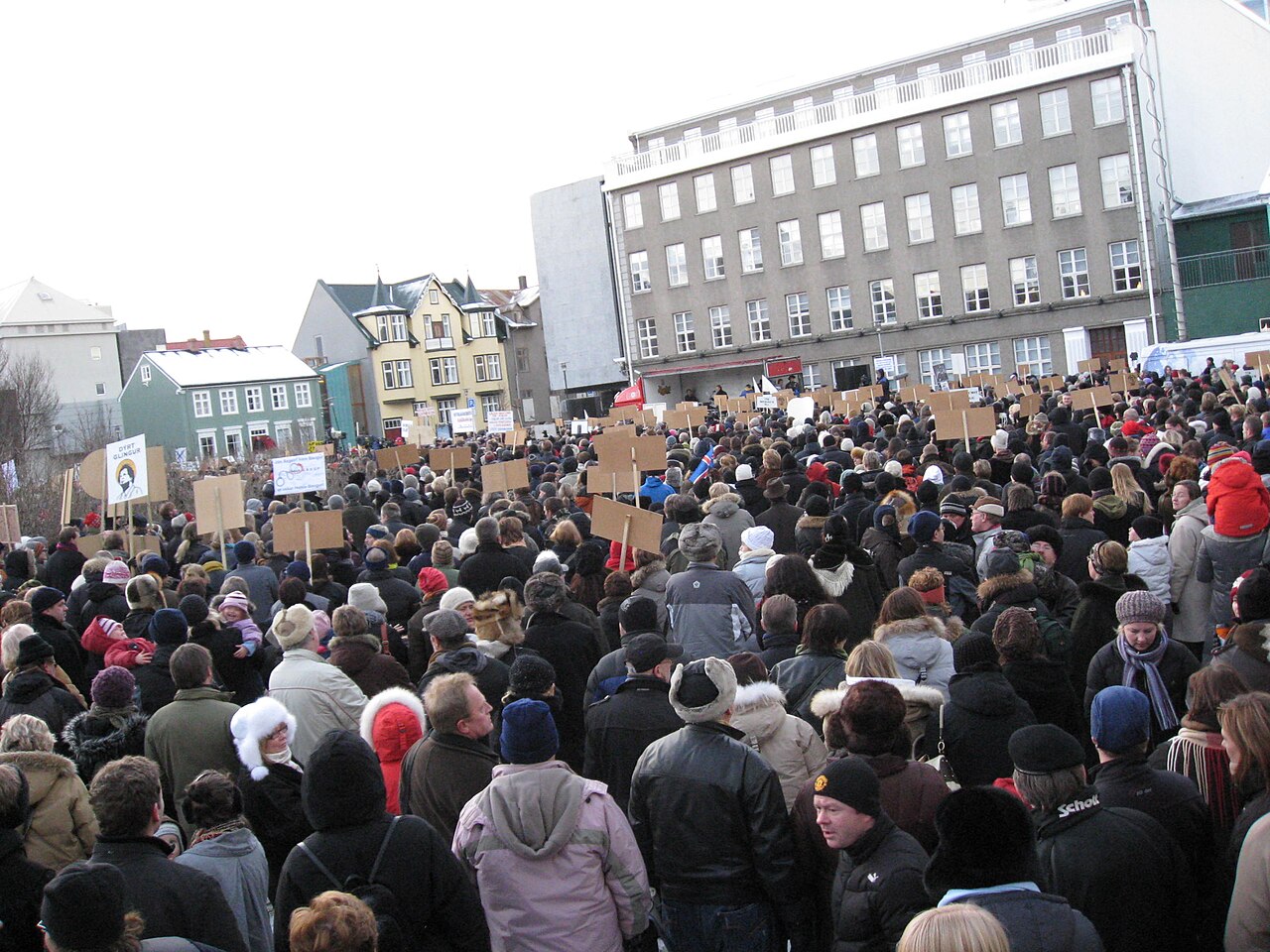
In Washington, the International Monetary Fund's Executive Board approved a two-year loan of about US$2.1 billion for Iceland, a small North Atlantic nation of 320,000 people. About $827 million was paid out at once, and the rest was to follow in eight instalments after regular reviews. Finland, Sweden, Norway and Denmark promised about $2.5 billion more, which brought the total rescue to around $4.6 billion. It was a dramatic fall for a country that had ranked among the richest in the world only a year earlier.
Iceland's collapse had been sudden and spectacular. During the boom years, its three big banks, Kaupthing, Landsbanki and Glitnir, had borrowed heavily abroad and expanded across Europe. Their combined assets grew to around ten times the size of the island's economy, and they attracted savers in Britain and the Netherlands with high-interest online accounts such as Icesave. When credit markets froze in the autumn of 2008, the banks could not refinance their debts. All three collapsed within a week in early October, and the state took them over. The Icelandic króna crashed, prices of imported goods soared, and stock market trading was halted. Britain even used anti-terrorism laws to freeze Landsbanki's assets in the UK, which caused a bitter dispute between the two countries.
The IMF programme required Iceland to stabilise its currency with high interest rates and temporary capital controls, restructure its banks and cut its budget deficit. Protesters gathered in Reykjavík every week to demand the government's resignation. In January 2009, the government fell, and Iceland became one of the first countries whose government was brought down by the financial crisis.
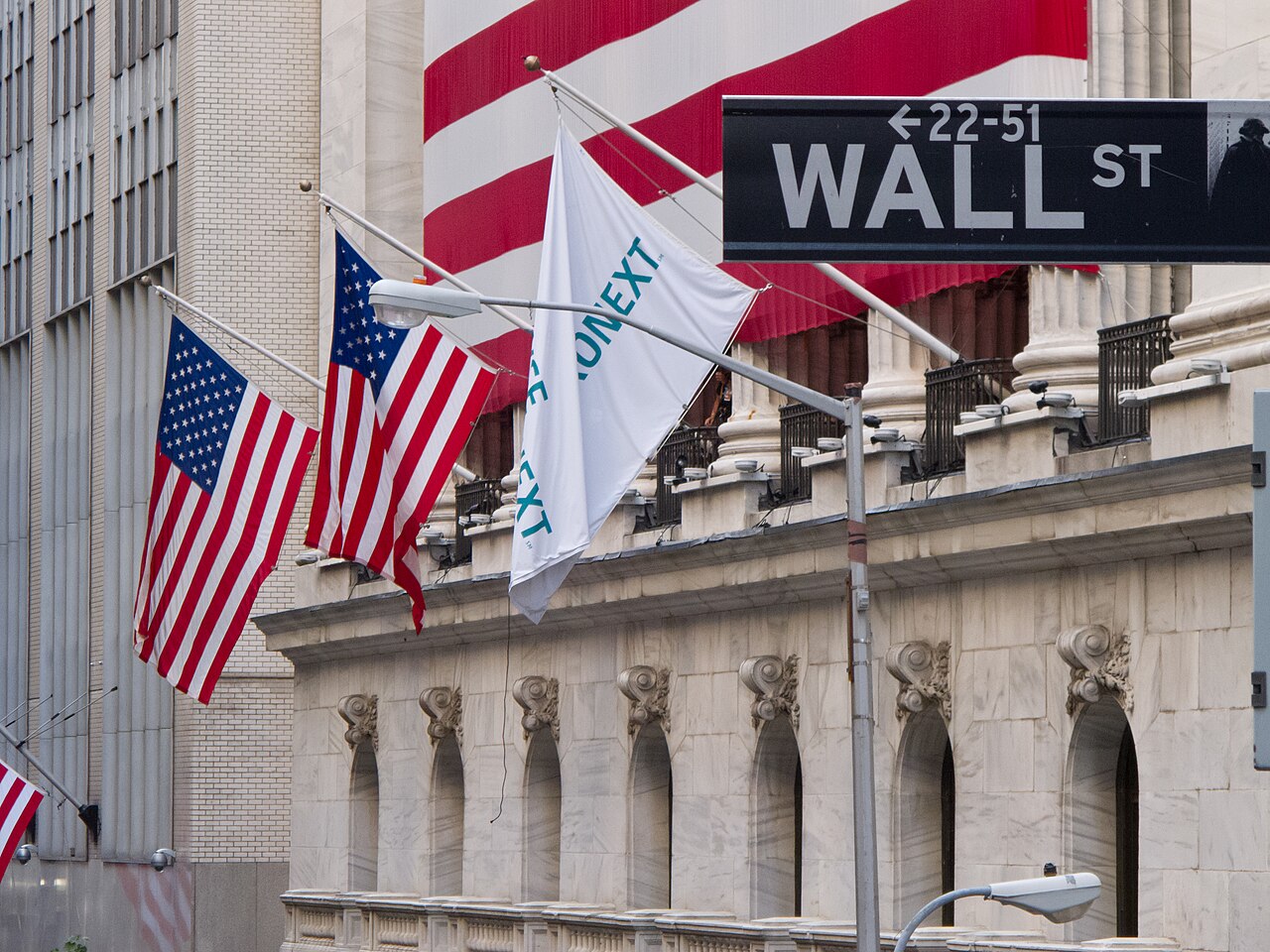
US stocks had another heavy day of selling. In the last minutes of trading, the Dow Jones Industrial Average fell about 445 points, or 5.6%, and closed at 7,552, its lowest level in more than five years. The broader S&P 500 index fell 6.7% to 752, a level last seen in 1997. In just over a year, it had lost about half its value since its peak in October 2007, wiping out more than a decade of gains. Over the previous two days the Dow had fallen by more than 850 points.
The main fears were about the banks and the car industry. Citigroup's shares plunged a further 26% and fell below $5 for the first time in 15 years, because investors doubted whether the bank could survive even after its plan to cut 52,000 jobs. Saudi Prince Alwaleed bin Talal, one of its biggest shareholders, announced he would raise his stake to show confidence, but that did not stop the fall. In Washington, congressional leaders put off a vote on emergency loans for the Detroit carmakers and told them to come back in December with a detailed plan. Meanwhile, new figures showed jobless claims rising to a 16-year high.
The fall came just after the G20 summit, which had promised coordinated action but few concrete measures. It also came before Barack Obama had named his economic team. The next day, reports that he would choose the respected New York Federal Reserve president Timothy Geithner as Treasury Secretary sent the Dow up by more than 6%. Within days, the government agreed a second rescue for Citigroup.
After two days of heavy losses had wiped 873 points off the Dow, US stocks rallied in the last hour of trading on news about President-elect Barack Obama's choice of Treasury Secretary. At about 3 pm, NBC News reported that Obama would nominate Timothy Geithner, president of the Federal Reserve Bank of New York. The Dow Jones Industrial Average then jumped and closed up 494 points, or 6.5%, at 8,046. It was one of the biggest one-day point gains in its history. The S&P 500 rose 6.3%, and the Nasdaq rose 5.2%.
At 47, Geithner was young for the job, but he was already at the centre of the crisis response. Together with Treasury Secretary Henry Paulson and Fed Chairman Ben Bernanke, he had helped organise the sale of Bear Stearns, the rescue of AIG and the decision to let Lehman Brothers fail. Investors welcomed the choice of an experienced crisis manager, who would also provide some continuity in the critical months before Obama took office on January 20. The nomination was announced officially the following Monday, along with former Treasury Secretary Lawrence Summers as the head of the National Economic Council.
Even so, it was a grim week. The Dow had fallen about 5% over the week, and new figures showed job losses and factory closures spreading. On the same day, reports emerged that Citigroup's board was considering selling all or part of the bank. Over the weekend, US officials worked on a plan to save it.
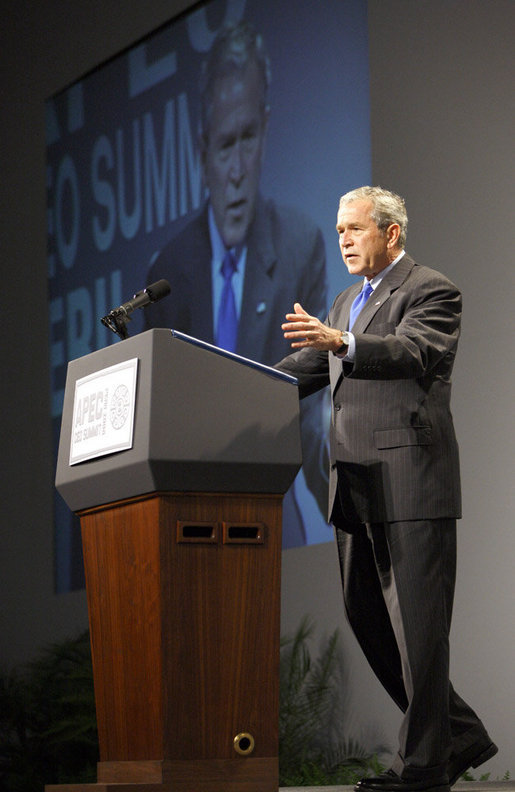
Leaders of the 21 economies of the Asia-Pacific Economic Cooperation forum (APEC) met in Lima, the capital of Peru, as the global financial crisis deepened. The guests included US President George W. Bush, Chinese President Hu Jintao, Russian President Dmitry Medvedev and Japanese Prime Minister Taro Aso. The APEC economies together accounted for more than half of the world's output and nearly half of its trade.
On the first day of the summit, the leaders issued a special statement on the global economy. They said they were confident the crisis could be overcome within about 18 months, and they promised to "undertake all necessary economic and financial measures" to restore growth and confidence. They backed the action plan agreed at the G20 summit in Washington a week earlier. Most importantly, they pledged to reject protectionism and not to raise new barriers to trade and investment, and they called for a new push to complete the long-stalled Doha round of world trade talks. They warned that closing markets, as many countries had done in the 1930s, would only make the downturn worse.
Critics noted that the statement offered few concrete measures. For Bush, it was his last APEC summit before leaving office, and he told business leaders, "We refuse to accept protectionism in the 21st century". For the host, Peru, the meeting was a chance to present itself as a growing economy open to the Pacific. During his state visit to Peru, President Hu Jintao and President Alan García announced the conclusion of talks on a China–Peru free trade agreement, which was signed the following year.
Late on Sunday night, after a weekend of emergency talks, the US Treasury, the Federal Reserve and the Federal Deposit Insurance Corporation (FDIC) announced a rescue of Citigroup. Citigroup was one of the world's largest banks, with about $2 trillion in assets and branches in more than 100 countries. Its share price had fallen by about 60% in a single week, and officials feared that a collapse could set off a chain reaction across the global financial system. In the language of the time, the bank was simply "too big to fail".
Under the plan, the Treasury would put another $20 billion of capital into Citigroup from the $700 billion bank rescue fund, on top of $25 billion it had already received in October. More unusually, the government agreed to guarantee a pool of about $306 billion of Citigroup's riskiest loans and securities, most of them linked to property. Citigroup would bear the first $29 billion of losses on the pool, and the government would take 90% of any losses after that. The Federal Reserve would provide a loan if needed. In return, the government received preferred shares, and Citigroup had to limit its dividends and executive pay.
The rescue lifted markets the next day, when Citigroup's shares rose by more than half. It also showed that the government was moving from general programmes to case-by-case rescues of individual institutions. Critics asked why the largest banks were rescued while smaller ones were allowed to fail. In 2009, the government converted part of its stake into common shares, and Citigroup did not repay the taxpayers in full until the end of 2010.
In the House of Commons, Chancellor of the Exchequer Alistair Darling presented a Pre-Budget Report built around a £20 billion package to support the economy. Its centrepiece was a temporary cut in value-added tax, the sales tax on most goods and services, from 17.5% to 15%. The cut would take effect on December 1, just in time for Christmas shopping, and last for 13 months until the end of 2009. It was expected to cost the Treasury about £12.5 billion. The government also brought forward spending on schools, housing and transport, and gave more help to pensioners and families with children.
To pay for the package in the longer term, Darling announced a new top rate of income tax of 45% on earnings above £150,000 a year, to start in April 2011. National Insurance contributions would also rise, along with duties on alcohol, tobacco and fuel. It was the first time in decades that a Labour government had raised the top rate of tax, and the Conservative opposition accused it of ending the "New Labour" era.
Darling also admitted that the economy was already shrinking. The Treasury now expected output to fall by between 0.75% and 1.25% in 2009, compared with its March forecast of 2.75% growth. It also warned that government borrowing would rise to record levels in peacetime. Prime Minister Gordon Brown argued that a fiscal stimulus was needed, and many economists and other countries followed his approach in the weeks that followed.
In Chicago, President-elect Barack Obama formally presented his economic team: Timothy Geithner as Treasury Secretary and Lawrence Summers as director of the National Economic Council.
On the evening of November 25, thousands of anti-government protesters from the People's Alliance for Democracy (PAD) stormed Suvarnabhumi Airport, Bangkok's new international hub, and shut down all flights. The PAD wore yellow, the colour associated with Thailand's king. It had already occupied the prime minister's office compound for three months, and a day earlier a separate crowd had taken over the old Don Mueang Airport, which was used for domestic flights. The protesters wanted to force Prime Minister Somchai Wongsawat to resign, and to stop him returning from the APEC summit in Peru. Somchai was the brother-in-law of former Prime Minister Thaksin Shinawatra, whom the military had ousted in a 2006 coup. The PAD accused his government of being a front for Thaksin.
The occupation left more than 300,000 travellers stranded, among them many foreign tourists, at the start of the peak holiday season. It cost Thailand's economy, which depended heavily on tourism, billions of dollars. The government declared a state of emergency at the airports, but the police did not try to clear them by force. The siege ended on December 2, when the Constitutional Court dissolved the ruling People Power Party for electoral fraud and banned Somchai from politics. The airports reopened days later. Years afterwards, the courts ordered PAD leaders to pay compensation to the airport authority.
In Washington, the Federal Reserve announced it would buy up to $600 billion of debt and mortgage-backed securities issued by the housing finance companies Fannie Mae, Freddie Mac and others. It also set up a new $200 billion facility to support loans to students, car buyers and small businesses. This was the beginning of what became known as "quantitative easing" in the United States. Mortgage interest rates fell sharply in the following days.
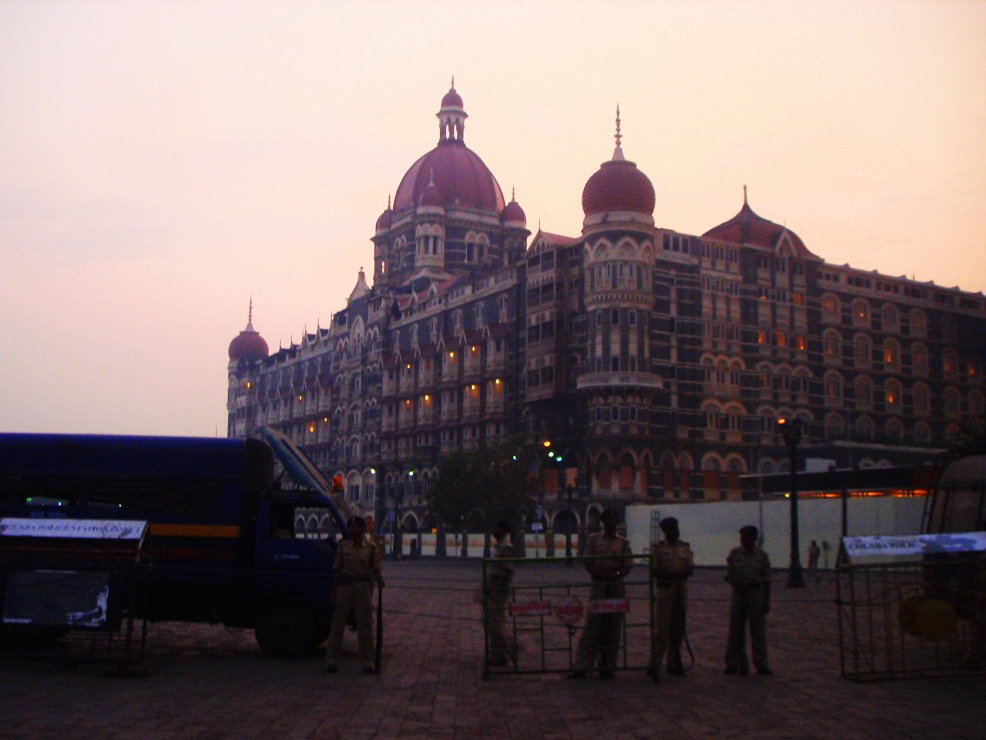
On the evening of November 26, ten gunmen who had arrived by sea from Pakistan launched a series of coordinated attacks across Mumbai, India's financial capital. They had sailed from Karachi, hijacked an Indian fishing boat on the way and killed its crew, before landing in inflatable boats near the city's southern tip. Splitting into small teams, they opened fire on passengers at the crowded Chhatrapati Shivaji Terminus railway station. They also attacked the Leopold Café, popular with tourists, the Cama hospital, the Jewish centre at Nariman House, and two luxury hotels, the Taj Mahal Palace and the Oberoi-Trident.
The gunmen took hostages in the hotels and at Nariman House, and the sieges went on for almost three days. Images of smoke and flames pouring from the dome of the century-old Taj hotel were seen around the world. Indian commandos finally regained control of the Taj on the morning of November 29. In total, about 166 people were killed and more than 300 injured. The dead included railway passengers, hotel staff and guests, police officers and foreign visitors from more than a dozen countries. Among them was Hemant Karkare, head of Mumbai's anti-terrorism squad.
Nine of the attackers were killed. The only one captured alive, Ajmal Kasab, told investigators they had been trained and sent by the Pakistan-based militant group Lashkar-e-Taiba. He was later sentenced to death and executed in 2012. The attacks deeply shocked India, led to the resignation of the country's home minister, and caused a sharp rise in tension between India and Pakistan.
In Beijing, the People's Bank of China cut its benchmark one-year lending rate by 1.08 percentage points to 5.58%, its largest single cut in more than a decade. It was part of the effort to support growth that had begun with the 4 trillion yuan stimulus package earlier that month.
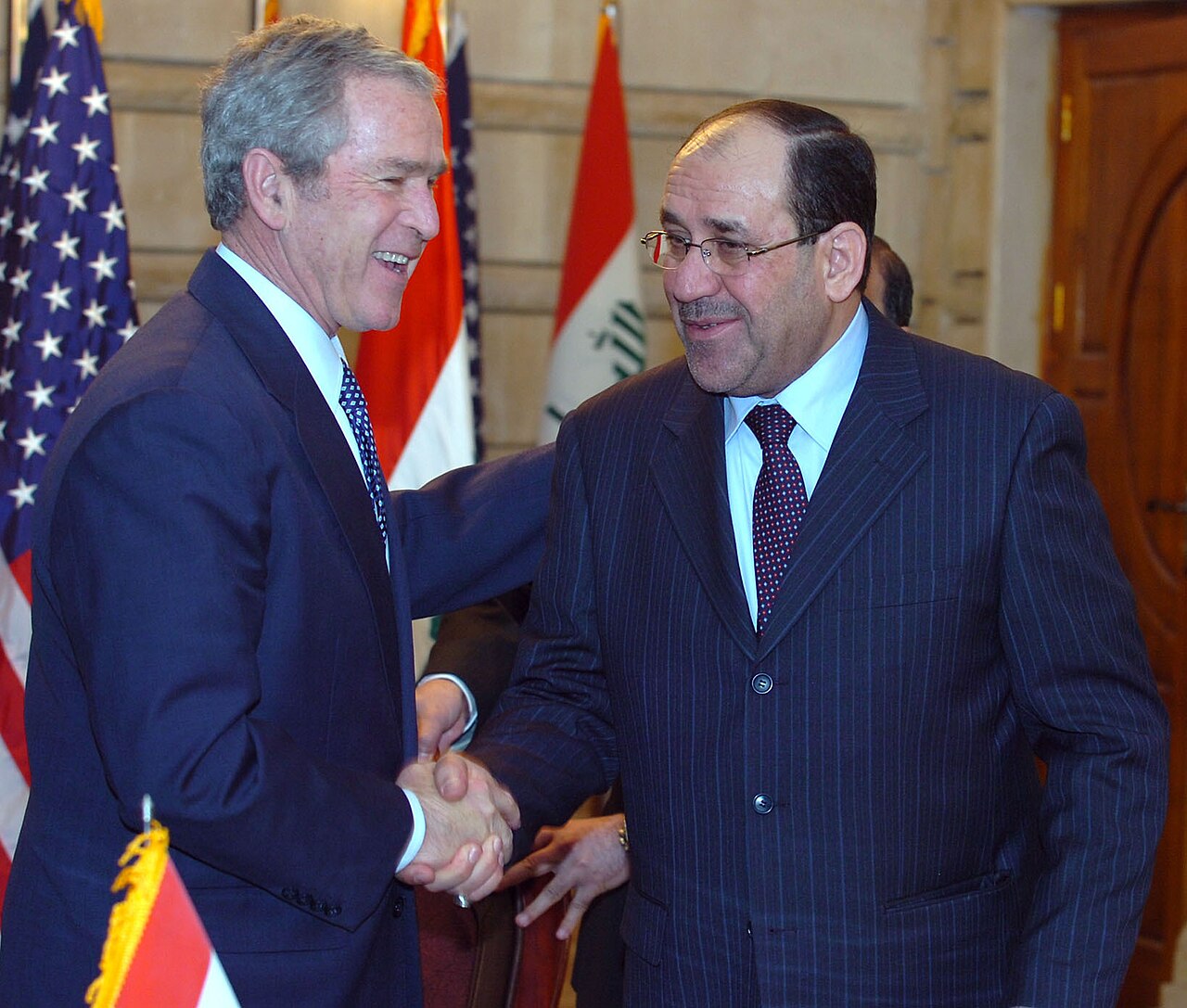
In Baghdad, Iraq's parliament approved the security agreement with the United States that set a timetable for American forces to leave the country. Of the 198 members present in the 275-seat assembly, 149 voted in favour. The pact had been approved by the cabinet on November 16. Under its terms, US combat troops would withdraw from Iraqi cities by mid-2009, and all American forces would leave by the end of 2011. Iraqi courts would gain jurisdiction over serious crimes by off-duty US soldiers and contractors, and US forces could no longer launch operations without Iraqi approval.
Prime Minister Nouri al-Maliki's Shiite-led government had won over the main Kurdish and Sunni blocs. To gain Sunni support, it agreed to hold a national referendum on the pact by July 2009, and to adopt a package of political reforms aimed at national reconciliation. The 30 lawmakers loyal to the Shiite cleric Muqtada al-Sadr voted against the pact. During the session they chanted slogans and held up banners against the American occupation. The pact still needed the approval of Iraq's three-member Presidential Council, which signed it in early December. The agreement took effect on January 1, 2009.
In Mumbai, Indian commandos fought for a second day to free hostages held by gunmen in the Taj Mahal Palace and Oberoi-Trident hotels and at Nariman House. Hundreds of guests were brought out to safety. Meanwhile, the death toll from the attacks of the night before continued to rise.
On "Black Friday", the day after Thanksgiving and the traditional start of the American Christmas shopping season, a crowd of around 2,000 bargain hunters had been waiting overnight outside a Wal-Mart store in Valley Stream, Long Island, near New York City. Just before the 5 am opening, as staff began to unlock the doors, the crowd surged forward and broke through the glass doors. Jdimytai Damour, a 34-year-old temporary worker from Queens, was knocked to the ground and trampled. Shoppers stepped over and around him as they rushed into the store, and some carried on shopping even after the staff announced that a worker had been killed. Several other people were hurt, including a woman who was eight months pregnant.
Police described the scene as "utter chaos" and said the store had not had enough security. Damour's family sued Wal-Mart, the shopping centre and the security company. Wal-Mart later reached an agreement with prosecutors to improve crowd safety at its stores. In a year when Americans were cutting back on spending amid the deepening recession, retailers had been offering huge discounts to tempt shoppers. The tragedy became a symbol of the darker side of consumer culture, and it led many stores to change how they handled holiday crowds.
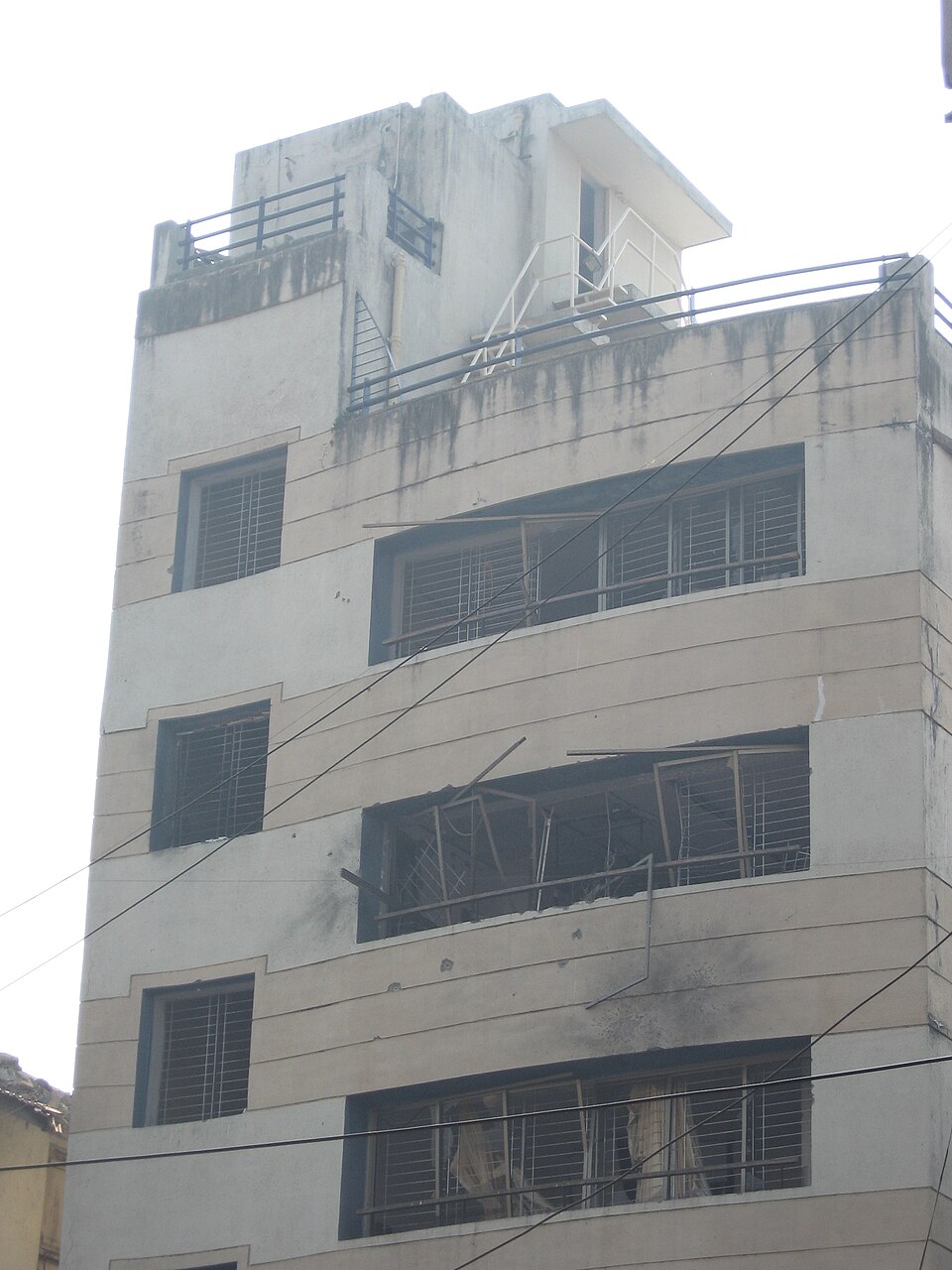
In Mumbai, Indian commandos landed by helicopter on the roof of Nariman House and retook the building after a long gun battle. The hostages inside were found dead, including the young rabbi Gavriel Holtzberg and his wife Rivka. Their two-year-old son Moshe had been carried to safety earlier by his Indian nanny. The fighting at the Oberoi-Trident hotel also ended that day, leaving only the Taj hotel still under siege.
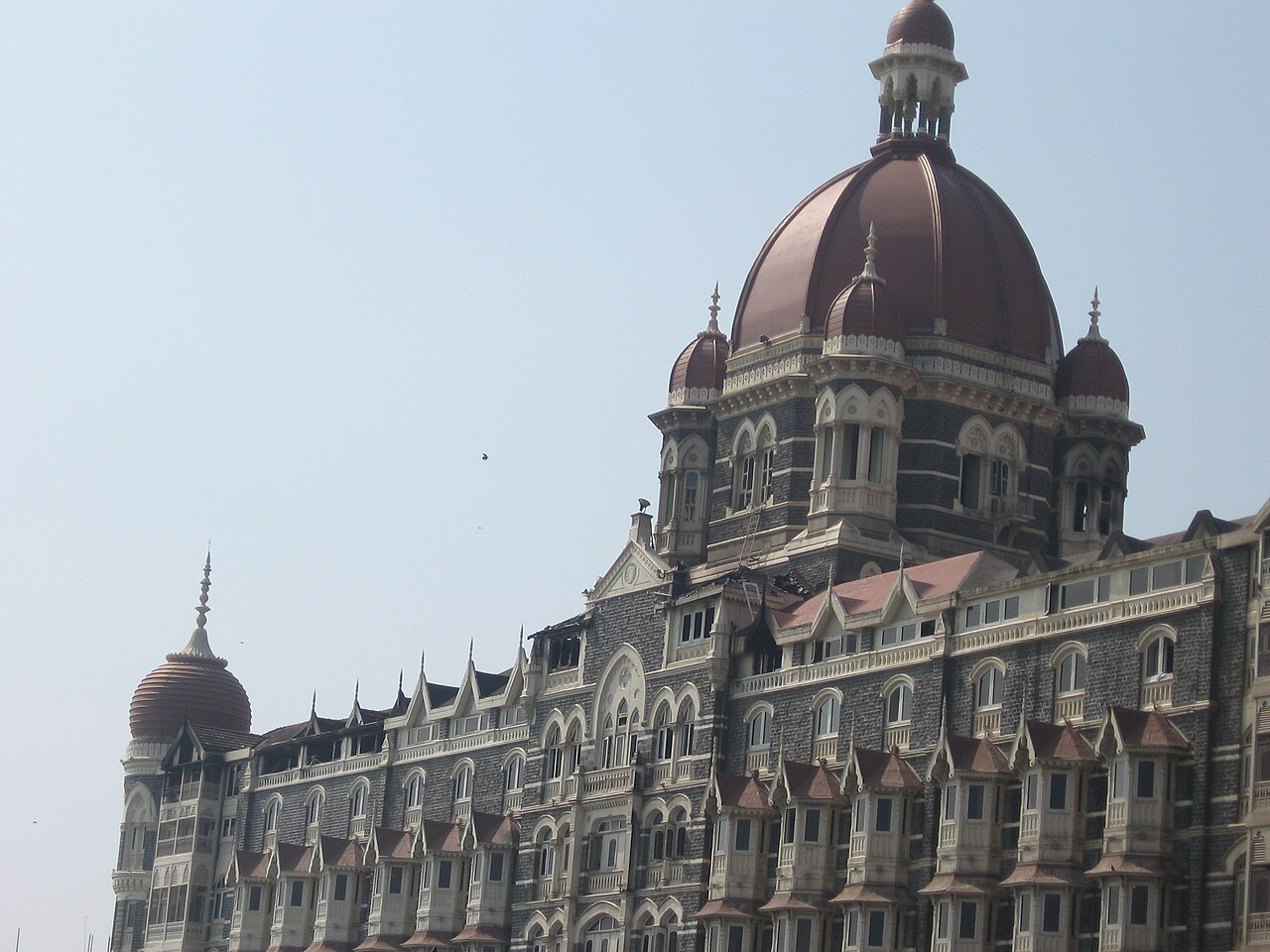
On Saturday morning, almost 60 hours after the attacks on Mumbai began, Indian commandos from the National Security Guard killed the last gunmen in the Taj Mahal Palace hotel. The battle for the Taj had been the longest and most difficult part of what the NSG called "Operation Black Tornado". The commandos had to fight room by room through a huge, 105-year-old building full of guests and staff, while the gunmen set fires and threw grenades. The final attackers were killed in the hotel's ground-floor area, and the commandos then spent hours searching the building and clearing explosives.
When it was over, the full scale of the attacks became clear. More than 160 people had died at the railway station, the hospital, the café, Nariman House and the two hotels. Many of the Taj's staff were praised for their courage in hiding guests and leading them to safety, and several of them died in the attempt. The hotel's general manager lost his wife and two sons in the fire. Television pictures of commandos standing outside the blackened facade, with a crowd cheering them, were shown around the world.
The political fallout began immediately. Over the next few days, Home Minister Shivraj Patil and the chief minister of Maharashtra state resigned. India said the attackers had come from Pakistan, and pressure on Islamabad grew sharply. In the months that followed, India also strengthened its coastal security and set up a National Investigation Agency. The Taj partly reopened less than a month later, on December 21.
The day after the last gunmen in Mumbai were killed, India's home minister, Shivraj Patil, resigned. He said he was taking "moral responsibility" for the attacks. Patil had been in charge of internal security throughout a year of bombings in cities including Jaipur, Ahmedabad, Delhi and Assam, and he had long been criticised as ineffective. Prime Minister Manmohan Singh accepted his resignation the same day and moved Finance Minister P. Chidambaram, a respected and energetic administrator, to the Home Ministry. Singh took over the finance portfolio himself for the time being. National Security Adviser M. K. Narayanan also offered to resign, but the prime minister did not accept.
The resignations came amid growing public anger. Indians accused their leaders of failing to act on intelligence warnings about an attack from the sea. They also pointed to the slow response by the police and commandos, and to the poor equipment of officers who had faced the gunmen with old rifles. Candlelight vigils and protests were held across the country, and in Mumbai crowds gathered outside the scarred Taj hotel. The government admitted there had been "lapses", and within days the chief minister of Maharashtra state also resigned.
By this point, officials said the attacks had killed more than 170 people, including nine of the gunmen. Indian investigators said the attackers had come from Pakistan, and pressure grew on Islamabad to act against Lashkar-e-Taiba. Pakistan's government condemned the attacks and promised to cooperate.
The National Bureau of Economic Research (NBER), the private group of economists that officially dates America's business cycles, announced that the US economy had been in recession since December 2007. The announcement confirmed what many families already felt. The economy had passed its peak a year earlier, and 1.2 million jobs had been lost since then. By the time it was over, it would be the longest US downturn since the Second World War. The economists said falling employment in particular had made the decline deep enough to count as a recession.
Wall Street reacted badly. The Dow Jones Industrial Average fell about 680 points, or 7.7%, to 8,149, one of its largest one-day falls ever. The S&P 500 dropped nearly 9%. Fresh data showed that American manufacturing had shrunk at its fastest pace in 26 years. Fed Chairman Ben Bernanke said in a speech that the central bank was ready to buy long-term Treasury bonds if needed, a sign that it was considering ever more unusual measures as interest rates approached zero.
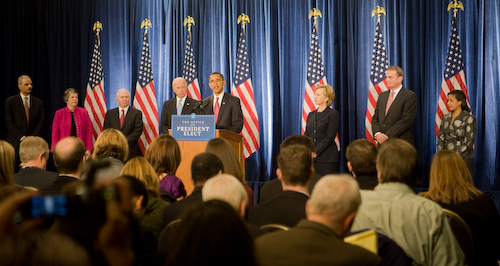
In Chicago, President-elect Barack Obama presented his national security team. He named Hillary Clinton, his tough rival for the Democratic nomination, as Secretary of State. He also asked Robert Gates, President Bush's Defense Secretary, to stay on at the Pentagon, which was unusual for a new president from another party. Retired Marine General James Jones was named National Security Adviser, and Susan Rice ambassador to the United Nations. Obama called it a team that would renew American leadership in the world. Commentators noted the experience of the team and Obama's willingness to bring former rivals into his government.
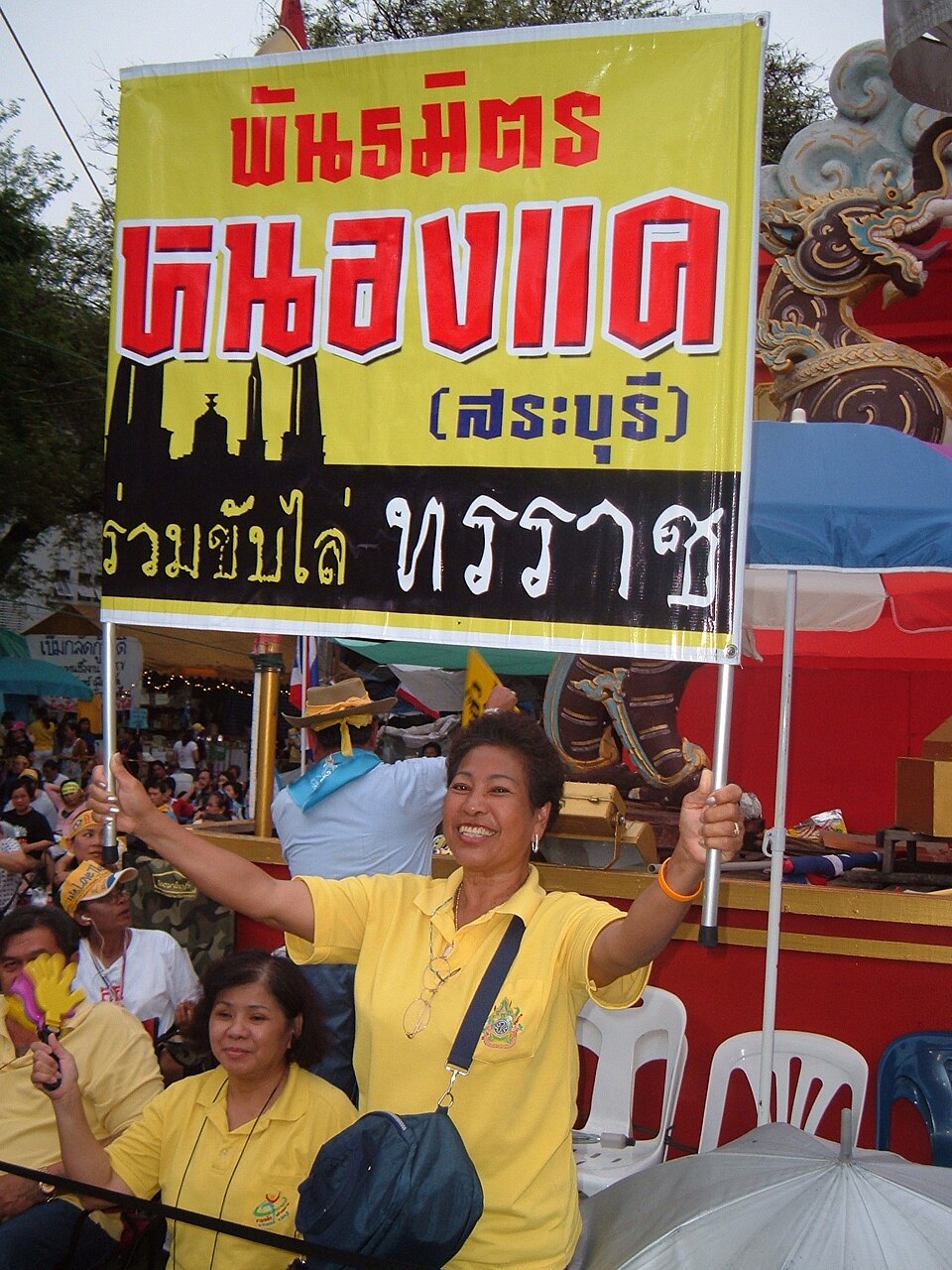
In Bangkok, Thailand's Constitutional Court dissolved the ruling People Power Party (PPP) and its two coalition partners, Chart Thai and Matchimathipataya. The court found them guilty of vote-buying in the December 2007 general election. Prime Minister Somchai Wongsawat and 36 other party executives were banned from politics for five years, so Somchai lost his post. "Dishonest political parties undermine Thailand's democratic system," the court's president said. Somchai said he accepted the ruling.
The verdict gave the anti-government People's Alliance for Democracy (PAD) the result it had been demanding. The PAD protesters, dressed in yellow, had occupied Bangkok's two airports for a week. That evening, their leaders announced they would end the sieges of Suvarnabhumi and Don Mueang, and the next morning they left, celebrating. Officials said international flights could resume within days. By then, the shutdown had stranded hundreds of thousands of travellers and caused heavy damage to the tourism industry, one of the country's most important sources of income.
Supporters of the government and of former Prime Minister Thaksin Shinawatra, known as the "red shirts", saw the ruling as a "judicial coup". They argued that the courts and the establishment had once again overturned the results of an election that Thaksin's allies had won. Most PPP members of parliament quickly regrouped in a new party, Pheu Thai. But some coalition partners changed sides, and on December 15 parliament elected the opposition Democrat Party leader Abhisit Vejjajiva as prime minister. Thailand's political divide between "yellow" and "red" would continue for years.
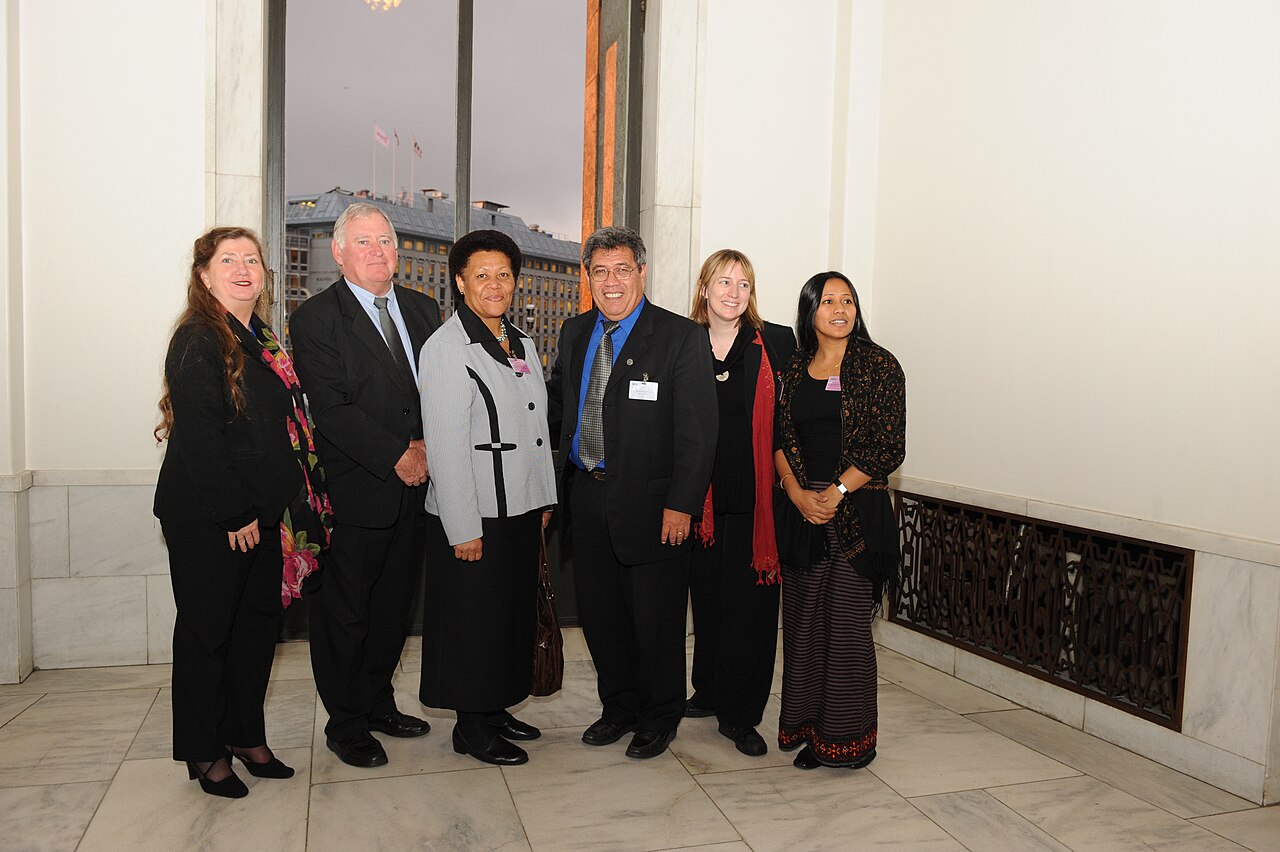
At Oslo City Hall, the same hall where the Nobel Peace Prize is awarded, governments began signing the Convention on Cluster Munitions. The treaty banned the use, production, stockpiling and transfer of cluster bombs. These are weapons that scatter dozens or hundreds of small bomblets over a wide area. Many of the bomblets fail to explode on impact and lie on the ground for years, like landmines, often killing and maiming civilians and children long after a war has ended. Laos, Cambodia, Vietnam, Kosovo and southern Lebanon were among the places still contaminated by them.
By the end of the two-day ceremony, 94 countries had signed. They included Britain, France, Germany, Japan and 18 NATO members in total. Norway, Ireland, the Holy See and Sierra Leone also ratified it on the spot. The treaty required states to destroy their stockpiles within eight years, clear contaminated land and help victims. Afghanistan's foreign minister signed at the last minute. The treaty grew out of the "Oslo Process", which Norway had begun in 2007 together with campaign groups and survivors. It was partly inspired by public anger over the bomblets left behind in southern Lebanon after the 2006 war.
Several of the largest military powers and producers of cluster munitions did not join. They included the United States, Russia, China, India, Pakistan and Israel, which said the weapons still had legitimate military uses or that the issue should be handled in other forums. The treaty entered into force on August 1, 2010, after the 30th ratification. By then it had more than 100 signatories.
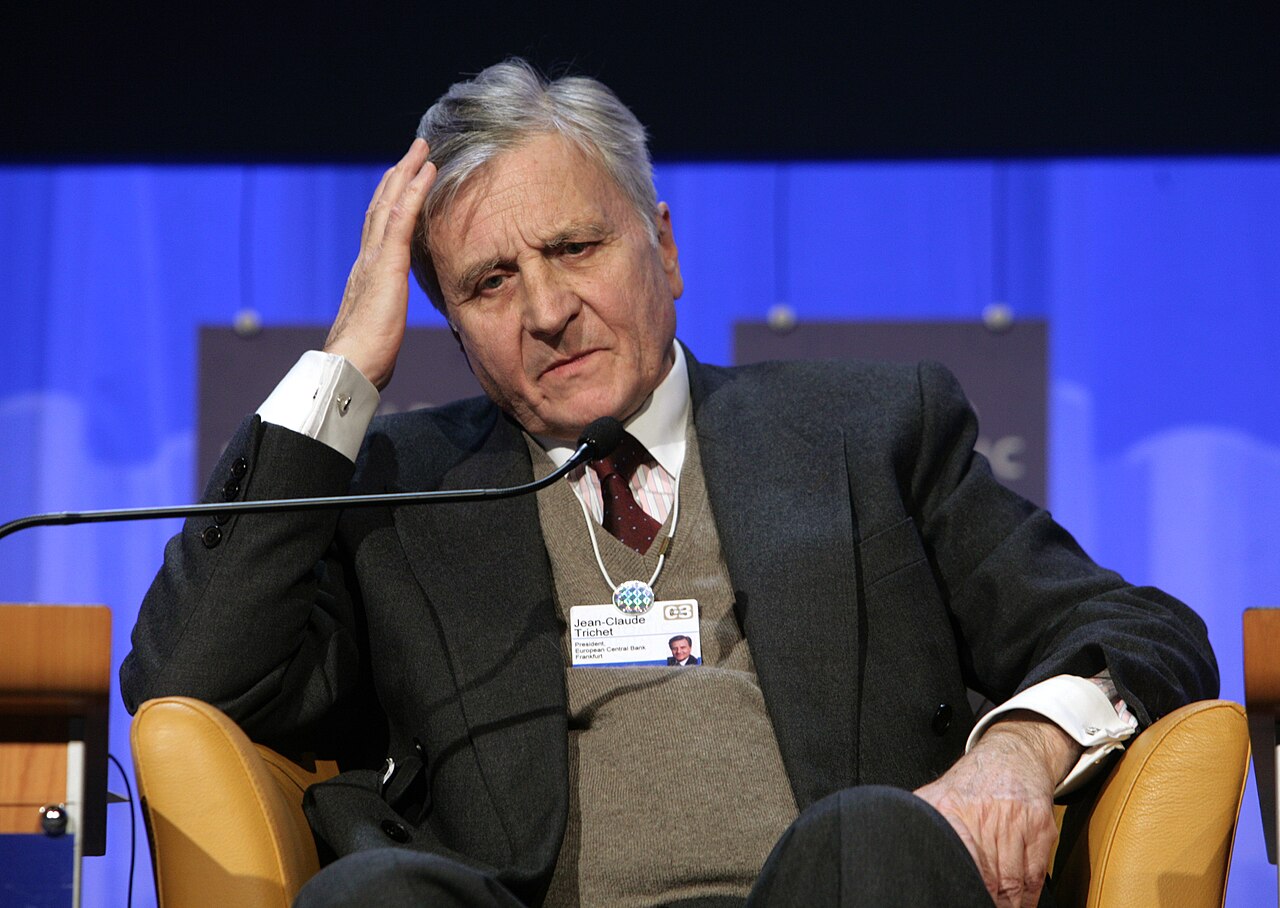
On a single day, three European central banks made some of the largest interest rate cuts in their history. The European Central Bank in Frankfurt cut its main rate by three-quarters of a percentage point to 2.5%, the biggest cut since the euro was created in 1999. Most analysts had expected half a point. ECB President Jean-Claude Trichet said inflation pressures were easing quickly as oil prices fell, while the economic outlook for the eurozone had darkened sharply.
An hour earlier, the Bank of England had cut its rate by a full percentage point, from 3% to 2%. That was the lowest level since 1951, and it came less than a month after its 1.5-point cut in November. In Stockholm, Sweden's Riksbank cut its rate by 1.75 points to 2%, the largest cut in its modern history. Central banks across Europe were now racing to support their economies as the recession deepened. Britain's rates would fall to 0.5% by March 2009, and the ECB's to 1% by May.
In Ottawa, Governor General Michaëlle Jean agreed to a request from Prime Minister Stephen Harper to suspend, or "prorogue", Parliament until late January. Opposition parties had formed a coalition and were planning to bring down his minority Conservative government in a confidence vote, and the suspension prevented that vote. The move was unprecedented and set off a fierce debate about Canada's constitution. The coalition later fell apart, and Harper's government survived.
The US Labor Department reported that employers had cut 533,000 jobs in November, the largest monthly loss since December 1974. Economists had expected about 325,000. The unemployment rate rose from 6.5% to 6.7%, its highest level in 15 years. Earlier months also turned out to be worse than first reported. October's losses were revised up to 320,000 and September's to 403,000, which brought the total for the year to about 1.9 million jobs. Job cuts were spreading from construction and manufacturing to almost every part of the economy. Service industries such as retail, hotels, finance and temporary staffing lost 370,000 positions.
The figures added to the pressure on Washington to act quickly. President-elect Barack Obama called them a "wake-up call" and promised a large economic recovery plan that would create or save millions of jobs. Congress was still arguing about emergency loans for the Detroit carmakers, which warned that their collapse could cost millions more jobs. Some economists noted that, as a share of the much larger workforce, the losses were still smaller than those of 1974. But by spring 2009, the economy would be losing more than 700,000 jobs a month.
In Las Vegas, former American football star O. J. Simpson was sentenced to up to 33 years in prison for armed robbery and kidnapping. The charges came from a 2007 confrontation in a hotel room, where he and several men tried to take back sports memorabilia he said had been stolen from him. Simpson had been acquitted of murder in 1995, in one of the most famous trials in American history. He was released on parole in 2017.
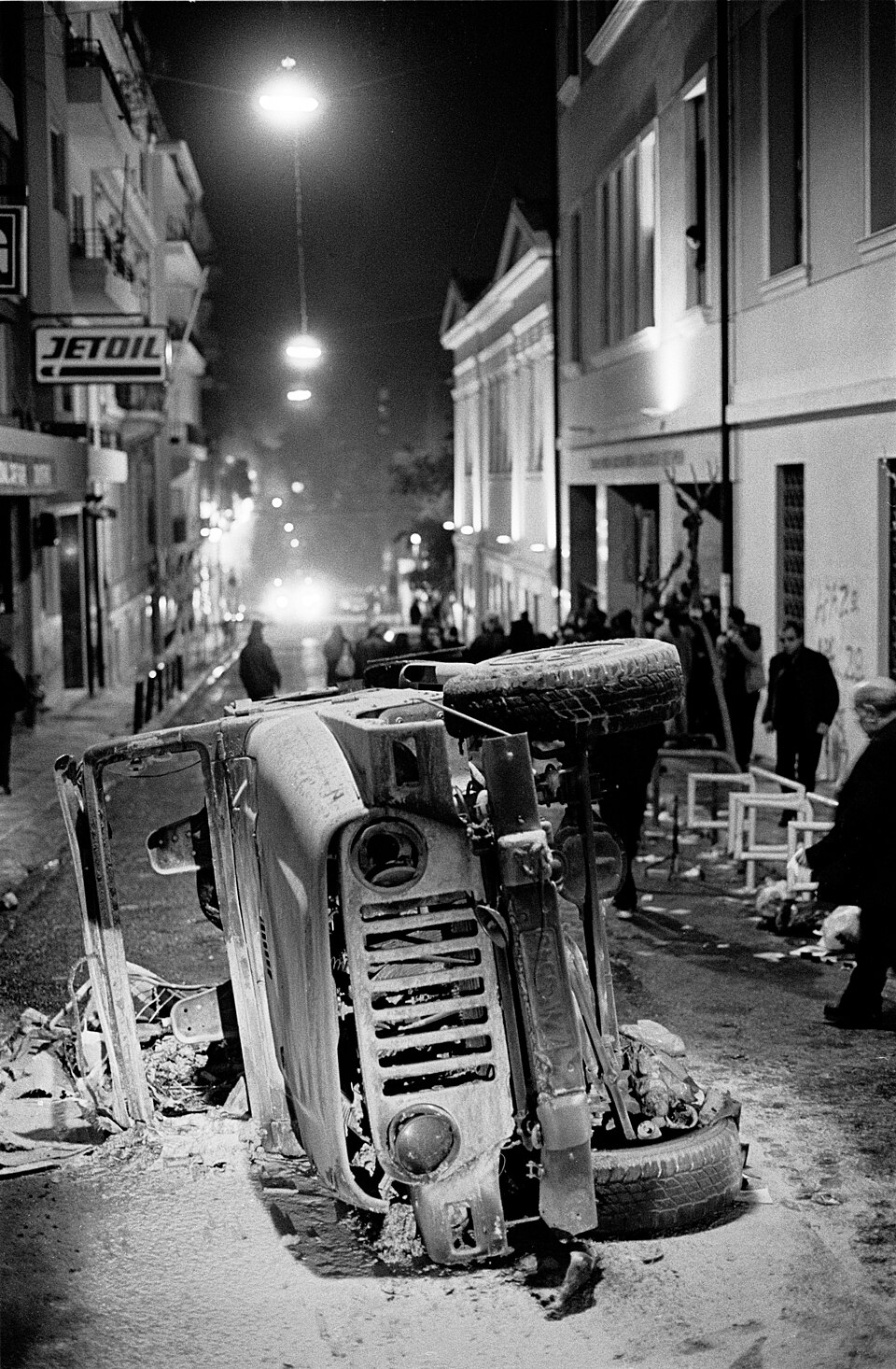
On Saturday evening in Exarchia, a lively central Athens neighbourhood known for its students and left-wing activists, a police officer shot dead 15-year-old schoolboy Alexandros Grigoropoulos. Two officers from a special guard unit had exchanged words with a group of teenagers. Witnesses said one of the officers then raised his gun and fired, hitting the boy in the chest. The officers at first claimed they had been attacked and had fired warning shots, but later investigations did not support that account. The officer who fired, Epaminondas Korkoneas, was arrested and charged with murder, and in 2010 a court sentenced him to life in prison.
News of the boy's death spread quickly by text message and online. Within hours, thousands of people poured into the streets of Athens, Thessaloniki and other cities. Banks, shops and cars were set on fire, and riot police fired tear gas. Over the following weeks the protests grew into the worst unrest Greece had seen in decades. Secondary school pupils occupied their schools, students took over universities, and the unions held a general strike. Hundreds of businesses were damaged in Athens alone, and the giant Christmas tree in Syntagma Square was set on fire.
The anger went beyond a single shooting. Many young Greeks felt they had no future: they faced high youth unemployment, low wages, a struggling education system and a political class they saw as corrupt. Interior Minister Prokopis Pavlopoulos offered to resign, and Prime Minister Kostas Karamanlis's government was badly weakened. A year later, Greece's debt crisis would begin. Every year on December 6, marches in Athens remember Alexandros.
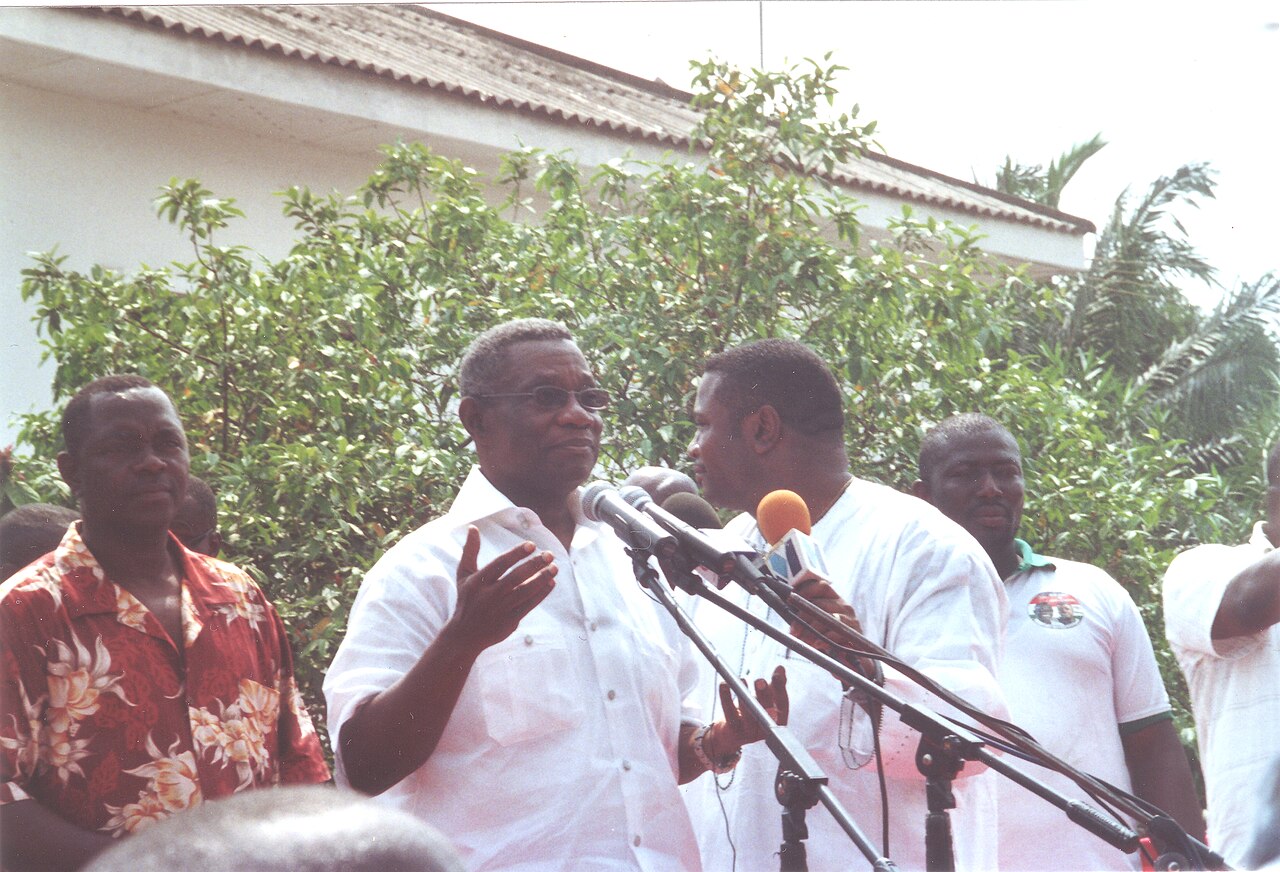
Millions of Ghanaians queued from before dawn to vote in presidential and parliamentary elections. They were choosing a successor to President John Kufuor, who was stepping down after two terms, as the constitution required. The two main candidates were Nana Akufo-Addo of Kufuor's governing New Patriotic Party (NPP), a former foreign minister, and John Atta Mills of the opposition National Democratic Congress (NDC), who had lost the two previous elections. Turnout was high, and both international and local observers judged the vote largely peaceful, transparent and well organised. That stood out in a region where disputed elections, such as Kenya's a year earlier, had sometimes led to violence.
The result was extremely close. When the Electoral Commission announced the count days later, Akufo-Addo had about 49% and Atta Mills about 48%, so neither reached the 50% needed to win in the first round. A runoff was held on December 28, and Atta Mills won it by the narrowest of margins, with just over 50.2%. The final result depended on a single constituency that voted again on January 2. Akufo-Addo accepted defeat, and power passed peacefully to the opposition for only the second time in Ghana's history.
The election strengthened Ghana's reputation as one of Africa's most stable democracies. It was also watched closely because Ghana had recently discovered large offshore oil reserves, which were due to start producing in 2010. Akufo-Addo would eventually win the presidency in 2016.
The Tribune Company filed for Chapter 11 bankruptcy protection in a court in Delaware. It owned the Chicago Tribune, the Los Angeles Times, the Baltimore Sun and other newspapers, as well as more than 20 television stations. It listed about $7.6 billion in assets and nearly $13 billion in debts. It was the largest bankruptcy in the history of the American media industry. The newspapers and TV stations would keep operating while the company tried to reorganise.
Most of the debt came from a deal only a year earlier. In December 2007, the Chicago property billionaire Sam Zell had bought Tribune for about $8.2 billion, using very little of his own money and borrowing heavily against the company. Zell blamed a "perfect storm": newspaper advertising was collapsing as readers and advertisers moved online, the recession was hitting retail and property ads, and the credit crisis made it impossible to refinance. Tribune had already cut hundreds of journalists, sold the newspaper Newsday and tried to sell the Chicago Cubs baseball team, which was not part of the bankruptcy.
The collapse was seen as a sign of a deeper crisis in the newspaper business. Over the following months, other major American newspaper groups also filed for bankruptcy. Some long-established papers, such as Denver's Rocky Mountain News and the printed Seattle Post-Intelligencer, closed altogether, and thousands of newsroom jobs disappeared. Tribune remained in bankruptcy for four years, and its reorganisation plan was approved only in July 2012.
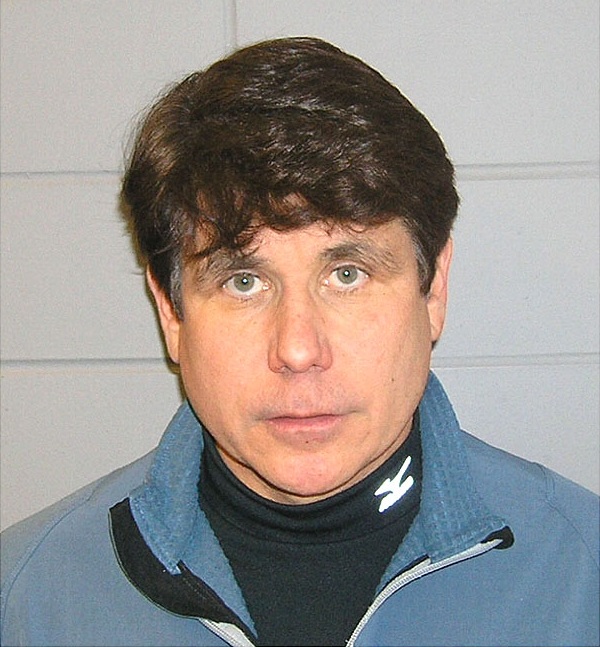
Early in the morning, FBI agents arrested Rod Blagojevich, the Democratic governor of Illinois, at his home in Chicago. His chief of staff, John Harris, was also arrested. Federal prosecutors charged them with corruption. The most shocking accusation was that Blagojevich had tried to sell the US Senate seat that President-elect Barack Obama had just given up. In Illinois, the governor has the power to appoint a replacement when a Senate seat falls vacant. Prosecutors said Blagojevich had tried to use that power to get money, a highly paid job, or campaign contributions for himself or his wife.
US Attorney Patrick Fitzgerald said investigators had bugged the governor's campaign office and tapped his home phone. Recorded conversations, quoted in the charges, showed Blagojevich describing the Senate seat in crude terms as a valuable prize he would not give away for nothing. He was also accused of threatening to withhold state help for the sale of Wrigley Field unless the Tribune Company fired editorial writers who had criticised him. "We were in the middle of a corruption crime scene and we wanted to stop it," Fitzgerald said.
The scandal embarrassed Obama's home state party just as he was preparing to take office. Obama said he had had no contact with the governor about the seat, and an internal review later found no wrongdoing by his staff. Blagojevich refused to resign. He even appointed former Illinois attorney general Roland Burris to the seat at the end of December. In January 2009, the Illinois legislature impeached him and removed him from office. In 2011, he was convicted on 17 corruption counts and sentenced to 14 years in prison.
Late in the evening, after hours of heated debate, the US House of Representatives voted 237 to 170 to approve about $14 billion in emergency loans for General Motors and Chrysler. The two companies had warned they could run out of cash within weeks. The bill was negotiated between Democratic leaders and the Bush White House. It would take the money from an existing programme meant for developing fuel-efficient cars. It would also give the government shares in the companies and appoint a federal "car czar" with the power to require a restructuring plan by the end of March 2009. Ford said it did not need the money right away.
Supporters said that letting the carmakers collapse in the middle of a recession could destroy millions of jobs at factories, suppliers and dealerships, especially in the Midwest. Opponents, mostly Republicans, argued that the companies had been badly run for years and should go through bankruptcy instead. They also objected that taxpayers were being asked to rescue yet another industry. The bill's prospects in the Senate looked doubtful, and the next day Senate Republicans blocked it. The White House then turned to the $700 billion bank rescue fund and approved $17.4 billion in loans for GM and Chrysler on December 19.
In Oslo, former Finnish President Martti Ahtisaari received the 2008 Nobel Peace Prize for more than three decades of work resolving international conflicts. His work included Namibia's independence, the 2005 peace agreement in Aceh, Indonesia, and talks on Kosovo. The ceremony fell on the 60th anniversary of the Universal Declaration of Human Rights.
Early in the morning, FBI agents arrested Bernard Madoff at his luxury apartment on Manhattan's Upper East Side. Madoff was a 70-year-old Wall Street veteran, a former chairman of the Nasdaq stock market and a highly respected figure in finance and charity. The day before, he had confessed to his two sons that his investment advisory business was "one big lie" and "basically, a giant Ponzi scheme". In a Ponzi scheme, earlier investors are paid "returns" with money from new investors, so profits that were never actually earned can be paid out. His sons reported him to the authorities that evening.
For decades, Madoff had reported smooth, steady returns of around 10% a year, which attracted wealthy individuals, charities, pension funds and banks from New York to Geneva and Tokyo. In reality, he had not invested the money at all. When the financial crisis led clients to ask for about $7 billion back, the money was not there. Madoff told investigators that losses could reach $50 billion. Later estimates of the paper losses ran as high as $65 billion, which made it the largest financial fraud in history. Victims included Holocaust survivor and author Elie Wiesel's foundation, Hollywood figures, universities, and European and Asian banks. Some investors lost their entire life savings.
The scandal also exposed failures by regulators. The Securities and Exchange Commission had received detailed warnings about Madoff for years, most notably from the analyst Harry Markopolos, but had not uncovered the fraud. In March 2009 Madoff pleaded guilty to 11 federal crimes, and he was sentenced to 150 years in prison. He died in prison in 2021. A court-appointed trustee eventually recovered more than $14 billion for victims.
At the end of a two-day summit in Brussels, the leaders of the European Union's 27 member states reached agreement on three of the biggest issues of the year. French President Nicolas Sarkozy, whose six-month EU presidency was about to end, called the result "historic".
The first was a package of climate laws known as "20-20-20". It committed the EU to cut its greenhouse gas emissions by 20% from 1990 levels by 2020, to get 20% of its energy from renewable sources, and to improve energy efficiency by 20%. European Commission President José Manuel Barroso said Europe had passed its "credibility test" and that the package was the most ambitious adopted anywhere in the world. To get everyone on board, the leaders granted concessions. Poland and other coal-dependent Eastern European countries, as well as heavy industries in Germany and Italy, received free emissions permits and more time. Environmental groups said this weakened the deal. Even so, it gave Europe a strong position ahead of the Copenhagen climate conference a year later.
Second, the leaders endorsed an economic recovery plan worth about €200 billion, roughly 1.5% of the EU's economic output. Most of it would come from national governments through tax cuts and public spending, and the rest from the EU budget and the European Investment Bank. Third, they agreed on a way out of the deadlock over the Lisbon Treaty, which Irish voters had rejected in June. Ireland would hold a second referendum in 2009 after receiving guarantees, including that every member state would keep its own commissioner. In October 2009, Irish voters approved the treaty, and it took effect that December.
In Dazaifu, near Fukuoka in southern Japan, Chinese Premier Wen Jiabao, Japanese Prime Minister Taro Aso and South Korean President Lee Myung-bak held the first summit of the three countries outside of other regional meetings. The leaders of North-East Asia's three largest economies had met before on the sidelines of ASEAN gatherings. This was the first time they met on their own, and they agreed to hold the summit every year. Together, the three countries produced about a sixth of the world's output and held a large share of its foreign currency reserves.
The global financial crisis dominated the talks. South Korea had been hit especially hard. Its currency, the won, had fallen sharply against the dollar that year as foreign investors pulled money out, and Seoul feared a repeat of the 1997 Asian financial crisis. To help, China and South Korea signed a currency swap deal worth 180 billion yuan, or about 38 trillion won, for three years. Japan and South Korea expanded their own swap arrangement to the equivalent of $20 billion. These deals meant the central banks could lend each other currency in an emergency. The leaders also agreed to speed up the Chiang Mai Initiative, a regional pool of reserves that included the ASEAN countries.
In their joint statement, the three governments promised to work together on the crisis, to cooperate on disaster relief, the environment and energy, and to deepen exchanges between their peoples. They also adopted an action plan for trilateral cooperation. The summits became an annual event, and in 2011 a permanent secretariat was set up in Seoul.
George W. Bush made a final, unannounced visit to Iraq a month before leaving office. At a press conference with Prime Minister Nouri al-Maliki in Baghdad, he and Maliki signed and celebrated the new security agreement that set a deadline for US troops to leave. Suddenly, an Iraqi television journalist, Muntadhar al-Zaidi of the Cairo-based channel Al-Baghdadia, stood up in the third row and threw one of his shoes at the president. "This is a farewell kiss from the Iraqi people, you dog!" he shouted. Bush ducked, and the shoe flew over his head. Zaidi immediately threw the second shoe, shouting, "This is for the widows and orphans and all those killed in Iraq!" It hit the American flag behind the podium as Maliki tried to block it.
In the Arab world, showing someone the sole of your shoe or throwing a shoe at them is one of the strongest possible insults. Security guards wrestled Zaidi to the floor and dragged him out of the room. Bush stayed calm and joked to reporters that it had been a size 10. Then he went on with the press conference, saying it was a sign of a free society.
The clip was shown around the world almost instantly and became one of the defining images of the end of Bush's presidency. Thousands of Iraqis demonstrated in Baghdad and other cities to demand Zaidi's release, and many people in the Arab world hailed him as a hero. Others said it was disrespectful to a guest. Zaidi was sentenced to three years in prison for assaulting a foreign leader, but the sentence was reduced, and he was released in September 2009 after nine months. Copycat shoe-throwing incidents later followed in many countries.
On December 15, direct flights, direct shipping and direct postal services between the mainland and Taiwan began. These were known as the "three links" (大三通), and they ended a separation of almost six decades since 1949. The links had been agreed in Taipei in November during the visit of Chen Yunlin, president of the mainland's Association for Relations Across the Taiwan Strait.
In the morning, the first flights took off. A China Eastern Airlines plane left Shanghai Pudong for Taoyuan, and a TransAsia Airways flight left Taipei Songshan for Shanghai. For the first time, they flew a more direct route instead of detouring through Hong Kong's airspace, which cut journey times considerably. The number of weekly charter flights rose sharply, and many more mainland cities were added as destinations. At the same time, cargo ships set sail directly across the Strait: from Keelung in Taiwan, and from Tianjin, Shanghai and other mainland ports. Until then, ships had had to stop at a third place, such as Japan's Ishigaki island or Hong Kong. Ceremonies in Beijing and Taipei marked the start of direct mail, which had previously gone through third locations.
Businesspeople, tourists and families with relatives on both sides welcomed the change, which saved them time and money. Trade and tourism grew rapidly in the following years. Regular scheduled flights replaced charters in 2009, and mainland tourists became one of the largest groups of visitors to Taiwan. Leaders on both sides described the start of the three links as a milestone in the development of cross-strait relations.
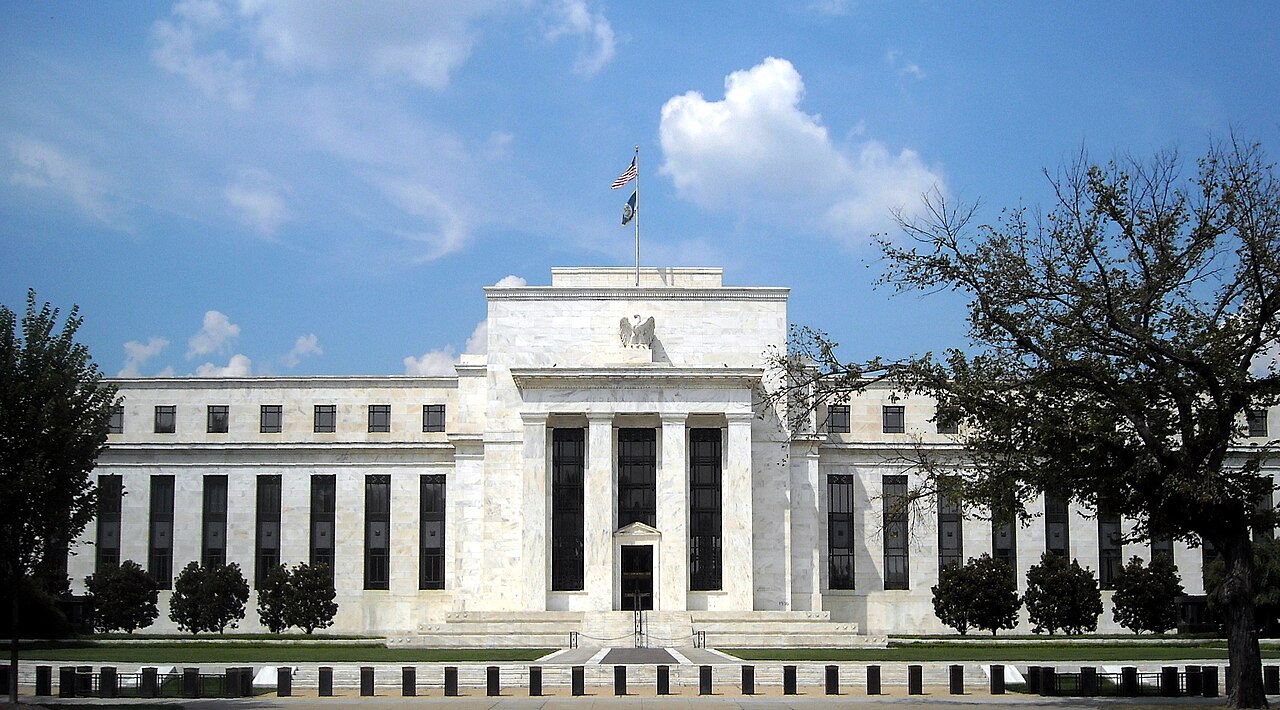
The US Federal Reserve cut its key interest rate to the lowest level in its history. Instead of setting a single target for the federal funds rate, the rate at which banks lend to each other overnight, it announced a range of 0 to 0.25%, down from 1%. It was the first time the Fed's target had ever been below 1%. Most analysts had expected a smaller cut, to 0.5%. Wall Street rallied on the news, and the Dow rose almost 360 points.
In its statement, the Fed said the economic outlook had weakened further and that inflation was falling quickly. It said it would keep rates at "exceptionally low levels" for "some time", an early version of what economists later called forward guidance. Because the main interest rate could hardly go any lower, the Fed also said it would now rely on other tools. It would keep buying large amounts of mortgage-backed securities and the debt of the housing agencies Fannie Mae and Freddie Mac, and it was ready to buy long-term government bonds. The aim was to push down long-term rates on mortgages and loans directly. Commentators said the US was now following Japan, which had kept rates near zero for much of the previous decade.
The decision marked the start of a long era of near-zero interest rates. The Fed did not raise rates again until December 2015, seven years later. Its large-scale asset purchases, known as "quantitative easing", grew to trillions of dollars and were copied by other central banks around the world.
Meeting in Oran, Algeria, the Organization of the Petroleum Exporting Countries (OPEC) agreed to cut its oil production by 2.2 million barrels a day from January 1, 2009. It was the largest single cut in the cartel's history. Together with reductions agreed in September and October, OPEC had now promised to remove about 4.2 million barrels a day from the market, roughly 5% of world supply. Russia and Azerbaijan, which were not members, said they would also reduce exports.
The decision came at the end of an extraordinary year for oil. In July, the price of crude had reached a record $147 a barrel, but since then it had fallen by more than two-thirds. The global recession was destroying demand, as factories cut production, trade slowed and drivers in rich countries used less fuel. For the first time in decades, world oil consumption was expected to fall for two years in a row. Saudi Oil Minister Ali al-Naimi said the cut was needed to stop stockpiles from piling up, and that producers needed higher prices to keep investing in new supplies.
The markets were not convinced. Within minutes of the announcement, US crude fell to about $40 a barrel, its lowest level since 2004. Traders doubted that all members would fully stick to their quotas, and they believed demand was falling faster than supply could be cut. Before the end of the week, prices had dropped below $34. The price did not begin a steady recovery until spring 2009, as China's stimulus helped revive demand. For oil exporters from Venezuela to Russia, the price collapse meant sharply lower revenues.
At the Great Hall of the People in Beijing, nearly 6,000 people gathered for a ceremony marking the 30th anniversary of China's policy of "reform and opening up". On the same day in 1978, the Third Plenary Session of the 11th Central Committee of the Communist Party of China had opened. Under Deng Xiaoping's leadership, it shifted the country's focus to economic development and began the reforms that transformed China. President Hu Jintao called that meeting the most significant turning point in the Party's history since the founding of the People's Republic in 1949.
In a long speech, Hu reviewed the achievements of the three decades. China's economy had grown by an average of 9.8% a year, and its gross domestic product had risen from about 364.5 billion yuan in 1978 to about 24.95 trillion yuan in 2007. Hundreds of millions of people had been lifted out of poverty. The reforms had begun with the household responsibility system in the countryside and the special economic zones such as Shenzhen. They then moved on to the shift from a planned economy to a socialist market economy, joining the World Trade Organization in 2001, and opening China to foreign trade and investment.
Hu said China would keep to the path of socialism with Chinese characteristics and continue to deepen reform. He said the country would learn from the achievements of other political civilisations but would not copy Western political systems, and he stressed the importance of stability. Turning to the global financial crisis, he said China faced serious difficulties and challenges, as exports were falling and factories in the coastal provinces were closing. He called for steady and relatively fast growth, backed by the 4 trillion yuan stimulus package announced in November.
A week after the Senate failed to pass a rescue for the car industry, President George W. Bush announced that the government would lend General Motors and Chrysler $17.4 billion to keep them out of bankruptcy. The money came from the $700 billion Troubled Asset Relief Program, which Congress had created to rescue banks, not carmakers. Of the total, $13.4 billion was available right away: $9.4 billion for GM and $4 billion for Chrysler. GM had warned it could run out of cash within weeks. Ford, which had more cash, did not ask for help.
"In the midst of a financial crisis and a recession, allowing the U.S. auto industry to collapse is not a responsible course of action," Bush said at the White House. He also admitted that he had always believed in free markets. The loans came with conditions. The companies had to prove they could become viable by March 31, 2009, by cutting debts, renegotiating labour contracts and slimming down. If they failed, the loans could be called back and the companies could be forced into bankruptcy. Executive pay and perks such as corporate jets were limited, and the government received the option to take shares.
The decision passed the hardest choices to the incoming Obama administration. In the end, both GM and Chrysler went through government-managed bankruptcies in 2009, and the US Treasury became GM's largest shareholder for a time.
In Gaza, Hamas declared that the six-month ceasefire with Israel, agreed in June with Egyptian mediation, would not be renewed. Rocket fire into southern Israel increased in the following days, and on December 27 Israel launched a major military offensive in Gaza.
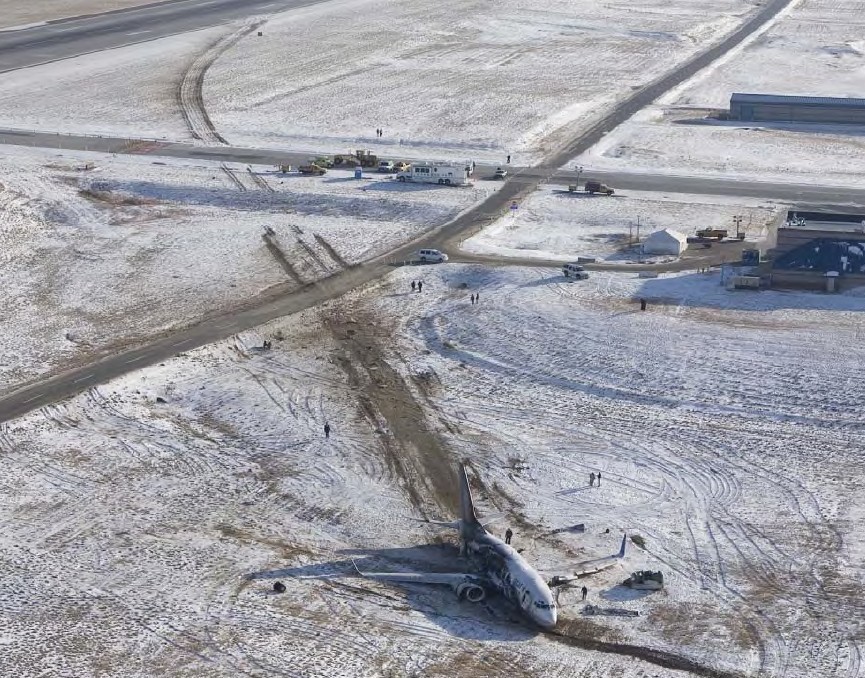
Just after 6 pm, a Continental Airlines Boeing 737-500 left Denver International Airport for Houston. Flight 1404 was carrying 110 passengers and five crew. During its takeoff run, the plane veered off the left side of the runway at about 100 knots (185 km/h), bounced across rough ground and a ravine, and came to rest in a field. Its landing gear and an engine had been torn off, and a fire broke out on the right side of the aircraft.
All 115 people on board escaped down the emergency slides and through the wing exits into the cold, dark night, before the fire spread into the cabin and cockpit. Firefighters arrived within minutes. Around 40 people were taken to hospital, and the official investigation later counted the captain and five passengers among the seriously injured. But no one died. A Denver assistant fire chief called it a miracle that everybody had survived the impact and the fire.
The National Transportation Safety Board found that a sudden, strong gust of crosswind from the west had pushed the plane off course just as it was gathering speed. The captain had stopped using the rudder to correct the drift about a second before the plane began to leave the runway. The investigators also said that air traffic controllers had not been given accurate information about such gusts, and recommended better wind data for pilots and better crosswind training. The accident came only weeks before the "Miracle on the Hudson" in January 2009, when an airliner landed safely on New York's Hudson River.
At the International Stadium in Yokohama, Japan, Manchester United beat LDU Quito of Ecuador 1–0 in the final of the FIFA Club World Cup. They were the first English club to win the tournament in its current form. The competition brought together the champions of each continent, and United had qualified by winning the UEFA Champions League in Moscow in May, beating Chelsea on penalties.
The final was harder than expected. LDU, the first Ecuadorian club to win the Copa Libertadores, defended stubbornly. Early in the second half, United's Serbian centre-back Nemanja Vidić was sent off for elbowing the striker Claudio Bieler. With ten men, Alex Ferguson's team still kept control. In the 73rd minute, Cristiano Ronaldo passed to Wayne Rooney, who curled a low shot into the corner of the net past goalkeeper José Francisco Cevallos. Rooney, who had also scored twice in the semi-final against Japan's Gamba Osaka, was named the player of the tournament.
The victory capped an extraordinary year for United, who had also won the Premier League in May. Ronaldo had already won the Ballon d'Or earlier in December as the world's best player. Ferguson said that winning the title of world champions was a great honour for the club, which had lost the old Intercontinental Cup final to Estudiantes in 1968 and won it against Palmeiras in 1999.
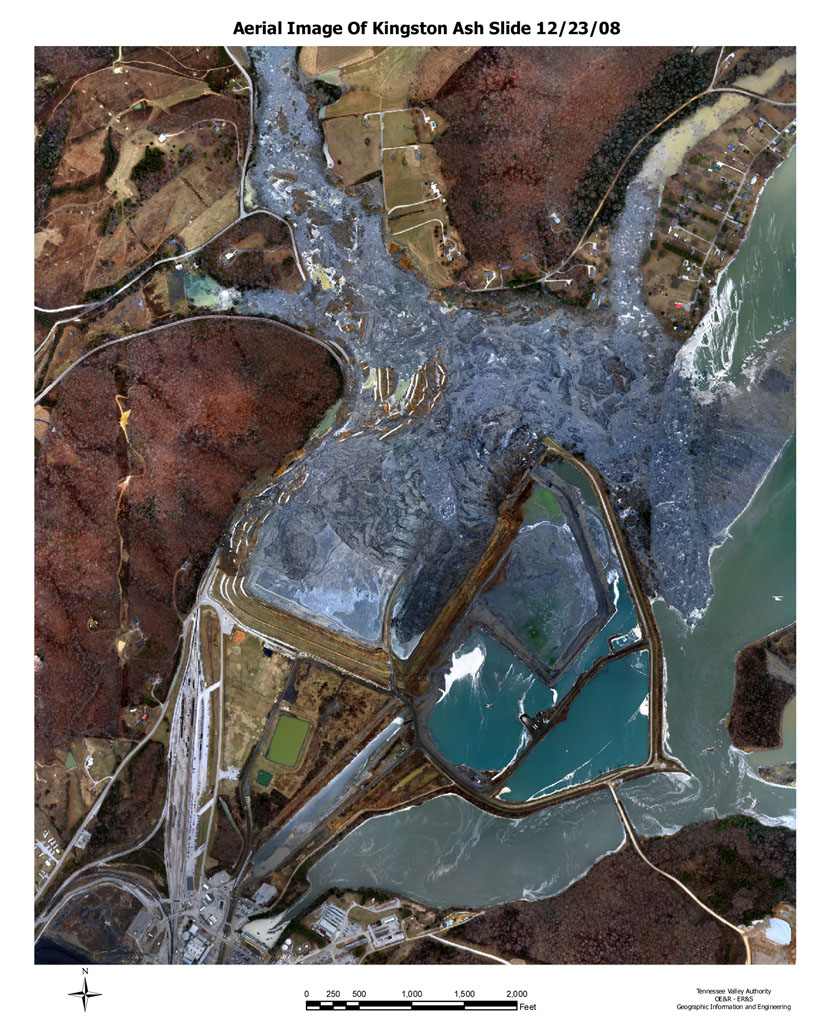
Shortly before 1 am, an earthen wall holding back a huge pond of coal ash at the Kingston Fossil Plant collapsed. The plant is a power station run by the government-owned Tennessee Valley Authority (TVA), about 60 km west of Knoxville, Tennessee. About 1.1 billion gallons (4.2 billion litres) of grey sludge poured out. It was the waste left over from decades of burning coal, and it covered around 400 acres (160 hectares) of land, in places up to two metres deep. It flowed into the Emory and Clinch rivers and swept through a rural neighbourhood. One house was knocked off its foundations, and about a dozen others were damaged and evacuated. Because it happened in the middle of the night, no one was killed.
It was the largest industrial spill of its kind in US history, more than 100 times larger than the Exxon Valdez oil spill by volume. Coal ash contains heavy metals, and tests of the river water found raised levels of arsenic, lead and thallium. The disaster raised alarm about the hundreds of similar ash ponds at power plants across the country, many of which were poorly regulated. The cleanup took six years and cost more than $1 billion. Years later, many cleanup workers who said they had become ill sued the contractor that ran the cleanup. In 2015 the US Environmental Protection Agency introduced the first national rules for coal ash disposal.
In Japan, Toyota, the world's largest carmaker, said it expected its first operating loss in about 70 years. Collapsing car sales in the United States and a strong yen had hit its profits hard.
At 5:02 pm, a special EVA Air charter flight landed at Taoyuan airport in Taiwan carrying two very important passengers: Tuan Tuan and Yuan Yuan, a pair of four-year-old giant pandas who were a gift from the mainland to the people of Taiwan. They had left a giant panda breeding base in Ya'an, Sichuan, early that morning in an enclosed truck, before flying out of Chengdu. The pandas came from the Wolong reserve, which had been badly damaged in the May 12 earthquake. A police escort then took them straight to Taipei Zoo, where a special new enclosure had been prepared for them.
The pandas' names had been chosen by a public vote on the mainland. Put together, "Tuan Yuan" (团圆) means "reunion". The mainland had first offered the pandas in 2005, but for years the gift could not go ahead. It became possible only as relations across the Strait warmed in 2008, coming just a week after the start of direct flights, shipping and post on December 15. Thousands of people in Taiwan were excited about the pandas' arrival. Others saw the gift as part of the mainland's efforts to win hearts and minds on the island.
After about a month in quarantine, Tuan Tuan and Yuan Yuan went on public display at Chinese New Year in January 2009, and huge crowds queued to see them. In 2013 Yuan Yuan gave birth to a cub, Yuan Zai, the first giant panda born in Taiwan. Tuan Tuan died in November 2022, and a team of mainland veterinarians had travelled to Taipei to help care for him during his illness.
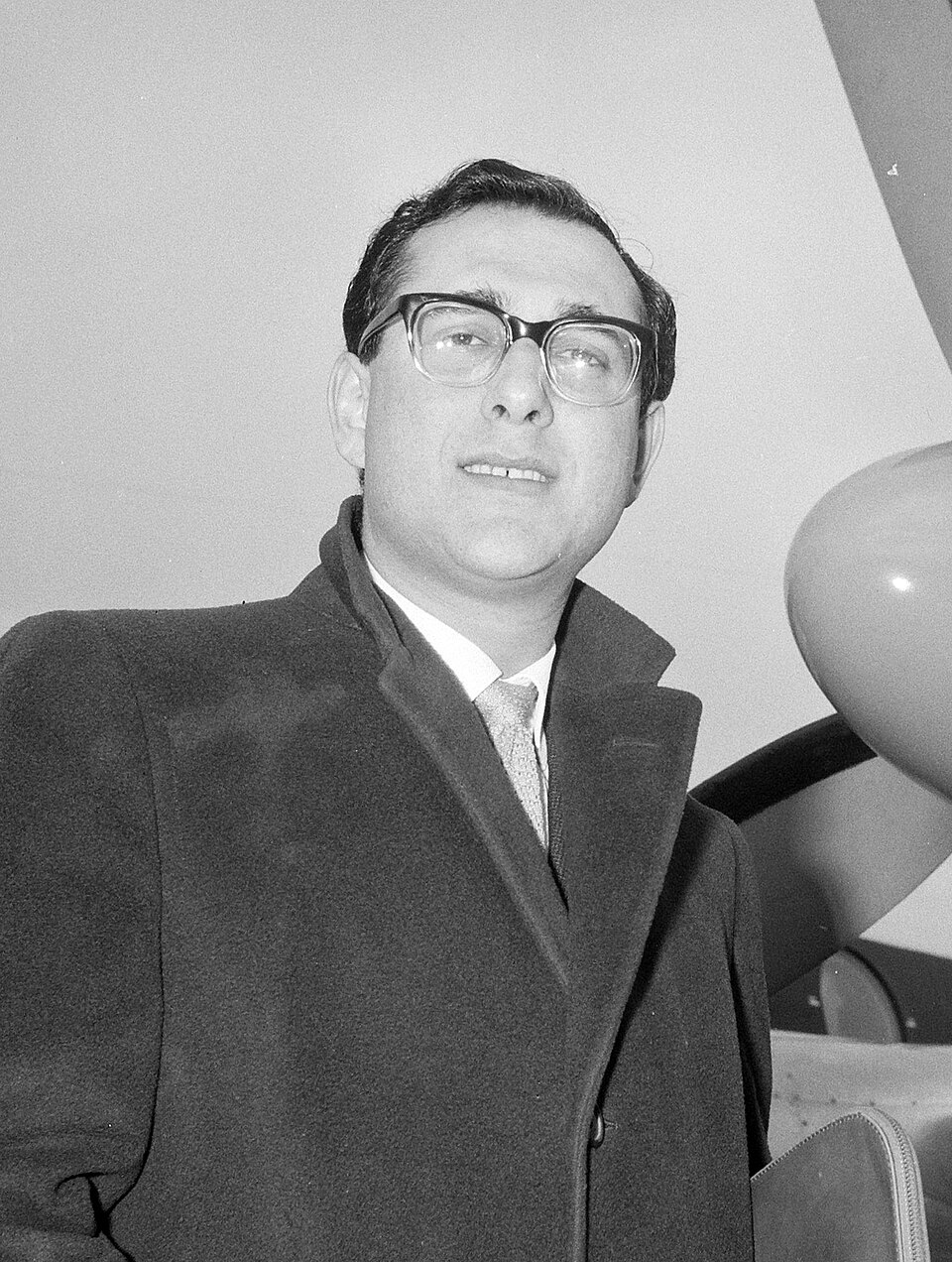
On Christmas Eve, Harold Pinter, one of the most influential playwrights of the 20th century, died of cancer in London at the age of 78. His wife, the historian and biographer Lady Antonia Fraser, announced his death. "He was a great writer," she said, "and it was a privilege to live with him for over 33 years."
Pinter was born in 1930 to a Jewish family in Hackney, east London. He began as an actor before writing his first plays in the late 1950s. Works such as The Birthday Party (1957), The Caretaker (1960) and The Homecoming (1964) introduced a new kind of drama. They were set in ordinary rooms, with dialogue full of menace, silences and power games between characters. The style became so recognisable that the word "Pinteresque" entered the dictionary, and the pauses in his plays became famous. The Homecoming won the Tony Award for Best Play in New York. His later works included Betrayal (1978), which told the story of a love affair in reverse order. He also wrote screenplays, including The French Lieutenant's Woman.
In his later years, Pinter was also known as an outspoken political activist. He campaigned for human rights and sharply opposed the US-led wars in Iraq and elsewhere. In 2005 he was awarded the Nobel Prize in Literature. The Swedish Academy said his plays uncovered "the precipice under everyday prattle". Too ill to travel to Stockholm, he delivered his Nobel lecture by video. Theatres in London's West End dimmed their lights in his memory.
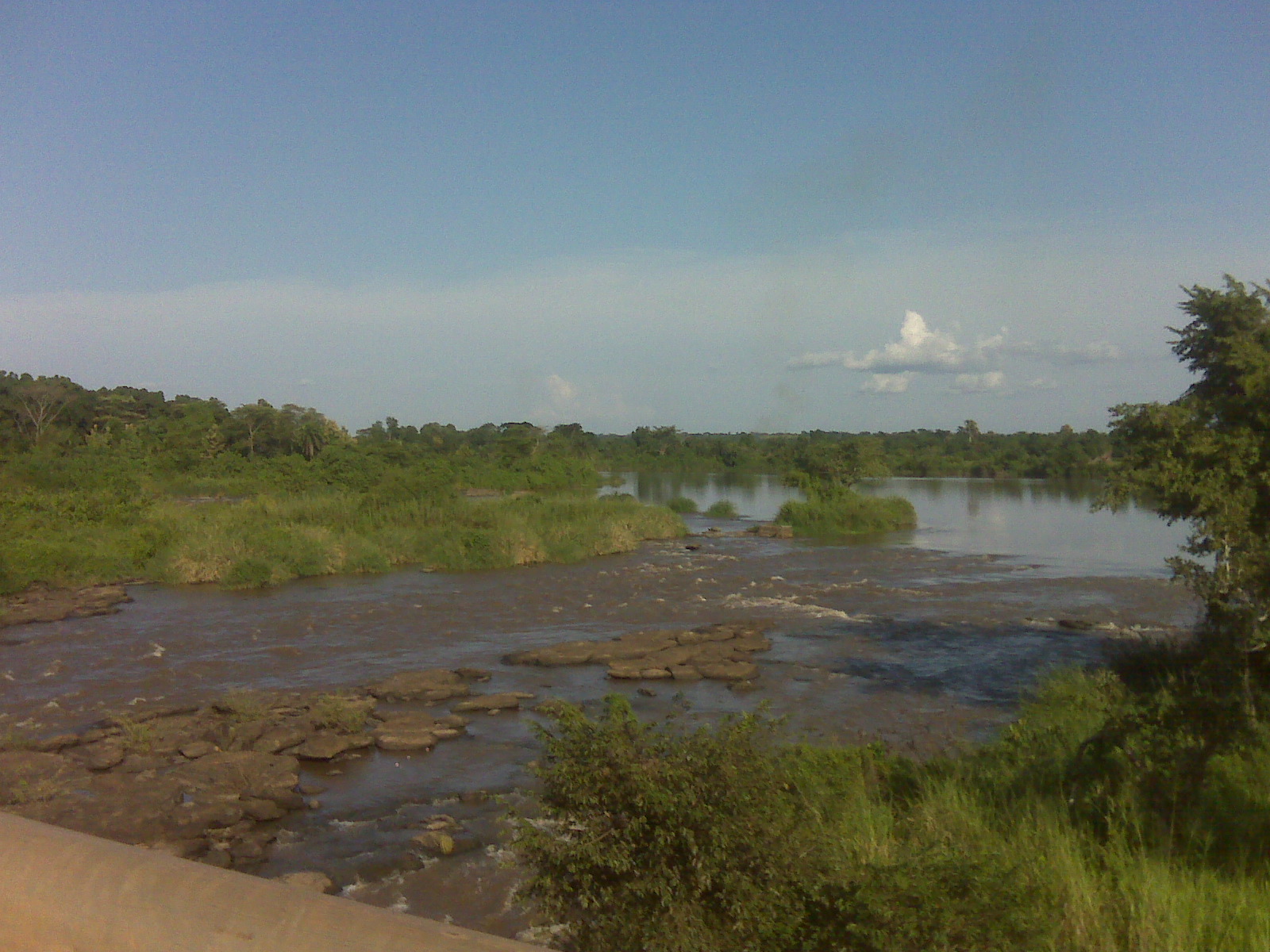
While much of the world celebrated Christmas, fighters of the Lord's Resistance Army (LRA) carried out a series of massacres in the remote Haut-Uele district of the Democratic Republic of the Congo, near the borders with Sudan and the Central African Republic. The LRA was a notoriously brutal rebel group that began in northern Uganda under its leader Joseph Kony. Over 48 hours around Christmas, its fighters attacked villages around Faradje, Doruma and Dungu, often as people gathered for church services and Christmas meals. In the village of Batande near Doruma, about 80 people were reported killed after attending the morning church service. Most of the victims were killed with machetes, clubs and axes rather than guns, and many children were abducted to be used as fighters or slaves.
The UN humanitarian office later reported that the LRA had killed more than 400 people between December 25 and 27 alone. Rights groups that counted the attacks over the following weeks put the total at more than 800 civilians killed, and hundreds of children abducted, by mid-January. Tens of thousands of people fled their homes.
The massacres came less than two weeks after the armies of Uganda, Congo and southern Sudan launched a joint offensive against LRA camps in Congo's Garamba National Park. The operation was called "Lightning Thunder" and was backed by the United States. Kony escaped, and his fighters scattered and took revenge on unprotected villages. The UN peacekeeping mission was criticised for having too few troops in the area to protect civilians.
In Connecticut, the American singer and actress Eartha Kitt, famous for her purring voice and the Christmas song "Santa Baby", died at the age of 81.
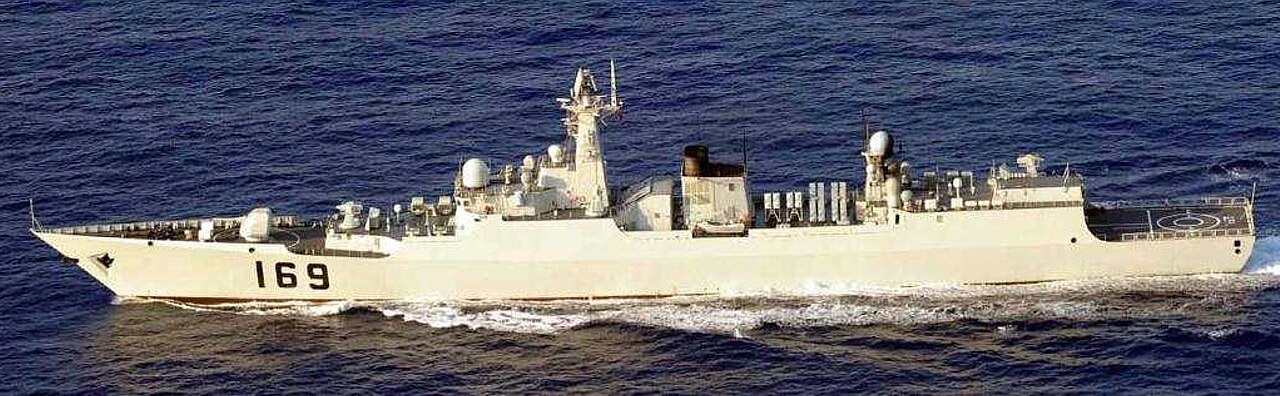
At 1:50 pm, a naval task force left a military port in Sanya, on Hainan island, bound for the waters off Somalia. It was the first time the People's Liberation Army Navy had sent warships on an operational mission so far from home. The fleet was made up of two modern guided-missile destroyers, the Wuhan (hull number 169) and the Haikou (171), and the supply ship Weishanhu (887), all from the South Sea Fleet. Together they carried about 800 sailors, including around 70 special forces troops, and two helicopters.
The mission was to protect ships from piracy. In 2008, Somali pirates had attacked more than 100 vessels in the Gulf of Aden and the Indian Ocean, including the Saudi supertanker Sirius Star in November and several ships with Chinese crews or cargo. The Gulf was one of the world's busiest sea lanes, and about a fifth of Chinese merchant ships crossing it had been threatened. The deployment had the backing of United Nations Security Council resolutions and the approval of Somalia's transitional government. Its main task was to escort Chinese ships, as well as ships carrying humanitarian aid for the World Food Programme. The fleet would also cooperate with the naval patrols of other countries already in the area.
After a voyage of about ten days, including its first refuelling at sea on December 30, the task force reached the Gulf of Aden in early January 2009 and began escort duties. The mission continued for many years afterwards, with fresh task forces rotating every few months. Over time it escorted thousands of ships and became an important part of the navy's experience of operating far from China's shores.
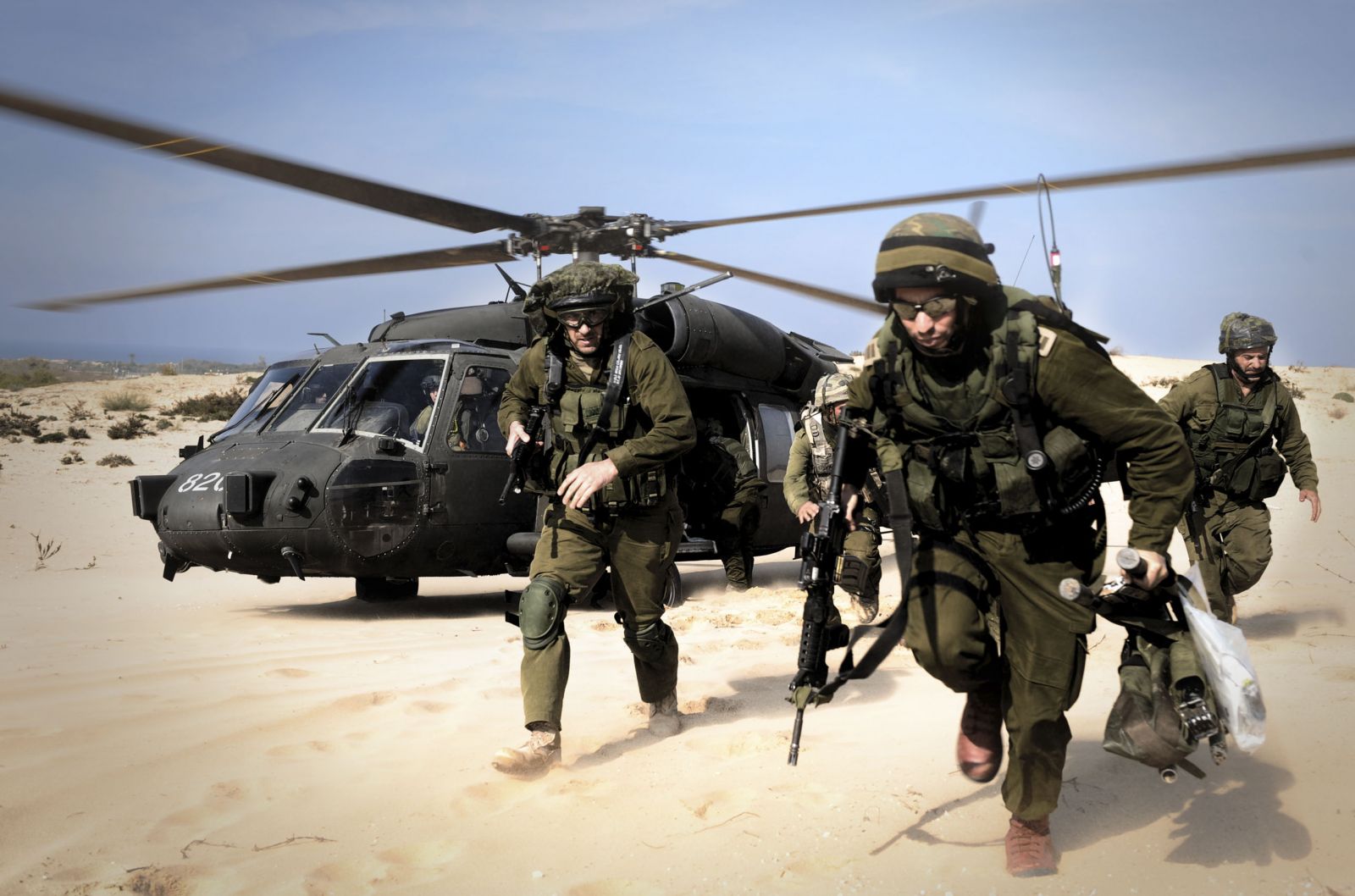
Just before midday, Israeli warplanes began an intense wave of air strikes across the Gaza Strip, the densely populated coastal territory governed by the Islamist movement Hamas. Israel called the campaign "Operation Cast Lead". In the first few minutes, about 100 targets were hit at once, including Hamas security headquarters, government buildings and police stations. In Gaza City, dozens of police cadets were killed in a single strike on a police compound where a ceremony was taking place. By the end of the day, more than 200 Palestinians had been killed and around 700 wounded. Palestinian sources described it as the deadliest single day in the Palestinian territories since 1967.
Israel said it was acting to stop rocket and mortar fire from Gaza into southern Israel, which had increased sharply after a six-month truce between the two sides expired on December 19. That day, militants fired dozens of rockets and mortars at Israeli towns, and one Israeli was killed in Netivot. Hamas called the strikes a massacre and vowed to retaliate. Protests broke out across the Arab and Muslim world, and many governments and the United Nations called for an immediate halt to the violence and for humanitarian access to Gaza, whose 1.5 million people had been living under a blockade.
The fighting lasted for three weeks. On January 3, 2009, Israel began a ground invasion. By the time both sides declared ceasefires on January 18, about 1,400 Palestinians had been killed, according to Palestinian and human rights figures, many of them civilians. Thirteen Israelis had died. Large parts of Gaza's housing and infrastructure had been destroyed. A later UN inquiry accused both Israel and Palestinian armed groups of violating the laws of war.
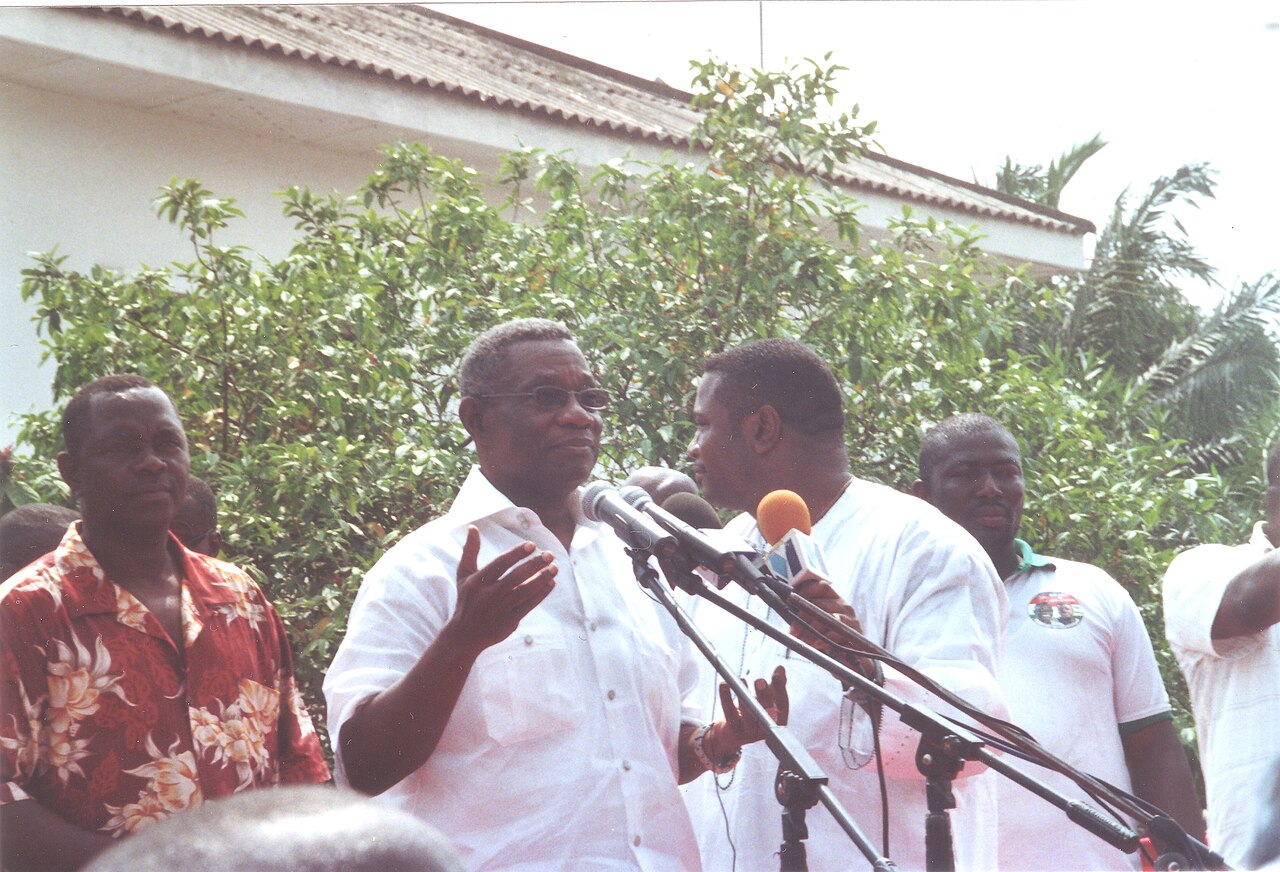
Three weeks after a first round in which neither candidate won a majority, Ghanaians went back to the polls for a presidential runoff. The contest was between Nana Akufo-Addo of the governing New Patriotic Party, who had narrowly led the first round with about 49%, and John Atta Mills of the opposition National Democratic Congress, with about 48%. Both campaigns had worked hard to win over the supporters of smaller parties, and tension rose as each side accused the other of planning to cheat.
Voting was again calm and orderly. Observers from the Carter Center and other groups later described the runoff as transparent and relatively peaceful. As results came in over the following days, the race proved even closer than the first round, with the two candidates separated by a few tens of thousands of votes out of about nine million. The outcome hung on the Tain constituency, where voting had been disrupted. It voted again on January 2, 2009. Atta Mills was then declared the winner with 50.23% of the vote. Akufo-Addo accepted the result, and the opposition took power peacefully. It was only the second change of power between parties in Ghana's history.
In Gaza, Israeli air strikes continued for a second day, hitting tunnels along the Egyptian border, Hamas buildings and a mosque that Israel said was used to store weapons. The Palestinian death toll rose to around 300. Rockets from Gaza reached further into Israel. Israel also began gathering ground troops along the border.
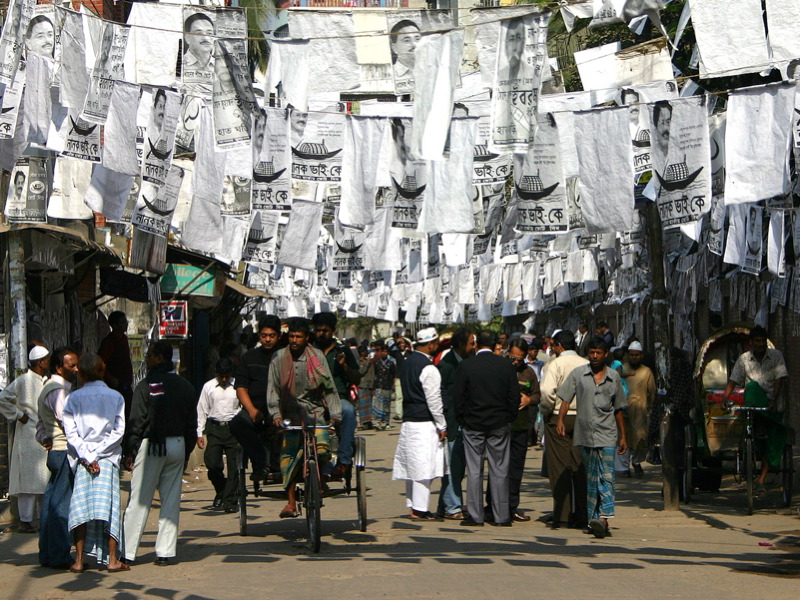
Bangladeshis voted in their first general election in seven years, ending two years of rule by a military-backed caretaker government. That government had taken over in January 2007 after months of violent street battles between the country's two main parties, and it had declared a state of emergency. During its rule, both former prime ministers, Sheikh Hasina of the Awami League and Khaleda Zia of the Bangladesh Nationalist Party (BNP), had been arrested on corruption charges and later released. Around 81 million voters were registered on a new voter list with photo identity cards, which was designed to prevent fraud.
Turnout was about 87%, the highest ever recorded in a Bangladeshi election. The result was a landslide for the Awami League-led "grand alliance", which won about 262 of the 300 seats. The Awami League alone took about 230 seats. Khaleda Zia's BNP and its allies won only about 32. Election observers judged the vote largely free and fair, and it passed off peacefully. Sheikh Hasina was sworn in as prime minister on January 6, 2009. She promised to fight corruption, bring down prices and turn Bangladesh into a "digital" nation.
In Somalia, President Abdullahi Yusuf Ahmed resigned after four years in office, following a long power struggle with his prime minister over peace talks with the Islamist opposition. Parliament speaker Sheikh Aden Madobe became acting president. A UN envoy described it as the first time a Somali president had left office peacefully.
With two days left before their gas supply contract expired, Russia's Gazprom and Ukraine's state energy company Naftogaz were still deadlocked. About 80% of the Russian gas sold to the European Union passed through pipelines across Ukraine. The dispute therefore worried governments from Germany to the Balkans, in the middle of a cold winter.
There were two main points of conflict. The first was debt. Gazprom said Naftogaz owed it more than $2 billion for gas already delivered, plus fines. It refused to sign a new contract until the debt was paid. Ukraine paid part of it at the end of December, but the two sides disagreed about how much was still owed. The second was price. In 2008, Ukraine had paid $179.50 per 1,000 cubic metres, far below what European customers paid. Gazprom now wanted much more, with Russian officials naming figures as high as $418. Kyiv said it could not afford a sharp increase in the middle of an economic crisis. It also wanted higher fees for transporting Russian gas across its territory. Prime Minister Vladimir Putin, after speaking with Ukraine's President Viktor Yushchenko, said that no deal had been reached and accused the Ukrainian side of not wanting to pay. Talks continued in Moscow until the last day of the year, but they ended without agreement.
On January 1, 2009, Gazprom cut supplies to Ukraine. Within days, deliveries to Europe through Ukraine were also disrupted. Bulgaria, Slovakia and parts of the Balkans were left almost without gas in freezing weather. The crisis was resolved only on January 19 with a new ten-year contract. It strengthened Europe's push to diversify its energy supplies.
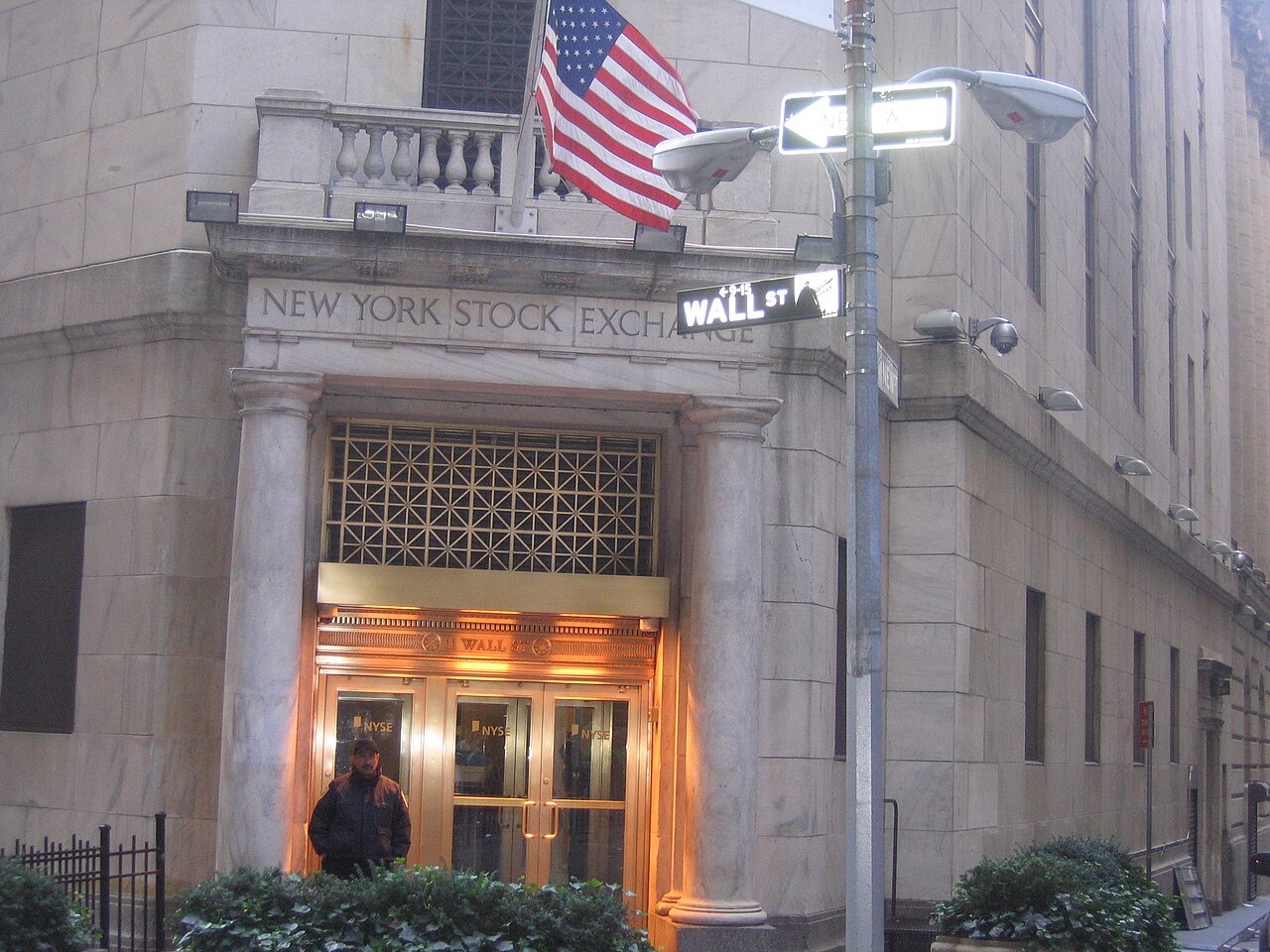
On the last trading day of the year, stock markets around the world rose modestly, but nothing could hide how bad 2008 had been. In New York, the Dow Jones Industrial Average ended the year at 8,776, down 33.8%. It was its worst year since the Great Depression of the early 1930s. The broader S&P 500 index lost 38.5%, and the technology-heavy Nasdaq fell more than 40%. About $7 trillion of American stock market wealth had disappeared over the year. Other markets suffered even more. China's Shanghai Composite Index fell about 65%, its worst year ever. Japan's Nikkei lost 42%, and many emerging markets halved in value.
The year had begun with worries about American home loans. By its end, it had brought the collapse or rescue of famous names: Bear Stearns, Fannie Mae and Freddie Mac, Lehman Brothers, AIG, Merrill Lynch and Citigroup in the United States, and Northern Rock, Fortis and Iceland's banks in Europe. Governments had committed trillions of dollars to save the banking system. Central banks had cut interest rates to historic lows, the Federal Reserve to almost zero. The United States, Europe and Japan were all in recession. Oil had risen to $147 a barrel in July and then fallen to below $45 by December.
For China, 2008 had been a year of extremes. It began with the snowstorms in the south and saw the Sichuan earthquake in May, then the proud moment of the Beijing Olympics in August, the Shenzhou 7 spacewalk in September and the start of direct links across the Taiwan Strait in December. As the world entered 2009, a new US president was about to take office, and the global economy faced its deepest downturn in decades. Major economies were pinning their hopes on stimulus plans, including China's 4 trillion yuan package, to lead the way to recovery.